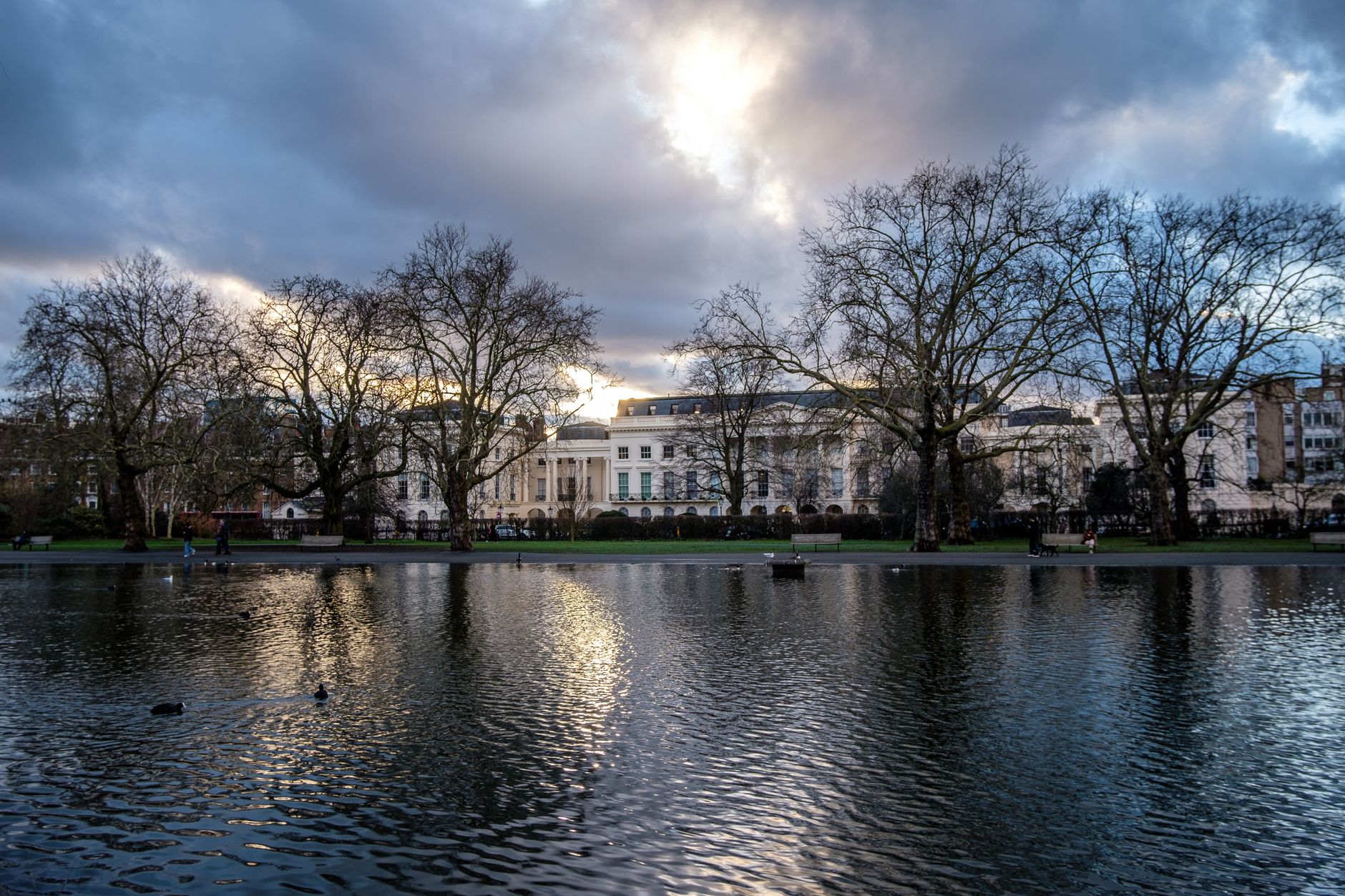
October is one of the easiest months to enjoy London well. Summer crowds have thinned, the parks start to turn, and the city feels made for long walks between museums, squares, and neighborhood high streets. In 2026, Frieze London and Frieze Masters run in Regent’s Park from October 14 to 18, which makes mid-October an especially good moment for an art-focused city break if you want something more current than the standard first-time checklist.
This guide is for travelers who want a London weekend that feels full but not frantic: one major cultural anchor, a few strong walking areas, and enough room for cafés, bookstores, and unplanned detours. If you are using Ingry, this is exactly the kind of trip where it helps: central London is dense, layered, and much easier to enjoy when you can move on foot with context instead of zigzagging across the city.
Why October works so well for London
London in October has a natural rhythm that suits short trips. You can still spend most of the day outside, but it is also museum season again, so moving between parks, galleries, and indoor landmarks feels natural rather than forced. Visit London’s October listings for 2026 highlight citywide Black History Month programming, the BFI London Film Festival from October 7 to 18, Frieze London and Frieze Masters from October 14 to 18, and the NFL London Games from October 4 to 18, all of which can affect crowd patterns and hotel demand in different parts of the city.
That matters for planning. If your dates fall during Frieze Week, stay somewhere with easy access to the West End, Marylebone, Bloomsbury, or South Kensington rather than trying to save time with a hotel far out in the suburbs. London transport is good, but for a weekend, the real luxury is being able to walk two or three neighborhoods in a row.
Who this weekend plan is best for
This itinerary works best for first-time or second-time visitors who want central London, but not only the obvious postcard route. It is especially good if you like art, architecture, parks, and neighborhood walking.
It is less ideal if your priority is big nightlife, football-focused travel, or a long list of far-flung attractions in one trip. October weekends can get busy, and London rewards editing. Trying to fit Camden, Greenwich, Notting Hill, Kew, Shoreditch, the Tower, Westminster, and Wimbledon into three days is the quickest way to spend your trip underground on the Tube.
The smart shape of the weekend
For an October trip, the best logic is to group the city into three broad zones instead of chasing single attractions all over the map:
Day 1: Regent’s Park, Frieze, and Marylebone
If you are visiting during October 14 to 18, start with Frieze London and Frieze Masters in Regent’s Park. Both fairs take place there, and Frieze confirms that 2026 dates are October 14 to 18, with date-and-time-specific entry. Even if you are not a collector, this is one of the easiest ways to tap into a major London cultural moment without overcomplicating the trip.
Go early, keep expectations realistic, and do not try to “complete” both fairs in a marathon rush. A much better day is one fair in focus, time outside in the park, then a slow move south into Marylebone. The park itself is part of the appeal: broad paths, open lawns, and the sense that central London suddenly has room to breathe.
From there, walk toward Marylebone High Street or Baker Street rather than jumping on transport immediately. This part of London works best at strolling pace. You can turn the afternoon into a layered city walk: park paths, residential crescents, bookshops, side streets, then dinner in Marylebone or Fitzrovia.
If you are not in London during Frieze Week, keep the same structure anyway. Regent’s Park still makes a strong autumn morning, and the surrounding neighborhoods give you one of the city’s most pleasant half-days without the intensity of Westminster crowds.
Day 2: Bloomsbury, Covent Garden, and the Strand
Your second day should be built around London’s walkable cultural core. Start in Bloomsbury, where the street pattern is calmer than Soho and the museum density is high. This is a good place for travelers who like architecture and atmosphere as much as headline sights.
From Bloomsbury, walk south toward Covent Garden and then continue to the Strand. That route gives you one of the best transitions in central London: garden squares and academic streets giving way to busier piazza energy, theatres, and grand historic facades. You can spend the middle of the day indoors if the weather turns, then resume walking in late afternoon.
This is also where Ingry is genuinely useful. London’s center is full of places people pass without understanding, and a walking guide helps you connect the layers between major landmarks rather than treating the city like a list of isolated stops.
If you want to keep the day comfortable, skip the temptation to add too much East London here. Shoreditch is worth its own half-day, not a rushed add-on after museum time and the West End.
Day 3: South Kensington or Westminster, depending on your energy
For the last day, choose between two very different London moods.
If you want a calmer, museum-led finish, go for South Kensington. This area is efficient for a final day because the streets are handsome, the museums are close together, and the neighborhood still feels substantial even if the weather is gray. It is a good answer to an October morning when you want less pressure and more flexibility.
If you want the classic London farewell, take the Westminster route instead: big landmarks, river views, and a stronger sense of ceremonial London. The trade-off is simple: Westminster is iconic, but it is also the part of central London most likely to feel crowded and over-orchestrated. If you have already seen the essentials on an earlier trip, South Kensington usually makes for a more relaxed final day.
What to book ahead for an October London trip
If you are traveling during Frieze Week, book your fair ticket in advance. Frieze states that entry is date and time specific, which is important for pacing the day. If your weekend overlaps the BFI London Film Festival or NFL London Games, expect hotel demand and busy transport corridors to increase as well.
You should also book any must-do theatre performance or special exhibition ahead of time. October is not peak summer, but it is still a busy cultural month in London, and the city does not reward leaving everything to chance.
Where to stay for this kind of weekend
For this itinerary, the most practical areas are Marylebone, Bloomsbury, Covent Garden, South Kensington, and parts of Soho or Fitzrovia if you do not mind a busier atmosphere. These neighborhoods keep you close to the places where London is best explored on foot.
If prices push you farther out, choose somewhere on a direct Tube line into central London rather than somewhere that looks close on a map but requires awkward changes. In London, one clean route often beats one theoretically shorter distance.
How to move through the city without wasting time
The key to a good London weekend is knowing when not to use transport. Central London often looks huge before arrival and surprisingly compact once you are walking it. A route that connects Regent’s Park, Marylebone, Fitzrovia, Bloomsbury, Covent Garden, and the Strand can be far more enjoyable on foot than as a series of short Tube hops.
Use the Tube for longer jumps or when rain changes the plan, but do not default to it every time you switch neighborhoods. Buses can also be more intuitive than the Underground for short central movements because they let you stay oriented at street level.
If you want help keeping your route coherent, Ingry is a good companion for exactly this style of trip: walking between major areas while still noticing smaller buildings, squares, and stories that would otherwise disappear into the background.
What to skip if you only have one weekend
Skip overloading the trip with distant one-off detours. In a three-day London break, the biggest planning mistake is spending an hour getting somewhere just to say you technically visited it. If a place is not part of a natural cluster with the rest of your day, save it for another trip.
Also skip trying to do every famous market, every observation deck, and every museum “because it is London.” October is a strong month for atmosphere, and that atmosphere is easy to lose when every hour has a booking attached to it.
A realistic October weekend in London
The best London weekends are rarely the ones with the most attractions. They are the ones with a clear shape: one anchor event, two or three strong walking neighborhoods, room for weather changes, and enough time to let the city unfold between the headline stops.
In October 2026, Frieze Week gives travelers a timely reason to build a trip around Regent’s Park and central London’s most walkable districts. Even if your dates fall outside October 14 to 18, the same weekend structure still works beautifully: park, museum, neighborhood, river, repeat. London is at its best when you stop treating it like a checklist and start moving through it block by block.
London
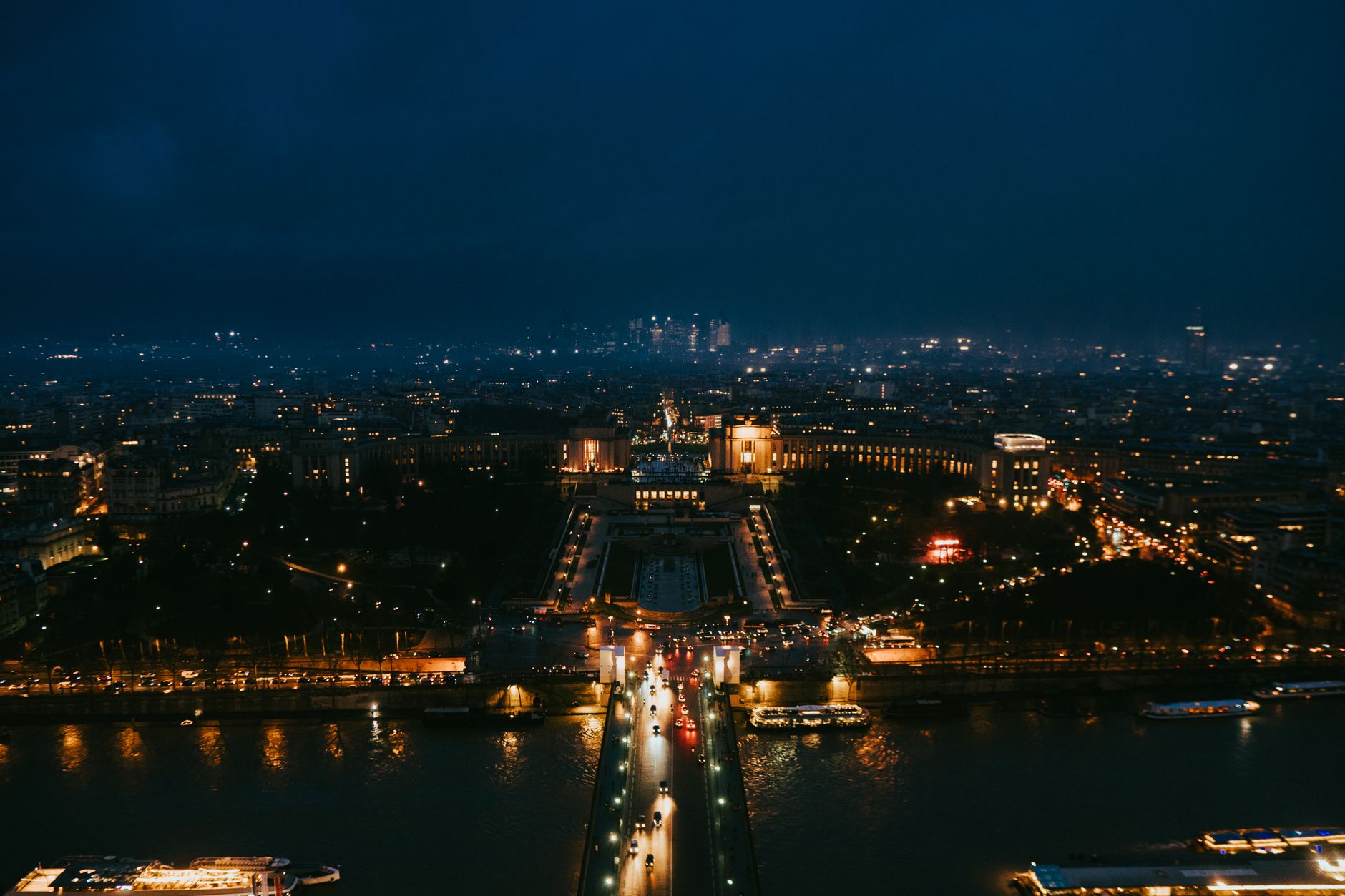
October is one of the most rewarding months for a short trip to Paris. Summer vacation patterns have eased, the city’s cultural season is in full swing, and the pace feels better suited to travelers who want more than a rushed checklist. For a first-time visitor, that usually means a stronger mix of big landmarks, museum time, and neighborhood walking. For a repeat visitor, it is a very good month to build the trip around exhibitions, long walks, and meals indoors when the light starts to fade earlier.
The official Paris tourism board highlights October 2026 as a month packed with exhibitions, cultural events, concerts, fairs, and seasonal outings, making it a strong time for a museum-centered weekend rather than a heat-heavy summer sprint. (parisjetaime.com)
This guide is built for a real three-day stay: where to walk, how to group sights logically, when to slow down, and what to avoid squeezing into the same day. If you like exploring on foot, Ingry is especially useful in Paris for understanding what you are passing between the headline sights, instead of treating the city as a series of metro stops.
Why October works so well in Paris
Paris in October rewards travelers who like structure but do not want the city at its most crowded. You still have enough daylight for long walks, but the weather usually nudges the trip toward a smarter rhythm: one major museum or monument in the morning, an outdoor route in the middle of the day, and a neighborhood-based evening rather than constant crossing back and forth. It is also the point in the year when museum and exhibition programming becomes especially strong. The city’s autumn cultural calendar for 2026 includes major exhibitions across institutions such as the Musée d’Orsay, Grand Palais, Bourse de Commerce and others, with several new autumn openings specifically scheduled in October. (parisjetaime.com)
If your trip falls in early October, be aware that some weekends can feel busier around major cultural events. The official tourism listings note the rescheduled Paris Pride March on Saturday, October 3, 2026, and a festive 160th-anniversary weekend at the Carnavalet Museum on October 3 and 4, 2026. If those dates match your stay, plan around busier central areas and book major museum entries earlier where possible. (parisjetaime.com)
How to plan the weekend well
The biggest mistake on a short Paris trip is trying to cover both banks of the Seine, several large museums, Montmartre, and a night cruise all in one day. October makes that even less appealing. The better approach is to treat Paris as a set of walkable zones.
For a three-day stay, a practical structure is:
Day 1: Historic central Paris and the Seine
Day 2: One major museum district and one residential neighborhood
Day 3: A hilltop or garden morning, then a flexible final afternoon
That rhythm gives you Paris at street level. It also leaves room for weather shifts, which matter more in autumn than in June or July.
Day 1: Start with the historic center, not the Eiffel Tower
For many first-time visitors, the smartest first day begins around the Île de la Cité and the Right Bank rather than at the Eiffel Tower. The reason is simple: this area gives you orientation. You can understand the shape of central Paris, walk the Seine early, and move naturally toward the Marais or the Louvre side without long transport jumps.
Morning
Begin with the cathedral area and the riverfront. Even if you do not enter every monument, this part of the city is ideal for a first long walk because the visual payoff is immediate. From there, follow the Seine west on foot, crossing bridges when the light is best and the embankments are still relatively calm.
If you want museum time on arrival day, keep it modest. Do not pair a full Louvre visit with a heavy evening plan unless you are very disciplined with time and energy. A shorter target is usually better on day one.
Afternoon
Move into the Marais rather than rushing to another major monument. This works especially well in October because the neighborhood is good in mixed weather: you can walk, stop for coffee, dip into smaller museums or shops, and still feel the day has shape. If your dates coincide with the Carnavalet Museum anniversary weekend on October 3 to 4, 2026, the area may be especially lively. (parisjetaime.com)
Evening
Stay central. A Seine walk after dark can be beautiful, but do not force an overfull night program after a travel day. October is better for a measured first evening than for chasing every viewpoint at once.
Using Ingry on this first day can help you turn a simple central walk into a more meaningful one, especially in the older parts of Paris where major landmarks and quieter side streets sit close together.
Day 2: Build the day around one major museum zone
October is a strong month to make museums central to the trip. Official Paris listings for autumn 2026 emphasize a dense exhibition season, including major shows at institutions such as the Musée d’Orsay, Grand Palais, and Bourse de Commerce, plus rotating temporary exhibitions across the city. (parisjetaime.com)
The key is not to stack too many big interiors in one day. Choose one of these patterns instead.
Option A: Louvre side and Tuileries logic
This is the best choice if you want the classic first-time Paris day. Go to the museum early, then use the afternoon for the Tuileries, Place de la Concorde side, or a slow walk west. In October, this works better than trying to do the Louvre and Montmartre in the same day. They belong to different rhythms.
Option B: Musée d’Orsay and the Left Bank
If you prefer a slightly softer day, choose the Orsay area. It is easier to pair with a riverside walk and Saint-Germain-des-Prés than with a long transport-heavy sightseeing list. This is a good October option because it balances indoor art and outdoor wandering well.
Option C: Contemporary Paris around Bourse de Commerce
Travelers who have already done the major icons may find a more current Paris by building the day around central contemporary art and nearby neighborhoods. Official autumn programming for 2026 includes new exhibition openings at Bourse de Commerce from early October, which makes this area especially relevant for a cultural weekend this season. (parisjetaime.com)
What to skip
Skip the idea of “doing all the masterpieces.” In Paris, a better short trip comes from pacing than from volume. One major museum, one substantial walk, and one neighborhood with enough time to notice details usually beats three rushed ticketed entries.
Day 3: Choose between Montmartre and a garden-centered finish
Your final day should depend on your energy and the weather.
If the forecast looks dry: Montmartre
Montmartre is best in the morning. Go early, before the area fills up and before the steps and narrow lanes start to feel crowded. The point is not only Sacré-Cœur; it is the climb, the side streets, and the shifting views back across the city. Do not leave Montmartre for late afternoon if you want atmosphere without the heaviest tourist flow.
If the weather is mixed: Luxembourg and the Left Bank
A garden-and-café final day is often smarter in October than one more ambitious cross-city push. The Luxembourg area gives you room to walk if the weather holds and enough indoor fallback options if it does not. This is often a better final half-day than trying to squeeze in Versailles from central Paris on a short weekend.
If you want one big final panorama: Eiffel Tower district, but only with a plan
The Eiffel Tower area makes sense as a closing image of Paris, but it should be treated as a focused stop, not the center of the whole weekend. Pair it with a nearby route and do not bounce immediately to the far northeast or back to Montmartre afterward.
Neighborhood logic: where Paris feels easiest on foot
For a short stay, some parts of Paris work better together than others.
Best pairings
Île de la Cité + Seine walk + Marais
Louvre + Tuileries + central Right Bank
Musée d’Orsay + Saint-Germain-des-Prés + Left Bank walk
Montmartre + a relaxed final lunch nearby
Less efficient combinations on a short weekend
Montmartre + Eiffel Tower + deep Left Bank in one day
Louvre + Versailles + evening cruise
Multiple large museums back to back without outdoor time
Paris is a city where distance on the map can be misleading. The trip usually feels better when each day has a clear walking spine.
How to handle October crowds
October is not empty Paris, but it is often more manageable than peak summer for travelers who start early and group sights properly. The pressure points are predictable: major museums, Montmartre, and famous central riverfront sections in the middle of the day. Special event weekends can add localized crowding, especially in central districts. Official Paris listings already flag several October 2026 draws, from citywide cultural programming to major events and fairs later in the month. (parisjetaime.com)
A few simple rules help:
Go to major museums first thing in the day.
Use midday for neighborhoods rather than headline monuments.
Keep one flexible indoor backup each day.
Do not assume every evening needs a reservation-heavy plan.
What is actually worth booking ahead
The answer depends on your trip style, but in October the safest assumption is that major museums and major temporary exhibitions deserve advance planning, especially on weekends. The official tourism board highlights a busy autumn season with headline exhibitions opening across the city, which usually means stronger demand around the best-known institutions. (parisjetaime.com)
What you usually do not need is a rigid minute-by-minute itinerary. Paris rewards planned anchors and loose space between them.
Is October a good time for first-time visitors?
Yes, especially if your idea of Paris includes walking, museums, and neighborhoods rather than only summer-style outdoor lounging. October gives the city a more interior, cultural feel, but it still leaves enough room for classic views and river walks. For many travelers, that balance is exactly what makes the month work.
If you want to keep the trip organized without turning it into a checklist, Ingry can help connect the spaces between the big attractions, which is often where Paris becomes most memorable.
Final takeaway
If you have three days in Paris in October, do less and do it better. Build each day around one walkable area, choose one serious museum at a time, start mornings early, and let the season guide the pace. Paris in October is not about racing through every landmark. It is about seeing enough of the city, at the right rhythm, to want to come back.
Paris
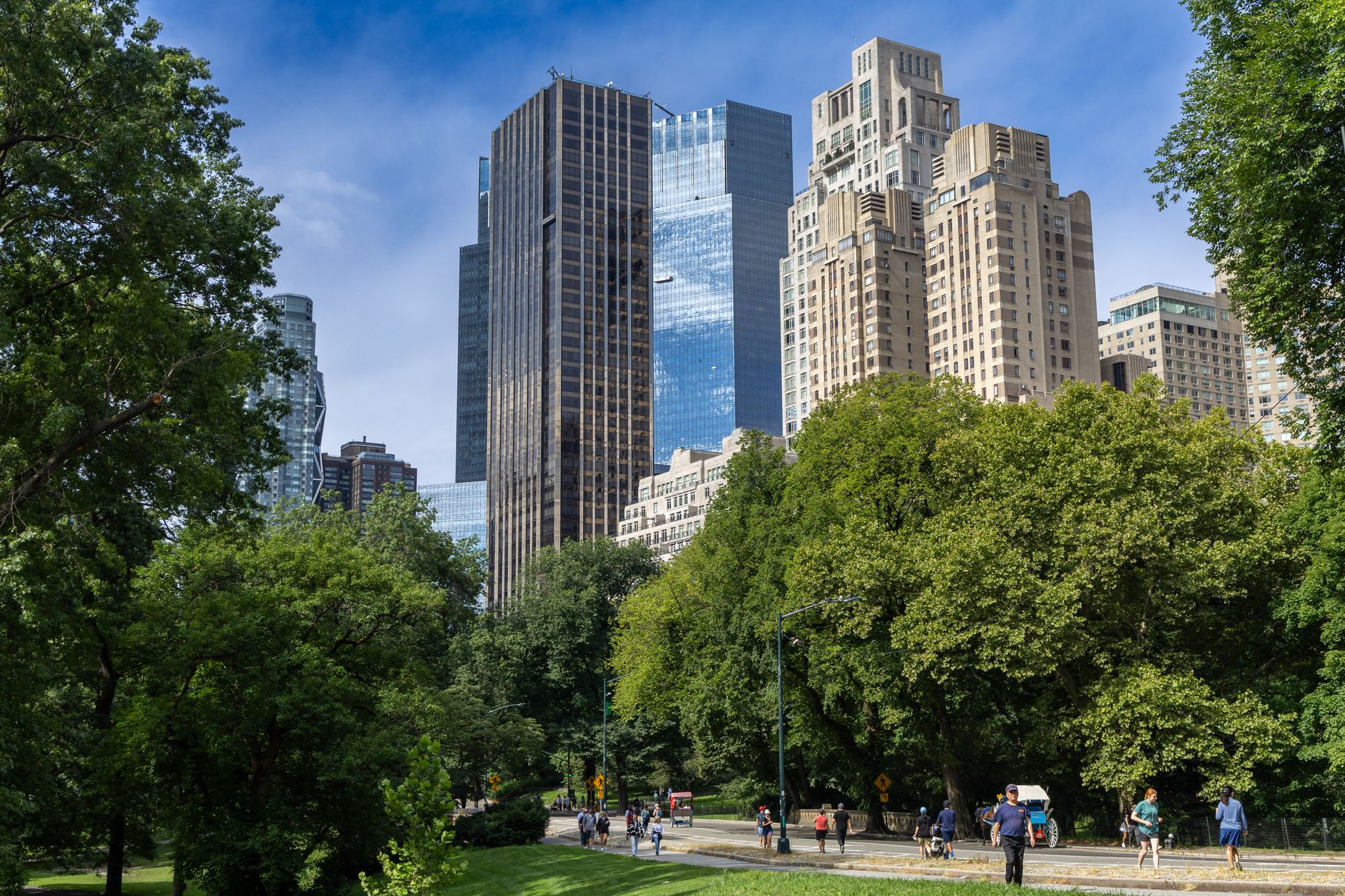
If you are visiting New York City for the first weekend of November, you will be arriving for one of the city’s biggest annual events. The 2026 TCS New York City Marathon takes place on Sunday, November 1, 2026, and the race runs through all five boroughs. It is held every year on the first Sunday in November, draws nearly 60,000 participants, and brings more than two million spectators into the streets. That changes the rhythm of the city in a real way: some avenues become grandstands, certain cross-town moves get slower, and neighborhoods that feel ordinary on Saturday suddenly become full of energy on Sunday morning. Ingry is especially useful on a weekend like this, when it helps to explore New York City on foot and stay flexible between major sights and smaller neighborhood stops.
Why marathon weekend is a good time to visit
For travelers, marathon weekend works well because it combines classic New York energy with good walking weather and a clear sense of occasion. The race’s 2026 edition also marks the 50th anniversary of the five-borough course first used in 1976. Even if you are not a runner, the weekend can be memorable: streets fill with local spectators, cafés open onto busy corners, and parts of Brooklyn, the Upper East Side, and Central Park feel festive from early morning onward. The key is not trying to cross the city at random on race day. Build your plans around one or two viewing areas, then let the day unfold on foot nearby.
What to know before you book
If this is a sightseeing-first trip, stay in Manhattan below Central Park or in well-connected parts of Brooklyn rather than right beside the finish area unless race access is your main priority. The finish is in and around Central Park, which means the Upper West Side and Upper East Side become especially busy on Sunday. Midtown can still work well for first-time visitors because it keeps museums, major subway lines, and classic landmarks within easy reach, but expect extra crowds through the weekend. If you prefer a calmer base, Downtown Brooklyn or parts of Long Island City can make race weekend easier while still giving you fast subway access on Friday and Saturday.
Book your hotel early if you plan to come specifically for marathon weekend. New York Road Runners notes dedicated travel and hotel planning for marathon week, and the event is large enough that rooms in convenient areas tend to get competitive. If you are deciding between a cheap room far from Manhattan and a smaller hotel in a more walkable area, the second option is often better for this weekend. You will save time, and time matters more than usual when some routes are disrupted by race logistics.
A smart 3-day plan for marathon weekend
Friday: arrive and keep the day simple
Use Friday for Lower Manhattan or Midtown rather than trying to do too much. A good arrival-day route is the World Trade Center area, City Hall Park, the Brooklyn Bridge promenade if the weather is clear, and then a slow evening in DUMBO or the Seaport. This gives you big skyline views without depending on perfect timing. If you want a more classic first-night New York mood, stay in Midtown West and walk from Bryant Park toward Times Square, then step away again once you have seen it. Marathon weekend is not the moment for long taxi rides across town; it is a good weekend for choosing one area and covering it well.
Saturday: do your major sightseeing before race day
Saturday is the day for your longest museum visit or your most structured sightseeing plan. The Metropolitan Museum of Art, MoMA, or a focused walk through Greenwich Village and SoHo make more sense on Saturday than Sunday. Keep dinner plans reasonable and avoid building the night around a very late finish if you want to enjoy race morning. If you like city walks, this is a good time to use Ingry to move through Lower Manhattan, the Village, or Central Park with more context than a basic map gives you.
Sunday: watch the race, then stay local
On Sunday, pick one viewing zone and commit to it. The biggest mistake visitors make is chasing the marathon from borough to borough. The course is 26.2 miles through Staten Island, Brooklyn, Queens, the Bronx, and Manhattan, but that does not mean you should try to follow it everywhere. It is better to watch once in Brooklyn or Manhattan, enjoy the atmosphere, then spend the rest of the day in the surrounding neighborhood.
Best places for visitors to watch the marathon
Brooklyn for neighborhood energy
Brooklyn is often the best choice if you want the most natural street atmosphere. Large stretches of the course there are lively, easier to understand, and less compressed than the finish area. For a first-time visitor, this can feel more enjoyable than standing in a packed Manhattan crowd for hours. You can watch runners, grab coffee, and then continue with the rest of your day in nearby neighborhoods rather than fighting your way through Central Park exits.
First Avenue for intensity
If you want the loud, classic marathon experience, Manhattan’s East Side is where the race starts to feel emotionally huge. First Avenue is famous for deep crowds and long sightlines. It is exciting, but it is not the best place if your priority is a relaxed morning. Go there if you want full race energy and do not mind noise, waiting, and slower movement.
Central Park for the finish-weekend feeling
Central Park is the symbolic heart of the day. It is the right choice if finishing-line atmosphere matters most to you or if someone you know is racing. But it is also the most logistically demanding option. Expect barriers, thicker crowds, and more detours than in most other viewing spots. If you choose Central Park, make the rest of your day very simple: perhaps a late lunch on the Upper West Side and an easy museum or neighborhood walk afterward.
How to move around the city on race day
Start early, wear good walking shoes, and assume that crossing the course will take longer than you think. The subway is still the backbone of the city, but some entrances, corners, and transfers will feel more crowded than on a normal Sunday. Avoid building your day around reservations in neighborhoods separated by the race route. Instead, think in clusters: Upper East Side plus museum time, Brooklyn plus a long lunch, or Central Park plus Upper West Side. That is the simplest way to enjoy the city without turning the day into a transit puzzle.
If you are driving into Manhattan, race weekend is a poor time to rely on street parking. New York City’s alternate side parking calendar already shows holiday suspensions for Columbus Day on Monday, October 12, 2026, and Thanksgiving Day on Thursday, November 26, 2026, but marathon weekend is not a parking-friendly occasion in practical terms. For most visitors, walking and the subway are the better plan.
What to do if you are not interested in the race all day
You do not need to make the marathon your entire itinerary. A very good version of this weekend is to watch for an hour or two, then pivot to a neighborhood that benefits from the mood without being swallowed by it. Good choices include the Upper West Side after a Central Park viewing session, Brooklyn Heights after watching in Brooklyn, or Greenwich Village for a slower afternoon meal and walk. The marathon is most enjoyable for many travelers when it becomes part of the day rather than the whole point of the day.
If you would rather avoid race crowds almost entirely, spend Sunday morning downtown, indoors at a museum, or on a neighborhood walk away from the main route, then head toward a viewing spot later. New York is large enough that you can still have a very good city break even when one major event dominates parts of Manhattan.
What to skip
Skip overplanning race day. Skip trying to pair a marathon viewing plan with a tight shopping schedule in Midtown. Skip expensive crosstown car rides when streets are busy and barriers are up. And unless the finish is your main goal, skip the idea that Central Park is automatically the best place to watch. For many visitors, Brooklyn offers a better balance of atmosphere and ease.
Where Ingry fits into this trip
Marathon weekend is one of those New York weekends when walking well matters more than checking off attractions quickly. That is where Ingry feels natural: it helps you understand where you are, notice the city between headline sights, and keep moving through neighborhoods even when your original plan changes. In New York City, that flexibility is often what turns a crowded weekend into a memorable one.
Final planning advice
If you want a November trip with built-in energy, marathon weekend is a strong choice. Arrive by Friday, do your biggest sightseeing on Saturday, and let Sunday revolve around one well-chosen section of the course. Keep your route compact, stay near good transit, and treat the race as a citywide atmosphere rather than a checklist. New York does the rest.
New York City
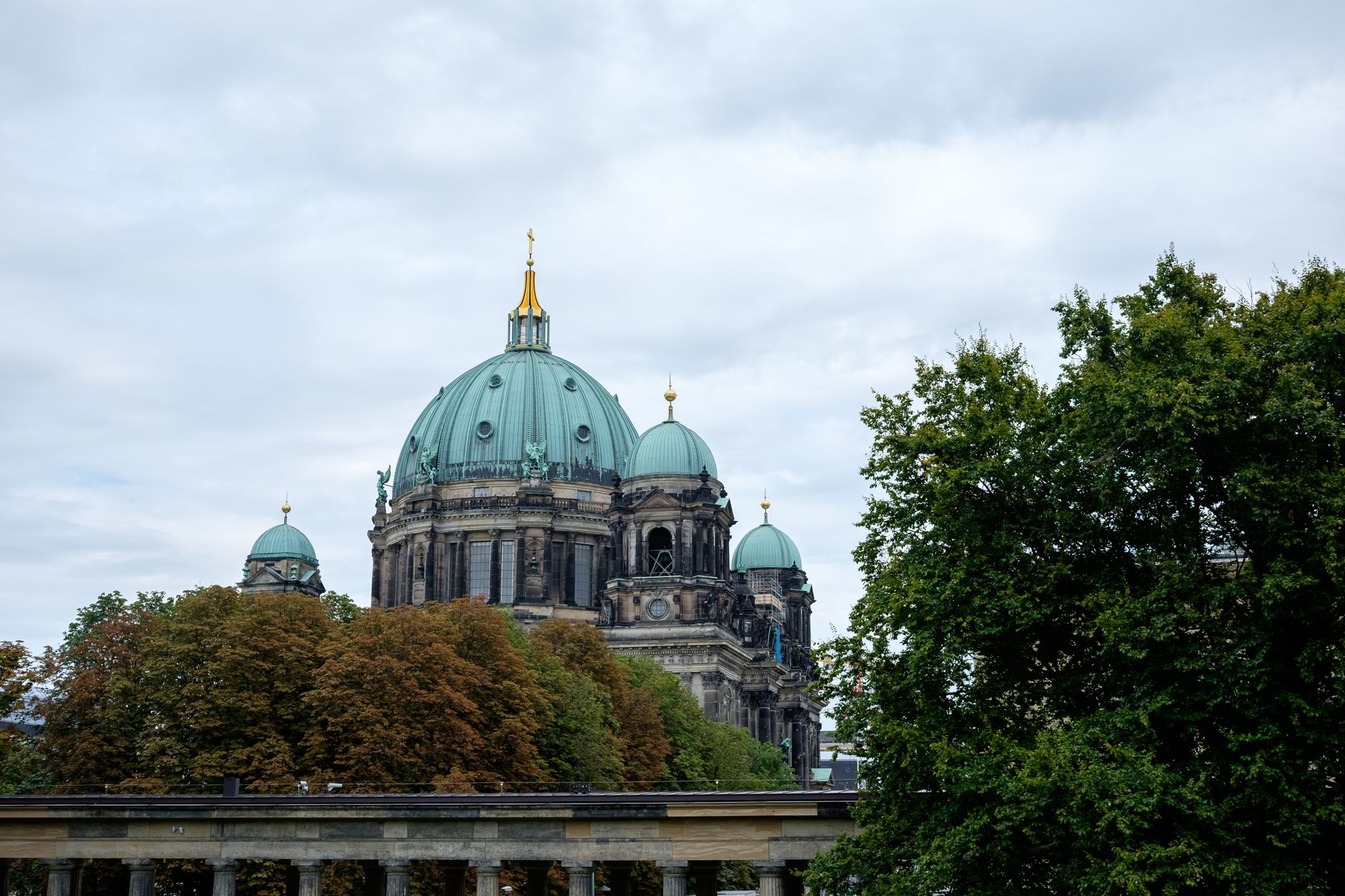
October is one of the easiest months to enjoy Berlin well. The summer crowds thin out, walking becomes more comfortable, and the city shifts naturally toward a mix of museums, long neighborhood strolls, cafés, and early evening views. In 2026, there is an extra reason to plan around the middle of the month: the Festival of Lights runs from October 9 to October 18, with illuminated landmarks across the city and special light shows at Berlin Cathedral from October 13 to October 17. Berlin’s official event listings also flag German Unity Day on October 3 as a major date in the month, which can affect crowd patterns in central areas. (festival-of-lights.de)
This guide is for travelers who want a real Berlin weekend rather than a rushed checklist. The route keeps each day geographically sensible, with time for walking and room to adjust for weather, museum energy, and evening plans. If you like exploring cities on foot, Ingry is especially useful in Berlin because many of the best moments happen between the headline sights, not only at them.
Why October works so well in Berlin
Berlin is large, but many of its best visitor areas become more manageable in October. You can spend the morning indoors at a museum, walk through Tiergarten or along the Spree in the afternoon, and still have a reason to stay out after dark. The Festival of Lights turns central Berlin into an evening route rather than a single stop, with installations and projections typically concentrated around major landmarks and public spaces. (visitberlin.de)
If your trip falls on the October 3 weekend, expect more movement around symbolic historic locations and transport hubs. The national holiday is observed across Germany, and Berlin’s official events page highlights it as one of the month’s main moments. (berlin.de)
Who this itinerary is best for
This plan suits first-time visitors, return travelers who have already seen a few top sights, and anyone trying to balance history with contemporary Berlin. It is less useful if your priority is nightlife until sunrise or a museum-only trip with timed entries all day. Berlin rewards pacing. Trying to cover Charlottenburg, Kreuzberg, Museum Island, and the Wall memorials in one day usually means spending more time in transit than in the city itself.
Day 1: Museum Island, Unter den Linden, and an evening light route
Morning: start with one major museum, not three
Begin in Mitte around Museum Island. This is the right first day zone because it gives you Berlin’s most concentrated historic core: museums, cathedral views, grand boulevards, and easy access to evening illuminations later. Pick one major museum for the morning rather than overloading the day. October is a good time for this because you can comfortably alternate indoor and outdoor time.
After the museum, walk past Berlin Cathedral, the Lustgarten, and down Unter den Linden. This stretch works best before the late afternoon because you can still see architectural detail clearly, and it helps you understand central Berlin’s layout before the city changes character after dark. If you are using Ingry, this is a strong place to use it while walking, since the area is dense with layered history and easy-to-miss details.
Afternoon: keep the middle of the day flexible
From Unter den Linden, continue on foot toward Bebelplatz, Gendarmenmarkt if accessible, or the riverfront depending on energy and weather. Do not force in Checkpoint Charlie unless you are especially interested; many travelers find it more useful as a brief pass-through than a destination that deserves a large block of time.
If rain arrives, stay in Mitte and add another indoor stop nearby rather than crossing the city. Berlin is much more enjoyable when each day has a compact footprint.
Evening: build your Festival of Lights walk around landmarks, not around transit
If you are in Berlin between October 9 and October 18, use your first evening for the Festival of Lights. The best approach is not to chase every installation. Choose a central loop and walk it slowly. Berlin Cathedral is especially relevant in 2026 because the Festival of Lights in Concert is scheduled there from October 13 to October 17. Official festival information and visitBerlin both confirm the broader festival dates and the cathedral program. (festival-of-lights.de)
A smart route is Berlin Cathedral to Unter den Linden to Brandenburg Gate, with optional detours only if your energy is still good. The mistake many visitors make is trying to cover too many illuminated sites in one night. In Berlin, a shorter walk with time to stop is usually better than a citywide sweep.
Day 2: Reichstag area, Tiergarten, and westward into Charlottenburg
Morning: start early around the government district
Use the second day for a broader sense of Berlin’s scale. Begin near the Reichstag and the Brandenburg Gate area in the morning, when the light is softer and the streets are usually easier to navigate than later in the day. This is the right moment to connect the monumental center with more open, greener spaces.
From there, walk into Tiergarten rather than taking immediate transit. Tiergarten is not just a park break; it is part of how Berlin breathes. In October, this stretch often becomes one of the most memorable parts of a short trip because the city suddenly feels less monumental and more lived-in.
Afternoon: choose one western anchor
Continue west only if you want a different side of Berlin. Charlottenburg works well for travelers who want a calmer afternoon after the center. The logic here is simple: Day 1 is dense and historic, Day 2 opens up. That contrast makes a short trip feel fuller without being exhausting.
If you prefer shopping streets and big-city movement, aim toward the Kurfürstendamm area instead of adding another heavy museum block. If you prefer architecture and palace grounds, spend more time in Charlottenburg. What to skip? Don’t add Potsdamer Platz just because it is famous. Unless you have a specific reason to go, many visitors find it less rewarding than Berlin’s older streets or its neighborhood districts.
Evening: second light walk or a quieter Berlin night
If you missed the Festival of Lights on Day 1, use this evening for it. If you already did a central loop, do something different tonight: a relaxed dinner, a walk back through a neighborhood street, or a simple riverside route. Berlin rewards contrast. Not every evening needs a major attraction.
For travelers who want structure without joining a fixed group tour, Ingry can help shape these in-between hours, especially when you want to understand what you are passing rather than moving mechanically from one pin on a map to the next.
Day 3: East Side Gallery, Kreuzberg, and a more local Berlin finish
Morning: use the Wall history where it still feels spatially clear
Spend your final day in Berlin’s more open-ended, neighborhood side. Start at the East Side Gallery if it matters to you as a historic and visual stop, but go early. This is one of those places that is better with space around you. Later in the day, the mood changes and the visit can feel more like crowd management than reflection.
After that, avoid overpacking the morning. Berlin’s appeal is often in transitions: bridges, courtyards, canals, long avenues, fragments of old and new city side by side.
Afternoon: Kreuzberg works best when you wander with a direction
Use Kreuzberg for your final afternoon, but give it shape. A loose plan is better than random wandering. Focus on one walkable section, stop for lunch, and leave time to linger. If the weather is good, this is the day to prioritize streets and canals over indoor attractions. If the weather turns gray, cafés and smaller cultural stops make more sense than trying to rescue the day with a long cross-city detour.
What to skip here? Don’t try to squeeze in every famous food stop you saw on social media. Berlin neighborhoods are better experienced as places to move through, not as a sequence of viral queues.
How to move through Berlin without wasting half the trip
The key to Berlin is clustering. Each day should stay in one broad zone: central historic Berlin, the government district and west, then the eastern or southeastern neighborhoods. The city’s public transport is extensive, but Berlin still punishes inefficient routing because distances between highlights are larger than many first-time visitors expect.
Walking works best in Berlin when paired with short transit hops, not when treated as an all-day endurance plan. Save your longest walks for Mitte, Tiergarten, and neighborhood stretches where the route itself is part of the experience.
Where crowds matter most in October
The most likely pressure points are central Berlin after dark during the Festival of Lights, major symbolic areas around October 3, and any top museum zone in the late morning. Official sources confirm both the October 3 national holiday significance and the October 9 to 18 festival timing. (berlin.de)
The easiest fix is simple: start earlier, book only what truly needs a reservation, and avoid crossing the whole city for one short stop. In October, Berlin is usually best before noon and after dusk, with the middle of the day left flexible.
If you only have 2 days instead of 3
Cut Charlottenburg or Kreuzberg, not Museum Island. Keep one day in historic central Berlin and one day split between the government district, Tiergarten, and either East Side Gallery or Kreuzberg. If your dates match the Festival of Lights, keep one evening completely free for it. That single decision will shape the trip more than adding a fifth museum.
Final planning advice
Berlin in October works best when you stop trying to “complete” it. Build the trip around one strong museum morning, one park-and-monument day, one neighborhood day, and one or two thoughtful evenings. If your dates fall between October 9 and October 18, 2026, use the Festival of Lights as your evening framework rather than an extra task on top of the trip. Official Berlin and festival sources confirm those dates, and they make the month especially appealing for a first or second visit. (festival-of-lights.de)
That rhythm gives you a Berlin weekend that feels broad without feeling frantic, and memorable without turning into a transport puzzle.
Berlin

October is one of the easiest months to enjoy Rome well. The summer heat has eased, walking long distances is more comfortable, and the city still feels lively rather than sleepy. For many travelers, that makes it the sweet spot: you can spend a full day outdoors without feeling flattened by the afternoon sun, then stay out late for dinner and an evening walk through the center.
If you are planning a short trip, the real challenge is not finding enough to do. It is avoiding a Rome weekend that turns into a blur of queues, rushed museum visits, and unnecessary crisscrossing. This guide is built for first-time visitors who want the classic Rome experience, but in a way that makes sense on foot.
One useful trick is to think of Rome in walkable clusters rather than as a checklist. That is where Ingry can help: it is handy when you want to understand what you are passing, follow a route between major sights, and keep exploring once you drift off the obvious tourist line.
Why October works so well for a Rome weekend
Rome stays busy in autumn, so do not expect an empty city. But October usually feels more manageable than peak summer. The streets are still active, outdoor meals are still pleasant, and long walking days are much easier than they are in July or August.
There is also a practical advantage for museum planning. The Vatican Museums are open Monday to Saturday from 8:00 a.m. to 8:00 p.m., with final entry at 6:00 p.m., and they also open on the last Sunday of each month from 9:00 a.m. to 2:00 p.m. with final entry at 12:30 p.m. The official Vatican Museums site also warns travelers to book only through its official ticket portal. (museivaticani.va)
For city transport, ATAC provides official metro and city-center maps online, which matters in Rome because even visitors who mostly walk usually end up using Metro A or B at least once or twice to save time and energy. (atac.roma.it)
Who this itinerary is best for
This plan suits travelers who want three full days in Rome with a strong mix of ancient sites, churches, piazzas, and neighborhood walking. It is especially good if you prefer seeing a lot from the street rather than spending half your trip inside museums.
If your priority is checking off every major interior, this is not that kind of itinerary. In Rome, trying to do the Colosseum, Roman Forum, Vatican Museums, St. Peter’s Basilica, Capitoline Museums, Borghese Gallery, and multiple churches in one weekend usually turns the city into a logistics exercise. A better short trip is selective.
Before you start: how to pace Rome properly
1. Book only the places that really need it
For a short stay, the Vatican Museums are the clearest advance-booking priority. If you also want the Colosseum interior, treat that as another fixed point and build the day around it. Leave churches, piazzas, fountains, and neighborhood walks flexible.
2. Start earlier than you think
Rome feels much calmer in the first part of the morning. By late morning, the areas around the Trevi Fountain, Pantheon, Piazza Navona, St. Peter’s, and the Colosseum become noticeably denser.
3. Walk downhill when possible
This sounds minor, but it changes the day. Trastevere to Gianicolo, or Monti down toward the Forum, feels better than doing those slopes at the end of an already long afternoon.
4. Do not treat buses as guaranteed time-savers
Metro lines are simple and useful for longer jumps. Buses can help, but in the historic center they are not always faster than walking, especially once you factor in waiting time and traffic.
Day 1: Ancient Rome without burning out
Begin around the Colosseum area, ideally as early as your energy and reservations allow. This is the day to focus on the ancient core, but keep the structure simple. Trying to combine every archaeological site in one push is what makes people run out of steam by mid-afternoon.
Morning: Colosseum area and the Forum viewpoint logic
Even if you go inside the Colosseum, give yourself time outside it too. The surrounding area carries much of the atmosphere: the sweep of the amphitheater, the broken geometry of the Forum, and the sense that modern Rome still bends around ancient space.
From here, move gradually toward the Roman Forum and Palatine side, or choose exterior viewpoints if you want a lighter day. If this is your first visit, the key is not to absorb every ruin in detail. It is to understand the scale of the ancient city.
After that, continue uphill toward the Capitoline area rather than doubling back. This gives you a natural transition from archaeology to city views.
Lunch break: keep it short, not ambitious
Day 1 is not the moment for a cross-town restaurant mission. Eat somewhere reasonably close, rest your feet, and save your decision-making energy for later in the trip.
Afternoon: Piazza Venezia to the historic center
From the Capitoline side, continue toward Piazza Venezia and then into the denser weave of central Rome. This is where the city shifts from monumental antiquity to the Rome of fountains, lanes, and church facades.
Good first-day targets are the Pantheon area and Piazza Navona. They are busy, but they make sense together on foot. The walk between them is short, and the streets in between are part of the experience rather than dead space.
If you still have energy, finish at Campo de’ Fiori or cross toward the Tiber before dinner. If not, stop early. Rome rewards evenings as much as afternoons.
Evening: one long walk, not five stops
Your first evening should be simple: dinner, then a single unhurried walk. Piazza Navona to the Pantheon to Trevi after dark is classic for a reason. The center is crowded, but the city also becomes softer and easier to enjoy once the strongest daytime rush fades.
If you like exploring on foot without constantly checking maps, Ingry is especially useful in this part of Rome, where one wrong turn often leads to something interesting rather than to a problem.
Day 2: Vatican morning, Prati pause, Trastevere evening
This is the most timing-sensitive day of the trip. Put the Vatican first, then let the rest of the day loosen up.
Morning: Vatican Museums or St. Peter’s area
If the Vatican Museums are a priority, go in the morning and book ahead through the official Vatican Museums ticket channel. The museums are open Monday to Saturday from 8:00 a.m. to 8:00 p.m. with final entry at 6:00 p.m., and on the last Sunday of the month they open from 9:00 a.m. to 2:00 p.m. with final entry at 12:30 p.m. (museivaticani.va)
Do not make the mistake of planning the museums, St. Peter’s Basilica, Castel Sant’Angelo, and a full Trastevere wander all before lunch. Pick one major morning anchor. For most first-time visitors, the museums or the basilica area alone is enough.
Midday: Prati is useful because it is calmer
After the Vatican, walk into Prati for lunch. This is one of the smartest reset points in Rome: wider streets, less visual overload, and a more orderly feel than the medieval core. It gives your brain a break.
From there, either walk toward Castel Sant’Angelo and cross the river, or use the metro if your feet need a rest. ATAC’s official maps are worth checking before you go, especially if you plan to use Metro A for the Vatican side. (atac.roma.it)
Afternoon: cross into Centro Storico or save energy for Trastevere
You have two good options here. If this is your only trip to Rome for a while, cross the river and revisit the historic center with lower stakes. If you saw those sights on Day 1, do less: maybe one church, one square, and then a slow move toward Trastevere.
Skipping an extra museum on Day 2 is often the right call. Rome is a city where accumulated walking matters more than it first appears.
Evening: Trastevere, but with realistic expectations
Trastevere is charming, lively, and heavily discovered. Go for the atmosphere, not for the fantasy of finding it empty and secret. The best approach is to enter before the late-evening peak, wander a little beyond the busiest lanes, and then settle in somewhere that feels comfortable rather than trend-chasing.
If you still have energy, climb toward the Gianicolo area before sunset or in the softer evening light. The shift from crowded lane to open viewpoint is one of the most satisfying contrasts in Rome.
Day 3: A quieter Rome day with views, local rhythm, and one final classic stop
Your third day should feel lighter. This is when Rome starts making sense as a lived-in city rather than just a sequence of monuments.
Option A: Trastevere to Gianicolo to the river
If you did not properly explore this area the night before, use the morning for it. Start in Trastevere while it is still relatively calm, then move uphill toward the Gianicolo. This gives you space, air, and a broader view of the city after two denser sightseeing days.
From there, descend gradually and follow the river back toward the center, stopping only where your attention naturally catches.
Option B: Monti and the edges of the ancient center
Monti works well on a final morning because it lets you stay close to major sights without being trapped in them. You are near the Colosseum and Forum zone, but the pace is more neighborhood-like. It is a good choice if you want one last coffee-and-walk morning before departure.
Afternoon: choose one thing, not three
Make your last afternoon intentional. Good choices include a final pass through the Pantheon area, a church-focused walk, or a single museum. Poor choices include trying to squeeze in every place you skipped earlier.
If your trip lines up with a first Sunday of the month, Rome’s national cultural sites and the museums run by Roma Capitale open free to the public that day, though access rules can vary by site and some places may still require checking individual procedures. If your trip lines up with the last Sunday of the month, the Vatican Museums open with free entry from 9:00 a.m. to 2:00 p.m., with last admission at 12:30 p.m. (turismoroma.it)
Also note one 2026 change that matters in the center: Roma Capitale states that tourists and non-residents must pay a two-euro ticket to enter the basin area closest to the Trevi Fountain, valid daily from 9:00 a.m. to 10:00 p.m. (turismoroma.it)
What to skip on a short Rome trip
Skip long zigzag days. Skip booking too many timed entries. Skip the idea that every famous sight must be entered to count. In Rome, exterior space is a major part of the experience: piazzas, bridges, stairways, river edges, and the transitions between neighborhoods often stay in memory more clearly than one more overloaded gallery visit.
Also skip trying to “do” Rome entirely from restaurant reservations. The city works better when at least part of each day is left open for walking and small detours.
Useful October mindset: Rome is better when you leave room in the plan
October gives you a better version of Rome for walking, but it does not remove the city’s basic challenge: there is always more than you can sensibly do. The smartest weekend is the one that accepts that early.
Build around one major anchor each day, group sights by area, and let the in-between streets do some of the work. That is usually how Rome becomes memorable rather than exhausting.
And if you want a more grounded way to move through the city between the headline attractions, Ingry is a helpful companion for walking routes, quick context, and discovering the smaller places that make Rome feel layered rather than staged.
Rome
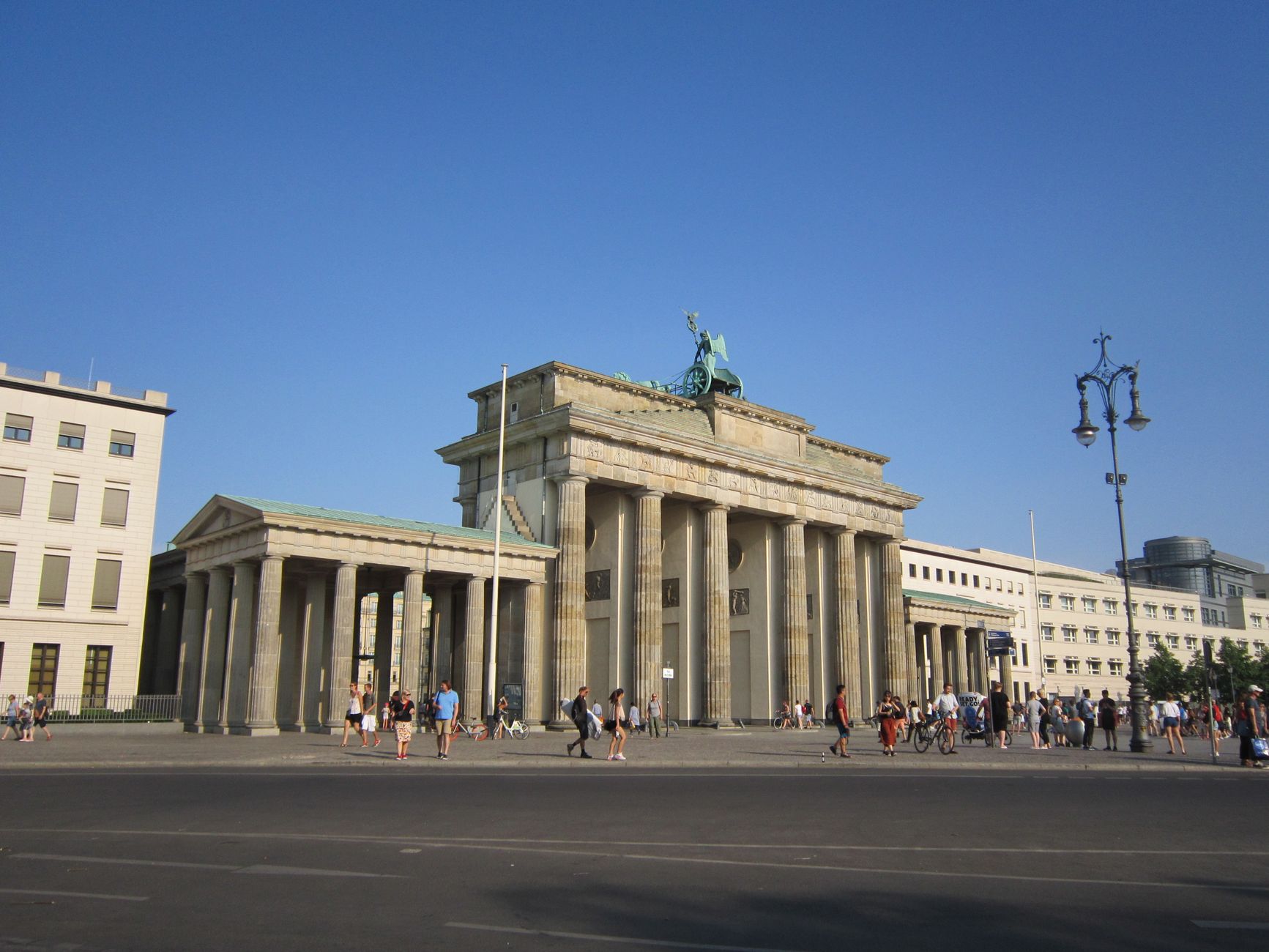
October is one of the most rewarding times to visit Berlin if you want the city to feel busy but not overheated, cultural but still walkable. Autumn is a real Berlin season: parks turn gold, museum days make more sense when the weather cools, and evenings become part of the trip thanks to the citywide light installations of the Festival of Lights. In 2026, the festival runs from October 9 to October 18, with major landmarks in the center used as projection sites. Berlin’s official event listings also highlight October 3, German Unity Day, as a major public holiday in the city. (berlin.de)
If you are planning a first trip or a short return visit, this is a good month to build a weekend around central Berlin, a few long walks, and one or two strong museum choices instead of trying to “do everything.” The city’s official tourism guidance specifically points to autumn as a season for cultural visits, neighborhood cafés, and evening walks, with the Festival of Lights as one of Berlin’s signature fall highlights. (visitberlin.de)
Why October works so well in Berlin
Berlin in October rewards travelers who like cities on foot. Summer crowds ease, but the city still feels active. Museum Island, Unter den Linden, Kreuzberg, Prenzlauer Berg, and Charlottenburg all become more comfortable for slow exploring than they are in peak midsummer. Official Berlin event pages list October as a month of outdoor festivals, exhibitions, and the Festival of Lights, which means you can still plan days outside and not spend the whole trip indoors. (berlin.de)
The best approach is to think in layers: one historic core day, one neighborhood-and-park day, and one flexible culture day. That structure suits Berlin better than a checklist of isolated attractions spread across the city.
Best Berlin weekend plan for October
Day 1: Historic center by day, illuminated landmarks by night
Start in the Mitte area and keep the first day compact. A smart walking line is Brandenburg Gate, the Reichstag area from the outside, Unter den Linden, Museum Island, and the Berlin Cathedral area. Even if you visit a museum later, this route gives you the city’s strongest architectural sequence with minimal backtracking.
In October, save some energy for the evening. During the Festival of Lights, central landmarks such as Brandenburg Gate and the TV Tower area are part of the city’s illuminated circuit, and Berlin’s official tourism and events pages present the festival as a centerpiece of the month. That means your first night is best spent outdoors in the center rather than booking a heavy indoor plan. (berlin.de)
A useful trick is to walk the historic center once in daylight and again after dark. Berlin changes more dramatically at night during this period than many visitors expect. If you prefer self-paced exploring between stops, Ingry is a practical way to keep your route coherent while walking through the center.
Day 2: Kreuzberg, canal walks, and a less formal Berlin
Your second day should feel looser. After the big landmarks, Berlin makes more sense when you shift into neighborhood scale. Kreuzberg is a strong choice because it lets you combine street life, food, canalside walking, and easy links to central sights without forcing a rigid schedule.
Walk around Landwehr Canal, then connect toward Görlitzer Park or keep west toward the area around Möckernbrücke and Gleisdreieck. This gives you a version of Berlin that feels lived-in rather than ceremonial. If the weather turns gray, this part of the city still works because cafés, short indoor stops, and covered transit are close together.
What to skip on a short October weekend? Avoid crisscrossing the city just to collect famous names. Berlin is large, and too many first-time visitors lose hours in transit by stacking far-apart attractions with no neighborhood logic. One well-paced day in Kreuzberg and nearby areas is often more memorable than three rushed district changes.
Day 3: Museum day or west-side Berlin
Use the third day based on your energy and interests. If it is colder or wet, this is the day for Museum Island or another major museum choice. Berlin’s autumn visitor guidance strongly emphasizes museum season, exhibitions, and culture, and October is a natural time to lean into that. (visitberlin.de)
If the weather stays pleasant, head west instead. Charlottenburg gives you a different rhythm from Mitte: broader avenues, calmer walking, and a more spacious feel. This is useful if your first two days were dense with crowds and central sights.
For travelers who like context while moving through the city, Ingry works especially well on this kind of day, when you want to connect major landmarks with quieter streets instead of following a rigid tour bus pattern.
Festival of Lights 2026: how to plan around it
The key fact for October 2026 is timing: the Festival of Lights runs from October 9 to October 18. Official Berlin listings describe it as a citywide event in which famous landmarks and central locations become projection surfaces for light and video art. (berlin.de)
That does not mean you should try to see every installation. The smarter move is to pick one or two connected evening zones. For most visitors, the easiest area is central Berlin around Brandenburg Gate, Unter den Linden, Bebelplatz, Museum Island, and nearby streets. This keeps the evening walk scenic and realistic.
Expect the center to be busier after dark during the festival. If you want photos, arrive before full darkness and stay as the lights become visible. If you dislike dense crowds, avoid the instinct to chase every highlighted landmark across town. The event is better as a curated evening stroll than as a citywide sprint.
German Unity Day: what travelers should know
October 3 is German Unity Day, and Berlin’s official October events page identifies it as an important national holiday in the city. (berlin.de)
For travelers, the practical point is simple: holiday conditions can affect the pace of the day. Central areas may be busier, and a holiday atmosphere can shape movement around major landmarks. If your Berlin weekend includes October 3, keep your plans flexible, lean into walking, and avoid depending on a packed shopping agenda.
Where to stay for this kind of Berlin trip
For an October weekend built around walking and evening sightseeing, the most practical base is usually Mitte. It keeps the historic core, Museum Island, and Festival of Lights routes easy.
Kreuzberg is a good alternative if you care more about food, local atmosphere, and a less formal Berlin feel. Prenzlauer Berg suits travelers who want quieter evenings and attractive residential streets, but it is a little less direct for first-time landmark-heavy sightseeing.
On a short trip, staying too far out to save a little money can be a false economy. Berlin is well connected, but a central base matters when evenings are part of the plan.
How to move through Berlin without wasting time
Berlin is a public transport city, but in October the most satisfying approach is mixed: transit for longer jumps, walking for the actual experience. Keep each half-day concentrated in one zone rather than bouncing between east, west, and outer districts.
A good rule is this: if two sights do not belong to the same natural walk, they probably should not be in the same short time block. Berlin becomes much easier when you think in linked neighborhoods instead of top-10 lists.
For route-building on foot, especially when you want to understand what you are passing rather than just navigate from point A to point B, Ingry can help make the city feel more legible.
What Berlin travelers often get wrong in October
Trying to do both day and night too aggressively
October in Berlin rewards pacing. If you stay out late for the Festival of Lights, do not schedule an overpacked museum morning plus a long cross-city plan the next day.
Assuming every outdoor plan will feel summery
Autumn is beautiful here, but October is not picnic-season Berlin in the same way July is. Build your trip around walking, cafés, museums, and evening city views rather than around long park afternoons.
Overvaluing isolated attractions
Berlin is strongest as a city of areas and sequences: a boulevard into a square, a canal into a neighborhood, a museum into an evening walk. Plan for flow, not just pins on a map.
A smart final version of the trip
If you only have one Berlin weekend in October 2026, make it simple. Spend one day in the historic center, one day in Kreuzberg and nearby walking districts, and one flexible day for museums or west Berlin. If your dates fall between October 9 and October 18, treat the Festival of Lights as your signature evening plan. If your trip includes October 3, expect a holiday atmosphere and build in extra flexibility. (berlin.de)
That kind of itinerary gives you a Berlin trip with shape: grand landmarks, lived-in neighborhoods, and a real sense of the city after dark. It is more memorable than a rushed attraction marathon, and much closer to how Berlin actually rewards visitors.
Berlin
October is one of the easiest months to enjoy New York City on foot. The heat usually eases, parks begin to change color, and the city feels energetic without the heavy holiday-season crush. For a first trip, this is a good month to keep the plan simple: combine one classic Manhattan day, one downtown-and-waterfront day, and one neighborhood day with space for museums, long walks, and skyline views.
This itinerary is built for travelers who want a full New York weekend without turning it into a checklist race. It focuses on walkable stretches, smart subway jumps, and places that make sense together geographically. If you like exploring as you go, Ingry is useful for understanding what you are passing, spotting landmarks nearby, and keeping a route coherent while you walk.
Why October works so well in New York City
Fall is one of the city’s strongest travel seasons, and official NYC tourism material highlights autumn as a major visitor period, especially around big seasonal weekends and citywide events. Central Park Conservancy also notes that each fall the park’s roughly 18,000 trees turn shades of yellow, orange, and red, making October a natural month to build walks around green space rather than only indoor attractions. (business.nyctourism.com)
That does not mean every October day feels crisp and quiet. Weekends can still be crowded, especially in Midtown, along the High Line corridor, around Lower Manhattan ferry points, and in the most famous museum zones. The trick is not to avoid the classics, but to time them better.
How to use this itinerary
This plan assumes you have three full days, ideally Friday through Sunday or Saturday through Monday. It works especially well if you are staying in Midtown, Chelsea, the Flatiron area, Long Island City, or Downtown Brooklyn, where subway connections are easy and you can start early without complicated transfers.
The rhythm is intentional:
Day 1 gives you the classic Manhattan views and museum core.
Day 2 handles Lower Manhattan and the harbor, when it helps to start early.
Day 3 moves at a more local pace through neighborhoods and a large park.
Day 1: Central Park, Fifth Avenue, and a museum that deserves real time
Morning: Start on the park edge, not in Times Square
Begin on the east or west side of Central Park rather than in Midtown crowds. In October, the park is part of the trip, not just dead space between attractions. Good first-walk choices include The Mall and Literary Walk, the Ramble, the Reservoir, Conservatory Garden, or the North Woods if you want a quieter section with more of a leaf-season feel. The Conservancy specifically recommends these areas for fall foliage. (centralparknyc.org)
If this is your first New York trip, do not try to cross the entire park in one go and then also “do” three museums. Pick one section and enjoy it slowly. The southern end is the easiest to pair with Fifth Avenue sights, but the middle sections are usually more rewarding if you want a genuine park experience rather than just photos.
Late morning to afternoon: Choose one major museum
October is a good time to spend a few indoor hours without feeling like you have lost the day. The Met Fifth Avenue is especially practical because it sits right by the park and keeps longer evening hours on Friday and Saturday. According to the museum’s visitor information, it is open Sunday through Tuesday and Thursday from 10 am to 5 pm, Friday and Saturday from 10 am to 9 pm, and closed Wednesday. (metmuseum.org)
For first-time visitors, The Met usually works better than squeezing in multiple smaller museums. Give it two to three focused hours and accept that you will only see part of it. A short, selective visit is far better than museum fatigue followed by a rushed evening.
Evening: Skyline views or a long avenue walk
After the museum, either stay outdoors and walk south along Fifth Avenue, or choose one observation deck and make that your evening anchor. October light fades earlier than in summer, which actually helps with city views: late afternoon into dusk is often the best window if you want both daylight and illuminated streets.
What to skip: trying to combine Central Park, The Met, MoMA, Rockefeller Center, Times Square, and Broadway in one day. That is the kind of plan that looks efficient on a map and feels exhausting in real life.
Day 2: Lower Manhattan, the harbor, and a smarter Statue of Liberty plan
Go early if the Statue of Liberty is a priority
If the Statue of Liberty and Ellis Island matter to you, make them the first thing you do that day. The National Park Service says ferry transportation is required to visit the islands and that Statue City Cruises is the only authorized ferry provider permitted to dock there. The NPS also warns about unauthorized third-party sellers around The Battery. (nps.gov)
The process changed in 2026 as well: the Park Service says the screening and ferry embarkation facility relocated to The Battery in March 2026, and the time on a reserved ticket refers to your approximate time to join the security line, not the ferry departure itself. Visitors also should not arrive more than 30 minutes before the reserved time. (nps.gov)
That detail matters. A lot of travelers still plan as if the printed time means the boat leaves then. Build in security time, keep bags light, and book ahead if this visit is important to you. Crown access in particular must be reserved in advance because of high demand, according to the NPS. (nps.gov)
If you do not need to go to the islands
There is no rule saying every first-time visitor must spend half a day on the ferry. If your weekend is short, Lower Manhattan can be more satisfying on foot: walk around the Battery, the Financial District, Stone Street, the World Trade Center area, and the waterfront. You still get harbor atmosphere, strong architecture, and some of the city’s oldest street patterns without using so much of the day in lines and transit staging.
This is also a good day to use Ingry while walking. Lower Manhattan has layers that are easy to miss unless you stop and understand what a church, civic building, or small plaza actually is.
Afternoon option: Governors Island
If the weather is pleasant and you want open space after downtown streets, Governors Island is a strong October add-on. The official visitor information says the island is open daily year-round, and that seasonal Brooklyn ferry service runs on weekends and holidays through November 1, 2026. (govisland.com)
That makes early-to-mid October especially appealing: you still have easy seasonal access, skyline views back to Manhattan, and room to breathe. It is one of the best places in the city when you want a less compressed afternoon after a dense morning downtown.
What to skip: doing the Statue of Liberty late in the day and expecting it to be quick. If you start late, you risk turning the whole afternoon into logistics.
Day 3: Chelsea, the High Line area, and a neighborhood-based final day
Morning: Walk first, brunch later
Your final day should feel lighter. Start in Chelsea or the Meatpacking District and walk before the neighborhood fills up. This part of Manhattan works well because short distances connect several very different city textures: old industrial streets, river views, design stores, galleries, and converted rail infrastructure.
The High Line is an obvious stop, but that does not mean you need to spend hours on it. Treat it as a scenic connector, not the entire plan. October mornings are usually the easiest time to enjoy it before the slow-moving midday crowd builds.
Midday: Choose one of two directions
If you still want iconic views, continue north toward Hudson Yards and the riverfront. If you want something more grounded, move east toward Flatiron and Greenwich Village. The second option is usually better for a third day because it gives you neighborhood texture instead of another major-attraction queue.
For many first-time visitors, Greenwich Village works especially well in October. The scale is lower, the streets are more varied, and the pace is more forgiving than Midtown. It feels like a place to wander rather than a place to conquer.
Afternoon: Leave room for one final museum or bookstore-cafe stop
Do not overplan the last afternoon. This is the right moment for one smaller museum, a long bookstore stop, or simply a final walk in a neighborhood you liked most. Travelers often remember the last unhurried few hours better than one more famous stop squeezed in for completion.
If you prefer structure, open Ingry and follow a route through the surrounding streets instead of bouncing randomly between subway stations.
Where October crowds are most frustrating
In New York City, crowds are not evenly distributed. In October, the places most likely to feel clogged are Midtown around Times Square, the Fifth Avenue core, the High Line at midday, and Lower Manhattan ferry areas on pleasant weekends. Museums can also spike in the middle of the day, especially when the weather turns rainy.
A few practical rules help:
Start outdoor walks early.
Use midday for a museum or lunch in a neighborhood rather than for a scenic promenade everyone else is also doing.
Save Times Square for a brief pass-through, preferably at night if you are curious, rather than treating it as a destination that needs hours.
What first-time visitors often overestimate
The biggest planning mistake in New York is assuming the city is compact just because so many landmarks are familiar. It is not. Even when subway rides are short, entering stations, waiting on platforms, and navigating crowds all add friction. Walking remains the best way to understand the city, but only if you group areas sensibly.
Another common mistake is building every day around reservation-heavy attractions. In October, the city is often at its best in the space between them: a park path, a waterfront bench, a downtown street, a Village block at dusk.
A smart October trip, in one sentence
If you are visiting New York City in October, plan around three things: one park-based morning, one harbor or downtown day started early, and one neighborhood day where walking matters more than box-ticking. That gives you the city’s scale, its skyline, and its texture without turning the weekend into a series of lines.
For a first trip, that balance is usually what makes New York feel exciting instead of exhausting.
New York City
October is one of the smartest times to visit Rome. The summer heat eases, daylight is still generous in early October, and the city feels more walkable than it does in peak July and August. But this is not a secret season. Rome stays busy in autumn, especially around the Vatican, the Colosseum, and the historic center, so a good plan matters.
This guide is built for first-time visitors who want a classic Rome trip without spending three days stuck in queues or zigzagging across the city. It focuses on how to move through Rome logically on foot, when to tackle the busiest sights, and where to slow down once the checklist energy starts to wear off.
Why October works so well in Rome
Rome in October gives you a better walking city than midsummer. You can comfortably link neighborhoods like Centro Storico, Monti, Trastevere, and Prati in a way that feels draining in hotter months. Major landmarks still draw long lines, though, and autumn remains a popular travel period, so book any must-see entry in advance rather than hoping for a spontaneous visit.
If your trip falls at the start of the month, note that the Colosseum Archaeological Park shifts to slightly earlier autumn closing times from 1 October to 24 October, with last admission at 5:30 p.m. and closing at 6:30 p.m. The Vatican Museums are open Monday to Saturday from 8:00 a.m. to 8:00 p.m., with final entry at 6:00 p.m. Booking through the official channels is strongly advised. (colosseo.it)
Rome also has a full events calendar in September and October, so you may find parts of the city livelier than expected. For example, Turismo Roma lists city programming across September 2026 and early October events such as Rom-E 2026 in Villa Borghese from 2 to 4 October 2026. That does not need to define your trip, but it is a reminder that autumn weekends can be busy beyond the usual tourist pressure. (turismoroma.it)
Who this itinerary is for
This plan suits travelers with three full days in Rome who want to see the essential historic sights while still getting a feel for the city’s streets, viewpoints, and evening rhythm. It is especially good if you prefer walking and are happy to use buses or the metro only when they save time.
It is less ideal if your priority is checking off every museum in Vatican City and central Rome in a single weekend. In October, that approach usually means too much queueing and not enough city.
Day 1: Ancient Rome and Monti
Start early at the Colosseum area
Begin with the Colosseum, Roman Forum, and Palatine Hill. This is the right place for your most structured morning because it is one of the most time-sensitive parts of any Rome trip. Official ticket sales for Colosseum visits open 30 days before the visit date, and timed entry is compulsory for the Colosseum itself. (colosseo.it)
Try not to cram too much around this visit. Ancient Rome is larger and slower than many first-time visitors expect. The Roman Forum and Palatine are not quick add-ons; they are a long, exposed archaeological area with uneven ground and a lot of visual information. In October, that is more pleasant than in summer, but it still rewards a steady pace.
Lunch and reset in Monti
After the archaeological zone, walk uphill into Monti. This is one of the easiest transitions in central Rome: from imperial scale to smaller streets, local shops, and a more relaxed lunch stop. Monti works well on the first day because it gives you a break from monument overload without sending you far from the center.
If you like exploring while walking rather than navigating from pin to pin, Ingry is useful here. Monti is the kind of neighborhood where short context about churches, small squares, and street history adds more than a rigid list of top sights.
Late afternoon on Capitoline Hill or Via dei Fori Imperiali
Keep the late afternoon simple. If your energy is still good, head toward Capitoline Hill for one of the best urban viewpoints over the Roman Forum. If not, a slower walk along Via dei Fori Imperiali toward Piazza Venezia still gives you that big first-day Rome feeling without another ticketed stop.
Evening: keep dinner near your route
Do not make your first evening too ambitious. Stay in Monti, around Piazza della Madonna dei Monti, or continue toward the quieter side streets behind Via Nazionale. Rome is best at night when you are not racing across town for a reservation.
Day 2: Vatican morning, Prati lunch, Trastevere evening
Do the Vatican first, not in the middle of the day
The Vatican Museums are usually the most draining visit of a short Rome trip if handled badly. Go in the morning, ideally with a pre-booked slot through the official Vatican Museums ticket portal. The museums advise visitors to use the official site and note regular opening days and times on their official website. (museivaticani.va)
If you are also visiting St. Peter’s Basilica, build in flexibility rather than assigning exact times too tightly. This part of Rome is one of the city’s biggest bottlenecks in peak periods. October is easier than high summer, but not quiet.
After the Vatican, stay in Prati for a while
Many visitors make the mistake of rushing straight back to the old center. Prati is a good decompression zone after the Vatican: broader streets, less visual overload, and an easy place to stop for lunch. It also gives your day a cleaner structure, which matters in Rome more than people expect.
Cross the river later in the day
From Prati, cross toward Castel Sant’Angelo and then choose a riverside or bridge route into the historic center. By late afternoon, aim for Piazza Navona, Campo de’ Fiori, or a slower drift through the lanes around them rather than trying to pack in more interiors.
Evening in Trastevere, but choose your timing carefully
Trastevere is worth an evening, but it is not a secret and it can feel overfull on autumn weekends. Go early if you want atmosphere without peak dinner congestion. If the busiest lanes feel too crowded, move a street or two away instead of giving up on the area entirely.
This is another good moment for Ingry. Trastevere makes more sense when you understand how the quarter opens from church piazzas into smaller residential streets rather than treating it as one single nightlife zone.
Day 3: The historic center, Villa Borghese, and a calmer finish
Morning: Rome’s classic piazza-to-piazza walk
Use your final day for the walkable core that people imagine when they picture Rome: the Pantheon area, Piazza Navona, the Trevi Fountain, and the Spanish Steps. The trick is not to see these as isolated landmarks. They work best as one connected walking morning with coffee stops, short pauses, and no expectation of solitude.
Go as early as you can for Trevi if it matters to you. It is one of the places where crowd patterns shape the entire experience. The same applies to the Spanish Steps area, which gets steadily busier as the day moves on.
Afternoon: pick one quieter anchor
By day three, most travelers need one calmer anchor. Villa Borghese is a strong choice because it gives you shade, space, and viewpoints without leaving central Rome. Early October can also bring additional activity in this area: Turismo Roma lists Rom-E 2026 in and around Villa Borghese from 2 to 4 October 2026, which may make that zone busier on those dates. (turismoroma.it)
If Villa Borghese does not appeal, use the afternoon for a neighborhood walk instead of another blockbuster museum. Rome rewards selective skipping. You do not need to force one more major indoor sight into every half day.
Evening: end somewhere with room to walk
For your last evening, avoid ending the trip in the most crowded part of Centro Storico unless that is exactly what you want. A dusk walk from the Pincio terrace, through Villa Borghese, or along the Tiber can feel more memorable than one last packed piazza.
If you want a tool for tying the city together on your last day, Ingry works well for following a route through central Rome without constantly switching between maps, notes, and search results.
What to book ahead for an October weekend in Rome
If there are two places to reserve before you arrive, make them the Colosseum Archaeological Park and the Vatican Museums. Both operate with structured access, both remain high-demand in autumn, and both are easier when you commit to a specific morning rather than leaving them vague. Official Colosseum ticket sales open 30 days before the visit date, and the Vatican Museums direct visitors to their official ticket portal to avoid scams. (colosseo.it)
Everything else depends on your style. Many churches, piazzas, and neighborhood walks are better enjoyed with flexibility.
How to move through Rome without wasting time
Rome is a city where walking often beats short public transport hops in the center. Distances that look awkward on a map can be pleasant on foot if you group them well. The mistake is not walking too much; it is crossing the city back and forth without logic.
A good October rhythm is to do one high-demand sight early, then let the rest of the day unfold in the surrounding area. Ancient Rome pairs naturally with Monti. The Vatican pairs naturally with Prati and then a river crossing into Trastevere or the historic center. The piazza core pairs naturally with Villa Borghese.
What to skip, or at least not force
Skip same-day attempts to combine the full Vatican Museums visit, the Colosseum, and the Borghese Gallery unless your goal is speed rather than enjoyment. In October, queues may be more manageable than in high summer, but the city is still crowded enough that overpacking your plan usually backfires.
Also skip the idea that every famous place must be visited at peak time. Trevi at midday, Trastevere late on a packed Saturday, and the Vatican after a slow start are all versions of Rome that make the city feel harder than it needs to.
Final thought
For first-time visitors, Rome in October is not about doing less. It is about doing the city in the right order. If you front-load the busiest monuments, keep neighborhoods grouped together, and leave room for unplanned pauses, three days can feel full without becoming exhausting.
That balance matters in Rome more than in many cities. The city is dense with history, but the real pleasure comes from how one place leads into the next: forum to hill, basilica to bridge, piazza to side street. October gives you better conditions to enjoy that movement, as long as you plan smart.
Rome
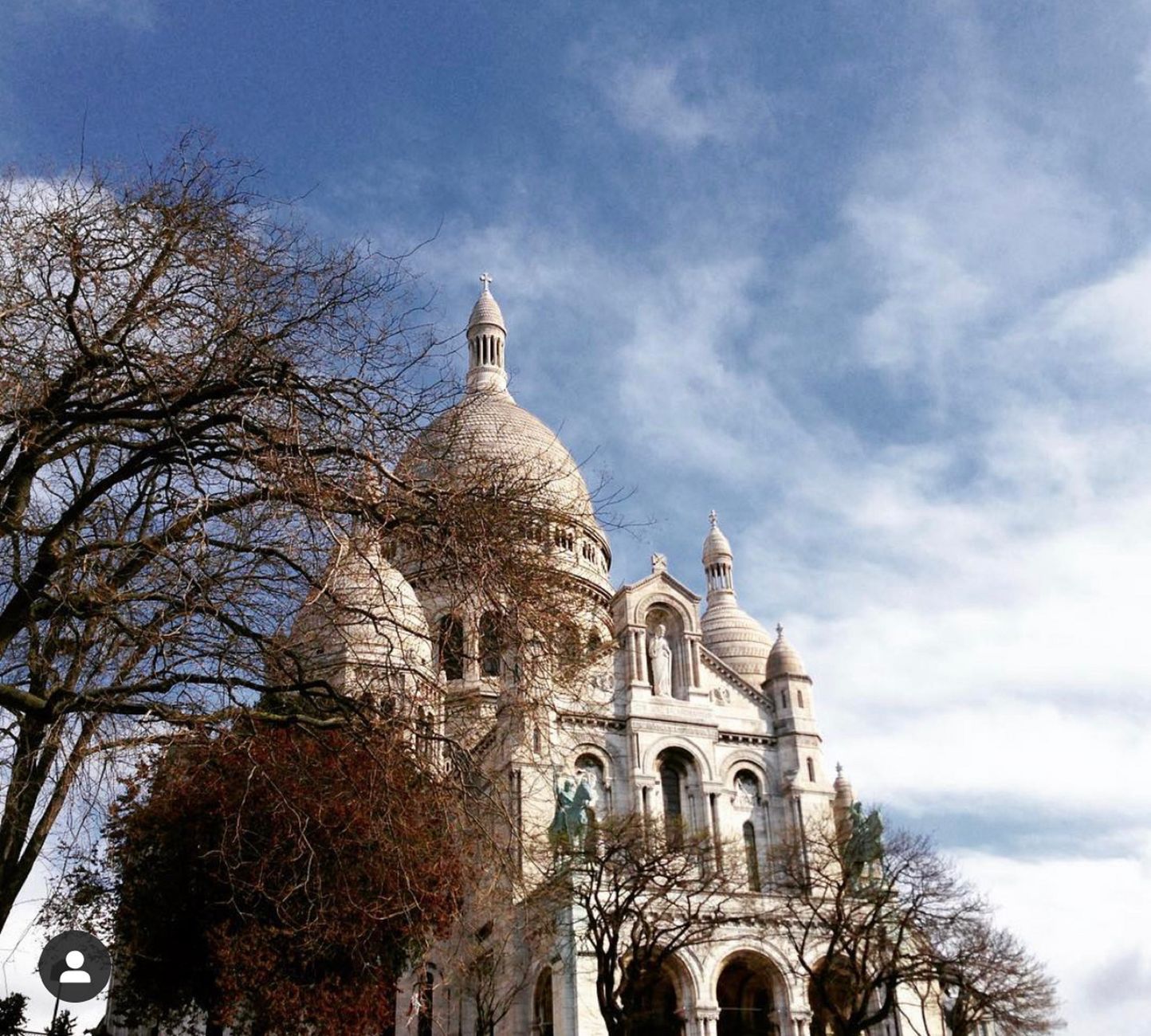
October is one of the easiest months to enjoy Paris well. Summer intensity has faded, the city is back in its normal rhythm, and the season suits the way many visitors actually want to travel: a mix of museums, long walks, café stops, river views, and neighborhoods that feel lived-in rather than stage-set. Official Paris tourism guidance highlights October 2026 as a strong month for art, exhibitions, and autumn city walks, with Paris parks and streets taking on their early autumn color and the wider cultural season in full swing.
If you are planning a first or second trip and want a weekend that feels full without becoming exhausting, this is a good month to build your days around compact areas instead of rushing from landmark to landmark. The route below is designed for three smart days in Paris, with enough structure to help and enough flexibility to leave room for a slow lunch, a gallery detour, or a long evening by the Seine.
Why October works so well for Paris
Paris tourism sources describe autumn as one of the best seasons for strolling, especially along the Seine, through parks, and across districts such as the Marais and Montmartre. They also note that October is shaped by major exhibitions and the broader Festival d’Automne cultural season, which runs from September 11, 2026 to January 10, 2027 across venues in Paris. In practical terms, that means the city feels culturally busy without necessarily forcing you into a single event-based trip.
For travelers, the big advantage is pacing. You can spend more time outside than in winter, but you are not dealing with the long summer queues and heat. Museums become a better anchor for the day, and neighborhoods such as Saint-Germain-des-Prés, the Marais, and Montmartre are especially rewarding when you have time to walk them rather than just photograph them.
Who this itinerary is for
This plan works best for first-time visitors, return visitors who want a calmer trip, and anyone coming for a Friday-to-Sunday or Saturday-to-Monday break. It assumes you want a classic Paris experience with strong walking logic: one major museum, one strong neighborhood, one scenic stretch, and one evening area each day.
It is not meant for travelers trying to check off every headline sight in 48 hours. If that is your goal, Paris can quickly turn into a sequence of metro rides and queues. October rewards a narrower plan.
Before you start: a few practical rules
Book your major museum in advance
The Louvre requires timed tickets, and its official visitor information notes that a ticket covers the permanent collections and temporary exhibitions, plus same-day or next-day access to the Eugène Delacroix Museum. The Musée d’Orsay also publishes clear visitor information and has late opening on Thursdays until 9:45 p.m., which can be very useful if you want to keep a daytime slot free for walking.
Do not overbook every hour
Paris looks compact on a map, but museum visits are draining and neighborhoods reward unplanned wandering. One reservation per day is usually enough.
Use the Metro, but walk the links that matter
The smartest Paris weekends are not fully pedestrian and not fully transit-based either. Use the Metro to jump between zones, then walk through the sections that carry atmosphere: Île de la Cité to the Left Bank, Palais-Royal to the Louvre area, or Abbesses down through Montmartre.
To make those walks easier to follow in real time, Ingry is useful for exploring Paris on foot, especially when you want short context on landmarks without stopping to do fresh research at every corner.
Day 1: Louvre, the Seine, and Saint-Germain-des-Prés
Morning: start with the Louvre area
Begin with the Louvre if this is your first trip. The museum is closed on Tuesdays according to its official visitor information, so plan around that. In October, an early timed entry is worth it because it gives you a quieter first hour and leaves the rest of the day open.
Do not try to “do the Louvre.” Choose a lane: major masterpieces, French painting, ancient sculpture, or decorative arts. Two to three focused hours is plenty for a weekend traveler. Anything longer often blunts the rest of the day.
Late morning: Tuileries to the river
After the museum, walk through the Tuileries rather than diving straight back underground. Even when trees are only just beginning to turn, this stretch resets your pace. Continue toward the Seine and cross either toward the Left Bank or backtrack via Pont des Arts depending on your energy.
Afternoon: Saint-Germain-des-Prés without overplanning it
This is a good neighborhood for your first Paris afternoon because it works even when you are tired. You can alternate between a church, a bookshop, a side street, and a café without needing a rigid checklist. Keep your targets loose: the appeal here is the texture of the district, not ticking through attractions every fifteen minutes.
If you still want another museum, the Delacroix Museum pairs naturally with a Louvre visit because Louvre tickets include access on the same day or the following day. That makes this area a smart continuation rather than a random add-on.
Evening: Left Bank dinner, then a river walk
For a first evening, do not chase a complicated nightlife plan. Stay on the Left Bank or drift back toward the Seine for an easy after-dinner walk. Paris in October often rewards evenings outside more than visitors expect, and official tourism guidance specifically recommends autumn walks along the Seine and through central districts.
Day 2: Île de la Cité, the Marais, and a Thursday Orsay option
Morning: see the historic core early
Start on or near Île de la Cité before the middle of the day. This part of Paris is at its best before the crowd thickens. From there, continue on foot into the Marais rather than taking the Metro for a tiny hop.
The key here is not to treat the historic center as one giant photo stop. Build a route with contrasts: the river edge, a quieter side street, a small square, then a busier shopping lane. That gives the area a rhythm and keeps it from feeling like one long crowd.
Afternoon: the Marais as your flexible block
The Marais is one of the easiest Paris neighborhoods for a half-day because it can absorb different travel styles. If you like museums, add one. If you prefer shopping and architecture, just walk. If you want lunch followed by a long aimless wander, this is the district for it.
This is also a good place to keep your schedule light. Paris works better when one section of the weekend stays open-ended. Use that time for side streets, courtyards, and shorter museum visits rather than forcing another major sight.
If you want help understanding what you are passing without turning the day into a guided group march, Ingry works well for self-paced neighborhood walking in Paris.
Alternative evening: Musée d’Orsay on Thursday
If your weekend includes a Thursday, consider shifting your main museum to the evening at the Musée d’Orsay. Official visitor information states that the museum has late opening on Thursdays until 9:45 p.m. That creates one of the best timing tricks for a Paris weekend: spend the daytime outside, then do your major art visit after the day crowd has dispersed.
Because of that late closing, a Thursday in Paris can be structured almost backwards: historic center in the morning, Marais in the afternoon, dinner break, then Orsay at night.
Day 3: Montmartre done the smart way
Morning: arrive early and stay high first
Montmartre is one of the areas most damaged by bad timing. Go late and it can feel jammed, performative, and tiring. Go early and it still has quiet corners, residential stairways, and moments that feel distinctly local.
Begin at the top rather than climbing into the busiest section from below in the middle of the day. Spend the first hour moving through the hill’s quieter edges and viewpoints, then gradually descend.
Late morning to afternoon: choose atmosphere over checklisting
Montmartre does not need many stops to justify the visit. The point is the hill itself: changing views, irregular streets, hidden gardens, and the shift from a village feel to big-city Paris at the edges. If you race through five named points, you will miss the neighborhood logic that makes it memorable.
This is also where it helps to know what to skip. Unless a particular place matters to you, avoid standing in every obvious queue around the busiest square. In October, Montmartre is much better as a walk than as a line.
Afternoon extension: down toward Pigalle or across to the 9th
Once you descend, keep going rather than circling back uphill. The route downward is part of the experience. Depending on your style, you can continue into lower Montmartre, edge toward Pigalle, or cross into the 9th arrondissement for a more everyday Paris finish.
For travelers who like to connect the city street by street instead of jumping from pin to pin, Ingry is a helpful companion for navigating Paris on foot and understanding what is around you as the neighborhood changes.
If you only have 2 days in Paris in October
Cut one major museum, not one neighborhood. A better 2-day trip is Louvre plus Left Bank on one day, then historic center plus Montmartre on the next. Many visitors make the opposite mistake and keep too many museums while sacrificing the walks that actually make Paris feel like Paris.
If weather shifts or energy drops, the Marais and Saint-Germain are easier to shorten gracefully than the Louvre or Montmartre. Keep those as your flexible pieces.
Good October areas to stay in
Saint-Germain-des-Prés and the Left Bank
Good for a first trip, easy evening walking, and strong café density.
The Marais
Good if you want shops, food, central access, and a neighborhood that still feels lively after museum hours.
Opéra or the 9th arrondissement
Good for transit convenience and practical hotel logistics, especially for short stays.
Montmartre
Best if you want atmosphere first and do not mind hills, stairs, and a slightly less central feel at the end of the day.
What to skip on a short October trip
Skip the temptation to cross the city repeatedly for single sights. Paris is full of places worth seeing, but a weekend is too short for zigzagging. Also skip the idea that every meal must be a destination meal. In October, time and daylight are often better spent on one more beautiful walk than on a long cross-town restaurant mission.
If this is your first trip, be careful with day trips as well. Versailles can be excellent, but it competes directly with the kind of neighborhood-based weekend that October in Paris does especially well.
A final word on planning your weekend
Paris in October is best approached as a city of linked districts, not isolated landmarks. Build each day around one anchor and one walking area. Start early in the places that crowd fastest. Use one late-opening museum when you can. Leave at least one afternoon partly unstructured.
That kind of plan usually leads to a better Paris memory than a more ambitious one. You will still see the classics, but you will also get the version of the city people come back for: river light at the end of the day, streets that reward detours, and enough time to notice where you actually are.
Paris
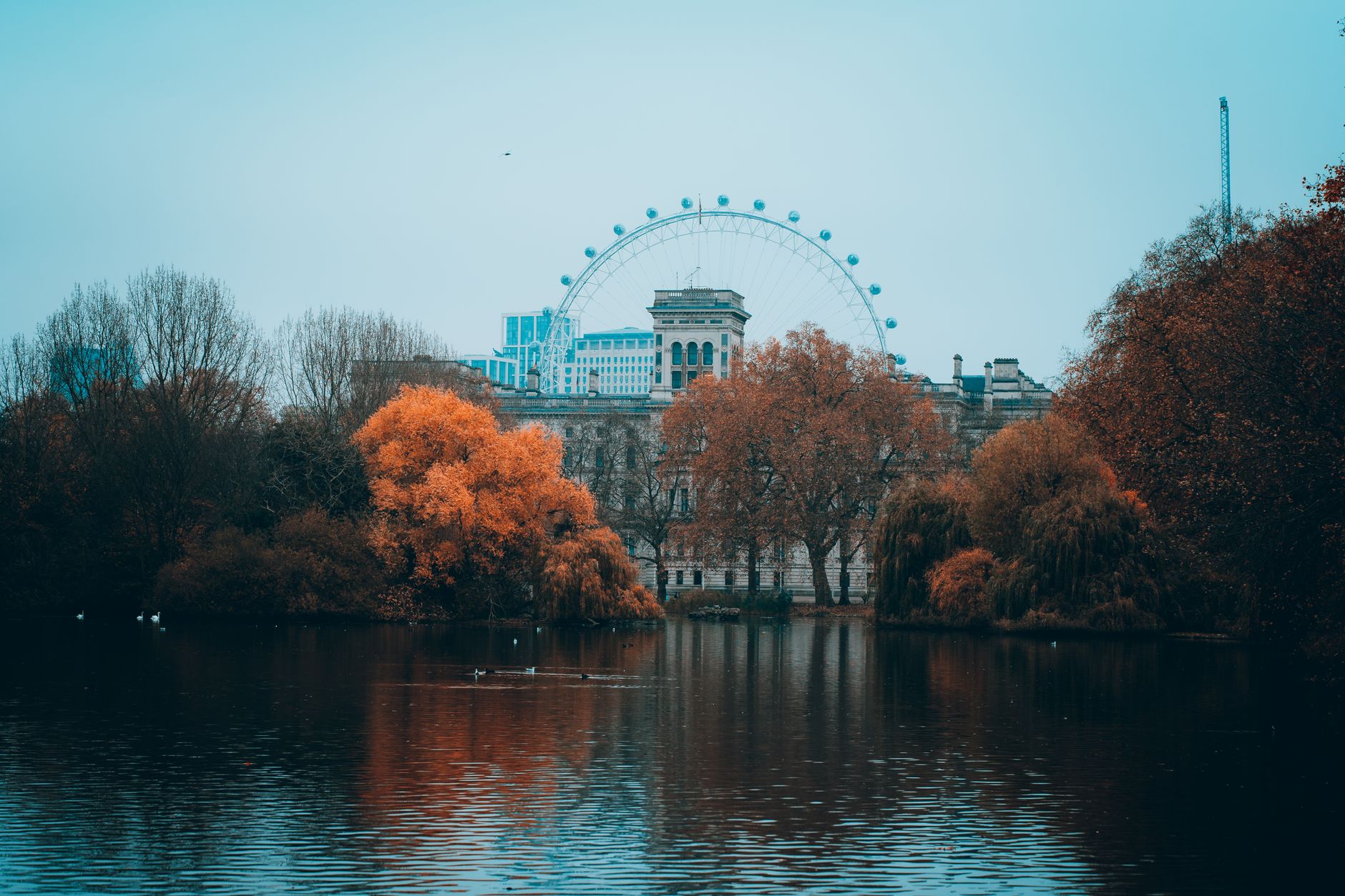
October is one of the easiest months to enjoy London well. The summer crush has eased, the parks start to turn, and the city still feels lively enough for long days out. It is also a month with a different rhythm: school half-term in London runs from October 26 to October 30 in 2026, and clocks go back on October 25, which means daylight disappears earlier at the end of the month. Those two details matter more than most first-time visitors expect.
If you are planning a short trip, this is a good month to build your days around neighborhoods rather than trying to zigzag across the whole city. London is best when you let major sights connect naturally by foot, then use the Tube only to skip the dull bits in between. This itinerary is designed for exactly that: three full days with strong first-time classics, enough breathing room, and a few choices depending on whether you want more museums, markets, or skyline views.
For walking between landmarks without constantly checking maps, Ingry is genuinely useful in London. It helps when you want context on the streets around you, not just directions from one pin to another.
Why October works so well for London
Visit London highlights October as a strong time for autumn travel, with seasonal events, half-term activity across the city, and parks turning into classic autumn scenery. The same official guide also notes that UK clocks change on October 25, 2026, so late-afternoon planning becomes more important toward the end of the month. (visitlondon.com)
That means October is best approached in two ways. In early and mid-October, you can still plan long outdoor stretches with a late museum or pub stop. In the final week of the month, make your outdoor sightseeing the first half of the day and save museums, markets under cover, and evening theatre for later.
Before you start: how to move around London efficiently
For most visitors, the easiest way to pay for transport is contactless or Oyster. Transport for London says pay as you go works across the Tube, buses, DLR, London Overground, most Elizabeth line services, and many National Rail services in London, and daily or weekly capping applies in Zones 1-9. TfL also states this is cheaper than buying paper single or return tickets. (tfl.gov.uk)
The practical rule is simple: walk central clusters, then use the Tube for longer jumps such as South Kensington to Tower Hill, or Notting Hill to Westminster. Buses are slower but more scenic. If this is your first London trip, use buses when you are not in a hurry and the Tube when you are crossing town.
Day 1: Westminster, St James’s, and the South Bank
Morning: start with the London everyone imagines
Begin around Westminster Station and do the dense historic section on foot: Houses of Parliament area, Westminster Abbey from outside first, then St James’s Park, then Buckingham Palace if it matters to you. This is a much better sequence than starting at the Palace, because Westminster gives you instant orientation and a stronger sense of the city’s scale.
Do not overcommit to interiors on your first morning. Westminster Abbey is worth it for some travelers, but London beginners often make the mistake of spending too much prime walking time indoors before they have understood the city above ground. In October, especially with shorter late-month daylight, that tradeoff matters.
Midday: walk to Trafalgar Square and Covent Garden
From St James’s, continue toward Trafalgar Square and then on to Covent Garden for lunch. This stretch works because it keeps you in motion through some of the city’s most recognizable streets without wasting time on transport. Covent Garden is touristy, yes, but it is useful touristy: central, easy for a short stop, and a natural bridge between ceremonial London and the West End.
Afternoon: choose one of two strong versions
If the weather is good, cross toward the South Bank and keep walking east past the London Eye area toward Waterloo and the river path. If the weather is grey or you are feeling museum-heavy, pivot instead to the British Museum, which is open daily from 10.00 to 17.00, with Friday late opening to 20.30. The museum recommends booking a free ticket in advance for priority entry during busy periods. (britishmuseum.org)
The British Museum is free and world-class, but do not try to “do” all of it. One focused 90-minute visit is smarter than a three-hour blur. Pick two sections and leave.
Evening: river views or theatre
Your first evening should be simple. Either stay around the South Bank for lit-up river views, or book a West End show and keep dinner close to the theatre. London in October often feels best after dark when you are not crossing long distances.
If you like exploring with short context stops along the way, Ingry fits particularly well on this day, because Westminster, Trafalgar Square, and the Embankment are packed with places you might otherwise pass too quickly.
Day 2: South Kensington museums and Hyde Park to Notting Hill
Morning: go early in South Kensington
South Kensington is one of the best October choices in London because it gives you a weather-proof morning and an easy park walk later. The Natural History Museum is open daily from 10:00 to 17:50, with last entry at 17:30, and the museum notes that weekends and school holidays can be busy enough for queues, so a free entry ticket helps if you want to guarantee entry. (nhm.ac.uk)
If you are traveling with children, this area becomes even more useful during October half-term, when family demand rises across the city. Visit London’s official half-term guide specifically highlights museums and major attractions during the October 26-30 school break. (visitlondon.com)
The key is to arrive early. South Kensington gets congested by late morning, especially if weather turns wet.
Midday: museum plus park, not museum plus museum
Many visitors try to stack the Natural History Museum and the V&A back to back. That sounds efficient and usually feels exhausting. In October, a better pattern is one museum followed by air and light. Walk north into Kensington Gardens or Hyde Park instead.
The Royal Parks publish seasonal opening times; for Kensington Gardens, the official 2026 schedule shows 06:00 to 19:00 from September 28 to October 4, with earlier closing later in autumn. (royalparks.org.uk)
That is another reason October works well when paced correctly: museum in the morning, park in the brighter middle of the day, neighborhood wandering afterward.
Afternoon: Hyde Park to Notting Hill
Walk west or northwest rather than heading straight back underground. Depending on your energy, continue toward Lancaster Gate, Westbourne Grove, or Notting Hill. This is a pleasant half-day because it feels residential and cinematic without requiring you to chase specific attractions. If Portobello Road interests you, go for the atmosphere, not for the idea that every stall will be magical. The market area is best treated as a browse-and-drift neighborhood, not a mission.
What to skip? Unless it is a personal priority, you do not need to force in Madame Tussauds or a second indoor queue-heavy stop. October rewards pacing.
Evening: dinner in Notting Hill or back to Soho
Stay west for a calmer dinner, or head back to Soho if you want a busier evening. The point of day two is contrast: less ceremonial London, more lived-in London.
Day 3: Tower Bridge, the City, and an Eastward finish
Morning: start at Tower Bridge before it gets busy
Tower Bridge is one of the easiest iconic sights to place well in a three-day trip. The official visitor information lists daily opening from 09:30 to 18:00, with last entry at 17:00, and the venue notes that weekends can get extremely busy for group visits. (towerbridge.org.uk)
Go early, then use the surrounding area as your real morning. Walk the bridge, look toward the Tower of London, and continue along the river or into the City depending on your interests. If you time it well, this is one of the most photogenic starts you can have in London without the bottleneck feel of mid-afternoon.
Midday: choose history or modern city energy
History-focused travelers should stay near the Tower and the older City lanes. If you prefer a more contemporary London mood, walk west through the riverfront and mix viewpoints, architecture, and coffee stops rather than chasing a checklist.
This is where a city guide app becomes more useful than a generic map. With Ingry, you can follow the logic of the area as you walk instead of reducing the City to a few famous names.
Afternoon: market or museum ending
Your final afternoon depends on energy. If you still want motion, finish in a market area and let the trip taper off naturally. If you are tired, make this your second museum slot. October is a good month for that flexibility because you are rarely dealing with extreme heat or winter shutdown mood.
Just remember the late-month daylight shift. After October 25, treat late afternoon as indoor time when possible. (visitlondon.com)
What changes if you are visiting during October half-term?
In 2026, London’s October half-term runs from October 26 to October 30 according to Visit London. During that week, family attractions and major museums see heavier daytime demand, and Halloween-themed activities also increase toward October 31. (visitlondon.com)
If your trip falls in that window, make three adjustments. First, book any timed attractions earlier than you normally would. Second, do popular museums first thing in the morning. Third, rely more on neighborhood walks in the afternoon, when indoor queues are at their worst.
How to think about crowds in October
London does not become empty in October; it just becomes easier to handle. The busiest pain points remain similar: South Kensington museums in the late morning, Covent Garden in the middle of the day, and Tower Bridge or Westminster in the afternoon. Rain makes museums and covered markets busier. Half-term amplifies all of that.
The best workaround is not complicated: start early, cluster your sightseeing by area, and do not cross the city twice in one day.
A few smart planning rules for a better weekend
1. Do fewer interiors than you think
London’s greatest strength is how much of it is rewarding outdoors. If you cram in too many ticketed interiors, the city starts to feel like a queue system.
2. Use Friday late openings when you can
The British Museum’s Friday evening hours make it one of the easiest major institutions to fit into a short trip without sacrificing daylight. (britishmuseum.org)
3. Keep one flexible block every day
London rewards improvisation. A good street, a pub, a park path, or a river stretch often becomes the part people remember.
4. Let weather shape the order, not the whole trip
If rain arrives, move museums earlier and save open walks for breaks in the weather. October is manageable precisely because you can do that without rewriting everything.
Is October a good time to visit London for a first trip?
Yes. For many travelers, it is one of the best months to visit. You get cultural density, easier walking temperatures, autumn color in the parks, and enough energy in the city without the full pressure of peak summer. Official London tourism listings also show that October remains active, with half-term programming, seasonal events, and major exhibition culture across the month. (visitlondon.com)
If you plan it well, October in London feels balanced: famous sights, strong museum options, and room to walk like you are actually in the city rather than just consuming it.
London
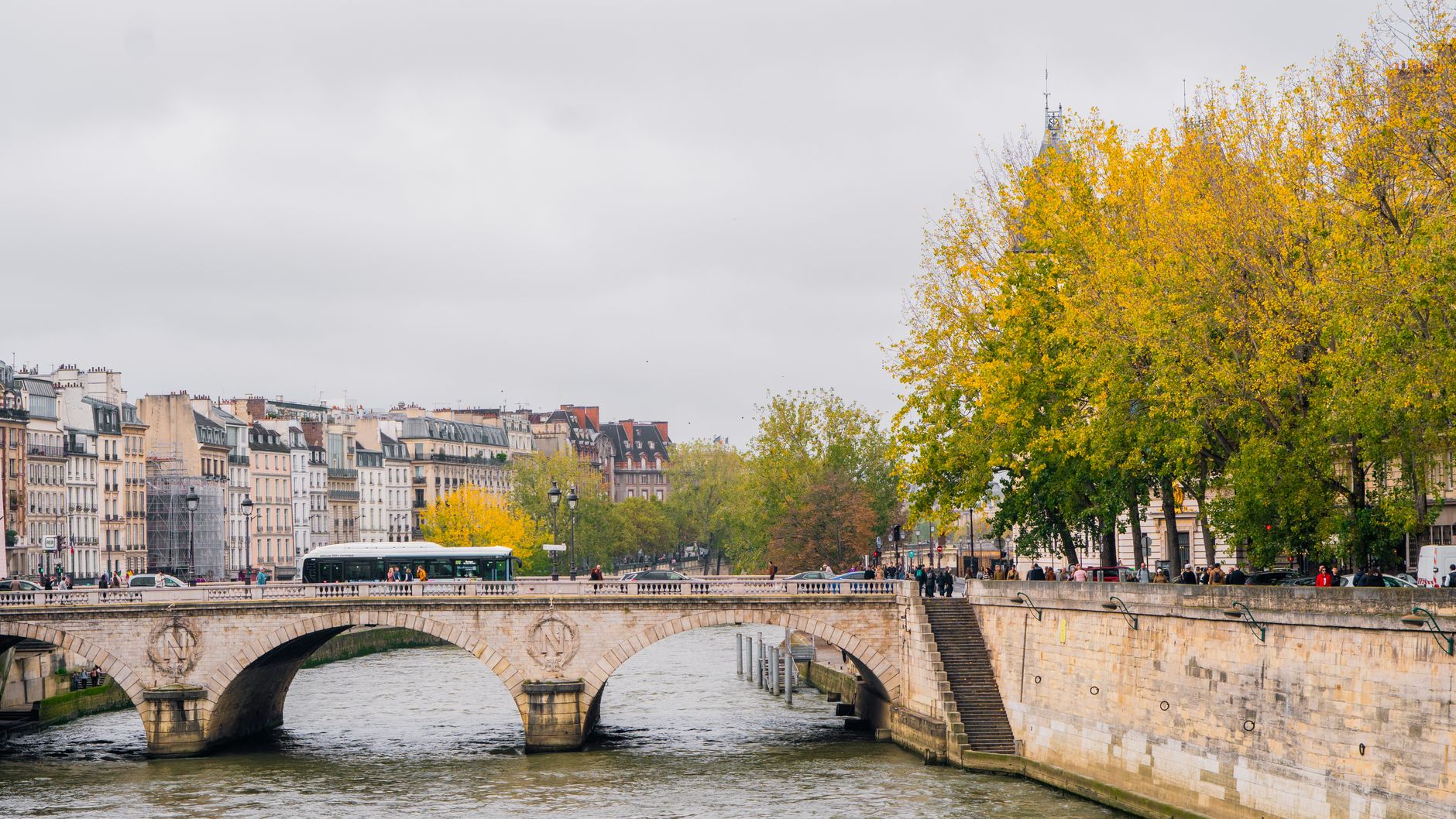
October is one of the easiest months to enjoy Paris well. Summer crowds ease, daylight is still generous enough for long walks, and the city feels more local again after the holiday season. If you are planning a first or second trip and want a weekend that balances major sights with neighborhoods you can actually enjoy on foot, October is a strong moment to come.
This guide is built for a real three-day stay: not a checklist of every famous place, but a route that makes geographic sense and leaves room for cafés, river views, and the kind of museum time that does not feel rushed. Paris tourism offices are already highlighting September and October 2026 as a busy cultural period, with autumn exhibitions, festivals, and the European Heritage Days just before October, so it is smart to expect an active city rather than a sleepy shoulder season.
October also works especially well if you like walking. You can move between the historic center, the Seine, the Marais, Saint-Germain, and classic museum districts without the heat and fatigue that often make summer itineraries drag. If you like using a city guide while walking, Ingry is a useful companion for understanding what you are passing rather than just moving from one pin to the next.
Why October is such a good month for Paris
Paris in October is less about one giant seasonal event and more about how comfortably the city fits together. The autumn cultural season is in full swing, and official Paris listings for October 2026 point to a dense calendar of exhibitions, performances, and city events across the month. Paris also moves into a more museum-friendly rhythm in fall, which matters if your trip includes the Louvre, Musée d'Orsay, or smaller collections in the center.
For travelers, the practical upside is simple: you can combine indoor and outdoor time without constantly planning around heat. That means a morning in a museum, a midday walk through a garden or along the Seine, then a late afternoon in a different neighborhood still feels manageable.
If your dates happen to fall around a specific event weekend, check official city listings before you go. In late September 2026, Paris is also preparing for several large-scale gatherings and seasonal cultural events, and those can affect crowd patterns into early October in central areas.
Who this itinerary is best for
This weekend plan suits travelers who want classic Paris without spending the whole trip in queues. It is especially good for first-time visitors who want to see the historic center, the river, a major museum, and at least one neighborhood that feels lived-in rather than staged.
It is less ideal if your priority is checking off every headline attraction in 48 hours. Paris punishes overplanning. Distances look short on a map, but museum lines, métro changes, and the temptation to stop every few blocks can slow the day quickly.
How to structure a 3-day October weekend
Day 1: Historic Paris and the Seine without rushing
Start on the Île de la Cité and the area around Notre-Dame. Even if you do not begin with a full monument visit, this is the right place to orient yourself: the river, bridges, and stone facades give you the Paris image most people come for. From there, walk west along the Seine rather than trying to jump straight onto the métro. The point of the first morning is not speed. It is to get the city into your legs.
Continue toward the Latin Quarter or cross toward Saint-Germain-des-Prés depending on your pace. In October, this kind of river-to-café route works better than a rigid attraction order. You are not fighting summer heat, so you can let the morning unfold naturally.
For the afternoon, pick one major indoor stop, not three. The Musée d'Orsay is often the better choice for a weekend visitor than the Louvre if your time is limited. The collection is manageable, the setting is memorable, and it pairs naturally with a Left Bank walk. Save the Louvre for a trip where you can give it a dedicated half-day or more.
End the day around the Tuileries, Place de la Concorde, or the riverfront as dusk comes in. October evenings in Paris are ideal for this transition hour, when the city begins to glow and the walking pace slows. If you like context while wandering, Ingry can help turn a simple evening walk into something more layered, especially in the historic center.
Day 2: The Marais, smaller museums, and neighborhood time
Dedicate your second day to the Marais and nearby central districts. This is where many weekend trips to Paris become more enjoyable, because the city stops feeling like a line of monuments and starts feeling like a place. The Marais is dense, walkable, and full of architectural detail, with enough museums, food stops, and small streets to fill a full day without much transit at all.
Come early if you want the neighborhood before peak foot traffic. Midday and afternoon can get busy, especially on weekends and in the blocks around major museum entrances and the most photographed streets.
This is a good day for a smaller or more focused museum rather than another giant institution. It also works well for combining museum time with covered passages, courtyard architecture, and a slower lunch. Do not try to force too many bookings into this day. The strength of the Marais is that it rewards drifting within a compact area.
If you still have energy in late afternoon, continue toward Hôtel de Ville or the canal side depending on your mood. If not, stay put. One of the easiest mistakes in Paris is leaving a neighborhood too quickly just because there is another famous one nearby.
Day 3: Montmartre early, then one final classic Paris axis
Montmartre works best early in the day. Go in the morning before the tight streets fill up and before the area turns fully into a photo queue. Start uphill rather than arriving lazily at midday. The point is to enjoy the neighborhood's slopes, staircases, and changing views while it still feels calm.
Once you have had your Montmartre walk, do not spend the whole day there unless you are staying nearby. Move on after lunch. A strong final-afternoon pairing is Montmartre with the Opéra area, the grands magasins district, or a final Seine-side walk if you want to close the trip on a more recognizably monumental note.
If shopping matters to you, this is the logical time to do it. If not, use the last hours for one elegant, low-stress route rather than another major ticketed sight. Paris is often best remembered in stretches of city rather than inside a final rushed attraction.
What to book ahead in October
For a weekend in Paris, the main rule is to pre-book only the places that truly need it. Major museums and high-demand monuments can fill preferred time slots, especially on weekends during the autumn cultural season. Official Paris tourism listings describe October 2026 as an active month for exhibitions and events, which usually means central museums stay busy.
Book your must-do museum first. Then leave breathing room around it. If you schedule every two hours, one line or one long lunch can break the whole day.
If you are traveling over a specific event weekend, verify transport and access details through official organizers or city tourism pages before locking in a strict route.
How to move through Paris efficiently
The smartest Paris weekend is built around clusters. Do not cross the city three times a day just because the map makes everything look famous and close. Pair areas that naturally connect on foot: Île de la Cité with Saint-Germain, the Marais with Hôtel de Ville, Montmartre with Opéra. This saves time and preserves energy.
The métro is best used strategically, not constantly. In central Paris, one well-chosen ride can replace a tiring dead stretch, but too many short rides interrupt the feel of the trip. October is a particularly good month to favor walking because the city is generally more comfortable than in peak summer.
For travelers who enjoy understanding neighborhoods as they go, Ingry fits well into this kind of trip: you can walk first and learn as you move, instead of spending the day stopping to search every building individually.
What to skip, or at least rethink
Skip the urge to do the Louvre, Musée d'Orsay, Sainte-Chapelle, the Eiffel Tower, Montmartre, and Versailles all in one long weekend. That is not a smart Paris plan. It is a transport plan with occasional sightseeing.
Also rethink midday Montmartre, back-to-back giant museums, and restaurant plans that require crossing town for one famous address. Paris rewards rhythm more than conquest.
If this is your first trip, it is perfectly fine not to go inside every landmark. Seeing Paris well often means choosing a few interiors and letting the rest be part of the urban experience.
A smart October mindset for first-time visitors
Come to Paris in October expecting a city that is active, cultural, and walkable rather than quiet. The season is attractive precisely because Paris feels fully switched on without the pressure of summer travel. Official tourism sources are already promoting major autumn exhibitions, festivals, and city events in September and October 2026, so planning ahead still matters.
But once you arrive, do less than you think you should. Walk more than you think you need to. Keep each day focused on one or two connected parts of the city. That is usually when Paris becomes memorable.
If you only have one long weekend, this month gives you an unusually balanced version of the city: river light, museum weather, neighborhood energy, and enough room to explore without feeling crushed by logistics.
Paris
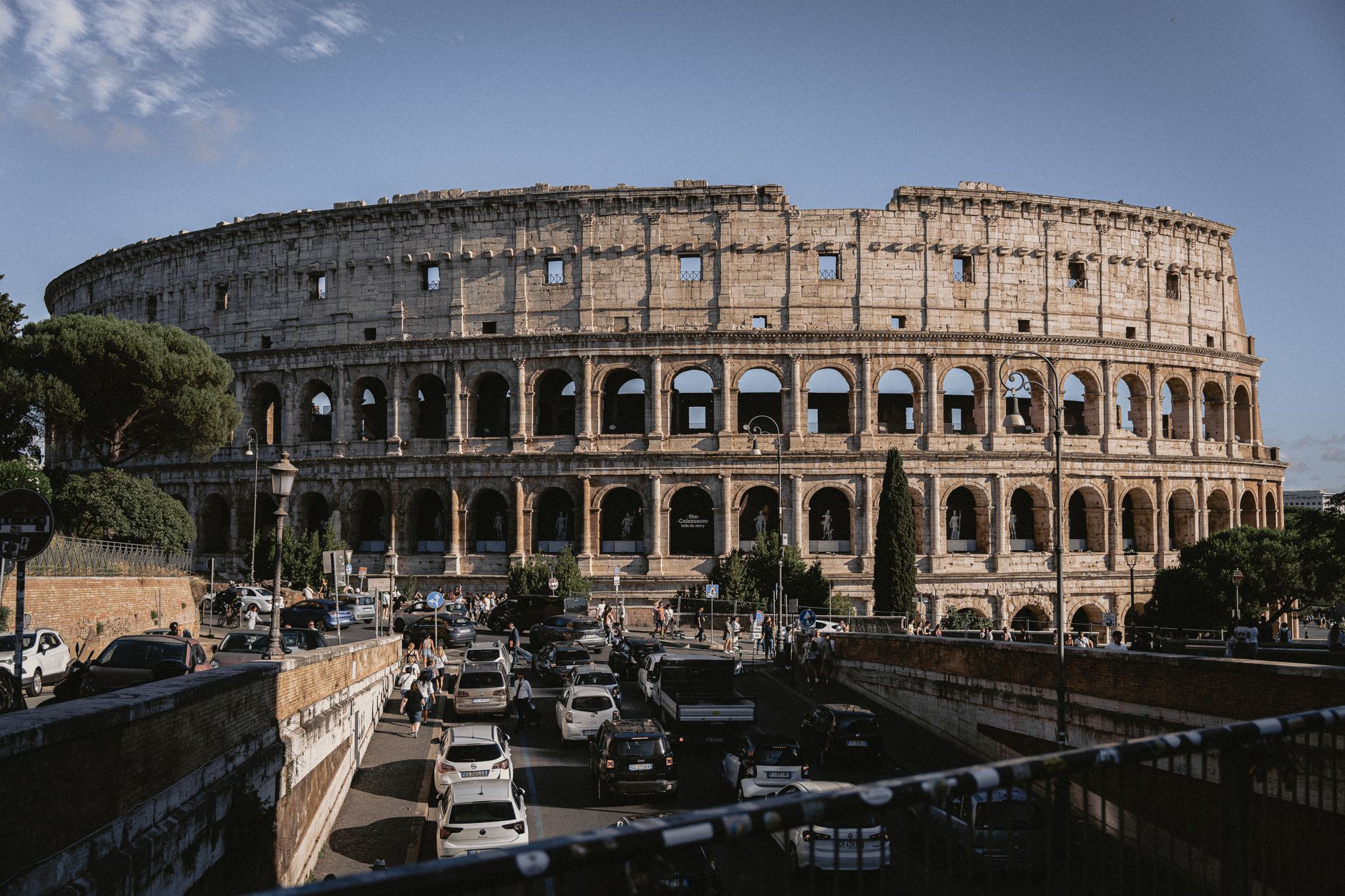
October is one of the most comfortable months for a short trip to Rome. The heat of high summer usually eases, daylight is still generous at the start of the month, and the city rewards travelers who plan their routes well instead of trying to cram everything into a single blur of ruins, churches, and queues. If you have three days, the smartest approach is to group Rome by walking zones, start major sights early, and leave room for long lunches, evening piazzas, and the small turns that make the city feel human.
This itinerary is built for first-time visitors who want the classics without spending the whole weekend in transit. It focuses on practical movement: one day around ancient Rome, one around the Vatican and west-side neighborhoods, and one through the historic center and Villa Borghese. Along the way, Ingry is useful for understanding what you are seeing while walking, especially in areas where landmarks appear every few minutes and it helps to have context without joining a group.
Why October works so well for Rome
Rome is still busy in October, but it is usually easier to enjoy than midsummer because walking becomes more pleasant and the city feels less punishing in the middle of the day. It is also a month when exhibitions, cultural events, and autumn programming are active across the city’s official tourism calendar, including major seasonal listings published by Turismo Roma. In late September 2026, for example, the official calendar highlights citywide museum visits, cultural festivals, and the Romaeuropa Festival running from September 8 to November 15, 2026. That means an October trip can combine the major monuments with current cultural life rather than feeling like a checklist of ancient sites only. (turismoroma.it)
If your trip falls in early October 2026, note one practical detail: the Colosseum Archaeological Park keeps longer seasonal hours through September 30, 2026, then shifts to earlier closing from October 1. That is one more reason to book timed entries carefully and put outdoor archaeological areas earlier in the day. (colosseo.it)
Before you go: the 3 bookings that matter most
For a short Rome trip, three reservations shape the whole weekend: the Colosseum, the Vatican Museums, and Galleria Borghese if you want a strong art stop. The official Colosseum site says entry to the Colosseum requires a reserved time slot, and online sales open 30 days before the visit date. The Vatican Museums also warn visitors to use only their official ticket portal when booking online. Galleria Borghese states that booking is obligatory and visits are organized in fixed time blocks. (colosseo.it)
If you leave these to the last minute, the city becomes much harder to organize. If you book them early, Rome becomes simple: one headline site each morning, lunch nearby, then a lower-pressure afternoon on foot.
Day 1: Ancient Rome without overloading yourself
Morning: Colosseum, Roman Forum, Palatine Hill
Start with the Colosseum area as early as your ticket allows. This is the part of Rome where first-time visitors often make the biggest planning mistake: they treat the Colosseum as a one-hour stop, then realize the wider archaeological area takes real time and real energy. Give the whole zone most of the morning. The official site confirms separate opening times for the Colosseum and for the Roman Forum-Palatine area, with the Colosseum opening at 8:30 a.m. and the Forum-Palatine at 9:00 a.m. during the current seasonal schedule. (colosseo.it)
Walk it in this order if possible: Colosseum first, then Forum, then Palatine. That sequence feels easier because the most structured part comes first, then the larger open areas where you can slow down. Wear proper shoes, carry water, and do not plan another heavy museum immediately after. This is a big outdoor historical site, not a quick photo stop.
Lunch and reset: Monti
After the archaeological area, walk into Monti for lunch. It is close enough to make sense after the Colosseum and softer in pace than staying on the main monument corridors. For a first trip, this is a good neighborhood to breathe a little, sit down, and let Rome shift from monumental to lived-in.
Afternoon: Capitoline Hill or a lighter central walk
If you still want more history, head toward Capitoline Hill and Piazza del Campidoglio. If energy is dropping, do something simpler: walk via Piazza Venezia toward Largo di Torre Argentina and continue to Campo de’ Fiori or the Jewish Ghetto. Rome rewards partial days. You do not need to “complete” ancient Rome in one sweep.
This is also a good afternoon to use Ingry while walking between sites. In central Rome, the challenge is rarely finding one famous place; it is understanding how layers of the city connect across a few streets.
Evening: Piazza Navona and the Pantheon area
Save this zone for evening when the streets feel atmospheric and you are no longer trying to beat museum lines. Piazza Navona, the Pantheon area, and the lanes around them are best treated as a slow wander rather than a list.
Day 2: The Vatican in the morning, Trastevere later
Morning: Vatican Museums first
Put the Vatican Museums early in the day. The official museum site lists Monday to Saturday opening from 8:00 a.m. to 8:00 p.m. with final entry at 6:00 p.m., and it specifically advises visitors to use the official online ticket portal. Even with long hours, mornings are still the most logical choice for a short itinerary because the museums are vast and mentally tiring. (museivaticani.va)
Do not try to combine the Vatican Museums, St. Peter’s Basilica, Castel Sant’Angelo, and all of Trastevere before dinner unless you enjoy rushing. Pick two serious priorities at most. For most first-time visitors, the museums plus a slower west-side afternoon is enough.
Midday: St. Peter’s area
After the museums, decide honestly how much energy you have left. If you still want a major landmark, stay around St. Peter’s area. If not, have lunch and cross the river gradually instead of forcing another queue.
Afternoon and evening: Trastevere
Trastevere works best later in the day, not at peak noon. The neighborhood is more enjoyable when you arrive without a hard schedule, walk side streets rather than only the busiest lanes, and stay into the evening. It is a strong choice for travelers who want Rome to feel less ceremonial and more local in rhythm.
If you want a bridge walk, come over the Tiber slowly and let the route be part of the afternoon. October light is kind to this side of the city, and the transition from Vatican formality to Trastevere’s smaller streets gives the day a natural arc.
Day 3: The historic center, Spanish Steps, and Villa Borghese
Morning: Trevi Fountain, Spanish Steps, nearby streets
Do this part early. The Trevi Fountain and Spanish Steps are among the easiest places in Rome to enjoy at 8 a.m. and among the hardest to enjoy late morning. Go before breakfast if you want space, then settle into a slower pace nearby.
This is also the right day for travelers who like elegant city walking rather than only monuments. The center between Trevi, the Spanish Steps, and Via del Corso can either feel overcrowded and generic or surprisingly enjoyable depending on your timing. Early is the difference.
Late morning or midday: Villa Borghese and Galleria Borghese
Shift north into Villa Borghese once the dense center starts filling up. This is one of the smartest pressure-release moves in Rome: from packed stone streets into open park space, then optionally into one of the city’s strongest museums. Galleria Borghese’s official guidance states that booking is obligatory, visits are time-limited, and opening hours run Tuesday to Sunday. (galleriaborghese.beniculturali.it)
If you have not booked Galleria Borghese, Villa Borghese still earns the trip. It gives your weekend a change of texture and helps avoid the common Rome problem of seeing only crowded central corridors.
Afternoon: Pincian Terrace, Piazza del Popolo, or one last museum
From Villa Borghese, drift down toward the Pincian Terrace and Piazza del Popolo. This makes a graceful final half-day because it is scenic, easy on the legs, and close to metro and shopping streets if you need a practical final stop.
How to move around Rome without wasting time
Rome is a walking city, but only if you group areas sensibly. The official ATAC maps page provides downloadable city-center and metro-rail maps, and ATAC also notes that route planning and timetables are available through its journey tools and app. Rome’s metro network is limited compared with the scale of the historic center, so many visitor days are best handled as one metro ride plus long stretches on foot. (atac.roma.it)
A good rule for a three-day trip is this: use transit to reach your first zone of the day, then stay in that zone. Do not keep crossing the city to tick off isolated sights. Rome punishes zigzagging.
What to skip on a first October weekend in Rome
Skip the fantasy of “doing Rome” in 48 or 72 hours. Skip backtracking between the Colosseum and Vatican on the same day. Skip midday Trevi if you hate crowds. Skip adding distant neighborhoods just because they look interesting on a map. And unless you have a very specific reason, skip booking every hour in advance. Rome needs some loose space.
The better version of a first trip is narrower: one major site each morning, one neighborhood shift after lunch, one good evening walk.
A final planning note for October 2026
Rome’s official tourism calendar for September 2026 points directly into the autumn cultural season, with continuing festivals, museum programming, and city events leading into October. If your dates are close, it is worth checking the official Turismo Roma events listings shortly before departure to see whether your weekend overlaps with something useful rather than building the whole trip around an unverified event. (turismoroma.it)
And once you are in the city, Ingry can help you make sense of the spaces between the headline sights, which is often where Rome becomes most memorable: on the walk from a ruin to a church, from a square to a side street, from a famous view to a quieter one you did not plan.
Rome
October is one of the most comfortable months to visit London. The city still feels lively, but the rhythm shifts: parks start turning gold, museum days make more sense, and long sightseeing lists become easier to pace. It is also a month when timing matters. London school half-term in 2026 runs from 26 to 30 October, and major attractions usually get busier during that week, especially places like the Tower of London, Buckingham Palace areas, and the London Eye. Visitors can also expect average October temperatures of around 10 to 16C, with daylight shortening noticeably after the clock change on 25 October. (visitlondon.com)
If you want a first trip that feels full but not exhausting, October is a good excuse to build your days around walkable areas rather than racing from one end of London to the other. This itinerary is designed for three smart days: one for the historic core, one for museum London and the parks around it, and one for markets, neighborhoods, and skyline views.
Why October works so well for London
London in October rewards people who like cities on foot. You can still spend long stretches outside, but you are less likely to deal with the heavy summer crush. At the same time, seasonal demand does not disappear. Visit London highlights October half-term from 26 to 30 October 2026, Black History Month through October, the BFI London Film Festival from 7 to 18 October, Frieze London and Frieze Masters from 14 to 18 October, and NFL London Games between 4 and 18 October. If your trip overlaps any of those dates, expect busier trains, fuller hotels in some areas, and more competition for timed-entry attractions. (visitlondon.com)
The practical takeaway is simple: book major sights early, start mornings with your most popular stop, and leave flexible neighborhood wandering for later in the day.
How to get around without wasting time
For most visitors, the easiest way to move around London is pay-as-you-go travel with contactless or Oyster. Transport for London says contactless cards and Oyster can be used across the Tube, buses, DLR, London Overground, Elizabeth line, and most National Rail services in London, and it is generally cheaper than buying single tickets. TfL also notes that children under 11 travel free on several services when accompanied by a fare-paying adult. (tfl.gov.uk)
For this itinerary, do not overuse the Tube. London makes more sense when you group nearby sights and walk the links between them. For navigation between landmarks, short historical context, and deciding whether the next stop is worth the detour, Ingry is especially useful when you are already out in the city and want to keep moving instead of constantly replanning.
Day 1: Westminster, the South Bank, and the Tower area
Morning: start with the postcard London core
Begin in Westminster early. That means arriving before the middle of the morning, when the pavements around Westminster Abbey, Big Ben, and the London Eye start filling up with day-trippers and school groups. Walk from Westminster Station through Parliament Square, continue toward St James's Park if you want a quieter first hour, or cross Westminster Bridge if you prefer river views right away.
This part of London is busy almost all year, but in October the early light and cooler air make it more pleasant than in peak summer. What matters most here is not trying to do everything. For a first day, it is better to keep moving east along the Thames than to spend too much time queueing at every major landmark.
Midday: walk the South Bank instead of doubling back
From Westminster Bridge, follow the South Bank toward the Tate Modern area. This route gives you one of the easiest sightseeing walks in London: river views, street life, easy food stops, and a steady sequence of landmarks without much planning. If the weather turns or the crowds feel heavy, dip into a museum or gallery rather than forcing a rigid schedule.
October is a good month for this stretch because you can still comfortably walk it outdoors, but you will usually want a light waterproof layer. Visit London specifically recommends warm, waterproof clothing and comfortable footwear for October. (visitlondon.com)
Afternoon: cross back for the Tower area
After lunch, make your way toward the Tower of London side of the river. If the Tower is on your must-see list, this is one of the places to book in advance and tackle earlier in the day on another version of the route if possible, especially during half-term. If not, the area still rewards a walk: Tower Bridge views, the contrast between old stone and the City skyline, and some of the best sense of London as layers rather than a single historic center.
Do not try to combine the Tower, St Paul's, Borough Market, and multiple river crossings in one rushed afternoon. That is the sort of London plan that looks neat on paper and becomes tiring fast. Pick one anchor sight and let the rest be a walk.
Day 2: Bloomsbury, the British Museum, and Covent Garden
Morning: give the British Museum real time
Day two is for an indoor-heavy plan, which is often the smartest use of an October morning. The British Museum is free to enter, advises visitors to book a free ticket in advance, and notes that walk-up visits are still possible subject to capacity. Its standard opening hours are daily from 10.00 to 17.00, with later Friday opening until 20.30. (britishmuseum.org)
The mistake many first-time visitors make is treating the museum like a box to tick in an hour. It is better to go in with a short list. Two hours with purpose is far better than four hours of wandering until your feet give up. Bloomsbury also gives you a calmer base than busier riverfront areas, which helps balance the trip.
If you like exploring on foot after a museum visit, Ingry works well here too: Bloomsbury is full of details that are easy to miss if you only move from one headline attraction to the next.
Afternoon: Covent Garden and the West End fringe
From the museum, walk south toward Covent Garden. The distance is manageable, and the route gradually shifts from academic Bloomsbury into busier central London. Covent Garden itself is best treated as a place to browse, snack, and enjoy the atmosphere rather than a major cultural stop. It is lively, useful, and central, but it can also be one of the easiest areas to overstay in.
If you want to extend the afternoon, keep walking toward the Strand and Somerset House side rather than diving in and out of the Tube. Central London is more enjoyable when the city unfolds block by block.
Day 3: South Kensington, Hyde Park, and Notting Hill or Kensington
Morning: South Kensington museums before the crowds build
South Kensington is one of the best areas in London for a rainy or mixed-weather day because you can combine major museums with elegant streets and nearby park time. The Natural History Museum is open daily from 10.00 to 17.50, and most of its galleries are free to explore; the museum also recommends booking a free ticket online before arrival. (nhm.ac.uk)
Get there early if it is a school holiday week or a weekend. This area is one of the first places families target during half-term, and queues can grow quickly. If you are choosing between several museums, be realistic. One museum plus a long park walk is usually a better day than three museums in a state of mild exhaustion.
Afternoon: Hyde Park and Kensington Gardens
After the museum, head into Hyde Park and Kensington Gardens. Hyde Park is open every day of the year from 5am, which makes it easy to use as either a morning route or a decompression zone after indoor sightseeing. (royalparks.org.uk)
This is where October really earns its place on the calendar. You get the feeling of a seasonal London trip without needing a packed event schedule. Walk west if you want a slower afternoon, or continue toward Kensington if you prefer attractive residential streets and a less hectic finish to the day. If energy is still high, Notting Hill is a good final neighborhood wander; if not, stay local and keep the day simple.
What to book ahead, and what can stay flexible
In October, it is smart to pre-book only the parts of London that reliably create queues or timed-entry bottlenecks. Museums with free entry may still recommend advance booking during busy periods, and major attractions get especially crowded during half-term. The British Museum advises booking a free ticket in advance, while the Natural History Museum says most galleries are free and free online tickets are available before you arrive. Visit London also specifically notes that attractions such as the Tower of London, Buckingham Palace areas, and the London Eye tend to be busier during half-term. (britishmuseum.org)
Keep flexible: neighborhood walks, riverside stretches, park time, pub lunches, and market browsing. Book ahead: any must-see paid attraction, any special exhibition, and any trip that lands during a major October event window.
What to skip if your trip is short
Skip cross-city zigzags. London is too large for that on a three-day trip. Skip the idea that you need to enter every famous building. Skip spending half a day queueing for a viewpoint if the city is cloudy and you would rather be walking through real neighborhoods. And unless shopping is the point of your trip, do not give your best afternoon hours to Oxford Street.
Short London trips improve when you choose a few strong areas and see how they connect. That is also where Ingry fits naturally: not as a checklist, but as a walking companion when you want context, route logic, and nearby ideas without turning the day into a scavenger hunt.
Final planning tips for London in October
Pack layers, waterproof shoes, and a small umbrella or rain jacket. Put your most popular sight first each day. Watch your dates if you are travelling during 4 to 18 October for NFL London Games, 7 to 18 October for the BFI London Film Festival, 14 to 18 October for Frieze, or 26 to 30 October for London half-term. Those windows can change the feel of the city in specific areas even if London as a whole still works well for independent travel. (visitlondon.com)
If you want London to feel memorable rather than hectic, let October guide the pace: one major sight in the morning, one long walk in the afternoon, and enough room to follow the city when it offers something better than your plan.
London
Fall is one of the easiest times to enjoy New York City well. The air is usually more comfortable for long walks, the city feels more energetic again after summer, and the days still leave enough time to combine parks, museums, neighborhoods, and skyline views without turning the trip into a checklist. If you are planning a first or second visit, autumn is a strong season for a weekend built around walking rather than racing from one reservation to the next.
This guide is designed for travelers who want a practical New York City plan: one that gives you classic sights, but also better pacing, smarter neighborhood combinations, and a few places where fall genuinely improves the experience.
Why fall works so well in New York City
Central Park Conservancy notes that fall foliage in Central Park often turns later than in many other places because of the city’s light and temperature conditions, which is useful to know if you are planning an October or early November trip and hoping for color in the park rather than assuming it will peak early. The Conservancy specifically highlights places such as The Mall, The Ramble, the Reservoir, North Woods, and Conservatory Garden for fall foliage walks. (centralparknyc.org)
In practice, that means fall in New York City is less about chasing one exact “perfect foliage day” and more about building an itinerary that stays flexible. A crisp morning in Central Park, a museum in the middle of the day, and a neighborhood walk downtown in the late afternoon usually works better than packing in far-flung sights across all five boroughs.
Who this weekend plan is best for
This itinerary fits first-time visitors, return travelers who have already seen the main landmarks once, and anyone trying to balance famous places with a more enjoyable street-level experience. It is especially good if you like cities on foot and want to avoid spending half your trip underground on the subway.
If your main goal is Broadway every night, nonstop shopping, or sports-focused travel, you will want to adjust it. But for a classic autumn weekend in New York City, this is a strong, realistic route.
How to structure the weekend
The logic is simple: keep one day focused on Midtown and Central Park, one day on Lower Manhattan and nearby neighborhoods, and one day on a museum-and-brownstone stretch of the Upper East Side or Upper West Side. That reduces zigzagging and lets you see the city as connected places rather than isolated attractions.
As you walk, Ingry is useful for understanding what you are passing, especially in areas where major landmarks sit close to smaller architectural details, squares, and side streets that are easy to overlook.
Day 1: Central Park, Fifth Avenue edges, and an evening skyline
Morning: start on the park’s south side
Begin near the southern edge of Central Park. This gives you a softer landing than starting inside a museum queue or at a major observation deck. Walk north gradually rather than trying to “do all of Central Park.” In fall, the best strategy is to choose a few high-reward sections and enjoy them properly.
A good route is: southeast or south-central entrance, then The Mall, Bethesda Terrace, parts of The Ramble, and if you still have energy, continue farther north or angle toward the Reservoir. The Conservancy’s foliage guidance makes clear that different sections color at different moments, so even when one area looks muted, another can feel distinctly autumnal. (centralparknyc.org)
Midday: one museum, not two
After the park, choose one major museum nearby and commit to it. In this part of the city, overplanning is the quickest way to get tired. If you go to the Metropolitan Museum of Art, do not try to cover the whole building. Pick two or three wings and give yourself permission to leave while you still have energy for the evening.
If museums are not the priority, stay outdoors and continue with a slower Fifth Avenue walk, looking at the park edge, storefront architecture, and side streets rather than treating the avenue as a shopping mission.
Evening: skyline views after dark
For your first night, save the skyline for after sunset. New York is one of the few cities where waiting for darkness often makes the experience better, not worse. You get the grid of lights, bridges in the distance, and the sense of scale that can feel flatter in midday.
Do not combine an observation deck with a packed theater schedule unless you are comfortable rushing dinner. Fall evenings are better when paced gently.
Day 2: Lower Manhattan done the smart way
Morning: start early downtown
Lower Manhattan is most pleasant before the heaviest midday crowds build around the ferry area, Wall Street, and the memorial zone. Start with a waterfront view or a short walk through the oldest street pattern in Manhattan, then move toward the civic and financial core.
This is the right day for a compact, history-forward route: Battery area, the harbor-facing edge, Wall Street surroundings, Trinity Church exterior, and the 9/11 Memorial area if that is part of your trip. If you have already done the Statue of Liberty on another visit, do not force it into this weekend. It can dominate half a day and compress everything else.
Instead, use the harbor as atmosphere and focus on the city itself. That choice usually leads to a better weekend balance.
Afternoon: walk into one neighborhood, not three
From Lower Manhattan, continue on foot into one nearby neighborhood with a distinct mood. Good options include the civic-to-Chinatown transition, the Financial District into the Seaport area, or a longer walk north toward SoHo. The key is to let the city change gradually around you.
This is where Ingry can be especially handy: downtown New York makes more sense when you understand the layers of what you are seeing, from older street patterns to landmark buildings hidden in plain sight.
Evening: choose atmosphere over distance
For dinner and an evening walk, stay in the same general part of town instead of crossing Manhattan again. New York rewards travelers who stop trying to optimize every hour. If the streets are lively, stay out. If the weather turns windy or damp, duck into a quieter indoor stop and keep the night shorter.
Day 3: a neighborhood day with room to slow down
Option A: Upper West Side and a second park approach
If you want a calmer final day, spend time on the Upper West Side. The neighborhood works well for a slower morning, handsome residential blocks, and a second look at the park from a different edge. This is ideal if your first day felt too fast or if you want to revisit Central Park without repeating the exact same route.
In fall, a second park walk can be worth more than squeezing in another major attraction. New York becomes more memorable when you return to a place at a different hour and from a different direction.
Option B: Upper East Side and museum depth
If art and interiors matter more to you, use the final day for a deeper Upper East Side museum visit plus a shorter nearby walk. This works especially well on a cooler or rainy fall day. Keep the rest of the plan light.
Option C: Brooklyn for skyline perspective
If you have already seen much of Manhattan on a previous trip, make your third day a Brooklyn day centered on a waterfront walk and neighborhood streets. The skyline view back toward Manhattan gives the weekend a proper finale, especially in clear autumn light.
Whatever you choose, avoid trying to pair Brooklyn, a major museum, and a full Midtown shopping session in one day. That is where a good trip starts to feel like logistics.
What to book ahead, and what to leave flexible
Book ahead for only the pieces that really need it: your hotel, any must-see observation deck, a major museum if timed entry applies, and one special dinner if it matters to you. Leave park time, neighborhood walks, and at least one meal flexible.
Fall weather is often pleasant for walking, but comfort can shift quickly between sunny afternoons and cooler evenings. Build layers into your packing and keep one part of each day adjustable.
If you are visiting later in the season
If your trip is closer to mid-November or beyond, New York starts tilting toward holiday travel. One confirmed seasonal event already on the calendar is the New York Botanical Garden’s Holiday Train Show, which runs from November 14, 2026 through January 10, 2027. If you are staying long enough to include the Bronx, it can be a worthwhile seasonal add-on, especially for repeat visitors who want something beyond the standard Manhattan circuit. (nybg.org)
That said, for a short first-time weekend, Manhattan and nearby Brooklyn usually deserve the bulk of your time.
What to skip if you only have a weekend
Skip overambitious borough-hopping. Skip trying to see every famous museum. Skip long cross-city detours for one meal unless it is the clear highlight of your trip. And skip the idea that every major landmark belongs in one weekend.
New York City is better when you leave space for ordinary but memorable stretches: a tree-lined path in the park, a downtown street that suddenly opens to a churchyard, a skyline appearing at the end of a block, or a late afternoon walk when the light turns warm against stone and brick.
A simple way to get more from the city
New York can feel overwhelming when every block seems important. Using Ingry as you walk helps turn the city into a sequence of understandable places rather than a blur of names on a map. That is especially valuable on a fall trip, when walking is the main pleasure and the goal is not to rush but to notice more.
If you plan the weekend around a few strong zones, respect travel time, and let the season shape the pace, fall can be one of the most rewarding moments to see New York City for the first time.
New York City

Berlin Marathon weekend is one of the biggest September travel moments in the city, and in 2026 the race takes place on September 27. Even if you are not running, it is still a very good weekend to visit Berlin if you plan around the crowds and use the city’s walkable center smartly. The mood is lively, central streets feel unusually animated, and there is a real sense of occasion without the heavy formality of a major holiday weekend.
This guide is for travelers who want a Berlin weekend that works with marathon energy rather than against it: where to stay, how to move, which areas make sense on foot, and how to avoid wasting time in blocked traffic or overpacked zones.
Why this is a strong Berlin weekend to plan around
The BMW Berlin-Marathon is scheduled for Sunday, September 27, 2026, and Berlin’s September calendar also includes major cultural events such as Berlin Art Week from September 9 to 13 and Musikfest Berlin in early to mid-September. That makes late September a natural time for travelers who want a city break with both atmosphere and plenty to do beyond the race itself. Still, the marathon is the part of the month that most directly affects movement through the center, so it rewards practical planning. (berlin.de)
For first-time visitors, the main advantage is simple: many of Berlin’s best-known areas connect well on foot and by rail, so you do not need taxis or a rigid schedule to have a good weekend. If anything, a marathon weekend pushes you toward the best version of Berlin travel anyway: walking, short transit hops, and neighborhood-based days.
Who this weekend is best for
This kind of Berlin trip works especially well for three groups: runners traveling with companions, visitors who enjoy big-city atmosphere but do not need nightlife-heavy plans, and first-time travelers who want a central, landmark-rich route without trying to cover the entire city in two or three days.
If you dislike crowds, need door-to-door car travel, or want a museum-heavy schedule with exact timed entries all day Sunday, this is less ideal. Berlin remains very manageable during marathon weekend, but flexibility matters.
Where to stay for Berlin Marathon weekend
The smartest place to stay is not always the closest possible hotel to the race route. Instead, aim for an area with strong S-Bahn or U-Bahn connections and easy walking access to central sights. Mitte is the simplest base for first-time visitors because it puts you near Museum Island, Unter den Linden, the Brandenburg Gate area, and useful train links. City West is also practical if you prefer a slightly broader boulevard feel around Charlottenburg and Zoologischer Garten.
If you want a more local rhythm, Prenzlauer Berg can work well, especially if your ideal Berlin morning includes cafés, slower starts, and evenings that do not depend on crossing the center by car. Kreuzberg is a good fit for travelers who want food, canal-side walking, and a more casual Berlin feel, but on marathon weekend it helps to know exactly how you will move in and out of the center.
What to avoid? A hotel chosen only because it looks cheap on the map but leaves you dependent on road transport. On this weekend, rail access matters more than saving a little on the room.
How to move around when the marathon changes the city
The key rule is to trust trains and your feet. On major event weekends in Berlin, the S-Bahn and U-Bahn are far more reliable than trying to improvise with taxis, ride-hailing, or buses through the center. The marathon brings route closures on Sunday, especially across central districts, so plan each day by zone rather than zigzagging between distant neighborhoods. (berlin.de)
A smart approach is to spend one half-day in historic central Berlin, another around eastern neighborhoods or canals, and a separate block in the Tiergarten and City West direction. That reduces unnecessary crossings of the race route and makes the weekend feel calmer.
This is also a very good kind of trip for Ingry, especially when you want to understand what you are passing while walking instead of treating Berlin as a checklist. In central districts, short walks can cover a lot of history quickly if you have context along the way.
A smart 3-day structure for non-runners and companions
Day 1: Arrival and a central Berlin walk
Start in Mitte and keep the first day simple. Walk from Museum Island toward Unter den Linden, continue to Bebelplatz, then head west toward Brandenburg Gate. This gives you a clean introduction to Berlin’s ceremonial center without overcommitting to indoor stops after travel.
If you still have energy, continue into the Tiergarten edge rather than adding another museum. Berlin rewards pacing. Too many visitors overload the first afternoon, then hit marathon Sunday already tired.
Evening is the right moment for a calmer dinner in Mitte or Prenzlauer Berg rather than chasing a long cross-city plan.
Day 2: Choose between art-and-history Berlin or neighborhood Berlin
Saturday should be your most flexible day. If you want Berlin’s classic cultural core, use it for museums, the Humboldt Forum side of the center, and a longer walk around the Spree. If you prefer a more lived-in Berlin, shift toward Kreuzberg, the Landwehr Canal area, and nearby streets where the city feels less monumental and more everyday.
Late September is a good time for longer walks because the city is still active outdoors, but the intense midsummer heat risk is usually lower than earlier in the season. That said, daily conditions vary, so check the forecast right before your trip rather than building the whole weekend around optimistic weather assumptions.
If you like exploring with structure but not with a group tour, Ingry fits well here: Berlin is full of places that look understated until someone explains why they matter.
Day 3: Marathon morning, then a lighter afternoon
Sunday morning is the time to lean into the event rather than resist it. Pick one viewing area, arrive early enough to settle in, and enjoy the atmosphere for a while. Do not try to chase the race all over the course unless you know Berlin very well and are happy navigating around closures.
After that, make the afternoon intentionally light. A walk in a less race-affected area, time in a café, or a park-side pause is usually more satisfying than trying to squeeze in one last ambitious museum circuit. Marathon Sunday is best when it has one clear highlight and one easy second act.
Best areas to watch the marathon if you also want a good Berlin day
For many visitors, the best viewing spots are not necessarily the most famous ones, but the ones that fit naturally into the rest of the day. The Brandenburg Gate area is iconic and memorable, but it is also an obvious focal point. Expect it to feel busy. Central sections near broad boulevards can be exciting, but if your main goal is a smooth day rather than maximum race intensity, you may prefer a point where you can watch for a while and then walk easily into another neighborhood. The exact course details and operations can change year to year, so use the official marathon information shortly before race day for route-specific decisions. (bmw-berlin-marathon.com)
If you are traveling with a runner, agree in advance on one meeting area after the race rather than relying on live improvisation in the busiest zone.
What to see if you want Berlin beyond the obvious landmarks
The best Berlin weekend during a big event is not one that tries to “do everything.” It is one that combines headline sights with places that show how the city actually feels. That usually means pairing the formal center with one or two neighborhoods where you can simply walk.
A strong mix looks like this: one historic axis in Mitte, one museum or cultural stop, one canal or park walk, and one neighborhood meal that is not directly next to a major attraction. That balance gives you Berlin as both capital city and everyday city.
What can you skip? If you only have a weekend, avoid crossing the city for isolated attractions that do not connect well with the rest of your route. Berlin is broad, and the mistake many short-trip visitors make is underestimating how much time lateral movement consumes.
September timing: what the city feels like
Berlin in September usually feels more focused than midsummer. The city is still active, outdoor time still matters, and cultural calendars remain busy, but the travel rhythm is often easier to enjoy than the peak holiday rush. Official city listings for September 2026 highlight major art, music, and sports events across the month, which reinforces late September as a strong time for a trip if you like a fuller city atmosphere. (berlin.de)
That does not mean every part of the city is equally crowded all the time. Berlin disperses people better than many compact European capitals. Once you step away from the most obvious central corridors, the weekend can feel surprisingly breathable.
Practical tips that make the weekend smoother
Book earlier than you would for a normal September weekend
A major international race increases pressure on well-located hotels. If you want a central base with rail access, leave less to chance.
Do not build Sunday around taxis
Even when cars are technically available, closures and detours make them poor tools for a central sightseeing day.
Keep one meal plan flexible
Berlin is easier than many cities for spontaneous eating, but event weekends can shift neighborhood demand. One reservation is sensible; over-scheduling every stop is not.
Use landmarks as anchors, not a checklist
Brandenburg Gate, Museum Island, and the Tiergarten area can shape an excellent weekend, but the quality of the trip comes from how you connect them, not how many pins you collect.
Walk with context
Berlin often reveals itself in layers rather than in postcard moments. Using Ingry while moving between major sights can make those in-between stretches much more rewarding.
Is Berlin Marathon weekend a good choice for first-time visitors?
Yes, if you are comfortable planning around one major event day. In fact, for many travelers it is a better city-break weekend than an ordinary one because the marathon adds energy without requiring you to buy tickets, commit to a festival schedule, or spend the entire trip indoors. The city already supports walking well, and this is the sort of weekend where walking becomes part of the experience rather than just transport.
The biggest mistake is fighting the event. The best plan is to treat it as Sunday’s headline, keep your route neighborhood-based, and let Berlin unfold at street level.
Final thought
If you want Berlin with movement, atmosphere, and a built-in sense of occasion, late September 2026 is a strong moment to go. The marathon on September 27 gives the weekend a shape, but the real success of the trip comes from everything around it: a smart base, walkable days, and enough room to enjoy Berlin without rushing.
Berlin
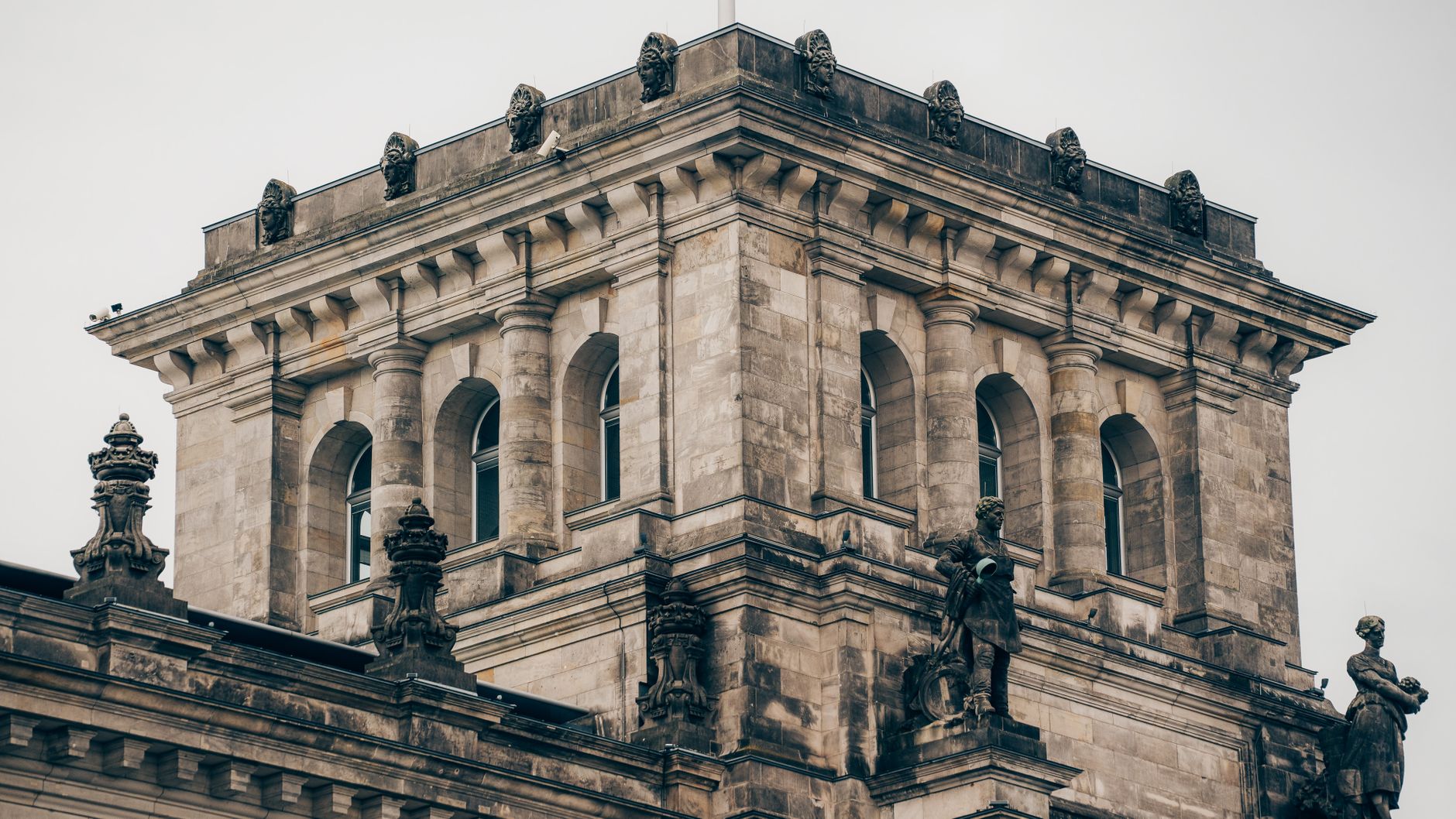
If you want a Berlin weekend that feels more curious than checklist-driven, Open Heritage Day is one of the best times to come. On September 12 and 13, 2026, Berlin opens hundreds of monuments and historic sites, including places that are usually closed to the public. Official listings describe more than 300 participating monuments across the city, with hundreds of individual events, tours, exhibitions, and talks spread across all boroughs. That scale matters: instead of fighting for the same few headline sights, you can shape a weekend around the corners of Berlin that interest you most.
For visitors, this makes September a particularly good moment to explore Berlin through architecture, neighborhoods, and local history rather than only through museum queues. If you like walking, layered city stories, and finding reasons to leave the standard Mitte route for a few hours, this is a strong weekend to plan around.
Why this Berlin weekend is worth planning around
Open Heritage Day, known locally as Tag des offenen Denkmals, takes place across Berlin on September 12–13, 2026. The city’s official event pages note that many of the participating sites are normally inaccessible, and the 2026 program centers on monuments and infrastructure. That means the weekend is not just about grand palaces or churches. It can also include cinemas, housing estates, industrial sites, public buildings, and parts of Berlin that many short-stay visitors would otherwise skip.
This is exactly why the weekend works well for first-time and repeat travelers alike. First-time visitors still get plenty of Berlin’s major visual landmarks, but with a more distinctive structure. Repeat visitors get access to buildings and stories they may never have had a reason to seek out before.
What kind of traveler this weekend suits best
This is a great Berlin weekend for travelers who enjoy cities on foot, like architecture and urban history, and do not need every hour to be scheduled around blockbuster museums. It suits couples, solo travelers, and curious first-time visitors better than families who want a theme-park pace. If your idea of a good city day includes a tram ride to an unfamiliar district, a guided visit inside a building you had never heard of a week earlier, and a long evening walk back through lively streets, Berlin does this exceptionally well.
If, on the other hand, your priority is squeezing in every major museum collection in two days, you may prefer a different kind of itinerary. Heritage weekend is best when you leave some room for detours and last-minute choices.
How to plan the weekend without overloading it
The mistake many visitors make in Berlin is trying to zigzag across the whole city. During Open Heritage Day, that is even less efficient because interesting sites are spread widely. The smart approach is to choose one main area each day, plus one anchor sight in central Berlin if it fits naturally on the route.
A good rhythm is simple: one pre-booked or must-see site in the morning, one or two nearby places in the afternoon, then a long neighborhood walk in the evening. Berlin rewards horizontal travel more than frantic attraction-hopping. Build around districts, not around a list of unrelated pins.
To keep orientation easy while walking between stops, Ingry is useful for understanding what you are passing, spotting landmarks nearby, and keeping a route coherent rather than constantly reopening maps.
A smart 3-day Berlin itinerary for Open Heritage Day
Day 1: Friday arrival, central Berlin, and a light first evening
If you arrive on Friday, do not try to do too much. Use the evening to settle into Berlin’s geography. The easiest first walk is through central Mitte: Unter den Linden, Museum Island from the outside, the river edges, and the streets around Hackescher Markt. This gives you orientation without burning energy before the main weekend.
Friday is also the right time to look through the official heritage program and decide which sites are worth prioritizing. Because the event is citywide and the program is extensive, the best strategy is to shortlist a few options in one zone rather than commit too early to crossing Berlin several times.
For dinner, stay near where you are walking. In Berlin, trying to chase one highly rated place across town often wastes the exact time that should be spent outdoors.
Day 2: Saturday in Mitte and eastern central Berlin
Start with one heritage site in or near central Berlin, then build the day around walkable connections. This part of the city works especially well because you can mix official heritage visits with strong outdoor stretches: Nikolaiviertel, the Spree, Museum Island exteriors, and the streets leading toward Alexanderplatz or the older eastern center.
One practical advantage of starting in central Berlin is flexibility. If a line looks too long or a timed entry does not work out, you still have plenty to see on foot without feeling that the day has collapsed. During this kind of weekend, adaptability is more valuable than a rigid attraction checklist.
Use the afternoon for a second cluster rather than a second marathon. Good logic is to pair a heritage stop with a neighborhood walk and a coffee break, then continue only if your energy is still good. Berlin days get better when they breathe a little.
In the evening, head toward Prenzlauer Berg or Kreuzberg depending on your mood. Prenzlauer Berg feels calmer and more residential; Kreuzberg gives you a more kinetic Berlin evening. Neither needs a packed schedule. The point is to see how Berlin changes after the formal sightseeing hours end.
Day 3: Sunday in a farther-out district such as Spandau or Zehlendorf
The strongest second heritage day is often the one that leaves the center. Official Berlin listings for 2026 show events and participating monuments across all boroughs, and that wider spread is part of the appeal. Sunday is a good day to choose one outer district and commit to it.
Spandau can work well if you want a more fortified, historic setting; one official listing highlights Open Monument Day programming at the Spandau Citadel on September 13, 2026. Zehlendorf can appeal if you are interested in residential architecture and greener surroundings; Berlin’s heritage office also highlights the Waldsiedlung Zehlendorf in its 2026 event materials. Either way, this is the day to experience Berlin as a polycentric city rather than a single historic core.
This is also where Ingry becomes especially helpful, because outer-district exploring is better when you can keep the route walkable, understand the landmarks around you, and avoid drifting without context between transit stops.
Where to stay for this weekend
For most visitors, Mitte remains the easiest base because it keeps both arrival logistics and first-day sightseeing simple. But for Open Heritage Day specifically, Friedrichshain, Prenzlauer Berg, or Kreuzberg can be equally smart if you prefer evenings with more local life and do not mind slightly longer transit rides into the center.
If your plan leans heavily on heritage stops in outer districts, the ideal hotel is not necessarily the one closest to Brandenburg Gate. Berlin’s public transport makes cross-city movement manageable; what matters more is being near an S-Bahn or U-Bahn connection and in a neighborhood where you will enjoy the evening after sightseeing ends.
How to move through Berlin efficiently that weekend
Berlin is a city where the transport network and walking work best together. Do not think of it as a place to conquer only on foot from dawn to night. Instead, use short rail hops to reach the next cluster, then walk thoroughly once you get there.
For this weekend, avoid constant backtracking to the center. A route that moves in one direction through the day is usually better than returning to the same interchange over and over. Also expect some extra demand around major event areas and central stations, simply because September is already a busy month in Berlin and Open Heritage Day overlaps with other cultural activity in the city.
What to expect from crowds
Crowds during this weekend are different from standard tourist-season crowds. You may find busy lines at a handful of especially attractive or rarely opened sites, but the overall event is dispersed enough that you can often escape congestion by shifting to a different district or choosing a less obvious building. That is one of the weekend’s biggest advantages.
If you dislike waiting, go early for your top priority and keep your afternoon more flexible. Midday tends to be the moment when casual local visitors are also out. Late afternoon can be a good time for outdoor heritage walks, riverside stretches, or residential districts where the experience depends less on timed entry.
What to skip
Skip the idea that you must cover all of Berlin in one weekend. You will not, and trying to do so makes the city feel larger and more exhausting than it needs to. Also skip stacking too many indoor stops back to back. Heritage visits are more rewarding when paired with the streets around them, because Berlin’s history is often visible in the transitions between districts as much as in the buildings themselves.
If a famous site has a long queue and your enthusiasm drops, move on. Open Heritage Day works because there is always another option. The weekend is about discovery, not about proving you waited longest.
Why September is a particularly good time for this trip
September is one of Berlin’s strongest months for city walking. The days are still long enough for full sightseeing, but the mood is usually more settled than peak midsummer. Official Berlin event calendars also show that September is packed with cultural activity, from the International Literature Festival in early September to Open Heritage Day on September 12–13 and the Berlin Marathon later in the month on September 27, 2026. In practice, that means a September trip can feel lively without forcing you into a single mega-event weekend.
If your dates are flexible, Open Heritage Day is one of the most interesting September anchors because it gives structure to a trip without making every hour revolve around one stadium, parade route, or ticketed venue.
Final planning advice for first-time visitors
Come to Berlin with a route, not a checklist. Pick two or three neighborhoods you genuinely want to understand. Use Open Heritage Day for access to one or two buildings you would not otherwise see. Leave room for long walks, transit windows, and an unplanned stop that ends up becoming the highlight of the trip.
And once you are on the ground, Ingry can help make Berlin feel legible while you walk, especially when the city pulls you beyond the obvious center into streets, landmarks, and hidden places that are easy to miss without context.
For travelers who want Berlin to feel more like a lived city and less like a race between landmarks, this may be one of the smartest September weekends to choose.
Berlin
September is one of the easiest months to enjoy Rome well. Summer intensity starts to soften, evenings are still good for long walks, and the city shifts back into a more regular rhythm after August. That does not mean empty streets or last-minute museum luck. It means Rome is still busy, but easier to pace if you build your days around early starts, shaded midday hours, and neighborhoods that connect naturally on foot.
This guide is for travelers planning a long weekend or short holiday in Rome and wanting more than a checklist. The goal is simple: see the essential places, avoid wasting energy zigzagging across the city, and leave enough time for the kind of Rome that happens between monuments.
Why September works so well in Rome
Rome in September gives you a better walking city than high summer. You still need to expect crowds at the Colosseum, the Vatican Museums, Trevi Fountain, and the Pantheon, but the month is generally more comfortable for full days outside than July or August. The city’s official tourism calendar also shows that Rome’s cultural season is active in September, with exhibitions and larger events returning after the August holiday period. Romaeuropa Festival, for example, is listed from September 8 to November 15, 2026, on the official tourism site. (turismoroma.it)
If you are deciding between late summer and autumn, September is a strong middle ground: long usable days, outdoor dinners that still make sense, and enough city life to feel lively without the shutdown feeling some visitors notice in August. That is an inference based on the official August and September event calendars and the rhythm of the city’s cultural programming. (turismoroma.it)
Before you go: the two bookings that matter most
If your trip includes the Colosseum and the Vatican Museums, do not leave those for arrival week if your dates are fixed. The official Colosseum site notes current ticket rules and directs visitors to the park’s own ticketing system, while the Vatican Museums state clearly that online purchases should be made through their official ticket portal and that the museums open from Monday to Saturday. (colosseo.it)
Everything else in this itinerary is more flexible. Rome rewards structure, but not over-scheduling. Book the biggest timed entries first, then leave space around them.
How to move through Rome without overusing transit
Rome works best when you think in clusters. The historic center is highly walkable, while the metro is most useful for longer jumps such as Termini to the Colosseum area or to Vatican-side stops. Official ATAC information confirms that Rome’s public transport network uses integrated Metrebus tickets across metro, buses, trams, and some urban rail services, and that tourists commonly use 24-, 48-, and 72-hour ticket options. (atac.roma.it)
In practice, that means you should not ride a bus for two stops in the center just because a map says you can. Save transit for the bigger hops and walk the historic core. Rome reveals itself much better that way.
For walking routes, short context, and help understanding what you are passing between major landmarks, Ingry is genuinely useful in Rome, especially when you want a route that feels connected rather than random.
Day 1: Ancient Rome in the morning, Monti and the center in the evening
Start early at the Colosseum, Roman Forum, and Palatine
Begin with Rome’s heaviest-hitting archaeological zone before the streets warm up and before your energy drops. The official Colosseum Archaeological Park confirms combined ticket options for the Colosseum, Roman Forum, and Palatine, and notes that the main visit can be structured across consecutive time windows depending on ticket type. (colosseo.it)
Do not plan a packed lunch reservation right after this visit. The area is far larger and more tiring than many first-time visitors expect. Give yourself the whole morning. If you are especially interested in Roman history, this is one place where slowing down is better than trying to add another museum immediately afterward.
Lunch and reset in Monti
After the archaeology zone, head into Monti rather than racing straight toward another famous queue. Monti makes sense here because it sits close to the Colosseum but feels more relaxed. It is a good area for a slower lunch, a coffee, and an hour of lower-intensity wandering before the second half of the day.
If you only have one neighborhood break in your Rome weekend, make it here or in Trastevere. Both help balance out the monument-heavy core.
Late afternoon walk: Via dei Fori Imperiali to Piazza Venezia to the Pantheon
This is a classic route, but the logic matters. Walk it later in the day when shadows improve and you are no longer trying to squeeze in a timed entry. Move west from the ancient area, then continue gradually into the historic center rather than backtracking.
Trevi Fountain is nearby, but if it is shoulder-to-shoulder, do not force the stop right then. September still brings heavy foot traffic in the center. Go early the next morning or later in the evening instead.
Evening: Piazza Navona or Campo de’ Fiori side streets
For your first night, stay central and easy. This is not the moment for a complicated cross-city plan. A simple evening walk through the lanes around the Pantheon, Piazza Navona, and Campo de’ Fiori lets you absorb Rome at street level without another major agenda.
Day 2: The Vatican in the morning, Prati for lunch, Trastevere at sunset
Visit the Vatican Museums early
The Vatican Museums should be a morning commitment, not a flexible gap-filler. The museums’ official visitor guidance confirms Monday-to-Saturday openings and emphasizes using the official online ticket portal. (museivaticani.va)
Go as early as your entry allows. Even with planning, this is rarely a calm visit. If you enjoy museums but dislike crowd compression, be realistic: the Vatican is about seeing one of the world’s great collections in a very popular setting, not finding a serene hidden corner.
Do not overstack the Vatican area
Many first-time visitors try to do the museums, St. Peter’s area, Castel Sant’Angelo, and a long shopping session all in one continuous push. That usually makes the day worse. Keep your post-museum plan light. Eat in Prati, rest your feet, and decide what you actually still want to see.
Prati is especially useful here because it is ordered, flatter, and calmer than the medieval tangle across the river. It gives you a breather after the intensity of the museums.
Cross into Trastevere for the evening
Trastevere works better at the end of the day than in the hottest midday hours. Come for an evening walk, dinner, and the pleasure of smaller streets after the scale of the Vatican. If you still have energy, walk up toward the Janiculum area for wider views and a little distance from the busiest central corridors.
This is also a good point in the trip to use Ingry. In Trastevere, the value is not just navigation. It helps you understand what is around you while walking through streets where the best moments are often between the headline sights.
Day 3: A more local-feeling Rome without wasting your last day
Choose one of two smart endings
Your third day should not try to compete with the first two. It should give shape to the trip and leave you with a side of Rome that feels less consumed by lines.
Option A: Centro Storico slow morning. Start early at Trevi Fountain if you skipped it or found it too crowded earlier, then continue to the Spanish Steps area and drift through the historic center before it gets dense. This option works well if you want a classic final half-day and easy access to shopping streets, cafés, and departure logistics.
Option B: Capitoline and quieter museum time. If your first two days were very outdoors-heavy, use the last day for a more contained cultural stop near Piazza Venezia or another museum area that does not require as much cross-city movement. This gives you one final strong experience without another marathon.
What to skip on a short September trip
Skip the temptation to chase every major site on one visit. On a 3-day Rome trip, you do not need to force in every church, every viewpoint, and every famous fountain. You also do not need day-trip ambitions unless Rome is part of a much longer holiday.
The most common mistake is spending too much time commuting between disconnected points. The second most common mistake is underestimating how tiring the archaeological and Vatican days are. Build in pauses, and Rome becomes far more enjoyable.
September crowd strategy that actually helps
The best crowd strategy in Rome is not a secret entrance or a hack. It is timing and sequencing.
Use these simple rules
Start major sights early. Put your longest indoor or ticketed visit in the morning. Use the hottest or most crowded part of the day for lunch, rest, or a lower-pressure neighborhood. Return to scenic public spaces in the evening, when Rome often feels more generous.
If a place is packed, do not treat that as a failure. In Rome, five or ten streets away can feel completely different. Shift, wander, then come back later if it still matters.
Transit tips for a weekend stay
ATAC’s official guidance for tourists and weekend visitors points to the city’s short-duration travel passes, including 24-, 48-, and 72-hour options, sold through ticket offices, machines, shops, and digital channels. (atac.roma.it)
For most first-time visitors staying centrally, a short pass can make sense if you are doing one Vatican day and one ancient-Rome day with metro jumps. But if you are based in the historic center and like walking, you may use transit less than expected. Rome is a city where distance on a map can look bigger than it feels on foot, especially in the center.
Where this itinerary works best as a base
If you want the easiest first-time setup, stay somewhere between the historic center, Monti, or the Prati side depending on your priorities. Monti is practical for ancient Rome. Prati is calmer and organized. The historic center gives you the most atmospheric walking but can be slower for taxis and bus movement. Trastevere is enjoyable, but for a very short first trip it can be slightly less efficient as a base than people imagine.
Whatever neighborhood you choose, the key is to avoid crossing the city multiple times a day. Rome is better when each day has a geographic shape.
A final note on planning Rome well
Rome does not reward speed. It rewards rhythm. If you begin early, cluster your sights, leave breathing room after the Colosseum and the Vatican, and keep your evenings for walking, September can feel like the month when Rome is busy but still manageable.
And once you are there, Ingry is a good companion for turning those in-between walks into something more meaningful, especially in a city where the route itself is often the point.
Rome
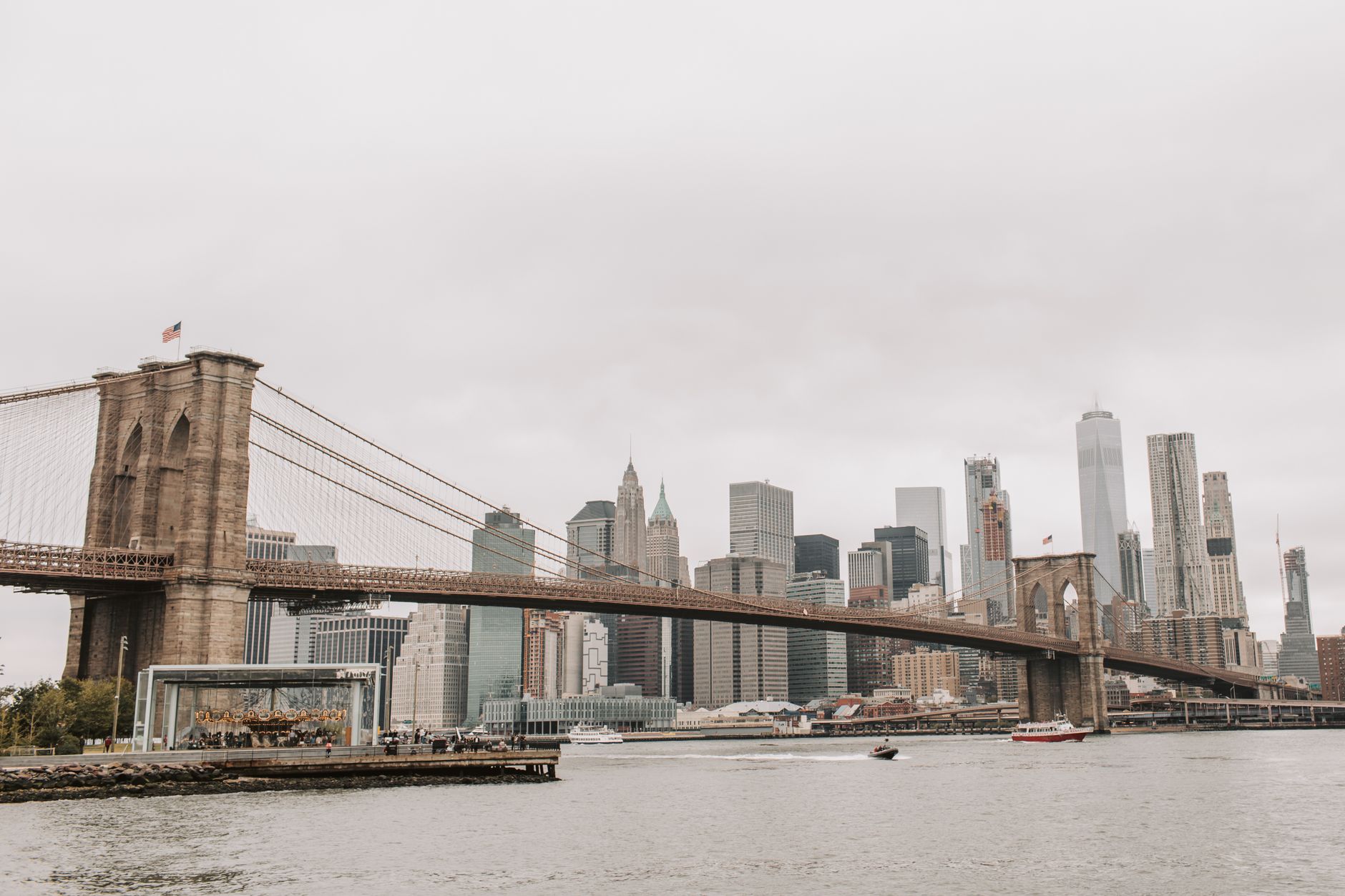
Labor Day weekend is one of the most useful times to visit New York City if you want summer energy without building your whole trip around a single-ticket event. In 2026, Labor Day falls on Monday, September 7, which creates a natural three-day city break at the start of September. That timing matters: parks are still lively, long waterfront walks still make sense, and many first-time visitors can combine classic sights with neighborhoods that feel better on foot than from a sightseeing bus.
This guide is for travelers who want a real New York weekend route, not a checklist of every famous place in the city. The idea is simple: group your days geographically, walk when walking makes the city make sense, and use the subway only when it saves you from crossing large dead zones. If you want a flexible way to orient yourself while moving between landmarks and side streets, Ingry is especially handy in New York City because this is a place where one wrong turn can send you into twenty extra minutes of traffic, crowds, or bland blocks.
Why Labor Day weekend works well for a New York trip
Labor Day is a major legal holiday in New York City, and in 2026 it falls on Monday, September 7. The city suspends alternate side parking on Labor Day, and parking meters are also suspended on major legal holidays, though standing and stopping rules that are in effect seven days a week still apply. That mainly matters if you are arriving by car, but for most visitors the bigger point is that the weekend has a holiday feel without shutting the city down. (nyc.gov)
The holiday also lines up with one of the last strong weekends for outdoor New York plans. Governors Island remains in its summer operating period through Labor Day Weekend, and Brooklyn Bridge Park is open daily with long evening hours. That makes this a very good moment for ferries, waterfront views, and sunset-heavy routes rather than museum-only days. (govisland.com)
How to plan the weekend smartly
The biggest mistake on a short New York trip is zigzagging between boroughs for no reason. For this weekend, keep each day tight:
Day 1: Lower Manhattan and the harbor
Day 2: Central Park and nearby museum territory
Day 3: Brooklyn waterfront and one last Manhattan neighborhood walk
This route gives you the city’s classic icons, but it also avoids wasting prime daylight on repeated subway transfers. For local navigation and walking context between stops, Ingry can help you keep the route coherent instead of bouncing between disconnected landmarks.
Day 1: Lower Manhattan, the harbor, and a strong first skyline day
Start early in the Financial District
Begin in Lower Manhattan before the middle of the day. This part of New York is much easier to enjoy in the morning, when sidewalks are calmer and the historic street pattern still feels legible. Walk through the Financial District, then continue toward the water instead of spending your whole morning indoors.
If seeing the Statue of Liberty is important to you, this is the day to do it. But be honest about your energy. A full Liberty and Ellis Island visit can dominate half a day, so if your priority is a broad first impression of New York rather than one monument, it is often smarter to admire the harbor views from Lower Manhattan and keep moving.
Consider Governors Island if the weather is good
For Labor Day weekend specifically, Governors Island is one of the best additions to a short trip. During the summer operating period through Labor Day Weekend, the island is open Sunday through Thursday from 7 AM to 10 PM and Friday through Saturday from 7 AM to 11 PM, with South Island Park closing at dusk. Ferries operate during the season, and weekend or holiday service runs from late May through November 1, 2026. (govisland.com)
Why it works: it gives you space, harbor air, and unusual skyline angles without requiring a full day commitment. If the city already feels loud by noon, this is the reset button. If the weather looks unsettled, skip it and stay on the Manhattan side.
Afternoon route: Seaport or Battery-adjacent waterfront
After the harbor, avoid overloading the day with too many indoor stops. Walk north toward the Seaport area or stay closer to Battery-side promenades depending on your pace. The point is not to “complete” Lower Manhattan. The point is to let the first day breathe and save your legs for evening views.
Evening: finish with a skyline view, but keep expectations realistic
Sunset and evening are when many first-time visitors try to do too much. Pick one main view for the night rather than three. New York rewards restraint. A single well-timed evening view is better than spending two hours in lines and taxis trying to stack every famous photo into one night.
Day 2: Central Park, quieter corners, and a better Uptown rhythm
Go to Central Park in the morning, not after lunch
Central Park is much more pleasant when you enter with purpose. Do not treat it as an empty green rectangle between museums. The park has areas that genuinely work for first-time visitors, and areas that can feel repetitive if you are tired. Official guided walks in the park often start in the morning, and the Conservancy notes that tours may be shortened or canceled if the heat index exceeds 90 degrees, which is a useful reminder for early-September planning. (centralparknyc.org)
A strong route is to focus on the middle section: the Mall, Bethesda Terrace area, the Lake viewpoints, and Sheep Meadow if you want a pause. If you prefer a quieter and more formal corner, Conservatory Garden is a good contrast; the Conservancy lists September hours as 8:00 AM to 7:00 PM. (centralparknyc.org)
If you enjoy less manicured landscapes, the Ramble is open daily year-round from 6:30 AM to 9:00 PM. It feels far more tucked away than many visitors expect, but it is better for people who like wandering than for travelers trying to move quickly between famous sights. (centralparknyc.org)
Pair the park with one museum, not several
This is where many weekend plans fall apart. Uptown museum time expands very easily, especially on a holiday weekend when lines and security checks can slow you down. Pair Central Park with one museum only. If art is your priority, keep the museum as your main indoor block. If your goal is city atmosphere, shorten the museum and return outdoors.
One useful trick: do your most structured indoor activity after your park walk, not before. New York outdoor energy is usually better used in the first half of the day.
Evening: stay local instead of crossing the city again
After Central Park and a museum, do not chase dinner in a faraway trend neighborhood just because it looked good on a map. Stay on the Upper East Side, Upper West Side, or return downtown only if you have a very specific evening plan. Saving one unnecessary crosstown transfer can improve the whole day.
If you are the kind of traveler who likes understanding what is around you while walking, this is another moment when Ingry fits naturally into the trip: New York is often best when you move block by block rather than from reservation to reservation.
Day 3: Brooklyn Bridge Park, the bridge area, and a softer final day
Start on the Brooklyn side if possible
For a final day, Brooklyn Bridge Park is one of the best choices because it gives you drama without requiring much logistical effort. The park is open every day from 6 AM to 1 AM, with some sections keeping shorter seasonal hours. Restrooms generally run from 7 AM to 11 PM in March through October, and Pier 2 operates from 8 AM to 11 PM during May through September. (brooklynbridgepark.org)
The park works well for visitors because it offers several moods in one area: open harbor views, bridge perspectives, lawns, piers, and easy transitions between DUMBO and quieter stretches farther south. It also gives you one of the strongest Manhattan skyline panoramas in the city.
Be aware of localized maintenance
As of August 2026, Brooklyn Bridge Park notes maintenance and repair work around Fulton Ferry Landing continuing into December 2026. That does not make the area unvisitable, but it is a good reason to keep your route flexible and not assume every corner will feel postcard-perfect. (brooklynbridgepark.org)
Walk, then decide whether the Brooklyn Bridge is worth it
Many travelers feel obliged to walk the Brooklyn Bridge. Sometimes it is worth it. Sometimes it is simply crowded and slow. If you start early and energy is high, it can be a memorable way to return toward Manhattan. If it is packed or the weather is harsh, skip it without guilt. The waterfront itself is often the better experience.
End the trip with one neighborhood, not a scramble
Use your final afternoon for one neighborhood with an easy rhythm rather than a last-minute race to tick off landmarks. Depending on where you are staying, that might mean a final Manhattan walk after the bridge area, or more time in Brooklyn before heading out. The important part is to leave margin. New York departure days go wrong when people plan one major sight too many.
Transit advice for Labor Day weekend
For most visitors, the subway is still the backbone of the trip, but use it selectively. In New York, the fastest move is often a short subway ride plus a good walk, not a door-to-door attempt. The MTA’s OMNY system lets riders tap a contactless card, phone, device, or OMNY card on subways and buses, and free subway-to-bus or bus-to-bus transfers still apply within the transfer window. (mta.info)
That means you do not need to overthink fares for a short weekend. What matters more is station logic. Downtown and crosstown mistakes can waste more time than the ride itself. When in doubt, walk ten extra minutes in the right direction before boarding.
What to skip on a short Labor Day trip
Do not try to cover all of Midtown and Lower Manhattan on the same day
It looks manageable on a map and rarely feels manageable on foot.
Do not overschedule observation decks, museums, and ferry trips together
Those are all line-prone activities. Two of them in one day is usually enough.
Do not assume every famous New York walk is equally rewarding
Some stretches are iconic because of what they represent, not because they are the most pleasant hour of your trip. If a route is crowded, hot, and not adding much, change plans.
Who this weekend is best for
This Labor Day route suits first-time visitors, returning travelers who want a more relaxed city break, and anyone who prefers neighborhoods and outdoor movement over attraction stacking. It is especially good if you want New York to feel large and vivid rather than rushed and transactional.
Final planning note
Labor Day weekend in New York City is not the moment to conquer everything. It is the moment to use the holiday structure well: one harbor day, one park-and-museum day, one skyline-and-waterfront day. That gives you a trip with shape, and shape matters more in New York than volume.
If you build the weekend around coherent walking areas and leave room for detours, the city starts to feel much less overwhelming. And if you want help understanding what you are passing while moving through the streets, Ingry is a natural companion for exploring New York City at street level rather than only seeing it through reservations and subway stops.
New York City
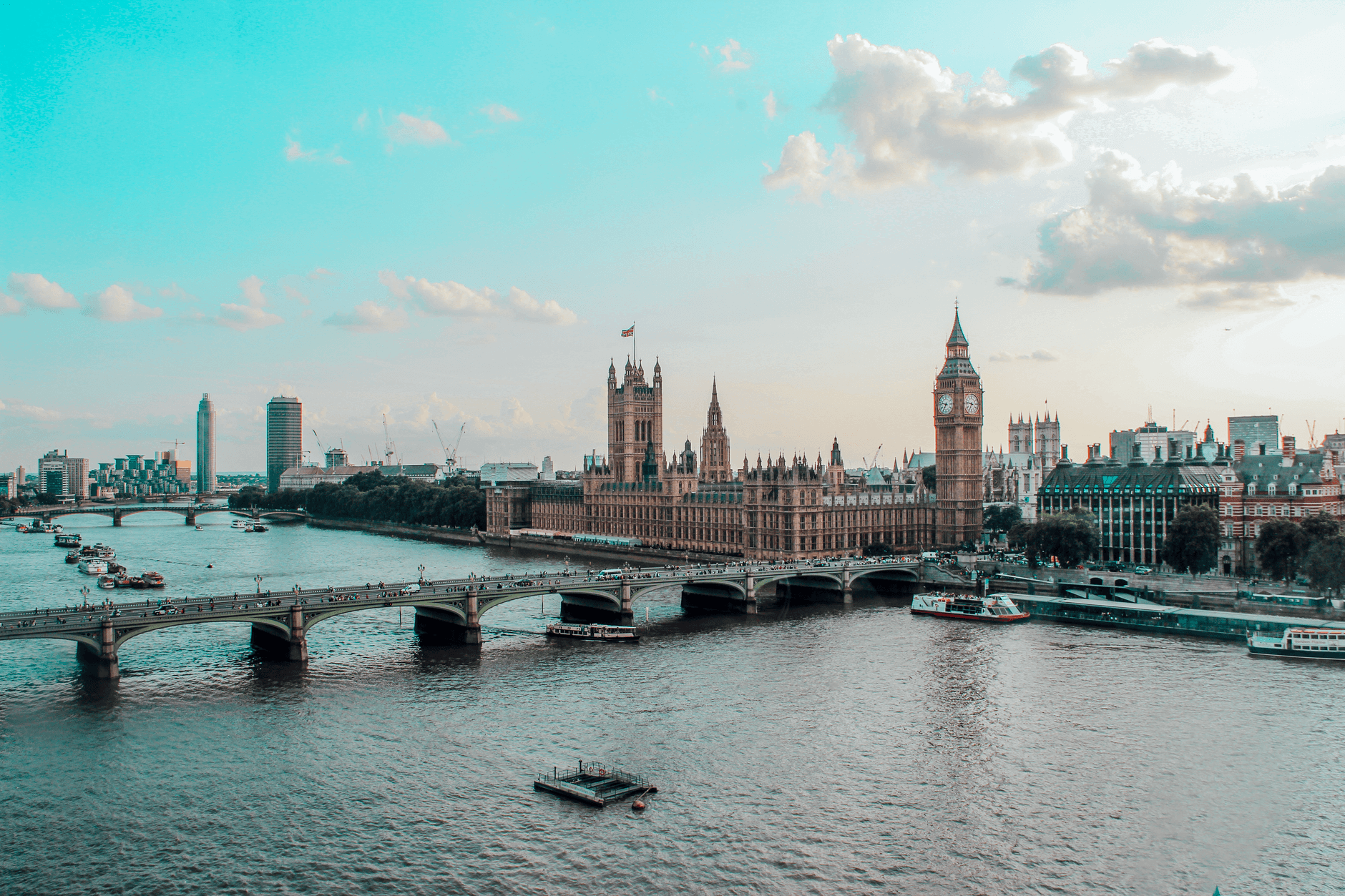
September is one of the easiest months to enjoy London well. The busiest summer holiday rush has started to ease, daylight is still generous, and the city picks up a fresh run of cultural events. In 2026, that timing is especially useful for travelers: Totally Thames runs through September, and Open House Festival takes place from September 12 to 20, opening up buildings and spaces across the city that are not usually so easy to access.
If you are planning a weekend in London in September, this is a good month to build your days around neighborhoods rather than trying to crisscross the whole city. The best approach is simple: one day for the historic center, one for the river and South Bank, and one for architecture, markets, or East London depending on your energy and whether your trip overlaps with Open House Festival.
This guide is written for first-time visitors who want a trip that feels full but not exhausting.
Why September works so well for a London city break
London in September has a useful balance that summer often lacks. Major sights are still busy, but the end of UK school holidays usually makes the city feel less clogged than it does in peak August. Visit London also highlights September 2026 as a month of seasonal events including Totally Thames, London Design Festival, and Open House Festival. If your dates line up with September 12 to 20, Open House adds a strong reason to visit then rather than later in autumn.
For travelers, that means you can mix classic London with something more specific. You do not need to treat the weekend as a race through every landmark. A better plan is to see the famous places early in the day, then spend your afternoons walking through areas that reveal how the city actually fits together.
Who this itinerary is best for
This London September itinerary suits travelers who want a long weekend with a strong sense of place: big sights, good walks, a few museums, and time by the river. It is especially good if you enjoy architecture, city views, and exploring on foot. If you only care about ticking off every major attraction, you may want a more attraction-heavy plan. But if you want a weekend that feels coherent, this one is smarter.
How to plan the days
Try to stay in or near the West End, Covent Garden, South Bank, Bloomsbury, or Blackfriars if your budget allows. Those areas make it easier to move between the main sights without wasting time underground. If prices are steep, look for direct Tube connections rather than aiming for the absolute center.
Do not overbook your mornings and evenings on the same day. London is large, and even efficient sightseeing gets slower once you add queues, crossings, and museum fatigue. Leave room for a long walk and one flexible stop each day.
For navigation between landmarks and lesser-known streets, Ingry is useful because it helps you keep exploring on foot instead of falling back on taxis every time you finish one sight.
Day 1: Westminster, St James's, and the South Bank
Morning: start with the London icons before the area gets crowded
Begin around Westminster. This is the obvious first stop for a reason: the concentration of landmarks is real, and it is easier to appreciate the area earlier in the day. Walk from Westminster station past the Houses of Parliament and Westminster Abbey, then continue toward St James's Park. If Buckingham Palace is on your list, this is the right moment to do that section because the summer opening of Buckingham Palace State Rooms runs between July and September.
The key here is not to linger too long in queues unless this is your one essential royal-history stop. September weekends can still get busy, so if you do not have prebooked entry, be ready to keep moving and enjoy the exterior route instead.
Midday: cross into a more open part of central London
From St James's Park, walk back toward Westminster Bridge and cross to the South Bank. The shift matters: after ceremonial Westminster, the riverfront feels looser and easier. You get long views, street activity, and a more relaxed rhythm for the middle of the day.
Walk east past the London Eye area toward the Southbank Centre and continue if you still have energy toward Tate Modern. This stretch works well because you are not wasting time on transport and the landmarks unfold in sequence.
Afternoon and evening: choose one anchor, not three
Pick one major indoor stop for the afternoon. Tate Modern is the easiest fit if you are already on the river. If you would rather stay outside, continue walking across Millennium Bridge toward St Paul's and then loop back. This part of London is best when you keep a little flexibility.
In the evening, stay along the river rather than jumping to a distant neighborhood just because it is famous. September light often makes this one of the best times of day for the South Bank. If you are using Ingry, this is a good moment to follow a walking route and let the city unfold naturally instead of ending the day too early.
Day 2: Open House Festival or a classic central museum day
This day depends on your dates. Open House Festival 2026 runs from Saturday, September 12 to Sunday, September 20. If your weekend falls inside that window, build the day around it. If not, use the same structure for a museum-and-neighborhood day in Kensington and Bloomsbury.
If you are in London during Open House Festival
Open House Festival is one of the best September reasons to visit London because it opens up buildings, design sites, and city spaces across the capital. Instead of trying to see too many scattered locations, choose one cluster. The smartest approach is to focus on a single area such as the City, Westminster, or a riverside zone, then fill the gaps with cafés, short walks, and one museum or church nearby.
The mistake many visitors make is treating Open House like a checklist. London is too spread out for that. Pick two or three festival stops at most, and expect lines at the more famous places. The reward is not just access to interiors; it is the way the festival makes you read the city differently.
If your dates do not match Open House
Make this your museum day. South Kensington works well if you want major collections close together, while Bloomsbury is a better fit if you want a slightly calmer day with more street wandering. Either way, go early, choose one main museum, and avoid turning the day into an indoor marathon.
In practical terms, it is often better to see one museum properly and then spend the rest of the day walking through a neighborhood than to cram in three collections and remember none of them clearly.
Where to walk after the main stop
If you are near the City, walk toward St Paul's, the Barbican, or the river. If you are in Kensington, use the parks well and keep your evening gentle. If you are in Bloomsbury, continue toward Covent Garden or Soho for dinner. September weekends in London reward pacing more than ambition.
Day 3: The Thames, East London, and a less formal final day
Morning: build around the river
Totally Thames runs throughout September, making the river an especially good organizing line for your final day. Even if you do not plan around specific festival programming, the Thames gives shape to the city in a way that first-time visitors often underestimate. A final-day route around the Tower area, Tower Bridge, and nearby river walks usually works better than a random dash between isolated sights.
Start near Tower Hill if you want the classic fortress-and-bridge view, then decide whether to stay close to the river or drift eastward into more local-feeling streets.
Midday: choose between history and markets
This is a good point to decide what kind of last day you want. If you still want a big-ticket sight, the Tower of London area makes sense from a planning perspective. If you are ready for something less formal, move toward East London and let the day open up around streets, markets, and smaller discoveries.
Visit London's current three-day London itinerary points weekend travelers toward East London markets and street life as a strong contrast to the monumental center. That contrast is useful on a final day: after Westminster and museum districts, areas around Brick Lane or Columbia Road can make the city feel broader and more lived-in.
Afternoon: do not add a distant extra
The common mistake on the last day is trying to squeeze in one more famous but badly placed attraction. Skip that temptation. If you are already east, stay east. If you are still on the Thames, keep the afternoon by the river and enjoy the city at a slower speed.
This is another moment when Ingry fits naturally: it helps turn the last half day into a proper walk through London rather than a scramble between Tube stations.
What to book ahead for a September weekend in London
If you want Buckingham Palace's summer opening, book ahead. If your trip is during Open House Festival, check the official listings early and look carefully at whether specific sites need advance booking or are likely to draw queues. For major theatre, special exhibitions, and any must-do paid attraction, assume weekends are competitive.
For everything else, keep some flexibility. September is a strong month precisely because it gives you enough structure without forcing every hour into a reservation.
What to skip if you only have three days
Skip overcommitting to transport-heavy plans. London punishes bad geography more than it punishes modest sightseeing. Do not pair West London, Greenwich, Camden, and East London in one day just because each looks manageable on a map.
Also skip the idea that every famous museum belongs on the same trip. Three days is enough for a memorable London weekend, but only if you let each day have a center of gravity.
Final advice for a first September trip
If your dates fall between September 12 and 20, shape the weekend around Open House Festival. If they do not, September is still an excellent month for a classic London break built around the river, a few major sights, and long walks through central neighborhoods. Either way, the smartest London trip is not the one with the most pins on a map. It is the one that strings together districts in a way that lets the city make sense as you move through it.
That is especially true in London, where the spaces between the headline attractions often become the parts people remember best.
London
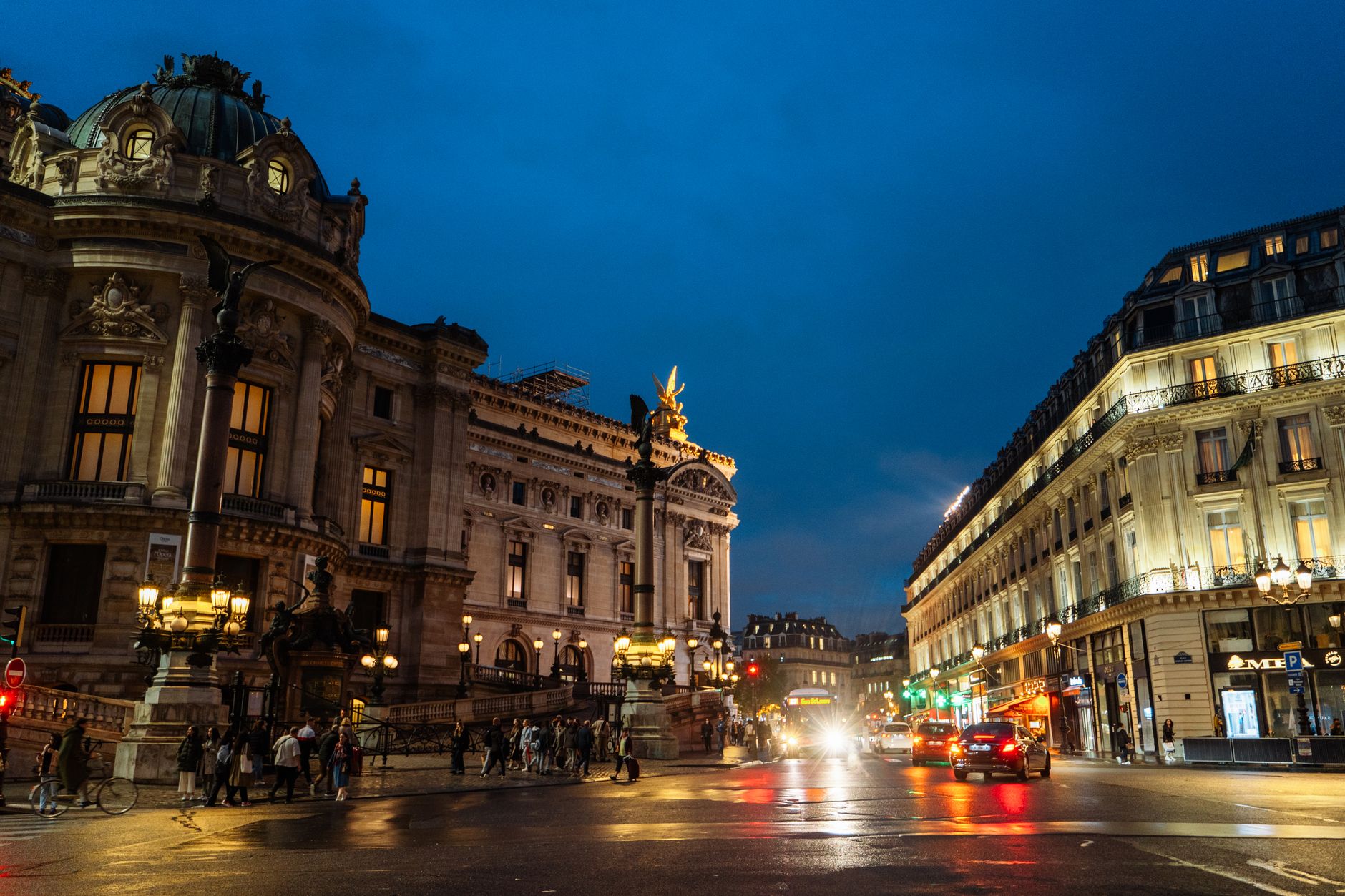
September is one of the smartest times to visit Paris. Summer crowds begin to loosen, the city regains its everyday rhythm, and cultural season starts up again. In 2026, there is an especially useful anchor for a short trip: the European Heritage Days on September 19 and 20, when many sites across Paris open for free and some places that are usually closed can be visited, sometimes with advance booking. That makes mid-September a very good moment for a weekend built around walking, a few major sights, and one or two special heritage visits rather than a frantic checklist.
If you are planning a first or second trip, the key is not to cross Paris too many times in one day. Group your hours by neighborhood, start early where queues matter, and leave room for long walks between landmarks. Paris works best when you let the city connect the big sights for you.
Why September works so well in Paris
Paris tourism authorities highlight September 2026 as a busy cultural month, with the European Heritage Days on September 19 and 20 standing out as one of the major citywide moments. During those days, many monuments, museums, institutions, and behind-the-scenes spaces welcome visitors, often for free, though some visits require reservations. Official Paris sources also note that September marks the return of exhibitions and the broader cultural season after summer. (parisjetaime.com)
For travelers, that translates into a simple advantage: the city feels active but not holiday-sleepy. Parks, river walks, and café terraces still make sense, but your trip can also lean into museums, churches, historic interiors, and smaller cultural stops. If you like cities when they feel lived-in rather than purely touristic, this is a strong month.
Best September 2026 angle: plan around Heritage Days
If your dates match September 19 or 20, 2026, make the European Heritage Days the center of your weekend. The official Paris tourism site specifically recommends them as the key September event in Paris, and the national program already lists Paris visits at places such as the Palais de la Porte Dorée and other heritage sites across the city. Some events are drop-in, while others are free but reservation-only. (parisjetaime.com)
This is not the weekend to overbook standard ticketed attractions far from your base. Instead, keep one flexible block each day for a heritage visit you may only get this once-a-year chance to see. Good strategy matters more than ambition.
A smart 3-day Paris layout for September
Day 1: Historic Paris on foot
Start on the Île de la Cité and the Left Bank rather than trying to cram in half the city before lunch. This part of Paris gives you a strong first impression with relatively efficient walking logic: river views, old streets, churches, bookstalls, and major monuments all close together.
A good flow is to begin near Notre-Dame, then continue on foot toward the Latin Quarter, the Panthéon area, or Saint-Germain-des-Prés depending on your energy. Keep the morning mostly outdoors. Paris is easier to understand after you have walked along the Seine and crossed a few bridges. You will also have a better sense of where later museum visits fit in.
In the afternoon, choose one interior stop only. If it is a Heritage Days weekend, this is where you place your reservation-based visit. The official program already shows options in central and eastern Paris, including guided or open visits that would be hard to replicate on a normal weekend. (journeesdupatrimoine.culture.gouv.fr)
For navigation on a day like this, Ingry is useful because Paris rewards curiosity between major sights. The best parts of the day are often the links between landmarks: a quiet square, a church façade, an overlooked passage, or a short detour that would be easy to miss if you move only by metro stop names.
Day 2: The Right Bank without rushing
Use your second day for a more layered Right Bank route. Instead of treating the Louvre, Tuileries, Opéra, Place Vendôme, and the Marais as separate missions, pick one cluster. For most short trips, the stronger choice is either a Louvre/Tuileries/west-central axis or a Marais/Carnavalet/eastern-center axis.
If this is your first time in Paris and you want classic postcard views, start west-central and walk gradually. If you have already seen the big monuments, the Marais gives you a better day for street life, smaller museums, and less formal wandering. During Heritage Days, the Marais and adjacent central districts become especially interesting because historic buildings, institutions, and cultural sites often join the program. The Musée Carnavalet also lists Heritage Days programming for 2026. (carnavalet.paris.fr)
What to skip? Do not pair a full Louvre visit with a long cross-city museum crawl unless museums are the only reason for your trip. In Paris, overscheduling indoor stops is the fastest way to lose the pleasure of the city itself.
Day 3: One major viewpoint, one neighborhood, one long evening walk
Your final day should be lighter. Pick one big item you would regret missing, then protect the rest of the day from overplanning. That big item might be a tower view, a major museum, Montmartre, or a long Seine-side walk. September gives you enough evening life to end the trip outdoors without needing a packed nighttime schedule.
This is also the right day for a neighborhood with a strong atmosphere rather than a bucket-list checklist. Montmartre works if you go early or late rather than at the most crowded midday hours. Canal-side and eastern neighborhoods work well if you prefer a less monumental Paris. The point is to finish with a district that feels inhabited, not just photographed.
Using Ingry here makes sense because your last day is usually the moment when you stop chasing names and start reading the city better. Audio snippets, walkable routing, and the ability to spot nearby places can help you turn a loose final afternoon into a coherent stroll.
How to handle crowds in September
September is not empty Paris. It is simply more manageable than peak summer in feel. Heritage Days can create very specific pressure points: famous institutions, unusual interiors, and free-entry sites draw queues, especially in the middle of the day. Official sources repeatedly note that some visits are free but require booking, while others are available within capacity limits only. (parisjetaime.com)
The simplest crowd strategy is this: reserve what is truly limited, start popular outdoor areas early, and leave your afternoons for neighborhoods where walking itself is the attraction. If a queue looks punishing, move on. Paris offers too many good alternatives to spend a short trip standing still.
Where to stay for this kind of weekend
For a heritage-focused September weekend, centrality matters more than hotel size. Staying somewhere with easy access to the Seine and the historic center reduces wasted metro time and gives you flexible mornings. Areas that let you pivot quickly between the Left Bank, central islands, and the Right Bank tend to work best for first-time visitors.
If your trip falls later in September, note that Paris Fashion Week womenswear runs from September 28 to October 6, 2026, according to the official FHCM calendar. Even if you are not visiting for fashion events, that period can affect the general feel in parts of the city and may put more pressure on accommodations and some central areas. (fhcm.paris)
What to book ahead, and what to leave flexible
Book ahead: your hotel, any must-do museum you care deeply about, and any Heritage Days visit that explicitly requires reservation. Leave flexible: neighborhood walks, riverbank time, cafés, church visits, and one backup plan per day.
That mix works especially well in Paris because your best memories may come from what happens between the headline attractions. A planned museum morning plus an unplanned afternoon is often the ideal balance.
A realistic Paris September mindset
Do not try to “complete” Paris in three days. See one grand historic core, one strong museum or interior, one neighborhood with character, and one memorable evening walk. That is enough for a satisfying first visit and often better than trying to collect every famous stop on a map.
If you are visiting on September 19 or 20, 2026, shape the trip around Heritage Days. If you are coming later in the month, keep the same neighborhood-based logic and simply swap the heritage visits for one or two museums or viewpoints. Either way, Paris in September is at its best when you move thoughtfully, walk often, and let the city unfold block by block.
And if you want a simple tool for exploring on foot without making the trip feel over-scripted, Ingry fits this kind of weekend well.
Paris
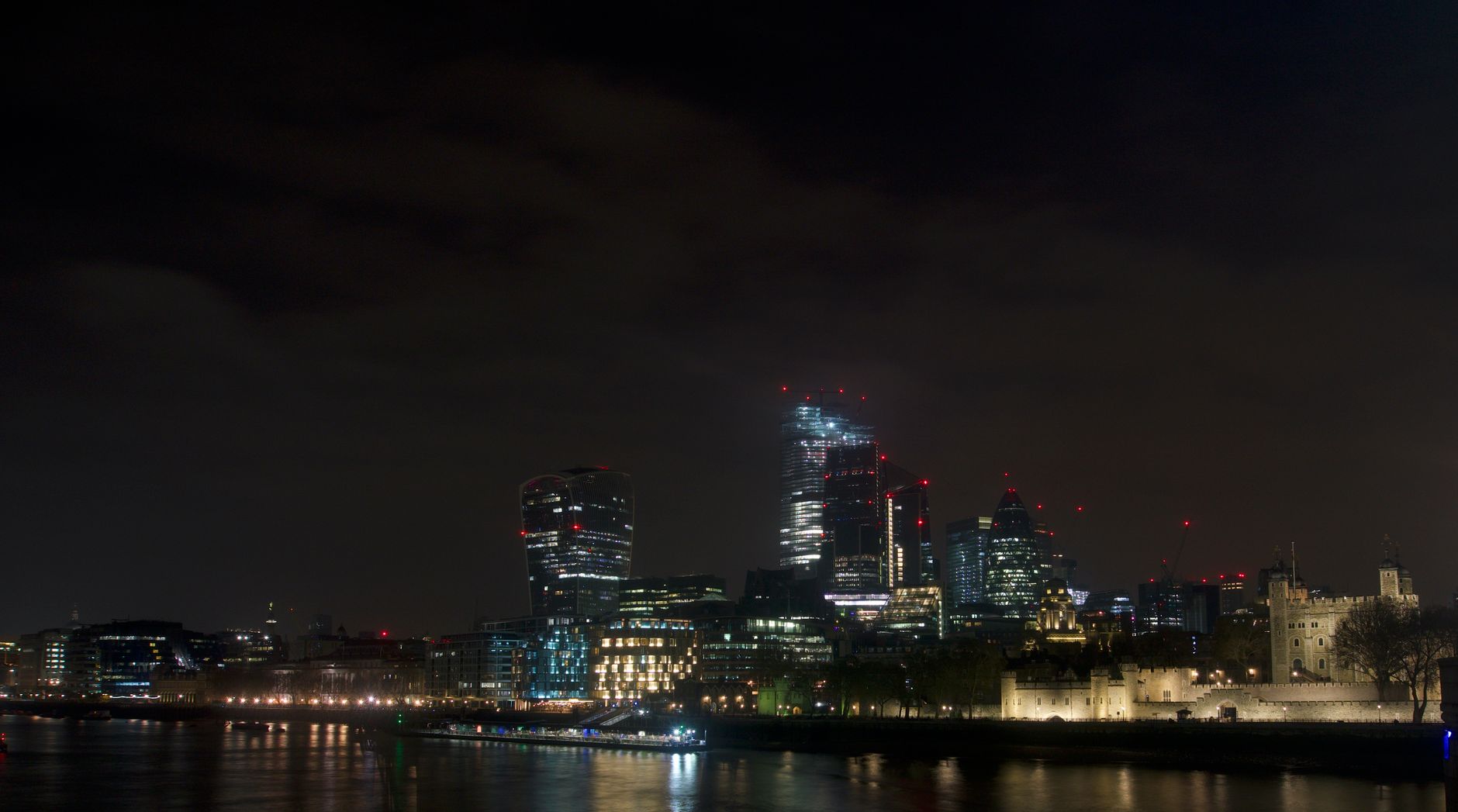
September is one of the easiest months to enjoy London well. The city is still active, the parks are pleasant for long walks, and the cultural calendar picks up again after high summer. Visit London’s September 2026 listings highlight citywide events including Totally Thames from 1 to 30 September, London Design Festival from 12 to 20 September, Open House Festival from 12 to 20 September, and London Fashion Week from 17 to 21 September, which makes this a strong month for a short city break if you want more than a standard landmark checklist. (visitlondon.com)
This guide is built for first-time visitors who want a realistic three-day plan: major sights, strong walking routes, a little museum time, and enough flexibility to enjoy what is happening in the city without spending the whole weekend in queues.
Why September works so well for London
London in September feels slightly calmer than peak midsummer, but it is not sleepy. River events, design programming, architecture access weekends, exhibitions, and theatre all make the city feel busy in a good way. If your dates overlap with London Design Festival or Open House Festival, you can easily swap one museum block for a special installation or building visit without changing the structure of the trip. (visitlondon.com)
The main advantage is pacing. You can still spend long stretches outside, but you are less likely to build your entire day around summer heat or major school-holiday crowds. It is a month that rewards walking between areas instead of jumping on the Tube every 15 minutes.
How to plan the weekend smartly
Base yourself in a central, walk-friendly area
For a short trip, it is usually easier to stay in one of these zones: Covent Garden, South Bank, Bloomsbury, Waterloo, Victoria, or around London Bridge. The point is not trendiness; it is reducing cross-city travel. London is much more enjoyable when two of your three days can be done mostly on foot.
Use public transport selectively
Transport for London advises that weekend Tube and Rail travel is generally quieter before 13:00 and after 18:30, while buses are generally quieter before 12:00 and after 17:30. TfL also recommends checking for planned works or event-related disruption before you travel. (tfl.gov.uk)
That means one simple rule works well: do your longest Tube ride early, then walk through central London for the middle of the day, and use buses or a late Tube journey when the crowds thin out again.
Let walking connect the highlights
TfL emphasizes London as a walking city and provides walking resources and route planning tools. In practice, many famous central areas sit closer together than visitors expect. Westminster, St James’s, Covent Garden, the Strand, the South Bank, and the City can often be linked in a single day without wasting time underground. (tfl.gov.uk)
For that reason, Ingry is especially useful in London: instead of treating the city as isolated attractions, you can move through it block by block, understand what you are passing, and keep exploring even when you go slightly off your original route.
Day 1: Westminster, St James's, and the South Bank
Morning: start with the classic London core
Begin around Westminster. See Westminster Abbey from outside, Parliament, and the area around Big Ben, then cross toward St James’s Park. This gives you the ceremonial version of London first, before the streets get too crowded.
From there, walk toward Buckingham Palace if it matters to you, but do not over-invest time here unless you have a specific reason. The setting is impressive; the experience can be less so if your weekend is short and you spend too much of the morning standing in dense crowds for a single viewpoint.
Late morning to lunch: move east on foot
Walk through St James’s toward Trafalgar Square, then continue along the Strand or through Covent Garden depending on your mood. Covent Garden is worth a look for atmosphere, but it can become a time trap. If it feels too crowded, keep moving.
A better use of the middle of the day is to cross to the South Bank. TfL’s visitor information highlights the South Bank as a strong self-guided walking area, and it works particularly well on a first weekend because there is always something to look at between Waterloo and Tower Bridge. (content.tfl.gov.uk)
Afternoon: South Bank to Tate Modern or Borough area
Choose one anchor stop rather than three. Tate Modern is the obvious option if you want a major museum without changing neighborhoods. If you prefer food and street energy, continue toward Borough Market and the riverside around London Bridge. The important thing is staying on a coherent route instead of zigzagging all over the map.
September is also a good month to keep an eye on Thames-related programming. Visit London notes that Totally Thames runs throughout the month, so river walks may come with extra installations, events, or reasons to linger along the embankment. (visitlondon.com)
Evening: stay by the river
Do not rush back west unless you have theatre tickets. The river is one of London’s strengths in early evening. Walk from the London Eye stretch eastward, or reverse it from Tower Bridge back toward Waterloo if you want better skyline views as the light changes.
If you like exploring cities on foot after the main museum hours end, Ingry fits this part of London especially well because the landmarks come quickly and the context between them matters almost as much as the headline sights.
Day 2: Bloomsbury, the British Museum, and a September culture afternoon
Morning: Bloomsbury first
Start in Bloomsbury, one of the best areas for a slower London morning. The streets are calmer than the West End, and you are well placed for the British Museum. Arriving earlier is the smart move; even without claiming exact queue times, it is a safe planning assumption that major museums become more tiring later in the day.
If the museum is a priority, give it a focused visit. Pick a few sections you truly want to see rather than trying to cover everything. London rewards energy management.
Lunch and early afternoon: choose your fork in the road
After Bloomsbury, your best next step depends on your dates:
If you are in London from 12 to 20 September 2026, London Design Festival and Open House Festival may give you a stronger afternoon than another standard attraction. Visit London lists both as major September events across the city, with design installations and public access to notable buildings. (visitlondon.com)
If your dates do not align with those festivals, walk south-west toward Soho and the West End, or east toward Clerkenwell and the City for a neighborhood shift that still keeps the day compact.
What to skip
Skip Oxford Street unless shopping is one of the main reasons for your trip. For many first-time visitors, it consumes time and patience without adding much sense of place. Soho, Covent Garden’s side streets, or Clerkenwell usually make better use of a September afternoon.
Evening: theatre, jazz, or a long dinner
This is a good night for indoor London. September’s event listings on Visit London also point to strong theatre and exhibition options during the month. If you want one classic West End evening, place it here so your first and third days stay more outdoor-oriented. (visitlondon.com)
Day 3: Greenwich or Kensington, depending on your travel style
Option A: Greenwich for views, space, and a softer finish
If you want a final day with more breathing room, choose Greenwich. TfL’s area guides specifically highlight Greenwich as a good day area to explore, and it works well for visitors who want river atmosphere, open space, and a change from central London intensity. (londonblog.tfl.gov.uk)
This is the better choice if your first two days were heavy on museums and landmark zones. You get a broader sense of London, not just the postcard center.
Option B: Kensington for museums and park time
If this is your first London trip and you still want one more major museum cluster, go to Kensington. Pair one museum with time in Hyde Park or Kensington Gardens rather than attempting all of South Kensington in one push. A crowded final day is rarely a good final memory.
The Royal Parks remain one of London’s biggest advantages for short breaks, especially when the weather is comfortable enough to build unstructured time into the day instead of only moving from ticketed stop to ticketed stop. (royalparks.org.uk)
Best neighborhoods for a September weekend in London
South Bank
Best for first-time visitors who want constant movement, river views, and easy landmark walking.
Bloomsbury
Best for museum-minded travelers who want a calmer base and handsome streets.
Covent Garden and the Strand
Best if you want to combine sightseeing with theatre and late evenings, but expect more crowd pressure.
Greenwich
Best as a half-day or full-day shift when central London starts feeling too dense.
Practical September advice
Check transport before each day. TfL warns that planned works and major events can affect weekend travel, and September is active enough that this matters. (tfl.gov.uk)
Keep one afternoon flexible. If your trip overlaps with Totally Thames, London Design Festival, Open House Festival, or September London Fashion Week dates, you may want to pivot toward a specific riverside walk, installation, or public building visit. (visitlondon.com)
Do not overbook. London looks compact on a map but becomes tiring when every hour is assigned. The best weekends here usually include one museum, one strong river or park walk, one neighborhood shift, and one evening plan per day.
Use buses when you are tired but still want to see the city. The Tube is fast, but buses preserve your sense of where you are.
And if you want a smoother way to walk through the city without reducing London to a checklist, Ingry is a practical companion for picking routes, spotting interesting places between the big landmarks, and understanding the city as you move through it.
Final thought
London in September is not about cramming in every famous sight. It is about choosing a few areas that connect well, walking more than you expected, and using the month’s cultural energy to shape the trip. If you do that, three days feels substantial rather than rushed.
London
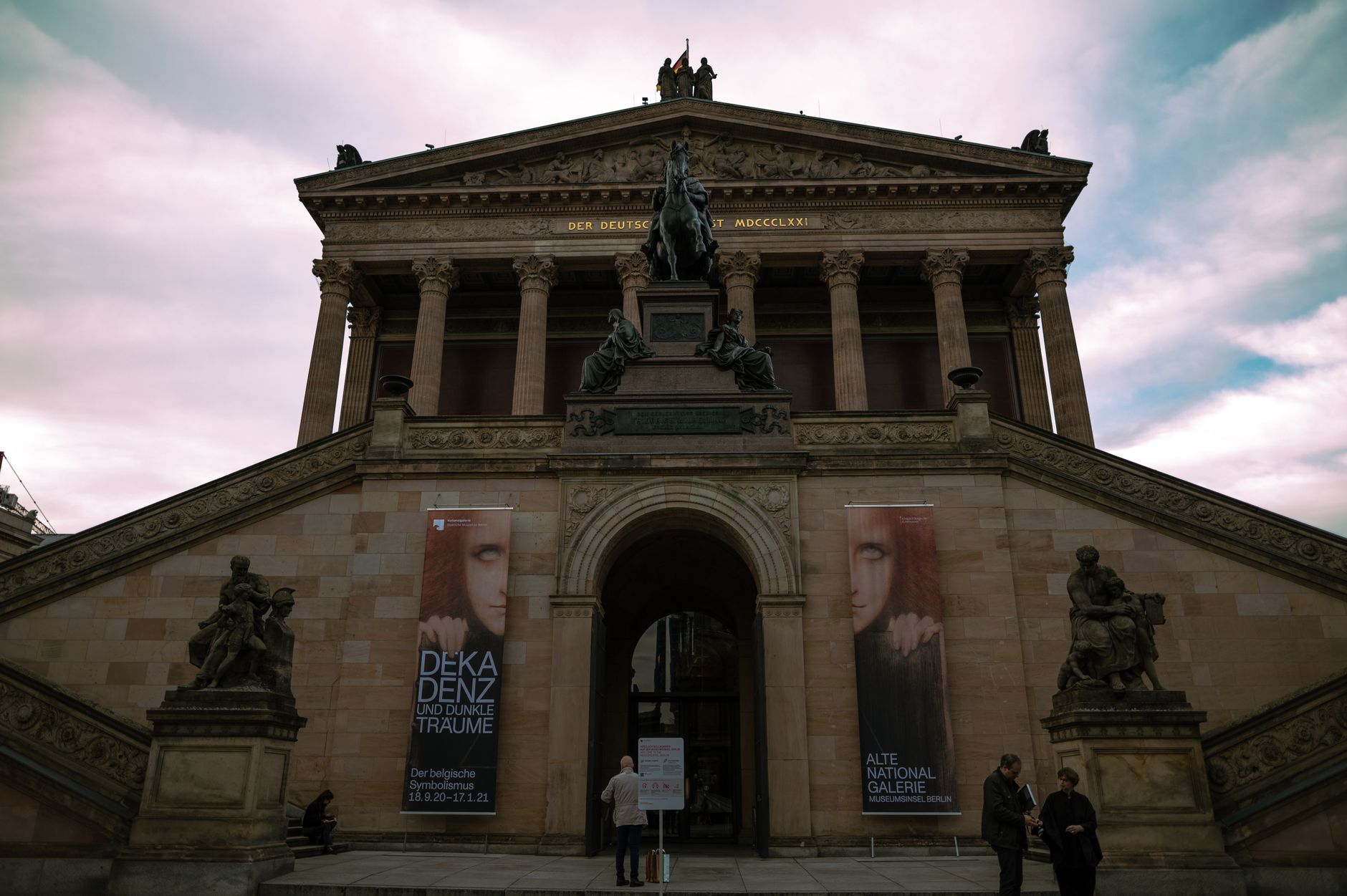
If you are planning a September city break, Berlin Art Week is one of the smartest times to visit. It runs from September 9 to September 13, 2026, and brings together museums, collections, galleries, project spaces, and the Positions Berlin Art Fair across the city. Official city listings describe it as the start of Berlin’s autumn art season, with more than 100 participating venues and events across the capital.
For travelers, that matters because Berlin Art Week gives structure to a trip without forcing you into a single festival site. You can build a weekend around museum clusters, gallery districts, and long walks between neighborhoods that already make sense for sightseeing. Instead of trying to see all of Berlin, you can use the event as a reason to focus your days and move through the city more intelligently.
Why Berlin Art Week works so well for a weekend trip
Berlin Art Week takes place from Wednesday, September 9, through Sunday, September 13, 2026. The official Berlin and museum listings place key related events in the same window, including Positions Berlin Art Fair at Tempelhof Airport from September 10 to 13 and Open Monument Day on September 13, with some Berlin listings also noting activities on September 12. That overlap makes this weekend especially strong for visitors who want both contemporary culture and historic Berlin in one trip.
September is also a practical month for Berlin walking. You still get long enough days for outdoor time, but the city is usually shifting away from peak summer holiday rhythm. That means you can mix major museum visits with neighborhood walks in Kreuzberg, Mitte, Charlottenburg, or Schöneberg without the whole trip feeling rushed.
If you like exploring cities on foot but want context as you go, Ingry is useful in Berlin for following routes between landmarks and understanding what you are passing rather than just moving from one museum ticket to the next.
Who this trip is best for
This Berlin weekend works especially well if you are one of these travelers:
People visiting Berlin for the first time and wanting culture without spending the whole trip indoors.
Return visitors who have already done the standard Brandenburg Gate and Reichstag circuit and want a better reason to explore different neighborhoods.
Travelers who enjoy contemporary art but do not want an exhausting fair-only weekend.
Couples or friends planning a September long weekend with a mix of museums, cafés, architecture, and evening walks.
If you want nonstop nightlife or a shopping-heavy trip, this is probably not the best Berlin framework. Berlin Art Week is better approached as a city-shaping event rather than a checklist.
How to plan the weekend without crossing the city all day
The main mistake visitors make in Berlin is treating it like a compact historic center. It is not. Berlin is broad, and travel times between neighborhoods add up quickly even with good public transport. During an event weekend, the best plan is to organize each day by area.
A simple structure looks like this:
Day 1: Mitte and Museum Island logic
Start in central Berlin with a museum morning or early afternoon, then walk outward rather than jumping immediately onto the U-Bahn. Mitte is still the easiest place to orient yourself as a first-time visitor. You can combine classic Berlin landmarks with nearby institutions participating in the wider art ecosystem, then continue on foot toward Unter den Linden, Bebelplatz, or the Spree.
This is the right day for a lighter art load if you arrived late the night before. Do one substantial museum, not three. Berlin rewards pacing more than volume.
Day 2: Tempelhof and Kreuzberg for the fair plus neighborhood time
Positions Berlin Art Fair is scheduled for September 10 to 13, 2026, in the hangars at Tempelhof Airport. That makes southern inner Berlin an obvious anchor for one full day. Go earlier rather than later if you dislike crowds, then keep the rest of the day local: Tempelhofer Feld for open space, then Kreuzberg for cafés, canals, or an evening meal.
This is one of the best Berlin combinations because it balances a large indoor event with one of the city’s most open outdoor settings.
Day 3: Open Monument Day or a western Berlin route
Open Monument Day is listed for September 13, 2026, with historic buildings and sites across the city opening to visitors, often with special tours. If you are in Berlin that Sunday, build the day around one or two monument openings rather than trying to race between too many. Choose a district and stay with it.
If ticketing, access, or timing for specific sites becomes awkward, use the day for western Berlin instead: Charlottenburg, the area around the Zoo, or Kulturforum. The point is to avoid ending the trip with scattered crisscrossing.
A smart 3-day Berlin Art Week itinerary
Friday: Ease into Berlin through Mitte
Arrive, drop bags, and resist the urge to overbook. Start with a walkable core: Hackescher Markt, Museum Island from the outside, the Spree embankment, and the area around Unter den Linden. If you want one main museum stop, make it the only fixed item for the day.
Late afternoon is good for crossing into a more residential-feeling part of the center. Prenzlauer Berg works if you want quieter streets and dinner without a heavy nightlife atmosphere.
What to skip: trying to combine Museum Island, Charlottenburg, and Tempelhof in one day. On a map it looks manageable; in practice it wastes your first afternoon.
Saturday: Berlin Art Week proper, then Kreuzberg
Make this your contemporary art day. Head to Tempelhof for Positions Berlin Art Fair, which Berlin’s official September calendar lists for September 10 to 13, 2026. The old airport setting is part of the appeal, and it pairs naturally with Tempelhofer Feld nearby.
After the fair, do not immediately chase another major museum on the opposite side of the city. Stay south and central. Walk or ride into Kreuzberg, especially if you want a Berlin afternoon that feels lived-in rather than staged for visitors. Landwehr Canal, smaller streets, and a relaxed dinner work better here than one more big-ticket attraction.
For travelers who like having a route ready while still keeping freedom to stop, Ingry can help tie together the walk from major sights to less obvious corners without the day turning into constant map-checking.
Sunday: Historic Berlin with one strong theme
If you are in the city on September 13, Open Monument Day is a strong reason to focus on architecture and historic sites rather than more gallery-hopping. Official museum and city pages say that sites normally closed or only partly accessible open up for visits, often with guided elements and demonstrations.
Your best approach is thematic. Choose one of these:
Historic civic and institutional buildings in Mitte.
Industrial heritage sites, especially since Berlin’s Industrial Heritage Festival begins on September 12, 2026 and runs into early October.
Palace and cultural district time in Charlottenburg if you want a calmer final day.
What to skip: spending the last day in a queue for something you are only mildly interested in. Berlin is better remembered through a good district walk than through a forced final museum.
Best neighborhoods to base yourself in
Mitte
Best for first-time visitors who want the easiest access to the historic core, Museum Island, and simple transport connections. It can feel less personal than other districts, but for a short trip it saves time.
Kreuzberg
Best if you want more evening atmosphere, strong food options, and easier access to Tempelhof. Good for travelers who care as much about street life as museum time.
Prenzlauer Berg
Best for a quieter stay with cafés, attractive residential streets, and a more relaxed morning rhythm. Slightly less direct for some event stops, but still practical.
Charlottenburg
Best for travelers who prefer a polished western Berlin base, especially if they want shopping, classic boulevards, and easier access to some museums and concert venues.
Transit and walking strategy for this weekend
Berlin has excellent public transport, but the real trick is knowing when not to use it. For this kind of trip, use transit to make one big move in the morning and one in the late afternoon. In between, stay local and walk.
That means:
Use the U-Bahn or S-Bahn to reach your first district of the day.
Cluster indoor sights together.
Plan a long walking stretch after lunch, when museum fatigue usually hits.
Only switch districts if the next stop clearly adds something different.
This is also a good weekend to keep an eye on crowd flow. Large events such as IFA, which runs from September 4 to 8, finish just before Berlin Art Week, while the city’s September calendar also includes the International Literature Festival from September 3 to 12 and the FIBA Women’s Basketball World Cup in Berlin from September 4 to 13. In other words, early to mid-September 2026 is a busy period for Berlin overall, so booking transport-facing accommodation is more useful than chasing a trendy address.
What to book ahead and what can stay flexible
Book ahead:
Your accommodation.
Any must-see exhibition or timed museum entry.
Major Berlin Art Week ticketed events you care about.
Leave flexible:
Neighborhood walks.
Casual meals.
Your second museum of the day.
Berlin is a city where overplanning can backfire. If one venue is crowded, the better move is often to walk twenty minutes and reset the day in a different street or park.
What first-time visitors often get wrong
They treat Berlin like a race between landmarks. During Berlin Art Week, that is even less effective than usual. The point is not to conquer the city. The point is to understand its layers: imperial center, Cold War scars, adaptive reuse, contemporary culture, huge open spaces, and neighborhoods that still feel distinct from one another.
They also underestimate how useful half-days are. In Berlin, one museum plus one good district walk is often a stronger memory than four rushed attractions.
If you want an easy way to keep that balance, Ingry works well as a pocket companion while walking between major stops, especially when you want context without joining a scheduled tour.
Is Berlin Art Week worth planning a trip around?
Yes, especially for a first or second visit in September. Berlin Art Week 2026 is not just for dedicated art travelers. Because it overlaps with other citywide September events and naturally pushes you into some of Berlin’s most interesting districts, it gives shape to a weekend that might otherwise feel too sprawling.
The best version of this trip is simple: one key art event each day, one neighborhood walk that actually lets Berlin breathe, and enough empty space in the schedule to notice the city between venues. That is usually where Berlin becomes memorable.
Berlin
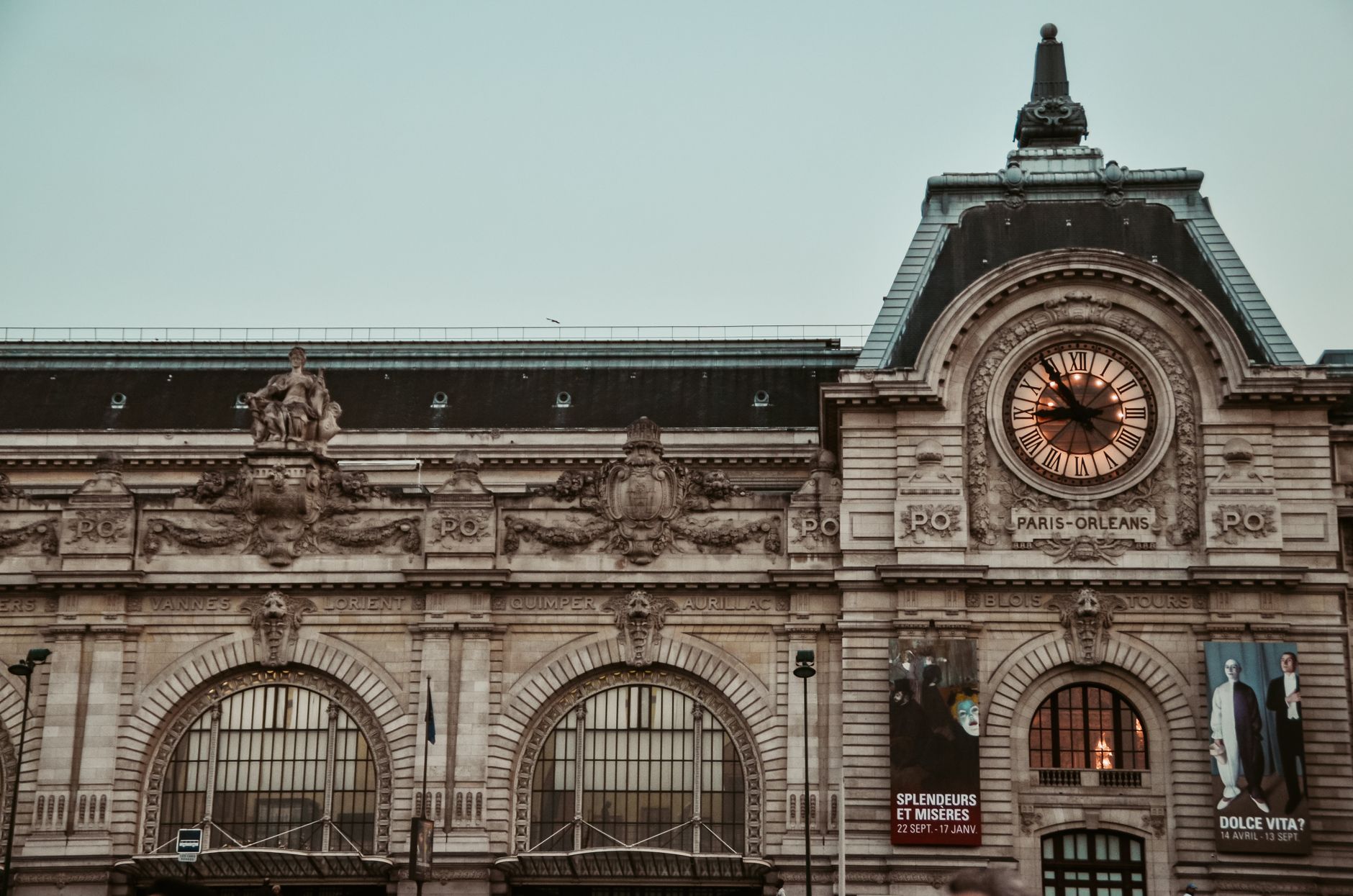
If you are planning a September weekend in Paris, the European Heritage Days are one of the smartest moments to be in the city. On Saturday, September 19, and Sunday, September 20, 2026, monuments, public buildings, museums, and lesser-known institutions across Paris open for special visits, often free of charge and sometimes with access that is unavailable the rest of the year.
That sounds simple, but in practice it can become a long day of queues, rushed metro hops, and overambitious planning. Paris works better when you treat this weekend as a neighborhood-based city break rather than a checklist challenge. The key is to stay compact, book early where required, and build your day around places that are close enough to enjoy on foot.
This guide is for travelers who want a real Paris weekend: historic interiors, beautiful streets, a few strong museum choices, and enough breathing room to actually enjoy the city. If you like exploring on foot between stops, Ingry is useful for understanding what you are passing rather than moving through Paris in a straight line from queue to queue.
Why this September weekend is worth planning around
The official Paris tourism board lists the European Heritage Days as the standout event of September 2026 in Paris, and the City of Paris confirms the 2026 edition takes place on September 19 and 20. During the weekend, many venues across Paris open for free visits, with some sites requiring advance reservation and others offering walk-in access only. (parisjetaime.com)
For visitors, the appeal is not just saving money. It is the chance to see a different layer of Paris: city halls, institutional buildings, restoration workshops, historic interiors, and places that are usually harder to access than the major museums. The event works especially well for repeat visitors who have already seen the Louvre or Eiffel Tower, but it is also excellent for first-timers if you keep the plan focused. (parisjetaime.com)
What to expect from crowds
This is not a quiet insider weekend. Popular sites can draw serious lines, especially places with limited access, central landmarks, or rare behind-the-scenes visits. The official tourism guidance notes that some visits are free but only available by reservation, which is the first thing to check before building your itinerary. (parisjetaime.com)
In practical terms, expect the busiest atmosphere around central Paris, the Marais, the areas near the Seine, and headline institutions with broad name recognition. The smartest move is to choose one high-demand stop in the morning, one or two lower-friction sites nearby, then spend the rest of the day walking through a strong neighborhood instead of crossing the city repeatedly.
A smart way to plan the weekend
Rule 1: Build around one anchor visit
Do not try to fit six major sites into one day. Pick one place that matters most to you: a civic building, a museum with a special program, or a landmark opening areas not always accessible. Then add smaller nearby stops.
Rule 2: Stay in one part of Paris for half a day at a time
Paris is dense enough that a good heritage weekend should feel walkable. The shortest metro ride can still cost you time when entrances, security, and queues are involved.
Rule 3: Separate famous Paris from heritage-weekend Paris
If this is your first trip, do not spend the entire weekend chasing special openings. Keep one half-day for classic Paris: the Seine, a market street, a museum you truly want, or a long walk through the Left Bank or the Marais.
Three Paris areas that make the most sense
1. The Marais and Hôtel de Ville area
This is one of the strongest zones for a heritage weekend because it combines beautiful streets with a high concentration of cultural stops. The City of Paris lists Hôtel de Ville as part of the event, with free access on reservation, and the official heritage program also includes related events nearby. (paris.fr)
Why it works: you can pair an official building visit with old Paris streets, small museums, church facades, and good lunch options without losing momentum. This is ideal if you want history but do not want the day to feel institutional.
What to watch for: this area gets crowded fast, especially late morning into mid-afternoon.
2. The Left Bank from Saint-Germain to the 5th arrondissement
If you prefer a more relaxed day, the Left Bank is easier to pace. You can shape a route around university buildings, churches, gardens, and river views, then end with the Latin Quarter or the Institut du Monde Arabe area, which is listed in the Paris event calendar for the same weekend. (paris.fr)
Why it works: you get heritage atmosphere without relying only on blockbuster sites, and the walking between stops is part of the experience.
3. Eastern Paris around the Palais de la Porte Dorée
Travelers who have already seen central Paris should seriously consider building a half-day around the Palais de la Porte Dorée. It appears in the 2026 heritage program with guided visits linked to its architecture. (journeesdupatrimoine.culture.gouv.fr)
Why it works: it gives you a strong standalone destination with a different urban feel, and it can be paired with a slower afternoon rather than another packed central queue.
A practical 2-day Paris itinerary for the weekend
Day 1: Central Paris with one reserved visit
Start with your booked morning slot if you have one. For many travelers, the best use of a reservation is a civic or historic building in central Paris, because that is the kind of access that is hardest to recreate on another trip.
After that, walk rather than rush. A strong pattern is Hôtel de Ville or the Marais in the morning, lunch nearby before the peak crowd surge, then a slow walk toward the Seine in the afternoon. If another nearby heritage site has a manageable line, add it. If not, skip it. Paris is still Paris without a second queue.
Late afternoon is better used for an open-air section of the city: riverbanks, islands, or a neighborhood stroll. This is also the right moment to use Ingry because central Paris is full of details that are easy to miss when you are focused on the next stop.
Day 2: Left Bank or a single specialized area
On the second day, resist the temptation to mop up everything you missed. Choose one side of the city and stay there. The Left Bank suits travelers who want a balanced Paris day with architecture, churches, museum options, and good walking streets. Eastern Paris is better if you want something more specific and less repetitive after a busy first day.
A good second day should feel calmer than the first. Start earlier than locals, take advantage of quieter streets in the morning, and leave room for one long meal or café stop instead of eating between lines.
What to book first, and what not to overplan
Some European Heritage Days visits in Paris are explicitly marked as reservation-only, while others are free with suggested reservation or simple walk-in access. That means your planning should begin with official event pages, not social media summaries or generic roundups. (paris.fr)
Book first: rare-access government or civic buildings, small-capacity guided tours, and any visit that is central enough to attract both tourists and locals.
Do not overplan: churches you can admire from outside if lines are too long, neighborhoods that are rewarding without formal entry, and secondary stops that are only worth it if you happen to be nearby.
What first-time visitors should skip
If this is your first weekend in Paris, skip the instinct to chase prestige alone. A long wait for a place you only half care about is usually worse than a good walk through a neighborhood you actually enjoy.
You should also skip cross-city zigzags. On a normal Paris trip, that is merely tiring. On a heritage weekend, it can waste hours.
And unless you have a confirmed reservation, do not build your whole day around one famous site with unpredictable access. Keep your plan resilient.
Why September is a strong month for Paris anyway
The Paris tourism board highlights September as a busy cultural month and describes it as a good time to enjoy the city after summer, with a full calendar of exhibitions and events and generally pleasant early-autumn conditions. That matters because even if one heritage stop does not work out, September is still a very easy month for walking, museum time, and outdoor breaks along the Seine or in the city’s gardens. (parisjetaime.com)
How to move through the city without feeling rushed
The best Paris days have a simple rhythm: one priority in the morning, one flexible cultural stop after lunch, then a long walk. This weekend rewards travelers who can switch between formal visits and street-level wandering.
Try to think in bridges, boulevards, and neighborhoods rather than only metro stations. If you are exploring between heritage sites, Ingry can help make those in-between stretches more interesting, especially in older parts of Paris where small architectural details and side streets tell half the story.
Final advice for a better Paris heritage weekend
The European Heritage Days are one of the best reasons to plan a September weekend in Paris, but only if you approach them with restraint. Choose a compact part of the city, reserve early where needed, and let the day breathe. Paris is at its best when a special event gives structure to the trip without taking over every hour.
If you get one memorable interior, one excellent neighborhood walk, and one unplanned discovery, you planned it well.
Paris
August is one of the trickiest months to plan well in Rome. The city is still full of major sights, but the rhythm changes: heat builds fast, afternoons can feel draining, and the best hours are often early in the morning and after sunset. If you plan Rome the same way you would in spring or October, you can end up spending too much of the day standing in open sun and too little actually enjoying the city.
This guide is built for a real three-day August trip. It is not a race through every famous landmark. Instead, it helps you group areas logically, save your energy, and use the city at the times when it feels most rewarding. Rome’s official tourism board is currently highlighting August cultural programming, evening events, and special museum openings around Ferragosto on August 15, 2026, while also noting practical details such as free-entry days and temporary transport changes including the closure of Metro Line A’s Lepanto station until August 30, 2026. That matters when you are deciding how to move around the city in summer. (turismoroma.it)
Why August in Rome can still work beautifully
Rome in August rewards travelers who are willing to shift their schedule. Start early, slow down in the hottest part of the day, and return outside in the evening. That rhythm fits the city better than trying to power through from late morning to late afternoon. It also lets you experience two very different Romes: the monumental city at sunrise and the social city after dark.
Another advantage is that August often creates a clearer planning logic. If you accept that midday is best for churches, museums, lunch, and rest, your route becomes simpler. You walk less, queue less, and enjoy more. Rome’s official August guide also points to free and low-cost options throughout the month, plus late-summer cultural programming along the river and in neighborhood venues beyond the historic core. (turismoroma.it)
Before you go: the August Rome rules that matter most
1. Book major indoor sights ahead
If the Vatican Museums or the Colosseum area are on your list, do not leave them to chance. The Vatican Museums explicitly advise visitors to use the official portal, and August is not the month to gamble on same-day availability for top sights. (museivaticani.va)
2. Put your longest walks before 10:30 a.m.
The historic center is very walkable, but exposed stone streets and big piazzas feel much harder in August than they do in cooler months. Use the morning for outdoor classics and save interior stops for midday.
3. Keep one flexible evening
Rome’s August calendar often includes open-air screenings, music, and neighborhood events, so it helps to leave one evening unscheduled rather than filling every slot in advance. The city’s tourism calendar is the best place to check what is actually on during your dates. (turismoroma.it)
4. Do not overuse the metro if your route is central
For a short trip, Rome often works better as a city of connected walks: Centro Storico to the Pantheon, Piazza Navona, Campo de’ Fiori, Trastevere, and the river. And in August 2026, transport details matter even more because Lepanto station on Metro Line A is officially closed until August 30, so some Vatican-area plans may need small adjustments. (turismoroma.it)
For navigating those walking links without constantly checking a map, Ingry is especially useful in Rome. The city makes more sense when you understand what you are passing, not just where you are going.
Day 1: Ancient Rome in the cool hours, then a slower historic center
Morning: Colosseum area and the Roman Forum side of the city
Begin as early as you can. In August, the point is not only to beat crowds but also to experience the ancient core before the heat reflects back from stone and pavement. Start around the Colosseum and move toward the Forum and Capitoline side rather than zigzagging across the center.
If you are deeply interested in archaeology, keep this morning focused and avoid stacking too many unrelated stops. If you are more of a general visitor, it is enough to pair one major ancient site with a strong exterior walk and then move on. Rome can become exhausting when every stop is monumental.
Midday: Capitoline area or a museum break
By late morning, shift toward indoor time. A museum or a long lunch is not laziness in August; it is good planning. If you want culture without the heaviest tourist crush, look beyond the same two or three headline sights. Rome’s August listings also highlight civic museums and temporary exhibitions across the city, which can be a smart way to spend the hottest hours. (turismoroma.it)
Evening: Piazza Venezia to the Pantheon to Piazza Navona
Once the light softens, walk the classic sequence through the historic center. This is when Rome regains its pleasure: fountains, façades, side streets, and the feeling that the city is meant to be explored on foot. Do not try to “complete” everything. In this part of Rome, mood matters more than checklists.
If you like walking with context, Ingry can help tie together the obvious landmarks with smaller churches, ruins, and overlooked corners in between. That is often the difference between simply seeing Rome and actually understanding it.
Day 2: Vatican side in the morning, Trastevere in the evening
Morning: Vatican Museums or St. Peter’s area
This is the day to do your most in-demand reservation. If you choose the Vatican Museums, go early and commit to that as your main morning. If you prefer a lighter day, focus on St. Peter’s Basilica and the surrounding area instead of trying to force both museum fatigue and a full cross-city itinerary into the same half day.
One useful August note: Rome’s official tourism guide states that on August 30, 2026, which is the last Sunday of the month, the Vatican Museums will offer free entry from 9 a.m. to 2 p.m., with last admission at 12:30 p.m. That may sound attractive, but it will also likely mean heavier demand, so budget travelers should weigh savings against time and crowding. (turismoroma.it)
Travelers interested in Rome’s religious dimension should also know that the four Papal Basilicas are St. Peter’s, St. John Lateran, Saint Mary Major, and St. Paul Outside the Walls, and the Jubilee materials describe them as the principal basilicas associated with the Holy Doors during the Jubilee year. Even if your trip is not specifically religious, that context helps explain why these places draw such a steady flow of visitors. (iubilaeum2025.va)
Midday: rest, lunch, and resist adding too much
The Vatican area can be tiring in August because the logistics are more demanding than they look on a map. After your morning, do less. A shaded lunch and a real pause will improve the rest of the day more than one extra attraction will.
Evening: Trastevere after the heat drops
Trastevere works best in August after sunset, when the neighborhood feels lively rather than punishingly hot. Come for a long walk, not for a rushed dinner target. Start on the quieter edge if you can, then move toward the more crowded core around Santa Maria in Trastevere. If the busiest lanes feel too packed, step away for two or three streets; the atmosphere returns quickly.
This is also a good evening to see whether there is current local programming worth catching. Rome’s August calendar includes neighborhood events and open-air culture, and Trastevere is often a good base area even if the event itself is elsewhere. (turismoroma.it)
Day 3: Villa Borghese, a cooler museum plan, and one last long walk
Morning: green space before stone again
By the third day, many visitors make the mistake of scheduling another fully exposed historic marathon. A better August move is to start in or around Villa Borghese, where the rhythm feels lighter and the city opens up a bit. This is a smart morning for anyone who wants a break from dense crowds without leaving central Rome.
If you are choosing between one more ruin and a park-plus-museum combination, August usually favors the second option.
Midday: choose one museum, not three
Rome offers enough indoor culture that you do not need to force a packed museum crawl. Pick one place that fits your interests and give it time. The official August Rome guide specifically highlights a mix of civic museums, temporary exhibitions, and smaller free museums that can make more sense in summer than only chasing the biggest names. (turismoroma.it)
Evening: final walk along the river or through the Centro Storico
Use your last evening for a route that feels open-ended. In August 2026, Rome’s tourism listings mention seasonal programming connected to Lungo il Tevere as well as other summer events across the city, so the river can be a pleasant final-night direction if something on during your dates appeals to you. Otherwise, a simple return to the historic center is enough. Rome rarely needs a grand finale; it just needs one more good walk. (turismoroma.it)
If you want an easy way to keep that last walk structured without making it rigid, Ingry works well for linking major sights with smaller places you might otherwise miss.
What to skip in Rome in August
Trying to cover every headline sight
Rome punishes overplanning in hot weather. Three strong areas in three days is enough.
Crossing the city repeatedly at midday
This is the fastest way to lose energy. Group your neighborhoods and stay put for longer blocks.
Assuming every cheap or free option is automatically the best option
For example, free-entry windows can be worthwhile, but in August they may also mean longer waits and denser crowds. Choose them when they fit your tolerance, not just your budget. Rome’s official August guide confirms both first-Sunday free admission at national and Roma Capitale museum sites and the last-Sunday free opening at the Vatican Museums, but the practical tradeoff is crowding. That final point is an inference based on the popularity of those opportunities. (turismoroma.it)
If your trip includes Ferragosto weekend
Ferragosto, on August 15, is one of the clearest near-term August travel moments in Rome this year. For 2026, Rome’s official tourism site confirms Ferragosto al Museo on Saturday, August 15, with state-run museums, archaeological parks, and cultural sites open at ordinary admission rates and according to each site’s visiting rules. The same official page also notes continued evening experiences such as Ara si rivela and the Circus Maximus immersive visit over the holiday weekend. (turismoroma.it)
If your dates fall around that weekend, this is a good reason to keep your schedule flexible: you may want one cultural evening booking and one quieter morning elsewhere. Just avoid assuming that a holiday means the whole city shuts down. In Rome, the better question is which places are open, which need booking, and which areas will feel busiest.
Final planning advice for a short August trip
The best Rome weekends in August are not the most ambitious ones. They are the ones that respect the month. Wake early, hide from the worst heat without guilt, and return outside when the city becomes sociable again. Rome is still Rome in August: ancient, theatrical, layered, and full of small details between the landmarks. You just need to travel through it at the right speed.
Rome
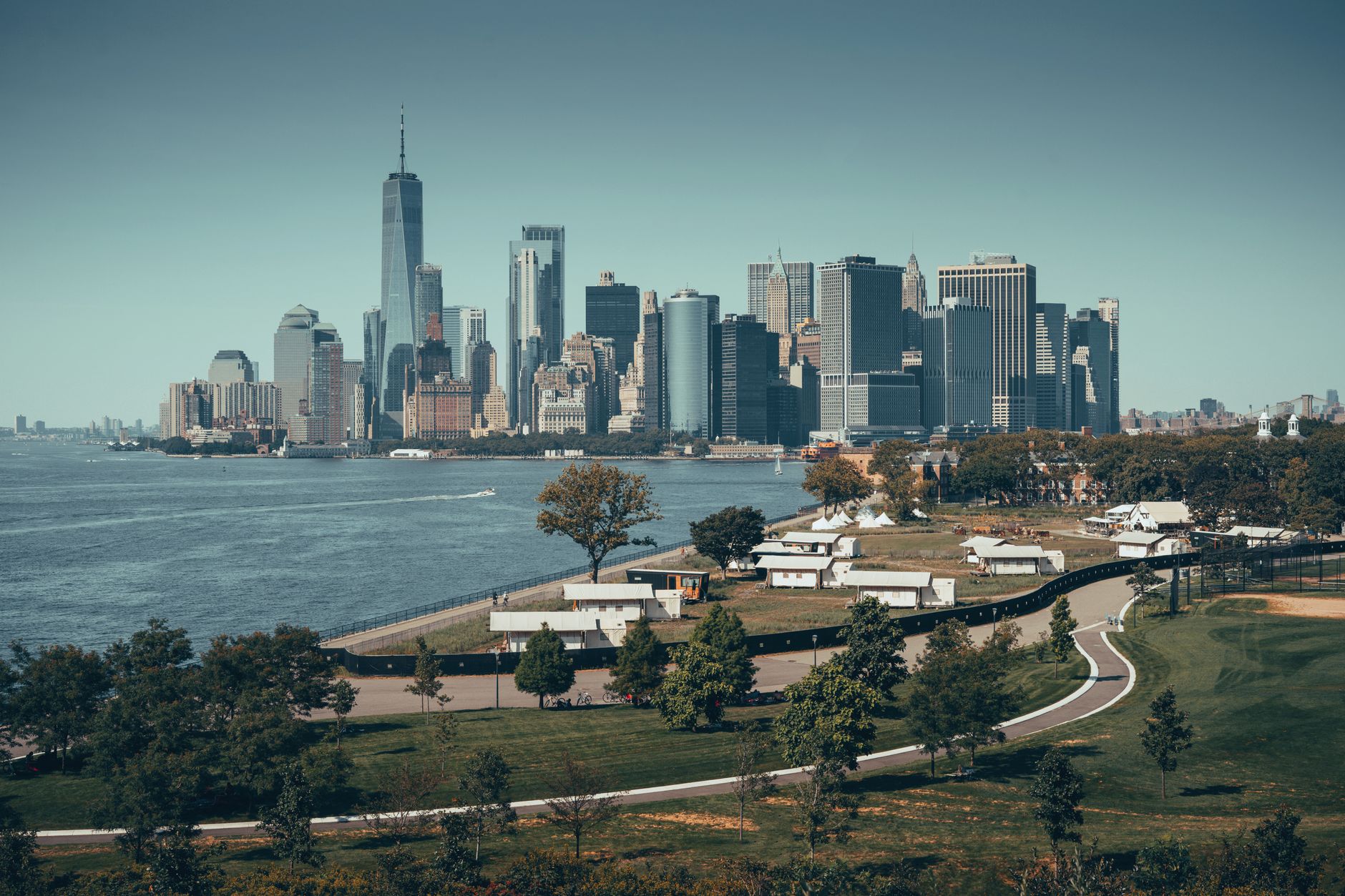
Labor Day weekend is one of those New York City moments that looks easy on paper and gets messy fast if you plan it badly. The weather is usually still summery, many visitors are trying to squeeze in rooftop views, museum visits, skyline photos, and one last long weekend before September routines return, and the obvious places get crowded first. The trick is not to race across the whole city. It is to build three days around connected areas, a few early starts, and one or two well-chosen headline sights.
This itinerary is for first-time or early-return visitors who want a real New York weekend: strong views, time outdoors, a major museum, ferry scenery, and neighborhoods that feel good on foot. It also works especially well for Labor Day weekend 2026, which falls just after late summer and before the city shifts fully into fall.
Why Labor Day weekend works well for New York City
Early September can be a sweet spot for visitors. Summer energy is still there, but the weekend feels less frantic than peak July holiday travel. Governors Island remains in peak season through Labor Day weekend, with long opening hours, while The Met and other big cultural stops still make sense as part of a mixed indoor-outdoor plan. Ingry is especially useful here because New York is better understood as a sequence of walks rather than a checklist of isolated stops.
One thing to keep in mind: this is not the weekend to improvise every major attraction at noon. If you want an observation deck, a ferry-based outing, or a famous museum, make those your anchors and let food, side streets, and smaller pauses happen around them.
A smart way to structure the weekend
The easiest mistake in New York is crossing Manhattan over and over. For Labor Day weekend, use this logic instead:
Day 1: Lower Manhattan and Governors Island
Day 2: Upper East Side and Central Park
Day 3: West Side walk from Chelsea to Hudson Yards
That gives you three days with different moods and very little wasted transit time.
Day 1: Lower Manhattan and Governors Island
Start early in Lower Manhattan
Begin around the Battery, Bowling Green, or the streets just inland from the harbor. This part of New York feels calmer in the morning than it does later in the day, and the contrast between old street patterns and the skyline is easier to appreciate before crowds build.
If you had been thinking about doing the Statue of Liberty this same morning, be careful. Liberty and Ellis Islands are ferry-only visits and deserve their own half-day rhythm. On a three-day Labor Day weekend plan, combining them with too much else often turns the day into a queue-and-security marathon. Unless that visit is a top personal priority, Governors Island is the smoother choice for this specific weekend.
Take the ferry to Governors Island
Governors Island is accessible from the Battery Maritime Building at 10 South Street in Lower Manhattan, and seasonal Brooklyn ferry service runs on weekends and holidays through November 1, 2026. During the peak season window that includes Labor Day weekend, the island is open daily, with longer evening hours than many first-time visitors expect. Weekend visitors can also ride free before 11 am on Trust-operated ferries, though reservations are still recommended. Fort Jay and Castle Williams, managed by the National Park Service, are open Wednesday through Sunday, while the rest of the island is open seven days a week. That makes the island one of the best Labor Day weekend escapes for travelers who want space, skyline views, and room to slow down. (govisland.com)
What makes Governors Island work so well is not any single attraction. It is the change of pace. After dense Manhattan blocks, the island gives you open lawns, harbor wind, old military architecture, and broad views back toward Lower Manhattan and Brooklyn.
How to spend the island hours
Do not over-schedule here. Walk, pause, and let the island do its job. A good sequence is: arrive in the morning, head uphill for views, loop through the historic core, and leave enough time to sit somewhere with a skyline view rather than rushing back immediately.
If you like structure, use Ingry while walking. It helps connect places that can otherwise feel visually impressive but context-light, especially if this is your first trip to New York and you want to understand what you are looking at rather than just photographing it.
Evening: keep it nearby
After returning to Manhattan, stay downtown or nearby instead of trying to fit in one more distant neighborhood. Walk through the Financial District into the Seaport area, or head north only as far as the Civic Center or Chinatown edge if you still have energy. Labor Day weekend days feel longer when you avoid one unnecessary subway crossing.
Day 2: The Met and Central Park, without museum overload
Make The Met the main indoor anchor
The Metropolitan Museum of Art on Fifth Avenue is one of the best choices for a holiday weekend because it gives you a major New York experience without demanding a full day of logistics. Advance tickets are available online but are not required, and The Met Fifth Avenue is open Sunday through Tuesday and Thursday from 10 am to 5 pm, with later hours on Friday and Saturday. As of summer 2026, the Cantor Roof Garden and several galleries are closed for renovation, so do not plan your visit around the rooftop. (metmuseum.org)
The smartest approach is not to “do The Met.” Pick two or three areas you truly want to see, then stop. Most visitors tire themselves out by treating the museum like an endurance exercise and then have nothing left for the park outside.
Pair the museum with the right part of Central Park
Once you leave The Met, keep your park time on the east side or in the quieter northern stretch rather than marching diagonally across the whole park. Conservatory Garden is especially good if you want a calmer finish. It sits on the East Side between 104th and 106th Streets, and in late August through the end of August it stays open until 7:30 pm, then in September until 7 pm. (centralparknyc.org)
This is also a good day to slow your pace. The museum gives you scale and intensity; the park should give you air, shade, and bench time. If the weather feels hot or humid, reverse the usual tourist instinct and spend your middle hours indoors at the museum, then take the longer walk later in the afternoon.
What to skip on this day
Skip trying to add Midtown landmarks just because they are famous. The Upper East Side plus Central Park is already a full day. Rockefeller Center, Times Square, and a big evening observation deck all pull you into a different crowd pattern and a different transit rhythm.
Day 3: Chelsea, the High Line, and Hudson Yards
Walk downtown to uptown, not the other way around
For your final day, use Manhattan’s west side in one clean line. Start in Chelsea, walk part of the High Line, and finish around Hudson Yards. This works well on a holiday weekend because you can shape the day according to your energy: architectural wandering, food stop, river views, or one last big skyline moment.
The key here is timing. The High Line is more pleasant early or later in the day than in the packed middle hours. If you arrive too late, it can feel less like a neighborhood walk and more like moving sidewalk tourism.
Save the observation deck for the end
If you want one dramatic modern view, this is the day to do it. Edge at Hudson Yards is currently operating with daily hours shown as 9 am to 10 pm, and advance booking is the easiest way to avoid building your day around a wait. (edgenyc.com)
Observation decks in New York are best used selectively. Do one, not three. Labor Day weekend is a good reminder that skyline views are memorable partly because they contrast with street-level walking. If you have spent the weekend moving through real neighborhoods, the final high view lands much better.
Before you go up, it helps to orient yourself on foot. This is another moment when Ingry fits naturally into the trip: you can use it to make the walk between Chelsea and Hudson Yards feel like part of the visit, not dead space between attractions.
Where to stay for this kind of weekend
For this itinerary, Lower Manhattan, the Financial District, Chelsea, or the Union Square area make more sense than staying deep in Midtown West. You want easy subway access, but you also want neighborhoods that feel pleasant to return to after long walking days.
If your budget pulls you farther out, prioritize a straightforward subway connection over being technically closer on the map. In New York, a simple one-seat ride often beats a shorter distance with awkward transfers.
Transit and walking logic that will save your weekend
New York rewards visitors who think in clusters. Group harbor sights together. Group museum-and-park time together. Group west-side walking together. This matters more on a holiday weekend, when even short detours can cost more time and energy than expected.
Also, do not underestimate ferry time as part of the experience. The ride to Governors Island is short, but it gives you some of the best arrival views in the city. Treat it as part of the day, not just transportation.
Crowd patterns to expect
On Labor Day weekend, the heaviest pressure usually builds in the middle of the day at headline attractions and on narrow, photogenic walking routes. That means:
Go early for ferries and popular walks.
Use museums during the hottest or busiest stretch.
Leave flexible time in the late afternoon.
Avoid stacking too many reservation-based sights into one day.
The overall goal is not to avoid people entirely. It is to avoid spending your weekend moving with the exact same crowd wave at every stop.
If you only have two days instead of three
Cut Day 3 first.
Keep Lower Manhattan plus Governors Island for one day, and The Met plus Central Park for the other. That gives you harbor views, skyline perspective, a major cultural stop, and enough walking to feel New York properly without turning the trip into a checklist.
Final thought
Labor Day weekend in New York City does not need to be a race through every famous corner of Manhattan. In fact, the better trip is usually narrower. Pick one harbor day, one museum-and-park day, and one west-side walking day. Let the city unfold block by block. New York is at its best when you give it enough structure to stay efficient and enough space to surprise you.
New York City
If you are planning a September trip to Paris, the European Heritage Days weekend is one of the smartest times to be in the city. On September 19 and 20, 2026, many monuments, public buildings, museums, and places that are usually closed or harder to access open their doors across Paris and the wider region. The official Paris tourist office highlights Heritage Days as the major Paris event of September 2026, and the Ministry of Culture’s programme confirms the weekend dates. (parisjetaime.com)
For a first-time visitor, that creates both an opportunity and a trap. The opportunity is obvious: you can step inside places that are often restricted, free to visit, or presented in a different way than usual. The trap is trying to do too much. Paris during Heritage Days rewards travelers who think in neighborhoods, walk as much as possible, and accept that one great interior and one strong outdoor route can be more memorable than five rushed checkboxes. (parisjetaime.com)
Why this weekend is different from a regular Paris trip
European Heritage Days are not just another museum weekend. The event is built around access: historic institutions, civic buildings, workshops, and behind-the-scenes spaces often join in, sometimes with free entry and sometimes with advance reservation. The official Paris tourism guide notes that some visits are always free while others require booking, and that sites can include major monuments as well as places not usually open to the public. (parisjetaime.com)
That changes how you should plan your days. Instead of designing a classic Paris itinerary around the Louvre, Eiffel Tower, and long cross-city metro rides, it makes more sense to choose one side of the river in the morning, one walkable cluster in the afternoon, and leave slack in the schedule for lines, security checks, or a place that turns out to be unexpectedly worth lingering in.
Who this guide is best for
This weekend plan works best if you are visiting Paris for two or three days and want a trip that feels richer than a standard attraction roundup. It is especially useful for first-time visitors who still want to see central Paris, but would like one or two experiences that feel more local, more architectural, or a little less predictable than standing in the longest queue in the city.
If your priority is ticking off every blockbuster museum, this is not the weekend to race around. If your priority is understanding how Paris fits together on foot, Heritage Days can be excellent.
How to plan the weekend without wasting it in lines
1. Build around one anchor visit each day
Pick one place you care about most each morning. During Heritage Days, the biggest names draw the longest waits. The Paris tourist office specifically points to high-profile sites and also notes that some usually closed places may open, which is exactly why demand spikes. (parisjetaime.com)
Your anchor might be a civic building, a monument, or a special behind-the-scenes visit. Once that is fixed, everything else should be nearby and flexible.
2. Stay central and walk in loops
The best Heritage Days routes are compact. The Marais, the area around Hôtel de Ville, the islands, Saint-Germain, and the central Right Bank all work well because you can keep moving even if one queue is too long. Paris is a city that reveals itself between stops, not only at them.
3. Check reservation rules early
The official September 2026 Paris guide says some visits are free but reservation-only. Do not assume you can improvise everything on the day. (parisjetaime.com)
4. Start earlier than you think
For popular sites, early arrival matters more than almost anything else. A 20-minute head start in Paris can save a two-hour line later in the day.
5. Keep one backup route ready
If your first-choice interior is full or the queue is unreasonable, switch quickly instead of hovering. This is where Ingry is useful: it helps you keep moving through central Paris with context, nearby landmarks, and a more coherent walking flow rather than forcing the day around one disappointment.
A smart 2-day Paris Heritage Days route
Day 1: Historic center, civic Paris, and the Seine
Start on the Right Bank around Hôtel de Ville and the Marais. The official Heritage Days programme confirms that Paris City Hall opens for the occasion on September 19 and 20, 2026. That makes this area a strong starting point because even if your chosen interior takes less or more time than expected, the surrounding neighborhood is dense with good walking streets and easy river access. (journeesdupatrimoine.culture.gouv.fr)
After your main morning visit, walk south toward the Seine rather than immediately jumping on the metro. Cross into the islands if energy and crowds allow, then continue west or east depending on the pace of the day. This part of Paris works well because the architecture itself becomes part of the experience: bridges, river views, courtyards, church façades, and civic spaces all sit close together.
Use the afternoon for one smaller-scale stop instead of another giant line. Heritage Days are often best when you combine one headline building with one quieter place that teaches you something about how Paris functions behind the postcard image.
In the evening, keep it simple. Walk the Seine, stay in the center, and avoid crossing the city for dinner unless you have a very specific reservation. After a crowded day, the best luxury is often not another attraction but a good neighborhood stroll.
Day 2: Left Bank or western monuments, depending on your energy
For the second day, choose between two styles of Paris.
If you want a more classic first-trip atmosphere, head for the Left Bank. Saint-Germain and the nearby streets suit travelers who want a day built around elegant walking, churches, museum options, and cafés between visits. If one major stop is too crowded, this side of the city gives you plenty of graceful alternatives without wasting time.
If you want a more monumental route, choose the western axis instead: broad avenues, grand façades, and larger official buildings. The Paris tourist office notes that during Heritage Days the city’s major monuments and institutions can take part, which is exactly why this side of Paris can feel impressive but logistically slower. (parisjetaime.com)
Whichever route you choose, leave the late afternoon deliberately lighter. A second full queue-heavy day is where many visitors burn out. Better to end with a scenic walk and one final interior than to spend your last Paris hours underground on the metro.
What to prioritize during Heritage Days in Paris
Prioritize places that are either difficult to access at other times, temporarily presented in a special way, or connected to the city’s institutional life. Those are the visits that make the weekend feel distinct.
De-prioritize anything you can easily do on a normal Paris trip, especially if it involves a famous attraction with a line wrapping around the block. Heritage Days should add depth to your Paris experience, not recreate the busiest version of a standard sightseeing weekend.
What to skip if this is your first time in Paris
Skip over-ambitious cross-city plans. Do not try to cover Montmartre, the Eiffel Tower area, the Marais, and a deep Left Bank museum run all in one day. Paris looks compact on a map, but queue time and walking time add up fast.
Also skip the instinct to enter every open building just because it is open. Some of the best Heritage Days memories come from pacing the day well, not maximizing the count.
Crowd patterns to expect
The most crowded windows are usually late morning to mid-afternoon, especially at prestigious or unusual sites. Places that are free, central, and rarely accessible are the ones most likely to generate long waits. The official Paris guidance also warns indirectly through its reservation notes that access conditions vary by site, which is another reason to stay flexible. (parisjetaime.com)
In practical terms, that means you should front-load your day, eat lunch a little earlier or later than usual, and use the busiest central hours for walking between neighborhoods if your chosen interiors are backed up.
Where this fits in a wider September trip
September is one of the most attractive months for city travel in Paris because the cultural season is active again, and the official tourism office describes the month as a busy autumn period with major events, exhibitions, and festivals. Heritage Days stand out because they offer something different from a normal museum-focused weekend. (parisjetaime.com)
If you are extending your stay beyond the weekend, you can balance the crowded central days with one quieter museum morning or a slower neighborhood afternoon afterward. Paris in September has enough going on that you do not need to force every major sight into the same 48 hours.
How to move through Paris well that weekend
The best transport advice is simple: walk more than you think, and use the metro to reset between clusters, not between every single stop. Heritage Days work best when you understand the city by sequence: square, street, courtyard, river, bridge, monument, café, then another interior. That rhythm is more Parisian than constant underground transfers.
To keep the route coherent, Ingry can help you connect landmarks and side streets into a real walking day rather than a scattered list of pins. It is especially handy when you need to pivot from one crowded site to another nearby area without losing the thread of the neighborhood.
A final tip for first-time visitors
Treat Heritage Days as a chance to understand Paris, not just consume it. One official building, one smaller surprise, one strong river walk, and one neighborhood where you stay long enough to notice the details is a better weekend than chasing every famous door that happens to be open.
If you want to explore that way, keep your plan light, your shoes comfortable, and your route flexible. And if you prefer some structure while walking, Ingry is a good companion for turning central Paris into a sequence of stories instead of a checklist.
Paris
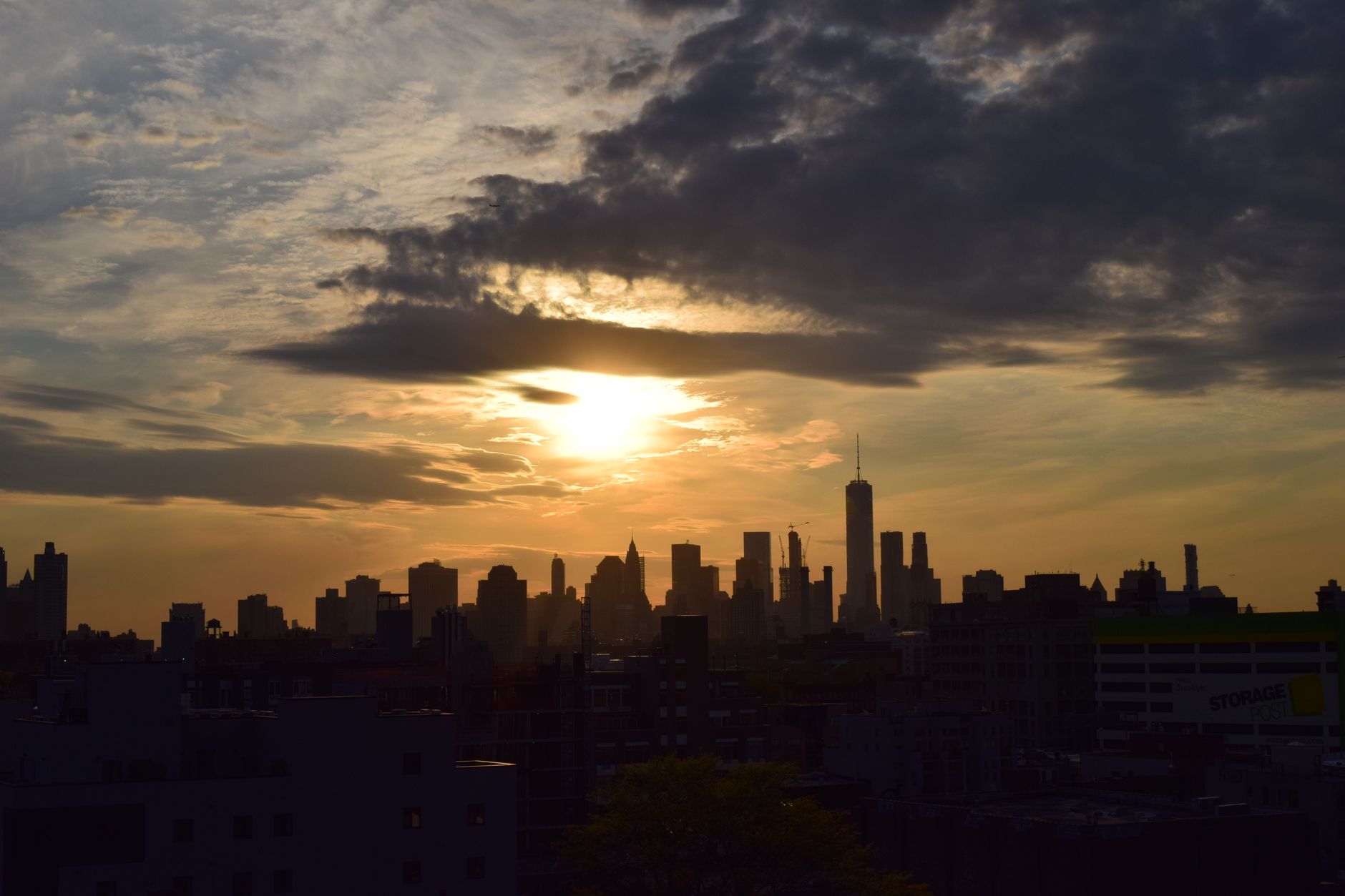
Labor Day weekend is one of the easiest times to enjoy New York City without forcing too much into each day. Summer energy is still there, outdoor spaces are active, and the city still feels open and social, but you can plan the weekend around walks, ferries, and neighborhoods instead of treating it like a checklist race. In 2026, Labor Day falls on Monday, September 7, which makes this a real three-day city break rather than a rushed add-on. Many visitors are tempted to overbook rooftop reservations, observation decks, and museum blocks. A better plan is to divide the weekend by geography and save time on crosstown backtracking.
This guide is built for first-time or early-return visitors who want a smart route through Lower Manhattan, the west side, and one slower day that mixes parks, culture, and skyline views. If you like exploring on foot and understanding what you are looking at while you walk, Ingry is especially useful in New York City for stitching landmarks, side streets, and short stops into one coherent route.
Why Labor Day weekend works well for a first New York trip
Labor Day is a federal holiday, and in 2026 it falls on Monday, September 7. New York City agencies also list alternate-side parking suspension for that date, which is one small sign that the city treats it as a full holiday rather than a half-working Monday. (nyc.gov)
For visitors, the bigger advantage is seasonal timing. Early September still supports long outdoor days, ferries, waterfront walks, and evenings outside, but it sits just before the deeper fall business rhythm fully returns. That makes it a strong moment for a weekend built around Lower Manhattan, the High Line corridor, and the harbor rather than an all-indoor museum sprint.
The main thing to understand is that the long weekend concentrates people into the same photogenic zones: the Statue of Liberty ferries, DUMBO viewpoints, Chelsea and the High Line, and major skyline attractions. If you move early in the day and group sights logically, the weekend feels manageable. If you bounce between Midtown, downtown, and Brooklyn at random, you will spend more time in transit lines than in the city itself.
How to organize the weekend
The cleanest structure is simple: use Day 1 for Lower Manhattan and the harbor, Day 2 for the west side from Chelsea to Midtown, and Day 3 for a slower neighborhood-and-park day before departure or your final evening. This works because New York rewards directional walking. Once you are on a good line through the city, the day usually gets better.
Use the subway and buses when needed, but do not underestimate how much of Manhattan becomes easier once you stop trying to cover everything. OMNY tap-and-go is the MTA fare system for subway and local bus rides, so getting around does not require building your entire trip around ticket machines. (mta.info)
Day 1: Lower Manhattan, the harbor, and a strong first skyline day
Start early at Battery Park
If the Statue of Liberty or Ellis Island matters to you, do it first thing in the morning. Access to Liberty and Ellis Islands is by Statue City Cruises ferry only, and the National Park Service notes that the statue is reached only by ferry, with daily operating hours published seasonally. (nps.gov)
The key decision is whether you want the full island visit or simply harbor atmosphere and skyline views. If it is your first trip and you care about the history, go. If you mainly want photographs and a satisfying waterfront start, you can save time by staying on Manhattan, walking Battery Park, and using the morning for the Financial District, the Seaport, and the Brooklyn Bridge area instead.
Walk the historic core instead of jumping straight to Midtown
From Battery Park, move north on foot through the Financial District. This part of the day works best when you treat it as a sequence, not a set of disconnected pins: waterfront, old street grid, civic buildings, 9/11 area, then east toward the Seaport if you still have energy. The distances are short, but the area is denser than many first-time visitors expect.
Lower Manhattan is also where a city guide helps most. With Ingry, it is easier to understand why one block feels colonial, the next feels financial, and the next opens to a memorial or waterfront view.
Choose one major ticketed stop, not three
This is where many Labor Day weekends go wrong. Visitors try to stack the Statue of Liberty, One World Observatory, the 9/11 Museum, and the Brooklyn Bridge in one day. You can physically do that, but the day turns into security lines and timed-entry pressure. Pick one major booked attraction and let the rest of the day breathe.
If you still want a bridge walk, do it later in the afternoon when the Lower Manhattan portion is finished. Walk across for the experience, but do not feel obliged to turn it into a full Brooklyn marathon on day one unless that is your top priority.
Day 2: The High Line, Chelsea, and Midtown without the chaos
Begin before the late-morning crowds build
The west side is ideal on a holiday weekend because you can string together several distinctly New York experiences without much transit: elevated park, galleries or market browsing, Hudson views, and a gradual move toward Midtown. The weak version of this day is arriving at the High Line late and getting stuck in a slow-moving crowd. The better version is starting early, then lingering once you are off the main flow.
Even when exact park hours vary, the High Line corridor is still a reliable planning spine for visitors because Chelsea and the far west side are easy to navigate on foot. What matters most is entering before peak strolling time and treating the High Line as a route, not a place to stop every few yards for photos.
Use Chelsea as your midday reset
Chelsea gives you options depending on weather and energy. If the morning is bright and you want to stay outdoors, continue along the Hudson side and keep the day open. If it is hot or crowded, pivot indoors for lunch and a slower museum or gallery stretch. This is one of the best neighborhoods in Manhattan for course-correcting without losing the day.
From there, continue north only if you still want Midtown. A common mistake is assuming Midtown is mandatory in one dense block. It is better to choose one Midtown anchor, such as Bryant Park, Grand Central, or a single observation deck, rather than trying to “complete” the district.
What to skip on a long weekend
Skip the idea that you need Times Square in the middle of the afternoon. If you are curious, pass through in the evening for twenty minutes and move on. Also skip backtracking for isolated photo stops. On Labor Day weekend, the city is more enjoyable when each day has a clear walking line.
Day 3: A slower New York day with room to breathe
Option A: Governors Island for open space and harbor views
If you want your final day to feel different from Manhattan street canyons, Governors Island is a strong choice. The National Park Service describes the island as a short ferry ride from Lower Manhattan, and the monument runs peak-season operations through October 31. The park compendium also notes that the National Monument is open on Labor Day. (nps.gov)
This makes it a very good Labor Day weekend option for visitors who want skyline views, open space, and a break from dense traffic. It is especially useful if your first two days were heavy on buildings and lines. Bring the mindset of a half-day escape, not a rushed box to tick.
Option B: Stay in Manhattan and do one neighborhood properly
If you do not want another ferry, use the last day for one neighborhood at a human pace. The Upper West Side, the West Village, or a Central Park plus museum pairing all work better than a frantic “final highlights” chase. New York often feels most memorable when you leave space for side streets, coffee stops, and unplanned detours.
This is another moment when Ingry fits naturally into the trip: it helps turn a simple walk into a more informed one, especially when you want context without joining a formal tour.
Practical tips for Labor Day weekend in New York City
Book only the things that truly need booking
Reserve only your highest-priority timed attraction. For most visitors, that means either the Statue of Liberty/Ellis Island ferry or one major observatory, not a fully locked schedule from morning to night. Overbooking is the fastest way to make New York feel stressful.
Start earlier than you think
Holiday weekend crowds are rarely at their worst at 8:30 in the morning. They are much worse when everyone arrives at the same famous place between late morning and early afternoon. Early starts matter more than complicated strategy.
Use ferries and parks as pressure valves
If Manhattan starts to feel too dense, the best reset is usually not another indoor queue. It is a waterfront segment, ferry ride, or large park. That is why this weekend structure works so well in early September.
Be realistic about travel time
What looks close on a map can still take time once you include station changes, crowds, and street crossings. New York rewards compact daily zones. It does not reward zigzagging.
If you only have two full days
Cut Day 3 and keep the first two days intact. Day 1 gives you the classic harbor and downtown introduction; Day 2 gives you a modern Manhattan route with strong walking flow. That combination is more balanced than trying to squeeze every famous district into 48 hours.
Final thought
Labor Day weekend is not the moment to conquer New York City. It is the moment to see enough of it that the place starts making sense: harbor first, then streets, then neighborhoods, then open space. If you plan by geography instead of hype, the long weekend feels generous rather than frantic. For travelers who like to explore on foot and understand what they are passing, Ingry is a practical companion for making those walks feel connected rather than random.
New York City
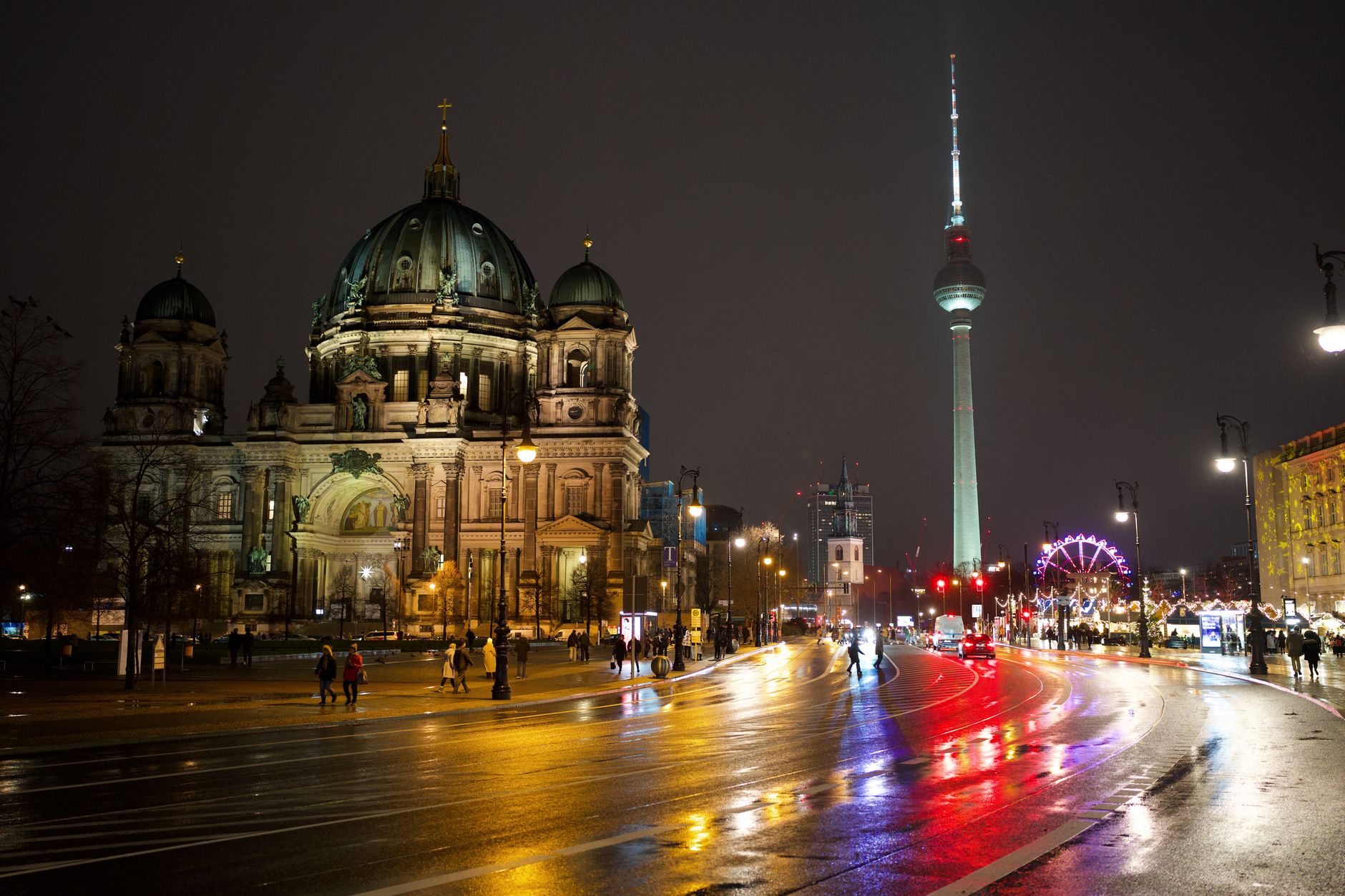
September is one of the most rewarding times to visit Berlin. Summer crowds begin to loosen, the city is still very walkable, and long outdoor stretches feel easier than they do in peak heat. For a first-time visitor, this is a good month to build a Berlin weekend around broad historical areas rather than trying to chase too many separate attractions.
If your trip falls on September 12–13, 2026, you also have a timely bonus: Berlin’s Open Monument Day takes place across that weekend, with architectural, garden, and industrial heritage sites opening to the public, including places that are not usually accessible. The event is free, and official listings are published through Berlin’s monument authorities and city tourism channels. In 2026, it also marks the start of the Berlin Industrial Heritage Festival. For travelers, that makes mid-September an especially good time to see a different side of the city beyond the standard museum list.
This guide is designed for a real long weekend: where to walk, how to group districts logically, when to slow down, and what not to overpack into the day. If you want help navigating on foot between landmarks and smaller places that are easy to miss, Ingry is a useful companion while exploring Berlin.
Why September works so well in Berlin
Berlin is a city that rewards movement. It rarely makes sense to treat it like a checklist of isolated sights. The best trips here connect long avenues, river edges, museum zones, transport hubs, and neighborhood streets into a few strong half-days.
September helps because the pace feels more manageable. You can walk through Mitte without the intensity of midsummer, spend longer outside in Tiergarten or along the Spree, and still mix in major indoor stops. If you visit later in the month, be aware that the BMW Berlin Marathon is scheduled for September 27, 2026, which can affect movement around central streets and public transport near the course. Unless you are coming specifically for the race atmosphere, another September weekend may be easier for a first visit.
Who this weekend plan is best for
This route works especially well for first-time visitors who want a broad understanding of Berlin rather than an overly specialized trip. It suits travelers interested in history, architecture, museums, public space, and neighborhood contrast. It is also good for people who prefer walking-heavy days with sensible transit connections instead of spending too much time crossing the city back and forth.
If your priority is nightlife alone, you will probably want a different plan. Berlin can absolutely be built around late nights, but a short first visit is often more memorable when the daytime structure is strong.
Day 1: Historic Berlin on foot, from Brandenburg Gate to Museum Island
Start with Berlin’s ceremonial center
Begin in the area around Brandenburg Gate and the Straße des 17. Juni axis. This part of the city gives you immediate orientation: grand scale, political symbolism, and easy access to several major directions. From here, walking east lets the city’s historical layers unfold in a way that makes sense even if this is your first morning in Berlin.
Continue toward the Reichstag area, then move through the broad government quarter and on toward Unter den Linden. This is not the most intimate part of Berlin, but it is an important one. The city often reveals itself through contrast, and this formal central spine makes later neighborhood explorations feel clearer and richer.
Use the middle of the day for one major museum area, not three
Museum Island is the obvious next move, but the key is restraint. Do not try to “do” every museum in one afternoon. Pick one or two institutions at most, or simply use the island as an architectural and urban stop. Berlin is more satisfying when you leave room for streets, bridges, courtyards, and pauses rather than treating every day like an indoor endurance test.
This is also a good point in the trip to use Ingry, especially if you want context while walking between major landmarks and smaller historical points that are easy to pass without noticing.
End the afternoon around Hackescher Markt or the Spree
After Museum Island, continue north or northeast rather than doubling back. Hackescher Markt and the surrounding streets make a natural late-afternoon transition out of monumental Berlin and into something denser and more lived-in. If you prefer a quieter finish, stay near the river and keep the evening simple. On a short trip, it is often better to end day one without a complicated cross-city dinner plan.
Day 2: If you are in Berlin for Open Monument Day, build the whole day around it
If your trip falls on September 12 or 13, 2026, this should be your priority day. Open Monument Day in Berlin runs across both days that weekend, and many participating sites are places travelers would not usually think to seek out on a first trip. That is exactly why the event is valuable.
How to approach Open Monument Day intelligently
Do not try to sample too many scattered sites. Instead, choose one part of the city and let the event shape your route there. Berlin is large, and the event covers hundreds of monuments, so a geographically tight plan matters more than a long wish list.
A smart strategy is to choose one of these approaches:
Stay mostly in central Berlin and combine one or two monument visits with a familiar spine such as Unter den Linden, Friedrichswerder, Nikolaiviertel, or the area around Museum Island.
Or choose an industrial or outer-district angle if the official listings show several sites clustered in one direction. In 2026, the heritage weekend also launches the Berlin Industrial Heritage Festival, so this can be a particularly good year to focus on former factories, infrastructure, or transport-related sites rather than only classical monumental architecture.
What makes this weekend different from an ordinary Berlin trip
The appeal is not just free entry. It is access. Many participating places are usually closed or have limited public visibility, which means the day can feel more local and less predictable than a standard first-timer route. It is one of the few moments when Berlin’s built history becomes unusually open and citywide at the same time.
Before you go, check the official monument-day overview and choose sites with realistic travel time between them. Some monuments require guided visits or timed planning, and the detailed program is published in advance through Berlin’s official channels.
Day 3: Kreuzberg, canals, and a softer Berlin finish
Leave the grand center behind
Your final day should not repeat the monumental city center. Berlin makes more sense when you also see how daily life, green space, waterways, and neighborhood streets fit together.
Kreuzberg is a strong choice for this because it gives you a different rhythm: less ceremonial, more layered, and easier to explore without constantly aiming for a single headline attraction. A route around Landwehr Canal, with time to drift through side streets and pause in parks or along the water, creates a much more balanced ending than another museum-heavy schedule.
Keep the route flexible
This is the day to leave some empty space in the plan. Berlin often works best when a neighborhood can breathe a little. If you discover a street, market area, courtyard, or waterside stretch you want to linger in, let that happen. The city is not at its best when every hour is tightly assigned.
If you want a little structure without overplanning, use Ingry to keep your walk coherent and connect places that might otherwise feel unrelated.
How to move around Berlin without wasting time
For a short trip, the best approach is hybrid: walk generously within each district, then use public transport to make bigger jumps. Avoid bouncing between opposite sides of the city just because individual attractions look close on a map. Berlin’s scale is deceptive. A day becomes much easier when each half is concentrated in one broad area.
Think in zones instead of single sights: central ceremonial Berlin, Museum Island and adjacent Mitte, then one neighborhood district such as Kreuzberg. That structure keeps the trip from feeling fragmented.
What to skip on a first September weekend
Skip the temptation to cover every famous district in three days. You do not need to force Charlottenburg, Prenzlauer Berg, Kreuzberg, Friedrichshain, Museum Island, the government quarter, and several major museums into one weekend just to say you saw them.
Also skip long detours for places that only make sense with a very specific interest. Berlin has plenty of worthwhile sites, but not all of them belong in a first short visit. Depth beats coverage here.
When this article is especially useful
This plan is most useful for travelers visiting Berlin in September 2026, especially on the Open Monument Day weekend of September 12–13. It is also a strong framework for any early-autumn weekend when you want a first trip that feels both historical and walkable without turning into a museum marathon.
If you are visiting on the weekend of September 27, 2026, double-check logistics because the Berlin Marathon is scheduled for that Sunday and can reshape movement through central areas. For some visitors that is part of the attraction; for others, it is a reason to choose a different weekend.
Final thought
Berlin rewards travelers who plan with a little discipline and then leave room for atmosphere. In September, that balance is easier to get right. Build your days around a few strong geographical ideas, use the Open Monument weekend if your dates line up, and let the city reveal itself on foot instead of trying to conquer it all at once.
Berlin
September is one of the easiest months to enjoy London well. Summer energy is still there, but the city usually feels more manageable after the main school-holiday rush. Days are still long enough for proper walking, parks are worth your time, and the cultural calendar becomes especially rich, with citywide events such as Totally Thames in September and, on selected dates, the Open House Festival and London Design Festival. If you want a London trip that mixes major sights with neighborhoods that feel lived-in, this is a very good month to go.
This guide is built for a real three-day visit: not a frantic checklist, but a route that makes geographic sense and leaves room for weather, queues, and London’s habit of rewarding people who slow down and walk a little farther.
Why September works so well in London
Visit London describes September as a strong month for city breaks, with major seasonal events including Totally Thames from 1 to 30 September 2026, London Design Festival from 12 to 20 September 2026, and Open House Festival from 12 to 20 September 2026. It also notes that attractions and neighborhoods often feel a bit quieter after the end of the UK school holidays. Average temperatures are typically around 15-20C, which is ideal for long walks if you pack layers and something waterproof. (visitlondon.com)
If your trip falls on 12-20 September 2026, Open House Festival is an especially good angle for first-time visitors. It adds access to buildings and spaces that are not always open in the same way, which means you can combine classic London landmarks with architecture-led stops that make the city feel less predictable. (visitlondon.com)
Who this itinerary is for
This plan suits first-time visitors, return visitors who do not want another rushed “top 10” weekend, and travelers who like moving mostly on foot with short Tube hops. It is also a good fit if you want a trip centered on central London, the Thames, museums, and elegant residential districts rather than a nightlife-heavy break.
Before you go: a few practical London rules
Do not overbook each day. London is large, and even short Tube trips have hidden time costs: station changes, escalators, and platform walks. Transport for London advises checking for planned weekend part-closures before you travel, and it also notes that weekend travel is generally quieter at certain times. In practice, that means your day gets smoother if you group sights by area instead of bouncing across the city. (tfl.gov.uk)
For this itinerary, keep a simple rhythm: one major indoor stop in the morning, one long walking section in the afternoon, and one flexible evening area. That gives you room for a queue, rain shower, or spontaneous detour without collapsing the whole plan.
It also helps to explore with Ingry when you are walking between major sights. London is a city where side streets, churchyards, river views, and small historical details often become the most memorable part of the day.
Day 1: Westminster to the South Bank, with a museum anchor
Morning: start early in Westminster
Begin around Westminster or St James’s rather than arriving in the middle of the day. This is one of the busiest visitor zones in London, and it rewards an early start. Walk through St James’s Park first if the weather is decent, then continue toward Westminster Abbey, Parliament, and the river. Even if you have seen these places in photos many times, the skyline makes more sense when approached on foot from the park rather than from a station exit.
The key here is not to do everything nearby just because it is famous. Skip the temptation to cram in Buckingham Palace, Westminster Abbey, Churchill War Rooms, and the London Eye before lunch unless you have pre-booked specific entries and are comfortable with a packed day. In September, it is smarter to choose one major interior visit and keep the rest as an outdoor route.
Late morning to early afternoon: choose one museum or historic interior
For most travelers, a single substantial visit works best here. If you want history and ceremony, stay around Westminster. If you want art, cross later toward Tate Britain or save your museum energy for the South Bank side. The point is pacing, not quantity.
Afternoon: cross the river and walk east
After lunch, cross Westminster Bridge or one of the nearby bridges and walk along the South Bank toward the Southbank Centre, National Theatre, and beyond. This route works especially well in September because riverside walking is still pleasant, and the broader Thames area becomes more animated during Totally Thames. Visit London lists river-focused events, walks, performances, and installations across the month. (visitlondon.com)
This is one of the best stretches in London for first-time visitors because the city keeps changing shape as you move. Government London gives way to cultural London, then to bridges, towers, and long views eastward. If you still have energy, continue toward Tate Modern and the Millennium Bridge area.
Evening: stay on one side of the river
Do not waste your first evening zigzagging across town for dinner. Stay either on the South Bank side or walk back toward Covent Garden if you want a livelier restaurant zone. September evenings are usually comfortable enough for a slow walk after dinner, and that is often more rewarding than trying to squeeze in one more attraction.
Day 2: Kensington, South Kensington, and Hyde Park
Morning: museums before the midday swell
South Kensington works best when you arrive early and commit to one or two places, not three or four. The museums here can easily consume a full day, and that is exactly why people often leave exhausted. Choose the museum that fits your interests most clearly, then give yourself time to actually see it properly.
The neighborhood logic matters as much as the museum itself. Once you finish, resist jumping straight onto the Tube. Walk instead through Exhibition Road or into Kensington Gardens. This is the easiest way to make a museum day feel like a London day rather than an indoor marathon.
Afternoon: Kensington Gardens and Hyde Park
The Royal Parks note that Hyde Park and Kensington Gardens remain major outdoor spaces for walking, relaxing, and informal events. In summer and early autumn, the parks often host bandstand performances and seasonal programming, which can make this part of the day feel active without becoming overplanned. (royalparks.org.uk)
In practical terms, this is where September really pays off. You can move from museum density into open space within minutes. Walk toward the Serpentine, then continue depending on your energy: east if you want to drift toward Marble Arch and Marylebone later, or south-west if you want a calmer Kensington finish.
If you like using walking guides rather than fixed tours, Ingry is especially useful in this part of London. The big landmarks are obvious, but the value is in understanding what you are passing between them.
What to skip on this day
Skip Harrods unless shopping is genuinely a priority. Many visitors add it because it is nearby, then lose a large chunk of the afternoon in a crowded store they were never that interested in. The same goes for trying to force both Kensington and Camden into one day. They do not belong in the same itinerary unless you enjoy spending a lot of time in transit.
Day 3: The City, the river edge, and Open House Festival options
If your dates match Open House Festival: build the day around it
Open House Festival runs from 12 to 20 September 2026, according to Visit London’s September guide. If you are in London during those dates, this is the moment to swap a generic sightseeing day for something more specific: a building visit, a design-led route, or a rarely open space in the City or another central district. (visitlondon.com)
The smart way to use Open House is not to overcommit. Pick one or two entries in the same area, then connect them with a walking route. The City of London is especially good for this because it layers medieval street patterns, major modern architecture, churches, river access, and strong transport links.
If your dates do not match Open House: do a City-to-river day
Start around St Paul’s or the eastern side of the City, then walk gradually toward the Thames. This gives you a different version of London from Westminster and Kensington: denser, older in street layout, and more dramatic in the contrast between stone churches and glass towers.
From there, choose your direction. If you want classic views, move toward Tower Bridge. If you want a more cultural and less checklist-driven finish, use the river path and bridges to create a final afternoon based on how much walking you still want to do.
Evening: end with a view, not another queue
Your last evening should stay simple. By day three, most visitors are better off with a scenic final walk, riverside dinner, or neighborhood wander than with one more high-demand attraction. London improves when you stop trying to “complete” it.
How to move through London without wasting the trip
Use the Tube for long jumps, but do not use it for every movement. Central London is often more walkable than visitors expect, especially across Westminster, the South Bank, Covent Garden, Soho, South Kensington, and parts of the City. TfL recommends checking service updates and planned closures, which matters most on weekends. (tfl.gov.uk)
A useful rule is this: if two places are in adjacent central neighborhoods, walk unless the weather is terrible or your energy is gone. You will see more, navigate less, and avoid spending the trip underground.
Where September crowds tend to build
Expect the thickest daytime crowds around Westminster, the South Kensington museum cluster, and the South Bank in the middle of the day. Special September programming can also increase footfall around the Thames and around architecture and design festival venues. Visit London specifically highlights September as a month packed with events across the capital, so crowd patterns can vary more than on an ordinary weekend. (visitlondon.com)
In practice, the easiest fix is timing. Start iconic areas early, keep your lunch flexible, and move into parks or secondary neighborhoods once the midday crush peaks.
What to pack for London in September
Layers matter more than heavy clothing. Visit London’s September guide says average temperatures are typically around 15-20C and advises light layers plus waterproof protection. That fits how London usually feels at this time of year: pleasant, but changeable enough that one sudden shower can alter your plans if you are unprepared. (visitlondon.com)
Good shoes matter more than almost anything else. This itinerary works best if you are comfortable walking for long stretches with only occasional Tube use.
A smart September London trip, in one sentence
Base your days around one major area at a time, use the Thames and the parks to connect the city, and let September’s cultural calendar shape the trip without taking it over.
If you want a simple tool for finding your way between landmarks, hidden corners, and walkable routes, Ingry is a useful companion for exploring London without turning the weekend into a race.
London
August in Rome can look intimidating on paper: serious heat, a national holiday in the middle of the month, and a city rhythm that shifts noticeably compared with spring or October. But for many travelers, it is still a very workable time to come. The key is not trying to do Rome the way you would do it in April. In August, good planning matters more than ambition.
If you build your days around early mornings, shaded lunch breaks, and long evening walks, Rome can feel surprisingly generous. Big monuments are still the anchors, but the real pleasure often comes from how you move between them: crossing the Tiber after sunset, pausing in Trastevere when the light softens, or saving museums for the hottest hours. Rome’s official tourism site also notes that on Saturday, August 15, 2026, for Ferragosto, state-run museums, archaeological parks, and civic museums in Rome are scheduled to remain open at their usual rates and hours, subject to each site’s booking rules. The same official August listings also highlight free-entry days on Sunday, August 2, 2026, for many national and Roma Capitale sites, and on Sunday, August 30, 2026, for the Vatican Museums during their monthly free opening. (turismoroma.it)
This is a weekend guide for travelers who want Rome to feel manageable rather than exhausting. It is especially useful if you are coming in August 2026, including the Ferragosto period, and want a realistic route instead of a giant checklist.
Why August in Rome can still work
The usual warning about Rome in August is the heat, and that warning is fair. What matters is how you respond to it. In practical terms, August is a month to start early, slow down in mid-afternoon, and treat evenings as prime sightseeing time. The upside is that the city often feels less businesslike and more spacious in some central streets outside peak monument hours. Summer programming also spreads into open-air film screenings and riverside evening life, with Rome’s official August events page listing several seasonal outdoor events across the city. (turismoroma.it)
Another useful point for 2026: Rome’s official tourism site says Lepanto station on Metro Line A is closed until August 30, 2026, while trains continue to run through without stopping there. If you are staying near Prati or using Line A for Vatican-area plans, that is worth knowing before you map your days. (turismoroma.it)
Who this weekend is best for
This kind of August weekend in Rome suits first-time visitors who want the classic city but do not need to cram in every museum, and repeat visitors who are happy to spend more time outdoors after dark. It is less ideal if your dream trip depends on long midday walks through exposed archaeological sites with no shade.
The best mindset is simple: do the headline places early, use the hottest part of the day for interiors or lunch, and save your prettiest walk for the evening.
A smart 3-day Rome plan for August
Day 1: Ancient Rome before the heat builds
Start with the Colosseum area and the Roman Forum side of the historic center as early as you can manage. This is the day to do your most exposed walking first. Even if you do not enter every major site, the broader area around the Colosseum, the Arch of Constantine, Via dei Fori Imperiali, and Capitoline Hill gives you a strong sense of Rome’s scale.
By late morning, move toward a slower indoor stop or a long lunch rather than forcing more ruins into the hottest hours. After a rest, come back out in the evening for a walk from Piazza Venezia toward the Pantheon and Piazza Navona. This route works especially well after sunset because the distances are short, the atmosphere changes completely, and you are not stuck in one open sunbaked zone.
If you want help understanding what you are looking at while walking, Ingry is useful in Rome because it works well for piecing together landmarks and side streets rather than treating the city like a museum queue.
Day 2: Vatican side in the morning, Trastevere in the evening
Make the Vatican side your early start on day two. Whether you prioritize St. Peter’s area, the surrounding streets of Borgo and Prati, or a museum visit, the logic is the same: do this part before midday crowds and heat combine. If you are using the metro, remember that Lepanto station is officially closed through August 30, 2026, so plan a different stop or expect a longer walk. (turismoroma.it)
In the afternoon, avoid the temptation to power straight into another major monument. Instead, cross the river later in the day and let Trastevere be your evening neighborhood. Come for the walking more than for a rigid attraction list. The side streets, church facades, and gradual shift from quiet afternoon to lively dinner hours are the point.
This is also a good night to walk over Ponte Sisto and continue toward Campo de’ Fiori or back into the historic center. Rome is at its most forgiving in August once the sun drops.
Day 3: Pick one museum or gallery, then end with a hilltop or riverside walk
Your third day should be selective. Do not try to “finish Rome.” Choose one substantial indoor visit or one compact neighborhood plan. In August, one good museum plus one memorable walk is usually better than three rushed sights.
If your weekend includes Ferragosto itself, August 15, 2026, Rome’s official tourism site says state museums, archaeological parks, and civic museums are expected to stay open at standard rates and hours, with some activities and visits continuing across the holiday weekend. That makes Ferragosto a better sightseeing day than many travelers assume, though individual sites may still require booking. (turismoroma.it)
Finish the trip with a panoramic walk rather than one more queue. Even in peak summer, ending on a terrace, a riverside stretch, or a slower pass through the centro storico leaves a stronger memory than chasing one last ticket.
How to handle Ferragosto in Rome
Ferragosto falls on Saturday, August 15 in 2026, and it changes the feel of the city. Some travelers assume this means Rome shuts down completely. That is too simple. Official tourism information for Rome says many museum and archaeological sites remain open for Ferragosto, including both state-run and Roma Capitale sites, following usual opening arrangements and booking rules where required. (turismoroma.it)
What does change is the rhythm. Romans who can leave the city often do, while visitors concentrate around major landmarks and evening events. So the best Ferragosto strategy is to book anything essential ahead, keep midday flexible, and lean into the evening. Think less in terms of “What is open?” and more in terms of “Where will walking feel good after 7 p.m.?”
What to prioritize in August, and what to skip
Prioritize
Prioritize neighborhoods that connect well on foot in the evening: the historic center, the Tiber crossings, Trastevere, and the streets around major piazzas. Prioritize one major archaeological morning, one Vatican-focused morning, and one museum or gallery during the hottest hours. If your dates align, the official August listings also point to free-entry opportunities on the first Sunday of the month and the Vatican Museums’ last-Sunday opening, both of which can matter for budget travelers but may also mean heavier crowds. (turismoroma.it)
Skip or reduce
Skip the idea of stacking the Colosseum, Forum, Palatine, a long cross-center walk, and the Vatican all in one day. In August, that is usually not efficient; it is just punishing. Also skip unnecessary zigzagging across the city in the afternoon. Rome rewards cluster-based planning more than ambitious transit-heavy schedules.
And unless a specific restaurant is the point of your trip, do not spend your best evening standing in a line somewhere you found on a generic list. In summer, your route matters more than your checklist.
Where to base yourself for an August weekend
For a short August stay, centrality matters more than chasing a perfect hotel district label. Staying somewhere that lets you walk back after dinner or after an evening piazza stroll is especially valuable in summer.
The historic center works well if this is your first trip and you want Rome’s classic atmosphere at your doorstep. Trastevere suits travelers who want evenings to feel lively without needing a packed daytime schedule there. Prati can still be a practical base for the Vatican side, but in August 2026 you should note the temporary Lepanto closure on Metro Line A if that station would normally shape your route. (turismoroma.it)
Using the city well instead of rushing it
Rome is one of those places where navigation decisions shape the trip as much as the monuments do. In August especially, it helps to explore with a tool that keeps walking coherent. Ingry can help you connect major landmarks with quieter corners, follow a route without constantly breaking the flow, and make more sense of what is around you when you are moving between headline sights.
That matters because August is not the month to waste energy on avoidable backtracking. If you can keep each half-day in one logical part of Rome, the city feels much easier.
A final word on Rome in August
Rome in August is not the city at its easiest, but it can still be one of the city’s most rewarding short-trip formats if you plan for the season instead of against it. Use the mornings carefully, protect the middle of the day, and give the evenings room to breathe. Around Ferragosto, do not assume everything is closed; official 2026 tourism information suggests many important cultural sites remain open, even if you still need to check the individual booking rules for the places that matter most to you. (turismoroma.it)
If you want your weekend to feel less like a queue-hopping exercise and more like a real city break, Rome in August can absolutely work. Walk early, rest when the city is harsh, and come back out when it becomes beautiful again. And if you want a more intuitive way to explore between the big sights, Ingry is a smart companion for moving through Rome on foot.
Rome
August in Rome can be better than people expect if you plan it around the city’s real rhythm. The heat is serious, the middle of the day can feel slow, and Ferragosto on August 15 changes how locals use the city. But August also brings one real advantage: Rome becomes more atmospheric after sunset, and some neighborhoods feel calmer than they do in peak spring and early summer.
If you are coming for a weekend or a short holiday in August 2026, the smartest approach is not to chase too many landmarks in the hottest hours. Build your days around an early start, a long shaded break, and a second round of exploring in the evening. That is when Rome opens up again.
This guide is especially useful if you want a practical first trip: the historic center, the Vatican side, a classic evening route, and a Ferragosto plan that does not depend on guesswork. To navigate between stops on foot and understand what you are passing, it helps to keep Ingry on your phone for walking routes and quick context as you move through the city.
Why August in Rome works for a short trip
Rome’s official tourism site is already listing city events and museum activity for August 2026, including Ferragosto programming on August 15 and summer evening cultural options across the month. State-run museums and archaeological sites are expected to remain open on Ferragosto at regular admission rates, and some evening experiences continue through the holiday weekend. That makes August a workable time for a short stay, as long as you plan for heat rather than pretending it does not matter.
What changes the trip most is pacing. In August, Rome rewards travelers who walk early, pause in the afternoon, and return outside after dinner. If you try to do the Colosseum, Roman Forum, Vatican Museums, and central squares back to back from noon to 5 pm, the city will wear you down fast.
Who this Rome August guide is best for
This itinerary works best for first-time visitors staying two or three days, especially if you want the big historic sights but still want Rome to feel like a city rather than a checklist. It also suits travelers arriving over the Ferragosto weekend, when it helps to know which kinds of places are most reliable and which parts of the day to leave flexible.
If your priority is maximum museum volume, another season may be easier. If your priority is atmosphere, outdoor walking, long evenings, and seeing Rome in a slightly slower mood, August can be a strong choice.
How to think about Ferragosto in Rome
Ferragosto falls on Saturday, August 15, 2026. Rome’s official tourism listings say state-run museums, archaeological parks, villas, gardens, and other cultural sites will stay open that day at current admission rates. The city is also promoting Ferragosto museum openings and summer programming around that period, including evening experiences such as the Ara Pacis show and the augmented-reality visit at Circus Maximus.
The practical takeaway is simple: do not assume Rome shuts down completely on Ferragosto, but do assume the day has a holiday feel. Some independent businesses may run on altered schedules, and neighborhoods can feel uneven from one street to the next. For a short trip, that means relying on major sights you can verify in advance, keeping meals flexible, and avoiding a schedule that depends on many small timed stops.
A smart 3-day Rome plan for August
Day 1: Ancient Rome early, center of Rome late
Start with your most exposed archaeological area as early as possible. The Colosseum and Roman Forum zone is far more pleasant in the morning than in the middle of the afternoon. After that, move toward the Capitoline Hill area and then into the historic center at a slower pace.
For the hottest part of the day, do less. Pick one shaded church, one indoor museum, or simply a long lunch followed by rest at your hotel. Rome is one of the worst cities to over-schedule in August.
In the evening, walk a classic central route: Piazza Venezia, the Pantheon area, Piazza Navona, and the Trevi side streets. These places are never empty, but after sunset they feel much more forgiving. This is a good moment to use Ingry to follow a coherent walking line instead of zigzagging through crowded lanes without a plan.
Day 2: Vatican side in the morning, Prati and the river later
Put the Vatican side first, not last. Whether your focus is St. Peter’s area, nearby religious sites, or simply the atmosphere around the Borgo and Prati neighborhoods, morning gives you the best chance of cooler walking and clearer energy.
After lunch, step back from the obvious route. Prati works well in August because its grid is easier to walk than the denser lanes of the historic center, and it gives you a breather from constant monument-hopping. Later, head back toward the river for an evening walk. The Tiber edges and bridge views make more sense after the sun drops than they do at 3 pm.
If you are in Rome around Ferragosto weekend, this is also the kind of day where a verified evening cultural add-on can work well. Rome’s official August listings include ongoing summer events and open-air programming across the city, so it is worth checking current listings close to your travel dates rather than locking yourself into assumptions too early.
Day 3: A lighter neighborhood day, not one more marathon
Your last day should not try to compete with the first two. In August, Rome is better when the final day is lighter: Trastevere in the morning before it gets crowded, the Aventine area for a quieter walk, or a museum-and-viewpoint combination rather than another huge archaeological push.
This is also the right day for places that reward wandering more than ticking boxes. Rome has enough major sights that many travelers forget to leave room for streets, courtyards, smaller churches, and good hilltop pauses. A city like this needs one unhurried stretch.
Where to walk when the day gets hot
In August, the best Rome strategy is not just about what to see, but when and where to move. Broad open stone areas feel much hotter than shaded streets. That means the order matters.
Good morning zones: the Colosseum side, Forum approaches, large basilica areas, and longer viewpoint walks.
Better late-afternoon or evening zones: the Pantheon quarter, Piazza Navona area, Trastevere, and river-adjacent walks.
Good midday fallback areas: museums, bigger churches, hotel rest, or a sit-down lunch in a neighborhood you already reached on foot.
What to skip in peak heat: forcing yourself through long exposed queues, crossing the center repeatedly, or hiking from sight to sight just because they look close on a map.
What first-time visitors often get wrong in Rome in August
They underestimate distances between “nearby” sights
Central Rome looks compact online, but the heat changes everything. A route that feels easy in October can feel draining in August.
They treat midday like normal sightseeing time
It is usually the least efficient part of the day. Use it for rest, food, or one indoor stop.
They plan every meal around a fixed address
On a holiday weekend such as Ferragosto, it is smarter to stay adaptable, especially between major sightseeing blocks.
They try to see Rome only through headline attractions
The city is strongest when you combine one or two major sights with neighborhoods and walking logic. That balance matters even more in summer.
What to book ahead for an August weekend in Rome
For a short trip, book your highest-priority major attractions ahead of time and verify official opening information close to your dates, especially around August 15. Rome’s official tourism pages confirm Ferragosto museum openings for 2026, but specific institutions can still have their own operating details, so last-minute checking is worth it.
If you want an evening cultural activity, August is one of the few times when a late slot can genuinely improve the experience. Rome’s official event listings show summer evening programming and exhibitions running through August and into early autumn, so this is a month where a later plan can be smarter than a midday one.
Should you visit Rome in August 2026?
Yes, if you plan for the season honestly. August is not Rome at its easiest, but it can be Rome at its most dramatic in the evenings: warm light on stone, slower post-dinner walks, and a holiday atmosphere that feels different from the busier rush of spring.
Come with a compact plan, protect your mornings, and do not measure the trip by how many ticketed sights you can stack into one day. If you move through Rome well, even a weekend can feel rich rather than rushed. And if you want help making those walking decisions on the ground, Ingry is a useful companion for turning the city into a route instead of a scramble.
In August, that difference matters.
Rome
August is one of the easiest months to enjoy Berlin well. The days are still long, parks and beer gardens are busy, lakes are tempting on warm afternoons, and the city’s cultural calendar stays full deep into late summer. Berlin also spreads out more than many first-time visitors expect, so the real trick is not making a giant checklist. It is choosing a few areas that connect naturally on foot or by short transit hops.
This guide is for travelers planning a real August weekend in Berlin: three days, mostly on foot, with sensible use of U-Bahn and S-Bahn, enough museum time to feel the city’s history, and enough outdoor time to enjoy why summer in Berlin feels different from other European capitals.
Why August works so well for a Berlin trip
Berlin’s official August 2026 event calendars show a packed late-summer season, including major city events such as Tanz im August from August 13 to 29 and the Long Night of Museums on August 29. Berlin’s August listings also confirm that the city stays active across museums, festivals, concerts, and open-air events through the month rather than slowing down after July. (berlin.de)
For most visitors, that means August is best approached as a city of neighborhoods and rhythms. Mornings are ideal for historic areas and museums. Midday works better for leafy streets, shaded courtyards, or time by the water. Evenings are for river walks, outdoor dining, and long stretches of simply seeing where Berlin opens up.
Before you plan the days: a few smart Berlin logistics
1. Keep each day in one broad zone
Berlin is not difficult, but it is large. A plan that mixes Charlottenburg, East Side Gallery, Treptower Park, and Museum Island in one day will feel inefficient fast. Group your sightseeing geographically.
2. Expect different crowd patterns than in compact old-city destinations
Museum Island, Brandenburg Gate, the Reichstag area, and the East Side Gallery draw heavy daytime foot traffic, while parks, canals, and outer neighborhoods often feel much calmer. Berlin rewards leaving the headline sights after you have seen them once.
3. Museums need some day-of-week awareness
The Staatliche Museen zu Berlin notes that many Berlin museums are closed on Monday and/or Tuesday, so do not assume every museum is available every day. If culture is central to your trip, check specific venues before locking in your order. (smb.museum)
4. If you want Museum Island access, choose the right pass
The official Berlin WelcomeCard has different versions, and the Museum Island variant includes free admission to the museums on Museum Island during the ticket’s validity, excluding special exhibitions. That is useful if your Berlin weekend includes several major collections close together. (visitberlin.de)
To keep your route easy while you walk, it helps to use Ingry for orientation, nearby landmarks, and short city context as you move between stops instead of constantly re-planning on the go.
Day 1: Historic Berlin without rushing it
Morning: Museum Island and Unter den Linden
Start in the historic center. Even if you are not doing a museum-heavy trip, this is the best first morning because the area gives you Berlin’s layers quickly: imperial architecture, major museums, the cathedral skyline, broad boulevards, and easy walking in several directions.
A good August approach is to pick just one or two museums rather than trying to conquer the island. You will remember more, move at a better pace, and still have energy for the rest of the day. From there, walk Unter den Linden toward Brandenburg Gate, letting the city open gradually rather than treating each building as a separate stop.
Midday: Pariser Platz to the Reichstag area
Brandenburg Gate is unavoidable, and that is fine. See it, but do not linger too long in the busiest patch unless you have a specific reason. The more enjoyable move is to continue into the broad government quarter, where the scale changes and the city feels more spacious.
If the afternoon is hot, this is a good point to slow down for lunch indoors or in a shaded courtyard rather than forcing another museum immediately.
Late afternoon: Tiergarten
After the formal center, shift into greenery. Tiergarten works best not as a destination with a checklist but as a decompression zone. Walk a manageable section of it, sit for a while, and avoid the temptation to cover the whole park. In August, this break matters. Berlin is more enjoyable when you build pauses into the day.
Evening: Potsdamer Platz or a quieter dinner elsewhere?
Potsdamer Platz is easy to reach from here, but it is not where every visitor needs to spend the evening. If you want convenience, go. If you want a more Berlin-feeling evening, head instead toward a neighborhood street in Mitte, Prenzlauer Berg, or Kreuzberg and settle in there. In Berlin, atmosphere often improves once you step away from the biggest postcard zone.
Day 2: Kreuzberg, canals, and Berlin at street level
Morning: Kreuzberg walking first, museum second
Many first-time visitors over-schedule indoor sights and under-schedule Berlin itself. Kreuzberg is where you correct that. Begin with a walk through the area around Landwehr Canal, then continue through local streets, cafés, and small green pockets. The point is not to tick off attractions. It is to understand how Berlin feels outside the ceremonial center.
August is a strong month for this because the city is outward-facing: people are sitting outside, moving slowly, meeting in parks, and using the canal edges as social space.
Midday: choose one focus
You have two good options here. If you want more history, continue toward Checkpoint Charlie only if it genuinely interests you; otherwise skip it. The area is important historically but can feel underwhelming if you expect depth from the street itself. If you want a more satisfying midday, stay in Kreuzberg or move toward Tempelhofer Feld for open space.
Tempelhofer Feld is one of the clearest examples of Berlin’s scale and personality: less ornamental than a classic capital-city park, more open, breezy, and local in use. If the weather is good, it can be more memorable than another hour indoors.
Afternoon: East Side logic, only if you still have energy
If you want to see the East Side Gallery, pair it with this day rather than with Museum Island. The route makes more sense from Kreuzberg, and the contrast works: canal life, repurposed urban space, then a long surviving stretch of the Wall as public art and memory. Go later in the day if possible, when the light softens and the walk feels less exposed.
While moving between these areas, Ingry is useful for spotting what is around you without turning the day into a rigid attraction march. Berlin often rewards the short detour more than the headline stop.
Evening: stay east or return central?
If you finish near the river in Friedrichshain or Kreuzberg, stay there for dinner. This is one of the easiest mistakes to avoid: do not bounce back to Mitte just because it looks central on the map. Berlin evenings are better when you stay close to where your day naturally ended.
Day 3: A Berlin summer choice — lake day or culture day
The smartest final day in August depends on the weather and your energy level.
Option A: light lake-and-green-space day
If Berlin is warm and you have already done your core sightseeing, use the last day differently. Berlin’s summer culture is tied not only to monuments and museums but also to outdoor escape. A half-day by a lake or in a large green area gives your trip a more complete shape than squeezing in distant attractions just to say you saw them.
Keep this simple. The goal is not to execute a complicated regional excursion. It is to leave room for water, shade, and an unrushed lunch before returning to the city.
Option B: Charlottenburg and west Berlin
If you prefer architecture, boulevards, and museums, spend the final day in the west. Charlottenburg makes a good contrast to the historic center and Kreuzberg: broader avenues, a different pace, and a more classical city feel. This is a better use of time than trying to squeeze west Berlin into the same day as Museum Island.
If you do choose a museum, stick to one main venue and build the day around the neighborhood. Berlin usually works best when one major indoor sight anchors a day rather than dominates it.
If your August weekend matches a special Berlin event
Long Night of Museums: August 29, 2026
If your trip falls on Saturday, August 29, 2026, the Long Night of Museums is worth planning around. Official Berlin sources say 75 museums and 750 events are included, with museums open from 6:00 p.m. to 2:00 a.m. Official ticket information from visitBerlin also notes shuttle buses on four routes connecting many participating museums, alongside regular public transport through the night. (berlin.de)
The practical mistake here is trying to do too much. Pick one cluster, maybe two. Focus on atmosphere, one or two standout museums, and the late-night city mood rather than chasing numbers. This event works best as a curated evening, not a museum marathon.
Tanz im August: August 13–29, 2026
If you are visiting between August 13 and 29, Berlin’s official listings confirm the dates for Tanz im August, a major contemporary dance festival held across the city. That can be a strong anchor for travelers who want one cultural evening built into an otherwise general sightseeing weekend. (berlin.de)
What first-time visitors should skip in August
Trying to “finish” Berlin
You will not. The better goal is to understand three or four parts of it properly.
Overcommitting to midday museum time on the hottest day
Berlin in August is better with a flexible middle section: park, canal, long lunch, or water.
Crossing the city for weak reasons
A minor attraction rarely justifies a 40-minute transfer unless it is personally important to you.
Assuming every famous site needs a long stop
Some of Berlin’s best moments are transitional: a bridge, a canal path, a shaded street, a sudden view through a courtyard, a quiet hour in a park.
A smart Berlin weekend, in one sentence
In August, the best Berlin trip is not a race between landmarks. It is one day for the historic center, one day for neighborhood Berlin, and one day shaped by weather, energy, and whether you want one more museum or one long summer afternoon outdoors.
If you like exploring cities on foot and want help understanding what you are passing, Ingry fits Berlin especially well: the city becomes much more rewarding when you can follow the route naturally and still catch the stories behind the places around you.
Berlin
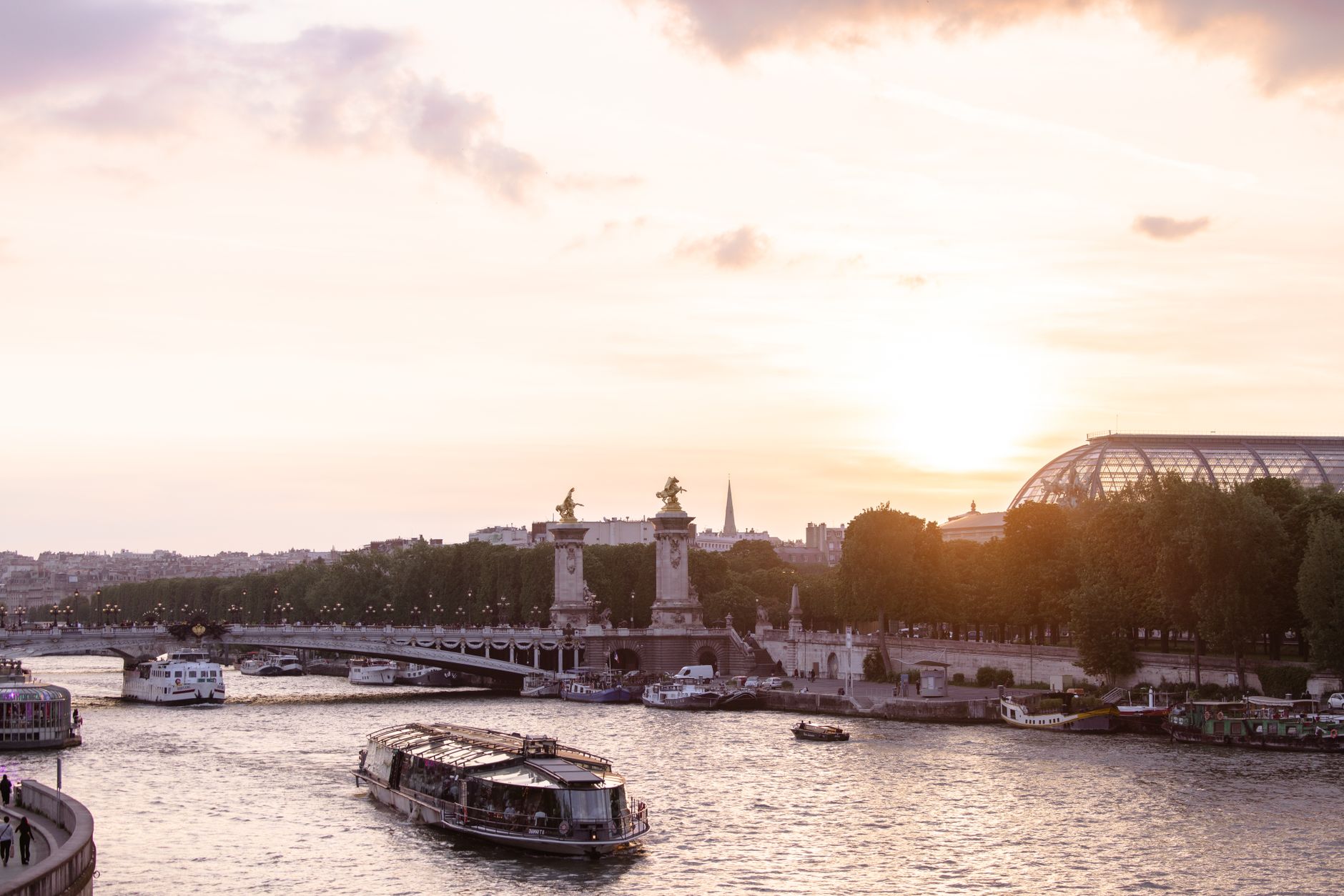
August can be a very good time to visit Paris if you plan your days with the season in mind. The city feels lighter than it does in peak early summer, evenings stay long, and there is usually more reason to be outdoors: along the Seine, in formal gardens, on shaded side streets, and around canal neighborhoods. At the same time, August brings a few practical complications. August 15 is a public holiday in France, and summer transport works can affect some rail routes, including parts of the RER C network in summer 2026. The smartest Paris weekend is the one that stays compact, walks well, and leaves room for heat and crowds.
This guide is for first-time or second-time visitors who want a real Paris weekend rather than a checklist sprint. It focuses on central areas that connect naturally on foot and keeps museum planning realistic. If you like exploring with context while you walk, Ingry is especially useful in Paris for understanding what you are seeing between the major sights, not just at them.
Why August works well for Paris
Paris in August is built around long days and outdoor time. Official Paris tourism listings for August 2026 highlight Paris Plages through the summer, seasonal festivals in parks and open-air venues, and the fact that August 15, Assumption Day, is a public holiday with many museums and cultural sites still open, though it is wise to check each place before you go. (parisjetaime.com)
The key is not to over-schedule the middle of the day. In warm weather, Paris is usually best in waves: an early museum or monument, a slower lunch, a shaded walking stretch, then a second outing in the late afternoon and evening. That rhythm makes more sense than trying to cross the city three times before dinner.
Before you start: three August planning rules
1. Group the city by walking zones
For a short trip, avoid treating Paris as a list of disconnected landmarks. Build each day around one river zone or one neighborhood cluster: the historic center and Right Bank, the Louvre and Left Bank museums, or the Marais to Canal Saint-Martin axis. You will see more and waste less time underground.
2. Check rail disruptions if you planned to rely on the RER C
Summer 2026 brings major transport works on parts of the Île-de-France network. Official transport sources note significant RER C disruption from mid-July into late August, and Île-de-France Mobilités also flags closures affecting RER B and C between July 25 and August 6, 2026. If your hotel or airport plan depends on those lines, verify your route in an official journey planner before the day of travel. (iledefrance-mobilites.fr)
3. Know the museum closure pattern
The Louvre is closed on Tuesdays, while the Musée d'Orsay is closed on Mondays. That single detail shapes a smart weekend more than many visitors expect. The Louvre also stays open on most public holidays unless the holiday falls on a Tuesday, while the Musée d'Orsay lists Monday as its regular closing day. (musee.louvre.fr)
A smart 3-day Paris weekend in August
Day 1: Île de la Cité, the Seine, and the Marais
Start early on the historic core of Paris. Begin around Île de la Cité and walk outward rather than arriving later with the biggest crowds. The point here is not to rush through every monument but to understand the geography: river islands, bridges, quays, and the old street pattern that still shapes central Paris.
From there, cross toward the Marais. This is one of the easiest areas in Paris for a first full day because it rewards wandering. You can look into courtyards, pause in small squares, and shift between older streets and broader boulevards without losing your bearings. It is also a good area for a long lunch because you are not dependent on a single famous address.
In the hotter part of the afternoon, stay flexible. If you want a cultural stop, city museums in Paris generally operate Tuesday to Sunday, and some have longer evening hours on Thursdays for temporary exhibitions. Otherwise, keep the afternoon outdoors but shaded, then return to the river later. (parismusees.paris.fr)
Finish with an evening walk along the Seine. In August, this part of the city often feels better after 6 p.m. than at 2 p.m. If Paris Plages is running during your dates, the riverbanks and waterside zones add an extra summer atmosphere with leisure areas and free activities. (paris.fr)
Day 2: Louvre or Orsay, then the Left Bank at an easy pace
This is your art-and-architecture day, but keep it selective. If it is not Tuesday, the Louvre is the better morning anchor if you want a major first-time Paris museum visit. Go early and accept that you are choosing a few departments or wings, not the whole museum. The Louvre itself notes that some rooms may be periodically closed, which is another reason to plan a focused visit instead of a completionist one. (musee.louvre.fr)
If it is Tuesday, switch to the Musée d'Orsay, which is open Tuesday to Sunday and has Thursday late hours. It pairs naturally with the Left Bank because you can continue on foot toward Saint-Germain-des-Prés or the riverside without a complicated transfer. (musee-orsay.fr)
What to skip? Do not try to combine a major museum, the Eiffel Tower area, Montmartre, and a canal neighborhood in one day. That is how a good Paris day turns into a transport day.
In the late afternoon, linger in the Left Bank rather than chasing another headline sight. Paris works better when you let one district breathe. This is also a good moment to use Ingry while walking, especially in an area where the appeal comes from layers of streets, churches, façades, and literary history rather than one big landmark.
Day 3: A summer neighborhood day from the canal side
For your final day, do something many first-time visitors leave out: spend time away from the monumental center. In August, the Canal Saint-Martin and Bassin de la Villette side of Paris can make more sense than another packed landmark zone, especially if you want a slower final day with space, water, and fewer formal must-sees.
This is also where seasonal Paris feels most obvious. Official summer listings for 2026 highlight Paris Plages around the Bassin de la Villette and Canal Saint-Martin, while L'Été du Canal runs from June 27 to August 9, 2026 with waterside activities and events. Even if you are not building your trip around a specific program, that part of the city tends to suit August well. (parisjetaime.com)
If you prefer a greener version of the same idea, consider the Parc Floral side of the city for summer festival atmosphere; official August listings note seasonal music programming there through early September 2026. (parisjetaime.com)
Use the final evening for one last long walk rather than one last queue. That could mean a return to the Seine, a bridges walk at sunset, or simply dinner in the neighborhood where you spent the day. Paris usually ends best on foot.
If your weekend includes August 15
Assumption Day, August 15, is a public holiday in France. In Paris, that does not mean the city shuts down, but it does change the rhythm. Official tourism guidance for Paris notes that many museums, monuments, and cultural venues remain open on August 15, and the Louvre states it is open on public holidays unless the holiday falls on a Tuesday. Still, holiday weekends can concentrate crowds, so book major museums ahead and confirm the exact venue you care about before heading out. (parisjetaime.com)
On a holiday weekend, the best strategy is to do your reservation-based sight first, then keep the rest of the day flexible and nearby.
What neighborhoods make the most sense for a short August stay
Stay central if this is your first Paris trip
The most efficient first-trip areas are the central districts on either side of the Seine, plus the Marais. You will pay for convenience, but you will save time and energy, which matters more on a 3-day trip than chasing a slightly cheaper room far out.
Choose canal areas if you want a less formal Paris feel
If you have already seen the classic center, the Canal Saint-Martin or northeastern inner neighborhoods make sense in August because they fit the season: evening walks, waterside sitting, and easier pacing.
Be careful with hotel choice if your route depends on one disrupted rail line
Because summer engineering works can affect RER lines, especially in late July and August 2026, do not book based only on a map. Check how you would actually reach your hotel from the station or airport on your exact dates. (iledefrance-mobilites.fr)
What to book ahead, and what not to overbook
Book ahead for one or two anchor sights only: a major museum, a special exhibition, or another high-demand visit. Leave the rest of the trip open enough for weather, fatigue, and spontaneous walking. Overbooking is one of the easiest ways to make Paris feel rushed.
If you are using the city mostly on foot, Ingry is useful between booked sights because Paris rewards understanding the spaces in between: a square behind a church, a passage, a river view, a hidden façade, a street that suddenly explains the neighborhood.
The bottom line
Paris in August is best when you lean into its summer logic: early starts, compact walking zones, one major cultural stop per day, and evenings outdoors. Build your weekend around the river, one museum anchor, and one neighborhood day that is less obvious than the postcard route. You will get a trip that feels more like Paris and less like queue management.
If you want the city to make sense while you are walking it, not only before and after, Paris is an especially good place to explore with context in hand.
Paris
Many first-time visitors build a New York City trip around Midtown, Lower Manhattan, and one big museum day. That makes sense, but it also means a lot of people leave without seeing one of the city’s most rewarding slower areas: the Bronx around the New York Botanical Garden. If you want a weekend plan with space to walk, fewer bottlenecks, and a better balance between city energy and actual breathing room, this is a strong choice.
This guide is for travelers who want a different kind of New York day: gardens, tree-lined paths, a manageable museum add-on if the weather turns, and a route that does not feel like a rushed checklist. It works especially well for late summer and early fall planning, when outdoor time in New York is still valuable but the city center can feel tiring by midday.
Why this is a smart New York City weekend idea
The New York Botanical Garden is in the Bronx, not in Manhattan, which is exactly why it works so well. You get a real change of pace without leaving the city. NYBG’s current 2026 summer season includes Summer of Moomin through September 13, 2026, and the Garden is also presenting Growing America from July 4 through October 18, 2026, so there is a timely reason to plan a visit in the second half of summer and early fall. (nybg.org)
The Garden also runs a Wednesday farmers market from June 3 through October 21, 2026, which can make a midweek trip especially appealing if your New York stay is flexible. (nybg.org)
For travelers who like exploring on foot, this part of the city is easier than it looks on a map. You can treat the Botanical Garden as the anchor for half a day or more, then decide whether to keep the rest of the day local or head back to Manhattan for an evening skyline walk. If you use Ingry, this is the kind of day where it becomes especially useful: you can follow the city at walking pace rather than jumping between disconnected attractions.
Who this plan suits best
This itinerary is a good fit if you are:
Looking for a quieter New York City day after doing Times Square, Lower Manhattan, or the ferry circuit.
Traveling as a couple and want something that feels less hectic.
Visiting with family and want an outdoor anchor that is more relaxed than a full theme-park style day.
In the city for three to four days and want one neighborhood-based plan instead of another cross-town sprint.
If your priority is classic postcard New York from dawn to midnight, keep this for day two or three rather than your arrival day.
How to structure the day
Option 1: A half-day Bronx plan
Arrive at the New York Botanical Garden in the morning and give it real time. This is not a quick photo stop. The grounds are large, and the best version of the visit is unhurried. Regular daytime hours listed on NYBG’s visit information are Tuesday through Sunday, 10 a.m. to 6 p.m. (nybg.org)
Morning is usually the easiest time to settle into the place before your energy drops and before the city feels heavy. In warm weather, that matters. If you are traveling in August or early September, an earlier start also makes the outdoor sections much more pleasant.
After the garden, either stay in the Bronx for lunch and a short walk nearby, or head straight back downtown for a very different evening atmosphere.
Option 2: A full Saturday with a Manhattan finish
Start with NYBG, spend most of the day outdoors, then return to Manhattan for dinner and one simple evening walk rather than another museum. This is the smarter pairing because the contrast is the point: quiet greenery first, then city lights later. Try to avoid squeezing in too many indoor stops between them.
On a two- or three-day trip, this kind of pacing prevents the common New York mistake of doing too much before 3 p.m. and not enjoying anything after that.
What to focus on inside the New York Botanical Garden
Do not try to see every corner with equal intensity. A better approach is to pick a few strong segments and let the rest be connective scenery.
If you are visiting before mid-September 2026, Summer of Moomin gives the Garden a seasonal frame and is centered in the Everett Children’s Adventure Garden. It is especially helpful for families, but even adults without kids may appreciate that it gives the visit a clear mood rather than making it feel like a purely botanical stop. (nybg.org)
Growing America runs through October 18, 2026, and adds a historical angle tied to plants, food, and American history. That makes NYBG a stronger early-fall choice than many visitors realize. (nybg.org)
If you are going on a Wednesday, the farmers market can be a practical bonus rather than a headline event. It is useful if you want a lighter, more local-feeling lunch setup instead of planning a formal meal immediately after. (nybg.org)
Use Ingry before or after the garden portion to keep the rest of your New York City route coherent. That matters in NYC more than people expect: the best days here usually have a walking logic, not just a list of famous names.
What not to do
Do not combine the Bronx Botanical Garden with a packed Lower Manhattan morning. The city is too spread out for that to feel pleasant.
Do not plan this as a rushed add-on after a late brunch in Midtown.
Do not assume this is only for plant enthusiasts. The appeal is the reset: broad grounds, seasonal programming, and a part of New York that feels less compressed.
And unless you are highly motivated, skip trying to pair this with another major attraction in a different borough before dinner. The quality of the day comes from staying focused.
Best travelers for this route by season
Late July and August
This is a good option if you want to escape the hottest, most crowded parts of Manhattan for a few hours. Start early, keep the afternoon flexible, and leave room for a slower lunch. Summer of Moomin is running through September 13, 2026, which gives families and repeat visitors a specific seasonal reason to go now. (nybg.org)
September and early October
This may be the sweet spot. You still get outdoor time, but the day often feels easier to pace than peak summer. Growing America continues through October 18, 2026, and the Wednesday farmers market also continues into October. (nybg.org)
Rainy-day backup
If the weather shifts and you want to salvage the day without forcing another long outdoor plan, return to Manhattan and use a museum as your second act rather than your first. MoMA is open and currently lists daily hours around 10:30 a.m. to 5:30 p.m., making it a practical fallback if you need an indoor finish. (moma.org)
How to fit this into a 3-day New York City trip
A smart three-day structure could look like this:
Day 1: Classic Manhattan and Midtown essentials.
Day 2: Lower Manhattan, harbor views, or a ferry-based morning.
Day 3: Bronx Botanical Garden and a calmer neighborhood-based day.
This sequencing works because by day three, most visitors are ready for fewer queues, fewer security lines, and a more walkable rhythm. New York feels better when every day is not trying to be the biggest day.
Where Ingry fits naturally
New York is one of those cities where navigation is not the hard part; choosing what is worth your energy is the hard part. That is where Ingry fits naturally into this kind of itinerary. It helps you move through the city with more context and less random backtracking, which is especially useful when you are building a day outside the standard first-timer loop.
Final take
If you are planning a New York City weekend and want one day that feels lighter, greener, and less obvious than another Midtown-to-SoHo sprint, build it around the New York Botanical Garden. It is practical, seasonal, and different enough to make your trip feel broader without becoming complicated.
For travelers who already know they want landmarks, skyline views, and one museum, this is the day that adds balance. And in New York, balance is often what turns a packed trip into a memorable one.
New York City
London’s summer bank holiday weekend falls on Monday, 31 August 2026, with citywide events and heavier visitor numbers running across 29 to 31 August. It is one of the busiest summer weekends in the capital, so the smartest plan is not to chase everything. Instead, build your days around one or two major areas at a time, move mostly on foot once you arrive, and leave room for the city’s best summer asset: long, easy evenings.
This guide is for first-time visitors who want a real London weekend rather than a box-ticking sprint. It focuses on classic central walks, river views, neighborhood time, and a sensible way to handle the crowds that gather around major bank holiday events. If you want help navigating on foot between landmarks and spotting places you might otherwise miss, Ingry is especially useful in London, where short walks often reveal more than another Tube ride.
Why this weekend needs a different strategy
The August bank holiday is a genuine long weekend in England and Wales, and in 2026 the public holiday is Monday, 31 August. Visit London lists the August bank holiday weekend from 28 to 31 August 2026 and highlights major city events during those dates, including the Notting Hill Carnival and other large outdoor happenings. That means busier public transport, more packed central areas, and slower movement around famous spots. (gov.uk)
The good news is that London is still easy to enjoy if you think in clusters. Westminster and the South Bank work well together. Covent Garden, Soho, and the Strand fit naturally into another half-day. Kensington, Hyde Park, and nearby museums make sense as a separate block. What usually goes wrong is crossing the city too many times.
Who this itinerary is best for
This plan suits travelers who have three days, want to see major London highlights, and prefer a balance of famous places and relaxed walking. It is not designed for travelers whose main goal is standing for hours at a single event, nor for anyone trying to do every museum in one trip.
If your priority is carnival weekend specifically, build around that and keep the rest of London lighter. If your priority is classic sightseeing, it is wiser to avoid weaving in and out of west London at peak event times and keep your route compact.
Day 1: Westminster to the South Bank for a strong first impression
Start early in Westminster
Begin in Westminster before the streets fully fill up. This is the best time to see the area around Big Ben, the Houses of Parliament, and Westminster Abbey from the outside without the full midday crush. From there, walk through St James’s Park if you want greenery and a softer approach into central London rather than jumping straight onto the Tube.
The logic here is simple: Westminster gets crowded every day, but on a bank holiday weekend it becomes tiring by late morning. Go first, take the photos early, and then keep moving.
Cross the river instead of backtracking
From Westminster Bridge, continue east along the South Bank. This stretch gives you some of London’s most rewarding urban walking: river views, constant landmarks, street activity, and plenty of places to pause without committing to a formal attraction. You can pace this section according to your energy, stopping around the London Eye area, the Southbank Centre, or farther toward Shakespeare’s Globe and Tate Modern.
This is also a good day to use Ingry while walking. Central London can feel obvious at first glance, but many of the memorable details are the smaller buildings, riverfront layers, and side-street viewpoints between the headline sights.
What to skip on day 1
Skip the temptation to cross back and forth between both sides of the river too often. London looks compact on a map, but weekend crowds and stop-start movement can drain time quickly. Pick your crossings carefully and keep the day linear.
Evening plan
Stay out for the evening if the weather is pleasant. Late August still gives London a strong outdoor mood, and riverside areas often feel better after daytime sightseeing pressure eases. A simple dinner and a final walk near Waterloo, the South Bank, or the Strand is often more satisfying than trying to squeeze in one more major attraction.
Day 2: Choose between carnival energy or a classic museum-and-park day
Option A: Lean into the bank holiday atmosphere
Visit London identifies Notting Hill Carnival as one of the major draws of the 2026 August bank holiday weekend. If that is your main reason for coming, make it the focus of your day and accept that the surrounding area will move slowly. Wear comfortable shoes, keep your route simple, and do not stack tightly timed reservations before or after. (visitlondon.com)
On a day like this, less is more. See one more calm area either before or after, but do not expect a full classic sightseeing itinerary on top of a major street event.
Option B: Go east or central while west London is busier
If you would rather avoid the biggest crowds, use this day for a more classic London plan away from the heaviest festival flow. Good combinations include Covent Garden with the Strand and Somerset House area, or the City with a Thames walk. Another strong option is South Kensington plus Hyde Park if you want a museum-and-green-space balance.
The trick is not choosing secret places. It is choosing places that remain enjoyable even when London is busy. Parks, broad walking routes, and neighborhoods with many side streets generally work better than narrow pinch points and queue-heavy attractions.
How to pace museums on a summer weekend
Do one museum well instead of rushing through three. London rewards selective days. A single museum visit plus a park walk and an unstructured neighborhood wander usually makes for a better memory than constant transport changes.
Day 3: A neighborhood day with room for markets, canals, or a final skyline walk
Keep the last day lighter
By the third day, many travelers try to squeeze in every missed landmark. Usually that backfires. A better last day is neighborhood-based: Marylebone, Bloomsbury, Greenwich, or Regent’s Canal depending on where you are staying and what you missed earlier.
If this is your departure day, choose an area where walking is pleasant even if you only have half a day. Bloomsbury works well for literary London and garden squares. Marylebone is good for elegant streets and a calmer central feel. Greenwich suits travelers who want a stronger sense of place and riverside space rather than another packed central loop.
Use walking to understand London properly
London is not a city best understood by jumping from one photo point to the next. It makes more sense when you see how districts connect. That is why a walking-focused tool like Ingry fits this kind of trip so well: it helps turn transfers into discoveries instead of dead time.
Where to stay for this weekend
For a first trip over a busy long weekend, centrality matters more than chasing a fashionable postcode. Areas with strong practical value include Westminster, South Bank, Covent Garden, Bloomsbury, and parts of Kensington. The goal is not just prestige. It is reducing the number of transport decisions you need to make when London is crowded.
If your main interest is carnival weekend, staying in west or central London can save time, but book with realistic expectations about busier streets and transport changes nearby.
Getting around: what matters most
Transport for London advises travelers to check planned closures, service changes, and major events before traveling, especially on weekends when engineering works can affect Tube and rail routes. TfL also publishes planned line closures and warns that special events can affect transport across the city. (tfl.gov.uk)
For this particular period, TfL’s published closures information shows that parts of the network can be affected over summer weekends, so do not build an itinerary that depends on one exact line working perfectly late at night or after a long event day. (content.tfl.gov.uk)
The practical rule is simple: use the Tube to make one decisive move, then walk. London sightseeing gets easier when each day has a geographic spine instead of constant hopping.
What first-time visitors often get wrong
Trying to do Buckingham Palace, Tower Bridge, Camden, Notting Hill, and Greenwich in one day
That is not efficient London planning. It is map anxiety. Group your day by adjacent areas instead.
Assuming every famous area is best at midday
In fact, many central areas are nicest early or later in the evening, when the city feels less jammed and more legible.
Underestimating how tiring crowds can be
The August bank holiday is festive, but it can also be physically draining. Build in park time, sit-down breaks, and one slower meal each day.
A smart 3-day summary
For most visitors, the strongest August bank holiday plan looks like this:
Day 1: Westminster, St James’s Park, and a long South Bank walk.
Day 2: Either commit to carnival atmosphere or deliberately avoid the biggest event zones and choose museums, parks, and central neighborhoods.
Day 3: Finish with one neighborhood you can enjoy at walking pace, rather than cramming in a final checklist.
That kind of structure gives you a London weekend that still feels spacious, even on one of the city’s busiest summer breaks.
Final thought
London during the August bank holiday is not the weekend for perfectionism. It is the weekend for good sequencing, early starts, and leaving room for surprise. If you plan by neighborhood, walk more than you think, and avoid unnecessary zigzags, you will see far more of the city than travelers who spend the whole weekend chasing the next headline sight.
London
If you are planning a September trip to Paris, one weekend stands out for curious travelers: Journées Européennes du Patrimoine, the annual Heritage Days when many historic buildings, civic spaces, and cultural sites open to the public, including places that are not usually easy to visit. In 2026, the event takes place on Saturday, September 19, and Sunday, September 20, with programming across Paris and many activities requiring advance reservation.
For visitors, this is not the weekend to race across the city trying to tick off famous names. It works best when you treat Paris as a set of walkable clusters, build each day around one side of the river, and leave room for queues, security checks, and last-minute changes. The reward is a version of Paris that feels more layered than a standard museum weekend.
As you move between stops, Ingry is a useful companion for understanding what you are passing on foot, especially in central neighborhoods where important landmarks sit only a few streets apart.
Why this weekend is worth planning around
The 43rd edition of Journées Européennes du Patrimoine is scheduled for September 19-20, 2026. The City of Paris describes the weekend as a chance to discover the city’s heritage through visits to religious buildings, restoration projects, historic buildings, and commemorative sites, with additional talks, demonstrations, and activities. The national event theme for 2026 is centered on photographic heritage and endangered heritage.
That matters for travelers because Paris can feel unusually open on this weekend. Instead of seeing only the headline attractions, you can step into institutional buildings, lesser-known cultural spaces, and special-access sites that normally stay off a typical tourist itinerary. It is one of the best ways to experience the city beyond the standard Louvre-Eiffel-Saint-Germain triangle.
Who this weekend suits best
This is a very good Paris weekend for first-time visitors who have already accepted one simple fact: you will not do everything. Heritage Weekend rewards travelers who like walking, architecture, urban history, and discovering neighborhoods through the spaces inside them, not just the postcard views outside.
If your main goal is to see only the biggest permanent attractions, another weekend may be smoother. Some places will be busier than usual, and your day can become frustrating if you build it around long-distance zigzags across town. Think of this trip as a smarter cultural weekend, not a checklist sprint.
How to plan the days without wasting time
1. Build around geography, not prestige
Central Paris looks compact on a map, but queues and crossings eat time fast. The smartest approach is to keep one day largely on the Right Bank and one day largely on the Left Bank, or to choose one central island-and-river corridor and stay near it.
2. Prioritize places that are rarely accessible
If a site is open year-round, it should not be your first Heritage Weekend choice. Use this weekend for buildings or visits that feel genuinely special, then fill the rest of the day with outdoor Paris that is always there: bridges, squares, covered passages, gardens, and river walks.
3. Expect reservations and check details early
The official City of Paris page notes that some visits are free but reservation-only, and that more details are released progressively. That means you should not assume a place is open for casual entry just because it appears in event listings.
4. Start early, then slow down after lunch
The best rhythm is one priority visit in the morning, one secondary stop before lunch, then a neighborhood-based afternoon on foot. After midday, lines usually feel longer and decision-making gets worse.
A smart 2-day Paris Heritage Weekend route
Day 1: Right Bank civic Paris and the historic center
Start near the Hôtel de Ville area, since the official city programming highlights activity around the City of Paris heritage weekend and this zone places you close to several useful walking directions. Even if your reserved visit is elsewhere, the central location helps you adapt.
From there, walk through the Marais rather than taking the Metro immediately. The Marais works especially well on this kind of weekend because it combines architectural interest, small streets, churches, courtyards, and easy food options. If a queue is too long at one stop, the neighborhood itself still gives you a rich day.
After lunch, continue toward the Seine and the islands or drift west through the historic center depending on what reservations you secured. The key is not to over-program the afternoon. Heritage Weekend is much better when you leave room for one spontaneous discovery.
This is also a good day to use Ingry while walking. In the oldest parts of Paris, context changes block by block, and a route that looks short on a map often becomes more interesting when you understand the buildings and street patterns around you.
Day 2: Left Bank institutions, churches, and quieter stretches
Use your second day for the Left Bank, where the pace can feel more coherent if you pair one booked heritage visit with a long walking line through the 5th, 6th, or 7th arrondissement. This side of Paris suits travelers who want a calmer day after the heavier crowds of central Saturday.
A practical pattern is: one morning visit, lunch nearby, then an afternoon that mixes major streets with quieter detours. The 5th arrondissement gives you layers of old Paris and a strong sense of academic and religious history. The 7th can work well if you want grander civic Paris and broader avenues, but it can also feel more spread out, so plan fewer indoor stops.
If you find yourself tired by late afternoon, skip another interior visit and finish with a river walk instead. On a packed weekend in Paris, that is often the better choice.
Best neighborhoods for this kind of trip
Le Marais
One of the easiest areas for a heritage-focused weekend because it is dense, walkable, and rewarding even when plans shift. Good for travelers who want old streets, architectural detail, and flexible pacing.
The islands and central Seine
Ideal for first-time visitors who still want that classic Paris feeling while staying close to historic institutions. Best approached on foot, with patience.
The Latin Quarter and 5th arrondissement
A strong choice for visitors who prefer layered history over shopping-heavy areas. It is well suited to a slower second day.
The 7th arrondissement
Worth considering if your reservation is in that direction, but do not try to combine it with too many far-apart stops. Distances feel bigger here.
What to skip
Skip the temptation to cross Paris for a single maybe-interesting opening. Unless it is your top priority and you have confirmed access, the travel time usually is not worth it.
Skip overloading the weekend with famous museums that you could visit on any trip. Paris has excellent museum programming in September and autumn, but Heritage Weekend is most valuable when you focus on access and atmosphere rather than default big-ticket names.
Also skip the idea of doing three major queue-heavy places in one day. Two is plenty. One can be enough.
What September in Paris is like for walking
September is one of the best months for structuring Paris around long walks and cultural stops. The city’s official tourism coverage presents September as the start of the new cultural season, with new exhibitions and a fuller events calendar returning after summer. For travelers, that usually means a lively city without the particular feel of peak holiday-season Paris.
That said, a good September plan still needs pacing. Streets around major institutions can be crowded, and special weekend openings can produce uneven lines from one arrondissement to the next. Wear shoes meant for several hours on stone and pavement, and keep your route flexible.
Practical tips for a smooth weekend
Book any reservation-only visit as early as possible and screenshot confirmations.
Keep each half-day in one compact zone.
Use the Metro only for strategic jumps, not for every move.
Have one indoor backup and one outdoor backup in the same neighborhood.
Eat earlier than the biggest lunch rush if you have a timed afternoon visit.
Do not count on spontaneous entry everywhere, even for free sites.
If you are exploring between stops, Ingry can help turn transfer time into part of the trip rather than dead time, especially when you are navigating on foot through central Paris.
If you only have one day
Choose one reserved heritage visit in the morning and one highly walkable district around it. For most first-time visitors, that means either the Hôtel de Ville-Marais area or the Latin Quarter. Add lunch, one church or civic stop if the line is reasonable, and end with a Seine walk. That is a satisfying Paris day. Trying to do much more usually weakens the experience.
Final thought
There are many ways to spend a weekend in Paris, but Heritage Weekend gives you something rarer than a standard sightseeing plan: access, texture, and a strong reason to look beyond the usual shortlist. If you plan by neighborhood, reserve early, and keep your days walkable, September 19-20, 2026 can be one of the most rewarding cultural weekends of the year in Paris.
Paris
August in Rome asks for a different rhythm. This is not the month to cram six major sights into the middle of the afternoon and hope for the best. The city can still be wonderful in high summer, but the smart version of Rome in August is built around early entries, long midday breaks, shaded routes, and evening hours when stone streets finally start to cool.
If you are planning a short trip, this guide gives you a realistic way to spend three days in Rome without turning the weekend into a queue-hopping marathon. It is designed for first-time visitors who want the major landmarks, but also want to move through the city in a way that makes sense on foot.
One more practical point matters in summer 2026: Rome is still seeing the effects of the Jubilee year, especially around St. Peter’s and the main basilicas, so religious areas can feel busier than a typical August even when other parts of the city seem slower. The Vatican Museums are open Monday to Saturday, but they are closed on 14 and 15 August, and the Colosseum requires a timed reservation, with ticket sales opening 30 days before the visit date. Ingry is especially useful here because Rome makes more sense when you can walk with a route in mind instead of zigzagging in the heat from one famous name to the next.
Why Rome in August still works
Many travelers hesitate over Rome in August because of the heat, the holiday atmosphere around Ferragosto, and the fear that the city will feel shut down. Some smaller local businesses do reduce hours or close for part of the month, but Rome’s major sights remain very much part of the travel season. The key is to treat August as an early-morning and late-evening city.
The best August plan is usually simple: one major sight in the morning, a long lunch or indoor museum window in the hottest part of the day, then a neighborhood walk after 6 p.m. That pacing works far better than trying to do the Colosseum, Forum, Pantheon, Trevi Fountain, Spanish Steps, and the Vatican all in one sweep.
What to book before you go
For a smooth August weekend in Rome, book the Colosseum first and build one day around that slot. Official timed entry is required for the Colosseum, and summer tickets are released 30 days ahead. If the Vatican Museums are part of your plan, reserve those as well rather than assuming you can improvise on the day. The museums are closed on 14 and 15 August, which is especially important if your trip overlaps Ferragosto week.
If you want one art museum beyond the headline ancient sites, Galleria Borghese is one of the best choices for a short trip, but it also works on reserved time slots and standard visits last two hours. In August, that controlled timing is actually helpful: it keeps the day structured and prevents museum fatigue.
Day 1: Colosseum morning, Forum views, and an evening in Monti
Start early at the Colosseum
Make your first morning the archaeology day. In late July and through September 2026, the Colosseum opens at 8:30 a.m., while the Roman Forum-Palatine area opens at 9:00 a.m. The first advantage of an early slot is obvious: lower temperatures. The second is that this area has very little mercy in direct sun once the day gets going.
Do not try to pair this with another major ticketed sight before lunch. The Colosseum, Forum, and Palatine are enough for one concentrated morning, especially in August. Wear proper shoes, carry water, and accept that this is a physically demanding part of Rome even when distances on the map look short.
Midday: do less, not more
After the Forum, resist the urge to continue straight toward Trevi or the Spanish Steps in full afternoon heat. This is the right point for a long lunch and a break. If your hotel is central, go back and rest. If not, settle into the Monti area or near Via Cavour, where you can pause without adding much transit friction to the day.
This is also where Ingry helps: Rome rewards wandering, but only when wandering has some structure. A guided walking route is much more pleasant than improvising in peak heat and ending up on long exposed streets for no reason.
Evening: Monti and the Capitoline side of the center
In the evening, head back out when the light softens. Monti is a good first-night neighborhood because it keeps you close to major monuments without forcing a formal sightseeing program. From there, you can walk toward Piazza Venezia, the Capitoline Hill area, and the edge of the Imperial Fora. These zones feel better after sunset than they do at 2 p.m., and the monumental scale of ancient Rome is easier to enjoy when you are not rushing from shade patch to shade patch.
If you still want one classic Rome moment, save the Trevi Fountain for late evening rather than midday. It will not be empty, but it is often easier to enjoy after dinner than at peak afternoon tourist flow.
Day 2: Vatican morning or basilica route, then a west-of-the-river evening
If the Vatican Museums matter to you, do them first thing
If seeing the Vatican Museums and Sistine Chapel is a priority, give them their own morning. The official opening schedule for 2026 lists Monday to Saturday opening, with closure on 14 and 15 August. Summer demand stays high, and this is not a place to show up casually and hope for a quick entry.
Be realistic about energy. The Vatican Museums can be magnificent, but they are also dense, crowded, and mentally tiring in high season. Pairing them with St. Peter’s Basilica and Castel Sant’Angelo on the same day is possible, but only if you are comfortable with a very full schedule and lots of standing. For most travelers, it is smarter to choose one major indoor sight and one lighter neighborhood walk.
Alternative for a lighter day: St. Peter’s area without the museum marathon
If you would rather keep the day less intense, focus on the St. Peter’s area and nearby riverside walks instead of adding a major museum. Because of ongoing Jubilee-related pilgrimage traffic, the basilica zone can be especially busy, so arrive early and expect security lines. That does not make it unworkable; it just means this is not the place to begin lazily at 11 a.m.
From there, cross toward Castel Sant’Angelo and continue along the river or into Borgo and Prati. Prati is useful for travelers because it gives you a cleaner, calmer urban texture after the monument-heavy center. It is a good place for lunch, a slower walk, and a slightly more local-feeling evening without going far from headline Rome.
Evening: Trastevere, but go for the atmosphere, not a checklist
Spend your second evening in Trastevere, but do not overprogram it. The area works best as a place to drift through small streets, sit down for dinner, and let the city feel social rather than monumental. If you try to turn Trastevere into a speed-run of landmarks, you miss the point.
The most useful approach is to enter from the river side, walk inward, and accept that some of the busiest lanes will be crowded. That is normal. What you are after here is the evening texture of Rome: voices in piazzas, open church doors, warm light on old facades, and a city that becomes easier to love once the daytime intensity drops.
Day 3: Borghese balance, shaded green space, and a graceful last night
Pick art and trees over one more ruin
By day three, many visitors make the mistake of booking another heavy archaeology block. A better August choice is Villa Borghese and, if you can get a reservation, Galleria Borghese. The museum is open Tuesday to Sunday from 9:00 a.m. to 7:00 p.m., with the last regular entry at 5:45 p.m., and visits run in timed sessions. That structure is ideal for a short trip because it keeps the morning focused.
After the museum, stay in the park instead of racing elsewhere. Villa Borghese gives you something August travelers badly need in Rome: breathing room. Trees, wider paths, and a little distance from the most intense stone-and-crowd environment can make the final day feel much better.
Afternoon options that actually make sense
If you still want a classic central walk, move downhill gradually toward Piazza del Popolo and then choose one corridor: either the Spanish Steps direction or the Via del Corso side streets. Do not try to collect every famous square before departure. In Rome, overfilling the last afternoon usually makes the city feel harder than it is.
If you are the type of traveler who enjoys understanding what you are seeing while walking, Ingry is a good companion for this final stretch. Rome is full of places that look impressive but become memorable only once their layers are explained properly.
Last evening: choose one beautiful route and finish there
Your last evening should be simple. One of the best options is a walk from Piazza del Popolo toward the Spanish Steps area and then onward through the historic center, stopping where the atmosphere feels right rather than forcing a final attraction list. Another good option is an evening return to the Pantheon side of the center, when the streets feel less frantic than they do during the daytime rush.
The mistake to avoid is crossing the whole city for one last famous photo. In August, good Rome evenings are about pace, not mileage.
How to move through Rome in August
For a short trip, central Rome works best when you combine walking with selective use of taxis or public transport rather than treating every movement as a walkable challenge. The historic center looks compact on a map, but cobbles, heat, crowds, and indirect street patterns add up quickly.
A useful rule is this: walk inside one zone, but do not insist on walking between every zone at the hottest hour. Colosseum to Monti is fine. Prati to St. Peter’s is fine. A long midday cross-city march just to avoid a short ride is usually false economy in August.
What to skip on a 3-day Rome trip
Skip the urge to “do all of ancient Rome” and “do all of Vatican Rome” in one weekend. Skip midday line-based sightseeing when you have not booked ahead. Skip crossing the river repeatedly without a reason. And skip the fantasy that August is the month for a hyper-efficient attraction checklist.
Rome is more satisfying when each day has a center of gravity: archaeology, Vatican-west side, or park-and-art. Build around that, and the city starts to feel coherent.
Is August a good time to visit Rome?
Yes, if you plan for the season rather than against it. August in Rome is not the easiest version of the city, but it can still be an excellent one for travelers who like long evenings, slower pacing, and a clear route through the major sights. Early starts matter. Reservations matter. So does the willingness to rest in the middle of the day instead of treating that as wasted time.
If you approach Rome in August with that mindset, three days are enough for a memorable first trip: one morning for the ancient city, one for the Vatican side, one for art and green space, and several evenings when Rome feels at its most generous.
Rome
September is one of the easiest months for a first trip to New York City. Summer crowds have not disappeared, but the city usually feels more manageable than in the peak holiday season, and the rhythm of the days suits travelers who want to walk a lot, see major sights, and still leave room for neighborhoods that feel lived-in rather than staged for tourists.
This guide is built for a real three-day visit: a long weekend, a Friday-to-Sunday city break, or the first half of a longer stay. Instead of trying to fit in everything, it groups the city in a way that makes sense on foot and by subway. You will spend one day in Lower Manhattan, one day around Central Park and major museums, and one day downtown and across the East River.
If you like exploring with context rather than just pinning locations on a map, Ingry is especially useful in New York City. It helps you understand what you are looking at while you walk, which matters in a city where the difference between a quick photo stop and a memorable place is often the story behind it.
Why September works so well in New York City
September is a strong month for travelers because the city is still fully active, parks are pleasant for long walks, and you can combine indoor and outdoor plans without building the whole trip around heat or winter weather. It is also a good time to use early mornings and late afternoons well: the middle of the day can go to a museum, while mornings and evenings are ideal for neighborhood walks, river views, and park time.
If your trip falls around Labor Day weekend, remember that Labor Day in the United States is the first Monday in September, so in 2026 it falls on September 7. That can mean busier parks, major attractions, and waterfront areas, especially on the Sunday and Monday of the holiday weekend. If your dates are flexible, the following two weekends are often easier for a first visit.
How to organize your 3 days
The main mistake first-time visitors make in New York is crossing the city too many times in one day. Manhattan looks compact on a map, but museum time, ferry lines, and neighborhood walking add up fast. A better plan is to give each day one core zone and one backup option.
Day 1: Lower Manhattan, the harbor, and the Brooklyn Bridge area
Start downtown, when the Financial District and the harbor feel calmer than they do later in the day. If the Statue of Liberty and Ellis Island matter to you, put them first. The National Park Service says access to Liberty and Ellis Islands is by Statue City Cruises ferry only, and it strongly recommends buying in advance. Ferries depart from The Battery in Manhattan or Liberty State Park in New Jersey. If you want pedestal or crown access, that needs to be secured well ahead of time.
If you are not doing the islands, keep the morning in Lower Manhattan anyway. Walk through the streets around Wall Street, then continue toward Trinity Church, the Canyon of Heroes stretch on Broadway, and the waterfront. This part of the city is one of the best places to understand how old and new New York sit on top of each other.
Late morning or lunch is a good time for the 9/11 Memorial area, the Oculus exterior, or a harbor-side pause before heading north on foot. In the afternoon, cross the Brooklyn Bridge from Manhattan to Brooklyn rather than the other way around. The skyline opens gradually in that direction, and the route feels more dramatic for first-time visitors.
Once in Brooklyn, do not overcomplicate the evening. DUMBO and Brooklyn Bridge Park are enough for one visit, especially if you want classic skyline views without racing to another borough. If you still have energy, stay through dusk and then take the subway back.
For this day, Ingry works well because Lower Manhattan is dense with landmarks that are easy to pass without noticing. Having short context while you walk makes the area feel less like a checklist and more like a story.
Day 2: Central Park, the Upper East or Upper West Side, and one major museum
Central Park is open daily from 6:00 am to 1:00 am, and it stretches from 59th Street to 110th Street between Fifth Avenue and Central Park West. For visitors, that means one important thing: do not treat it like a single stop. Treat it like a corridor through your day.
Begin on the south or middle section of the park and walk with purpose rather than trying to cover all 843 acres. For a first September visit, the most satisfying route is usually to pick two or three classic sections instead of attempting the whole park. The Mall, Bethesda Terrace, Bow Bridge, and one quieter stretch farther north make a better experience than constant detours.
Then choose one museum, not two. If you want art and a grand New York setting, The Met is the obvious anchor for the day. If you prefer science, natural history, and a more family-friendly pace, the American Museum of Natural History is open daily from 10:00 am to 5:30 pm, with occasional extended hours on select dates. Either way, give the museum real time and avoid squeezing in another major institution just because it is nearby.
After the museum, spend the evening in the neighborhood instead of jumping elsewhere. On the Upper West Side, that could mean a slower walk along Central Park West and side streets. On the Upper East Side, it could mean Madison Avenue blocks, Carnegie Hill, or an easy return toward Midtown. September is ideal for this kind of unhurried final stretch.
Day 3: Greenwich Village, Chelsea or the High Line, and one downtown evening
Your last day should feel lighter and more flexible. Start in Greenwich Village, where the smaller streets and lower building scale offer a useful contrast after two days of major landmarks. This is a good morning for simply walking: Washington Square Park, side streets with old row houses, and the kind of blocks where New York suddenly feels local again.
From there, move north or west depending on your interests. If you want a polished urban route, continue toward Chelsea and the High Line. If you prefer a more neighborhood-based day, stay longer in the Village and add SoHo or the Lower East Side. The point is not to collect famous names; it is to finish the trip in a part of the city that rewards wandering.
Keep the evening simple. A rooftop, a waterfront stretch, or one final skyline view is enough. Many first-time visitors overbook their last night and end up spending it in transit. New York rewards pacing. Leave room for one spontaneous hour.
It is also a good day to rely on Ingry as you move between streets that look ordinary at first glance but have layers of architecture, immigrant history, music history, and literary associations that are easy to miss without a guide in your pocket.
What to prioritize if this is your first trip
If you only have one long weekend, focus on experiences that feel distinctly New York in motion: a harbor approach, a serious Central Park walk, one top museum, one bridge crossing, and at least two neighborhood walks where you are not hurrying to the next landmark.
That means you can safely skip a few things. Do not try to visit every observation deck. Pick one skyline moment and let the city itself do the rest. Do not schedule three museums in three days unless museums are the whole purpose of your trip. And do not assume that every famous spot deserves equal time. Some places are best treated as part of a route rather than a destination.
Smart logistics for September visitors
Book ahead for the highest-friction attractions
The clearest example is the Statue of Liberty and Ellis Island. The National Park Service states that Statue City Cruises is the only authorized ferry provider, and it warns visitors about unauthorized third-party ticket sellers near The Battery. If that visit matters to you, buy from the official provider and do not leave it to chance.
Use mornings for landmarks, afternoons for interiors
In September, this usually creates the best rhythm. Outdoor areas such as Central Park, the Brooklyn Bridge, and waterfront promenades are more enjoyable early or late in the day. Museums fit better in the middle, when your feet need a break anyway.
Do less each day than you think you can
New York compresses badly on a travel plan. What looks like a short hop often turns into subway time, platform changes, walking between entrances, and lines. A shorter list will usually give you a better trip.
Who this itinerary suits best
This plan works especially well for first-time visitors who want a classic New York trip without spending all three days in Midtown. It also suits repeat visitors who have already done one or two headline attractions and want a cleaner, more enjoyable route through the city.
If you are traveling with children, swap one of the longer downtown walks for more time around the American Museum of Natural History and the west side of Central Park. If you are traveling mainly for architecture, keep Lower Manhattan and the Village longer, and trim museum time instead.
Final thoughts
New York City in September does not need a complicated strategy. What it needs is structure. Give each day one clear geographic focus, walk more than you think, and resist the urge to turn the trip into a race between landmarks. The best version of the city reveals itself in the spaces between major sights: the park path after a museum, the downtown block before lunch, the riverfront after sunset, the bridge you cross a little slower than everyone else.
That is the kind of trip most people remember, and it is exactly the kind of trip New York does well.
New York City
August is one of the easiest months for a first trip to London. The days are long, the parks are fully alive, and the city works especially well when you plan it as a series of connected walks rather than one giant checklist. If you are visiting for a weekend, the smartest approach is to pair major sights with neighborhoods that make sense on foot, leave room for breaks in green spaces, and avoid crossing London too many times in a day.
This guide is built for exactly that: three days in London in August, with a practical route, realistic pacing, and enough flexibility to match the weather or your energy. If you like exploring on foot and understanding what you are looking at as you go, Ingry is useful for turning the city into a more connected walking experience instead of just a map with pins.
Why August works well for a London weekend
August brings a strong mix of outdoor time and classic indoor sightseeing. Visit London highlights August as a month of summer events and long daylight hours, while the city’s late-summer calendar is especially busy around the August bank holiday weekend, which in 2026 falls from Saturday, August 29, to Monday, August 31. That period is lively but noticeably more crowded, especially around west London and major event zones. (visitlondon.com)
If your trip lands on the bank holiday weekend, expect heavier foot traffic and more transport pressure. If you are coming earlier in the month, you usually get the same long-summer atmosphere with less crowd stress. Either way, August is better treated as a walking-and-neighborhood month than a museum-marathon month.
Who this itinerary is for
This plan is best for first-time visitors who want a broad, satisfying London weekend without trying to “do everything.” It assumes you want a mix of royal London, museum London, and everyday London, with time in parks and along the river. It is not designed for travelers focused mainly on nightlife, football, theater-only trips, or day trips far outside the center.
If you only have three days, skip the temptation to add too many detached sights. London rewards depth more than frantic coverage.
Day 1: Westminster to the South Bank, with a slower evening in Covent Garden
Start early in Westminster
Begin in Westminster before the area feels congested. This is the best moment to see the city’s ceremonial core with some breathing space: Westminster Abbey from outside, the Houses of Parliament, Big Ben, and the walk toward St James’s Park. The value of this first morning is not in racing through interiors but in understanding how central London is laid out.
From Westminster, walk through St James’s Park toward Buckingham Palace. This is a much more pleasant route than arriving straight at the palace by Tube, and in August the park gives you shade, water views, and a softer start to the day.
Late morning: continue on foot instead of taking the Tube
After Buckingham Palace, walk through Green Park and head toward Trafalgar Square. This stretch helps connect the royal quarter with central London’s busier cultural core. First-time visitors often underestimate how close these places are when you link them properly.
If you want one indoor stop at this point, the National Gallery makes more sense than adding another distant attraction. If you are not in the mood for a museum yet, keep moving and save your energy for the river.
Afternoon: cross to the South Bank
From Trafalgar Square, walk down toward the Thames and cross over to the South Bank. This is one of the most reliable first-day routes in London because it gives you movement, skyline views, and plenty of places to pause without committing to fixed entry times.
The South Bank works well in August because it is lively without requiring much planning. You can simply walk eastward at your own pace, taking in the London Eye area, the riverfront atmosphere, and the sequence of bridges and views. If the weather is warm, this is a better use of the afternoon than spending hours underground or in queues.
Evening: Covent Garden, but keep expectations realistic
Finish the day in Covent Garden for dinner and a final wander. It is busy, polished, and touristy, but still makes sense on a short trip because it is central, walkable, and easy after a long first day. The trick is to treat it as an evening district, not a place where you need to spend half a day.
If you want help understanding side streets, landmarks, and how the areas connect while you walk, Ingry can make the route feel less like random wandering and more like a coherent introduction to the city.
Day 2: South Kensington museums and a Hyde Park afternoon
Choose one major museum, not three
South Kensington is where many travelers lose half a day to indecision. The Natural History Museum, the Victoria and Albert Museum, and the Science Museum are all close together, which makes people think they can do all of them. On a three-day trip, that usually leads to fatigue and very little actual enjoyment.
Pick one museum as your anchor. If you want decorative arts, design, and a broad cultural collection, choose the V&A. If you want a more classic big-name science stop, choose the Science Museum. If natural history is your priority, go there first and keep the rest of the day lighter.
In August, the main issue is not distance but energy and queues. Arriving earlier in the day gives you a smoother start than drifting in at midday with everyone else.
Afternoon: use Hyde Park as a reset, not an afterthought
After your museum visit, walk north into Hyde Park or Kensington Gardens instead of immediately heading to another indoor attraction. This is one of the most useful August choices in London. The Royal Parks confirm that boating on the Serpentine runs daily from 10am between late March and October, and Hyde Park’s lakeside cafés operate with summer hours, making the area especially easy for a relaxed afternoon stop. (sportsandleisure.royalparks.org.uk)
You do not have to boat to enjoy the park, but it is one of the few central London activities that feels genuinely summery rather than merely famous. Even a short lakeside break changes the pace of the trip. If you prefer walking, continue east through Hyde Park toward Marble Arch, or stay west in Kensington Gardens for a quieter feel.
This is also a good day to keep your lunch flexible rather than booking something formal. Museum districts and park edges are easier when you leave room to adapt to weather, queues, or tired feet.
Evening: Marylebone or Soho
For the evening, choose one neighborhood and keep it simple. Marylebone works well if you want calmer streets and a less theatrical end to the day. Soho works well if you still have energy and want a denser, more animated central London atmosphere.
Do not try to squeeze in Oxford Street shopping unless you genuinely want that. In August, it can eat time and patience fast, and it rarely becomes a highlight of a short London weekend.
Day 3: The City, St Paul’s area, and an eastward finish
Morning: start in the historic core
Your third day should feel different from the first two. Begin around St Paul’s Cathedral and the older street pattern of the City. Even without entering every landmark, this part of London gives you a stronger sense of layers: Roman roots, medieval rebuilding, imperial finance, and modern glass towers all compressed into one area.
From St Paul’s, walk toward the river again. Depending on your pace, you can continue across the Millennium Bridge and around Tate Modern from the outside, or stay on the north side and head toward Leadenhall Market and nearby streets. The key is not to cover the entire City but to enjoy how dramatically London changes from one district to the next.
Afternoon: choose between Tower area sights and neighborhood wandering
By this point in the weekend, most travelers benefit from a split decision. If you still want one major headline sight, use the afternoon for the Tower Bridge and Tower of London area from the outside, adding an interior only if it is a real priority for you. If you are already saturated with big attractions, skip the queue-heavy plan and spend the afternoon wandering eastward through more everyday streets, markets, and riverside stretches.
This is where London becomes more memorable: not just the postcard view, but the transitions between financial streets, old alleys, bridges, and repurposed industrial spaces.
Evening: finish on the river or in a neighborhood, not in transit
For your final evening, do not schedule something on the opposite side of the city. Stay near wherever you finish the afternoon. A last riverside walk often works better than trying to cram in one more attraction. If the weather holds, London in August is at its best when the day winds down outdoors.
For a more guided sense of what you are passing and how these places fit together, Ingry is a natural companion for the final day, especially in parts of central London where major landmarks and lesser-known corners sit only minutes apart.
If you are visiting on the August bank holiday weekend
The August bank holiday is one of the biggest late-summer travel moments in London. Visit London’s 2026 listings confirm the bank holiday weekend runs from August 29 to August 31, with major citywide activity and especially heavy attention on Notting Hill Carnival, which returns for its 60th edition from August 29 to 31. That makes west London far busier than usual, and transport patterns can be affected by event-related changes. (visitlondon.com)
If that weekend is your travel window and Carnival is not your main reason for coming, avoid building your hotel, restaurant, or sightseeing plans around Notting Hill and nearby stations. Stay central or slightly east of the busiest zones, and keep your route flexible. If Carnival is your reason for visiting, it deserves its own dedicated plan rather than being mixed into a standard sightseeing weekend.
What to book ahead, and what not to overbook
For an August London weekend, the smartest advance bookings are your accommodation, one or two major timed attractions if they really matter to you, and any special meals you care about. Beyond that, overbooking can make the trip worse.
London is a city where weather, energy, and crowd levels should shape your day. Parks, river walks, central viewpoints, and many neighborhood strolls work best when you leave room to improvise. A fully scheduled weekend often means spending more time watching the clock than looking at the city.
Areas that work especially well for first-time visitors in August
Westminster and St James’s for classic first impressions; South Kensington for museums; Hyde Park and Kensington Gardens for downtime; the South Bank for active walking; Covent Garden and Soho for evening atmosphere; and the City for contrast and historical depth. These areas connect well enough that you can build satisfying days without constant backtracking.
If you have to skip something, skip the far-flung add-ons and protect the flow of the weekend. London is less impressive when reduced to isolated stops connected by tired Tube rides.
Final thought
A good August weekend in London is not about conquering the city. It is about understanding its rhythm: a ceremonial morning, a museum when it fits, a long park break, a riverside walk, and neighborhoods that unfold properly on foot. Plan with that logic, and even three days can feel full without feeling rushed.
If this is your first visit, keep the structure simple, stay flexible in the middle of each day, and let walking do more of the work. London usually rewards that approach better than any oversized checklist.
London
August is one of the easiest months to enjoy Berlin well. The city is lively without forcing you into a single fixed plan: museums are in full swing, parks stay busy late into the evening, open-air culture spreads across many neighborhoods, and day plans can flex around warm weather. Official Berlin listings for August 2026 highlight late-summer festivals, open-air events, and a packed museum calendar, which makes this a strong month for a first or second visit. Ingry is especially useful here, because Berlin makes more sense when you explore it on foot in connected areas rather than rushing all over the map.
This guide is built for a real three-day trip: one day around the historic center, one day for western Berlin and major museums, and one day for the neighborhood side of the city with room for a lake or park break. If your trip lands near a festival weekend, you can swap that into Day 3 without breaking the route.
Why August works so well in Berlin
Berlin in August gives you long usable days, a strong mix of indoor and outdoor options, and plenty of reasons to stay out into the evening. The city’s official tourism calendar lists festivals through the month, including events in Nikolaiviertel in mid-August, Pop-Kultur from August 24 to 30, Berlin Music Festival on August 29, and other neighborhood and food events later in the month. Museums also continue major summer exhibitions, including shows on Museum Island and at other Staatliche Museen locations. That means August is a good time to plan a trip around both classic sights and one timely cultural stop, without making the whole weekend event-dependent. (visitberlin.de)
The only real mistake is overcommitting. Berlin is large, and distances that look simple on a map can eat into your day. A better weekend here is built around clusters: Mitte and Museum Island together, the Kulturforum and western center together, Kreuzberg and Neukölln together, or Charlottenburg with a lake outing.
A smart 3-day Berlin plan for August
Day 1: Museum Island, Unter den Linden, and an evening by the river
Start in Mitte early, before the central streets get busier. Begin around Brandenburg Gate and walk east along Unter den Linden toward Museum Island. This gives you Berlin’s ceremonial core first, before you shift into museums and smaller streets.
Do not try to do every museum on Museum Island in one day. In August, a better plan is to choose one major museum or exhibition and leave time for the setting itself: the Lustgarten area, the Spree embankments, and the bridges around the island. Museumsinsel Berlin and the Staatliche Museen zu Berlin continue current exhibitions through summer 2026, so there is usually enough depth here to justify half a day even with only one or two stops. (smb.museum)
After lunch, walk south toward Gendarmenmarkt area or east into Nikolaiviertel. If you are visiting on August 15 or 16, the official August listings note Nikolaizauber in the historic quarter, which makes that area especially appealing for a slower afternoon stroll. Otherwise, this is still one of the better places to see how Berlin layers reconstructed old streets, river views, and modern city flow. (visitberlin.de)
For the evening, stay central. A Spree-side walk works better than another museum. Berlin is at its best when the day ends outdoors: on a bridge, beside the river, or in a square where you can watch the city settle without racing to another attraction. Ingry can help you keep the walk coherent and pick out landmarks you might otherwise pass without context.
Day 2: Kulturforum, Tiergarten, and western Berlin
Use your second day for the westward cultural axis rather than doubling back through Mitte. Start at the Kulturforum or nearby major museum zone, where you can choose one serious art stop instead of stacking too many. If you are interested in current exhibitions, official Berlin museum listings show that summer 2026 includes notable temporary shows at major institutions, including the Alte Nationalgalerie and other Staatliche Museen venues. (visitberlin.de)
From there, move into Tiergarten for a break. This matters in August. Berlin rewards pacing: museum, shade, walk, coffee, then another destination. Tiergarten is not just filler between sights; it is one of the best ways to keep the day from becoming a list of interiors.
In the afternoon, continue toward western Berlin. Depending on your energy, this can mean Kurfurstendamm and Charlottenburg streets, or a lighter plan with one destination and more neighborhood wandering. This side of the city feels less monumental and more lived-in than central Mitte, which is useful after a history-heavy first day.
What to skip? Unless this is your only Berlin visit and you want a pure checklist trip, do not force both multiple major museums and a long shopping stretch into the same afternoon. The result is usually too much transit and not enough city.
Day 3: Kreuzberg, Neukolln, and a flexible late-summer plan
Your final day should show Berlin’s local rhythm rather than its headline sights. Kreuzberg and Neukolln work especially well in August because they combine canals, side streets, parks, cafes, and easy transitions into evening plans. Start with a canal-side walk or a slow breakfast, then move through one neighborhood at walking pace rather than trying to “cover” both fully.
This is also the best day for a weather-based decision. If the forecast is warm and you want a break from dense sightseeing, use part of the day for a lake or open-air pause instead of another museum. If you prefer culture, late August 2026 offers several official events worth checking before you go, including Pop-Kultur from August 24 to 30 and Berlin Music Festival on August 29. If your dates line up, these can anchor the day naturally, but they should stay as add-ons rather than the whole plan. (visitberlin.de)
If you are in Berlin at the very end of the month, Berlin Beer Week begins on August 28, 2026, according to Berlin’s official event guide. That is useful if you want the trip to lean more social and food-focused without turning into a nightlife-only weekend. (visitberlin.de)
How to move through Berlin without wasting time
The best Berlin strategy is simple: combine walking with short transit hops, and organize each day around adjacent districts. Do not cross the city repeatedly just because individual attractions look famous. Berlin is not a compact old town; it is a city of distinct zones.
For most visitors, the easiest logic is:
Mitte for historic Berlin and Museum Island; Tiergarten and Kulturforum for a museum-and-park day; Kreuzberg and Neukolln for neighborhood time; Charlottenburg for a western alternative; and a lake or large park only when you are ready to slow down rather than squeeze in one more sight.
This is where Ingry fits naturally. Berlin can feel abstract until you start walking through connected streets with a clear route, short historical context, and the freedom to stop when something catches your attention.
What August crowds are actually like
Berlin in August is busy, but not in a single-direction way. The pressure points are usually predictable: central museums, major landmarks in Mitte, popular evening river areas, and any festival zone on event days. The city spreads people out better than many European capitals, so crowding often feels local rather than constant.
A practical rule: do central museums earlier, save parks and neighborhood walks for the middle of the day, and leave flexible evenings open. If there is a specific exhibition you care about, check the museum’s official page before your trip rather than assuming walk-up timing will be easy. Official museum platforms show an active 2026 exhibition calendar across Museum Island and other Berlin institutions. (smb.museum)
Where this trip works best for first-time visitors
If this is your first Berlin trip, this itinerary gives you the right balance: history on Day 1, art and broad city texture on Day 2, and neighborhood Berlin on Day 3. That is more useful than trying to “see everything,” because Berlin is memorable less for one grand sequence of attractions than for how its districts feel when stitched together properly.
If you have already been to Berlin once, use this same structure but swap one museum day for more time in a single district, a lake outing, or a festival date that matches your weekend. August is strong precisely because it lets you build a trip around mood and movement, not just famous landmarks.
Final planning note
Before you go, check official event and museum pages for your exact dates, especially in late August when the calendar gets denser. For 2026, Berlin’s official listings already show a solid run of August festivals and major exhibitions, so this is a month worth planning around if you want a summer city break that does not feel too rigid. (visitberlin.de)
Berlin
August in Rome can be excellent if you plan around the city rather than against it. The days are hot, the midday light is harsh, and the classic mistake is trying to power through every major sight between noon and 4 p.m. A better Rome strategy is simple: start early, keep the middle of the day lighter, and save long walks, piazzas, and panoramic viewpoints for the evening.
This is also the month of Ferragosto, the Italian holiday period centered on 15 August, when local routines shift and some independent businesses may close while visitor-heavy areas stay busy. Rome’s official tourism calendar continues to list city events through summer, including open-air cinema and seasonal programming, so August does not feel shut down, but it does feel different from spring or autumn. That difference is exactly what this guide is built for.
If you like exploring on foot, this is a good month to use Ingry between major sights. Rome makes most sense when you understand what is around the next corner, not when you jump randomly from landmark to landmark.
Why August in Rome works for a short trip
Rome in August is not the month for a packed museum marathon. It is better for a balanced visit: one major archaeological block, one major museum or Vatican day, long evening walks, shaded lunch breaks, and neighborhoods that feel rewarding even when you are not ticking off famous names. If you pace it well, August gives you glowing evening light, later outdoor life, and a version of Rome that feels more atmospheric after sunset.
The practical catch is the heat. The Vatican Museums are open Monday to Saturday from 8:00 a.m. to 8:00 p.m., with final entry at 6:00 p.m., and the last Sunday of each month has limited free-entry hours. That makes early entry the obvious move in summer. The official Vatican Museums site also warns visitors to use the official ticket portal for online purchases. For the Colosseum area, official Rome tourism materials note that booking is required for the standard Colosseum, Roman Forum, and Palatine ticket. In short: August is not the time to leave your biggest sights to chance.
How to think about neighborhoods before you book
Stay central if this is your first Rome trip
If you have only a weekend or three days, staying somewhere between the historic center, Monti, the Pantheon area, Campo de’ Fiori, or Prati usually makes the trip easier. These areas let you walk to a surprising number of places before the heat builds. Monti works well for the Colosseum and Forum side of the city; Prati makes Vatican mornings easier; the historic center is best if you want evening wandering with minimal transport.
Do not overvalue being near one attraction
Rome is better when your hotel is near several walkable zones rather than directly beside one famous site. Staying right next to the Colosseum may sound ideal, but the best rhythm often comes from being able to reach both a morning landmark and a late-night dinner street without complicated transfers.
A smart 3-day Rome itinerary for August
Day 1: Ancient Rome early, Monti later, center at night
Start with the Colosseum, Roman Forum, and Palatine area as early as your timed entry allows. This is the part of Rome where August sun becomes tiring fast, and it is also one of the least forgiving places to be in peak afternoon heat. Wear proper shoes, carry water, and expect exposed sections with limited shade.
After the archaeological morning, do not force another major queue. Walk uphill into Monti for lunch and a slower middle section of the day. Monti is useful because it still feels central, but the atmosphere changes immediately: narrower streets, small shops, and a less monumental pace. This is a good point in the trip to open Ingry and follow the city on foot rather than racing to the next headline attraction.
In the evening, return to the historic center instead of continuing with more ruins. A practical route is Venice Square toward the Pantheon, then Piazza Navona, and finally across the river if you still have energy. These areas are far more enjoyable once the light softens. What to skip today: an extra indoor museum just because you feel you should. Ancient Rome in August already takes enough energy.
Day 2: Vatican morning, Prati break, St. Peter’s area at sunset
Make this your earliest start of the trip. The Vatican Museums are one of Rome’s biggest time-and-energy drains when handled badly, especially in summer. Official information confirms long opening hours, but that does not mean all hours are equal. In August, the best choice is still a morning slot booked ahead.
After the museums and Sistine Chapel, decide honestly how much you have left for St. Peter’s area. If you are tired, do not stack everything into one continuous six-hour push. Stop in Prati for lunch or a break, then return later for the piazza and surrounding streets. This is usually a better August rhythm than trying to “finish the Vatican” in one heroic block.
If you want a calmer evening, cross the Tiber and aim for Castel Sant’Angelo from the outside, then continue into the old center. If you want a busier evening atmosphere, Trastevere is the obvious choice, but go knowing that it is popular for a reason and rarely feels secret. In August, its best use is dinner and strolling, not expecting solitude.
Day 3: A lighter day with shade, viewpoints, and room to improvise
Your third day should be deliberately lighter. Rome rewards travelers who leave space for the city’s texture: churches that are cooler than the street outside, short piazza stops, fountains, side streets, and viewpoints. Villa Borghese can work well in August because it gives you greenery and breathing room rather than another stone-heavy route. From there, you can connect the Pincian Terrace side with the Spanish Steps area and then drift back into the center.
Another good version of day three is Campo de’ Fiori, the Jewish Ghetto area, Largo di Torre Argentina, and an evening finish on the Capitoline Hill side. This route is compact, layered, and easier to adjust if the weather feels heavy. Rome’s official tourism site also highlights summer cultural programming such as open-air cinema running into late August, so if you want one specifically seasonal touch, an outdoor film evening can be a better August choice than one more crowded daytime sight.
This is also a good day to explore with Ingry, especially if you enjoy understanding what you are seeing between the famous stops. In Rome, the walk between places is often half the experience.
Ferragosto in Rome: what changes around 15 August
Ferragosto falls on 15 August, and if your trip overlaps that week, expect Rome to feel slightly rearranged rather than closed. Major visitor attractions and the main tourist core continue operating, but some smaller independent restaurants, shops, and neighborhood businesses may adjust hours or close temporarily. That means you should book priority sights ahead and stay flexible with meals, especially outside the most tourist-oriented districts.
The best Ferragosto strategy is not to panic-book every hour. Instead, lock in the essentials: one major timed-entry sight per day, one dinner reservation if the restaurant matters to you, and a backup plan for the afternoon. Assume the center will still be active. Assume your favorite small place from a blog post may not be.
How to move through Rome in August without wasting energy
Walk in clusters
Rome is best visited in geographic blocks. Ancient Rome and Monti belong together. The Vatican and Prati belong together. Pantheon, Piazza Navona, Campo de’ Fiori, and the river fit naturally into one evening. The mistake many first-time visitors make is crossing the city repeatedly for single landmarks.
Use transport to save the wrong kind of walking
Not all walking is equal in Rome. Wandering through the historic center at 8:30 p.m. is part of the trip. Marching across exposed roads at 2:00 p.m. to save one metro ride is not. Preserve energy for the beautiful sections.
Build in a real midday pause
In August, a sit-down lunch, a hotel break, or an indoor cultural stop with air-conditioning is not laziness. It is what makes the evening possible. Rome becomes rewarding again after the strongest heat fades.
What first-time visitors should skip in August
Skip the fantasy of doing every major museum and archaeological site in one short trip. Skip long cross-city detours for a single food stop. Skip the idea that every famous piazza needs equal time. And skip standing in optional queues at midday just because you are already nearby.
If this is your first Rome weekend, you do not need to “complete” the city. You need a route that lets you enjoy it while still having energy on the final evening.
Final planning advice
If you are choosing Rome for a summer city break, August can work very well as long as you accept its logic. Book the Vatican and Colosseum side in advance. Start early. Keep one major sight for the morning, one neighborhood for the afternoon, and one beautiful walk for the evening. Stay central if possible. Around Ferragosto, expect some local closures but not a dead city.
Most of all, let Rome unfold in sequences rather than checklists. That is when the city starts to feel less like a set of famous names and more like a place you can actually move through, understand, and remember.
Rome
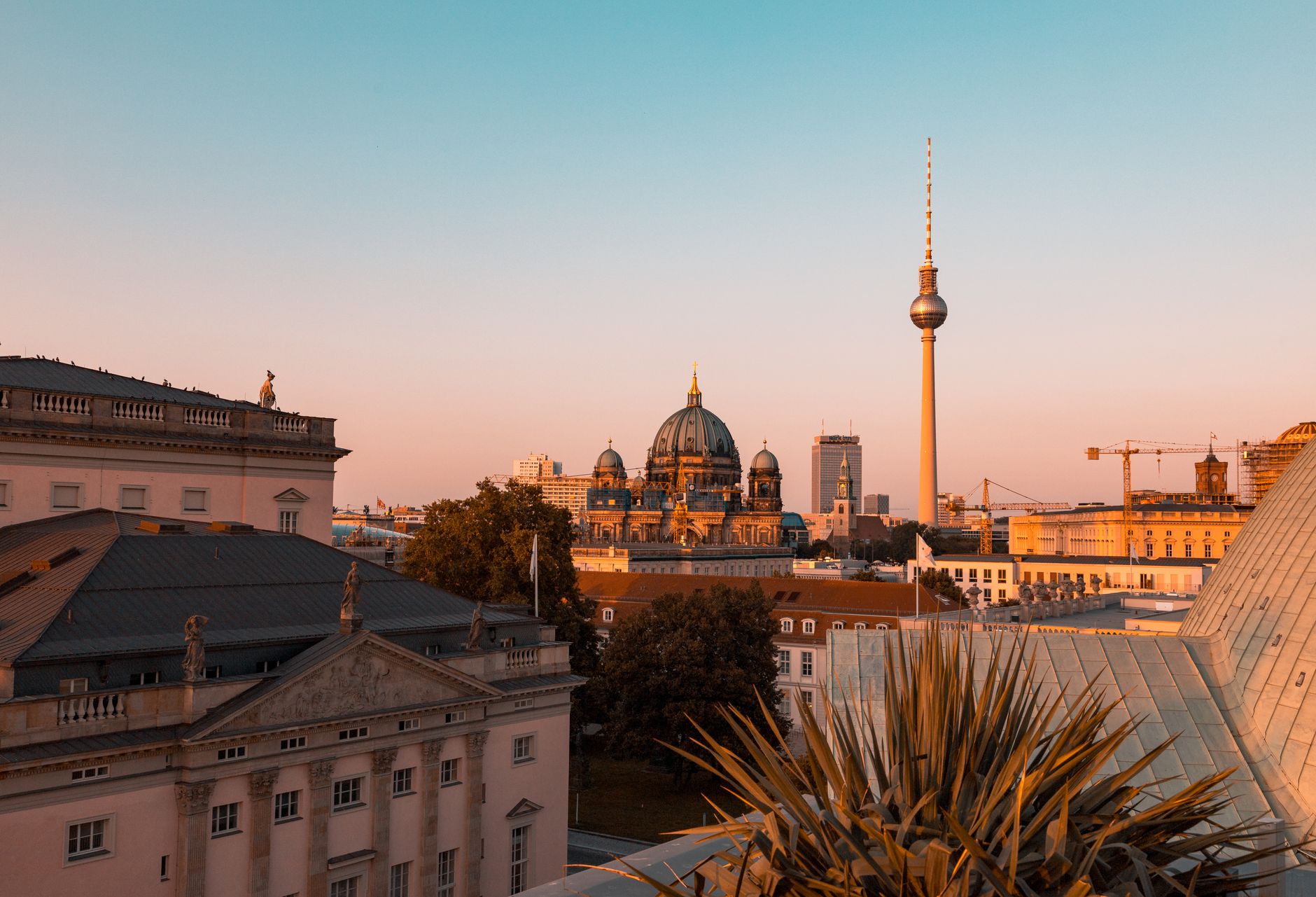
August is one of the easiest times to enjoy Berlin well. The city is fully in summer mode, with long bright days, busy parks, outdoor dining, boat traffic on the Spree, and plenty of locals escaping toward lakes when the heat builds in the center. Official Berlin travel guidance describes July, August, and September as ideal summer months for visiting, and Berlin’s August weather page notes that this is a sunny part of the year, though central districts can feel noticeably hotter than greener areas.
If you are visiting for one long weekend, the trick is not to cram in every famous sight. Berlin is too spread out for that. A better plan is to group the city into walkable pieces: one day for the historic core, one for neighborhoods and parks, and one for water, a lighter museum stop, or a summer evening route. That way you actually see Berlin instead of spending the whole trip changing trains.
For navigating between landmarks on foot and understanding what you are looking at as you go, Ingry is useful in Berlin, especially if you want your route to feel more like a continuous city walk than a list of pins.
Why August works so well for a first Berlin trip
Berlin in August suits travelers who want variety rather than a single headline attraction. You can spend the morning inside a museum, cross the river for lunch, rest in a shaded park in the afternoon, and still have enough daylight for a substantial evening walk. Official visitor information also points travelers toward the city’s lakes, parks, open-air events, and summer nightlife during this period.
The trade-off is simple: popular central areas can feel hot and crowded in the middle of the day. That means August rewards early starts, slower afternoons, and evening sightseeing. If you only remember one planning rule, make it this: do your most exposed city-center walking before lunch, then save parks, shaded neighborhoods, or waterside time for later.
How to move around Berlin without wasting time
Berlin public transport is excellent, but the city is larger than many first-time visitors expect. BVG explains that Berlin is divided into fare zones A, B, and C; the airport is in zone C, while the main central sightseeing areas are in A and B. The same ticket works across U-Bahn, S-Bahn, buses, trams, and many local rail services within the chosen zones.
For a short trip, the practical approach is simple. Use public transport for the long jumps, and walk once you reach each district. Do not try to sightsee by constantly zigzagging across the city. Also useful for weekend planning: official Berlin visitor information states that public transport runs all night on Fridays and Saturdays, which makes late dinners and summer evening routes much easier.
If you arrive through BER Airport, remember that airport travel requires the appropriate zone coverage because BER lies in zone C. Inside the city itself, most visitors spend the majority of their time in zones A and B.
Day 1: Historic Berlin without rushing it
Morning: Brandenburg Gate to Museum Island
Start early in the government and historic center, before tour groups and midday heat build up. A clean first route is Brandenburg Gate, the Reichstag area from outside, the Holocaust Memorial, Unter den Linden, and then east toward Museum Island. This walk gives you Berlin’s grand avenues and political symbols in one continuous line, which is much more satisfying than popping in and out by train.
Checkpoint Charlie is easy to add on paper, but it often makes the day feel more fragmented than it is worth. If this is your first visit and you are curious, keep it brief. If you are more interested in architecture, museums, and the feel of the city itself, stay with the east-west historic route instead.
Afternoon: One museum, not three
The common mistake on a Berlin weekend is overcommitting to museums. In August, pick one serious museum stop and do it properly rather than racing through several buildings in the hottest part of the day. Museum Island is the obvious anchor if this is your first trip. If you have already done the classic museum cluster, use the afternoon for a single targeted museum elsewhere rather than trying to complete a checklist.
This is also a good point in the trip to use Ingry for short walking context between major landmarks, because central Berlin can otherwise blur into a sequence of important-looking buildings without much narrative.
Evening: Spree walk instead of another attraction
After dinner, stay outside. Walk along the Spree, cross a couple of bridges, and let the city open up at a calmer pace. August evenings are one of Berlin’s real advantages, and they are better used for atmosphere than for another indoor stop. If you still have energy, continue toward Hackescher Markt and nearby streets for a livelier end to the day.
Day 2: Kreuzberg, Tempelhof, and a greener Berlin
Morning: Kreuzberg on foot
Your second day should feel looser. Start in Kreuzberg, where Berlin becomes less ceremonial and more lived-in. This is the day for street life, canal stretches, smaller cafés, and side streets rather than monumental sights. The point is not to cover every micro-area but to notice how quickly Berlin’s mood changes once you leave the formal center.
If Sunday is part of your trip, check market options only after verifying what is actually on that weekend. Berlin does have strong market culture, but individual markets and schedules are not something to assume blindly.
Afternoon: Tempelhofer Feld or a park-and-canal reset
In hot August weather, this is the right moment to avoid hard sightseeing. Tempelhofer Feld works well because it gives you space, wind, and a very Berlin sense of scale. If that sounds too open and sun-exposed for the day’s conditions, stay closer to tree-lined canal stretches and slower neighborhood wandering instead.
Official summer guides for Berlin emphasize that the city’s outdoor life in June, July, and August revolves around parks, picnics, open-air spaces, and green escapes. That is not filler advice in Berlin; it is part of understanding the place properly.
Evening: Keep it local
Do not cross back to the historic center just because you feel you should. Spend the evening where you already are. A good Berlin day usually ends in the same broad area where the afternoon slowed down. That saves transit time and lets you notice the shift from daytime city to neighborhood evening rhythm.
Day 3: Choose water, West Berlin, or a museum event day
The third day should adapt to the weather and your energy. In August, Berlin gives you three especially sensible directions.
Option 1: A lake or beach day if the weather is hot
Official Berlin summer pages strongly highlight lakes and bathing spots as part of the season, and visitBerlin specifically recommends lakes and beaches as popular summer excursion destinations. If the forecast is genuinely warm and you have already seen the main center, this can be the smartest choice of the weekend rather than an optional extra.
The key is to treat it as half a day, not an all-day expedition unless swimming is your main purpose. Go out in the late morning, enjoy the break from the dense center, and return in time for an evening walk or dinner back in town.
Option 2: West Berlin for a different version of the city
If you want a final day with more architecture, shopping streets, and a different urban mood, head west. The area around Zoologischer Garten, Charlottenburg, and nearby streets offers a Berlin that feels less like the historic narrative most first-time visitors start with and more like a layered big city. This works especially well if your first two days were heavy on Mitte and Kreuzberg.
Option 3: Build the day around a major museum date
If your trip falls at the end of the month, one major date is already confirmed: the Long Night of Museums will take place on Saturday, August 29, 2026, with around 75 museums participating across Berlin. Official event pages say venues open in the evening and run into the night, and shuttle connections are part of the event planning. If your weekend matches that date, it is worth structuring the whole day lightly so you still have energy after 6 p.m.
On a special event day like that, do less in the morning than you think you should. Have a relaxed lunch, maybe one walkable neighborhood stop, a proper rest, and then begin the museum night with a short, realistic list. Berlin rewards restraint.
For this kind of flexible day, Ingry can help you keep the gaps between stops interesting instead of turning them into dead transit time.
What first-time visitors often get wrong in Berlin
Trying to “complete” the city
Berlin is not a compact old town. It is a collection of districts with different tempos and identities. A good weekend here feels selective.
Doing outdoor sightseeing at the hottest hour
Berlin’s own August weather guidance notes that heat can build up in central areas. Use the middle of the day for museum time, lunch, or greener spaces.
Underestimating distances
Two places can look close on the map but still belong to different day structures. Plan by area, not by wish list.
Giving equal time to every famous stop
Some headline sights deserve a proper walk around them. Others are fine as short passes. Be willing to skip or shorten places that do not match your interests.
A realistic Berlin weekend rhythm
If you want your August trip to feel good rather than merely efficient, use this rhythm: one big walk in the morning, one focused stop after lunch, one slower outdoor stretch in the late afternoon, and one neighborhood-based evening. That pattern fits Berlin’s scale, Berlin’s summer light, and the way the city gets better once you stop forcing it into an attraction marathon.
For a first trip, that is usually enough to leave with a real sense of Berlin: the monumental center, the layered neighborhoods, the green relief, and the late-summer habit of staying outside longer than planned.
Berlin
August is one of the easiest months to enjoy London on foot. The days are long, the parks are at their best, and whole parts of the city make more sense as a sequence of walks than as a checklist of major sights. It is also a busy time: school holidays bring more daytime crowds, and the August bank holiday weekend from 28 to 31 August 2026 adds another layer of movement across the city.
That does not mean you should avoid London in August. It means you should plan by area, start early, and build your days around the rhythm of the city rather than trying to cross it too often. This guide is for first-time visitors who want a practical long weekend: classic London views, a couple of strong museum choices, generous park time, and neighborhoods that still feel good after the main sightseeing is done.
Why August works well for a London weekend
August 2026 in London comes with long daylight hours, a full cultural calendar, and a late-summer atmosphere that suits walking between neighborhoods. Visit London highlights the August bank holiday weekend, Notting Hill Carnival from 29 to 31 August 2026, and a wider month of outdoor events and museum late openings. It also notes that August is a busy period, so booking ahead and visiting attractions outside peak times is wise. (visitlondon.com)
If your dates fall on the bank holiday weekend, expect west London to be especially busy around Notting Hill. If Carnival is the reason for your trip, lean into it and stay nearby. If it is not, you can still have an excellent weekend by focusing on central London, South Kensington, Westminster, the South Bank, and Greenwich instead. (visitlondon.com)
Who this itinerary is for
This plan works best if you are visiting London for two to three full days and want a balanced first trip. It is not built around rushing into every landmark. Instead, it helps you see London in connected pieces: royal and ceremonial London on one day, museum-and-park London on another, and riverside or eastward London on the third.
If you like moving through a city by walking route rather than by map pins, Ingry is useful here. London is one of those places where understanding what you are passing matters almost as much as reaching the headline sight.
Day 1: Westminster, St James's, and the South Bank
Start early in Westminster
Begin around Westminster Station and do the classic core before the area gets congested. Walk past Big Ben, the Houses of Parliament, and Westminster Abbey, then continue through St James's Park toward Buckingham Palace. This route works because the sights are close together and the park gives the morning a natural pause.
The key decision here is what to skip. If you are in London for only one weekend, do not spend half the day queueing for every ceremonial sight. See the exterior landmarks, enjoy the walk, and save your longer indoor visit for a museum later in the day.
Late morning: walk, do not hop around
From Buckingham Palace, continue along The Mall or cut toward Trafalgar Square and Covent Garden depending on your energy. Covent Garden makes sense if you want lunch and a more animated midday atmosphere. Trafalgar Square works better if you want to keep the route visually grand and continue toward the river.
Afternoon: cross to the South Bank
After lunch, head toward the Thames and walk the South Bank stretch between the London Eye area and Tate Modern. This is one of the most forgiving first-time routes in the city: river views, street life, bridges, and enough places to stop without losing momentum.
If you want one museum or gallery today, choose Tate Modern rather than trying to add several interiors. London weekends get much easier when each day has one major indoor stop, not four.
Evening: stay by the river
August evenings are one of London's big advantages, so avoid wasting them underground. Stay out along the river, cross a bridge for skyline views, and keep dinner near where you finish rather than zigzagging across town. For navigation between landmarks and smaller riverside details, Ingry can help turn the walk into more than a straight transfer.
Day 2: South Kensington museums and Hyde Park logic
Pick one major museum district and slow down
South Kensington is ideal for August because it gives you strong indoor options if the weather shifts, but it also connects easily to greener, slower parts of west-central London. The usual mistake is trying to do the Natural History Museum, the V&A, and the Science Museum all in one day. Choose one primary museum and treat anything else as a bonus.
If art, design, and decorative history interest you, the V&A is often the most rewarding for a traveler with limited time. If your trip leans more classic family sightseeing, the Natural History Museum may be the better anchor. The point is not which one is objectively best; it is which one lets the day keep its shape.
Lunch and reset
After your museum visit, avoid immediately jumping to another indoor stop. Walk into Hyde Park or Kensington Gardens and use the open space as part of the itinerary, not dead time between attractions. August is good for this because the city feels more breathable outdoors, especially after a crowded museum morning.
Afternoon options that pair well
You have three sensible directions from here:
First, stay local and continue through Kensington Gardens for a quieter afternoon. Second, walk east through Hyde Park toward Mayfair if you want a more polished central London finish. Third, head to Knightsbridge only if shopping is genuinely part of your plan. If it is not, this is an easy area to skip without regret.
On the last Wednesday of each month, London also has museum late-opening options such as Science Museum Lates, while the V&A and Tate Modern run selected late events on different schedules in August. If your trip aligns with one of those dates, an evening museum visit can work better than a crowded midday one. (visitlondon.com)
Day 3: Choose between Greenwich and Notting Hill weekend energy
Option A: Greenwich for space, views, and a different pace
If you want a calmer third day, go to Greenwich. It gives you a strong sense of London's maritime history and a welcome change from the denser West End and Westminster core. The area works best as a half-day to full-day outing with plenty of walking: riverside approach, historic buildings, and time on the hill for one of the city's best panoramic viewpoints.
This choice is especially smart during the August bank holiday if central-west London feels too crowded.
Option B: Notting Hill and the August bank holiday atmosphere
If your visit falls on 28 to 31 August 2026, London shifts into bank holiday mode, and Notting Hill becomes the obvious focal point because of Carnival. Visit London lists Notting Hill Carnival from 29 to 31 August 2026 and describes it as one of the world's largest street festivals, with Sunday more family-focused and Monday hosting the main high-energy celebrations. (visitlondon.com)
If you want to experience it, commit properly: arrive with a clear entry and exit plan, wear comfortable shoes, and expect transport and phone signal pressure. If you do not want heavy crowds, do not drift into the area out of curiosity. Choose Greenwich, the South Bank, or a museum-and-park day instead.
How to plan around the August bank holiday
In the UK, the summer bank holiday in 2026 falls on Monday, 31 August. London's bank holiday weekend runs across 28 to 31 August 2026, and citywide event guides highlight this period as one of the big late-summer moments. (visitlondon.com)
For travelers, that means three practical things. First, book accommodation earlier than you would for an ordinary weekend. Second, expect popular areas and major attractions to feel busier than usual. Third, group your days geographically so you are not relying on repeated cross-city journeys during peak leisure hours.
A good rule is to make one side of the city your priority each day. Central ceremonial London one day, museum-and-park west-central London another, and either riverside Greenwich or bank holiday west London on the third. That keeps the trip from turning into a transport exercise.
What to book ahead and what not to over-plan
In August, reserve the pieces that create bottlenecks: accommodation, any timed-entry attraction you care strongly about, and anything specific for bank holiday weekend. Do not over-schedule every hour. London rewards flexible walking, spontaneous park stops, and the ability to change course when a museum feels too crowded or the weather suddenly turns.
It also helps to keep one lighter evening in the plan. After a full day of museums or central sightseeing, your best London memory may be an unhurried walk rather than another ticketed activity.
What many first-time visitors get wrong in London
Trying to cover too much geography
London is not difficult because it lacks transport. It is difficult because its highlights are spread across multiple districts that each deserve a different pace. Treat neighborhoods as chapters, not dots.
Underestimating crowd patterns
August is attractive precisely because so much is happening. The trade-off is that the city can feel noticeably fuller in the middle of the day, especially at major museums and headline landmarks. Early starts matter more than ambitious late starts.
Spending too little time outside
Many first trips become an indoor queue marathon. In August, some of the best value in London comes from streets, parks, bridges, and riverside routes that cost nothing and connect the city more naturally than the Tube does.
A simple 3-day structure at a glance
Day 1: Westminster, St James's Park, Buckingham Palace exteriors, Trafalgar Square or Covent Garden, then the South Bank.
Day 2: One South Kensington museum, then Hyde Park or Kensington Gardens, with an optional late museum evening if your dates match.
Day 3: Greenwich for a calmer finish, or Notting Hill if you are intentionally planning around the August bank holiday weekend and Carnival.
Final thought
London in August is at its best when you let the city unfold in connected walks instead of forcing it into a rushed attraction list. Plan by neighborhood, protect your mornings, leave room for the parks, and be honest about your appetite for crowds during the bank holiday period.
If you want a smoother way to explore while walking, with context for both big landmarks and less obvious stops, Ingry fits this kind of London trip especially well.
London
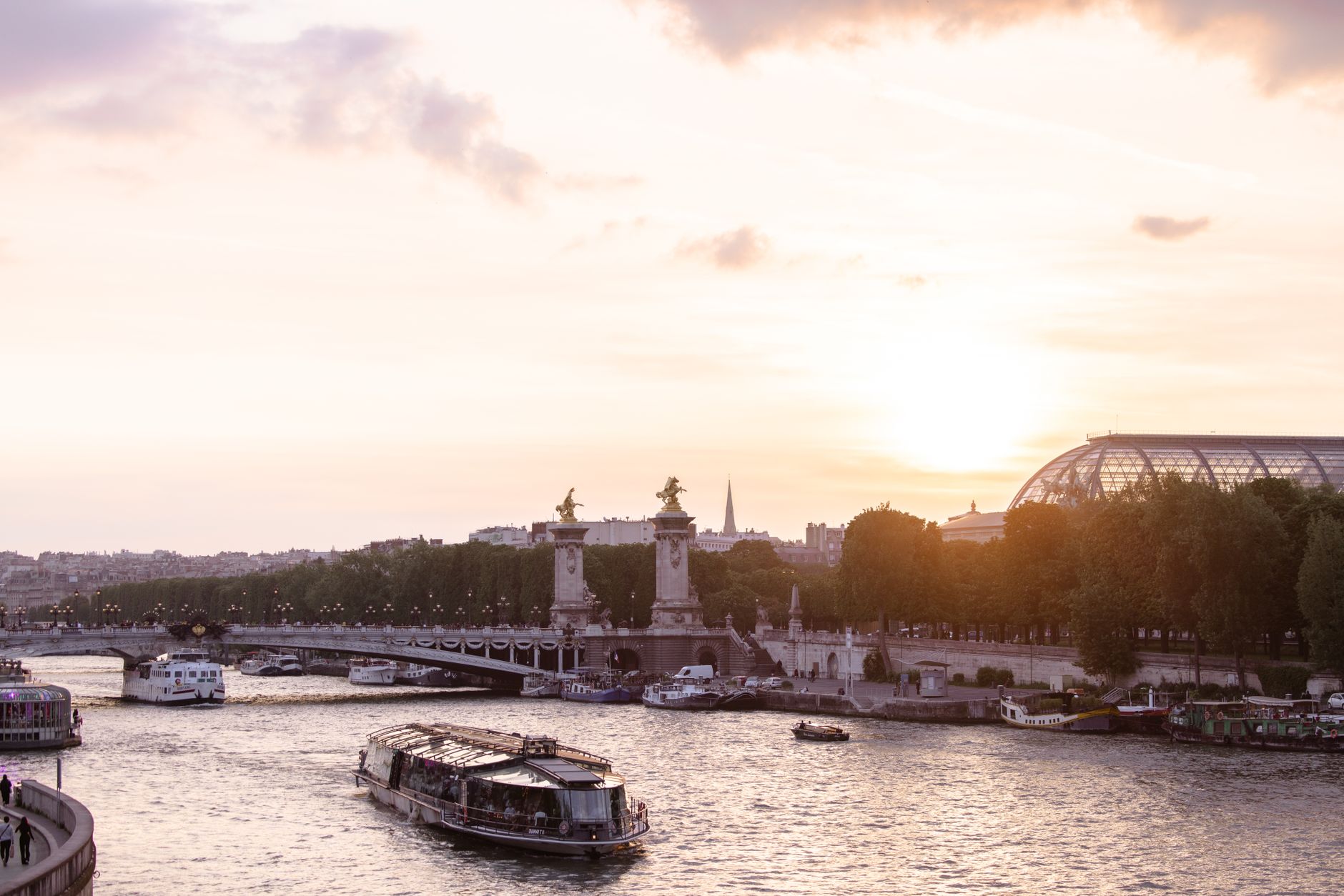
August is one of the easiest months to enjoy Paris if you plan for the city it actually is in summer, not the one people imagine. Major sights and museums still draw crowds, but many business districts feel quieter, evenings stretch long, and the best days are built around walking, shade, riverfront time, and one or two well-chosen indoor stops instead of a marathon of famous places. Paris Plages returns in summer 2026, and the city’s official tourism calendar also highlights outdoor festivals and concerts across August, which makes this a strong month for travelers who like Paris on foot rather than Paris by checklist. (paris.fr)
This guide is for a first or second visit built around central Paris: the Seine, the Right Bank and Left Bank core, classic museums, and neighborhoods that make sense to connect on foot. It is not a race to cover everything. In August, pacing matters more than ambition.
Why August works well for Paris travelers
Paris in August rewards travelers who like mornings outside, a slower lunch, a museum in the hottest part of the day, and a second walk after dinner. Seasonal programming includes Paris Plages and a broad calendar of open-air events, while parks and riverbanks become more useful than ever in trip planning. (paris.fr)
The main trade-off is rhythm. Some smaller independent shops, cafés, or neighborhood restaurants may close for summer breaks, especially away from the busiest visitor areas. That does not mean Paris shuts down; it means you should avoid over-planning every meal around one specific small address and keep backup options in the same neighborhood. Tourist zones, major museums, and most big sights remain the backbone of an August visit. This is an inference based on official tourism coverage of August activity and the normal museum and attraction calendars, rather than a single citywide closure list. (parisjetaime.com)
What to know before you build the weekend
1. Plan one major museum per day, not three
August is not the month to spend all day in ticket lines or crossing the city for scattered reservations. Keep each day compact: one headline museum or monument, one neighborhood walk, one park or river section, and one evening area.
2. Watch museum closing days carefully
The Louvre is closed on Tuesdays, and both the Musée d’Orsay and Musée de l’Orangerie are also closed on Tuesdays. That makes Tuesday a better day for outdoor Paris, neighborhood walks, churches, covered passages, or a Seine-focused route rather than a museum-heavy schedule. (louvre.fr)
3. Build around heat, not around a perfect map
If the forecast runs hot, move your longest walk to early morning or late evening and keep midday for museums, shaded gardens, or a long lunch. The Louvre itself posted exceptional early closures during a July 2026 heatwave, which is a useful reminder that summer conditions can affect even the biggest institutions. Check official sites again shortly before each day. (musee.louvre.fr)
4. Stay central if you only have three days
For an August weekend, the smartest bases are usually the Marais, Saint-Germain-des-Prés, the Latin Quarter, Opéra, or the area around République if you want a livelier local feel with easy metro links. The point is not prestige; it is reducing time spent underground in summer.
A smart 3-day Paris in August itinerary
Day 1: Île de la Cité, the Seine, and the Marais
Start early on the river. Begin around Pont Neuf or the western end of Île de la Cité, then walk east at an easy pace. This gives you some of the best central Paris atmosphere before the embankments and bridges get busier. If this is your first trip, keep the morning simple: river views, cathedral area, a slow crossing onto the Right Bank, and then into the Marais.
This is a good day to keep museums light. Instead of forcing a giant institution into your first morning, let the city itself do the work. Walk through the older streets of the Marais, pause in shaded squares, and save your indoor time for the hottest hours. If you want help understanding what you are passing while walking, Ingry is useful here because this part of Paris is dense with landmarks that are easy to miss when you move too fast.
In the afternoon, keep your route compact. Stay in the Marais rather than jumping across town. August works best when you avoid unnecessary metro transfers. If energy is still good in the evening, return to the Seine for a second walk near sunset. Paris feels different after dinner in summer: less rushed, more social, and easier to enjoy without trying to “do” another sight.
Day 2: Louvre or Orsay, then Tuileries to Saint-Germain
Make this your classic museum day. Choose either the Louvre or the Musée d’Orsay, not both. The Louvre is better if this is your first-ever Paris trip and you want the largest possible collection and the full scale of the palace setting. Orsay is often the better August choice for travelers who prefer a more manageable visit and want to leave with energy for the rest of the day. Both museums require planning, and the Louvre emphasizes advance reservation. (louvre.fr)
After the museum, walk rather than ride. From the Louvre, the Tuileries give you a natural decompression zone before continuing west or crossing back toward Saint-Germain. From Orsay, the Left Bank route into Saint-Germain-des-Prés is one of the easiest elegant walks in central Paris, especially if you want a slower afternoon of streets, bookshops, church façades, and café stops rather than another attraction queue.
This is also a good day to use Ingry while walking between major landmarks. Paris makes more sense when you understand how one district leads into the next, and a guided walking layer is often more useful than a list of isolated pins.
If you still want an evening destination, choose either the river again or the Luxembourg Gardens area and nearby Left Bank streets. Do not add Montmartre on the same day unless you are moving very fast and do not mind ending tired.
Day 3: Montmartre in the morning, canals or park time later
Montmartre is best early. Go in the morning before the steep streets and photo spots get congested. The trick is not to treat it like one staircase up to one viewpoint and back down again. Spend time on the side streets, pause away from the busiest square, and let yourself drift a little once you are above the main tourist flow.
After lunch, choose your softer second half. If you want something greener and calmer, head for one of the larger parks or gardens. If you want a more contemporary neighborhood feel, shift toward Canal Saint-Martin and use the afternoon for a slower urban walk. August is when these choices matter most: after two days of central highlights, the trip needs breathing room.
For the final evening, return to the Seine or stay in one neighborhood for dinner and a long walk. The mistake many visitors make is trying to squeeze in one last famous monument instead of enjoying the version of Paris that August does especially well: warm light, slower streets, and time to notice details.
How to use Paris Plages in a real itinerary
Paris Plages is running again in summer 2026, with official city programming and regularly updated information. For travelers, the value is less about treating it as a full beach substitute and more about using it as part of a low-effort summer day: riverfront strolling, resting in between sights, and giving children or heat-tired adults a gentler afternoon option. Check the official page close to your travel dates because locations and activities are updated through the season. (paris.fr)
If your trip falls during a particularly hot stretch, this kind of river-centered planning can make the difference between a good weekend and an exhausting one.
What to skip in August if your time is short
Overstuffed day plans
Paris is a city of transitions: bridge to square, square to garden, garden to museum. If you schedule every hour, you lose the best part of the place.
Cross-city zigzags
Do not do Montmartre, the Eiffel Tower area, the Marais, and the Latin Quarter in one day just because the metro map says you can.
Too many reservations at fixed times
August weather can push you to change direction. Leave room to adapt, especially on hotter days.
Neighborhood logic that makes August easier
If you only have a weekend, think in clusters. Pair the Seine with the Marais. Pair the Louvre with the Tuileries and Saint-Germain. Pair Montmartre with a slower second half elsewhere rather than another blockbuster. This keeps walking pleasant and avoids spending the warmest part of the day in transit corridors.
For travelers who like to understand a city while moving through it, Ingry fits especially well in Paris because so much of the trip happens between the major sights, not only at them.
Final thought
Paris in August is not about conquering the city. It is about choosing a few strong areas, walking them well, and letting summer shape the pace. If you plan around one major sight a day, keep your routes compact, and give the Seine and the parks a real role in the weekend, August can feel less hectic than early summer and more spacious than many first-time visitors expect.
Paris

New York City Marathon weekend is one of the biggest travel weekends of the year in the city, and in 2026 it comes with extra significance: the TCS New York City Marathon is set for Sunday, November 1, 2026, and NYRR describes 2026 as the 50th anniversary of the five-borough course. That means high energy, heavy crowds, and a city that feels especially full of purpose from Friday onward.
For visitors, this is not a weekend to improvise. It is a great time to be in New York, but only if you plan around the race rather than fighting it. The best approach is simple: stay somewhere with strong subway access, book major sights early, keep race morning flexible, and use the marathon as the backbone of your weekend instead of treating it like an inconvenience.
If you like exploring cities on foot, this is also the kind of weekend where a walking-first app helps. Ingry is useful for moving through New York City between major landmarks, discovering side streets and smaller stops, and keeping the day coherent when the city feels busy.
Why marathon weekend is worth planning around
The New York City Marathon is not just a race in a stadium district. It moves through all five boroughs, so the atmosphere spills into neighborhoods, avenues, parks, and subway stations across the city. Even if you are not running, you get a rare version of New York: streets lined with spectators, local cafés doing brisk business, and pockets of excitement from morning into late afternoon.
The key fact to know is that marathon weekend starts before Sunday. NYRR’s Abbott Dash to the Finish Line 5K is scheduled for Saturday, October 31, 2026, in Manhattan, and race weekend energy builds from then onward. If you arrive Friday, you can enjoy the city before the biggest closures hit, then spend Saturday and Sunday mixing sightseeing with race viewing.
Best areas to stay for marathon weekend
For most visitors, Midtown, the west side of Central Park, Union Square, or Lower Manhattan make the most sense. The goal is not to stay directly beside a race-viewing point. The goal is to stay somewhere with several subway options, so if one station feels crowded you have a backup.
Midtown works well if this is your first New York trip and you want easy access to museums, Broadway, and Central Park. The Upper West Side is a smart choice if you want a more residential feel near the park and the finish-area atmosphere. Union Square and nearby neighborhoods suit travelers who prefer downtown restaurants and easier access to Lower Manhattan and Brooklyn. Lower Manhattan is especially practical if you want to combine race weekend with an early Statue of Liberty or Ellis Island visit.
If you are choosing between a hotel with a dramatic view and one near multiple subway lines, pick the subway access. On marathon weekend, that matters more.
What to book early
This is a book-ahead weekend. Hotels can fill earlier than on a normal fall weekend, and some major sights are smoother when reserved in advance.
If the Statue of Liberty and Ellis Island are on your list, buy only through the official ferry operator authorized by the National Park Service. The NPS states that Statue City Cruises is the only authorized ferry service, and it also notes that ferry queue times can stretch to an hour or more during peak periods, including weekends and summer-like busy periods. The park service also says the time on your ticket is the time to join the security queue, not a ferry departure time. That is exactly why an early-morning slot works best on a packed weekend.
If you want to move through New York City without constantly reopening map apps, Ingry is handy here too, especially for linking a reserved attraction with a neighborhood walk that still feels spontaneous.
A smart 3-day marathon weekend plan
Friday: classic New York without race pressure
Use Friday for the sights that benefit from a relatively normal city rhythm. Good choices include Lower Manhattan, the Financial District, Brooklyn Bridge, DUMBO, or a museum afternoon followed by an evening walk. If this is your first visit, Friday is the right day for a skyline-heavy route: start downtown, walk through the civic and financial core, then cross toward the waterfront or bridge views before dinner.
This is also the best day for a ferry-based attraction if you want one. The Statue of Liberty and Ellis Island are open daily, accessible only by ferry, and the National Park Service says all ferry tickets include access to the museum on Liberty Island and the Ellis Island National Museum of Immigration. Go early, expect airport-style security, and avoid buying from unofficial sellers around The Battery.
Saturday: keep it local and leave room for atmosphere
Saturday is the day to avoid over-scheduling. Stay in one part of Manhattan for longer than you normally would. A good plan is Central Park plus one museum, or Greenwich Village to Chelsea with a High Line walk and time to eat slowly rather than rushing around the city.
Because the Abbott Dash to the Finish Line 5K is set for Saturday morning in Manhattan, parts of Midtown and the park-adjacent area may feel busier than usual. That is not a reason to avoid them, but it is a reason to start the day with patience. If you want a calmer Saturday, start downtown and move north later.
Saturday night is better for a relaxed dinner and an early finish than for trying to squeeze in one more borough. Race-day spectators and runners alike benefit from a little pacing.
Sunday: make the marathon the main event
On Sunday, do not try to “fit the marathon in” between unrelated plans. Let it shape the day. Pick one viewing area in the morning, one neighborhood for lunch, then another viewing point or a park walk later. Trying to cross the city repeatedly will waste time and energy.
For many visitors, the best Sunday formula is this: morning race viewing in Manhattan or Brooklyn, midday meal nearby, then a long late-afternoon walk once the city begins to exhale. Central Park is especially rewarding later in the day, when the finish-line emotion and autumn light often make the area feel memorable even if you never saw the final sprint itself.
How to move around the city when roads are closed
Subways matter more than taxis on marathon weekend. Surface traffic can be slow, and crossing an active race route is not always simple. Walk more than usual, use the subway for bigger jumps, and group your plans by neighborhood.
The easiest mistake first-time visitors make is building an itinerary that bounces from Downtown to Uptown to Brooklyn and back again. On a normal weekend that is tiring. On marathon weekend it becomes frustrating. Think in half-days instead: one zone in the morning, one zone in the afternoon, and no unnecessary backtracking.
This is where Ingry fits naturally. When you already know the broad area you want to explore, it helps turn a transfer-heavy city day into a walkable route with context, smaller stops, and less guesswork.
Where to watch if you are not a runner
The best viewing point depends on the kind of day you want. If you want high energy and lots of people, Manhattan gives you that. If you want a more neighborhood feel, Brooklyn can be more enjoyable. If you want to pair race viewing with a long scenic walk, areas near Central Park are the most satisfying.
Do not obsess over seeing the “perfect” spot. The marathon’s appeal is its atmosphere across the city, not one single postcard viewpoint. Pick a place that works with the rest of your day: close to lunch, close to a park, or close to your next museum or neighborhood walk.
What to skip
Skip the idea of doing every headline attraction in one weekend. Marathon weekend is not the best moment for a maximalist checklist. Also skip last-minute ferry decisions in the middle of the day, long taxi hops across Manhattan, and fixed reservations stacked too tightly together.
If your main goal is peaceful museum time from opening to closing, choose one museum rather than two. If your main goal is the race atmosphere, do not dilute it with a complicated dinner reservation on the opposite side of the city.
Is this a good weekend for first-time visitors?
Yes, if you like cities at full volume and do not mind planning ahead. No, if you want quiet streets and easy spontaneous movement. Marathon weekend shows New York at its most communal, but it asks something from you in return: flexibility.
For a first trip, that trade-off is often worth it. You still get the skyline, museums, neighborhoods, and harbor views, but you also get a citywide event that gives the weekend shape. New York can feel overwhelming when every option seems equally urgent. A marathon weekend solves that by giving your days a natural rhythm.
Final advice for a smoother trip
Arrive with comfortable walking shoes, one or two must-do reservations, and a loose neighborhood-based plan instead of a packed hourly itinerary. Book major sights early, use the subway strategically, and accept that some of the best moments will be unplanned: a cheering block in Brooklyn, a warm café near the park, or a late walk downtown after the crowds thin out.
If you approach the weekend that way, New York City Marathon weekend becomes more than a sports trip. It becomes one of the most vivid ways to experience the city.
New York City
New York City can feel overwhelming on a short trip, especially if you want good food without spending the entire weekend crossing town. That is why NYC Restaurant Week is such a useful planning anchor. Summer 2026 runs from July 20 through August 16, with reservations opening July 14, and the program features prix-fixe menus at hundreds of restaurants across the five boroughs. For a visitor, that makes it less about chasing a single famous table and more about building a neighborhood-based weekend that mixes food with museums, skyline views, and long walks.
If you are visiting during those weeks, the smartest move is not to treat Restaurant Week as a checklist. Use it to organize your days geographically. Pick one area for lunch, one for afternoon walking, and one for dinner, and leave room for the city itself. New York rewards pacing.
Why Restaurant Week works well for a short NYC trip
Summer weekends in New York are busy, but they also make the city easy to enjoy on foot. Parks stay lively into the evening, ferries and subways help you cover long distances, and many neighborhoods are best understood between meals rather than from a taxi window. NYC Restaurant Week gives structure to that kind of trip: book one or two meals ahead, then connect them with places you genuinely want to see.
It also helps first-time visitors avoid a common mistake: spending too much time in Midtown without seeing how different Manhattan and Brooklyn can feel from block to block. With a little planning, you can pair a set lunch downtown with a harbor walk, or book dinner uptown after a museum afternoon.
While moving between stops, Ingry is handy for understanding what you are passing rather than just navigating around it. In New York, a short walk often includes architecture, memorials, pocket parks, and landmarks you would otherwise miss.
What to book first
Start with reservations before you build the rest of the weekend. Since reservations open on July 14 for the July 20 to August 16 program, the best-known restaurants and the most convenient meal times will go first. Lunch is usually the easiest entry point for first-time visitors because it leaves the evening flexible. If you want two Restaurant Week meals in one day, make one lunch and one early dinner in different neighborhoods rather than trying to force three major activities between them.
Do not book restaurants only because they are famous. Location matters more on a weekend trip. A very good meal in Tribeca, the Flatiron area, the Upper West Side, or Downtown Brooklyn is often more useful than a harder-to-reach reservation that breaks your day in half.
A smart 3-day Restaurant Week weekend itinerary
Day 1: Lower Manhattan, harbor views, and dinner nearby
Begin in Lower Manhattan. This part of the city works well on an arrival day because the streets are compact, the landmarks are close together, and you can do a lot without rushing. Walk through the Financial District, pause at Trinity Church, see the exterior of the New York Stock Exchange area, and continue toward the waterfront. If it is your first trip, this is also the right zone for the 9/11 Memorial and a look toward the Statue of Liberty from Battery Park.
For lunch, a Restaurant Week booking in Lower Manhattan or Tribeca makes the day easy. Afterward, walk north instead of taking immediate transit. The route from the civic center into Tribeca or toward the Hudson is one of the simplest ways to feel New York shift from business district to residential streets and converted warehouse blocks.
In the late afternoon, consider a ferry ride or a long waterfront walk rather than adding another indoor attraction. Summer heat makes this a better time for open-air views than for standing in a second museum line. Book dinner in the same general area or slightly north in the West Village. That keeps the day coherent and avoids the classic mistake of crossing to Midtown just because it looks central on a map.
If you want context while walking these older parts of the city, Ingry can help turn a transfer between neighborhoods into part of the visit.
Day 2: Museum afternoon and Upper West Side evening
Use your second day for a classic New York pairing: Central Park and a museum. The Metropolitan Museum of Art and the American Museum of Natural History both work well, but do not try to do both in one day unless you truly plan only highlights. New York museums are large, and summer weekends become tiring fast if you overschedule indoor time.
The best rhythm is to arrive in the morning, spend a focused couple of hours inside, then move back outdoors. If you choose the Met, walk a section of Fifth Avenue or enter Central Park from the east side. If you choose the Natural History Museum, pair it with a west side park walk. Either way, the Upper West Side is a strong area for a Restaurant Week dinner because it lets you end the day in a neighborhood that still feels lively but less frantic than Midtown.
This is also a good evening to keep expectations realistic. You do not need an observation deck every night. If you have already had skyline views elsewhere on your trip, a relaxed dinner and a post-meal walk can be the better New York memory.
Day 3: Brooklyn morning, Manhattan evening
On your final day, cross the river. DUMBO and Brooklyn Heights are ideal for visitors with limited time because the area gives you the bridge, skyline views, brownstone streets, and a strong sense of place without complicated planning. Go early if you want the neighborhood at its best. The later the morning gets, the heavier the photo-stop crowds become near the waterfront and under the bridge approaches.
From there, you can walk the Brooklyn Heights Promenade, rest in Brooklyn Bridge Park, and head back to Manhattan by subway or ferry. If you want one more Restaurant Week meal, book it in Downtown Brooklyn only if you plan to stay in the borough for several hours. Otherwise, return to Manhattan and keep the final dinner near where you want your evening walk to be, such as Union Square, Flatiron, or the Village.
For travelers who like to explore on foot without following a rigid checklist, Ingry works especially well in this part of the trip, when you already know the headline sights and want the city between them to feel richer.
Best neighborhood strategy for Restaurant Week in NYC
The simplest way to choose where to eat is to match restaurants with the kind of day you want.
Lower Manhattan and Tribeca are best for visitors who want harbor views, older streets, and a downtown first impression.
Flatiron, Union Square, and NoMad are strong if you want a central base with easy subway connections and a mix of architecture, shopping streets, and shorter cross-town travel.
The Upper West Side works well for museum days and calmer evenings.
The West Village is better for atmosphere than efficiency, so it is ideal when you want to wander after dinner and are happy to move slowly.
Brooklyn is worth it when it is the point of the day, not just a detour between Manhattan plans.
What to skip on a Restaurant Week weekend
Skip the urge to stack too many big-ticket sights in the same day. A timed-entry attraction, a museum, a long crosstown transfer, and a fixed dinner reservation can turn New York into logistics. You will enjoy the trip more if each day has one major sight, one booked meal, and one open stretch for walking.
It is also fine to skip trend-chasing if it sends you far off route. Restaurant Week is at its best when it improves a day you already wanted to spend in that area.
Timing and crowd patterns that matter
Late morning is usually the easiest time for outdoor photo spots before the heaviest weekend crowds build. Early dinner reservations can also work surprisingly well in summer because they leave time for an evening walk when the city starts to cool slightly. Central Park, the Brooklyn waterfront, and Lower Manhattan all feel better if you arrive before the most crowded afternoon period.
If you are visiting in late July or early August, expect heat and humidity to shape the day more than distance on the map. A fifteen-minute walk in New York can feel longer than it looks, especially if you have museum time or bridge walks in the plan. Build in shade, indoor breaks, and water stops.
Transit logic for a smoother weekend
Use the subway for long jumps and your feet for the last part. That sounds obvious, but many first-time visitors do the reverse: they walk too far between major zones and then take transit for short hops within neighborhoods that are better explored on foot. In Manhattan, think in clusters. In Brooklyn, think in destinations.
Ferries can be a scenic bonus, but they should support the day rather than complicate it. If a subway ride is clearly faster and you have a reservation, take the subway.
If you are arriving just before July 20
If your trip falls in the week before Restaurant Week begins, keep an eye on official summer city programming as well. Summer Streets is returning to all five boroughs in 2026, with more than 20 miles of car-free corridors and Manhattan hours listed as 7:00 a.m. to 3:00 p.m., which can make a morning walk or bike ride a good pairing with a later meal. But if your priority is dining, Restaurant Week itself is the stronger anchor from July 20 onward.
Final thought
New York City does not need to be conquered in a weekend. It just needs a smart shape. Restaurant Week Summer 2026 gives that shape to first-time visitors: one or two well-placed meals, neighborhoods chosen with intent, and enough space to notice the city between reservations. That is usually when New York starts to feel less like a checklist and more like a place you would want to return to.
New York City
September is one of the easiest months to enjoy Berlin well. The heat of midsummer usually softens, the city is still very much outside, and the cultural calendar becomes dense again. For travelers, that creates a useful mix: long walkable days, parks that still feel alive, museums worth ducking into, and neighborhoods that make sense to explore on foot instead of by checklist.
It is also a month when Berlin gets busier around major events. Official city listings for September 2026 include Berlin Art Week from September 9 to 13, Musikfest Berlin from August 28 to September 23, IFA from September 4 to 8, Open Heritage Day on September 13, and the Berlin Marathon on September 27. That means your route, hotel choice, and pacing matter more than usual, especially if you want a relaxed weekend rather than a crowded one. Ingry is particularly handy here, because Berlin rewards travelers who move through the city as a series of connected walks rather than isolated sights.
Why September is such a good time for a Berlin weekend
Berlin in September works best for travelers who want variety without constant backtracking. You can build a trip around museums and still spend a big part of the day outside. You can prioritize major landmarks without staying trapped in the busiest tourist corridors. And if your dates happen to line up with Berlin Art Week or another citywide event, you can add that energy without making the whole weekend revolve around one reservation.
The main thing to understand is that September in Berlin is not one single mood. Early September can feel event-heavy and international, especially around the trade-fair and art calendar. Mid-September is often ideal for longer walks through central districts. Late September gets busier again around the Berlin Marathon, when some routes and streets are more complicated than usual. If you want the smoothest first-time visit, a non-marathon weekend in the middle of the month is often the easiest choice.
How to structure your 3 days
For a short trip, Berlin makes more sense when grouped by area. Day one should focus on the historic center and Museum Island. Day two works best in Kreuzberg and Neukolln or Kreuzberg and Tempelhof, depending on your pace. Day three should give you westward contrast: Charlottenburg, Tiergarten edges, or a second cultural district depending on your interests.
This approach saves time because Berlin is large, and the experience of the city comes from transitions between neighborhoods as much as from headline attractions. Public transport is broad and flexible: the BVG operates U-Bahn, trams, buses, and some ferries, while the S-Bahn complements the network, and the same ticket generally covers these modes within the city. Official visitor guidance also notes that bus routes 100 and 200 are useful low-cost sightseeing options. That matters if your feet are tired by late afternoon but you still want to keep moving through the city instead of stopping early.
Day 1: Museum Island, Unter den Linden, and the historic core
Start early around Museum Island
If this is your first time in Berlin, begin with the area that gives the clearest visual orientation: Museum Island, the Spree, and the boulevard stretches around Unter den Linden. Go early rather than late. This part of the city absorbs crowds all year, and September weekends can be especially busy when exhibitions, heritage events, or group travel overlap.
You do not need to attempt every museum. In fact, that is one of the easiest mistakes in Berlin. Pick one or two serious stops, then leave room for the city itself. The point of this day is not to spend eight straight indoor hours. It is to connect architecture, political history, and open urban space in a way that still leaves you energy for the evening.
Walk instead of overbooking
A good route is simple: Museum Island, the cathedral area, Unter den Linden, Bebelplatz, and then either east toward Hackescher Markt or west toward Brandenburg Gate depending on your interests. If you are someone who likes cities best when they unfold gradually, this is where Ingry fits naturally into the day. Berlin is full of places that are more meaningful when you understand what stood there, what changed, and why one square feels formal while the next feels improvised.
For lunch, avoid the first obvious option directly beside the busiest landmarks. Walk ten or fifteen minutes away and you usually get a calmer table and a more local rhythm. In central Berlin, that small detour improves the day more than chasing one famous address.
Best afternoon choice: art, history, or riverside recovery
In the afternoon, choose one lane and commit to it. If you are in Berlin during Berlin Art Week, that may mean keeping your museum time shorter and saving energy for galleries and temporary shows elsewhere in the city. If not, use the later part of the day for a riverside walk, a slower coffee stop, or a move toward Hackescher Markt and the streets north of it.
What to skip: trying to combine every major historic sight with a long shopping detour and a nightlife plan on the same day. Berlin rewards range, but not rush.
Day 2: Kreuzberg, canals, and Tempelhofer Feld
Why this is the most “Berlin” day
If day one gives you the capital-city framework, day two gives you texture. Kreuzberg is where many visitors begin to feel the city rather than just recognize it. The logic here is not monument to monument. It is canal paths, side streets, food stops, courtyards, murals, and long stretches where walking is better than any train ride.
Start around the Landwehr Canal or in southern Kreuzberg, then move at neighborhood pace. The best version of this day leaves time for looking around without constantly checking the map. Berlin is unusually good for this kind of half-structured wandering.
Add Tempelhofer Feld in the afternoon
One of the smartest September moves is to spend part of the afternoon at Tempelhofer Feld, the former Tempelhof airport site that is now a vast public park and open space. Official visitor information emphasizes that the site has multiple entrances, practical visitor guidance, accessibility information, and its own regulations and map. In real travel terms, what matters is this: it gives you scale. After dense streets and museums, Berlin suddenly opens up.
This is the place to slow down. Sit, walk the old airfield paths, or simply look at how Berliners use the space. Do not over-schedule it. Tempelhofer Feld works best when you treat it as breathing room, not one more attraction to tick off.
If you want a low-friction way to keep context while moving through the neighborhood and out toward the field, Ingry is useful here too. Berlin often hides its stories in plain sight, and this part of the city is a good example.
Evening plan
Stay in Kreuzberg or nearby Neukolln for dinner rather than crossing the city again. September evenings are often ideal for a long meal and one final walk. If the weather turns, this is also the easiest day to adapt because the neighborhood has enough indoor options that you do not need to rebuild the whole itinerary.
Day 3: Choose your Berlin ending wisely
Your third day should depend on what kind of traveler you are.
Option A: Charlottenburg and a calmer western Berlin
If you want a more elegant, less improvised finish, head west. Charlottenburg gives you a different Berlin: broader streets, a more traditional urban rhythm, and a good counterweight to Kreuzberg. This is a strong choice if you like architecture, museums, or a more measured final day.
Option B: Art-focused Berlin
If your dates match Berlin Art Week, build the day around exhibitions and gallery districts instead of trying to force in more landmarks. The official September listings confirm Berlin Art Week and the Positions Berlin Art Fair in mid-September 2026, so that period is particularly good for travelers who want contemporary culture rather than a classic sightseeing-heavy route.
Option C: A softer final day with buses and short walks
If you are tired, use public transport strategically. The 100 or 200 bus can help you connect major areas without a full sightseeing bus commitment, and Berlin’s integrated network makes it easy to switch between bus, U-Bahn, S-Bahn, and tram with the same ticket. This is the smart final-day approach if you have already walked heavily for two days and still want to see one more side of the city without overdoing it.
How September events affect your trip
Even if you are not coming for a specific event, September timing matters. IFA runs from September 4 to 8, Berlin Art Week from September 9 to 13, Open Heritage Day falls on September 13, and the Berlin Marathon is scheduled for September 27, 2026. On those weekends, accommodation pressure and crowd patterns can shift quickly, especially in central districts and along obvious transit corridors.
For most first-time visitors, the easiest approach is simple. If you love art, aim for the Berlin Art Week period and book earlier. If you want a smoother general city break, choose another September weekend. If your dates coincide with the marathon, expect route disruption and plan your cross-city movements carefully rather than assuming a normal Sunday.
Where to stay for this kind of trip
For this itinerary, the best areas are not necessarily the most famous ones. Staying somewhere with easy U-Bahn or S-Bahn access is more important than staying beside one attraction. Mitte is convenient if museums and first-time landmarks matter most. Kreuzberg works well if you want neighborhood energy and easier evening choices. Charlottenburg is a good fit if you prefer a calmer base.
What to avoid: booking far out just because it looks cheaper, then spending your whole weekend on transit. Berlin is spread out enough that a badly chosen base can flatten the trip.
What first-time visitors often get wrong in Berlin
They try to “finish” the city
Berlin is too large and too layered for that. A good weekend here should feel coherent, not comprehensive.
They underestimate walking distances
Many places that look close on the map are best connected by one train ride plus a walk, not by forcing a long cross-city walk in the middle of the day.
They treat every museum day the same
Berlin’s best cultural trips usually mix one major institution with streets, food, and outdoor space. In September, that balance is especially easy to achieve.
A realistic Berlin September weekend
The best Berlin weekend in September is not the one with the longest list. It is the one with the cleanest shape: one day for the historic center, one day for Kreuzberg and Tempelhofer Feld, and one flexible day shaped around your interests, energy, and dates. September gives you enough daylight, enough city life outdoors, and enough cultural momentum to make that structure feel full without becoming exhausting.
If you plan it well, Berlin in September feels both spacious and dense at once. That is the city at its best.
Verified sources used for planning context include Berlin’s official event listings, visitBerlin’s 2026 event pages, the official BMW Berlin Marathon information page, BVG tourist and transport guidance, and the official Tempelhofer Feld visitor information pages.
Berlin
August is one of the easiest months for a first London trip if you plan it with realistic expectations. The days are long, parks are at their best, and the city is full of seasonal energy. It is also busy. School holidays, summer travelers, and major late-August events mean central areas can feel crowded, especially as the August bank holiday weekend approaches. Visit London’s 2026 guides highlight August as a packed month, with the bank holiday weekend running from 28 to 31 August 2026 and the public holiday itself falling on Monday, 31 August 2026. Notting Hill Carnival also takes place across 29 to 31 August 2026, so west London becomes especially busy then.
If your goal is to actually enjoy London rather than tick off too many landmarks, the best approach is simple: group sights by area, do the biggest museums early or late, walk between neighborhoods whenever the route is pleasant, and leave space for a park or river break every day. This itinerary is built for exactly that kind of trip.
Why August works well for a London weekend
In August, London is strong on the things that reward being outside: riverside walks, park time, long evenings, food markets, and neighborhoods that are better experienced on foot than from a taxi window. Visit London’s August 2026 guide notes that the month brings long daylight hours and a full calendar of events, but also warns that popular attractions can be busy and are best booked ahead.
That makes August a good month for a balanced plan. Instead of spending all day in queues, use the city in layers: one major museum or landmark, one neighborhood walk, one green space, and one evening area with restaurants or pubs. If you like to explore without staring at a map every few minutes, Ingry is especially handy in London, where short distances on the map often turn into very rewarding walks past churches, squares, alleys, and small historical details.
Before you go: what to know about London in August
Crowds
Expect heavier crowds around Westminster, South Kensington, the British Museum, Covent Garden, and major viewpoint areas. Late August is busier still because of the summer bank holiday and Carnival traffic in west London.
How to move around
For this itinerary, the Underground is useful, but walking is often the smarter choice in central London. Many classic areas connect well on foot: Westminster to Trafalgar Square, Covent Garden to the British Museum, or South Bank to Borough Market. Use Tube hops for longer jumps, but do not underestimate how much of London makes sense when stitched together by walking.
When to avoid west London
If you are visiting on the August bank holiday weekend, be careful with plans around Notting Hill, Ladbroke Grove, and surrounding stations. Visit London confirms that Notting Hill Carnival runs from 29 to 31 August 2026 and is one of the city’s biggest events. If you are not coming specifically for Carnival, keep that whole zone out of a first-trip sightseeing plan.
Day 1: Westminster, St James’s, and the South Bank
Start with London’s ceremonial core, but do it early. Begin around Westminster Station and see Westminster Abbey from the outside, the Houses of Parliament, and Big Ben. This part of the city gets crowded fast, yet it is still worth seeing first thing, when the streets feel more manageable and the scale of the buildings lands properly.
From there, walk through St James’s Park toward Buckingham Palace. This is a much nicer transition than taking transport between headline sights. You move from political London to royal London through one of central London’s prettiest green spaces, and in August the park gives the day some breathing room.
After that, skip the temptation to cram in too many official buildings. Head toward Trafalgar Square and continue to the South Bank by crossing the river on foot. If this is your first visit, the section between Westminster Bridge and the London Eye area gives you a classic London riverside feel without much planning.
Smart lunch and afternoon logic
For lunch, keep things flexible rather than booking a formal place near Westminster, where location often matters more than quality. Once you are on the South Bank, continue east if energy is good. The river walk toward the Tate Modern area is one of the easiest stretches for first-time visitors: open views, frequent places to stop, and enough activity to feel lively without requiring constant decisions.
If you want one major indoor stop, choose Tate Modern or simply stay outside and keep the day scenic. August is not the ideal month to force too many indoor queues if the weather is pleasant.
Evening option
End around the South Bank, Somerset House area, or Covent Garden depending on your energy. Covent Garden is busy and sometimes overdone, but it works well on a first evening because it is compact, lively, and easy to combine with dinner. Use Ingry here to turn a standard tourist zone into a more layered walk through side streets and nearby landmarks instead of just circling the main piazza.
Day 2: British Museum, Bloomsbury, and a calmer central London afternoon
Day two is the museum day, and in August the British Museum is best handled early. Visit London lists it among the city’s major highlights and notes regular opening hours with a later Friday close, which can help if your schedule lines up. Either way, arrive with a short list of what you want to see rather than attempting the entire museum.
After the museum, stay in Bloomsbury. This is one of the best neighborhoods in central London for slowing the pace. The appeal is not in one blockbuster attraction but in the sequence: garden squares, bookish streets, Georgian architecture, and a noticeably calmer atmosphere than nearby Oxford Street.
What to do after the museum
If you still want another major stop, walk toward Covent Garden and Seven Dials. If not, this is the perfect day to deliberately avoid the most crowded shopping streets. Oxford Street is useful if you need something, but it is rarely the most enjoyable part of a short August trip.
A better alternative is to spend the afternoon around Soho, Neal’s Yard, or the edge of Fitzrovia, depending on what kind of London you want. Soho gives you density and energy. Fitzrovia feels more local and less performative. Seven Dials sits in the middle and is easy for first-time visitors.
What to skip
Skip trying to combine the British Museum, the National Gallery, and a West End evening all in one day unless you are comfortable with a rushed schedule. London rewards pacing. One museum plus one neighborhood walk is usually better than three major indoor stops.
Day 3: Kensington Gardens, Hyde Park, and a west-central finish that stays flexible
Your third day should be lighter and more open. In August, London’s parks are one of the city’s biggest advantages, and a route through Hyde Park and Kensington Gardens gives you a version of London that feels spacious rather than crowded.
Start from South Kensington if you want a museum option in reserve, or from Hyde Park Corner if you want to go straight into the green spaces. South Kensington is home to several major museums, but this is where you need discipline. In summer, trying to do every famous institution can turn a good trip into a line-management exercise.
Instead, walk first. Move through the park, continue toward Kensington Gardens, and only add an indoor visit if the weather changes or you genuinely want one specific museum. This is also a strong area for families, slower mornings, and travelers who like elegant residential streets more than nonstop attractions.
A practical late-afternoon plan
From the parks, you can finish in one of three ways. Head to Kensington High Street for an easy urban ending. Continue toward Notting Hill on a normal August weekday if you want attractive streets and a neighborhood feel. Or return east for one final river or West End evening.
If your trip overlaps with 29 to 31 August 2026, keep in mind that Notting Hill Carnival takes over the area during the bank holiday weekend. Visit London describes it as Europe’s largest street festival, and the surrounding streets and transport become part of the event environment. That is excellent if Carnival is your reason for visiting, but not ideal if you were hoping for a quiet pastel-houses stroll.
For travelers who like exploring on foot without overplanning every turn, Ingry works particularly well on this third day, when you may want to follow your curiosity through parks, mews streets, and smaller landmarks rather than chase one major sight after another.
If you are visiting over the August bank holiday weekend
The late-August bank holiday is a real travel moment in London, and in 2026 it runs across 28 to 31 August, with Monday 31 August as the public holiday. Visit London’s event pages point to bigger crowds, seasonal programming, and major outdoor events across the city during that period.
The smartest strategy is to avoid building your plan around crossing the city too often. Choose one side of central London per day. If you want Carnival, dedicate a day to west London and do not expect museum-style efficiency. If you do not want Carnival, stay focused on areas such as Westminster, Bloomsbury, the South Bank, or the City and book major attractions in advance.
Where this itinerary works best
This plan is best for first-time visitors, return visitors who want a more relaxed central trip, and anyone spending two to three full days in London in August. It is especially good if you want to see the city as a sequence of walkable districts rather than as a checklist of disconnected landmarks.
It is less useful if your trip is built around one specific event, football match, theater schedule, or full museum agenda. In that case, London is still manageable, but your route should revolve around timed bookings first.
Final thought
London in August is not the month to conquer everything. It is the month to build a route that lets the city unfold properly: one major sight, one strong walk, one park, one good evening area, then repeat. Do that, and even a short trip starts to feel much larger than the map suggests.
London
August in Rome can be brilliant if you plan it around the city’s real rhythm. The mistake first-time visitors make is trying to do everything from late morning to mid-afternoon, exactly when the heat and the queues feel hardest. A better approach is simple: start early, slow down in the middle of the day, and use the evening well.
Rome’s official tourism board highlights August as part of its summer events season, with open-air cinema, concerts, and citywide cultural programming continuing through the month. Rome’s transit operator ATAC also publishes current metro and city maps online, which matters because the easiest August plan is still a mix of walking and short metro hops rather than constant taxis. The Vatican Museums remain one of the key sights to book in advance, and the museum’s official site confirms both opening patterns and the last-Sunday free-entry rule. (turismoroma.it)
This guide is for travelers who want a practical long weekend in Rome in August, not a checklist marathon. It assumes three full days and focuses on moving through the city with less backtracking and fewer overheated afternoons.
Why August works for Rome
Rome in August is hot, but it also rewards anyone willing to shift their schedule. Streets around the historic center can feel calmer in the early morning, and the city often becomes pleasant again after sunset. Summer programming also stretches into the evening, including open-air cultural events listed by Turismo Roma. (turismoroma.it)
If you are deciding between Rome in August and a cooler month, the trade-off is straightforward: you give up comfort in the middle of the day, but you gain long evenings and a city that makes sense for slow nighttime walks. For many travelers, that is a good exchange.
Before you go: the August rules that matter
1. Book the Vatican Museums ahead
The Vatican Museums’ official site says the museums are generally open Monday to Saturday, with a separate last-Sunday opening pattern, and it warns visitors to buy only through the official ticket portal. In August, that matters even more because many visitors aim for the first available morning slots. (museivaticani.va)
2. Use the middle of the day for indoor stops or a real break
Do not schedule the Roman Forum, Palatine, or a long piazza-to-piazza walk at peak heat unless you already know you handle summer cities well. Put your big outdoor walks in the morning or late afternoon instead.
3. Walk in clusters
Rome looks compact on a map, but sightseeing here is tiring because every route includes uneven pavement, detours, and pauses. Organize each day by area: ancient Rome, the Vatican side, and the historic center. This saves more energy than trying to chase one famous site after another across town.
4. Keep transit simple
ATAC provides official metro and city-center maps online. For most short stays, the useful lines are the metro plus walking for the final stretch. In practice, Rome is best experienced by combining one major stop with a neighborhood walk rather than hopping constantly between vehicles. (atac.roma.it)
For navigation on foot, Ingry is especially handy in Rome because this is the kind of city where one good walking route is worth more than ten disconnected pins on a map.
Day 1: Ancient Rome before the heat builds
Early morning: Colosseum area
Start as early as your ticket allows around the Colosseum side of the historic core. Even if you are not first in line, the atmosphere is noticeably easier in the morning than in early afternoon. This is the day to focus on the big archaeological zone rather than adding too many churches or museums elsewhere.
After the Colosseum, continue into the Roman Forum and Palatine Hill if those are part of your plan. Keep expectations realistic: this area is larger and more exposed than many first-time visitors imagine. Wear shoes you trust and assume the visit will take longer than the brochure version in your head.
Lunch and reset: Monti or a long indoor pause
By late morning or noon, move toward Monti for a slower break. This is the moment to sit down properly, cool off, and stop trying to optimize every minute. August in Rome punishes overplanning.
Late afternoon: Capitoline Hill or a shaded central walk
If you still have energy, continue toward Capitoline Hill and the edge of Piazza Venezia. If not, take the more forgiving option: a slower walk through smaller streets where you can stop often. The point is not to rack up monuments. The point is to use the cooler part of the day well.
Evening: Forum views and a gentle city-center loop
One of the best August habits in Rome is to save panoramic viewpoints and open squares for evening. The city feels more social, less hurried, and much easier to enjoy once the sun drops. If you like exploring with context rather than just moving from landmark to landmark, Ingry works well for turning this part of the evening into an actual walk through ancient and papal layers of the city.
Day 2: Vatican morning, riverfront evening
Morning: Vatican Museums or St. Peter’s area
This should be your most structured day. The Vatican Museums officially recommend checking opening times and using the official ticket portal, and the museum site confirms that the museums are usually closed on most Sundays except the last Sunday of the month, when there is a shorter free-entry opening window. If the museums are a priority, build the day around that booking rather than improvising. (museivaticani.va)
If you visit the museums, avoid adding too much afterward. They take time, attention, and patience. If you skip them, then spend the morning around St. Peter’s and nearby streets, where the scale of the area still makes for a full first half of the day.
Afternoon: rest, not heroics
After the Vatican, take an actual break. Go back to your hotel if it is practical. Rome in August is much more enjoyable when you treat the hottest hours as downtime instead of lost time.
Evening: Castel Sant’Angelo side, then across the river
Once it cools, pick up the day again near the Tiber. The route from the Vatican side toward Castel Sant’Angelo and then into the historic center works well because it feels scenic without requiring a punishing amount of walking all at once. Summer in Rome also often brings open-air programming across the city, so this is a good night to check Turismo Roma’s current listings and see whether a film screening, concert, or festival stop fits your route. (turismoroma.it)
Day 3: The historic center done smartly
Morning: Piazza Navona, Pantheon area, and nearby streets
Use your final day for the classic center, but do it early. This part of Rome gets crowded because it is easy, famous, and full of short walking links. That is exactly why it works best before the day fully heats up.
Instead of rushing, think in layers: one major square, one church, one small detour, one coffee stop, then continue. Rome rewards curiosity between the headline sights. A side street, a fountain with no crowd, or a shaded little piazza will often stay in your memory longer than the busiest corner of the itinerary.
Afternoon: choose one indoor anchor
On your last afternoon, pick one thing only: a museum, a long lunch, or time back at the hotel before your final evening walk. Trying to squeeze in “just one more district” usually turns the last day into a blur.
Evening: Trevi, Spanish Steps, or Trastevere, depending on your pace
If this is your first trip, seeing Trevi Fountain and the Spanish Steps in the evening makes sense. Yes, they are busy, but they also feel much better after the hottest part of the day. If you want a softer ending, choose Trastevere for a more neighborhood-based evening with wandering rather than box-ticking.
This is another good moment for Ingry, especially if you want your last walk to feel coherent instead of random. Rome is at its best when you understand what you are passing, not just what you have arrived at.
What to skip in August
Skip the fantasy that you will do every major ruin, museum, basilica, and viewpoint in one weekend. In August, the city is less about volume and more about timing.
Also skip long cross-city walks at midday unless there is a strong reason. Rome is not difficult in the abstract; it is difficult when heat, stone streets, and queues pile up together.
And if you are tempted by the last-Sunday free entry at the Vatican Museums, remember the official hours are shorter on that day. Free can still mean crowded, slower, and less flexible. It is not automatically the best option for a short trip. (museivaticani.va)
Where to stay for this itinerary
For three August days, the best base is usually somewhere that lets you reach the historic center on foot while still giving you decent evening options nearby. You do not need to stay next to every attraction. You need to stay somewhere that makes an early start easy and a late return comfortable.
If you care most about major sights, stay central. If you care most about evening atmosphere, choose an area that still feels lively after dinner without forcing a long ride back.
A final thought on Rome in August
Rome in August is not the month for an aggressive checklist. It is the month for a smart rhythm: archaeology in the morning, a real pause in the afternoon, and long city walks after sunset. Plan around that, and the trip feels easier, richer, and far more Roman.
If you want one practical rule to remember, make it this: in August, Rome belongs to early risers and evening walkers.
Rome
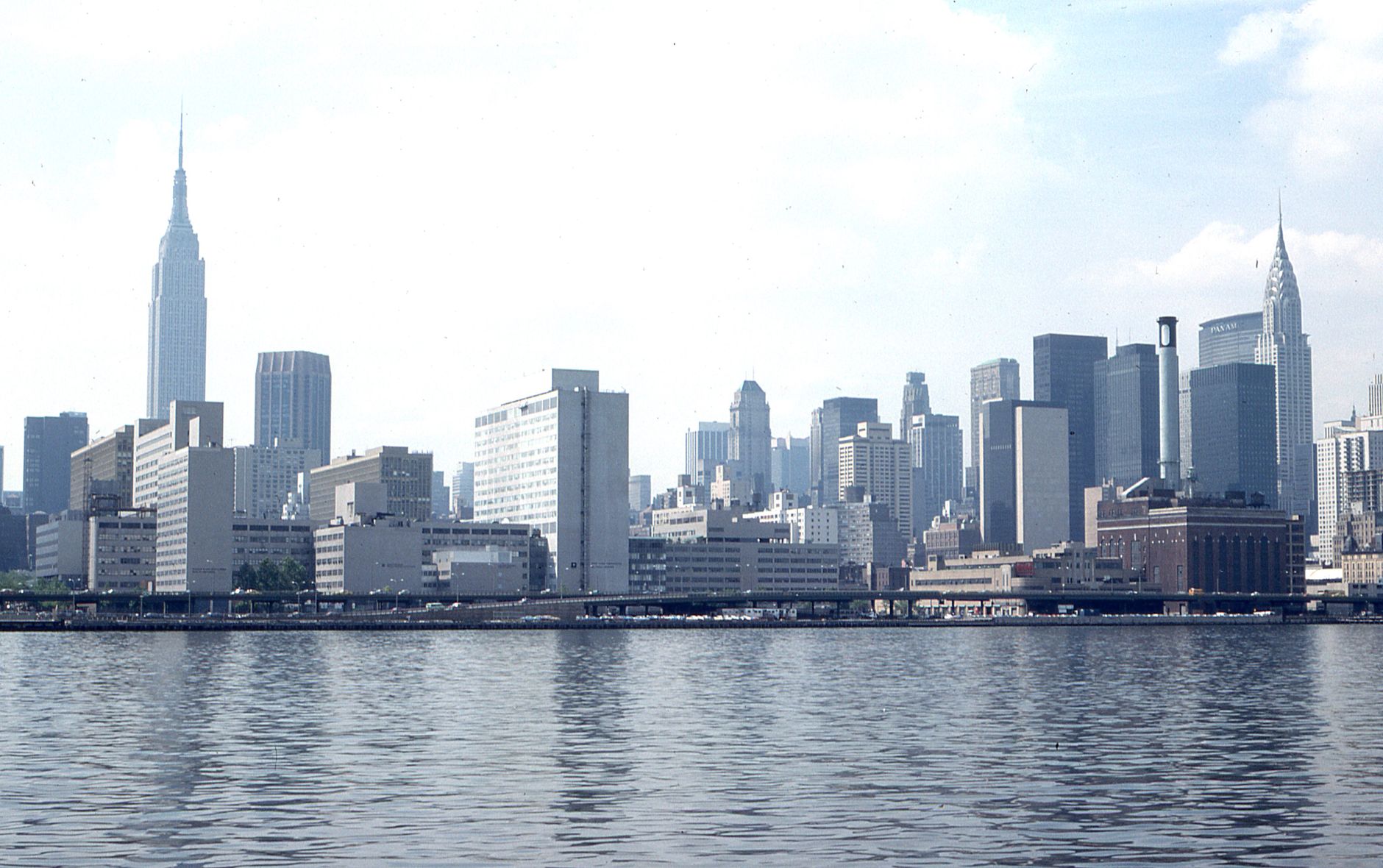
September is one of the easiest months to enjoy New York City well. Summer crowds start to loosen, the air is usually more comfortable for long walks, and the city feels active without the holiday-season crush. If you are planning a first or second visit, this is a strong moment to build a weekend around neighborhoods rather than trying to race through every landmark.
This guide is for travelers who want a practical three-day plan: a downtown day, a Midtown and museum day, and an Upper Manhattan or Brooklyn day depending on your pace. It is not a box-ticking marathon. The goal is to help you move through New York City logically, spend less time backtracking, and leave enough room for the small moments that make the city memorable.
If you like exploring on foot, Ingry is especially useful in New York City for understanding what you are passing between the big sights, not just the headline stops.
Why September works so well in New York City
For 2026, September also brings NYC Broadway Week in Manhattan, which New York City Tourism + Conventions lists for September 2026. The city’s official tourism organization has also highlighted the fall return of NYC Off-Broadway Week in October, which is useful context if your trip stretches later into the season. Meanwhile, Broadway.org remains a reliable place to confirm what is actually running before you plan an evening around a specific show. (business.nyctourism.com)
What makes September especially practical is the walking rhythm. You can spend a morning downtown, cross neighborhoods on foot, and still have energy for a museum or theater later. In warmer months, many visitors overestimate how much they can comfortably do outside. In September, the same route often feels much more manageable.
It is still worth planning around crowd patterns. Fridays and Saturdays stay busy in Lower Manhattan, Central Park, and around Times Square. Sunday mornings tend to feel calmer in business-heavy areas downtown, while museum-heavy parts of Manhattan often build up from late morning onward.
How to structure a 3-day September trip
The smartest New York weekend is usually built by area:
Day 1: Lower Manhattan and the harbor
Start with the oldest and most visually dramatic part of the city. Walk the Financial District early, before the area turns into a mix of commuter traffic and heavy sightseeing. From there, continue toward the waterfront rather than doubling back inland.
A good sequence is the Battery, the harbor views, and then a northbound walk through the narrow streets toward Wall Street, Trinity Church, and the World Trade Center area. If visiting the Statue of Liberty and Ellis Island is high on your list, keep that as the main event of the morning and avoid trying to stack too much else on top of it. Ferry-based sightseeing takes more time and energy than it looks on a map.
If you do not want the full island visit, staying in Manhattan and walking the shoreline is often the better use of a short trip. The southern tip of Manhattan gives you skyline views, water, and a strong sense of place without the queueing and transit layers.
By late afternoon, shift into one nearby neighborhood rather than trying to cover all of downtown. Choose either the civic side around City Hall and the Brooklyn Bridge approach, or the more relaxed route toward South Street Seaport. Both work better than bouncing between scattered points.
Day 2: Midtown, a major museum, and a Broadway evening
Midtown is where many trips get messy. The area is dense, noisy, and easy to overbook. Keep this day simple: one major corridor, one museum, one evening plan.
In September, begin outdoors while the light is good and the streets are not yet at peak volume. Fifth Avenue, Bryant Park, the New York Public Library exterior, and Rockefeller Center all connect naturally. If you want an observation deck, do it either early or near sunset, but not in the middle of the day when lines and glare can make the experience less pleasant.
For museum time, choose one institution and commit to it. The Metropolitan Museum of Art is usually the strongest choice for a first-time visitor because it rewards even a short visit. In 2026, The Met is presenting Giacometti in the Temple of Dendur from June 12 through September 8, while its long-run Japanese ceramics exhibition continues through August 8, 2027. Those dates matter if you are planning an early-September visit and want to pair a seasonal trip with a specific exhibition. (metmuseum.org)
Then keep the evening for theater. Broadway.org confirms current production runs and schedules, which is far more useful than relying on old travel lists. One example: Arthur Miller’s Death of a Salesman is listed at the Winter Garden Theatre with performances through August 9, 2026, so that would not be a September option. Always check your exact travel dates before building the day around a show. (broadway.org)
If you use Ingry, this is the kind of day when it helps most: Midtown can feel visually overwhelming, and having a walking-focused guide makes the route between landmarks more coherent.
Day 3: Choose between Upper Manhattan calm or Brooklyn views
Your third day should depend on your energy, not on guilt about missing something.
If you want a quieter finish, go uptown. A Central Park walk paired with the Upper West Side or the northern edge of Museum Mile works well if you want a more spacious New York day. The point is not to conquer the entire park. Pick one segment and enjoy it properly.
If you want skyline views and neighborhoods, choose Brooklyn instead. DUMBO and Brooklyn Heights make sense for a short visit because they combine strong architecture, river views, and walkability. Go early if you want the Brooklyn Bridge area at its most photogenic and least chaotic. If you cross the bridge, do it in one direction only. Walking both ways wastes time unless the bridge itself is your main goal.
A third option for repeat visitors is the Bronx for the New York Botanical Garden, but only if that is your focus for the day. It is excellent, yet it should not be treated as a quick add-on. Official NYBG information shows that major seasonal programming such as the Orchid Show runs on specific dates, so always verify whether a special exhibition overlaps your travel period. (nybg.org)
What to book ahead for a September weekend
Book ahead for only the things that create real friction if left to chance:
Broadway tickets, one major observation deck if that matters to you, and any ferry-based harbor visit should be handled before arrival. Major museum special exhibitions are also worth checking in advance, even when general museum entry is straightforward. Official sources are the safest place to confirm dates and availability. (broadwayleague.com)
What you usually do not need to overplan is every meal, every coffee stop, or every minor viewpoint. New York City works best when the framework is fixed but the middle of the day stays flexible.
How to move through the city without wasting half the weekend
The biggest mistake in New York is not walking too much. It is zigzagging between neighborhoods that do not belong together on the same day.
Pair downtown with downtown. Pair Midtown with either a nearby museum or theater. Pair Brooklyn waterfront areas with Lower Manhattan or keep them for a separate day. If you follow that logic, the city becomes much less tiring.
Also, assume that street conditions can change around major events, roadwork, or security activity. NYC DOT publishes weekend traffic advisories, and the city has been especially active about travel alerts around major event periods. Even if you are mostly walking and taking transit, it is useful to know when certain corridors may be unusually congested. (nyc.gov)
What first-time visitors can skip
You do not need to spend long in Times Square unless theater is your focus. See it once, ideally en route to something else. You also do not need multiple observation decks on a three-day trip. One is enough.
Another easy cut is trying to cram in both a full museum afternoon and a long shopping session in the same part of the day. In practice, one of those experiences usually gets reduced to rushed wandering.
And if your trip is only a weekend, be careful with overambitious borough-hopping. It is better to know Manhattan and one slice of Brooklyn well than to collect brief, disconnected stops across the entire map.
A realistic September mindset for New York City
New York rewards selectivity. The city is too large to “complete,” even on a long stay, and September is best enjoyed as a season for walking, looking, and pacing the days well. Build your trip around two or three strong areas, leave room for an unplanned detour, and let the city reveal itself between the major sights.
That is also why a walking-first tool like Ingry fits naturally into a New York weekend. The pleasure here is often not only the destination, but the block-by-block story between one place and the next.
If you plan it that way, September can feel less like a rushed bucket-list trip and more like the version of New York people hope to find when they book it: energetic, layered, and surprisingly manageable.
New York City
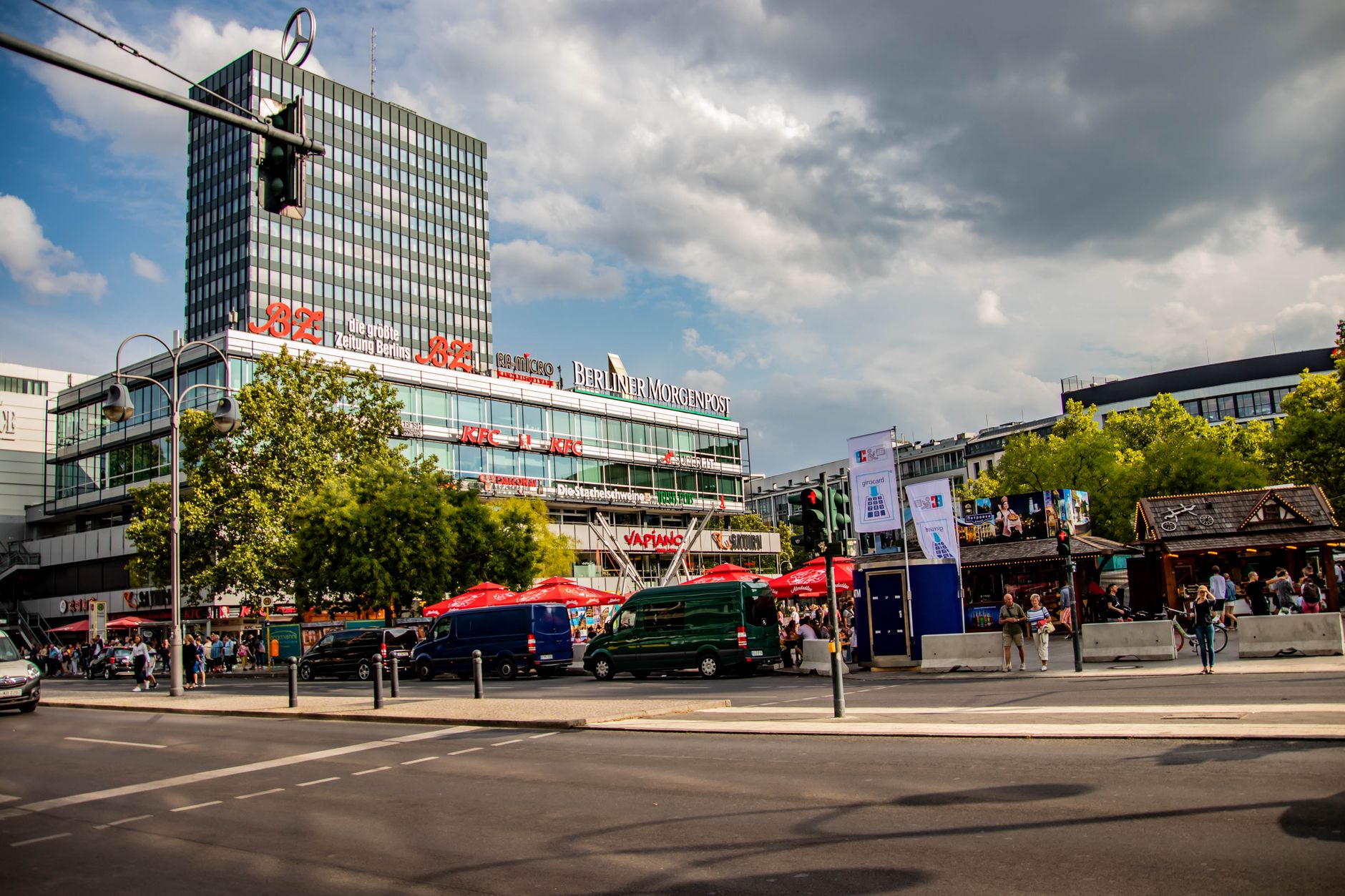
Berlin is one of the few big European capitals where a weekend can still feel open-ended. You can start with a major museum, drift into a park, cross the city for a market, and end the day by the canal without feeling locked into a rigid sightseeing plan. If you are visiting between late spring and early autumn, Berlin’s flea markets make that rhythm even better. They are not just places to shop. They help structure a trip around neighborhoods that are genuinely enjoyable to walk.
This guide is for travelers who want a practical Berlin weekend with strong first-time sights, but also want the city to feel lived-in rather than over-curated. The route connects central Berlin with three of the city’s best-known market areas: Mauerpark in Prenzlauer Berg, the antiques market near Tiergarten, and the antiques and book market by Bode Museum on Museum Island. Berlin’s official tourism pages list Mauerpark, Boxhagener Platz, and the Museum Island antiques and book market among the city’s notable flea market stops, while Berlin.de also highlights the Tiergarten market near Straße des 17. Juni. (berlin.de)
Why this is a strong Berlin weekend plan
Many first-time visitors try to fit Berlin into a simple monument route: Brandenburg Gate, Reichstag area, Museum Island, East Side Gallery, done. The problem is not that those places are unimportant. It is that Berlin makes more sense when you move through districts with different moods. A flea-market weekend gives you that structure naturally: historic Mitte, leafy Tiergarten, residential Prenzlauer Berg, and the looser Sunday atmosphere that Berlin does especially well.
This also works well in July, August, and early autumn, when longer days make it easy to combine indoor and outdoor time. If you want extra context while walking between stops, Ingry is useful for understanding what you are passing instead of treating Berlin as a series of disconnected pins on a map.
Before you plan: what to know about Berlin market timing
Berlin’s flea markets are not all the same. Mauerpark is the classic Sunday choice in Prenzlauer Berg. Boxhagener Platz also runs on Sundays in Friedrichshain. The antiques market near Tiergarten is one of the city’s better-known central options, and the antiques and book market by the Bode Museum sits right in the historic core. Official Berlin sources specifically identify Mauerpark as a popular Sunday destination, note the Sunday market at Boxhagener Platz, and place the Museum Island antiques and book market in central Mitte. (berlin.de)
For this itinerary, the smartest shape is Friday arrival, Saturday in the historic center and Tiergarten, and Sunday in Prenzlauer Berg with room for a second market if you still have energy. That avoids cramming all of Berlin into one day and uses the markets when they are most helpful rather than treating them as detours.
Day 1: Friday evening in Mitte and the Spree
Start simple after arrival
If you reach Berlin on Friday afternoon or early evening, do not chase the entire city. Stay in Mitte for your first walk. This keeps logistics easy and gives you a clean start for Saturday.
A good first route is Friedrichstraße or Hackescher Markt toward Museum Island, then down the Spree. This part of Berlin is dense with landmarks, but it is also manageable on foot. You can see the cathedral area, bridges, river views, and the edges of Unter den Linden without turning the evening into a checklist march.
What to prioritize
For a first evening, focus on orientation rather than museum interiors. Walk enough to understand the center, then stop. Berlin rewards pacing. If you try to do Reichstag, Museum Island, Alexanderplatz, and Kreuzberg in one evening, the city becomes all transit and no atmosphere.
If you enjoy exploring on foot, Ingry can help you make sense of the streets around Museum Island and central Berlin without needing to stop and search every building individually.
Day 2: Saturday for Museum Island, Bode Museum market area, and Tiergarten
Morning: Museum Island first, before the city fills up
Begin Saturday in Mitte. Even if flea markets are part of the weekend, Berlin’s historic core still deserves your clearest morning hours. Museum Island is especially strong early in the day, before the embankments and surrounding streets get busier. In 2026, Museum Island is also in a high-profile anniversary period: visitBerlin describes 2026 as the year of the 200th anniversary of Berlin’s Museum Island. (visitberlin.de)
Do not attempt every museum. Pick one or two based on actual interest and leave enough time to walk the island itself. The area around the Bode Museum is particularly useful for this itinerary because the antiques and book market there adds an outdoor layer to an otherwise museum-heavy morning. Official tourism pages describe this market as being set against Museum Island and away from the busiest Unter den Linden crowds. (berlin.de)
Late morning to lunch: the Bode Museum side of the island
This is one of the easiest places in Berlin to combine culture and wandering. Even if you are not buying anything, the market slows down your pace in a good way. Old prints, books, small objects, and the river setting make it feel distinct from the city’s larger, noisier markets.
It is also a good place to be realistic. If you love antiques and paper goods, stay longer. If not, treat it as a scenic pause and continue west. Berlin works best when you allow yourself to skip things politely rather than forcing an “authentic experience” that you are not actually enjoying.
Afternoon: Tiergarten and the antiques market near Straße des 17. Juni
From Museum Island, head west toward Tiergarten. This is one of the strongest transitions in Berlin: from dense imperial and museum Berlin into open green space. The flea market near Tiergarten S-Bahn and Straße des 17. Juni is one of the city’s established central market stops, and both Berlin.de and visitBerlin highlight the area as a major antiques or flea-market location. A separate market site says it has operated at Tiergarten S-Bahn since 1978. (berlin.de)
This market suits travelers who prefer browsing over trend-hunting. Compared with Mauerpark, it is usually a better fit if you like antiques, older objects, posters, tableware, and a slower atmosphere. It also pairs naturally with a walk into Tiergarten afterward.
How to pace the rest of the day
After the market, walk through Tiergarten instead of immediately jumping back onto transit. That small decision makes a Berlin weekend feel less fragmented. You can move toward the Victory Column area or simply use the park as a green reset before dinner elsewhere.
If your energy is still good, end the afternoon or evening in Charlottenburg or back in central Mitte. If not, stop. Berlin evenings are better when they do not start with exhaustion.
Day 3: Sunday in Prenzlauer Berg and Mauerpark
Why Sunday belongs here
Sunday is when Berlin’s market culture feels most visible. Official sources list Mauerpark as one of the city’s best-known flea market destinations and describe it as a popular Sunday stop in Prenzlauer Berg. (berlin.de)
Go in the morning if you want the calmest version of it. Later in the day, the area becomes more of a scene than a market. That can be fun, but it is not always ideal if you actually want to browse or move at your own speed.
What Mauerpark is good for
Mauerpark is less about polished antiques and more about Berlin’s casual weekend energy: second-hand clothes, records, random finds, snacks, and people-watching. Even travelers who buy nothing often enjoy it because the surrounding neighborhood is easy to keep exploring. Once you are there, Prenzlauer Berg gives you attractive residential streets, cafés, and a softer contrast to the monumental core of Mitte.
If you prefer a less crowded follow-up, you can continue to a quieter park or simply keep walking through Prenzlauer Berg. If you want another market rather than more sightseeing, Berlin’s official tourism listings also point to the Sunday flea market at Boxhagener Platz in Friedrichshain. (visitberlin.de)
What to skip
Do not try to combine Mauerpark, East Side Gallery, Charlottenburg Palace, and a full Museum Island visit on the same Sunday. On a map that may look possible. In reality it produces too much cross-city movement and too little time in each place.
A smarter Sunday is Mauerpark plus Prenzlauer Berg, or Mauerpark plus Friedrichshain, then an easy evening finish. That keeps the day coherent.
For walking routes between market stops and neighborhood landmarks, Ingry is a practical companion, especially if you want a route that feels exploratory rather than overly scripted.
Where to stay for this kind of weekend
Mitte
Best if this is your first trip and you want the simplest access to Museum Island, central landmarks, and easy transit in multiple directions.
Prenzlauer Berg
Best if you want a calmer neighborhood base with cafés, handsome streets, and easy access to Mauerpark on Sunday.
Friedrichshain
Best if you want a younger, more local-feeling base and may want to combine Sunday with Boxhagener Platz rather than staying only in the classic center.
For a short trip, avoid choosing a hotel far from the areas you actually want to walk. Berlin is large. A cheaper room on the edge of the city can cost you hours of momentum over one weekend.
Transit and walking logic
Berlin makes most sense when you combine short transit hops with long walks inside a district. Use trains or U-Bahn to move between big zones, then walk generously once you arrive. That is especially true for Mitte, Prenzlauer Berg, and the Tiergarten edge.
Try not to overestimate how much you will enjoy changing lines repeatedly in the middle of a summer afternoon. A Berlin weekend becomes smoother when each day has one main area and one secondary area, not five separate targets.
Who this itinerary suits best
This weekend works especially well for first-time or second-time visitors who want Berlin’s major sights but do not want the trip to feel like a standard “top 10 attractions” sprint. It is also good for travelers who enjoy cities through neighborhoods, parks, books, design objects, and casual street life rather than only headline monuments.
If your priority is nightlife, club culture, or a deep architecture-focused trip, you would build a different Berlin weekend. But for a balanced first visit, this route is one of the city’s easiest wins.
Final planning note
Berlin rewards selective planning. Choose one museum you really care about, one major park walk, and one or two markets that fit your style. Let the rest of the city happen in between. That is usually when Berlin feels best.
If you want a practical way to explore as you go, Ingry can help you navigate Berlin on foot, understand landmarks around you, and keep the weekend feeling connected rather than rushed.
Berlin

If you are planning a London trip in September, Open House Festival is one of the most useful weekends to build around. It is not just for architecture fans. It gives visitors a rare chance to step inside historic halls, modern offices, civic buildings, housing projects, rooftops, and workspaces that are usually closed or easy to overlook. In 2026, the festival runs from 12 to 20 September across London, with buildings and events spread across the city’s boroughs.
What makes it especially good for travelers is the format. Instead of trying to tick off isolated attractions all over the map, you can plan a weekend by area: the City, Westminster, South Bank, King’s Cross, or East London. That makes the days feel calmer and more like real London rather than a list of tube rides.
This guide is for visitors who want a practical London weekend: smart walking routes, realistic pacing, crowd-aware timing, and a better sense of which parts of the city fit together.
Why Open House Festival works so well for a London trip
Open House Festival 2026 is a London-wide event organized by Open City, with free public access to buildings and spaces plus walks, talks, and neighborhood events during 12 to 20 September 2026. Because it covers all 33 boroughs, you can shape a trip around the parts of London that already interest you instead of forcing yourself into one giant city-crossing itinerary.
For first-time visitors, this is a chance to connect famous landmarks with the city around them. You might pair St Paul’s area with the Square Mile, or combine Westminster’s ceremonial core with quieter backstreets and institutional buildings nearby. For repeat visitors, it is often more rewarding: London suddenly opens side doors.
It also suits a shoulder-season trip. Mid-September usually means the city is still lively, parks are still pleasant for walking, and daylight is long enough to build full days without the intensity of peak summer holiday crowds.
What kind of traveler should choose this weekend
This is a strong London topic if you like cities best on foot. It is ideal for travelers who enjoy urban views, design, public history, old-meets-new streetscapes, and seeing how neighborhoods actually function. If your favorite travel memories come from wandering rather than rushing between big-ticket sights, this weekend will likely suit you.
It is less ideal if you want a museum-heavy trip with fixed indoor plans from morning to night. Open House is exciting, but some places require booking, some can fill quickly, and some popular sites draw queues. Flexibility matters.
How to plan the weekend without wasting time
1. Pick one side of London per day
The biggest mistake is trying to sample buildings in every direction. London is large, and even efficient transport cannot fix a scattered plan. For a short trip, group your days geographically.
A good formula is:
Day 1: Westminster and St James’s, or South Bank and the City edge.
Day 2: the City of London.
Day 3: King’s Cross, Clerkenwell, Shoreditch, or another east-central cluster.
2. Use marquee sites carefully
The most famous openings often create the longest waits. If a high-profile building matters to you, try to place it first thing in the morning and keep the rest of that day light. If it is already full or the queue looks punishing, move on. Open House works best when you treat the city itself as the attraction, not one single doorway.
3. Keep one anchor and two backups
For each half-day, choose one priority stop and two alternatives nearby. That way, if booking slots disappear or lines build up, you are still in a good area with plenty to do on foot.
For navigating between openings and understanding what is around you, Ingry is useful as a walking companion. In a city like London, where the next interesting street is often a few minutes away, that matters more than people expect.
A smart 3-day London route for Open House Festival
Day 1: Westminster, St James’s, and the ceremonial center
Start your weekend in the part of London many visitors recognize immediately: broad avenues, government buildings, royal parks, church towers, and layers of national history. During Open House, this area becomes more interesting because it is not only about looking at facades. You may get access to institutional or heritage interiors that change how you read the district.
Begin early and arrive on foot if possible. Green Park, St James’s Park, Charing Cross, and Westminster stations all give you a workable start, but once you are in the area, walking is usually faster than hopping on transport for short distances.
Build the day around a loop rather than backtracking. A sensible rhythm is park, building, coffee, another building, then a slower riverside stretch later in the day. If queues build near Westminster Abbey, Whitehall, or Trafalgar Square, step sideways into St James’s or around the edges of Covent Garden instead of pushing through the densest crowd pockets.
This is also the day to be selective. If you already know you want the classic postcard views of Big Ben, Parliament, and the river, get them quickly and move on. The real value of Open House is often in the second-tier places nearby.
Day 2: The City of London for old streets, modern towers, and hidden courtyards
If there is one area where Open House feels made for travelers, it is the City. Nowhere else in London compresses Roman traces, medieval street patterns, Wren churches, glass office towers, guild history, and elevated walkways into such a compact zone.
This is the best day for an early start. Weekend mornings in the City can feel noticeably calmer before event traffic builds. Aim to move mostly on foot between St Paul’s, Bank, Moorgate, and Liverpool Street. Distances look bigger on the map than they feel in real life once you are inside the Square Mile.
Good strategy here is contrast. Pair a historic building with a contemporary one, then break the day with a lane, market stop, or riverside walk. The rhythm helps you avoid museum-style fatigue. A full day of interiors can blur together unless you keep changing scale and atmosphere.
If you like understanding cities spatially, this is exactly the moment to use Ingry. London’s center rewards curiosity: a churchyard behind an office block, a surviving alley, a view corridor toward St Paul’s, a small memorial you would otherwise pass without noticing.
Day 3: King’s Cross, Clerkenwell, or East London for a more lived-in finish
For the last day, avoid another round of ceremonial London. Choose a district that shows the city as a place people work, study, design, build, and live in. King’s Cross and Clerkenwell are especially good for this because they combine industrial heritage, newer public space, and walkable streets with a strong mix of old and contemporary architecture.
If you prefer a more creative, looser day, East London can work well too. The point is not to chase the biggest names by now. It is to finish with a neighborhood that still feels active outside the tourist script.
Keep this day lighter. By day three, a shorter list usually makes for a better experience. Leave room for a long lunch, canal-side or park time if the weather cooperates, and a final wander before you head out.
Where to stay for this kind of weekend
For Open House Festival, centrality matters more than prestige. Staying near the West End, Holborn, Blackfriars, South Bank, Farringdon, or King’s Cross usually gives you better flexibility than staying far out in a single-direction suburb. You do not need to be in the most expensive part of central London, but you do want quick access to multiple Tube lines and easy walking into at least one major cluster.
If your plan focuses on architecture and urban walks, Farringdon is particularly practical. It sits between the West End, the City, and Clerkenwell, which makes it a very efficient base for a short trip.
How to handle crowds, queues, and bookings
Some Open House events are bookable and others are first come, first served. That means your experience will depend less on luck than on structure. Check the official festival listings before you travel and identify which places need advance planning. Then leave some unbooked gaps in the schedule so the weekend still feels enjoyable if one stop falls through.
In general, expect the heaviest pressure at famous viewpoints, unusual interiors, and buildings with limited capacity. Midday is often the least forgiving time. Early morning and later afternoon usually work better for queue-based visits, while the middle of the day is often better for neighborhood walking, food, and lower-profile stops.
If a line already looks long, ask yourself whether the building is the goal or whether the surrounding area is. In London, the surrounding area often wins.
What to skip
Skip the temptation to combine Open House with every major London sight in one weekend. You do not need to force in the Tower of London, Buckingham Palace, Camden Market, Portobello Road, and a West End show on top of a full Open House plan. That is how London starts to feel exhausting.
Also skip overcommitting to far-flung zones unless there is one specific opening you care about deeply. The festival is city-wide, but a good visitor itinerary should not be.
Practical September advice
September is one of the easiest months for walking in London, but conditions can still shift during the day. Wear shoes you would trust for several miles on pavement, carry a light layer, and leave space in your bag for a compact rain layer if needed. You do not need to overpack, but you should plan for a day that starts cool, warms up, and possibly turns breezy or damp later.
Lunch timing matters too. In busy central areas, eating slightly early or slightly late saves time and energy. A 12:45 scramble in the middle of an event zone is rarely the best part of the day.
And because this is a walking-led weekend, build in moments to pause rather than treating every opening as mandatory. A bench in a square, a churchyard, a riverside segment, or a quiet side street can reset the whole trip.
Why this is one of the best London weekends for repeat visitors
Many London first trips are shaped by monuments. That is normal. But the city becomes much more memorable when you start seeing how its pieces connect: why one district feels ceremonial, another mercantile, another residential, another experimental. Open House helps with exactly that.
It turns London from a list of sights into a legible city. You notice materials, street widths, institutions, skylines, courtyards, thresholds, and transitions between neighborhoods. For travelers who already know the headline attractions, it can be one of the smartest reasons to come back.
And even if it is your first visit, you can still use the festival well by keeping the plan disciplined. Stay central, walk more than you think, book only what truly matters, and organize the weekend by area. If you want a tool to help connect landmarks with the city around them while you explore, Ingry fits naturally into that kind of trip.
Final thought
Open House Festival London 2026 is best approached as a neighborhood-based city weekend, not a building-collecting competition. Choose two or three parts of London, move through them slowly, and let the unusual interiors deepen what you see on the street. Done well, it gives you a more layered, more memorable London than a standard rush through the biggest attractions.
London
August is a good month for New York City if you plan around the heat instead of fighting it. The days are long, many visitors focus on a short list of headline sights, and the city works especially well when you break it into smart walking zones: Lower Manhattan in the morning, Midtown around indoor stops and evening views, and uptown park time when you need shade and space.
For 2026, one important detail is already worth watching: NYC DOT says Summer Streets will return on select Saturdays from 7:00 am to 3:00 pm, but the 2026 dates have not yet been announced. If your weekend lines up once they are posted, it can become one of the best ways to see Manhattan on foot without traffic. NYC DOT has also confirmed that applications for 2026 programming partners closed on June 26, 2026, which is another sign the event is expected back this summer.
This guide is for first-time or second-time visitors who want a real New York weekend, not a checklist sprint. It is built around walking logic, subway shortcuts, and the kind of August pacing that leaves room for the city to feel enjoyable.
Why August works for a short New York City trip
August is not the month to overbook. It is the month to start early, slow down in the middle of the day, and use evenings well. Central Park is open daily from 6:00 am to 1:00 am, and the Conservancy specifically advises summer visitors to stay hydrated and use the park’s water fountains on hot days. That alone makes the park one of the easiest places to build into an August itinerary.
If you like mixing classic landmarks with open-air city life, August also gives you flexible options. Bryant Park’s Picnic Performances season runs in 2026, and the park advises visitors to check the official schedule for specific dates and times before going. In Harlem, Harlem Summer Nights is scheduled for Fridays from July 10 through August 21, 2026, from 5:00 pm to 10:00 pm on the 125th Street Viaduct.
How to structure the weekend
The simplest mistake in New York is crossing town too often. A better plan is to group your days by geography and energy level.
Day 1: Lower Manhattan to the Brooklyn Bridge area
Start downtown before the sidewalks and ferry queues thicken. This is the best morning for the Financial District, the waterfront around Battery Park, and views toward the harbor. If the Statue of Liberty or Ellis Island matters to you, keep that as the single big item of the morning rather than stacking too much around it. If not, use the time for a slower walk through Lower Manhattan, then head north on foot.
From here, one of the most satisfying August walks is through the civic core toward City Hall and the Brooklyn Bridge area. You do not need to cross the bridge at peak midday heat just to say you did it. A smarter option is to walk part of it for the skyline view, then turn back, or save a full crossing for early evening when the light softens.
This is also a good day to use Ingry while walking. Lower Manhattan has layers of history that are easy to miss when you move too fast, and having a city guide in your pocket helps the area feel less like a blur between major sights.
Day 2: Midtown with indoor breaks and an evening view
Midtown is easier if you stop expecting it to feel relaxed. It is busy, loud, and worth doing with a plan. In August, the key is to anchor the day around a few short outdoor stretches and at least one indoor museum, library, station, or shopping break.
A practical route is Bryant Park, the New York Public Library exterior area, Grand Central, and then a westward move later in the day if you want Hudson Yards or the High Line zone. Bryant Park’s summer performances can turn the area into a strong evening stop, but only if you verify the date on the official schedule before your trip.
If you want a skyline moment, do it at the end of the day rather than in the middle. August light is kinder then, and you avoid burning your best energy in elevator lines at noon.
Day 3: Central Park and the Upper West Side or Harlem
Give your last day more breathing room. Central Park stretches from 59th Street to 110th Street between Fifth Avenue and Central Park West, and it is large enough that trying to “do the whole park” is a bad use of time. Pick one section and let the nearby neighborhood shape the rest of the day.
For a classic route, stay on the south or middle sections and combine the park with the Upper West Side. For a less overdone version, head farther north and include the Harlem end of the park. The Davis Center at the Harlem Meer has strengthened the park’s north end as a visitor destination, and it is a good reminder that Central Park is not only about the postcard views near the south entrance.
If you prefer a quieter woodland feel, the Ramble is open daily from 6:30 am to 9:00 pm. It works best in the morning, before the day turns sticky and crowded.
If Summer Streets happens during your weekend
Summer Streets can completely change how you experience the city. NYC DOT says the event takes place on select Saturdays from 7:00 am to 3:00 pm, with free programming along car-free streets, and that 2026 dates will be announced soon. In 2025, the program expanded to more than 22 miles across all five boroughs, including a continuous Manhattan route from the Brooklyn Bridge to Inwood. That does not confirm the exact 2026 route, but it does suggest that August visitors should keep an eye on the official announcement.
If your trip lines up with it, make that Saturday your big walking day. Start early, wear light clothing, and let the route replace several separate subway hops. It is one of the rare times New York feels physically open in a different way.
This is another moment when Ingry is useful: instead of racing from pin to pin, you can walk a longer stretch and understand what you are passing as neighborhoods change around you.
Neighborhoods that fit August especially well
Upper West Side
Good for a slower morning, park access, and a more residential rhythm after Midtown.
Lower Manhattan
Best early in the day, especially if you want harbor views before the heat builds.
Bryant Park and Midtown East
Useful as a practical hub rather than a dreamy one. Easy transit connections, short walks between landmarks, and solid backup options when you need air conditioning.
Harlem
A strong choice if you want your August trip to feel broader than the standard first-visit map. If you are in the city on a Friday between July 10 and August 21, 2026, Harlem Summer Nights gives you a specific evening reason to go.
What to skip or downplay in August
Skip the idea that midday is the best time for long exposed walks. It usually is not. Also skip the urge to combine too many observation decks, too many cross-town transfers, or both borough bridges in the same hot afternoon.
If a plan looks impressive on paper but keeps bouncing between downtown, Midtown, and uptown, it will feel much worse in reality. August rewards compact routing.
Transit and walking logic that saves time
The subway is still the tool that makes a short trip work, but New York is often best seen in chunks of 20 to 40 minutes on foot with one train ride between them. Central Park is especially easy to reach from multiple sides: the Conservancy notes that B, C, 2, and 3 serve the north side, 1, 2, 3, B, and C run along the west side, 4, 5, and 6 run along the east side, and A, B, C, D, 1, N, R, and Q serve the south side.
For weekend travel, it is smart to expect some service changes and check the MTA before heading out, especially if you are moving early or late. That matters more in New York than obsessing over the perfect route in advance.
A smart August rhythm for each day
Try this pattern: outdoor sightseeing early, indoor stop around midday, park or neighborhood wandering later, skyline or performance after dinner. It sounds simple, but it fits how the city actually feels in August.
If you want one extra tool for making those in-between walks more rewarding, Ingry works well for turning ordinary route segments into part of the trip rather than just transfer time.
Final thought
New York City in August is not about squeezing in everything. It is about building three days that respect heat, distance, and energy. Start early, group neighborhoods well, leave space for parks and evening light, and keep one eye on official August programming like Summer Streets before you go. Done that way, the city feels much less overwhelming and much more like somewhere you can actually move through with confidence.
New York City
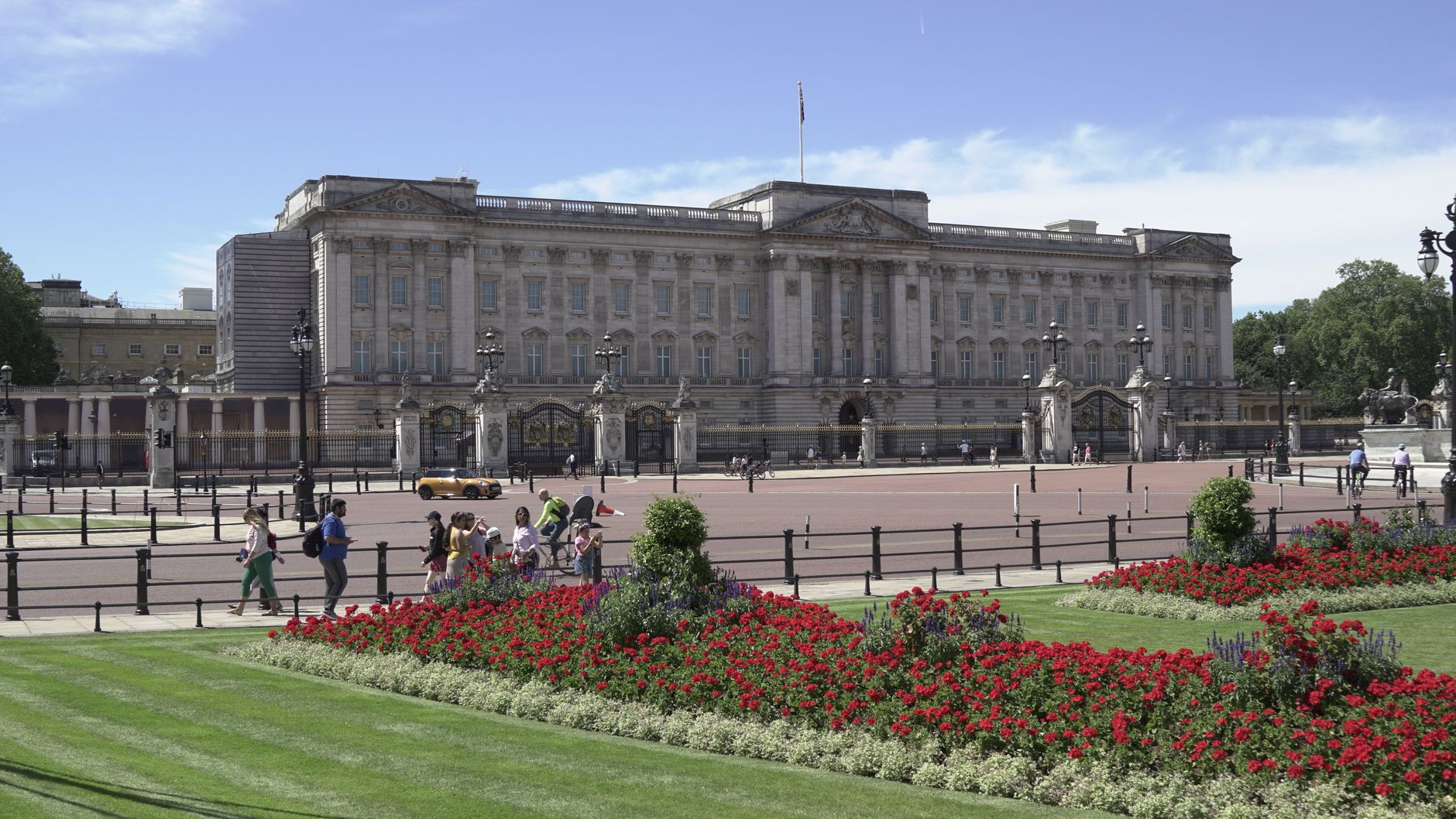
For many travelers, Buckingham Palace is one of those London sights that feels essential, but not always easy to fit into a real trip. The summer opening changes that. For a limited stretch each year, visitors can go inside the State Rooms, which makes this part of central London worth planning around rather than just passing through for a photo.
In 2026, the Buckingham Palace summer opening runs from July 9 to September 27, with daily opening through August and a Thursday-to-Monday schedule from September 1 onward. If you are visiting London in midsummer or early autumn, this is one of the clearest seasonal reasons to shape a weekend around Westminster, St James’s, and nearby museum districts.
This guide is for travelers who want a London weekend that feels coherent on foot: one major royal sight, strong nearby walks, sensible museum pairings, and enough breathing room to enjoy the city instead of rushing between checkpoints. As you move through the area, Ingry is a useful way to keep your bearings, understand what you are passing, and turn a simple transfer between landmarks into part of the experience.
Why this is a good London summer topic
London has no shortage of famous attractions, but many first-time visitors end up overloading one day with Westminster Abbey, the Houses of Parliament, the London Eye, the Palace, and a museum or two. It looks efficient on paper and feels exhausting in practice.
Building a weekend around Buckingham Palace works better because the surrounding neighborhoods naturally support a full trip. You have St James’s Park for a calm start or reset, Green Park just to the north, easy Tube access via Victoria, Green Park, and Hyde Park Corner, and straightforward links west to South Kensington or east toward Trafalgar Square and Covent Garden. The result is a central London weekend with less zigzagging and fewer unnecessary transport hops.
What is confirmed for the 2026 summer opening
Buckingham Palace is open to visitors from July 9 to September 27, 2026. According to the official visitor information listed by Visit London, opening hours are 9:30am to 7:30pm from July 9 to August 31, and 9:30am to 6:30pm from September 1 to September 27, operating Thursday to Monday in that later period. Visits are timed, and the stated visit length is around two and a half hours. The closest Tube stations are Victoria, Green Park, and Hyde Park Corner.
That matters for planning because this is not a quick exterior stop. If you book a Palace visit, it should be the anchor of at least half a day. Treat it as the center of your route, not an add-on squeezed between unrelated corners of London.
A smart 3-day London weekend built around Buckingham Palace
Day 1: Royal London without rushing
Start in St James’s Park in the morning rather than arriving at the Palace entrance at the last possible minute. The park helps you settle into the area, and the approach toward the Palace feels more natural than coming straight out of a station into a queue. If you have a timed entry, aim to be in the neighborhood well ahead of it.
After the Palace visit, avoid the common mistake of trying to cram in too many indoor sights. Your energy is usually better spent on a walk through Green Park, then continuing toward Piccadilly or St James’s. This part of London is ideal for a first-day stroll because the streets shift gradually from ceremonial London to clubland, shopping streets, and busier West End movement.
If you still want one more major stop, Trafalgar Square and the National Gallery area make more sense than crossing the river immediately. It keeps the day compact and lets you stay in central London’s historic core. If your legs are done, stop there and save the South Bank for another day.
Day 2: Westminster and the river, but in the right order
Use your second day for the icons that visitors often force into the Palace day. Start early around Westminster so you can see the area before midday crowd density builds. From there, walk over or along the river rather than taking short Tube rides that save little time and break the rhythm of the day.
A good sequence is Westminster area first, then the South Bank later, when the riverfront atmosphere starts to feel livelier. This spreads out the visual highlights and gives the day a different mood from the royal focus of day one. If the weather is clear, this is the better day for skyline views and longer outdoor stretches.
For navigation on foot, Ingry can help you connect the ceremonial center with riverside landmarks without turning the day into a list of disconnected stops.
Day 3: Choose one west-side pairing
Your third day depends on your travel style. The most logical pairings from the Palace area are:
South Kensington if you want major museums and a more structured indoor day.
Mayfair and Hyde Park if you want a gentler Sunday-style walk with fewer queues.
Covent Garden and the West End if you want a more urban final day with shopping, theatre, and denser street life.
The key is to pick one direction and stay with it. London gets tiring when you keep cutting across the center for single attractions. A good weekend usually feels smaller than the map suggests.
How to time the Palace visit well
Morning entries usually work best for travelers who want a fuller day afterward. You finish with time for parks, lunch, and a second neighborhood. Afternoon entries can be pleasant too, especially if you prefer a slower start, but they narrow your options afterward and make it easier to lose the day to waiting, transit, and heat.
If you are visiting in July or August, expect central London to feel busy well beyond the Palace itself. Summer is one of the city’s peak sightseeing periods, and major seasonal events across London add to that pressure. Visit London’s 2026 events calendar also lists Wimbledon running from June 29 to July 12, BBC Proms from July 17 to September 12, and the Buckingham Palace summer opening itself from July 9 to September 27, all of which contribute to a crowded city center at different points in the season.
That does not mean you should avoid summer. It means you should make your first stop intentional, book important timed entries ahead, and leave room in the afternoon for walking rather than extra queuing.
Where this weekend route works best for staying
Victoria is the most practical base if this Palace-centered plan is your priority. It is not the most romantic part of London, but it is efficient, well connected, and easy for early starts. St James’s, Westminster, and parts of Mayfair are more atmospheric if budget allows, and they let you walk more and commute less.
If you prefer evenings in livelier streets, Covent Garden can work, but expect a longer first transfer in the morning. South Kensington is a strong option if you want museums and calmer nights, though it is less ideal if your main goal is repeated early access to central ceremonial London.
What to skip
If you are already doing the State Rooms, you do not need to treat the Palace forecourt as a long separate stop. See the exterior, take the moment in, and move on. Likewise, avoid stacking too many “must-see” interiors into the same day just because they look close on a map.
Another easy thing to skip is unnecessary backtracking. If you have already finished around St James’s and Green Park, do not return there later just because it feels famous. Use that time for a different texture of London: the river, a museum district, or a neighborhood walk with more local life.
Who this London weekend suits best
This plan works especially well for first-time visitors, summer city-break travelers, and anyone who wants classic London without spending the whole trip underground on the Tube. It is also a good fit for travelers who like royal history but do not want an overly ceremonial itinerary. The Palace becomes one strong centerpiece, not the whole story.
If you are the kind of traveler who enjoys understanding a city while walking it, this is exactly the sort of weekend where Ingry fits naturally: between parks, along processional streets, and through the small transitions that make central London feel layered rather than overwhelming.
Final planning note
Buckingham Palace’s summer opening is one of London’s clearest limited-season experiences, and in 2026 it runs long enough to shape trips across most of July, August, and part of September. If you build around it wisely, you get more than a palace visit. You get a balanced London weekend with strong walking logic, flexible museum options, and a better feel for how the city’s ceremonial center connects to its everyday rhythm.
For many travelers, that is the difference between simply seeing London and actually moving through it well.
London
If you are thinking about visiting Berlin in late September, marathon weekend is one of the strongest reasons to do it. The BMW Berlin Marathon 2026 is scheduled for Sunday, September 27, 2026, with the main start area on Straße des 17. Juni, and the city expects the usual mix of runners, supporters, and visitors drawn by one of the world’s best-known road races. For a traveler, that creates both opportunity and friction: the atmosphere is excellent, but central Berlin also becomes more complicated to cross by taxi, bus, or car.
This guide is for people who are not necessarily running. Maybe you are coming to support someone, maybe you want to experience the city at its liveliest, or maybe you simply landed on a Berlin weekend with a major event and want to plan around it well. If you do it right, marathon weekend gives you a very Berlin combination of big-city energy, long walks, landmark views, and neighborhoods that still reward wandering once you step away from the route.
Why Berlin Marathon weekend works so well for a city trip
The Berlin Marathon is large enough to shape the mood of the weekend but still easy to combine with sightseeing. Berlin’s course passes major areas that many first-time visitors already want to see, and official visitor information notes that spectators should expect significant closures, especially in Tiergarten and Mitte, with public transport the best option. That matters because it changes how you should build your days: plan one route that follows the race atmosphere, then another that escapes it on foot or by U-Bahn and S-Bahn.
In practice, this is not the weekend for squeezing in every district. It is the weekend for a tighter central plan: Tiergarten, Brandenburg Gate, Reichstag area, Unter den Linden, parts of Mitte, then one neighborhood with a stronger local feel such as Prenzlauer Berg, Kreuzberg, or Schöneberg. That rhythm is much more pleasant than fighting the route all day.
The dates that matter
The main marathon race takes place on Sunday, September 27, 2026. Official race information lists handbike and wheelchair starts from 8:50 a.m. onward, with runners starting in waves from 9:15 a.m. The weekend builds before that: the Marathon Expo is scheduled from Thursday, September 24, 2026, and Berlin also lists Saturday afternoon and Sunday as the periods when closures become especially disruptive in central areas. If you are planning flights or train arrival, Friday evening or early Saturday is much easier than trying to arrive by car on race morning.
Who this weekend is best for
This is a great Berlin weekend if you like walking, street atmosphere, and seeing the city in motion. It is less ideal if your priority is a quiet museum-first trip with lots of taxis and tightly timed restaurant hopping across town. You can still do museums, but you should keep them geographically logical and not count on crossing the center quickly.
If you enjoy discovering Berlin while moving through it on foot, Ingry is especially useful on this kind of weekend because you can build your day around walkable sections rather than fixed transfers that may be affected by diversions.
Where to watch the marathon without making the day harder than it needs to be
1. Brandenburg Gate and the finish atmosphere
This is the iconic choice and the most obvious one. It gives you the emotional payoff and the postcard view, but it also attracts heavy crowds. Choose it if the finish itself matters more than comfort. Arrive early, stay patient, and accept that this is a standing-and-waiting zone rather than a relaxed wandering stop.
2. Victory Column and the Tiergarten side
Berlin’s official event page identifies the Victory Column as one of the spectator hotspots. It works well if you want a central viewing point with easy visual drama. The trade-off is similar: excellent atmosphere, weaker flexibility. Once you are there, moving across the route is not simple.
3. Unter den Linden for a classic Berlin backdrop
If you want race energy plus one of the city’s grandest avenues, this is a strong choice. Official spectator guidance highlights Unter den Linden late in the course, which means the mood is high and runners are deep into the race. It is especially good for visitors who want that combination of event atmosphere and recognizable historic center.
4. Potsdamer Platz for a more practical add-on day
Potsdamer Platz is also named as a spectator point and can work well if you want to combine race viewing with indoor breaks, easier navigation, and a smoother transition into the rest of your day. It is not as romantic as the Brandenburg Gate finish, but it is often more usable for a traveler.
A smart 3-day Berlin Marathon weekend plan
Friday: Arrive, stay central, keep the evening simple
Try to arrive by late afternoon and avoid overplanning. Your best first evening is a straightforward central walk: Pariser Platz, Brandenburg Gate, the Reichstag exterior, then east along Unter den Linden if you still have energy. This gives you the ceremonial face of Berlin without needing a museum booking or complicated logistics.
Dinner is best kept in Mitte or Prenzlauer Berg rather than somewhere that requires multiple changes. The city can already feel busier with marathon visitors arriving, and the easiest Berlin evenings are the ones that do not rely on crossing half the map.
Saturday: Museums or neighborhoods, but not both at full speed
Saturday is your flexible day. If this is your first time in Berlin, use the morning for one substantial museum or historic cluster, not a checklist sprint. Museum Island is the cleanest choice if you want classical Berlin and a compact sightseeing core. If you prefer contemporary Berlin, choose a neighborhood day instead: Kreuzberg for canals and side streets, Prenzlauer Berg for calm blocks and café breaks, or Schöneberg for a more lived-in city feel.
Keep the afternoon looser. Around marathon weekend, the most enjoyable Berlin days usually leave room for pauses in parks, bookshops, courtyards, and short detours. That is also where Ingry fits naturally: it is a good way to keep discovering places between the major sights instead of treating the city as a line of separate stops.
If someone in your group is collecting race bibs or visiting the Expo, do not force the rest of the day into another faraway district. Marathon weekends punish overambitious itineraries.
Sunday: Race morning, then one neighborhood escape
Start early and commit to one viewing strategy. Either watch the race in the Tiergarten-Brandenburg Gate zone and stay there for a while, or choose a point that lets you leave more easily once you have had the experience you came for. Do not spend the morning trying to chase runners across multiple parts of the course.
After lunch, shift completely away from race logic. This is the moment to pick one neighborhood and let Berlin slow down again. Good options are Prenzlauer Berg if you want a softer residential afternoon, Kreuzberg if you want more movement and variety, or Charlottenburg if your trip leans toward western Berlin and broader boulevards. Once you leave the course behind, the day becomes much more manageable.
How to move around Berlin during marathon weekend
The most important rule is simple: use U-Bahn and S-Bahn, and assume road traffic in central Berlin will be disrupted. Official city guidance specifically advises spectators to use underground and suburban rail because streets along the route, particularly in Tiergarten and Mitte, face severe disruption. Even if you are not watching the race, this still affects how long cross-city trips feel.
Walking also matters more than usual this weekend. Build your plan in clusters: watch in Mitte, then stay in Mitte; finish at Tiergarten, then walk toward a nearby station rather than hunting for a car pickup. Berlin rewards this approach even on normal weekends, but marathon weekend makes it almost essential.
If you like exploring on foot between stations, Ingry can help turn those in-between stretches into part of the trip rather than dead time.
Where to stay for the smoothest trip
For this specific weekend, central does not always mean easiest. Mitte is excellent if you want landmark-heavy days and early access to race atmosphere, but it can also be the most affected by closures and crowds. Prenzlauer Berg is often a smarter balance for visitors who want quick transport connections without sleeping inside the busiest event zone. Charlottenburg also works well if you prefer a slightly calmer base with good links into the center.
If you are supporting a runner, being near an S-Bahn or U-Bahn line is usually more valuable than being as close as possible in straight-line distance to the start or finish.
What to skip
Skip any plan that depends on taxis between major sights on Sunday morning. Skip trying to combine the race with a rushed half-day in a far district. Skip the idea that you will just “cross the route when needed.” During a marathon of this scale, central Berlin does not work that way.
Also skip attraction stacking. On this weekend, Berlin is better as a sequence of zones than a list of must-sees. You will remember the city more clearly if you let one part of it breathe.
Is marathon weekend good for first-time visitors?
Yes, if you enjoy urban energy and are willing to plan around it. Berlin Marathon weekend is not the calmest version of Berlin, but it is a memorable one: landmarks framed by cheering crowds, central streets turned over to runners, and a good excuse to experience the city on foot instead of treating it like a series of disconnected attractions.
For many first-time visitors, that actually leads to a better trip. Berlin makes most sense when you move through it in layers: monumental center, greener edges, then neighborhood texture. Marathon weekend simply makes that logic more visible.
Final planning tip
If you are choosing one event-focused Berlin trip for late 2026, this is a strong option because the date is fixed, the route runs through meaningful parts of the city, and the atmosphere is easy to enjoy even if you are not running yourself. Just plan with the city’s shape in mind: one or two central anchors, one neighborhood retreat, and plenty of walking in between. That is the version of Berlin most visitors enjoy most.
Berlin
August is a good month for travelers who want New York City at full summer energy but do not want every hour of the day packed with must-do sightseeing. The key is not to fight the season. Plan your mornings around big-name sights, use the middle of the day for museums or longer indoor stops, and save your best walks for late afternoon and evening.
This guide is built for a real three-day trip: first-time visitors who want the classic skyline moments, a few major museums, and neighborhoods that still feel like New York rather than a checklist. It also works well if you have already seen Midtown and want a smarter summer route through Lower Manhattan, Central Park, and the waterfront.
One useful tool while moving between stops is Ingry, especially if you like exploring on foot and want context around the streets, buildings, and viewpoints you are passing rather than only jumping between pinned attractions.
Why August works for a short New York City trip
August can be hot and humid, so this is not the month to build an itinerary around constant midday walking. But it is also a strong month for travelers because parks, waterfront paths, ferries, and evening viewpoints are in full use. Governors Island is in peak season and is a short ferry ride from Lower Manhattan; the island is especially busy in July and August, which is useful to know when planning your timing. (home.nps.gov)
Central Park also has a useful summer advantage in the north end now that the Davis Center at the Harlem Meer is open as a year-round recreation area, with the city-run pool operating for the 2026 season from June 27 through September 13. That makes northern Central Park more appealing than many visitors expect on hot days. (centralparknyc.org)
The main mistake in August is trying to cross too many neighborhoods in the hottest part of the day. New York rewards compact routing. Pick one zone for the morning, one anchor stop for the afternoon, and one neighborhood for the evening.
What kind of August traveler this itinerary suits
This plan is best for visitors who want:
A classic but not overstuffed first trip; long walks with regular shade, air-conditioning, and coffee breaks; skyline views without making every day about observation decks; and a good balance of Lower Manhattan, Central Park, and Brooklyn-facing waterfronts.
If your priority is Broadway, deep shopping, or a museum-only trip, you would shift the route. But for a general long weekend in August, this pacing is much more comfortable than trying to do Uptown, Midtown, Lower Manhattan, and Brooklyn all in one day.
Day 1: Lower Manhattan in the morning, Governors Island in the afternoon, harbor views at sunset
Start early around Battery Park and the harbor
Begin downtown before the heat builds. This is the right morning for the Statue of Liberty area, but not necessarily for a full island-heavy schedule unless that is your top priority. If you mainly want harbor atmosphere, walk Battery Park first, look across to the Statue of Liberty, and keep the morning flexible.
If you do want a focused monument visit on another trip segment, pair the Statue of Liberty and Ellis Island with a half-day from Lower Manhattan rather than squeezing it into an already crowded downtown day. For this August weekend route, it is often smarter to keep your energy for the waterfront and the island views around you.
Take the ferry to Governors Island after the early rush
Governors Island is one of the best August resets in the city. It is only about a 10-minute ferry ride from Lower Manhattan, and once you arrive, the pace changes immediately. Ferries operate from Manhattan and, in summer, weekend service also runs from Brooklyn locations. NYC Ferry also serves the island on weekends. (home.nps.gov)
What makes it work in August is not that there is one essential sight. It is the breathing room: harbor wind, broad paths, lawn space, old military architecture, and skyline views back toward Manhattan. If the city starts to feel too dense on a summer trip, this is the easiest way to change rhythm without leaving New York.
Do not overplan here. Walk, rent a bike if that suits you, stop for lunch, and keep the afternoon open. The island is busiest in July and August, so earlier ferry departures tend to feel smoother than late midday ones. (home.nps.gov)
Evening: return for sunset around the southern tip of Manhattan
Come back before dinner and spend the evening near the southern waterfront rather than rushing uptown. The light across the harbor is usually better late in the day, and after time on the island you will have a better sense of the city’s shape. This is also a good evening to use Ingry while walking, since Lower Manhattan has an unusual density of historic buildings, short detours, and places that are easy to pass without context.
Day 2: Central Park, the Met, and the Upper East Side at a slower summer pace
Begin in Central Park before midday
In August, Central Park is best approached as a sequence rather than a marathon. Pick one section and let the day unfold around it. For this itinerary, start on the east side of the park and keep your walking moderate. If you want a less obvious version of Central Park, the north end is more rewarding than many visitors realize. The Davis Center at the Harlem Meer has reconnected this part of the park with new paths and a restored landscape, and its pool season runs through mid-September 2026. (daviscenter.centralparknyc.org)
If this is your first visit and you prefer the more famous postcard version of the park, stay farther south and save the Harlem Meer area for a return trip. The important thing is to avoid treating the entire park as one continuous cross-city walk in August heat.
Midday and afternoon: The Met is the right August anchor
The Metropolitan Museum of Art is one of the easiest places to build an August day around because it gives you several hours indoors without feeling like a compromise. If the weather turns especially hot, this is where you want your longest indoor stretch.
Do not build your plan around a current rooftop commission unless you have checked museum updates directly before your trip. The Met’s most recently confirmed Roof Garden commission in the available official material was Jennie C. Jones’s installation, which ran from April 15 through October 19, 2025, and the museum is preparing for construction on its Tang Wing beginning in summer 2026. That means rooftop arrangements may change, so verify the latest visitor information close to your dates. (metmuseum.org)
After the museum, keep the rest of the day light. Walk a few Upper East Side blocks, have a late coffee, and resist the urge to cram in another major museum just because you have time on paper.
Evening: choose a neighborhood dinner over another attraction
By the second evening, many visitors make the mistake of forcing one more landmark. August is better when the night is allowed to be social and local. Stay on the Upper East Side, or head downtown for dinner in a neighborhood where walking after dark still feels like part of the trip rather than transit time between boxes ticked.
If you like understanding the city while you walk, Ingry is especially useful on evenings like this, when the pleasure comes from connecting streets, architecture, and smaller landmarks into one coherent route.
Day 3: The High Line in the morning, Chelsea or the West Side later, then a final skyline evening
Do the High Line early, not in peak afternoon heat
The High Line works best in August when you treat it as a morning walk, not a noon-to-2 p.m. challenge. Even official High Line material highlights seasonal operations and maps for summer, and the park remains one of the city’s most popular elevated walks. (files.thehighline.org)
Start early, keep moving, and use it as a connector rather than your entire day. The appeal is the shift in perspective: city streets below, planting design around you, and a gradual transition between neighborhoods. But because it is exposed in sections and gets crowded, this is not where you want to be at the hottest, busiest hour.
Pair it with one nearby zone only
After the High Line, choose one of these approaches:
Stay around Chelsea if you want a museum or gallery-focused afternoon.
Continue toward the Hudson River side if your goal is simply open air, piers, and a less dense final day.
Or cross less and linger more: take a proper lunch, pause indoors, and leave your final energy for the evening.
The wrong move is trying to add Midtown sightseeing after this. In August, too much crosstown movement creates more fatigue than value.
Finish with one last big view
Your last evening should go to a skyline walk, waterfront pause, or one carefully chosen viewpoint. New York is often most memorable at the end of the day, when the heat eases and the city becomes more legible. A final waterside walk usually delivers more atmosphere than squeezing in a final attraction line.
What to skip, or at least rethink, in August
Do not build midday around long exposed queues
Anything that combines little shade, heavy security lines, and a rigid timeslot can wear you down quickly in August. If a sight matters a lot to you, book it early in the day. If it is only a maybe, choose something with easier pacing.
Do not zigzag across the city for bragging rights
Many first-time visitors design itineraries that look efficient on a map but feel exhausting in real life. New York is better experienced in clusters: Lower Manhattan and the harbor; Central Park and the Upper East Side; the High Line and the West Side.
Do not assume every famous place needs hours
Some of the city’s best August moments are transitional: a shaded park path, a ferry ride, a waterfront bench, a quiet side street after a museum. Leave room for these.
Practical August planning tips
Start earlier than you think you need to. In summer, one good early block of walking can replace two sluggish hours later.
Use museums and long lunches strategically. They are not backup plans; they are part of smart August pacing.
Carry water and expect to slow down in the mid-afternoon.
If you want a break from dense tourist areas, use the water. Ferries and waterfronts change the feel of the trip quickly.
For any time-sensitive museum access, ferry schedules, or seasonal facilities, verify details close to your travel dates. This matters especially for Governors Island ferry options and seasonal operations at places like the Davis Center pool. (daviscenter.centralparknyc.org)
The best version of New York City in August
The best August trip to New York is not the one with the most attractions. It is the one with the best rhythm. Start with iconic places early, disappear into a museum when the day turns heavy, cross the water when the city feels too loud, and save your longest walks for the evening.
If you do that, August stops feeling like a compromise month and starts feeling like one of the easiest times to understand how New York actually works: by neighborhood, by energy, and by knowing when to push on and when to pause.
New York City
London’s August Bank Holiday weekend falls on Monday, 31 August 2026, with the main long-weekend travel period running from Saturday 29 to Monday 31 August. It is one of the busiest summer weekends in the city, and for good reason: long daylight hours, major outdoor events, and a festive atmosphere that spills well beyond central London. For visitors, though, this is not a weekend to improvise. A smart plan matters more here than on an ordinary summer trip.
This guide is for travelers who want to enjoy London during the bank holiday without spending the whole weekend in the thickest crowds. If you are coming for the atmosphere, you can absolutely include big events. But the best version of this weekend usually mixes headline sights with quieter walks, well-chosen neighborhoods, and a realistic sense of how far you can get in a day.
Why this weekend is different
In England and Wales, the Summer Bank Holiday in 2026 is on Monday, 31 August. Visit London lists the bank holiday weekend from 28 to 31 August 2026, and Notting Hill Carnival is also scheduled across 29 to 31 August 2026. That means west London in particular will be much busier than usual, while central areas and major museums also see a late-summer surge.
If you want a lively London weekend, this is a great time to come. If you prefer a calmer first visit, the trick is not to avoid the city altogether, but to route your days intelligently.
Who this guide is best for
This itinerary works especially well if you are a first-time visitor, a couple planning a late-summer city break, or anyone who wants a long weekend that still feels like London rather than a box-ticking sprint. It assumes you want to see major landmarks, spend real time on foot, and leave room for parks, river views, and neighborhoods with character.
If you are using Ingry, this is exactly the kind of weekend where it helps: London makes more sense when you connect places by walking rather than jumping randomly between Tube stops.
How to think about the city this weekend
The simplest strategy is to divide your trip into three different London moods. Give one day to the royal and historic core, one day to the South Bank and eastward river walk, and one day to either Notting Hill Carnival or a calmer alternative in north or west London. That way you are not repeating the same crowded zones over and over.
Also, do not try to do too much in west London on Carnival days unless that is your main reason for coming. Even if you are not attending, nearby routes can be slower and more crowded than usual.
Day 1: Westminster, St James’s, and the South Bank
Start early in Westminster
Begin your first morning in Westminster. This is the cleanest introduction to London’s ceremonial and political center: Westminster Abbey, the Houses of Parliament, Big Ben, and the broad open perspective toward Whitehall and St James’s Park. Early is the key word here. By late morning, this part of the city becomes one of the busiest areas in London, especially on a holiday weekend.
From Westminster, walk through St James’s Park rather than taking the Tube. It is a better way to feel the city’s layout, and the transition from parliament to royal parkland to Buckingham Palace is one of the easiest, most satisfying walks for a first-time visitor.
What to skip
If you are tempted to pack in Buckingham Palace, Trafalgar Square, Covent Garden, Soho, and the London Eye all before lunch, don’t. On a bank holiday weekend that usually turns into too much queueing and not enough actual time in each place. Pick two or three of those areas and move through them properly.
Afternoon on the river
After lunch, cross toward the South Bank. The stretch from Westminster Bridge toward the London Eye, the Southbank Centre, and further east toward Waterloo and Blackfriars works well in the afternoon because the river keeps the route visually open, even when it is busy. It also gives you easy stop points if you want to sit down, duck into a gallery, or simply slow the pace.
If the weather is warm, this is a good day to be outside rather than spending the entire afternoon in museums. Save indoor-heavy sightseeing for a less crowded or less scenic weather window.
For walking routes, short landmark context, and a more coherent sense of what you are passing, Ingry is useful here because the Westminster-to-South-Bank transition is one of those classic London walks where the city reveals itself block by block.
Day 2: Museums, Kensington, and a Hyde Park evening
Choose one major museum, not three
South Kensington is an obvious bank holiday choice, which means it is also a place where travelers often over-plan. The area around the Natural History Museum, the Victoria and Albert Museum, and the Science Museum is excellent, but trying to “do” all of them in one day rarely works well. Choose one museum as your anchor and treat the rest as optional.
If you want a classic London museum day, pair South Kensington with a slower afternoon in Kensington Gardens and Hyde Park. That combination is much more pleasant than rushing from museum to museum indoors while everyone else is doing the same.
How to pace the area
Arrive at your museum area early, before the late-morning peak. Then step back outside after a few focused hours. Walk north through Exhibition Road or toward Kensington Gardens, and let the second half of the day become greener and less structured. Late August often rewards you with one of London’s nicest evening rhythms: long walks, crowded but cheerful parks, and a city that stays active well into dinner time.
If you still want one more neighborhood stop, continue toward Notting Hill only if you specifically want the atmosphere and are comfortable with busier streets. Otherwise, Marylebone or Bloomsbury often makes a calmer end to the day.
Day 3: Choose your version of the bank holiday
Option A: Go to Notting Hill Carnival on purpose
If Carnival is your main reason for visiting, commit to it properly rather than squeezing it awkwardly between unrelated sightseeing. Visit London confirms Notting Hill Carnival runs from 29 to 31 August 2026 as part of the August Bank Holiday weekend. That means large crowds, slower movement, and a very different feel from a standard sightseeing day.
The practical rule is simple: make this your main event, keep the rest of the day light, and do not schedule timed museum entries or far-apart reservations around it. Wear comfortable shoes, expect a slower pace, and be ready to spend more time standing and moving gradually than you would on a normal London day.
Option B: Avoid the thickest crowds and see another side of London
If Carnival is not your scene, use the third day to explore a different London geography. Hampstead and Primrose Hill make a good contrast to the ceremonial center and museum districts. Greenwich is another strong choice if you want river views, maritime history, and a sense of space. The point is not to chase every famous sight. It is to finish the weekend with a part of London that feels lived-in and memorable.
This is also a good day to use Ingry for a neighborhood-led walk instead of a monument-led one. London is often best understood this way: one district at a time, on foot, with enough room to notice the transitions.
Where to stay for this weekend
For most first-time visitors, staying somewhere with easy Tube access but slightly outside the busiest tourist core is the smartest move. Areas with good connections into central London can save you time without forcing you to sleep in the noisiest parts of the city. If you are coming specifically for Carnival, west London may sound convenient, but remember that convenience on paper can feel different once the surrounding area is extremely busy. Sometimes it is easier to stay elsewhere and travel in once.
What to book ahead
For this weekend, book accommodation early. If you want major attractions with timed entry, book those too, especially for Saturday and Sunday mornings. Keep at least one part of each day flexible, though. London rewards structure in the morning and spontaneity later on, particularly during summer weekends when walking conditions are good and neighborhoods pull you off your original plan.
How to move around efficiently
The biggest mistake visitors make in London is overusing the Tube for short distances between central sights. During a crowded holiday weekend, walking is often the better option when landmarks are already clustered close together. Westminster to St James’s, Trafalgar Square to Covent Garden, and large parts of the South Bank are all more logical on foot than underground.
Use transit for bigger jumps between districts, not every stop. London feels smaller and more coherent when you travel this way.
What kind of weather to expect
Late August in London is still summer, but it is not guaranteed heatwave weather. Plan for a mix: comfortable walking conditions, the chance of warm spells, and the possibility of passing showers. This is the kind of weekend where layers work better than dressing for one perfect forecast snapshot. Comfortable shoes matter more than almost anything else.
A smart final plan for first-time visitors
If you only remember one thing, make it this: during the August Bank Holiday, London works best when you build each day around one strong zone, not a dozen disconnected pins on a map. Give yourself Westminster and the river on one day, museums and parks on another, and a third day shaped either around Carnival or around a quieter neighborhood with real walking appeal.
That approach gives you a trip that feels full without becoming frantic. And in a city like London, especially on one of the busiest weekends of the summer, that is usually the difference between seeing a lot and actually enjoying what you see.
London

If you are planning a summer weekend in Berlin and want a trip with real atmosphere, Berlin Pride is one of the strongest moments to visit. Christopher Street Day 2026 takes place on Saturday, July 25, 2026, and the wider Pride Month program in Berlin runs from June 25, 2026 for four weeks. That gives the city a clear rhythm: community events before the main day, then a large central demonstration and closing celebrations in the heart of Berlin.
This guide is for first-time visitors who want more than just “show up and hope for the best.” Berlin is large, but Pride day itself is surprisingly manageable if you think in zones: the government quarter and Tiergarten for the big event energy, Schöneberg for queer history and bars, and Kreuzberg or Neukölln for the slower after-hours side of the weekend. If you want help navigating on foot between landmarks and neighborhoods, Ingry is especially useful in Berlin because the city makes more sense when you explore it block by block rather than jumping randomly between attractions.
Why Berlin Pride 2026 is a good weekend trip
The official CSD Berlin Pride demonstration is scheduled for Saturday, July 25, 2026. According to the organizers, it starts at 12:00 PM on Leipziger Straße, runs via Potsdamer Platz, Nollendorfplatz and the Victory Column, and continues toward the closing rally at the Brandenburg Gate area. The official opening begins at 11:30 AM, and the first groups are expected to reach the final rally around 3:30 PM. Berlin’s official tourism site also highlights CSD as one of the city’s major summer events. That matters for travelers: the energy is concentrated, easy to understand, and spread across neighborhoods that are already worth visiting even outside the parade itself.
For a weekend visitor, that creates a rare advantage. You can combine one major event day with a very strong Berlin itinerary before and after it: museum time in Mitte, food and nightlife in Kreuzberg, queer history around Nollendorfplatz, and broad park-and-monument walks through Tiergarten. It is not a niche festival weekend where you spend all your time at one venue. It works well even if only part of your group is there specifically for Pride.
Know the city layout before you arrive
Berlin gets easier once you stop treating it as one compact center. For Pride weekend, think of four practical zones.
1. Mitte
This is the area for Brandenburg Gate, Museum Island, Unter den Linden, and many of the classic first-trip sights. It is useful if you want to mix sightseeing with Pride events and keep walking distances reasonable.
2. Schöneberg
Nollendorfplatz is one of the key points on the CSD route and one of Berlin’s best-known queer districts. If Pride is the heart of your trip, this is the neighborhood that gives the weekend context rather than just spectacle.
3. Tiergarten and the government quarter
This is where Berlin opens up visually. Around the Victory Column, Straße des 17. Juni, and the Brandenburg Gate, the city feels ceremonial and spacious. On Pride day, that scale becomes part of the experience.
4. Kreuzberg and Neukölln
These areas make sense for the rest of the weekend: canals, cafés, late starts, independent food spots, and a less formal side of Berlin. They are a better fit than trying to force too many checkpoints into Charlottenburg or the far west on a short trip.
How to plan the weekend
Friday: arrive, stay local, and don’t overdo it
If you are flying into BER Airport, Berlin’s public transport network gives you several rail options into the city, including the S-Bahn, the Airport Express (FEX), and regional trains. That makes it realistic to stay car-free for the whole weekend. Berlin’s network includes S-Bahn, U-Bahn, tram, bus, and ferry connections, so once you are in the city, you can move by transit and then do the interesting parts on foot.
For Friday, keep the day geographically tight. A smart first evening is Schöneberg plus a short walk in western Tiergarten, or Kreuzberg plus the Landwehr Canal. That lets you adjust to the city without spending your first night commuting back and forth. If you use Ingry, this is a good moment to follow a walking route rather than chase a long attraction list.
What to skip on Friday: a full Museum Island day, a big shopping detour, and any plan that sends you to three separate nightlife districts. Berlin rewards focus.
Saturday: CSD Berlin day
On the main Pride day, your biggest decision is not whether to go, but where to place yourself. The route begins on Leipziger Straße at noon, passes Potsdamer Platz and Nollendorfplatz, reaches the Victory Column area, and ends with the final rally near the Brandenburg Gate. That means you should choose your viewing and walking strategy in advance rather than improvise in the middle of large crowds.
For first-time visitors, there are three good approaches.
Option A: Start-central strategy
Go early toward Leipziger Straße or Potsdamer Platz if you want the feeling of the day building from the beginning. This works well if seeing the march form up matters more to you than staying in one place later.
Option B: Nollendorfplatz strategy
Choose the Schöneberg section if you want a neighborhood feel and a stronger connection to queer Berlin beyond the parade itself. This is often the most meaningful zone for visitors who want context, not just photos.
Option C: Finish-line strategy
Head toward the Tiergarten and Brandenburg Gate side if you prefer a broader event atmosphere and want to combine the rally area with iconic Berlin landmarks. This is usually the easiest choice for travelers who also want the classic Berlin skyline and monument setting.
The biggest mistake is trying to follow the entire route on foot at parade pace. Berlin is too spread out for that to feel relaxed. Pick one section to experience deeply, then reposition once, not five times.
Sunday: recover with a slower Berlin
After Pride day, Berlin works best at half-speed. Sunday is ideal for one of two moods.
The first is a Mitte day: a calm museum visit, a walk along Unter den Linden, and time around Museum Island or the Spree. The second is a Kreuzberg-Neukölln day: canal walks, brunch, bookstores, and parks. Both are good. What matters is not trying to prove that you have “done Berlin” in 24 extra hours.
If the weather is good, Berlin’s long summer daylight makes evening walks especially rewarding. A final stroll through Tiergarten, along the Spree, or across the bridges in Kreuzberg often leaves a stronger memory than adding one more indoor sight.
Where to stay for Berlin Pride weekend
If Pride is the main reason for your trip, Schöneberg is the most logical base. You will be close to one of the key route areas and in a neighborhood with deep queer history. Mitte is the best compromise if your group includes people who also want museums and first-time Berlin landmarks. Kreuzberg suits travelers who care more about food, bars, and neighborhood atmosphere than proximity to the parade route itself.
Avoid staying too far out just to save a small amount, especially for a two-night or three-night trip. Berlin is well connected, but Pride weekend is one of those times when being able to walk home for part of the journey is worth a lot.
Transit and walking: the smart way to move through Berlin
Berlin’s transport system is excellent for visitors, but Pride weekend is still better when you combine transit with deliberate walking. Use rail for the long jumps and your feet for the final layer: the streets around Nollendorfplatz, Potsdamer Platz, Tiergarten, and Brandenburg Gate are best understood at walking speed.
From a planning perspective, think east-west less than north-south. Many first-time visitors underestimate the time lost zigzagging. A stronger approach is to group each part of the day around one corridor: Schöneberg to Tiergarten, or Mitte to Kreuzberg. Ingry fits this style of travel well because it helps turn those corridor walks into a coherent route rather than a series of disconnected map pins.
What to book ahead and what not to overplan
For Pride weekend, accommodation should be the first thing you secure. Major summer event weekends in Berlin can tighten hotel choice fast, especially in central neighborhoods. If you want a specific museum, rooftop, or performance on Friday or Sunday, reserve that too.
What not to overplan: every meal, every bar, and every hour of Saturday. CSD is not the kind of day that rewards rigid scheduling. Leave room for route changes, pauses, and staying longer in the area that feels right.
What to skip if this is your first Berlin weekend
Skip the temptation to cross the whole city for single attractions that do not connect to the rest of your route. Skip trying to combine Charlottenburg palaces, East Side Gallery, Museum Island, Tempelhof, and the full Pride route in one weekend. And skip the assumption that the “best” Berlin experience is the most crowded one.
Berlin is at its best when the trip has internal logic: one event anchor, two or three neighborhoods, and enough walking time for the city’s texture to come through.
A practical Berlin Pride weekend outline
Here is the simplest version.
Friday: arrive, settle into Schöneberg, Mitte, or Kreuzberg, then do one neighborhood walk and an easy dinner.
Saturday: build the day around one CSD route section, then continue toward the rally or an evening celebration depending on your energy.
Sunday: choose either museums and central Berlin, or a slower canal-and-café day in Kreuzberg and Neukölln before departure.
That plan leaves enough structure to feel organized and enough flexibility to actually enjoy the city.
Final thought
Berlin Pride weekend works because it shows several versions of the city at once: political, celebratory, historical, and deeply neighborhood-based. For first-time visitors, that mix is more revealing than a generic summer weekend. If you want Berlin to feel legible rather than overwhelming, keep your route compact, choose your parade zone early, and let the city unfold on foot between the big moments.
Berlin
August is one of the easiest months to enjoy London on foot. The days are still long, the parks feel fully alive, and the city works especially well if you build your weekend around walkable stretches rather than jumping across town all day. It is also a month when London gets crowded, particularly around headline attractions and on the August bank holiday weekend, so the smartest plan is not to race through a checklist. It is to group your days well, start early where it matters, and leave room for slower evenings by the river.
This guide is for first-time visitors who want a practical three-day London weekend in August. It focuses on central areas that connect naturally on foot and by Tube, with enough variety to make the trip feel full without becoming exhausting.
Why August works well for a London weekend
Late summer gives you good conditions for long walking days, time in the parks, and open-air stretches that can feel rushed in colder months. August also brings a very full events calendar in London, and the summer bank holiday falls on Monday, August 31, 2026. The long weekend from August 28 to August 31 includes major citywide activity, and Notting Hill Carnival is scheduled across August 29 to 31, with especially heavy crowds in west London. If your trip overlaps those dates, you should plan routes and transport with extra care. (visitlondon.com)
If you are visiting earlier in the month, you still get the seasonal advantages without the same level of transport pressure. Either way, August rewards travelers who think in neighborhoods: Westminster and St James’s on one day, the South Bank and Bankside on another, and a market-and-park day in east or north London after that.
How to plan the weekend without wasting time
The simplest mistake in London is crossing the city too often. Distances on the map can look manageable, but museum time, queues, bridges, and crowd-heavy stations slow everything down. A better rhythm is one major sight in the morning, a long walking corridor in the afternoon, and one flexible evening area.
For getting around, central London works best as a mix of Tube rides and purposeful walking. Trafalgar Square is a short walk from Charing Cross station, and TfL’s West End walking map connects key central areas including Trafalgar Square and the South Bank. That makes it realistic to plan large parts of your day on foot once you are in the center. (london.gov.uk)
To keep the city legible while you walk, Ingry is useful for following a route between major landmarks and smaller places you would otherwise pass without noticing.
Day 1: Westminster, St James’s, and a South Bank evening
Morning: start with the ceremonial center
Begin in Westminster or St James’s rather than at a market or museum. In August, this part of London is at its best early, before the pavements fill up. Walk through St James’s Park, continue along The Mall, and keep Buckingham Palace as a visual stop rather than the anchor of your whole morning unless you have pre-booked entry.
Buckingham Palace opens its State Rooms during the summer months, and official visitor information for 2026 notes that the summer opening is running and that some rooms may have altered access. If this is a priority for your trip, book ahead and build your day around the reservation rather than assuming you can decide on the spot. (media.rct.uk)
If you do not go inside, do not feel that you are missing the heart of London. The better use of time for many weekend visitors is to enjoy the park, then continue toward Horse Guards, Whitehall, and Trafalgar Square.
Afternoon: National Gallery or a lighter central walk
Trafalgar Square works well as your pivot point. If the weather turns or you want a museum without the commitment of half a day, the National Gallery is an easy fit here. It also has Friday late opening until 9 pm, which is useful if your trip starts on a Friday and you would rather save daylight hours for outdoor London. (nationalgallery.org.uk)
If you are not in the mood for a museum, keep moving. Covent Garden, the Strand, and the river are close enough to connect naturally, and central London often feels more memorable when you keep a steady walking line instead of stopping at every headline sight.
Evening: cross to the South Bank
For a first weekend in London, the South Bank is one of the easiest evening choices. You get river views, a strong sense of place, and enough activity to make the night feel lively without needing a strict plan. Walk east or west depending on your energy, but avoid trying to cover the whole riverside in one go. A shorter stretch done slowly is better than forcing the entire promenade.
This is also a good moment to use Ingry while walking, especially if you want context for the buildings, bridges, and side streets rather than just moving between photo points.
Day 2: South Bank, Bankside, and one major museum
Morning: riverside first, museum second
Start this day outside. The riverfront is calmer earlier, and London’s big museums are easier to enjoy when you reach them after a walk rather than at peak midday. A South Bank to Bankside route gives you one of the most reliable half-days in the city: broad views, bridges, bookstalls, street life, and easy options to stop when needed.
Pick one major museum for this day, not two. Tate Modern is the obvious fit if you want modern art and a route that continues naturally along the Thames. The most important planning point is pacing: leave enough time for the building, not just the collection. Rushing through Tate Modern after already doing too much elsewhere is a common mistake.
If you are structuring this day around a Friday or Saturday evening, Tate Modern has promoted late-night weekend openings in recent coverage, but details can vary, so check the museum directly before relying on a late slot. When in doubt, treat any museum late opening as a bonus rather than the backbone of your itinerary. (london-tickets.co.uk)
Afternoon: keep Bankside flexible
Bankside is one of the best places in London to leave part of the day unplanned. You can extend the river walk, sit for a while, or dip into smaller stops without the feeling that you are wasting time. This is a good afternoon for travelers who want London to feel like a city rather than a sequence of ticketed entries.
If you only have one museum day in your whole weekend, this should probably be it. If museums are not your priority, use the same area for architecture, bridges, and river views and keep moving.
What to skip on this day
Do not add the Tower of London, St Paul’s, and a West End show to the same day just because they look nearby on a map. They belong to different rhythms. London is more enjoyable when each day has one center of gravity.
Day 3: Choose your London mood
Your third day should depend on timing and energy, especially in August.
Option A: a classic Sunday around markets and north-central neighborhoods
If you want a livelier final day, build it around one market area and one residential-feeling neighborhood. The goal is not shopping for hours. It is seeing a different kind of London after two days of landmarks. Go early, wander a bit, then move on before the crowds become the whole story.
This works especially well if you want a more local texture to balance Westminster and the river. Keep lunch flexible and leave room for a final park stop in the afternoon.
Option B: a park-led day if the weather is good
August is one of the best times to let London’s green spaces carry a full day. Kensington Gardens, Hyde Park, or Regent’s Park all work, but choose one side of the city and stay there. Kensington Gardens has long summer opening hours in 2026, making it a strong option if you want an easy morning walk before museums or neighborhood wandering nearby. (royalparks.org.uk)
This kind of day is ideal if your first two days were dense. London can feel surprisingly restorative when you stop treating every hour as a sightseeing slot.
Option C: August bank holiday and carnival weekend strategy
If your trip falls on the August bank holiday weekend, accept that west London will move differently. Notting Hill Carnival runs over August 29 to 31, 2026, and official guidance already highlights road impacts, travel planning needs, and very large crowds. If you want to experience the atmosphere, do it deliberately and keep the rest of the day light. If you do not, avoid using west London as a through-route and plan your weekend around central or south-of-the-river districts instead. (visitlondon.com)
This is where Ingry is especially handy: instead of improvising under pressure, you can follow a clearer walking plan in the parts of London you actually want to explore.
Crowd-smart advice for August in London
Book ahead for only the things that truly matter
You do not need to pre-book every hour of a London weekend. You do need to pre-book the one or two experiences that would disappoint you if missed. In August, that often means Buckingham Palace summer entry or any major timed exhibition.
Use early mornings for the biggest-name areas
Westminster, Buckingham Palace, and major museum districts are most pleasant early. Save markets, river walks, and neighborhood wandering for later when they can absorb crowds better.
Do less each day
The city rewards depth more than range. Three connected areas in one day is usually enough. Five is too many.
A realistic 3-day structure at a glance
Day 1: St James’s Park, Buckingham Palace area, Whitehall, Trafalgar Square, South Bank evening.
Day 2: South Bank and Bankside walk, one major museum, flexible riverside afternoon.
Day 3: market-and-neighborhood day, or a park-led day, or a bank holiday weekend plan that either commits to Carnival or avoids it entirely.
Final thought
London in August is not about seeing everything. It is about building three days that flow well: one ceremonial London day, one riverside museum day, and one looser day shaped by weather, energy, and timing. If you get that balance right, the city feels generous rather than overwhelming.
And that is usually the difference between a weekend that feels rushed and one that makes you want to come back.
London
July is one of the easiest months to enjoy New York City if you plan around the heat instead of fighting it. Days are long, parks stay lively into the evening, and many of the city’s best summer experiences happen outdoors: riverside walks, rooftop views, movie nights, public performances, and long dinners after sunset. The mistake first-time visitors make is trying to cram too many headline sights into the hottest hours of the day.
This guide takes a different approach. It is built for a real three-day trip, with mornings for big sights, afternoons for museums or shaded breaks, and evenings for neighborhoods that feel especially good in summer. If you like exploring on foot, Ingry is genuinely useful in New York City for understanding what you are passing, following walking routes, and keeping your bearings between major stops.
Why July works well for a first New York City weekend
July brings the kind of New York weekend that many travelers actually picture: leafy streets, busy waterfronts, outdoor culture, and long golden-hour walks. Lincoln Center’s Summer for the City runs from June 10 through August 8, 2026, with free and choose-what-you-pay programming across the campus, which makes the Upper West Side a stronger evening destination than it is in colder months. Bryant Park’s 2026 movie nights begin on July 13 and run on Monday evenings, with the lawn opening at 5:00 p.m. and films starting at 8:00 p.m. (lincolncenter.org)
July also rewards travelers who are flexible about timing. Early starts make iconic places feel calmer, while late afternoons and evenings are ideal for river views, skyline walks, and outdoor events. If you want one simple rule for the whole trip, it is this: do your most exposed walking before lunch or after 5:00 p.m. (bryantpark.org)
How to structure the weekend
For a three-day trip, the smartest layout is to divide the city by walking logic rather than by a checklist of famous names. Keep Lower Manhattan together on one day, Midtown and nearby museum time on another, and Central Park plus the Upper West Side or Upper Manhattan on the third. That saves time, reduces subway backtracking, and leaves room for the kind of spontaneous stops that make New York feel memorable.
Use the subway and buses for long jumps, but walk the neighborhoods once you arrive. OMNY remains the MTA’s tap-to-pay system for subway and bus travel, so using a contactless card or phone is usually the easiest option for short visits. For some trips entirely within the city, the MTA also offers CityTicket on the LIRR and Metro-North, which can be handy if your route happens to match a rail line. (mta.info)
Day 1: Lower Manhattan to the Brooklyn Bridge, then an evening in DUMBO or along the water
Morning: start downtown before the heat builds
Begin in Lower Manhattan. This is the best time for the Financial District streets, the outside of the New York Stock Exchange area, Trinity Church, and the waterfront around Battery Park. If the Statue of Liberty and Ellis Island are a priority, keep them as your main morning activity and avoid combining them with too many other reservations the same day. If not, stay on land and use the morning for a slower downtown walk.
From there, head north on foot toward the World Trade Center area and continue into the Civic Center. This stretch works well because the architecture changes quickly, and you get a clearer sense of old and new New York than you do by jumping straight between isolated attractions.
Afternoon: bridge walk and a break
Walk the Brooklyn Bridge after the morning rush but before late-afternoon crowding peaks. Expect it to be busy in July, especially in good weather, so this is not the place for a solitary photo stop. It is better as a moving experience than a lingering one. Once across, DUMBO is an easy reward: water views, shade pockets, and places to sit down without feeling like the day is over.
If the heat is draining your energy, this is the moment to slow down. New York in July is much better when you leave room for an indoor pause instead of pushing through the middle of the day.
Evening: stay by the East River
The simplest strong finish is to keep the evening near the water. DUMBO, Brooklyn Bridge Park, or a return to Lower Manhattan for harbor views all work well. Sunset light improves the experience dramatically, and the skyline is part of the point. If you are the kind of traveler who likes to understand a place while walking through it, this is another good moment for Ingry, especially on a route with lots of landmarks that are easy to miss if you only look up for photos.
Day 2: Midtown done intelligently, with art or shade in the hottest hours
Morning: do the classics early
Midtown is unavoidable for many first-time visitors, but it is far more pleasant before noon. Start with whichever matters most to you: Grand Central, Bryant Park, the New York Public Library exterior, Rockefeller Center, or Fifth Avenue. The key is not to zigzag. Stay concentrated and accept that Midtown is best experienced in focused slices, not as an all-day wandering district.
If Times Square is on your list, go early, see it, and move on. It is useful as a quick stop, not as the emotional center of a short trip.
Afternoon: museum time or a long lunch
By early afternoon, shift indoors. MoMA is especially convenient on a Midtown day and is open daily until 5:30 p.m., with later hours on Fridays until 8:30 p.m. (visit.moma.org)
If art is not your priority, choose a long lunch and save your energy for the evening. July visitors often underestimate how much better the city feels after 6:00 p.m. than at 2:00 p.m.
Evening option 1: Bryant Park movie night
If your trip includes a Monday, Bryant Park’s movie nights are one of the easiest seasonal experiences to build into a Midtown day. In the 2026 season, the lawn opens at 5:00 p.m., films begin at 8:00 p.m., and food vendors operate before the screening. Bring a blanket rather than expecting a formal cinema setup. (bryantpark.org)
Evening option 2: Lincoln Center and the Upper West Side
If it is not Monday, head uptown instead. Lincoln Center’s Summer for the City gives you a strong excuse to spend the evening on the Upper West Side, where free and low-barrier performances can turn a regular sightseeing day into something more local and memorable. Programming varies across the season, so it is worth checking what is on before you go, but the larger strategy is simple: pair evening culture with a neighborhood stroll instead of adding another major attraction. (lincolncenter.org)
Day 3: Central Park north to south, or south to north, with a smarter summer finish
Morning: choose one section of the park, not all of it
Central Park is too big for a rushed highlight reel. In July, it makes more sense to pick one long band of the park and explore it properly. One of the most useful newer options is the Davis Center at the Harlem Meer in the north end of the park, which has become a stronger destination since opening in 2025. The Gottesman Pool there is open to the public from June 27 through September 13, 2026, making this area especially relevant on hot weekends. (centralparknyc.org)
If you start uptown, you can enjoy a greener, calmer side of the park first and then work your way south toward the more famous landscapes. If you start farther south, be prepared for denser foot traffic around the best-known sections.
Afternoon: museum or neighborhood time
From Central Park, choose one nearby museum or one neighborhood, but not both if you want the day to stay relaxed. The Upper East Side gives you museum density; the Upper West Side gives you easier strolling and a more residential rhythm. July rewards the second option if you are already museumed-out by day three.
This is also a good day to use Ingry while walking. In a city where blocks can blur together, having context for the buildings, monuments, and side streets around you makes even a quieter afternoon feel intentional.
Evening: finish with a neighborhood, not a queue
Your final evening should be spent in a place that lets you walk, sit, and look around without another timed entry. The Upper West Side, the West Village, or a Chelsea-to-Meatpacking route all work better than trying to squeeze in one last major observation deck. If you do want elevated views, go only if they are a priority from the start; otherwise, a riverside or brownstone-lined evening is often the more satisfying ending.
Where July crowds are most noticeable
In summer, expect the heaviest daytime pressure around Times Square, the Brooklyn Bridge, Lower Manhattan ferry areas, and the southern half of Central Park. Even places designed for large numbers of visitors can feel draining in the hottest hours. That does not mean you should skip them; it means you should time them.
The more forgiving summer areas are often the ones built around longer movement rather than bottlenecks: waterfront promenades, larger park sections, and neighborhoods where you can duck into cafés, museums, or shaded side streets.
What to skip on a short July trip
Skip any plan that requires crossing the city multiple times in one day just to collect names. Also skip the temptation to overbook expensive viewpoints if skyline views are already built into your route through bridges, waterfronts, or rooftops. And unless a specific shopping destination matters to you, do not let Midtown retail absorb the best hours of a three-day trip.
Most importantly, skip the idea that every famous New York place needs equal time. In July, pacing is part of sightseeing.
Practical July tips that make the weekend easier
Dress for heat, but also for heavily air-conditioned interiors. Carry water. Start earlier than you think. Keep one indoor backup each day. If rain interrupts your plan, switch to a museum, a food-focused neighborhood, or a shorter walking loop rather than trying to salvage every outdoor stop.
If you want a seasonal evening experience without buying major event tickets, check whether your dates line up with Bryant Park movie night or Lincoln Center’s Summer for the City. Both can add structure to a trip without taking over the whole itinerary. (bryantpark.org)
The best kind of New York City July weekend
The strongest July trip to New York City is not the one that covers the most ground. It is the one that understands the city’s summer rhythm: big sights in the morning, shade or art in the afternoon, and long outdoor evenings in neighborhoods that are worth walking slowly. If you build your days that way, even a first visit can feel less like a checklist and more like time spent inside the city itself.
New York City
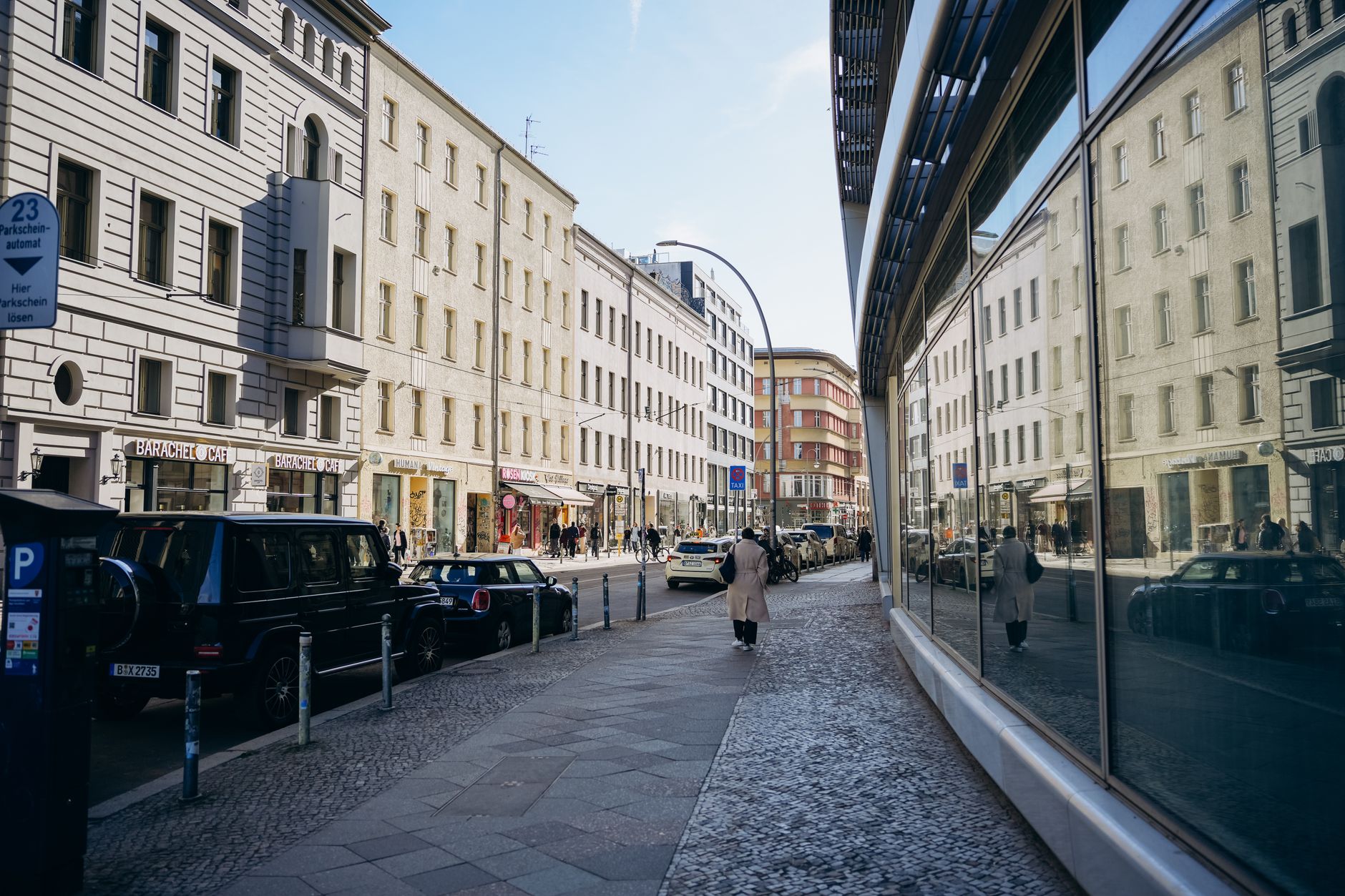
Berlin is not a city where one "perfect" hotel district solves everything. It is spread out, neighborhood-driven, and best understood in pieces. For a first trip, where you stay affects how much time you spend on trains, how late your evenings feel, and whether the city seems relaxed or exhausting.
If you are planning a weekend in Berlin, the smartest approach is to choose an area that matches the kind of trip you actually want: museum-heavy, café-filled, nightlife-focused, or calmer and more polished. Berlin’s public transport makes cross-city movement easy, but the city still rewards staying somewhere with a strong local rhythm of its own.
This guide focuses on the areas that usually work best for first-time visitors: Mitte, Kreuzberg, Prenzlauer Berg, and Charlottenburg. These neighborhoods are all well connected and each gives you a different version of Berlin.
How to choose the right base in Berlin
Before picking a hotel or apartment, think less about star ratings and more about daily movement. Berlin is large, and many visitors make the mistake of booking a place that looks central on a map but leaves them with awkward transfers and long returns at night.
For a short stay, it helps to choose a neighborhood where you can do at least one part of each day on foot: a morning walk, a museum cluster, an evening food area, or a river or park route. That matters more here than shaving a few euros off the room rate.
As a general rule, Mitte works best for classic sightseeing, Kreuzberg for energy and food, Prenzlauer Berg for a slower and prettier weekend pace, and Charlottenburg for visitors who want wider streets, old West Berlin character, and a more composed atmosphere. Berlin’s official district guides describe Kreuzberg as one of the city’s most multicultural areas, Prenzlauer Berg as a popular entertainment district with many cafés and bars, and Charlottenburg as the heart of former West Berlin. (berlin.de)
Mitte: best for classic first-time sightseeing
If your Berlin list includes Museum Island, Unter den Linden, Brandenburg Gate, the Berlin Cathedral area, and long central walks, stay in Mitte. For a first visit, it is the easiest district to understand quickly. You can cover a lot without constantly checking transit connections, and the area gives you fast access to major historic sights.
Mitte is also practical if you only have two days. You can start early, reach museums before the thickest crowds build, and return to your room between sightseeing blocks if needed. In Berlin, that can be a real advantage.
The trade-off is that parts of Mitte can feel more functional than atmospheric at night, especially if what you want is a neighborhood café scene or casual late-evening bar hopping. It is a strong sightseeing base, but not always the warmest one.
If you stay here, plan your days in geographic clusters. One day can revolve around Museum Island and the boulevard axis around Unter den Linden; another can move west toward the Tiergarten and government quarter. For walking between landmarks and understanding what you are passing, Ingry is especially useful in central Berlin, where the city’s history is layered block by block.
Choose Mitte if you want:
Walkable access to major sights, easy first-time logistics, and a museum-focused weekend.
Kreuzberg: best for food, atmosphere, and evenings that stay lively
Kreuzberg suits travelers who want Berlin to feel more social and less checklist-driven. It is one of the city’s best-known districts for multicultural street life, casual eating, and evenings that develop naturally rather than around reservations. Official Berlin guidance still frames it as one of the city’s most multicultural areas, while visitBerlin groups Friedrichshain-Kreuzberg with the city’s alternative and creative side. (berlin.de)
For a weekend, Kreuzberg works well if your ideal Berlin day mixes a morning museum or memorial visit with a slower afternoon and a long dinner. It is also good for travelers who want to be near the canal areas, independent shops, and neighborhoods that still feel lived in rather than purely touristic.
The downside is that it is not the most efficient base for every major sight. You can certainly reach them, but your days need a little more structure. Stay here if atmosphere matters more than ticking off maximum landmarks.
Kreuzberg is best when paced properly. Do not try to combine the whole historic center, the far west, and a late Kreuzberg night in one day. Give this neighborhood time. Use it for one slower afternoon and one proper evening. If you like exploring by foot with some context along the way, Ingry helps make sense of the streets between the headline sights and the smaller places that make Berlin feel like Berlin.
Choose Kreuzberg if you want:
Strong food options, late energy, a more local feel, and a weekend that is not built entirely around monuments.
Prenzlauer Berg: best for a calmer, café-led weekend
Prenzlauer Berg is a strong choice for visitors who want Berlin to feel easy. Berlin’s district guide describes it as a popular entertainment district with many cafés, bars, galleries, and stores, while visitBerlin places it within a broader area known for a cool and cosmopolitan neighborhood feel. (berlin.de)
In practice, this is a good base if you like mornings that start slowly, attractive residential streets, brunch or coffee stops, and evenings that do not require a full nightlife commitment. It often suits couples, solo travelers, and repeat Europe visitors who want a neighborhood with personality but not constant intensity.
It is not the best choice if your top priority is staying within a short walk of Berlin’s most famous monuments. You will use transit more than in Mitte. But for many travelers, that is a fair trade for a more relaxed and pleasant home base.
Prenzlauer Berg also works well in summer and shoulder season, when longer daylight makes neighborhood walking especially rewarding. If your Berlin trip is less about rushing and more about spending two or three thoughtful days in the city, this is one of the easiest areas to enjoy.
Choose Prenzlauer Berg if you want:
A quieter base, good cafés, attractive streets, and a weekend that feels balanced rather than packed.
Charlottenburg: best for a polished West Berlin stay
Charlottenburg is the best fit for travelers who prefer broader avenues, a more traditional city feel, and a hotel base that feels composed rather than edgy. Berlin’s official district pages describe Charlottenburg as the heart of former West Berlin, and visitBerlin highlights Charlottenburg-Wilmersdorf as a part of City West with both elegance and major boulevard life around Kurfürstendamm. (berlin.de)
This area works well if you like shopping, classic hotels, easier airport-style logistics for a short stay, and evenings that are more dinner-and-walk than club-and-crawl. It also suits travelers who have been to Berlin once before and do not mind being a bit farther from the old historic core.
The trade-off is obvious: if your weekend is built around Museum Island and central history walks, you will spend more time moving east. But if you want a more comfortable urban base with less of the rough-edge intensity some first-timers expect from Berlin, Charlottenburg can be an excellent choice.
Choose Charlottenburg if you want:
City West atmosphere, wider streets, shopping, and a more polished stay.
Best area by trip style
For a first-ever Berlin weekend
Mitte is still the safest choice. It simplifies the city.
For food and neighborhood energy
Kreuzberg usually wins.
For a slower, more comfortable pace
Prenzlauer Berg is hard to beat.
For a classic hotel district feel
Choose Charlottenburg.
What first-time visitors often get wrong
The biggest mistake is trying to stay “between everything.” In Berlin, that often means staying in a spot with no real atmosphere, then commuting in every direction anyway.
The second mistake is underestimating how much energy Berlin takes. This is not a compact old town city where every famous sight sits around one square. If you stay in the wrong area for your style of trip, even a two-day break can start to feel scattered.
The third mistake is overvaluing nightlife proximity if you are only in the city for a weekend. Unless nightlife is the purpose of your trip, you are usually better off staying in a neighborhood you will enjoy at 9 a.m., not just at midnight.
A smart 3-day Berlin setup for most travelers
If you are unsure, split your weekend mentally like this. Spend one day in historic-central Berlin, one day in a neighborhood-focused area such as Kreuzberg or Prenzlauer Berg, and one day in the west or around a park-and-shopping route. That structure works well because it reflects how Berlin actually feels: not one center, but several distinct zones.
Wherever you stay, keep each day geographically tight. Berlin rewards route planning. Walking one area properly is often more memorable than crossing the whole city to squeeze in one more attraction. For that kind of trip, Ingry is a helpful companion, especially when you want to move through Berlin on foot and understand the landmarks and smaller places around you instead of just navigating to the next pin.
Final answer: where should you stay in Berlin?
If it is your first trip and you want the easiest possible weekend, stay in Mitte.
If you want Berlin to feel lively, social, and neighborhood-led, stay in Kreuzberg.
If you want a calm, pleasant base with cafés and a slower rhythm, stay in Prenzlauer Berg.
If you prefer a more polished and traditional city break, stay in Charlottenburg.
Berlin is too varied for a one-size-fits-all answer, and that is exactly why choosing the right area matters. Pick the neighborhood that matches your pace, not just your map. Your whole weekend will work better.
Berlin
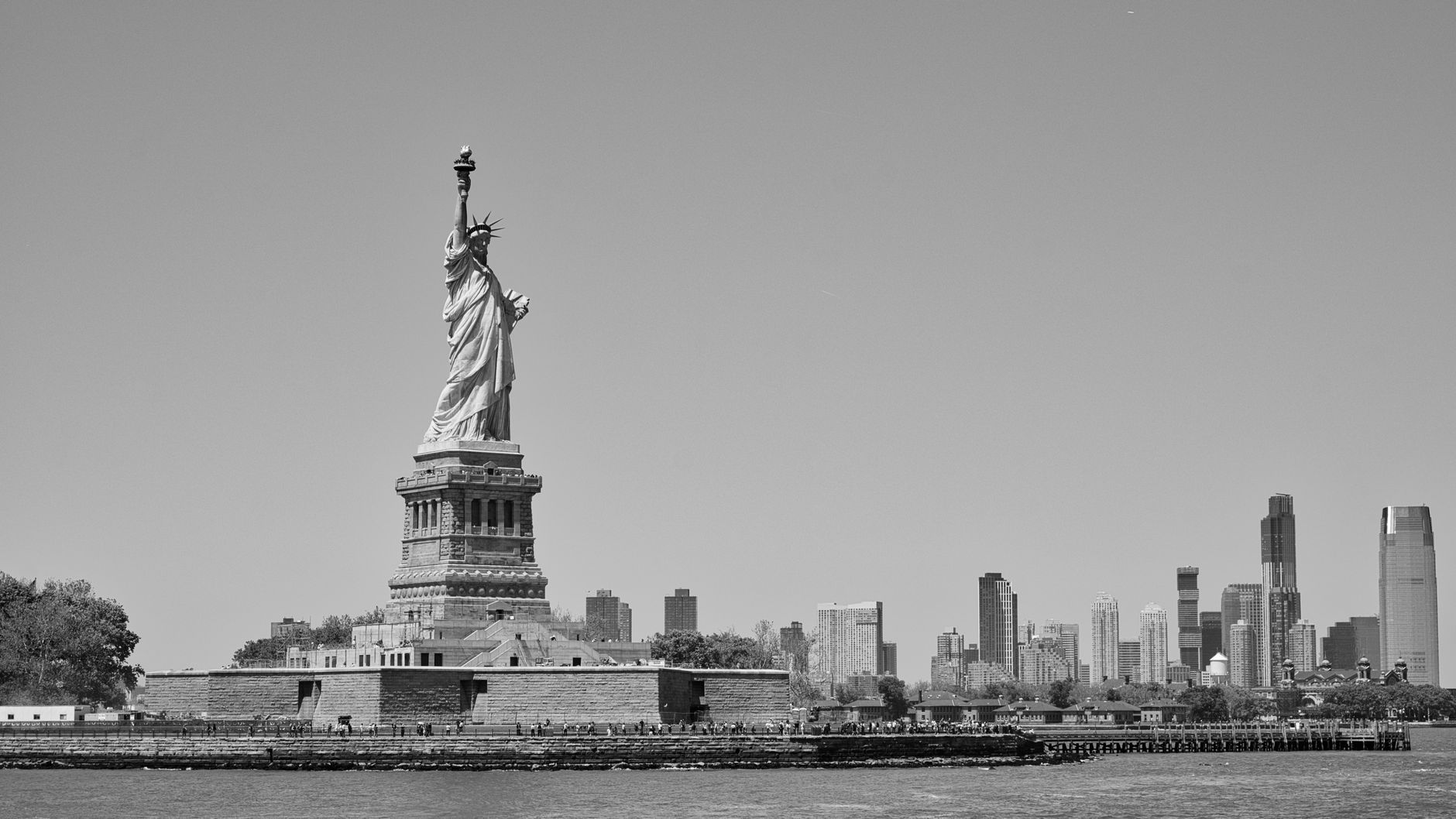
If you are planning a first trip to New York City, the Statue of Liberty and Ellis Island are often high on the list for good reason. The mistake many visitors make is treating them like a quick photo stop. In reality, this is a half-day outing with security lines, ferry timing, and a lot more walking than people expect. Plan it well, though, and it becomes one of the most satisfying classic New York mornings.
This guide is for travelers staying in Manhattan who want a practical route, not a rushed checklist. The goal is simple: start early, avoid the worst bottlenecks, and return to Lower Manhattan with enough energy left for the rest of the day.
Why this works best as a morning plan
The Statue of Liberty and Ellis Island are reached by ferry from The Battery in Lower Manhattan, and access to both islands is through Statue City Cruises, the only National Park Service-authorized ferry provider. The park is open daily from 8:30 AM to 6:30 PM, and the National Park Service notes that if you want enough time for both islands, you should plan to depart before 1:00 PM. In practice, morning is the better choice because lines and queue times build as the day goes on, especially in summer and on weekends. The NPS also warns that screening and boarding can take an hour or more during peak periods. (nps.gov)
That means this is not the attraction to save for a lazy late start. If Liberty and Ellis matter to you, give them your freshest hours.
What to book and what not to overcomplicate
Book your ferry in advance, especially if you want pedestal access. Basic ferry tickets cover transportation plus access to Liberty Island and Ellis Island, and the museums themselves do not have a separate National Park Service entrance fee. Pedestal tickets are limited and can sell out ahead of time. Crown tickets are even more restrictive and involve a strenuous stair climb, so they are not the right choice for every traveler. (home.nps.gov)
If this is your first New York trip, a standard ferry ticket is often enough. You still get the harbor ride, close views of the statue, the Liberty Island grounds, and the Ellis Island museum. Unless visiting the pedestal is a personal priority, you do not need to turn this into a high-stakes booking exercise.
Best arrival strategy from Lower Manhattan
Arrive at The Battery early and think in terms of queue time, not just ferry departure time. The National Park Service notes that the time on your ticket is the time you may join the security queue, not a guaranteed ferry departure. That detail matters. A 9:00 AM ticket does not mean you will be sailing at 9:00 AM sharp. (nps.gov)
A smart approach is to be in the area before your reserved time, with coffee already finished and bags kept light. Large luggage and oversized bags are not practical here, and some items are restricted both at ferry boarding and at monument screening. If you have pedestal or crown access, expect another security check on Liberty Island. (nps.gov)
If you like exploring on foot, this is also a good part of the city to use Ingry. Lower Manhattan has enough layers that it helps to walk with context rather than just move from pin to pin.
How much time to allow
For most travelers, this outing takes around four to five hours door to door from Lower Manhattan, depending on queues and how deeply you want to explore Ellis Island. If your goal is simply the ferry ride, skyline views, and a walk around Liberty Island, you can move faster. If you enjoy museums and family history, Ellis Island can easily stretch the visit.
The key is not to stack too much on top of it before lunch. Treat it as your main morning activity, then build the rest of downtown around your return.
A simple order that makes sense
1. Start at The Battery
Give yourself time for security and boarding without stress. The area is busy, but it is straightforward if you are not cutting it close.
2. Visit Liberty Island first
This is usually the emotional headline of the trip, and it is worth seeing before you are tired. Walk the grounds, take in the harbor views, and decide whether you want a shorter or longer stop. If you booked pedestal access, this is where timing discipline matters most.
3. Continue to Ellis Island
Do not skip Ellis unless you are truly short on time. For many visitors, the immigration museum ends up being the more memorable stop. It adds depth to the morning and changes the visit from a landmark photo outing into something more human and historical.
4. Return to Lower Manhattan for a late lunch or an afternoon walk
Once back in Manhattan, you are well placed for the Financial District, the waterfront, or a walk toward City Hall and the Brooklyn Bridge area, depending on your energy.
What first-time visitors often get wrong
The biggest mistake is underestimating the outing and booking something rigid right after it. Another is arriving late in the day and then feeling rushed on both islands. A third is bringing too much. This is one of those New York sightseeing days that works better with a small bag, water, and realistic expectations.
It is also worth being honest about your interests. If you mainly want the harbor ride and the skyline views, keep the pace brisk. If you care about immigration history, protect your time at Ellis Island instead of spending too long trying to engineer the perfect photo on Liberty Island.
How to connect it with the rest of the day
This plan fits naturally with a downtown afternoon. After the ferry, you can stay in Lower Manhattan and keep the day walkable rather than crossing the city unnecessarily. That is especially helpful in warm weather, when ferry lines and exposed waterfront walking can take more out of you than expected.
One sensible version is: ferry in the morning, lunch downtown, then a slower afternoon around the waterfront or the civic center. Another is to return, rest briefly, and save your longer evening walk for later. New York days are better when they have rhythm.
For that kind of pacing, Ingry is useful because it helps you keep moving through the city with a route in mind instead of stopping every few blocks to figure out what is worth your time.
Season and crowd realities
Summer means longer days, but it also means heavier queues and more exposed time outdoors. The National Park Service specifically notes that wait times can stretch during summer, weekends, and holidays. Wind in New York Harbor can also make the islands feel cooler or harsher than inland Manhattan, so even in warm months it helps to carry an extra layer if you are taking an early ferry. (nps.gov)
That is why an early start matters so much. You are not just chasing better light. You are buying yourself calmer logistics.
Should you do this on every NYC trip?
No. If you have already been, or if your trip is only two days long and your interests lean more toward neighborhoods, food, or museums, it can make sense to skip it. But for a first visit, especially if you have never seen New York Harbor from the water, it still earns its place.
The trick is to do it intentionally. Start early, book the right ticket level, and give the morning enough space. Then let the rest of Lower Manhattan unfold at a slower pace.
And if you want help making the area feel less fragmented once you are back on shore, Ingry is a handy way to keep exploring New York City on foot without turning the day into a screen-heavy planning exercise.
New York City
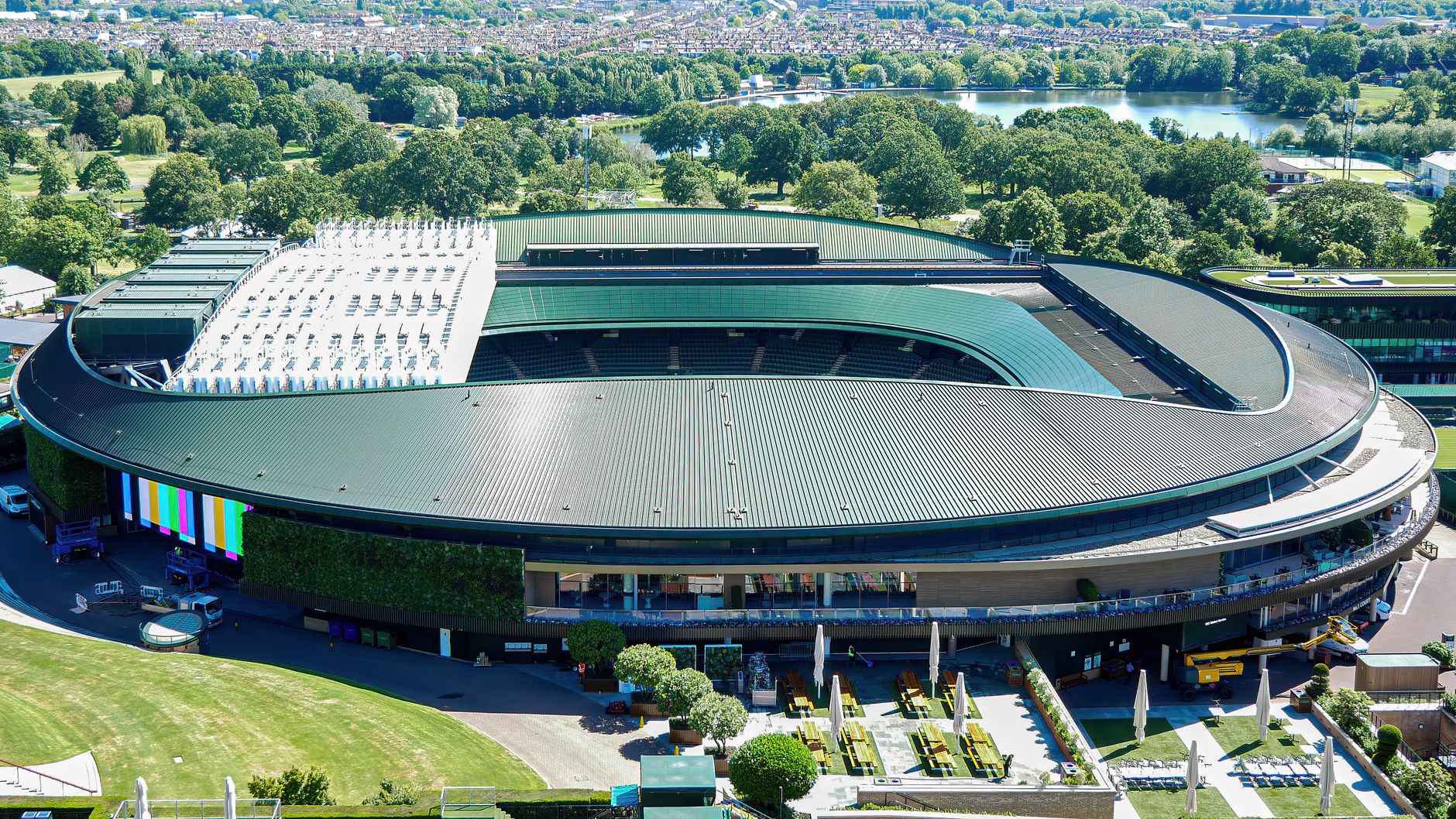
If you are planning a summer trip to London and want one clear reason to lock in the dates, Wimbledon is one of the strongest. The Championships 2026 run from Monday, 29 June, to Sunday, 12 July, which makes this a useful window for a sports-focused city break rather than a one-off day out. The trick is not just getting to the tennis, but building a London weekend around it without spending half your trip crossing the city in a rush.
This guide is for first-time visitors who want a smart, realistic London plan: where to stay, how to pair Wimbledon with central London, what kind of day works best, and when it makes more sense to skip one extra attraction and simply enjoy the rhythm of the trip.
Why Wimbledon works so well for a London weekend
Wimbledon is not in the middle of the usual first-time sightseeing zone. The All England Club sits in southwest London, while many visitors stay around areas like Covent Garden, Westminster, South Bank, or Kensington. That sounds inconvenient at first, but it is actually useful: one day can be focused on tennis and village streets, and the next can return to classic central London. You get two different versions of the city in one trip.
The official Wimbledon schedule confirms the 2026 Championships dates as 29 June to 12 July. Visit London also lists Wimbledon among the capital’s major annual events, which is a good reminder that accommodation and transport corridors can feel busier than on an ordinary summer weekend. (wimbledon.com)
Who this trip is best for
This kind of weekend suits travelers who want one anchor event and a flexible London plan around it. You do not need to be a serious tennis expert. It works just as well if you mainly want the atmosphere, summer energy, and the excuse to see a different side of London beyond the standard museum-and-palace loop.
If your priority is cramming in every major landmark, this may not be the ideal format. Wimbledon days are best when you leave breathing room in the schedule.
Where to stay for the smartest balance
Best all-around base: South Kensington or Gloucester Road
This is a strong compromise for a Wimbledon trip. You are still in a polished, visitor-friendly part of London with easy access to museums, parks, and west-central neighborhoods, but you are better positioned for the southwest side of the city than if you stayed near the Tower or Liverpool Street.
Best for classic first-time London: Westminster or South Bank
If this is your first trip and landmarks matter more than transport efficiency, these areas still make sense. Just accept that your Wimbledon day starts earlier and ends later.
Best if tennis is the main point: Wimbledon, Southfields, or nearby southwest London
If you care more about the event than central sightseeing, staying closer to SW19 reduces friction. It also gives you a calmer evening atmosphere than many busier tourist districts.
How to shape the weekend
Option 1: One tennis day, two classic London half-days
This is the best format for most visitors. Make Wimbledon your main event on one day, then use arrival and departure windows for compact walking routes in central London. A good pairing is South Kensington and Hyde Park on one side of the trip, and Westminster to South Bank on the other.
Using Ingry helps here because London is a city where short walking links matter. You often understand more by moving between places on foot than by treating each sight as a separate stop.
Option 2: A full Wimbledon weekend with a lighter central London plan
If you have tickets on more than one day, or simply want to stay in the tennis atmosphere, keep your non-Wimbledon plans local and undemanding. Choose one museum, one evening walk, and one park rather than a giant checklist.
A smart day around Wimbledon
For many visitors, the biggest mistake is treating Wimbledon as a quick excursion from central London. It usually works better as the day’s main commitment. Start early, travel out without pressure, and leave the rest of the day flexible.
Once you are in the area, do not rush straight back into central London the moment the tennis ends. Southwest London has enough character to justify lingering a little: village streets, greener residential pockets, and a noticeably calmer pace than the city center.
If you want to keep exploring after the tournament, make the evening simple. Head back toward South Kensington for a museum-area stroll, or choose the South Bank for an easy riverside walk. That gives the day a clean second act without forcing too much Underground hopping.
What to combine with Wimbledon, and what to skip
Good pairings
Some London sights combine naturally with a Wimbledon trip because they fit the geography or the pace of a summer weekend. The best add-ons are places that reward walking rather than heavy planning: Kensington Gardens, Hyde Park, South Bank, or a museum district afternoon if the weather turns.
If you like exploring city areas at street level, Ingry is especially useful in London because it helps connect landmarks, side streets, and quieter stops into one walkable route instead of a scattered list.
What to skip on the same day
Try not to combine Wimbledon with far-east or far-southeast London on the same day. It is technically possible, but not elegant. You will spend too much energy on transit and too little enjoying either place. Also think twice before adding a timed attraction that punishes late arrival. Tennis days are better when at least one part of the schedule stays loose.
Best neighborhoods to walk when you are not at the tennis
South Kensington to Kensington Gardens
This is one of the easiest choices for a Wimbledon weekend. It is pleasant, recognizable, and forgiving if you are tired after a long day. You can shape it as a museum morning, a park walk, or simply a clean route through elegant streets.
Westminster to South Bank
If you want iconic London without overthinking it, this is still one of the best walks in the city. It works especially well on your non-tournament day because it delivers the landmarks most first-time visitors want in a compact sequence.
Covent Garden to the Strand and Somerset House area
This is a good choice if you want a lively central area that still feels manageable. It suits an arrival day, a shorter evening, or a weather-dependent plan.
Summer crowd logic you should know
London in late June and early July is already busy, and Wimbledon adds another layer of travel demand. Major visitor districts, west London transport routes, and popular parks can all feel fuller than expected. The easiest way to keep the trip pleasant is to plan one anchor area at a time rather than zigzagging across the city.
That does not mean the whole city is overwhelmed. It means efficient geography matters more than usual. One strong morning area and one strong evening area is enough.
A realistic 3-day outline
Day 1: Arrive and keep central London simple
Choose one walkable district instead of trying to “start seeing everything.” Westminster and South Bank work well if you want the classic first impression. If you arrive tired, South Kensington is gentler.
Day 2: Wimbledon day
Make this the main event. Leave early, stay flexible, and avoid forcing too many post-match plans. If you still have energy later, pick one evening walk only.
Day 3: Parks, museums, or a slower neighborhood day
After a big event day, London works best when you shift gears. A museum, a park, or a long neighborhood walk usually feels better than another packed sightseeing push. Ingry is a good way to shape that final day into a route that feels connected rather than random.
Final planning advice
Wimbledon is one of those London trips that rewards restraint. You do not need to see the entire city around it. You need one good base, one well-paced tennis day, and one or two central walking areas that fit naturally before or after. Done that way, the weekend feels distinctly London rather than like a sports event dropped into an overpacked itinerary.
If you want a summer city break with a clear purpose, Wimbledon 2026 is a very strong reason to visit. Just build the trip around real distances, not wishful planning, and London becomes much easier to enjoy.
London

The US Open is one of the easiest big-ticket events to build a New York City trip around because the tennis gives your days structure, but the city around it can still feel wide open. If you are coming for a long weekend or a short late-summer break, the trick is not just choosing a session. It is choosing the right kind of New York weekend around it.
In 2026, the US Open runs from August 23 to September 13 at the USTA Billie Jean King National Tennis Center in Flushing Meadows-Corona Park. Fan Week opens the tournament period, and the main-draw sessions begin later in the run, so your planning choices matter. The easiest transport to the grounds is public transit: the 7 subway line or the Long Island Rail Road to Mets-Willets Point. Arthur Ashe Stadium tickets include access to all other courts, while other ticket types do not include entry to Ashe. Those details make a big difference when you are deciding how much tennis you actually want in one day. (usopen.org)
Why the US Open works so well for a New York City trip
Some event weekends in New York force you to spend the whole trip in one crowded zone. The US Open does not. You can do a full day in Queens, then spend the next morning in Manhattan, or fit a night session into an otherwise normal sightseeing day. That flexibility is what makes it especially good for first-time visitors who want both: a major event and a real feel for the city.
Late August and early September also suit this kind of trip. You are still in summer mode, parks are active, and long daylight hours make it easier to combine a museum morning, a neighborhood walk, and an evening match without the day feeling rushed.
First decision: which part of the tournament should you build around?
Fan Week: best for casual visitors
Fan Week in 2026 includes seven days of free grounds admission, and Arthur Ashe Kids' Day is scheduled for Sunday, August 23. If you want the US Open atmosphere without committing your whole trip to expensive stadium sessions, this is the easiest entry point. You get the grounds, the energy, practice and qualifying action, and a more exploratory feel. (usopen.org)
Early main draw: best for a classic first US Open experience
For many travelers, the smartest choice is the first several days of the main draw. There is still a lot happening across the grounds, outer courts can be very rewarding, and you are less locked into only one headline match. This is the version of the tournament that feels biggest and most varied.
Later rounds: best if the tennis is the main reason for the trip
If you are traveling primarily for marquee matches, later rounds can be worth it, but they create a narrower trip. You will likely spend more time oriented around one session, one stadium, and one schedule. That can be great for serious fans, but less ideal if you also want broad city exploration.
The smartest ticket logic for first-time visitors
If this is your first US Open, do not assume the biggest ticket is always the best use of your day. Arthur Ashe Stadium tickets are the most flexible because they include access to the other courts too. That makes them a strong choice if you want one full tennis day and do not want to second-guess access. Grounds Admission is better for travelers who enjoy roaming, smaller-court tennis, and a less fixed plan. Grandstand or Louis Armstrong can be a good middle ground if you want a clearer anchor without committing entirely to Ashe. (usopen.org)
A practical rule: if you only plan to attend one day of tennis on a weekend trip, buy the ticket that gives you the least friction. If you plan two tennis days, mix them. One structured session, one looser grounds day, usually feels better than repeating the same experience twice.
Where to stay if the US Open is part of a city break
Most visitors should still stay in Manhattan or in a neighborhood they genuinely want to experience, not right next to the grounds. The commute to Flushing Meadows is straightforward by subway or LIRR, and staying in Manhattan gives you much better walking access to the rest of the trip.
Midtown East and Long Island City are especially practical bases. Midtown East works well if you want easy rail connections, classic first-trip sightseeing, and flexible dining after night sessions. Long Island City works well if you want a shorter ride to Queens and a calmer home base than Midtown. If your trip is more about downtown neighborhoods, Lower Manhattan or Brooklyn can also work, but your tennis days will need a bit more transport planning.
How to get to the tournament without wasting energy
The official guidance is simple: take public transportation. The 7 train and the Long Island Rail Road both stop at Mets-Willets Point, just steps from the National Tennis Center. For most travelers, that is the best move. Driving adds uncertainty, and rideshare can be slower than it looks on a map once event traffic builds. (usopen.org)
On a weekend trip, energy matters as much as time. A smooth arrival sets up the whole day better than trying to save a few minutes with a more complicated route. If you are using Ingry to explore New York City on foot before or after your tennis session, it helps to think of the stadium day as just one segment in a wider route, not the entire trip.
A smart 3-day US Open weekend plan
Day 1: arrival, Manhattan on foot, early night
Arrive and keep the first day simple. Walk one compact area instead of trying to cover the whole city. For a first trip, Lower Manhattan works well because you can thread together the Financial District, the waterfront, and a bridge-view walk without too much transit. If you have already done that part of the city, choose the Upper West Side and Central Park instead.
The goal is not to “do Manhattan.” It is to arrive with enough energy left for the next day. This is also a good night to sort out your route to Queens in advance and avoid making decisions when you are tired.
Day 2: full US Open day in Queens
Make this your dedicated tennis day. Go early enough that the commute feels calm, not panicked. If you have a grounds-focused ticket, give yourself permission to wander. Smaller courts often deliver the most memorable stretches of tennis because you are close enough to feel the pace and concentration of the match. If you have Arthur Ashe access, do not spend the entire day waiting for the biggest session. Use the flexibility.
Flushing Meadows-Corona Park is part of the experience too. Even if you are mainly there for tennis, it helps to build in a little breathing room between matches rather than treating the day like a checklist.
Day 3: lighter city day with one strong neighborhood choice
After a long stadium day, choose a neighborhood that rewards walking and low-pressure wandering. The West Village is good if you want shade, small streets, and a slower pace. The Upper East Side works if you want a museum-centered day. DUMBO and Brooklyn Heights work if you want skyline views and a waterfront route without too much decision-making.
This is where Ingry is especially useful: instead of pinballing between disconnected stops, you can explore New York City as a sequence of walkable places with context along the way.
What first-time visitors often get wrong
They overbook the tennis
More sessions do not automatically mean a better trip. One excellent tennis day can be more satisfying than trying to force two packed days and ending up too tired to enjoy the city.
They underestimate Queens-to-Manhattan recovery time
A night session can run late, and even an easy transit ride feels longer when you have been out all day. Keep the following morning intentionally light.
They treat Manhattan like one neighborhood
It is better to pair the tournament with one or two logical areas than to spend the non-tennis hours zigzagging across the city. New York rewards concentration.
What to skip if your trip is short
If you only have a weekend, skip the impulse to add every iconic attraction. You do not need an observation deck, a major museum, a Broadway show, a ferry ride, and a full US Open day all in one trip. Pick the version of New York that matches your energy.
Also skip unnecessary hotel moves. Even if you think staying one night near the tennis grounds sounds efficient, it usually fragments the trip more than it helps. A single base keeps the weekend cleaner.
Late-summer pacing tips that actually help
For a trip built around the US Open, the best rhythm is usually one anchor activity per day. Let the tennis be the anchor on one day, a neighborhood walk on another, and one major sight or museum on the third. That way the city still feels spacious.
Comfort matters too. Wear shoes you would trust for a genuinely long day, not just a few photos. Build in indoor breaks. Keep evening plans flexible after the tennis. New York is more enjoyable when you leave room for appetite, weather shifts, and changing energy.
Making the city feel bigger than the event
The US Open can easily become the headline of the trip without swallowing all of it. That is the sweet spot. You come for the atmosphere in Queens, but you still leave with memories of a neighborhood walk at dusk, a ferry or subway view, and the feeling that New York kept opening up beyond the tournament gates.
If you want that balance, plan your tennis day carefully, keep the rest of the trip walkable, and use Ingry to explore New York City between the big moments. The best US Open weekend is not just about what happened inside the stadium. It is about how well the rest of the city fit around it.
New York City
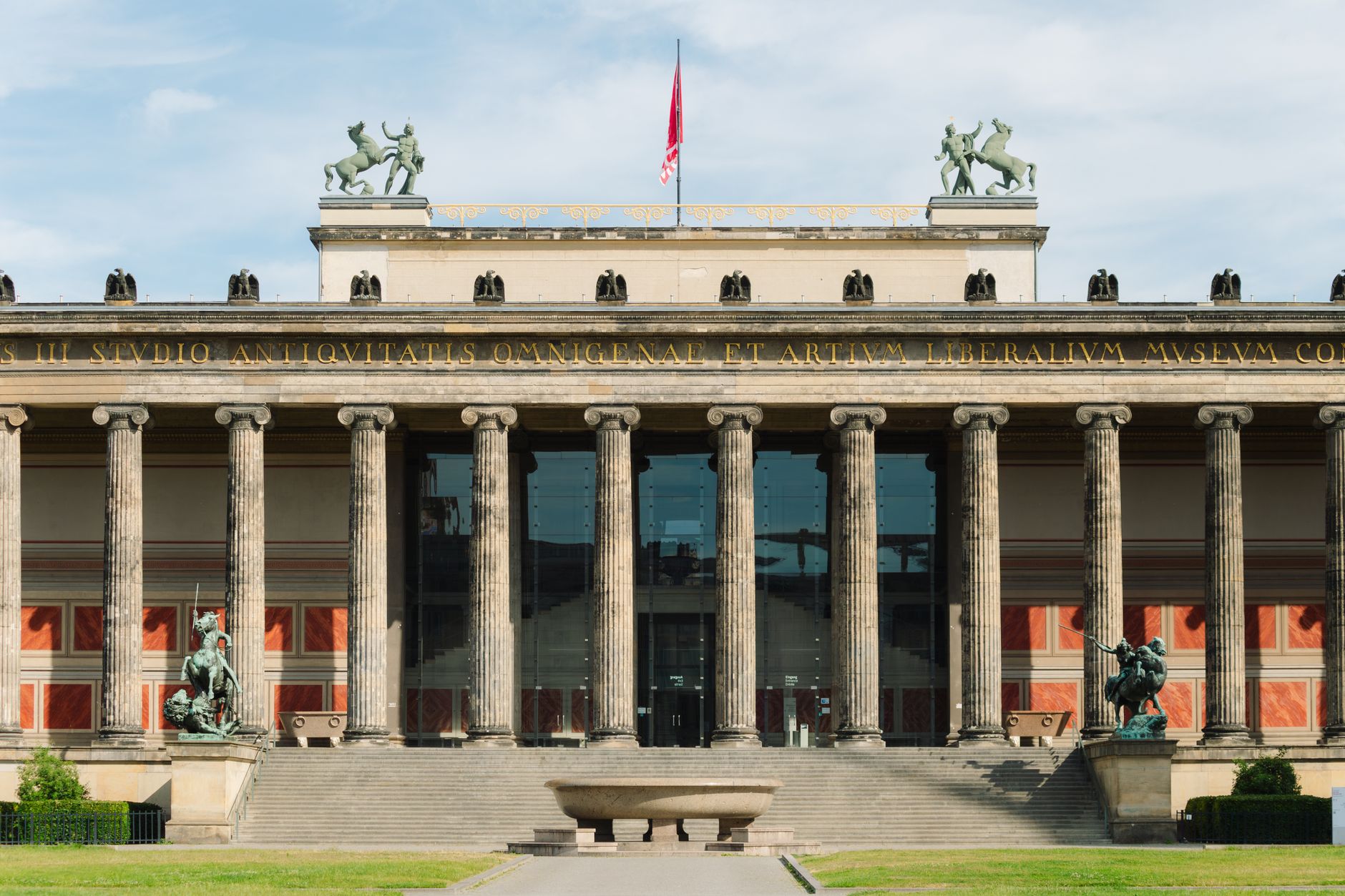
If you are looking for a Berlin trip with a built-in cultural centerpiece, the Long Night of Museums is one of the smartest weekends to choose. The 2026 edition takes place on Saturday, August 29, with 75 museums and around 750 events planned across the city. That scale is exciting, but it can also turn a short trip into a lot of unnecessary transit if you do not plan your route carefully.
This guide is for first-time visitors who want more than a random museum list. The goal is to help you shape a long weekend around one late, busy, high-choice Saturday night in Berlin, while keeping the rest of the trip walkable and balanced. August is a good time for this: days are still long, evenings are comfortable for walking, and Berlin’s museum districts connect well with parks, riverfront stretches, and neighborhoods worth exploring on foot.
If you like navigating cities as you walk, Ingry is genuinely useful in Berlin for understanding what you are passing rather than just moving between pins on a map.
Why this weekend works so well for a Berlin trip
The Long Night of Museums is not just a single attraction. It gives you a reason to organize the whole weekend around Berlin’s strongest cultural areas. In 2026, the event is scheduled for Saturday, August 29, and ticket sales begin on August 3, with the full program expected online from the end of July. That timing matters because you should not lock your exact Saturday evening route too early; wait until the participating museums publish their detailed events and then choose a cluster instead of trying to cover the whole city.
The biggest mistake visitors make in Berlin is overcommitting. Berlin is broad, not compact. Even when public transport is good, changing districts too often eats into the day. On this weekend, it is better to think in zones: Museum Island and Mitte, Kulturforum and Potsdamer Platz, or a western cluster around Charlottenburg. The official event also runs shuttle services between some museum areas, but public transport remains central to moving around efficiently.
A smart 3-day structure
Friday: Arrive and stay central
If you can choose, stay somewhere with easy access to Mitte, Friedrichstraße, Alexanderplatz, or Potsdamer Platz. Those areas are not the most romantic version of Berlin, but for a museum-heavy weekend they save a lot of time. On Friday, keep the plan light: an evening walk through Unter den Linden, the Spree riverfront, or the Hackescher Markt side streets is enough. You do not need a major attraction on arrival day. What you need is orientation.
This is a good evening to get your bearings around central Berlin and note the distances between Museum Island, the boulevard, and nearby transit stops. Berlin makes more sense once you see how its major sights connect in real space. Ingry can help with that kind of first walk, especially when you want context without booking a formal guided tour.
Saturday: Slow morning, focused afternoon, museum night
Do not start Saturday by trying to do three heavyweight museums before noon. The event itself will run late, so pace matters. Use the morning for an open-air Berlin route instead: start around the Brandenburg Gate, walk through the memorial and government quarter if that interests you, then continue east toward Unter den Linden and Museum Island. This gives you a sense of Berlin’s historical layers before you step indoors.
In the afternoon, stop for an early meal and narrow your evening plan to one core zone plus one backup option. The 2026 Long Night theme is “Crime in Berlin,” and the event website says 75 museums will take part, some for the first time. That does not mean every museum will suit every traveler. If you are visiting Berlin for the first time, resist the urge to chase novelty at the edges of the map. The better move is to choose a dense area where you can walk between venues or make only one short transit jump.
Sunday: A different side of Berlin
After a late Saturday, Sunday should not be another indoor marathon. Use it for one neighborhood with strong street life and a looser rhythm. Kreuzberg works well if you want canals, food, and a less ceremonial version of the city. Prenzlauer Berg is easier if you prefer leafy streets, cafés, and a gentler pace. Charlottenburg is the better choice if your Saturday route skipped western Berlin and you want a more classic big-city feel.
This contrast is what makes the weekend satisfying. One day gives you Berlin’s formal museum core; the next gives you the city as people actually inhabit it.
How to choose your museum-night zone
Museum Island and central Mitte
This is the easiest choice for first-time visitors because the setting itself is part of the experience. Even before you enter a museum, you are in one of Berlin’s strongest historical landscapes. If the final 2026 program includes several venues here that interest you, this is the least stressful option. It works especially well for travelers who want architecture, major collections, and a walkable evening with strong city atmosphere.
The downside is obvious: this area is popular, and it will feel busy. If you dislike crowds or queues, arrive with realistic expectations and avoid trying to pack too many stops into the prime evening hours.
Kulturforum and Potsdamer Platz
This is a good alternative if you want a more focused art-and-design evening and slightly more breathing room between historic-center crowds. The area is less charming at first glance, but it can be very efficient for serious museum visitors because institutions are grouped fairly logically. If the published program shows talks, performances, or one-off access here that really interests you, it can be a stronger choice than defaulting to Museum Island.
Charlottenburg and the west
Choose western Berlin if you have already seen the center before or want a weekend that feels a bit less predictable. The advantage is that you can combine a museum-focused Saturday evening with a Sunday morning or afternoon around Kurfürstendamm, quieter residential streets, or palace-and-park time depending on your interests. The tradeoff is that this choice makes less sense for travelers who want Berlin’s headline sights first.
What to book and when
For this specific weekend, the most important booking is not every museum ticket individually, but your overall trip logistics. Secure accommodation early if you know you want to be central. The official Long Night of Museums website says 2026 ticket sales begin on August 3, and prices increase after August 16, so waiting until the last minute is not ideal. The detailed program is expected from the end of July, which is the moment to finalize your route.
Once the event schedule is live, choose no more than three must-see stops for the night. Anything beyond that should be optional. Berlin rewards flexibility far more than rigid timing.
How to move through the city without wasting the weekend
For a short trip, Berlin is best handled as a walking city connected by public transport, not as a hop-everywhere sightseeing checklist. U-Bahn, S-Bahn, trams, and buses make most museum zones straightforward, but they do not erase distance. Keep each half-day geographically coherent.
A practical rule: if you are in Mitte on Saturday morning, do not go out to the far west for lunch and then back to Museum Island for the evening. If you choose a western museum-night route, shift the rest of the day west as well. Matching your daytime neighborhood to your nighttime cluster is the simplest way to make Berlin feel manageable.
For independent exploring between sights, Ingry is a helpful companion because Berlin often reveals itself between major stops, on side streets, river walks, and unexpected corners that a standard itinerary would ignore.
What to skip
Skip the idea of “seeing all of Berlin” in one weekend. Skip crossing the city for a single trendy food stop if it breaks the flow of the day. Skip stacking too many emotionally heavy history museums back to back on the same day unless that is the clear purpose of your trip. Berlin’s historical sites are important, but they are also demanding. Balance them with open-air time, neighborhood walking, and one or two places where you can simply sit and absorb the city.
And unless the official event program gives you a compelling reason, skip the temptation to build your night around scattered venues with long transit connections. On Long Night weekends, a compact route almost always beats an ambitious one.
A sample weekend rhythm
Friday evening
Arrive, check in, take a central walk in Mitte, eat nearby, and sleep early.
Saturday morning
Walk from Brandenburg Gate toward Unter den Linden and Museum Island, with coffee or a slow breakfast built into the route.
Saturday afternoon
Rest, have an early dinner, and position yourself near your chosen museum-night zone before the busiest hours begin.
Saturday night
Do the Long Night of Museums with a three-stop plan and one backup, not an endless list.
Sunday
Choose one neighborhood for a slower Berlin day: Kreuzberg, Prenzlauer Berg, or Charlottenburg depending on your style.
Final thought
Berlin is at its best when you stop trying to conquer it and start reading its districts properly. A Long Night of Museums weekend gives you a strong framework for that. You get one big cultural event, but also a reason to connect museums with streets, parks, transit logic, and the mood of late summer in the city. If you plan by area rather than by attraction count, Berlin feels far more generous and far less tiring.
Berlin

London has no shortage of big weekends, but few feel as alive as Notting Hill Carnival. If you are planning a late-August trip, this is one of the most distinctive times to be in the city: west London turns into a huge open-air celebration of Caribbean culture, the summer bank holiday stretches the weekend, and the whole city takes on that slightly end-of-summer mood when parks, terraces, and long evening walks still matter.
For 2026, Notting Hill Carnival runs from Saturday, August 29 to Monday, August 31, with the summer bank holiday on Monday, August 31. Visit London lists Saturday for Panorama, Sunday for the Children’s Parade, and Monday for the main Adults’ Parade. It also notes that the carnival weekend draws more than two million people and remains free to attend. (visitlondon.com)
This is not a weekend for rigid sightseeing. It works best if you understand where the crowds will be, keep your plans geographically tight, and accept that some parts of west London will move slowly. Done well, it can be one of the best long weekends in London.
Who this weekend is best for
This trip suits first-time visitors who want to see a major London event without spending the whole weekend in queues, and return visitors who want a more local-feeling summer London plan. It is especially good if you like street life, music, long walks, layered neighborhoods, and the idea of combining one high-energy day with calmer museum and park time.
If your dream London trip is all about quiet photos at major landmarks and tightly timed attraction-hopping, this is probably not the weekend to base yourself right in Notting Hill. The carnival is worth seeing, but only if you plan around its scale.
What Notting Hill Carnival weekend looks like in practice
The biggest planning mistake is assuming the carnival is just one stop on a normal sightseeing itinerary. It is better to think of it as the anchor for one day, with the rest of your weekend built around nearby districts and central areas that are easy to reach before or after the busiest periods.
Saturday is the lightest carnival day and works well for travelers who want a taste of the atmosphere without the full crush. Sunday is more family-oriented because of the Children’s Parade. Monday is the main event and the busiest day, with the largest crowds and the slowest movement through west London. Those broad timing patterns are reflected in Visit London’s 2026 event listings. (visitlondon.com)
A smart 3-day London plan for the carnival weekend
Day 1: Arrive and stay mostly in west London
If you arrive on Saturday, keep the day simple. Base yourself in or near Paddington, Bayswater, Kensington, or Marylebone if you want easy transport and a manageable link to the carnival area without sleeping in the thick of the crowds. Notting Hill itself is attractive, but accommodation there can make arrival and departure less convenient on the main parade days.
Spend the afternoon walking a west London line that still feels relaxed: Hyde Park to Kensington Gardens, then north toward Notting Hill’s residential streets. This gives you a feel for the area before the busiest day. If you want a navigation tool that makes wandering easier without turning the day into checklist tourism, Ingry is useful for following a walk and understanding what you are passing as the neighborhood changes from royal parkland to elegant terraces to busier local streets.
In the evening, decide how much carnival energy you want on Saturday. Some travelers should sample the atmosphere briefly and leave early; others will want to stay longer for music and street food. The key is not to overdo it before your main sightseeing day.
Day 2: Sunday for central London, then carnival later
Sunday is the best day to combine classic London with a partial carnival visit. Start early in central London before the city fully fills up. A sensible route is Westminster in the morning, then a walk along St James’s Park or the South Bank, followed by one museum or gallery rather than three. Pick one area and let the day breathe.
By mid-afternoon, head west if you want to see the Children’s Parade atmosphere and the surrounding street scenes. Even if you are not traveling with children, Sunday can feel more manageable than Monday. Expect transport pressure and walk more than you think you will. In London, a map can look close while crowd conditions make it feel far.
This is a good day to avoid trying to pair the carnival with places that require strict entry times. If you do book anything, make it for the morning and keep the afternoon flexible.
Day 3: Monday for the main parade, or a London escape route
Monday, August 31, 2026 is both the summer bank holiday and the main Adults’ Parade day. If seeing the full carnival matters to you, make this your dedicated event day and do not plan much else. Visit London lists the main parade for Monday, with festivities centered in west London. (visitlondon.com)
Arrive with a clear approach: either go early, stay in one zone, and absorb the day slowly, or visit briefly and leave before peak crowd fatigue sets in. Constantly crossing the area is what drains people. Choose a section, accept that mobile signal and movement can be patchy in dense crowds, and keep your group plan simple.
If the scale sounds like too much, use Monday differently. The bank holiday still makes it a good London day for a long park walk, a Thames-side route, or time in neighborhoods outside the carnival zone. You can spend the morning in Hampstead, Greenwich, or along the river and only dip into west London later if you feel curious. Ingry can help here because London rewards route-based exploring more than random Tube hopping, especially on big event weekends.
Where to stay for Notting Hill Carnival weekend
For most first-time visitors, the sweet spot is not inside the carnival footprint but just outside it. Paddington works well for airport links and west-central access. South Kensington is calmer and convenient for museums. Marylebone gives you a more polished base with easy access to both the West End and west London. Bayswater can be practical if you want to walk toward Notting Hill while still keeping one foot in a more conventional hotel area.
If you stay right in Notting Hill, book only if you actively want to be immersed in the weekend atmosphere and understand that transport, noise, and movement may be more complicated than on an ordinary London trip.
How to move around London that weekend
The smartest transport strategy is simple: use the Tube to get near the area you want, then walk. On carnival weekend, west London can become slower than it looks on a map. Build your days around clusters rather than point-to-point zigzags.
Good pairings include:
Westminster and St James’s; South Bank and Covent Garden; Hyde Park and Kensington; Notting Hill and Holland Park; Marylebone and Regent’s Park.
Bad pairings for this weekend include trying to do east London brunch, a timed museum slot in South Kensington, afternoon carnival, and a West End show all in one day. London can support ambitious plans on a normal weekend. This is not a normal weekend.
What to prioritize, and what to skip
Worth prioritizing
One major museum rather than several. A long royal parks walk. One evening neighborhood with good atmosphere. One dedicated carnival window. A hotel base that saves you effort.
Worth skipping
Overpacked attraction lists. Cross-city restaurant plans you cannot easily change. Tight airport transfer timing on Monday if you are staying near the carnival area. Any itinerary that assumes you can move through west London quickly during the main parade.
What first-time visitors often get wrong
The first mistake is treating carnival weekend like standard London sightseeing with a festival added on top. The second is underestimating walking time. The third is booking too many fixed reservations. The fourth is choosing accommodation purely by neighborhood name rather than by how easy the arrival, Tube access, and late-day return will be.
Another common mistake is spending all weekend in the event zone and then saying they did not really see London. The better version of the trip uses the carnival as one vivid piece of a broader London weekend: a museum morning, a park afternoon, a neighborhood walk, a riverside evening, and one day of serious street energy.
A good London rhythm for this specific weekend
Morning for landmarks or museums. Midday for walking between neighborhoods. Late afternoon for parks, cafés, or the carnival depending on the day. Evening for one area only, not three. That rhythm works especially well in a city like London, where changing districts too often can make a short trip feel fragmented.
If you want help exploring on foot instead of constantly checking transit apps, Ingry is a practical companion for London. It fits this kind of weekend well because the city makes more sense when you move through it street by street, not just station by station.
Is Notting Hill Carnival weekend a good time for a first London trip?
Yes, if you want a memorable, high-energy version of London and you are comfortable planning around crowds. No, if your priority is a quiet first look at the city’s classic sights with minimal disruption.
For the right traveler, though, this is exactly the sort of weekend that makes London feel bigger than its landmarks. You get the grand city, the neighborhood city, and the festival city all at once. The trick is not trying to conquer all of it. Pick your zones, walk more than usual, leave room in the schedule, and let the weekend have its own shape.
London
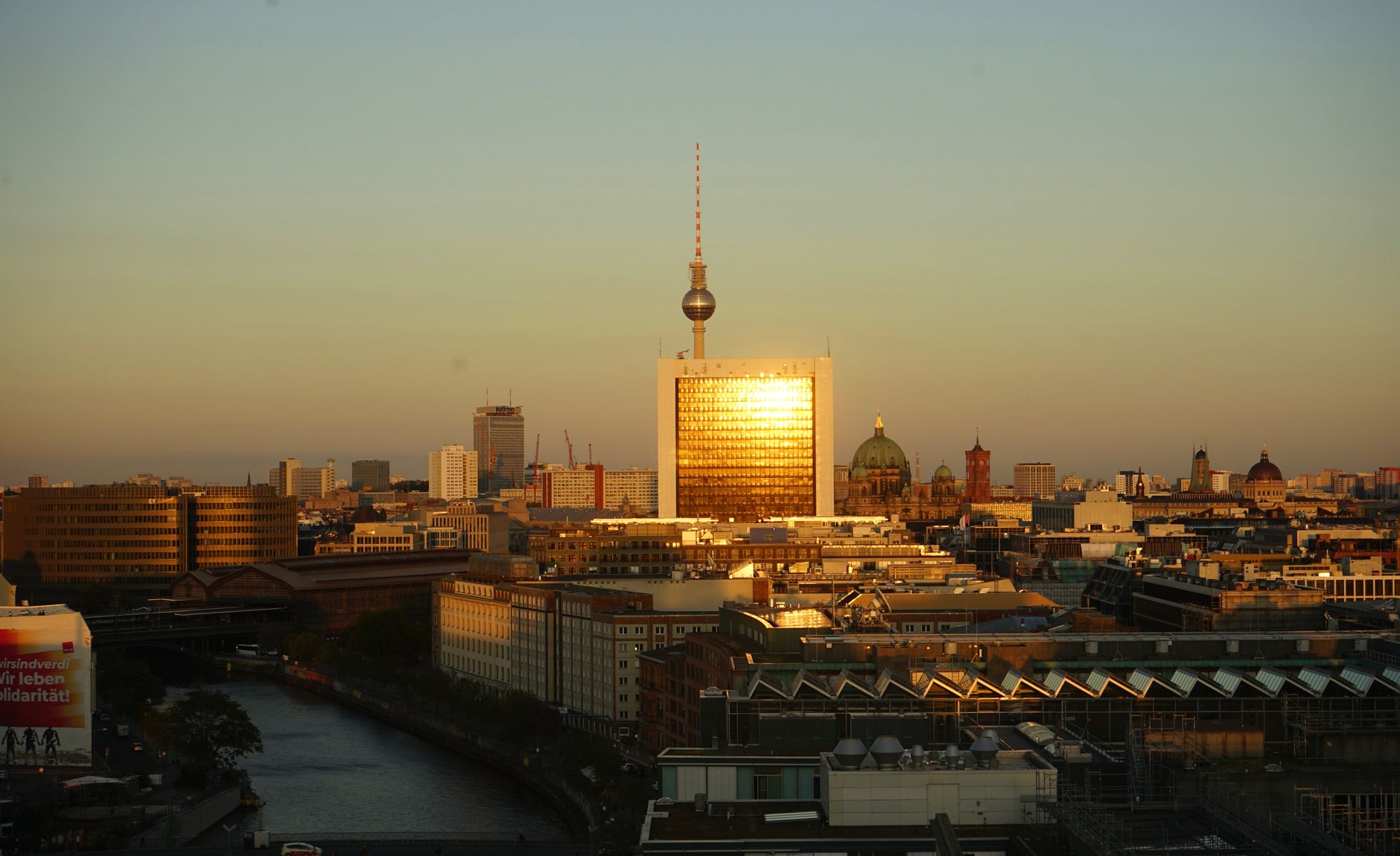
July is one of the easiest months to enjoy Berlin on foot. Days are long, parks stay lively into the evening, and the city feels more open than it does in colder seasons. It is also a month when Berlin can become scattered if you plan badly. Distances are larger than they look on a map, popular museum areas fill up, and many first-time visitors try to pack too many neighborhoods into one day.
This guide is built for a real three-day trip: one that gives you Berlin’s historic core, its wall history, its open summer spaces, and its neighborhood life without turning the weekend into a checklist. If you like exploring on foot between major sights and smaller stops, Ingry is a useful companion for moving through Berlin with context rather than just hopping between pins.
Why July works so well for a first Berlin weekend
Berlin’s official July calendar is packed with city events, and the month regularly includes major cultural weekends such as 48 Hours Neukölln, Classic Open Air on Gendarmenmarkt, and Christopher Street Day later in the month. That means more atmosphere, but also more pressure on central areas and transport around event zones. If your dates overlap with a festival weekend, book museum tickets and restaurant tables earlier than you would in a quieter month.
For July 2026 specifically, Berlin.de lists 48 Hours Neukölln for July 3 to 5, Classic Open Air on Gendarmenmarkt for July 9 to 14, Lollapalooza Berlin for July 18 and 19, and Christopher Street Day on July 24 and 25. Berlin Pride’s official site says the 2026 CSD demonstration takes place on Saturday, July 25, starting on Leipziger Straße and heading via Potsdamer Platz and Nollendorfplatz toward the Brandenburg Gate. (berlin.de)
If you are visiting on an event weekend, do not fight the crowds head-on unless the event is the reason for your trip. Build your route around them. In Berlin, that usually means seeing the busy central area early, then shifting to a park, canal walk, or neighborhood evening once the middle of the day gets crowded.
How to structure three days in Berlin
The smartest way to see Berlin is not by ranking attractions. It is by grouping areas that connect naturally on foot or by one short U-Bahn or S-Bahn ride. For a first summer weekend, think in three layers:
Day 1 for historic central Berlin and Museum Island. Day 2 for Cold War and Wall history, plus Friedrichshain or Kreuzberg. Day 3 for a slower local-feeling day built around a big open space and one neighborhood with room for a long evening.
This approach works better than trying to do Charlottenburg, Mitte, Kreuzberg, and Prenzlauer Berg all in the same afternoon. Berlin rewards pacing.
Day 1: Museum Island, Unter den Linden, and the historic center
Start early in Mitte
Begin around Museum Island and Unter den Linden before the area feels crowded. This is Berlin’s most obvious first-day zone, but it still works best when treated as a walk, not as a rush between monuments. The key is to combine one or two interiors with outdoor landmarks rather than attempting every museum in a single day.
Museum Island remains one of the city’s anchors, but it is worth planning with current information. The Pergamonmuseum is still closed in 2026 and is scheduled to reopen on June 4, 2027, so do not build your July weekend around seeing it. The official Museum Island visitor pages remain the best source for what is open and how to enter the complex. (smb.museum)
What to prioritize
For most first-time visitors, one strong museum is enough for the morning. Then continue on foot toward the Berlin Cathedral area, Unter den Linden, Bebelplatz, and the Brandenburg Gate side of the center. This gives you a sense of imperial, Prussian, war-damaged, divided, and rebuilt Berlin in one continuous stretch.
If you want the day to stay manageable, skip the temptation to enter everything. Berlin is not a city where “more tickets” automatically means a better day. In July, the better move is often one museum, one church or square, one substantial lunch break, and a late-afternoon walk.
Best pacing for the afternoon
After lunch, walk west toward the Brandenburg Gate and the Tiergarten edge rather than trying to cram in another major museum. This is a good time to slow down, sit in the shade, and leave room for the evening. July light lasts long enough that you do not need to front-load the whole day.
If you prefer a guided-but-flexible way to move through central Berlin, Ingry works well here because Mitte is dense with places that are easy to pass without understanding why they matter.
Day 2: The Wall, East Side Gallery, and a neighborhood evening
Start with Berlin’s 20th-century story
Your second day should feel different from the first. Shift from monumental Berlin to divided Berlin. The East Side Gallery is one of the city’s most visited wall sites and still one of the clearest places to grasp how Berlin remembers the Cold War in public space. Official tourism sources describe it as a major Berlin Wall landmark, and Berlin Wall authorities note that the painted section opened in 1990 and remains an important memorial site. (visitberlin.de)
Go early if you want better photos and a calmer walk. Later in the day, the riverside area becomes much busier, especially in good weather. Walk the wall section instead of just stopping for one famous mural, then continue toward the Oberbaum Bridge area.
Choose Friedrichshain or Kreuzberg, not both in full
This is where many visitors overdo it. Friedrichshain and Kreuzberg sit close to each other geographically, but both deserve time. If you only have one afternoon and evening, choose one side to sink into properly.
Choose Friedrichshain if you want a simpler continuation from the East Side Gallery, with a straightforward riverside-to-neighborhood rhythm. Choose Kreuzberg if you want a more layered day with canals, food, and a slightly looser walking pattern. Either way, leave room for an unplanned hour. Berlin often becomes most memorable in the gaps between headline sights.
What to skip
Do not turn this day into a race for every Wall-related stop in the city unless that is your main reason for visiting. A better first trip usually means one major Wall site, one neighborhood, and a relaxed evening. Berlin’s history lands more clearly when you have time to absorb it.
Day 3: Tempelhofer Feld, slow Berlin, and a final long evening
Why Tempelhofer Feld belongs in a summer itinerary
Tempelhofer Feld is one of the best places to understand modern Berlin’s sense of space. Official information from the site describes it as Berlin’s former airfield and one of the world’s largest urban open spaces, open to the public since 2010. That scale is the point: after two days of museums, traffic, and heavy history, Berlin suddenly opens out. (tempelhoferfeld.de)
This is not a place to “see sights” quickly. It is a place to reset your pace. Go in late morning or early evening, walk along the old airfield, and enjoy the feeling of sheer room. In July, this balance matters. Too many visitors leave Berlin thinking only of dense history and nightlife, when the city’s open spaces are just as important to how it feels.
How to combine it with the rest of the day
Pair Tempelhofer Feld with Kreuzberg or Neukölln rather than with another far-flung museum plan. This makes the day coherent and keeps transport simple. If your trip overlaps with 48 Hours Neukölln, this part of the city becomes especially attractive, since Berlin.de lists the festival for July 3 to 5, 2026 across Neukölln’s cultural spaces. (berlin.de)
The best version of this final day is intentionally light: a big outdoor space, a neighborhood lunch, some café time, then a final evening walk while the city is still bright. That gives Berlin the ending it deserves.
Practical July advice for Berlin
Book ahead for museums and event weekends
If your dates fall near Berlin Fashion Week, Classic Open Air, Lollapalooza, or CSD weekend, expect more pressure on central transport and popular areas. Berlin’s official July listings confirm all of these in July 2026. Even if you are not attending them, they affect city flow. (berlin.de)
Walk more than you think, but not everywhere
Berlin is walkable in clusters, not as one continuous compact center. Walking is ideal within Mitte, across Museum Island and Unter den Linden, along the East Side Gallery, or around Kreuzberg canals and Tempelhofer Feld. For jumps between those areas, use public transport and save your energy for the parts that reward being on foot.
Expect crowds at symbolic sites, not everywhere
Places like Museum Island, the Brandenburg Gate area, and the East Side Gallery attract predictable crowds. The trick is not avoiding them entirely, but visiting them at the right time of day and then moving on before the city feels flattened by tourism.
Leave one slot unplanned
This matters more in Berlin than in some other capitals. The city often works best when you have space for a market, canal-side pause, courtyard, or street you had not meant to prioritize. Using Ingry can help here, especially when you want to keep walking and still understand what you are passing.
A Berlin weekend that feels like Berlin
The strongest first weekend in Berlin is not the one with the longest attraction list. It is the one that mixes the city’s layers properly: big history in Mitte, 20th-century memory along the Wall, and the spacious everyday freedom of summer Berlin in parks and neighborhoods.
In July, that balance becomes even more important. Plan one major cultural anchor each day, group districts sensibly, keep evenings open, and do not underestimate how much of Berlin reveals itself between destinations. If you do that, three days is enough to leave with a real sense of the city rather than a pile of rushed stops.
Berlin
Late August is one of the easiest times to build a short New York City trip around a major event, and the US Open is one of the best reasons to do it. The 2026 tournament is scheduled for August 23 to September 13 at the USTA Billie Jean King National Tennis Center in Queens, with free grounds access offered on selected Fan Week days before the main draw settles into its busiest stretch. That makes this a smart moment for travelers who want a mix of live sport, skyline views, neighborhood walks, and a few classic New York moments without trying to cram the whole city into one weekend.
If you are planning a first trip, the key is not to treat the US Open as a side errand from Manhattan. Queens is part of the trip. Build your days around the tournament geography, keep transfers simple, and save Lower Manhattan or Brooklyn for separate blocks of time. To help with that, Ingry is useful for exploring New York City on foot between major sights, especially when you want a clearer walking route instead of bouncing randomly between subway stops.
Why the US Open is a strong New York City trip for late summer 2026
The 2026 US Open has an unusually broad schedule: the tournament says it will run for 22 days from August 23 through September 13, and the event is emphasizing its connection to New York City under the 2026 theme, “Celebrating Our New York Story.” The tournament also notes that Fan Week includes multiple days of free grounds admission, which can be a good fit for travelers who want the atmosphere without paying for a headline stadium session.
For visitors, this matters because you do not need to plan only around the finals. Some of the easiest days for a short trip are the early stretch, when you can combine a half day or full day at the grounds with evenings back in Manhattan, Long Island City, or Brooklyn. If your main goal is simply to experience the event, early rounds are often a more relaxed choice than the last weekend.
Best trip shape: 3 days, not 2
If you are flying or taking the train into New York City for tennis, three days works much better than two. A two-day plan usually turns into one rushed Manhattan day plus one overpacked tournament day. Three days gives you enough room for one full US Open day, one lighter sightseeing day, and one flexible arrival or departure day.
A good structure looks like this:
Day 1: arrive, settle in, and keep the evening local to where you are staying.
Day 2: make this your main US Open day in Queens.
Day 3: choose one walkable Manhattan route before departure, or do a second shorter session at the tournament if tennis is the priority.
Where to stay if the US Open is the main reason for your trip
Long Island City
If you want the most practical balance, stay in Long Island City. It keeps you closer to Queens while still giving you fast subway access to Midtown. This is the best area for travelers who want efficient mornings and do not care about staying in the middle of the postcard version of Manhattan.
Midtown East or around Grand Central
This is a solid choice if you want a classic first-time visitor base. You will have straightforward transit options, easy airport connections, and a reasonable route toward Queens. The trade-off is price and heavier crowds.
Flushing
Stay here only if the tournament itself is the trip. It is the most event-focused option and can save time on match days, but it is less convenient if your evenings are mostly in Manhattan.
What to avoid
If you only have a weekend, do not stay in far Downtown Brooklyn, deep Upper Manhattan, or Lower Manhattan just because a hotel looks slightly cheaper. On paper it may seem manageable; in practice it adds friction before and after a long day in Queens.
How to get to the US Open without wasting half your day
The National Tennis Center is in Flushing Meadows-Corona Park in Queens. The practical point for visitors is simple: leave earlier than you think, especially for a day session or a popular evening session. The tournament publishes gate-opening information for different session types, and those times vary by day, so check your exact date before you go.
If you are staying in Manhattan, aim for a route that gets you to Queens directly rather than adding unnecessary transfers. If you are staying in Long Island City, your morning will be easier. If you are staying near Central Park or downtown, build in more buffer time than the map suggests.
Do not plan a heavy sightseeing morning before a big tennis session. New York is a walking city, and the combination of subway transfers, heat, queues, and a long sports day adds up fast.
When to go: early rounds vs later rounds
Choose early days if you want energy without maximum pressure
The early portion of the US Open is usually the best fit for travelers. You can see multiple courts, move around more freely, and still have enough energy to enjoy the city afterward. Fan Week is especially attractive if you want a lower-commitment event day and more time for sightseeing.
Choose later rounds only if the stadium atmosphere is the point
If your dream is a marquee match inside Arthur Ashe Stadium, then later rounds make sense. But those days work better when the whole trip revolves around tennis. For a first-time New York City weekend, they leave less room for spontaneous city time.
A smart 3-day New York City plan around the US Open
Day 1: arrival and a light Manhattan evening
After arriving, keep your first day compact. A good first route is Bryant Park, the New York Public Library exterior, and a walk up Fifth Avenue toward Rockefeller Center or St. Patrick’s Cathedral. This gives you a familiar New York setting without committing to a complicated museum schedule on travel day.
If you still have energy, continue into Central Park for a short evening walk rather than trying to cross the entire island. In late summer, shorter, shaded walks are usually more enjoyable than forcing a long crosstown itinerary.
This is also a good time to use Ingry for a self-guided city walk, especially if you want context around landmarks instead of just ticking them off.
Day 2: full US Open day in Queens
Make this your single big commitment day. Eat an early breakfast, leave with extra time, and stay flexible once you arrive. The mistake many first-timers make is over-planning exact match sequences. A better approach is to anchor your day with one must-see session and treat the rest as bonus time.
If you are there for atmosphere rather than tennis strategy, do not spend every hour seated in one stadium. Part of the appeal is moving through the grounds and letting the day unfold. Keep the evening simple afterward. A quiet dinner near your hotel is often a better choice than trying to cram in a late-night downtown plan.
Day 3: choose one classic route before leaving
For your last day, pick one of these depending on your energy:
Option 1: Lower Manhattan route. Walk the Financial District, continue toward the waterfront, and spend the rest of the morning around Battery Park and the harbor views.
Option 2: Central Park and the Upper East Side. This works especially well if you want a greener, calmer contrast to the previous day.
Option 3: Long Island City waterfront. If your trip has already been busy, this is an underrated final stretch with skyline views and less cross-city effort.
What to pair with the US Open if you only have limited time
The best match for a tournament trip is not another giant attraction with long lines. Pair tennis with places that are easy to experience in motion: a park walk, a waterfront promenade, or one focused neighborhood route.
Good combinations include Central Park, Midtown landmarks, Long Island City skyline views, or a short Lower Manhattan walk. Less smart combinations include trying to squeeze in the Statue of Liberty, a major museum, a Broadway show, and a night session all in the same 24 hours. New York rewards editing.
What first-time visitors should skip
Skip the fantasy of “seeing all the boroughs” in one weekend. Skip restaurant plans that require long detours from your event day. Skip the idea that every evening must become a major nightlife outing. And if the US Open is your headline reason for visiting, skip hotels that make the Queens commute needlessly complicated.
Also skip overcommitting your final morning. New York departures take longer than people expect, especially when luggage, subway stairs, and airport timing are involved.
Late-summer practical notes
Late August and early September can still feel hot, and the city can be tiring when you combine outdoor walking with stadium time. Dress for movement, not just photos. If you are deciding between a packed midday sightseeing block and a slower breakfast before heading to Queens, choose the slower start.
For green space breaks, Central Park is the obvious choice, but if you want something quieter, the Conservatory Garden in Central Park stays open into the evening in summer and can be a better fit than the park’s busiest southern sections.
Is the US Open worth building a New York City trip around?
Yes, especially if you want a New York weekend that feels current, social, and a little different from the standard first-timer script. The US Open gives structure to the trip, but it still leaves room for the city itself. That is the sweet spot: one major anchor, then a handful of neighborhoods and walks that make the weekend feel like New York rather than a checklist.
If you plan it well, you do not need to race across the city. Stay somewhere sensible, give Queens the time it deserves, and leave space for a few unhurried hours in Manhattan or along the waterfront. For those in-between stretches, Ingry can help you explore New York City more naturally on foot and make better use of the hours outside the tournament grounds.
New York City
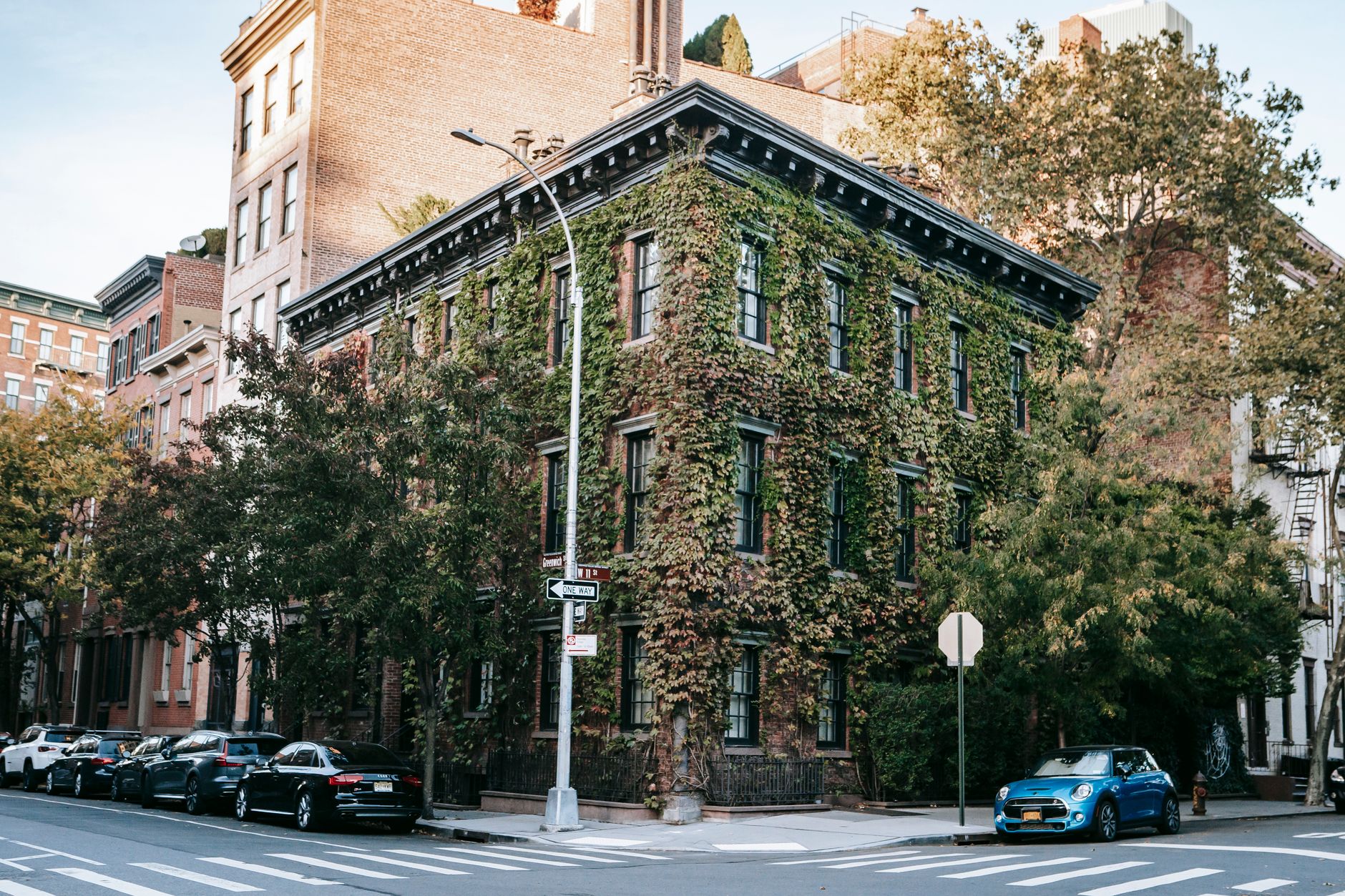
If you are coming to New York City for Pride Weekend, the smartest plan is not to treat it as one long street party. The official events are concentrated, the crowds are heavy, and Manhattan moves differently once the march route fills up. A better approach is to build your weekend around two things: staying close enough to downtown Manhattan to keep logistics simple, and using the hours before and after the main Pride events for neighborhoods that still feel enjoyable on foot.
For 2026, the key official dates are Saturday, June 27, for Youth Pride, and Sunday, June 28, for the NYC Pride March and PrideFest. The March is scheduled to begin at 12:00 p.m. on Sunday, June 28, starting at 26th Street and 5th Avenue and dispersing near 15th Street and 7th Avenue. PrideFest is scheduled for Sunday, June 28, from 11:00 a.m. to 6:00 p.m. along 4th Avenue from 14th Street to 8th Street/Astor Place. NYC Pride describes the March as one of the world’s largest and longest-running LGBTQIA+ demonstrations, and the organization says it welcomes more than 2.5 million spectators each year. (nycpride.org)
Why this is the right New York City trip to plan now
This topic is especially useful for late-June travelers because Pride Weekend falls within the next two weeks from June 15, 2026. It is one of those New York weekends when choosing the right base, walking direction, and timing matters more than trying to fit in a long checklist of attractions. If you plan well, you can see an important side of the city, spend real time in Greenwich Village and nearby downtown neighborhoods, and still leave room for skyline views, food, and a calm museum or waterfront break. (nycpride.org)
Where to stay for Pride Weekend
For first-time visitors, Lower Manhattan and the neighborhoods just above it make the most sense. Greenwich Village, Chelsea, Union Square, the Flatiron area, and parts of the Lower East Side all keep you within practical reach of the main Sunday action without forcing you into long subway detours once streets get crowded.
If your priority is walking to the march route, Chelsea and Flatiron are especially useful because they place you near the starting area around 26th Street and 5th Avenue. If your priority is the historic heart of Pride weekend, Greenwich Village is the most meaningful base, but it also tends to feel the busiest. Union Square is a good compromise: central, well connected, and close enough to walk downtown if trains are packed.
What to avoid? Staying far uptown or across the river can still work, but it adds friction on the one weekend when simple logistics matter most. This is not the trip for a bargain hotel that saves money but adds two transfers every time you head back downtown.
The history anchor of the weekend: Stonewall and Greenwich Village
Even if you are coming mainly for the march, make time for Stonewall National Monument and the surrounding blocks in Greenwich Village. The National Park Service notes that the monument and visitor center are fee-free, and the visitor center is generally open Tuesday through Sunday from 10:00 a.m. to 4:00 p.m. Christopher Park is open seasonally until 8:00 p.m. in the warmer months. The NPS also notes that the site is reached easily from the Christopher Street area and nearby West 4th Street subway connections. (nps.gov)
One important detail for Pride planning: the Stonewall National Monument compendium states that Christopher Park grounds are closed on the Sunday of New York Pride weekend. That means Sunday is not the best time for a reflective visit to the park itself. If Stonewall matters to your trip, do it on Friday evening if you arrive early, or on Saturday morning before the biggest Sunday crowds reshape the area. (nps.gov)
This is also where a walking app becomes genuinely useful. Instead of zigzagging between pins on a map, you can use Ingry to move through Greenwich Village and nearby downtown streets with more context, especially when you want short, place-based explanations rather than a full guided tour.
A smart 3-day Pride Weekend plan
Friday: arrive, stay downtown, keep the evening easy
If you arrive on Friday, do not try to conquer half of Manhattan. Check in, then keep the first evening local. A good route is Washington Square Park, the Village side streets, and the Hudson River waterfront if the weather is comfortable. This gives you a feel for downtown Manhattan without spending energy on crosstown travel.
Friday is also your best chance to see the Pride weekend setting before Sunday barriers and crowd flow take over. If you want a classic skyline moment, do it Friday night, not Sunday. The key is to front-load one or two flexible pleasures now so that the weekend does not depend on perfect timing later.
Saturday: Stonewall in the morning, neighborhoods in the afternoon
Saturday works best as your culture-and-walking day. Start in Greenwich Village and visit Stonewall early. Because the visitor center is open during the day and the area grows busier later, morning is the easiest time to take it in at a human pace. (nps.gov)
From there, walk north toward Chelsea or east toward Union Square and the East Village. This is a good day for browsing rather than racing. You do not need a packed attraction list. The point is to enjoy areas that are still lively but not yet locked into Sunday’s rhythm.
If you want more structure while staying flexible, Ingry is handy here: downtown Manhattan is one of those places where short route suggestions and on-the-go context can save time better than a long prewritten itinerary.
Sunday: choose your Pride strategy before you leave the hotel
Sunday is the day to commit to one clear plan. The official NYC Pride March begins at 12:00 p.m. at 26th Street and 5th Avenue, while PrideFest runs from 11:00 a.m. to 6:00 p.m. on 4th Avenue from 14th Street to Astor Place. If you try to bounce constantly between both, you may spend more time crossing crowded avenues than actually enjoying either one. (nycpride.org)
The better choice is to decide what you care about most:
If you want the iconic New York Pride experience, position yourself for the march and stay patient. If you want a looser, more social atmosphere with easier movement, focus more on the PrideFest zone and nearby Village streets. In both cases, arrive earlier than feels necessary. Once crowds thicken, even short distances can take much longer than the map suggests.
How to move through Manhattan on Pride Weekend
On a normal New York weekend, the answer is usually simple: walk when you can and use the subway for bigger jumps. On Pride Sunday, that still applies, but with one extra rule: avoid unnecessary crossings of the main event areas. Pick a side, move gradually, and resist the urge to optimize every hour.
Downtown Manhattan is especially good for this because neighborhoods connect naturally on foot. Greenwich Village, Chelsea, Union Square, Flatiron, and the East Village all fit into a walkable grid of short hops. The trip becomes harder only when you insist on going far north, then back south again in the middle of the day.
If you do use transit to reach Stonewall and the Village area, the National Park Service specifically points visitors to the Christopher Street-Sheridan Square stop on the 1 train and to West 4th Street-Washington Square for the A, C, E, B, D, F, and M lines. (nps.gov)
What to skip
Skip the impulse to cram in every marquee sight. Pride Weekend is not the ideal time for a rigid attraction marathon across Midtown, Lower Manhattan, and Brooklyn. You can absolutely add one major sight, but if your whole plan depends on tightly timed reservations across the city, the day may feel more stressful than memorable.
It is also sensible to skip Stonewall on Sunday itself if your main goal is a calm, meaningful visit. Because Christopher Park is closed on Pride Sunday, Saturday is the much better fit for that part of the trip. (nps.gov)
Best neighborhood combinations for first-time visitors
For classic Pride energy
Greenwich Village + Chelsea + Flatiron. This keeps you close to the historic core and the march route.
For a more balanced weekend
Union Square + Greenwich Village + Hudson River waterfront. This gives you event access plus breathing room.
For visitors who want more food and evening atmosphere
East Village + NoHo/Union Square + the Village. It is less about big-ticket sightseeing and more about enjoying the city between official Pride moments.
Final planning tips
Book your hotel as soon as possible if you have not already. Keep your Sunday plans lighter than your Saturday plans. Wear shoes you trust. Build in rest time during the afternoon. And if you are visiting New York City for Pride for the first time, let downtown Manhattan be the center of the weekend rather than trying to “do all of New York.”
The city rewards travelers who move with its geography instead of against it. For Pride Weekend, that means staying near the action, understanding where the history sits, and giving yourself enough space to wander between moments. For that kind of trip, Ingry can be a practical companion while you explore on foot and want quick context without overplanning every block.
New York City
For many first-time visitors, the Statue of Liberty is non-negotiable. The problem is that this is one of the easiest New York City sights to do inefficiently. People show up late, buy the wrong tickets, underestimate security lines, or try to squeeze the islands into the wrong part of the day. The result is stress instead of one of the city’s most memorable outings.
If you want to see the Statue of Liberty and Ellis Island without turning the day into a logistical mess, the best approach is to treat it as a focused half-day from Lower Manhattan. That gives you enough time to enjoy the harbor, the museums, and the skyline views, while still leaving room for another neighborhood afterward.
This guide is built for exactly that kind of trip: a practical New York City plan with realistic pacing, walking logic, and a few useful decisions about what is actually worth your time.
Why this works well on a short trip to New York City
The ferry departs from The Battery in Lower Manhattan, so this visit fits naturally with Wall Street, the waterfront, the 9/11 Memorial area, or an evening walk across the Brooklyn Bridge. That makes it a strong choice for a weekend in New York City, especially if you want one classic landmark morning and one neighborhood-focused afternoon.
All ferry tickets include access to Liberty Island, Ellis Island, the Statue of Liberty Museum, and the Ellis Island National Museum of Immigration. If you want to go inside the pedestal or the crown, those require more specific tickets and should be reserved well in advance. The National Park Service also states that Statue City Cruises is the only authorized ferry operator for Liberty and Ellis Islands. (nps.gov)
What to book and what to skip
Book the official ferry, not a random harbor ticket
This is the decision that matters most. The official National Park Service information says Statue City Cruises is the only authorized ticket seller and ferry operator for the islands. Third-party sellers may offer harbor rides or aggressively market near Battery Park, but those do not necessarily land on Liberty Island or Ellis Island. (nps.gov)
General admission is enough for most travelers
If this is your first New York City trip, general ferry access is often the smartest choice. You still get the island visit, the museum, and the Ellis Island museum, without building your day around a hard-to-get timed interior ticket. Pedestal tickets are limited, and crown tickets are even more restrictive and require a more demanding stair climb. (nps.gov)
When pedestal access is worth it
Choose pedestal access if you strongly want an elevated harbor view from inside the monument and are happy to plan ahead. The National Park Service notes that pedestal access is limited, requires reservations, and that same-day availability may be extremely limited. (nps.gov)
When to skip the crown
The crown is iconic, but it is not automatically the best use of time on a short trip. Crown tickets must be reserved in advance, visits are limited, and the climb includes a confined spiral staircase. The Park Service says crown visitors must be able to handle a substantial stair climb, with 162 steps from the top of the pedestal to the crown platform. (nps.gov)
If you mainly want great views, photos, and a smooth first visit, it is reasonable to skip the crown and use that time elsewhere in Lower Manhattan.
The best half-day timing
The smartest plan is to go in the morning. You are more likely to feel fresh for security, ferry boarding, and museum time, and you leave yourself a flexible second half of the day. In summer, this also helps you avoid doing the least shaded parts of the visit in peak afternoon heat. That is especially useful if you are packing several major sights into one New York City weekend.
A simple structure looks like this:
Start at The Battery in the morning, ride first to Liberty Island, spend time outside and in the Statue of Liberty Museum, continue to Ellis Island, then return to Lower Manhattan for lunch or a walk north. If everything runs smoothly, this can be a clean half-day. If you like to read every exhibit panel, treat it as a longer outing.
To keep the rest of your trip organized, it helps to use Ingry before and after the ferry ride, especially if you want to connect the harbor visit with nearby streets, landmarks, and a walk through Lower Manhattan.
How to pace Liberty Island
Most people rush this part because they are too focused on the statue itself. Don’t. The approach by ferry is part of the experience, and the views back toward Lower Manhattan are one of the reasons this outing is worth doing at all.
Once you arrive, keep the order simple:
First, walk the grounds and take in the harbor and skyline. Then visit the Statue of Liberty Museum. If you have pedestal access, do that after you have oriented yourself outside. This sequence makes the island feel clearer and less frantic.
The museum is included with the ferry ticket, and it adds context that many visitors miss when they only snap photos and move on. (nps.gov)
Why Ellis Island deserves real time
Some travelers treat Ellis Island as an optional add-on, but that is usually a mistake. The immigration museum gives the outing emotional depth and turns a famous-photo stop into something more distinctly New York and more distinctly American.
If you are interested in family history, migration, or the human side of the city’s growth, Ellis Island may end up being the part you remember most. On a short trip, you do not need to see every room in detail, but it is worth budgeting enough time to avoid rushing straight back to Manhattan.
Common mistakes first-time visitors make
Trying to combine too much downtown sightseeing before the ferry
Do not stack this with a full Financial District morning before boarding. If you wander Wall Street first, stop for a long breakfast, and arrive at the ferry queue late, the whole day slips.
Assuming any boat near Battery Park is the right one
It is not. Use the official operator only. The National Park Service explicitly warns that third-party vendors may sell higher-priced tickets for boats that do not land on the islands. (nps.gov)
Underestimating security and walking time
This is not a quick photo stop. There is ferry boarding, security screening, island walking, museum time, and return transit. Keep your afternoon plans flexible.
Booking the crown just because it sounds more complete
For some visitors, it is worth it. But for many weekend travelers, it adds complexity without adding enough value. The pedestal or standard island visit is often the better balance.
What to do after you return to Manhattan
This half-day plan works best when you continue on foot rather than jumping straight into another long subway ride. Good pairings include the waterfront around Battery Park, the civic and financial streets nearby, or an evening walk onto the Brooklyn Bridge if you still have energy.
If you want a quieter reset after the ferry crowds, walk north gradually instead of rushing to another headline attraction. Lower Manhattan rewards slow transitions: harbor to old streets, old streets to modern skyline, skyline to bridge views.
This is also a good moment to use Ingry for a self-guided walk. In a part of New York where major landmarks sit close to easy-to-miss details, it helps turn a busy sightseeing zone into a route that actually makes sense on foot.
Who this plan is best for
This approach is especially good for first-time visitors, weekend travelers, families, and anyone who wants one major New York City landmark experience without sacrificing the rest of the day. It is less ideal if your main goal is a deep museum visit or if you are determined to do crown access regardless of timing.
If your trip is short, the real win is not seeing everything. It is grouping the right things together. The Statue of Liberty and Ellis Island make sense when you treat them as the centerpiece of a Lower Manhattan day, not as a rushed detour.
Final planning note
Before you go, confirm your ferry ticket type, allow extra time for screening, and keep your bag light. If you hold pedestal or crown tickets, be aware that additional rules and restricted-item procedures apply inside the monument. The National Park Service notes that crown and pedestal access are limited and that certain items must be stored in lockers before entry. (nps.gov)
And once you are back in the city grid, Ingry is a useful companion for continuing the day on foot, whether you head deeper into Lower Manhattan or build the evening around the waterfront and bridge views.
New York City

If you are planning a summer city break, Pride Weekend is one of the smartest times to see London at its most energetic. Pride in London is scheduled for Saturday, 4 July 2026, which makes this a strong anchor for a long weekend in the city. Even if the parade is your main reason for coming, the best trip is not one spent standing in one crowded place all day. London works better when you move in short, walkable sections: Westminster and St James's for royal London, Soho and Covent Garden for the city's social core, and the South Bank for open views and easier evening pacing.
This guide is for first-time visitors who want a real London weekend: the parade, yes, but also museums, park time, good walking logic, and a route that does not leave you zigzagging across the city. For getting your bearings between landmarks and side streets, Ingry is especially useful on foot.
Why plan around Pride Weekend in London?
Pride in London usually takes place in early summer, and the 2026 parade is listed for Saturday, 4 July 2026. Early July is a very comfortable time for a short trip because daylight is long, parks stay lively into the evening, and central London is easy to explore on foot once you understand how close many major districts are to each other.
The trade-off is obvious: this is not a quiet weekend. The West End, Soho, Trafalgar Square, Piccadilly, and nearby Tube stations are likely to be busier than usual. That does not mean you should avoid the area. It means you should structure the day well, keep museum plans flexible, and avoid trying to cross central London at peak parade hours.
Who this itinerary suits best
This route works well if you want:
one major event day built around Pride; a balance of famous sights and neighborhood walking; a first London trip without overloading every hour; and a weekend that still feels manageable if some central streets are crowded.
If your priority is shopping alone, theatre every night, or checking off every major museum in one visit, you may want a different plan. Pride Weekend is better for atmosphere, long walks, and choosing a few strong areas rather than trying to conquer the whole city.
Where to stay for this weekend
For most visitors, the best base is somewhere with easy access to the West End but not directly inside its busiest core. Good practical options include Bloomsbury, South Bank, Victoria, or the area around Blackfriars and Holborn. These locations let you reach parade zones and major sights fairly quickly while giving you easier exits at the end of the day.
Soho is fun but can be noisy and crowded. Kensington is pleasant but can add extra transit time if your weekend is built around central walking. Around Paddington you get transport convenience, but the atmosphere is less tied to the core of this specific trip.
How to move around London without wasting time
For this weekend, think in clusters rather than single attractions. London is large, but central tourist London is surprisingly walkable when you group places properly.
Best walking clusters for this trip
Westminster to St James's: Parliament area, Whitehall, Horse Guards, St James's Park, Buckingham Palace.
Soho, Covent Garden, and Trafalgar Square: strong for parade atmosphere, dining, theatre streets, and late afternoon wandering.
South Bank: river views, broad pedestrian space, easier evening walks, and a useful reset after busy central streets.
Use the Tube when you need to bridge larger gaps, but avoid hopping on and off for every stop. On a packed weekend, short central rides can take longer than simply walking. A city walking app such as Ingry helps make those in-between stretches more interesting, especially once you leave the obvious postcard landmarks.
Day 1: Friday — Royal London, then an easy West End evening
Morning
Start in Westminster. This gives you the classic London arrival feeling without forcing too many decisions. Walk past Westminster Abbey and the Houses of Parliament area, then continue through Whitehall toward Horse Guards and St James's Park. This route is efficient because it connects major landmarks with one of central London's best green spaces instead of sending you from queue to queue.
If Buckingham Palace matters to you, approach it through the park rather than arriving by Tube and doubling back. The walk is better, and you see the city unfold in a more natural order.
Afternoon
Use the middle of the day for one major indoor stop, not three. On a summer weekend, it is smarter to choose one museum or gallery and leave room to wander. Trafalgar Square and the National Gallery area make sense geographically because they lead naturally into Covent Garden or Soho afterward.
If museums are not your priority, stay outside and walk via The Mall, Piccadilly, and smaller West End streets. London rewards this kind of loose structure better than a rigid checklist.
Evening
Keep Friday evening simple. Covent Garden and Soho are good for the first night because they are lively without requiring much planning. Book dinner ahead if you want a specific place. Otherwise, the goal is just to get comfortable with central London before Saturday's larger crowds.
Try not to schedule a late cross-city journey tonight. You will enjoy the weekend more if you stay central and save energy for Pride day.
Day 2: Saturday — Pride in London, then a smart escape route
Pride in London is scheduled for Saturday, 4 July 2026. This should be your main event day, but the trick is not to overcommit to one fixed spot from morning until night. Central London will be at its busiest around the parade zone, so you want a plan with both an entry point and an exit strategy.
Morning strategy
Arrive early if you want a place along the route with decent visibility. Expect central stations and streets near the West End to feel busy. Bring water, wear comfortable shoes, and avoid treating the day like a formal sightseeing day with timed entry tickets in the same area.
If you are traveling with someone who is less interested in standing in crowds, split the day: one person can stay longer for the parade atmosphere while the other uses nearby areas such as St James's, the Strand, or parts of the South Bank for a less intense afternoon.
Best way to pace the middle of the day
Do not try to cross through Soho or Trafalgar Square repeatedly. Choose one side of central London and stick with it for several hours. If you start in the West End, either remain there for food and atmosphere or deliberately walk out toward the river rather than fighting the flow.
This is also the day to keep expectations realistic. You are here for the city at full volume. That means some queues, slower movement, and a more spontaneous pace than on a standard sightseeing weekend.
Late afternoon and evening
Once you have had enough of the busiest streets, head for the South Bank. It is one of the best decompression moves in central London: more open space, broad river views, and enough activity to keep the evening lively without the same bottlenecks as the West End.
A sunset walk here often feels like a second day in one: first the crowded celebration, then the calmer panoramic London that many visitors imagine before they arrive. If you like using your phone as a companion rather than a map alone, Ingry fits this part of the trip especially well because riverside walks and nearby landmarks are easier to understand when the city is explained as you go.
Day 3: Sunday — Museums, markets, or a slower neighborhood day
After a busy Saturday, Sunday should feel lighter. The best choice depends on your travel style.
Option 1: South Kensington for a museum-led day
If this is your first London trip and you still want one classic museum district, South Kensington is the easiest Sunday choice. Stay focused: pick one major museum and pair it with a walk through the surrounding streets or nearby park space. Trying to do several back to back usually turns the day into indoor fatigue.
Option 2: Notting Hill and Kensington Gardens for a gentler finish
If Saturday was your main cultural event, use Sunday for neighborhood atmosphere instead. Notting Hill works well when you want attractive residential streets, small shopping detours, and a less ceremonial side of London. Pair it with time in Kensington Gardens or Hyde Park for a slower finish before departure.
Option 3: The City and riverside history
If you prefer older London layers to West End buzz, use Sunday for the City and nearby river stretches. This gives you a different tone altogether: less festival energy, more architecture and urban history. It is a strong contrast and often makes a short trip feel more complete.
What to book ahead and what to leave flexible
Book ahead
Your hotel, any Saturday dinner you care strongly about, theatre tickets if you want a West End show, and any major attraction with timed entry that would genuinely disappoint you to miss.
Leave flexible
Your exact Pride viewing spot, most short walks, casual meals, and Saturday afternoon plans after the parade. Overplanning is usually what causes stress on a big event weekend.
What to skip on a first Pride Weekend trip
Skip long day trips outside London. Skip trying to combine Camden, Greenwich, Notting Hill, Westminster, and South Kensington all in one weekend. Skip the instinct to "make the most" of every hour by adding one more attraction across town.
London is most satisfying when each day has one strong anchor and one natural walking zone around it. For this weekend, those anchors are easy: Friday for royal-central London, Saturday for Pride, Sunday for either museums or a calmer neighborhood finish.
A practical final plan
If you only remember one thing, make it this: London during Pride Weekend is better when you think in layers, not lists. See the big landmarks on Friday, enjoy the celebration on Saturday without forcing too much structure, and use Sunday to recover with either museums, parks, or a neighborhood walk. That rhythm gives you the city at its liveliest without turning the weekend into a transit puzzle.
For a first visit, that is often the sweet spot: enough iconic London, enough real street life, and enough breathing room to actually enjoy it.
London
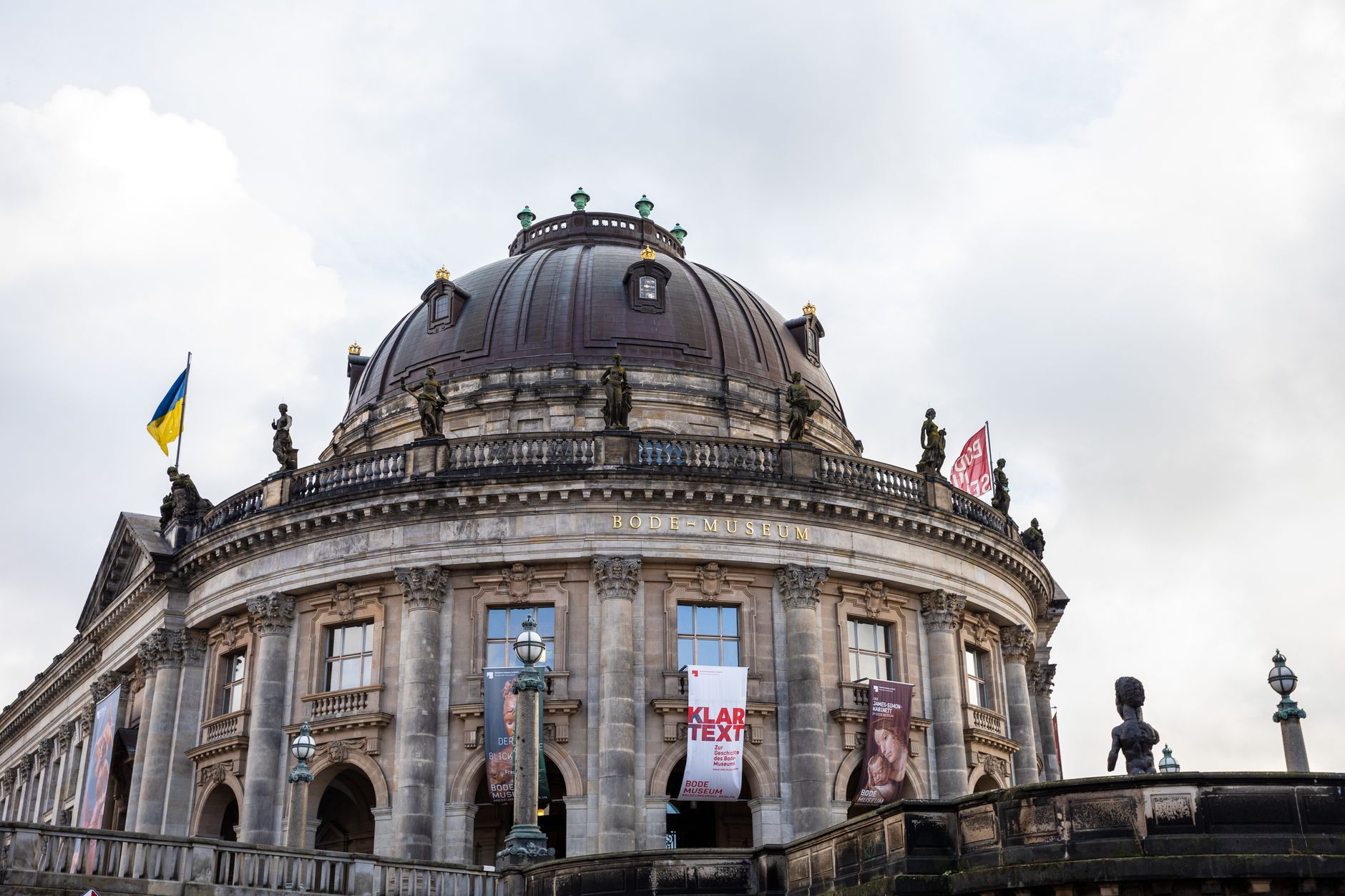
For many first-time visitors, Berlin can feel harder to organize than other European capitals. The landmarks are spread out, the city is large, and the experience is less about one perfect historic core than about moving between distinct neighborhoods. That is exactly why Museum Island works so well as the anchor for a short trip. It gives structure to a Berlin weekend: grand museums, river views, easy walking, and a central position between Mitte, Unter den Linden, Alexanderplatz, and the eastern neighborhoods.
Museum Island is part of Berlin’s historic center and is listed as a UNESCO World Heritage Site, which tells you something about its cultural weight as well as its architecture. It is also one of the easiest places to build a sensible route around if you only have two or three days. (visitberlin.de)
This guide is for travelers who want a practical Berlin plan rather than a frantic checklist. You will not see everything. You do not need to. The goal is to connect Berlin’s big museum district with walks, neighborhoods, and enough breathing room to enjoy the city at a human pace.
Why base a Berlin weekend around Museum Island?
Museum Island sits in the heart of central Berlin, close to the boulevard Unter den Linden, Berlin Cathedral, the Humboldt Forum area, and straightforward transport connections into the rest of the city. It is also one of the strongest museum clusters in Europe, and Berlin’s official tourism and museum sites continue to frame it as a core cultural focus in 2026. (visitberlin.de)
For a short trip, the logic is simple:
You can spend one full day on the island itself, one day moving west through central Berlin, and one day heading east or southeast into neighborhoods with a more local rhythm. That keeps transit time reasonable and avoids the mistake many visitors make in Berlin: crossing the city too often just to tick off famous names.
Who this itinerary suits best
This is a good plan if you like museums, architecture, city walks, cafes, and neighborhoods with distinct character. It is less ideal if your main Berlin priority is nightlife, football, or day trips far outside the center. You can still add those, but then you should shorten the museum time rather than trying to force everything in.
Before you start: what to know about pacing Berlin
Berlin rewards grouping areas rather than chasing attractions one by one. In the historic center, crowds tend to thicken from late morning through mid-afternoon, especially around Museum Island, the cathedral area, and the streets around Alexanderplatz. Early starts help. If you can begin outdoor walking before the main museum rush, the center feels much calmer.
Another useful point: not every famous museum needs to be part of the same day. Berlin’s museum offering is deep, and trying to see too much in one stretch often turns the trip into an indoor marathon. Pick one or two institutions that matter most to you and build the day around them.
For navigation on foot, short historical context, and route planning between major sights and smaller corners, Ingry is genuinely useful in Berlin because the city reveals itself better when you understand what you are walking past, not only what you pre-booked.
Day 1: Museum Island, Berlin Cathedral, and the historic center
Morning: start before the center gets busy
Begin in Mitte and walk toward Museum Island early. The river setting matters here: bridges, stone facades, and broad ceremonial streets make the area feel more spacious before the tour groups build up. If the weather is clear, start outside rather than going indoors immediately. Walk around the island first, take in the views toward the cathedral and the museums, and only then choose your first interior stop.
If this is your first Berlin trip, today is the day for the most famous cultural sites. But be selective. One substantial museum visit is often enough for the morning. Two is realistic for a full day. More than that usually blurs together.
Late morning to early afternoon: choose depth over quantity
A smart rule for Berlin is to pair one major museum with one lighter cultural stop or one long outdoor walk. That leaves enough energy for the city itself. After your main museum visit, step back outside instead of immediately joining another queue. Walk by the Berlin Cathedral exterior, continue around the Spree, and let the district feel like a place rather than just a set of ticketed rooms.
If you enjoy context while moving through the city, this is a good moment to use Ingry to connect the grand buildings with Berlin’s shifting history. The center makes more sense when you see how imperial, wartime, socialist, and reunified Berlin all overlap here.
Afternoon: Unter den Linden and a gentle westward walk
From Museum Island, continue along Unter den Linden. This gives the day shape without forcing more transport. The boulevard is one of the simplest ways to understand central Berlin spatially: major institutions, formal urban design, and a line of movement toward Brandenburg Gate.
If you still want another indoor stop, do it only if your energy is good. Otherwise, keep walking. Berlin is one of those cities where a well-timed outdoor stretch often improves the trip more than one extra museum.
Evening: stay central, but avoid overextending
For your first night, stay in Mitte or nearby instead of racing across town. That lets the day end smoothly and keeps the historic center coherent in your memory. If you are tempted to squeeze in a distant nightlife district immediately, be honest about fatigue. Berlin’s scale is deceptive.
Day 2: Reichstag area, Brandenburg Gate, Tiergarten, and a westward reset
Why this works after Museum Island
After a museum-heavy first day, the best move is space. The ceremonial core around Brandenburg Gate is busy, but once you edge into Tiergarten the city opens up. This creates a useful contrast with the denser historic center.
Morning: go early around the big landmarks
Start near Brandenburg Gate early if you want photographs or a calmer atmosphere. This zone is one of the busiest in the city by late morning. The same goes for the Reichstag area. Even if you are mostly interested in outdoor sightseeing, arriving earlier gives you more breathing room and a better sense of the monumental layout.
Midday: walk into Tiergarten instead of adding more central stops
This is where many short-trip itineraries go wrong: they remain in the dense center too long. A better Berlin rhythm is to step into Tiergarten after the major sights. The park acts as a reset. It lowers the noise level, breaks up the stone-and-monument sequence, and keeps the weekend from feeling over-programmed.
If the weather is warm, this middle part of the day is much easier in the park than on open plazas and broad central streets. Berlin summer days can reward long outdoor hours, but open exposed areas feel more tiring than leafy routes.
Afternoon: choose one west-side cultural stop or simply keep the walk going
You do not need another marathon museum session here. If you have already had a dense first day, the smarter choice is to keep Day 2 lighter. Berlin is best when the trip alternates intensity and ease.
If you do want to continue exploring on foot, aim for a route that finishes in a neighborhood where dinner feels easy rather than formal. The point is to end the day with less friction.
Day 3: Kreuzberg and Friedrichshain for Berlin beyond the postcard core
Why the third day should shift east or southeast
By Day 3, most visitors need a different Berlin. Not another monumental avenue, not another cluster of official buildings. Kreuzberg and Friedrichshain make sense because they offer contrast: canals, street life, parks, food, long walks, and a less ceremonial version of the city.
This is also where Berlin feels less like a museum capital and more like a lived-in place. That matters on a weekend trip. Without at least one neighborhood day, many travelers leave with a narrow picture of Berlin.
Morning: choose one neighborhood and stay with it
Do not try to “do” every cool district in one day. Pick a starting point in Kreuzberg or Friedrichshain and move gradually. Walk streets, browse side roads, pause in cafes, and let the day be less scheduled. Berlin’s appeal often comes from the transitions between places rather than the headline sight itself.
Afternoon: stretch the route along the river, canal, or park edges
This is the day for flexible urban walking. Instead of designing a rigid attraction list, build around a corridor: waterside stretches, a park edge, or a run of interesting streets. That keeps the day open enough for weather changes and mood shifts.
For this kind of wandering, Ingry works well because Berlin has many places that are meaningful without being obvious. A former border trace, a courtyard, a memorial fragment, a riverside industrial building, or a side-street square can all become more interesting when they are placed in context.
Evening: end where Berlin feels relaxed, not rushed
Your last evening should not be overplanned. Choose a neighborhood where staying out a bit longer feels natural, but do not build the entire day around one dinner reservation or one nightlife ambition unless that is the main reason for your trip.
What to skip if you only have one weekend in Berlin
Skip the urge to cross the city repeatedly for isolated landmarks. Berlin is too large for that to feel efficient.
Skip packing three major museums into one day unless you already know your stamina for that kind of trip.
Skip trying to combine heavy history, full museum visits, shopping streets, nightlife, and far-flung neighborhoods all in 48 hours. Berlin punishes overreach more than compact cities do.
And skip treating Alexanderplatz as the center of your emotional Berlin experience. It is useful as a transport point, but not usually the place where visitors enjoy lingering most.
If you are planning for a special museum weekend
Berlin’s calendar does include major museum-focused events. One of the best known is the Long Night of Museums, which the official event site lists for 29 August 2026, with tickets available from 3 August 2026. Berlin’s official tourism site also includes the Long Night of Museums among the city’s key 2026 events. (langenachtdermuseen.berlin)
If your trip falls on that weekend, plan differently: keep your daytime schedule lighter, avoid exhausting yourself before evening, and choose museum targets strategically rather than chasing too many venues. These event nights are exciting, but they are not the same as a standard museum day. They reward planning and restraint.
Where this itinerary fits best in the year
This kind of Berlin weekend works especially well from the warmer months into early autumn, when walking between districts feels rewarding and the city’s parks, river edges, and outdoor spaces can carry more of the trip. It also works in cooler seasons if you shorten the outdoor stretches and use cafes and museums as warming breaks instead of trying to push long exposed routes.
Final thought
The best short Berlin trips are not the ones that “cover” the most. They are the ones that understand the city’s shape. Museum Island gives you the cultural core, Tiergarten gives you breathing room, and Kreuzberg or Friedrichshain gives you texture. Put those three pieces together and Berlin starts to feel coherent.
If you plan your weekend around connected walks instead of disconnected attractions, you will remember more, rush less, and actually enjoy the city you came to see.
Berlin
If you are choosing a summer weekend for a first trip to New York City, the 4th of July stands out in 2026 for one simple reason: the city’s biggest annual celebration is also marking a major anniversary year. Macy’s has announced that its 50th annual 4th of July Fireworks will take place on Saturday, July 4, 2026, with fireworks staged around the Brooklyn Bridge, the lower East River near the Seaport District, and the lower Hudson River in collaboration with Jersey City. That means more viewing zones than in a typical year, but also more pressure on Lower Manhattan, Brooklyn waterfront areas, and river crossings.
This is not the weekend for a checklist approach. New York works better if you plan by geography, walk as much as possible, and avoid crossing the city at the wrong hour. If you want help understanding what you are looking at while moving through different neighborhoods, Ingry is genuinely useful for walking in New York City, especially when you want context without joining a tour.
Why July 4, 2026 is a strong New York City trip idea
For travelers, this weekend combines three things that usually do not line up perfectly: long daylight, park-and-waterfront weather, and a citywide event that gives shape to the trip. In 2026, the Macy’s show is expanding across the Brooklyn Bridge, lower East River, and lower Hudson River for its 50th edition, tied to the United States semiquincentennial celebrations. Even if fireworks are not your main reason to visit, the holiday weekend creates a clear structure for a three-day stay.
The tradeoff is obvious: this is a busy weekend. You should expect congestion around Lower Manhattan, bridge approaches, East River viewpoints, and major subway transfer stations. That does not mean avoiding the city center entirely. It means building your days so the most crowded moments happen when you are already in the right area.
Best areas to stay for the weekend
Lower Manhattan or the Seaport area
This is the most logical base if fireworks are your priority. You can stay within walking distance of the waterfront, the Brooklyn Bridge area, and early-morning downtown sights before the biggest crowds build. The downside is obvious too: the holiday atmosphere can turn a simple crosstown move into a slow one.
Downtown Brooklyn
This is a smart compromise. You are close to Brooklyn Bridge-adjacent neighborhoods, Brooklyn Heights, DUMBO, and multiple subway options, but you are not sleeping inside the densest part of the event footprint. For many first-time visitors, this is the easiest balance between access and sanity.
Long Island City
If you want a calmer hotel base with good transit and skyline access, Long Island City is worth considering. It gives you quick reach to Manhattan while keeping you out of the thickest holiday foot traffic. It is less atmospheric than staying downtown, but often more practical.
I would skip Midtown as a July 4 base unless your whole trip is built around classic first-time sights. It works, but on this particular weekend you may spend too much energy moving up and down the island instead of enjoying one area at a time.
How to structure a smart 3-day July 4 weekend
Day 1: Arrive and keep it local
Do not treat arrival day as your ambitious museum day. Choose one compact walking zone and settle into the city’s rhythm. A strong first-day route is Lower Manhattan into the Seaport, then a waterfront walk with views toward the bridge and harbor. This lets you understand the geography before the holiday crowds peak.
If you arrive early, add a walk through the Financial District, then continue toward the East River. You are not trying to “complete” downtown. You are building orientation. This is where a tool like Ingry helps: New York becomes much more memorable when streets, buildings, and river edges feel connected rather than random.
Day 2: Saturday, July 4 — plan around the fireworks, not against them
On the holiday itself, stay close to your evening zone. Since the 2026 fireworks footprint includes the Brooklyn Bridge, lower East River, Seaport District, and lower Hudson River, you should avoid unnecessary cross-city trips late in the day. Pick your side early and commit to it.
A good pattern is to spend the morning in a nearby neighborhood, take a long midday break indoors, then return to the waterfront area well before evening. That break matters more than people think. New York in early July can feel draining if you spend all day in heat, sun, and crowds before standing outside again at night.
If you choose the East River side, pair the day with the Seaport, Lower Manhattan, Brooklyn Heights, or DUMBO. If you choose the Hudson side, build the day around Lower Manhattan’s western edge rather than trying to squeeze in Midtown first. In both cases, walking beats short taxi rides once streets begin closing and stations start filling.
Day 3: Sunday — recover with a neighborhood day
The best post-fireworks day is not another high-pressure attraction sprint. Go for a neighborhood-based route: the Upper West Side and Central Park, or Greenwich Village and the West Village, or a Brooklyn day built around brownstone streets and a slower lunch. This gives the trip shape: one event day, one classic walking day, one softer local day.
If you prefer museums, make Sunday your museum morning rather than trying to fit one into July 4 itself.
What we know about the 2026 Macy’s 4th of July Fireworks
As of June 2026, Macy’s has confirmed that the 50th annual show will be held on Saturday, July 4, 2026. The company says the display will span the lower East River in the Seaport District, the lower Hudson River in collaboration with Jersey City, and the Brooklyn Bridge. That wider setup suggests multiple viewing possibilities, but official detailed public viewing logistics can change closer to the date, so travelers should expect final access plans, closures, and crowd-control details to be released later.
The key practical point is simple: do not assume you can improvise from one side of the city at the last minute. Fireworks weekends in New York are won or lost by positioning. Decide your area in advance, arrive earlier than feels necessary, and be emotionally prepared to leave on foot for part of the trip back.
Where to spend the day before the fireworks
The biggest mistake visitors make is overloading July 4 itself. Keep the day compact.
Best pairings for an East River fireworks plan
Choose one of these combinations:
Lower Manhattan and the Seaport; Brooklyn Heights and DUMBO; or a short downtown museum stop followed by an early meal near your evening zone. All three options minimize unnecessary transit and make it easier to be in place before access points become stressful.
Best pairings for a Hudson-side plan
Stay on Manhattan’s west or southwest side. A riverside walk, a relaxed lunch, and an early return to your chosen viewing area is far smarter than trying to add Midtown, Central Park, and a sunset cruise all in one day.
If you like moving through cities on foot, use Ingry for these in-between stretches. New York rewards travelers who notice transitions between neighborhoods, not just headline sights.
How to handle crowds and transit without ruining the weekend
Expect walking to do the real work
On big event days, the subway is essential until it suddenly is not. Stations can become crowded, entrances may be managed, and short distances are often faster on foot. Wear shoes you can actually walk in for an hour.
Do not plan tight meal reservations near the event zone
A nice dinner with a fixed time sounds civilized, but on July 4 it can trap you. Keep meals flexible, eat earlier than usual, and leave yourself room for street closures and detours.
Use one bridge-and-waterfront area, not all of them
Visitors often try to “sample” downtown Manhattan, Brooklyn Bridge Park, DUMBO, and another skyline point in one afternoon. That is exactly how you burn energy and end up stuck between crowds. Pick one cluster and stay there.
Skip taxis late in the day
In the hours before and after fireworks, surface traffic can be frustratingly slow. Unless you are traveling a long distance well outside the closure zone, walking and subway combinations are usually more reliable.
What to skip on this weekend
Skip anything that requires multiple timed entries in different boroughs on July 4 itself. Skip the fantasy of seeing all of Midtown before heading downtown for fireworks. Skip rooftop plans that demand cross-town transfers at the worst possible hour unless that rooftop is your entire evening plan.
Also skip the urge to chase the “perfect” secret viewpoint. In New York, a good location you can actually reach calmly is better than an ideal location you spend the whole evening trying to access.
A realistic packing and pacing note for early July
New York City has already begun public summer heat messaging for 2026, and the city advises residents and visitors to prepare for extreme heat conditions during the season. For travelers, that means water, shade breaks, and a slower midday pace matter more than you think. Build indoor time into the middle of the day, especially if your evening involves standing outside for a major event.
This is one of those weekends when city stamina matters as much as sightseeing ambition. If you manage your energy well, July 4 can feel festive and cinematic. If you over-schedule, it can feel like a queue with a skyline attached.
Final verdict: is July 4 weekend a good first trip to New York City?
Yes, if you want atmosphere and can accept crowds. For a first-time visitor, the 2026 holiday weekend has a clear advantage: it gives New York a built-in narrative. Downtown walks feel more purposeful, waterfront areas feel more alive, and the fireworks create a natural centerpiece for the trip.
But this is only a good choice if you plan simply. Stay in one logical area, build each day by neighborhood, walk more than you think, and do not confuse a busy schedule with a good trip. New York is at its best when the city unfolds block by block.
For that kind of trip, a walking-first tool like Ingry fits naturally: not as a replacement for wandering, but as a way to make your wandering smarter.
New York City
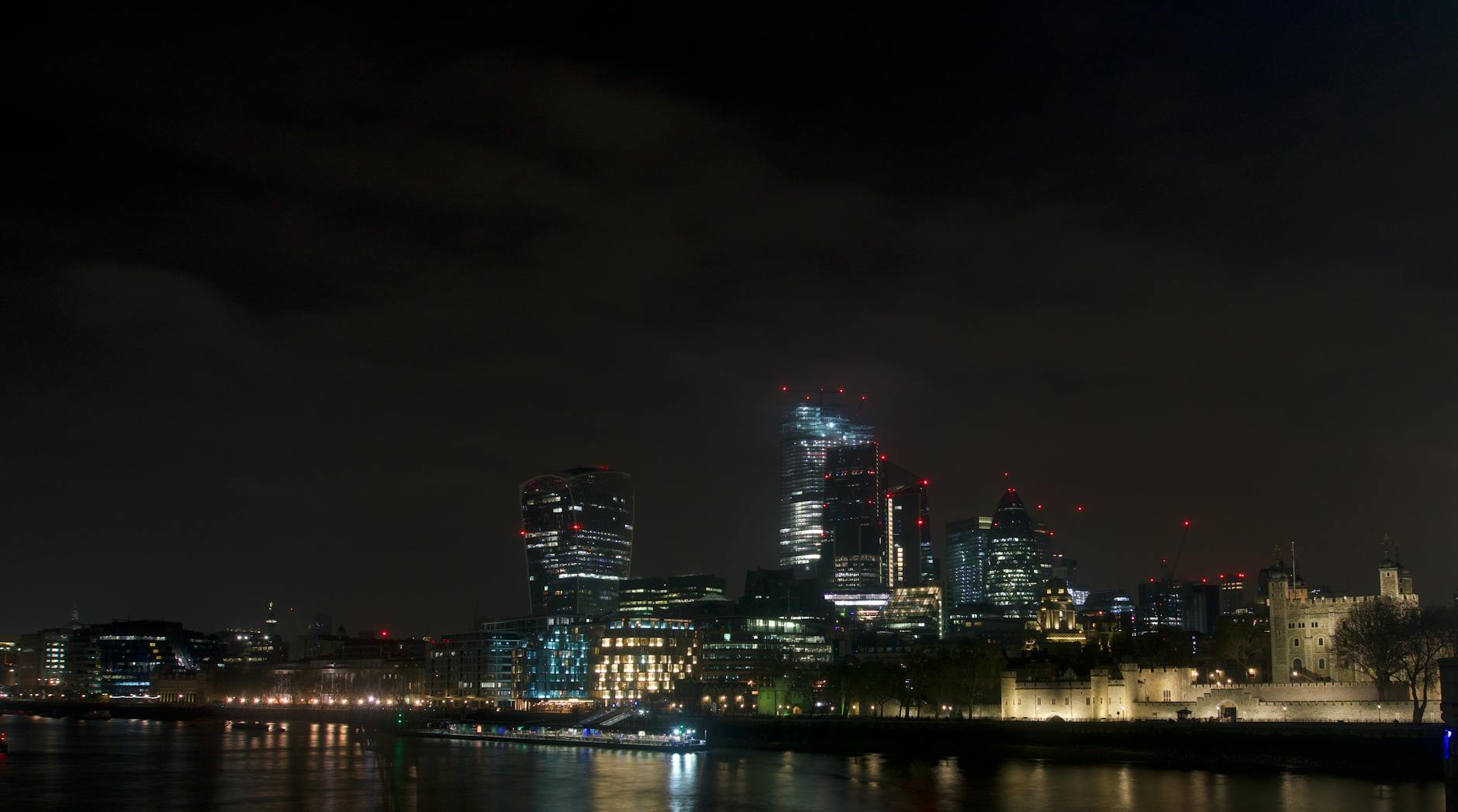
June is one of the easiest months to enjoy London well. The days are long, the parks are at their best, and the city feels more open than it does in the colder months. You can walk for hours without treating every outing like a weather calculation, and it becomes much easier to combine major sights with smaller neighborhood detours.
This is also a month when London gets busy without yet feeling quite as intense as peak school-holiday summer. Visit London highlights June as one of the capital’s liveliest months, with long daylight hours and a full calendar of outdoor and cultural events, while the Royal Parks’ seasonal listings show how much of the city shifts outdoors at this time of year. (visitlondon.com)
If you are planning a first or second trip, a June weekend works best when you do not try to see all of London. Instead, group the city into walkable zones, use the Tube only to make larger jumps, and leave room for a slow evening in a park, along the river, or in a neighborhood that still feels lively after dinner.
This itinerary is built for exactly that kind of trip: three days, mostly on foot, with sensible museum stops, good outdoor stretches, and routes that still feel enjoyable when central London is crowded.
Why June is such a good month for a London trip
London in June rewards people who like to explore on foot. Royal Parks opening information shows that major parks such as Hyde Park and Kensington Gardens have long evening opening hours in June, and seasonal programming begins to pick up across the city. The Serpentine Lido also typically operates in season from June to mid-September, which says a lot about how firmly London has shifted into summer mode by this point. (royalparks.org.uk)
You also have more flexibility with timing than in winter. If a museum is crowded in the middle of the day, you can swap it for a longer park walk and come back later. If you finish dinner early, there is still enough light for a riverside stroll. That matters in London, because some of the city’s best moments are not inside attractions at all: they are the transitions between Westminster and St James’s, South Kensington and Hyde Park, or Covent Garden and the Strand in the late evening.
June 2026 also includes seasonal events and outdoor programming, from free park-based activities to bigger city moments. Visit London’s June listings note the month’s major highlights, and the Royal Parks calendar confirms events in Regent’s Park, Kensington Gardens, and Hyde Park through mid and late June. (visitlondon.com)
How to pace a 3-day June weekend in London
The most common mistake in London is too much zigzagging. Distances look short on a map, but the city gets tiring when every day involves repeated Tube rides and queue-heavy attractions in opposite directions.
A better pattern is:
Day 1 for the royal and historic core. Day 2 for museums and parks in South Kensington and Hyde Park. Day 3 for the river, the City, or a neighborhood-based finish depending on your energy.
If you want help understanding what you are passing while walking, Ingry is especially useful in London because the city reveals itself gradually. A route can take you from famous landmarks to small squares, churchyards, memorials, and side streets that are easy to miss if you only navigate stop to stop.
Day 1: Westminster, St James’s, and the South Bank
Morning: start early in Westminster
Begin around Westminster Station and walk the area before it becomes fully crowded. This is the smartest time to see Big Ben, the Houses of Parliament, Westminster Abbey from the outside, and the bridges around the river. Even if you plan to go inside a major sight later in the trip, the early morning here is worth it for the atmosphere alone.
From Westminster, continue through St James’s Park toward Horse Guards and Whitehall. This route is compact, scenic, and one of the best introductions to central London because it connects ceremonial London with green space almost immediately.
If your trip happens to coincide with mid-June, this area can be much busier around Trooping the Colour. Visit London notes that tickets for the seated event at Horse Guards Parade are allocated by ballot and that 2026 standing tickets are also sold out, so travelers should expect crowding rather than assume they can decide on the day. (visitlondon.com)
Late morning to lunch: cross into the West End slowly
Walk up toward Trafalgar Square rather than taking transport. This lets you decide in real time whether you want to spend an hour in the National Gallery or simply continue toward Covent Garden. In June 2026, the National Gallery is hosting its Zurbarán exhibition through 23 August, alongside free collection displays and smaller seasonal events. (nationalgallery.org.uk)
If this is your first London trip and your time is limited, do not try to cover every gallery room. A focused hour often works better than a half-day that leaves you tired before lunch.
Afternoon: South Bank instead of more monuments
After lunch, head for the river and cross toward the South Bank. This part of the day is less about ticking off buildings and more about giving yourself a stretch of London that feels lively without requiring constant decisions. You can walk east or west depending on your pace, stop for views back across the Thames, and choose one cultural stop only if it genuinely fits your energy.
What to skip on Day 1: do not add Camden, Notting Hill, or the Tower of London just because they are famous. They belong to different rhythms and will break the logic of the day.
Evening: use the long daylight
June evenings are one of London’s best assets. Stay outdoors as long as you can. A slow walk from the South Bank back toward Westminster or Waterloo often feels better than squeezing in another indoor attraction.
If you like walking with context, this is a good moment to use Ingry for a self-guided route through central London, especially when the city starts to quiet down but the light is still strong enough to notice architectural details and river views.
Day 2: South Kensington museums and Hyde Park
Morning: choose one major museum, not all of them
South Kensington is where many first-time visitors overplan. Yes, the museums are close together. No, that does not mean you should try to do three in one day.
Pick one main museum for the morning. If you want a classic London choice with broad appeal, the Natural History Museum is a strong option. In June 2026 it is running Jurassic Oceans: Monsters of the Deep, which opened on 22 May 2026, and its David Attenborough experience continues through summer 2026. (nhm.ac.uk)
If you prefer art and design, the V&A area also works well, but the key is the same: one anchor museum, then back outside before the day feels too dense.
Lunch: keep it nearby
Do not waste time crossing town for lunch. South Kensington, Exhibition Road, and nearby streets give you enough choice. Saving time here is what makes the afternoon feel spacious rather than rushed.
Afternoon: Kensington Gardens to Hyde Park
After lunch, walk north and west into Kensington Gardens, then continue into Hyde Park. This is one of the most satisfying June transitions in London: stone facades, museum crowds, then suddenly lawns, trees, water, and much slower movement.
The Royal Parks calendar confirms an active summer season in 2026, including events in Kensington Gardens and later programming in Hyde Park and Regent’s Park. Park opening times in June extend well into the evening, which makes this a safe place in the itinerary to slow down rather than race to the next ticketed stop. (royalparks.org.uk)
If the weather is especially warm, the Serpentine area becomes a natural focal point, and the Lido operates seasonally during this period. (sportsandleisure.royalparks.org.uk)
Evening: choose between Notting Hill and a quiet park exit
If you still have energy, exit west toward Notting Hill for dinner and a neighborhood walk. If not, simply stay in the park longer and leave from Hyde Park Corner or Lancaster Gate. Both are better choices than forcing another attraction late in the day.
What to skip on Day 2: Madame Tussauds and Oxford Street unless they are a personal priority. In a June weekend itinerary, they usually add more queueing and retail fatigue than genuine London atmosphere.
Day 3: The City, Tower area, and an easy final evening
Morning: go east before the crowds build
Start near Tower Hill or Monument. This gives you a different London from the ceremonial center: older street patterns, river edges, office towers, church spires, and a stronger sense of the city’s layered history.
You do not need to enter every major site here to enjoy the area. A morning walk around the Tower of London exterior, Tower Bridge approaches, and riverside paths is already rewarding. If this is your first trip and the Tower of London is a must-see, book it as your one major stop for the morning and keep the rest of the day lighter.
Midday: choose between the City and Borough
From the Tower area, either continue into the City for lanes, churches, and modern viewpoints, or cross south for Borough Market and the Southwark side. The right choice depends on your style of travel. The City suits people who like architecture and quieter historic detail on weekends. Borough and the river suit people who want more food options and a more social atmosphere.
This is another part of London where Ingry fits naturally. The area is full of places that are meaningful without always being obvious at first glance, and a guided walking layer helps connect scattered landmarks into a more coherent final day.
Afternoon: finish with one view, one market, or one church
Do not overload the final afternoon. Pick one closing note: a viewpoint, a slow market browse, or a historic church and nearby lanes. London is better remembered in fragments than in marathons.
If your flight or train leaves the next morning, spend the last part of the day somewhere easy to return from rather than chasing a distant neighborhood for the sake of variety.
Useful June planning tips for London
Crowds
June is popular, and central London fills up quickly on Fridays, Saturdays, and sunny afternoons. Start major sightseeing areas early, especially Westminster, South Kensington, and the Tower area. Parks are a good pressure valve when museums feel too busy.
Transit
Use the Tube for longer jumps, but expect occasional weekend engineering work or disruptions. Transport for London regularly publishes planned closures and major works updates, so checking before your travel day is worth it, especially if you are staying outside Zone 1 or relying on a specific line. (content.tfl.gov.uk)
Walking logic
London rewards half-day zones more than attraction hopping. Build each day around one core area and one secondary area at most.
Weather and clothing
June is more comfortable than midsummer for long walks, but London weather still changes quickly. Bring layers and shoes that can handle a full day on pavement and park paths. The point is not to predict each hour perfectly; it is to stay flexible.
If you only have 48 hours instead of 3 days
Keep Day 1 and Day 2, then borrow one east-London stretch from Day 3 if you can. The strongest short trip combination is still Westminster plus St James’s, one museum cluster in South Kensington, and one long park or river walk.
If you are tempted to add too much, cut attractions before you cut walking time. In London, the spaces between headline sights are often what make the trip memorable.
Final thought
London in June does not need an elaborate strategy, but it does need restraint. The city is at its best when you let the weekend breathe: one major sight, one museum, one long walk, one park, one evening that runs later than expected because the light is still there.
That is the version of London most people enjoy most, and June is one of the best times to experience it.
London
Berlin is one of the easiest big cities in Europe to enjoy over a long weekend, but it rewards a little structure. Distances are bigger than many first-time visitors expect, and the mistake most people make is trying to see every famous sight in one long, tiring sweep. A better approach is to build your days around connected neighborhoods, mix museums with outdoor time, and leave room for Berlin’s informal pleasures: canal walks, café stops, flea markets, and long evenings in the park.
If you are coming in late spring or early summer, this is an especially good time to visit. Days are long, public space matters more, and areas like Kreuzberg, Mitte, and Prenzlauer Berg feel lively without requiring a packed event calendar to justify the trip. Berlin’s transport network makes it easy to move around, but the city is often best understood on foot in short, focused stretches, with the U-Bahn or S-Bahn used to bridge the longer gaps.
This guide is designed for a real Friday-to-Sunday or Saturday-to-Monday stay: enough culture to feel you saw Berlin, enough walking to understand the city, and enough flexibility to avoid turning your weekend into a checklist. To help with orientation while walking, short detours, and understanding what you are passing, Ingry is genuinely useful in Berlin, especially in areas where major landmarks and smaller historical sites sit close together.
Why this is a strong Berlin weekend plan
Berlin’s center is not a compact old town in the way many visitors imagine. The city is spread across distinct areas, and each one tells a different story. Mitte gives you the grand museum-and-monument core; Kreuzberg shows everyday Berlin at street level; Prenzlauer Berg offers a softer, slower Sunday rhythm; and the former Wall corridors still shape how you move and what you notice. That is why a neighborhood-based route works better than a top-10 list.
It also fits how Berlin transport actually works for visitors. The U-Bahn is usually the simplest way to cross the inner city, while the S-Bahn is useful for bigger jumps and central stations such as Alexanderplatz and Friedrichstraße. One ticket works across U-Bahn, S-Bahn, buses, trams, and regional trains within the correct fare zones, and most visitors staying in the city will mostly use zones AB. If you are arriving from BER Airport, remember that the airport is in zone C. Tickets bought from machines or official sales points must be validated before travel if required.
Where to base yourself for this itinerary
Kreuzberg or southern Mitte
If this is your first short trip, stay somewhere that keeps you close to both Kreuzberg and central Mitte. That gives you a better balance than sleeping far west or far east. Kreuzberg works well if you want evenings with restaurants, canal walks, and a more local street atmosphere. Southern Mitte is better if museums and early starts matter more to you.
Prenzlauer Berg is pleasant and easy on a Sunday, but for a short stay it can feel slightly out of the way if it is your only base. Charlottenburg is a good option for repeat visitors or travelers who want a calmer, more elegant side of Berlin, but for a first weekend it makes less sense than staying closer to the city’s central east-west spine.
Day 1: Kreuzberg first, then an evening in the center
Start with Landwehr Canal and side streets, not a monument sprint
On your first morning, resist the urge to begin at Brandenburg Gate just because it is famous. Kreuzberg is a better introduction to how Berlin actually feels. Start with a walk near the Landwehr Canal and let the city open up gradually. This area gives you tree-lined water, busy corners, Turkish bakeries, small design shops, graffiti-heavy facades, and the kind of urban texture Berlin does better than almost anywhere else.
The point here is not to tick off sights but to find your pace. Walk northward or eastward depending on where you are staying, and keep the morning light. Berlin looks best when you see its broad streets, leftover industrial edges, and layers of 20th-century history mixed into ordinary daily life.
Use the afternoon for one major history stop
After lunch, move toward the historic center and choose one substantial site rather than three rushed ones. That might mean spending real time around Museum Island or focusing on one of the nearby historical areas around Unter den Linden and the government quarter. Museum Island consists of five museums on Spree Island and is one of Berlin’s most important cultural areas. It is also worth knowing that the Pergamon Museum has been in a long redevelopment phase, with reopening steps planned over time rather than everything being fully accessible at once, so check the current museum situation before building your whole day around it.
If you like using your phone as a walking companion rather than carrying a printed plan, this is another part of the city where Ingry fits naturally. In central Berlin, major landmarks and less obvious places sit very close together, and it helps to understand what is around you without stopping every ten minutes to do a fresh search.
Evening logic: stay central
For your first evening, do not overcomplicate things. Stay somewhere between Mitte and Kreuzberg instead of trekking across the city for one hyped bar or club. A walk along the Spree or back through the center often feels better than a long crosstown ride after a museum afternoon. Berlin is large enough that “just one quick stop” in another district can easily cost an hour.
Day 2: A classic Berlin day that actually works
Morning on Museum Island or nearby institutions
Use your second day for the part of Berlin many first-time visitors come for: museums, architecture, and big historical settings. Start early. Museum areas are always easier in the first part of the day, and Berlin rewards an early museum visit followed by a slower afternoon outside.
If museums are your priority, keep the morning concentrated. If they are not, then even a shorter visit around the island and nearby boulevards can still give you the sense of Berlin’s classical and imperial layers. What matters is not doing too much before lunch.
Lunch and reset before the afternoon
Berlin is not a city where every meal needs to become a destination. On a short trip, it is smarter to eat well but efficiently near where you already are. Save the truly long lunch for your final day if you want one. The middle of the weekend is usually better used for movement.
Afternoon: eastward or southward, depending on energy
By mid-afternoon, choose between two good directions. If you still want urban energy, drift south again toward Kreuzberg. If you want a lighter mood, move toward Prenzlauer Berg or one of the greener residential areas where Berlin slows down. This is often the point when the city starts to make sense: not as a single center, but as a set of connected zones with different rhythms.
If you happen to be visiting over the Whitsun weekend, Berlin’s Karneval der Kulturen is one of the city’s biggest late-spring events and is worth planning around. In 2026, the street festival is scheduled for May 22 to May 25 at Blücherplatz in Kreuzberg, with the main parade on May 24 beginning at Frankfurter Allee/Karl-Marx-Allee. The event celebrates Berlin’s cultural diversity, has free admission, and draws very large crowds, so it is best approached with realistic expectations: come for atmosphere, not precision; expect road closures and transport changes nearby; and do not plan a tightly timed museum day on the same afternoon.
If your trip overlaps with that weekend, the best strategy is simple: spend part of the day at the carnival, then leave before fatigue and crowd density catch up with you. Kreuzberg will be lively anyway, and trying to stay at the busiest point for hours can flatten the rest of your trip.
Day 3: Sunday in Berlin should feel different
Go to Prenzlauer Berg and Mauerpark
Sunday is where many Berlin weekends either click or go wrong. If you force another hard museum-and-monument day, the city can feel heavy. A better Sunday plan is to lean into Berlin’s weekend culture. Prenzlauer Berg is ideal for that. It is residential, green, and easy to like, with enough café life to make a slow start feel intentional rather than lazy.
Mauerpark is the obvious anchor here. The flea market is one of Berlin’s best-known Sunday rituals, and the park’s karaoke has become a regular draw from spring to autumn. It is popular with both locals and visitors, which means you should not expect a hidden gem. Go because it is lively, a bit messy, and unmistakably Berlin. If you hate crowds, arrive earlier, walk the edges, and do not force yourself to stay long.
What to skip on Sunday
Skip any plan that requires three long transport hops and fixed timings. Also skip the idea that every famous site must be visited from the inside. Berlin works better when some places are simply walked through and understood in context. A final day overloaded with reservations usually leaves you seeing less, not more.
This is a good day to use Ingry as a lightweight guide while wandering rather than following a rigid route. Sunday in Berlin is often at its best when you notice how one area leads into another, especially around former Wall spaces, parks, and broad streets that carry more history than they first reveal.
How to move through Berlin without wasting time
The practical rule is simple: walk within neighborhoods, ride between neighborhoods. Berlin is too big for full-day wandering without transport, but many individual districts are ideal for walking once you arrive. Use the U-Bahn for shorter inner-city jumps and the S-Bahn for broader connections across the city. Visitors usually only need AB tickets inside Berlin, while BER Airport requires ABC. Berlin’s official visitor information also notes that U-Bahn and S-Bahn are the easiest backbone for getting around, and that weekend night service is stronger than weekday late-night service.
If you only have two full days, cut the city into west and east, or center and south, but do not try to combine everything from Charlottenburg to Friedrichshain to Prenzlauer Berg in a single continuous loop. Berlin looks manageable on a map until you start doing the transfers.
What first-time visitors often get wrong
They underestimate distances
Berlin’s sights can look close by name, but the city’s scale is real. Build your day around two connected zones, not six highlights.
They plan too many indoor stops
Berlin is not only a museum city. Its atmosphere lives outdoors too: canals, parks, courtyards, river edges, street markets, and the spaces shaped by the Wall.
They chase nightlife at the expense of the daytime city
Berlin nightlife matters, but for many weekend visitors the stronger memory is daytime Berlin: broad avenues, difficult history, neighborhood texture, and that feeling of the city opening gradually rather than presenting itself all at once.
A realistic Berlin weekend, not an exhausting one
If you want one clear principle for planning Berlin, use this: less crossing, more depth. Stay in one area long enough to understand its mood, then move on. Kreuzberg gives you Berlin at street level. Museum Island and central Mitte give you historical weight. Prenzlauer Berg and Mauerpark give you a relaxed final day that does not feel like leftover time.
That combination is enough for a first weekend, and it leaves room for the city to feel like itself. Berlin is not a place you finish in 48 hours. It is a place you begin to read. And if you build your route around walkable districts instead of a frantic attraction list, you will leave with a much clearer sense of why people return.
Berlin
June is one of the easiest months to enjoy New York City on foot. Days are long, parks are lively without the peak-summer heaviness of July and August, and many visitors can build a very full weekend around neighborhoods rather than spending the whole trip underground on the subway. If you are planning a first or second visit, June is a smart time to combine classic sights with time outside: a skyline walk, a museum afternoon, a park break, and dinner in a neighborhood that still feels local after dark.
This guide is designed for a real three-day trip. It is not a checklist of every famous place in the city. Instead, it follows practical movement through Manhattan and nearby parts of Brooklyn and Queens, with enough structure to help you see a lot without turning the weekend into a forced march.
Why June works so well for a New York City weekend
New York City in June gives you more daylight for walking and better odds of comfortably mixing indoor and outdoor plans. That matters in a city where your day often works best in layers: a morning walk, an air-conditioned museum in the hottest stretch, then another neighborhood in the evening. It is also a strong month for visitors who want flexibility. You can spend time in Central Park, along the Hudson River, on the Brooklyn waterfront, or around quieter side streets without feeling like the weather is pushing you indoors all day.
If you like building your trip as you go, Ingry is especially useful in New York City because it helps you understand what you are passing while walking between major sights, instead of treating the city like a set of disconnected stops.
A smart 3-day June itinerary
Day 1: Midtown early, Central Park late morning, museum in the afternoon, Upper West Side or Lincoln Square in the evening
Start early in Midtown if you want to see major landmarks with less friction. This is the best time to pass through the area around Grand Central, Bryant Park, the New York Public Library exterior, or Fifth Avenue before the sidewalks feel more crowded. If Times Square is on your list, do it early and move on quickly. It is worth seeing once, but not worth anchoring half a day around.
From Midtown, head north into Central Park. In June, late morning is a good window for the southern and central sections of the park: The Pond, Bethesda Terrace, the Mall, and the lake area all make sense in one continuous walk. This is also where many first-time visitors underestimate distances. The park is large enough that it helps to choose one segment rather than trying to cover all of it.
For the afternoon, pick one major museum instead of two. The Metropolitan Museum of Art announced a spring 2026 program running through June that includes a major Raphael exhibition, and it is also opening the exhibition Musical Bodies on June 7, 2026, at The Met Fifth Avenue. (metmuseum.org) That makes the Upper East Side a particularly strong June museum choice if your trip falls in that period. If you prefer modern and contemporary art, MoMA remains the easier fit with a Midtown-based day, while MoMA PS1 in Long Island City is hosting Greater New York 2026 from April 16 through August 17, 2026. (press.moma.org)
In the evening, keep things simple. Lincoln Square and the Upper West Side are good if you want a calmer finish after a museum-heavy day. If you stayed at The Met, crossing the park or taking a short ride west keeps the day coherent.
Day 2: Lower Manhattan to Brooklyn on foot
Dedicate your second day to a downtown route. Start in Lower Manhattan, where the city feels oldest, most compressed, and most dramatic in the early hours. The point is not to linger at every stop but to see how the area connects: the civic core, Wall Street, the harbor views, and the edges where the financial district gives way to more walkable neighborhoods.
From there, walk toward City Hall and cross the Brooklyn Bridge. This is one of the classic New York experiences, but timing matters. Morning is much easier than midday, when pedestrian traffic builds and the bridge can feel more like a queue than a walk. Once in Brooklyn, continue into DUMBO and Brooklyn Bridge Park. In June, this sequence works particularly well because the waterfront gives you open views and a breeze after the density of downtown streets.
After lunch, decide whether you want to keep going deeper into Brooklyn or return to Manhattan. If you still have energy, continue to Brooklyn Heights for quieter residential streets and one of the city’s most satisfying slow walks. If you want a sharper contrast, head back to Manhattan and spend the evening in the West Village or Greenwich Village, where the city feels smaller, older, and easier to explore without a rigid plan.
For this kind of neighborhood-hopping day, Ingry helps because it gives context while you are moving, which is exactly how New York is best experienced: block by block, with room for detours.
Day 3: Choose your version of New York
The third day should reflect what kind of trip you actually want. Many visitors make the mistake of using the last day to chase leftovers across the city. It is usually better to build around one of these three patterns:
Option 1: Classic uptown and skyline. Return to Manhattan for a slower morning on the Upper East Side or Upper West Side, then finish with a rooftop, observatory, or waterfront sunset.
Option 2: Art-focused day. Build the day around one museum and one surrounding neighborhood. MoMA PS1’s Greater New York 2026 is a good excuse to spend time in Long Island City, which also gives you striking East River views back toward Manhattan. (press.moma.org)
Option 3: Downtown culture and Pride-season atmosphere. If you are visiting in the last week of June 2026, NYC Pride becomes a major planning factor. The official NYC Pride site says Youth Pride returns on Saturday, June 27, 2026, and both the Pride March and PrideFest take place on Sunday, June 28, 2026, with the March stepping off at 12:00 p.m. from 26th Street and 5th Avenue and passing the Stonewall Inn. (nycpride.org) On those dates, areas around Fifth Avenue, Greenwich Village, and Chelsea will be much busier, so they are best treated as the focus of the day rather than an add-on.
What to book ahead in June
June is not a month to leave every major sight until the last minute. The city stays flexible, but some parts of a weekend benefit from advance planning: a flagship museum if there is a major temporary exhibition, an observatory at your preferred time, and any restaurant that matters to you on a Friday or Saturday night. If your trip overlaps with Pride weekend, reserve even more carefully and expect busier transit and street conditions in Lower and Midtown Manhattan. (nycpride.org)
That said, not everything needs a reservation. Some of the best June hours in New York come from leaving space for an evening waterfront walk, a break in a shaded square, or an extra hour in a neighborhood you did not expect to like so much.
Neighborhood logic: how to avoid wasting time
New York City rewards geographic discipline. The easiest way to lose half a day is to bounce between neighborhoods that look close on a map but belong to different rhythms of the city. A better approach is to pair places that naturally belong together.
Good combinations:
Midtown + Central Park + Upper East or Upper West Side
Lower Manhattan + Brooklyn Bridge + DUMBO + Brooklyn Heights
West Village + Greenwich Village + Chelsea
Long Island City + MoMA PS1 + East River views
Less efficient combinations for one day:
Upper Manhattan museums + Lower Manhattan ferries + deep Brooklyn dinners
Times Square + Prospect Park + Queens museums unless you are very purposeful about transit
One of the most useful things you can do before a trip is accept that you are not covering all of New York City in a weekend. If you organize the trip by adjacent areas, the city feels exciting. If you organize it by social media highlights, it often feels tiring.
What first-time visitors can skip
You do not need to spend long in Times Square unless you genuinely enjoy spectacle and crowds. See it, take it in, and move on. You also do not need to overcommit to observation decks. One can be memorable; stacking several usually gives diminishing returns. And unless shopping is a major reason for your trip, do not let Fifth Avenue retail absorb your best walking hours in June.
It is also fine to skip long cross-town detours for a single food stop. New York rewards good local judgment more than obsessive optimization. A solid meal in the neighborhood you are already exploring is often the smarter travel choice.
Practical June tips
Start earlier than you think, especially for the Brooklyn Bridge, Central Park, and any major museum entrance. Build in at least one indoor stop during the warmest part of the day. Carry water, and wear shoes that can handle long sidewalks, park paths, and bridge surfaces. If rain appears in the forecast, do not panic: New York is one of the easiest cities to rework on the fly because museums, food halls, covered markets, and short subway hops can quickly reshape the day.
If you like exploring on foot but do not want to constantly stop and search for context, Ingry is a useful companion for turning ordinary transitions between neighborhoods into part of the trip rather than dead time.
A good June weekend in New York City is about pacing
The best New York weekends are not the ones with the longest attraction list. They are the ones with a clear shape: one classic day, one downtown day, one flexible day, and enough room to notice details between the headline sights. June makes that style of travel easier than almost any other month. The city stays active late, the parks and waterfronts pull you outside, and the long evenings give you a second wind after museums and major landmarks.
If you plan with geography in mind and leave a little breathing room, a June weekend in New York City can feel full without ever becoming frantic.
New York City
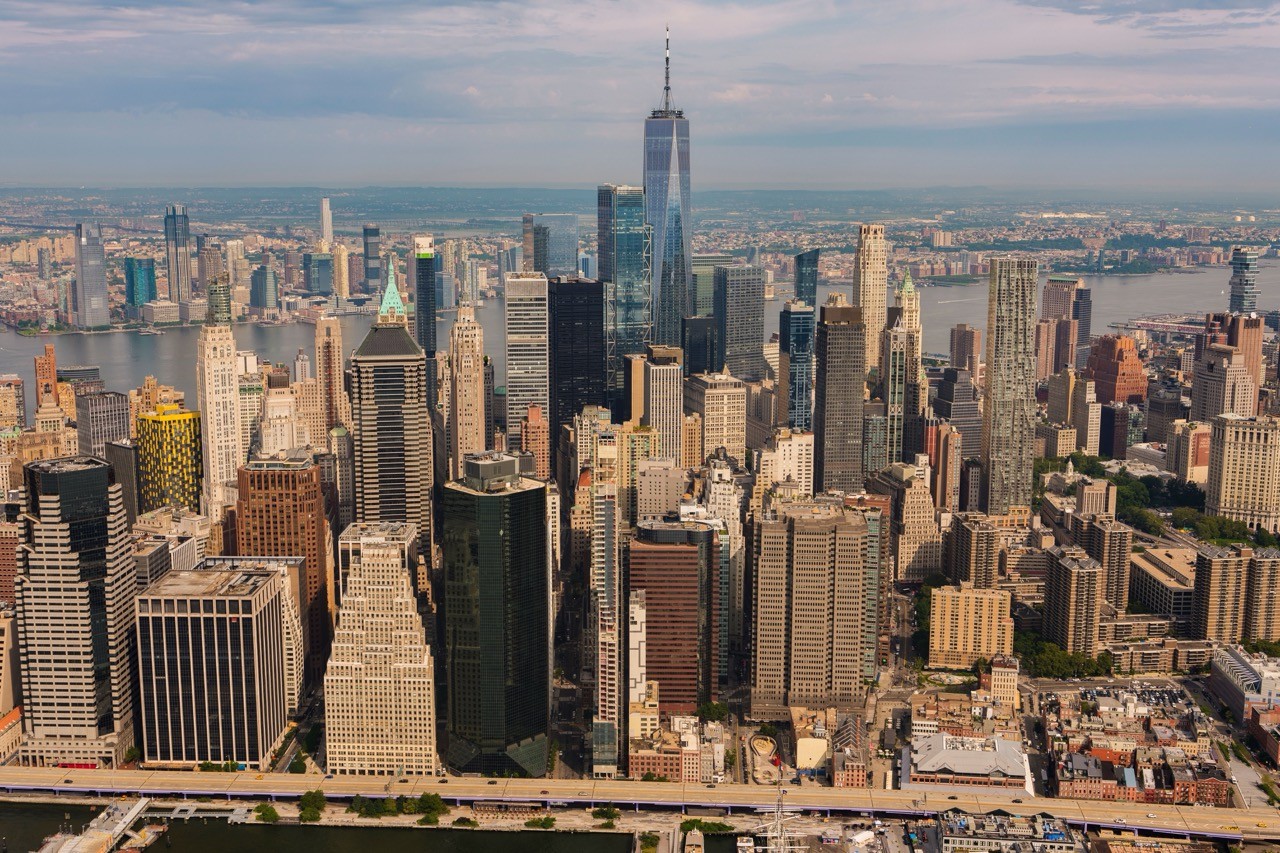
Summer is one of the best times to visit New York City if you plan it with some discipline. The days are long, parks stay lively well into the evening, and the city rewards people who like to walk. It can also be hot, crowded, and strangely exhausting if you try to cram every famous sight into one weekend. The smarter approach is to build each day around one part of the city, keep transit simple, and leave room for breaks.
This itinerary is designed for a first-time summer trip to New York City: three days, a lot of walking, a few classic views, and enough flexibility to adapt if the weather turns sticky or one museum line looks unbearable. If you want help navigating on foot between landmarks and smaller corners of the city, Ingry is useful for exploring New York City without constantly stopping to figure out what you are looking at.
Why summer works well for a first visit
New York opens up in summer. Central Park becomes part of the itinerary rather than just a green patch on the map, waterfront routes make more sense, and evening outdoor culture gives you something to do after the museums close. Central Park is open daily from 6:00 am to 1:00 am, and the park stretches from 59th Street to 110th Street between Fifth Avenue and Central Park West, which matters when you are deciding how much ground you can realistically cover in one day. The park also draws huge numbers of visitors each year, so starting early helps. (centralparknyc.org)
Summer also brings genuinely good free programming. Bryant Park’s Picnic Performances run in the 2026 season from May 28 through September 11, with 24 free nights of music, dance, theater, and opera, generally in the evening and with no ticket required. That makes Midtown more appealing after dark than many first-time visitors expect. (bryantpark.org)
Before you build your weekend: where to stay and how to pace it
If this is your first trip, staying in Midtown, the Flatiron area, Chelsea, or Lower Manhattan usually makes the most sense. The goal is not to sleep in the trendiest neighborhood; it is to make mornings easy and avoid wasting an hour every day in transit. In summer, that matters more than people realize.
A few pacing rules help. Start outdoor walks early. Put one major museum or indoor stop in the middle of the day, when the heat is highest. Save viewpoints, river walks, and neighborhood wandering for late afternoon and evening. And do not try to do Uptown, Midtown, Lower Manhattan, and Brooklyn all in one day just because they fit on the subway map.
Day 1: Midtown done properly, with room to breathe
Morning: Bryant Park, Fifth Avenue edge, and a gentle start
Begin around Bryant Park and the New York Public Library area. This is a much better first New York morning than heading straight into the most crowded observation deck queue you can find. You get the Midtown energy, a sense of the street grid, and a place to sit before the day accelerates.
From there, walk north or south depending on your interests, but keep expectations realistic. Fifth Avenue is best treated as a corridor, not an all-day experience. A first-time visitor can easily burn out here by trying to turn every storefront into a destination.
Midday: choose one indoor anchor
Use the hottest part of the day for one substantial indoor stop. That could be a museum, a library visit, or simply a long lunch and a reset in an air-conditioned space. New York summer days can become draining fast, and building in a pause is what keeps the rest of the trip enjoyable rather than dutiful.
Late afternoon: Grand Central to the East River or a slow Midtown walk
If your energy is good, drift east and aim toward the river side. If not, keep it simple and stay in Midtown West or around Bryant Park. The point of the first day is orientation, not conquest.
Evening: Bryant Park Picnic Performances
If your trip lines up with the season, this is an unusually good summer evening plan. Bryant Park’s Picnic Performances are free, typically begin around 7:00 pm, and the series runs June through September. Some events allow you to bring your own picnic, and Bryant Park notes that weather can affect whether the lawn opens, so same-day updates matter. (bryantpark.org)
This kind of evening is ideal on a first trip because it gives you a real New York experience without another reservation, timed entry, or expensive ticket. If you use Ingry while walking through Midtown, it helps connect the famous buildings with the smaller details you might otherwise pass without noticing.
Day 2: Central Park and the Upper East or Upper West Side
Morning: enter Central Park early
Central Park deserves a full half-day, not a rushed diagonal crossing. The park covers 843 acres, and trying to “see it all” usually means not really seeing any of it. Enter in the morning, when the light is better and the paths feel calmer. (centralparknyc.org)
For a first visit, focus on a coherent slice of the park rather than its entire length. The southern and central sections are the easiest starting point, but if you have more time or want a quieter feel, the north end has worthwhile corners too. The Conservatory Garden is one of the park’s formal highlights, while the Ramble gives you a surprising woodland feeling in the middle of Manhattan. (centralparknyc.org)
Bring water and refill when you can. The Central Park Conservancy specifically advises hydration in summer and notes that water fountains are available throughout the park. (centralparknyc.org)
Midday: museum time or a neighborhood lunch
When the heat picks up, step out of the park and spend a few hours in one nearby museum or settle into lunch on the Upper East Side or Upper West Side. Both work well because they let you slow down without losing the thread of the day. This is also the moment to skip anything that looks overbooked or exhausting. New York rewards selective travelers.
Late afternoon: return to the park or stay local
If you still have energy, go back for a second, shorter park walk. Central Park stays open until 1:00 am, but for most visitors late afternoon is the sweet spot: cooler light, less pressure, and a better mood overall. Quiet zones in parts of the park, including Bethesda Terrace, Sheep Meadow, and Strawberry Fields, are another reminder that this is not just a backdrop for rushed sightseeing. (centralparknyc.org)
Evening: keep dinner close to where you already are
The mistake many visitors make is crossing half the city for dinner after a long park day. Unless you have one restaurant you truly care about, stay nearby. Summer weekends in New York are better when your evening plan is a short walk, not another logistical project.
Day 3: Lower Manhattan, the waterfront, and one skyline finale
Morning: start downtown before the crowds build
Lower Manhattan is easiest in the morning, before the area fills up and before the sun reflects hard off the pavement and glass. Walk rather than zigzagging by subway every few stops. Downtown makes sense on foot because the layers of old street patterns, civic buildings, and waterfront edges reveal themselves gradually.
Midday: use the ferry for movement and views
If you want a different perspective without committing to a longer cruise, NYC Ferry can be a practical part of the day as well as a scenic one. The system map and route guides are available through the official ferry service, and using a ferry for one segment can be a smart way to connect Lower Manhattan with Brooklyn or the East River corridor while giving your feet a break. (static.ferry.nyc)
This is especially useful on a summer trip because being on the water often feels dramatically better than standing on a packed platform underground.
Late afternoon: choose one neighborhood, not three
For your final stretch, pick one neighborhood and stay there. That might mean a waterfront walk, a few side streets, a café break, and no ambition beyond soaking up the atmosphere. This is where a trip starts to feel personal rather than checklist-driven. Walking with Ingry can help here too, especially when you want context on the streets and landmarks around you without turning the afternoon into a formal tour.
Evening: your one big closing view
End the weekend with one skyline moment, not several. New York is full of elevated views, but the best final evening is usually the simplest one you can reach without stress. If the weather is clear, this is your finish. If it is hazy or stormy, do not force it. A good last dinner and a waterfront walk can be a better memory than a view fought for in a long line.
What to skip on a short summer trip
Skip the temptation to treat New York as a city you can “complete” in 72 hours. Do not book every hour. Do not build an itinerary that depends on crisscrossing the city for isolated reservations. And do not assume the biggest attraction is automatically the best use of your time.
On a summer weekend, the city often works best when you combine one major sight with one park, one neighborhood, and one evening experience. That rhythm gives you enough variety without burning out by Saturday afternoon.
Practical summer tips that actually matter
Wear shoes you trust, not shoes you packed for photographs. Expect humidity. Carry water. Start earlier than you think you need to. Keep one indoor backup plan each day. If a public event is part of your evening, check official updates before you go, because weather changes can affect outdoor programming. Bryant Park explicitly advises checking same-day status for lawn openings and cancellations. (bryantpark.org)
And finally: leave gaps. New York is one of the few cities where an unplanned hour can end up being the part of the trip you remember best.
A better way to do a first summer weekend in New York City
The strongest first trip to New York City is not the one with the longest checklist. It is the one with a clear shape: Midtown one day, Central Park one day, downtown and the waterfront one day, plus a few summer-specific moments that make the city feel seasonal and alive. Build around walking logic, not FOMO, and the city becomes much easier to enjoy.
If you want a practical companion while exploring, Ingry is a useful way to move through New York City with more context and less friction, especially when you want to understand what is around you as you go.
New York City
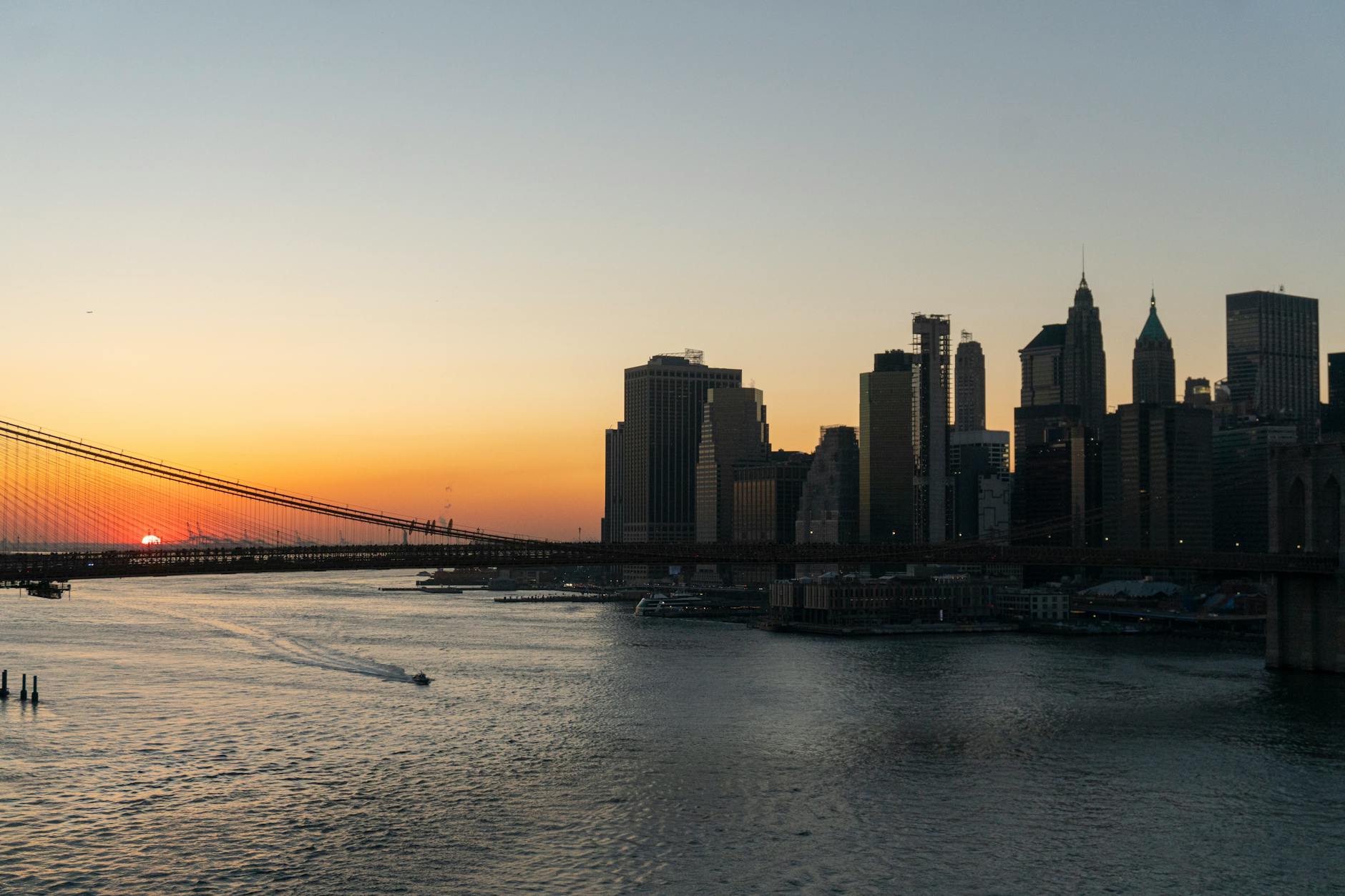
If you are thinking about visiting New York City in late June, Pride Weekend is one of the best times to do it. The city feels fully awake: long days, packed sidewalks, rooftop season, downtown energy, and a calendar centered on one of New York’s most important public celebrations. For a first-time visitor, though, it can also be overwhelming. Streets close, parts of Manhattan get crowded early, and trying to squeeze too much into one day is the fastest way to ruin the weekend.
The key is to treat Pride Weekend as both an event trip and a neighborhood trip. You are not just coming for the march or the street festival. You are coming for Greenwich Village, Chelsea, the Flatiron area, the waterfront, and the small walks between them. If you plan your days around those zones instead of zigzagging across the city, New York becomes much easier to enjoy.
For 2026, NYC Pride’s main weekend centers on Saturday, June 27, and Sunday, June 28. Youth Pride is scheduled for Saturday, June 27 at the South Street Seaport, while the NYC Pride March and PrideFest are set for Sunday, June 28. The March starts at 26th Street and 5th Avenue and disperses at 15th Street and 7th Avenue. PrideFest also returns on Sunday, June 28. These are official 2026 dates and locations worth planning around before you book hotels and daily routes.
Why this is a smart June weekend for first-time visitors
New York in late June works especially well for travelers who want a city break with a clear shape. You can build a three-day trip around Lower Manhattan and Midtown without needing long subway rides every few hours. Pride activity also naturally pulls you into some of the city’s most walkable and historically meaningful areas, especially around Greenwich Village and the streets shaped by the legacy of the Stonewall Uprising of June 1969.
That matters because first-time visitors often waste time by chasing a checklist: Times Square, Brooklyn Bridge, Central Park, the Statue of Liberty, a museum, a rooftop, and a show, all in one day. Pride Weekend is better when you slow down and let each area connect to the next. Downtown Manhattan gives you exactly that.
What to expect from NYC Pride Weekend 2026
Sunday is the biggest day. The NYC Pride March is one of the city’s major annual public events and one of the largest LGBTQIA+ civil rights demonstrations in the world. PrideFest, described by organizers as the largest LGBTQIA+ street fair in the United States, happens the same day, which means lower Manhattan and nearby Midtown corridors will be busy from late morning onward.
In practice, that means you should expect crowded subway stations around Union Square, 14th Street, West 4th Street, Christopher Street-Sheridan Square, and the streets feeding into Fifth Avenue and Seventh Avenue. Even if you are comfortable with crowds, it is better to choose one viewing area, one meal zone, and one calmer backup plan rather than constantly relocating.
If you like exploring on foot, this is a good weekend to keep a city guide in your pocket rather than relying on random map searches. Ingry is especially useful in New York City for walking between landmarks, checking what is around you, and following a route when the city feels visually overwhelming.
How to plan the weekend without exhausting yourself
Friday: arrive and keep it light
If you can arrive on Friday, use that day for places that are easy to understand when you are fresh: Bryant Park, the New York Public Library exterior, Grand Central Terminal, or a Midtown-to-Chelsea walk. This gives you a classic New York feeling without putting you straight into the heaviest event crowds.
Friday evening is a good time for a relaxed downtown walk instead of a hard-scheduled attraction. Start in Union Square or Flatiron, continue into Greenwich Village, and finish around Washington Square Park. This helps you understand the street grid transition from Midtown to older Manhattan before the weekend crowds peak.
Saturday: downtown, waterfront, and one observation deck
Saturday works best as your scenic day. Keep the morning for Lower Manhattan or the Brooklyn waterfront. The South Street Seaport area is especially relevant during Pride Weekend because Youth Pride is scheduled there on Saturday, June 27, at Piers 16 and 17. Even if that specific event is not part of your plan, the Seaport is a useful anchor for an East River walk.
From there, you can walk north or west depending on your energy: toward the Brooklyn Bridge area for skyline views, or toward the Village if you want to stay close to the neighborhoods that matter most on Sunday. Try not to add both a major museum and an observation deck on the same day. In New York, vertical sightseeing takes more time than people expect because of lines, security, and elevator waits.
If this is your first visit, one observation deck is enough for the whole weekend. Do not book two unless you genuinely care about comparing them. Save the extra hours for street-level New York, which is where the city actually becomes memorable.
Sunday: Pride March, PrideFest, and a flexible afternoon
Sunday should revolve around the official Pride events. The March begins at 26th Street and 5th Avenue and disperses at 15th Street and 7th Avenue, so the broad zone from Flatiron through Chelsea and into the Village is the part of Manhattan to think about most carefully. PrideFest also takes place on Sunday, June 28, adding even more foot traffic nearby.
The smartest move for first-timers is to pick a side of the day: either focus on the march atmosphere and nearby streets, or spend more time browsing PrideFest and surrounding neighborhoods. Trying to chase the full route and then cross back for food, shopping, and sightseeing usually means more standing than seeing.
Keep your afternoon flexible. If crowds are energizing, stay downtown and continue on foot through the Village. If they are becoming too much, shift west toward the Hudson River waterfront for a calmer finish to the day. New York rewards lateral movement: often one avenue over is all it takes to breathe again.
Best neighborhoods to base yourself in for this trip
For a Pride Weekend visit, Lower Midtown, Flatiron, Chelsea, Union Square, and the Village make the most sense. They put you in walking or short-subway range of the main Sunday activity and give you good restaurant density without forcing late-night cross-city travel.
Midtown West can work if you want easier access to major sights and theater, but it is less pleasant for a weekend built around walking. The Financial District is quieter at night and useful for views and ferry access, but less convenient if your focus is Pride activity and classic first-time Manhattan wandering.
If you stay in Brooklyn, choose it because you want Brooklyn, not because the map makes it look close. On event weekends, bridge crossings and subway transfers can feel longer than they look.
A good walking logic for first-time visitors
One of the easiest ways to enjoy New York is to think in connected strips rather than isolated attractions. For this weekend, these combinations make sense:
Midtown to Flatiron: Bryant Park, the library area, Madison Square, then downtown.
Village loop: Union Square, Washington Square Park, Greenwich Village side streets, Christopher Street area.
Waterfront version: Seaport, Brooklyn Bridge views, then westward if energy allows.
This is also where Ingry fits naturally into the trip. New York is a city where turning a corner often matters more than reaching a famous pin on a map, and having a walking-focused guide helps you notice the route between the headline sights rather than only the endpoints.
What to book early and what not to overbook
Book your hotel as early as you can if you are traveling for the last weekend of June. Official event weekends push up demand in well-located Manhattan neighborhoods, especially those with easy access to downtown. If you want one marquee attraction, book that too, but keep the rest of the schedule loose.
Do not overbook restaurants for every meal. During a weekend like this, your exact timing may shift depending on how long you stay in one neighborhood or whether you decide to avoid a crowded corridor. It is better to reserve one dinner that matters and let the rest of the trip stay adaptable.
Also, do not promise yourself that you will see every iconic sight in one weekend. For a first New York trip, it is more satisfying to leave one or two big-name attractions for next time than to spend half the weekend underground on trains.
What to skip, or at least rethink
Skip the idea of doing the Statue of Liberty, a long museum visit, a Broadway show, Central Park, DUMBO, and Pride Sunday all in the same 48 hours. It looks possible on paper and feels terrible in real life.
Rethink staying too far from Manhattan just to save a little on the room rate. On an ordinary trip, that trade-off can make sense. On a busy June event weekend, the extra commuting time can drain the trip.
And unless you are deeply interested in nightlife, do not treat every late night as mandatory. New York is better when you leave yourself one early morning. The city feels completely different before the streets fill.
If you want to extend the trip into early July
If your New York visit runs into Independence Day, 2026 is an unusually big year for the city’s July 4 celebrations. Macy’s has announced that its 50th anniversary fireworks show will take place on Saturday, July 4, 2026, with the display expanding across the lower East River, the lower Hudson River, and the Brooklyn Bridge. Public viewing details were not fully released in the initial announcement, so if you are building a longer trip around July 4, check the latest official updates before deciding where to stay that week.
That also means the period from late June into early July may be especially busy in lower Manhattan and along major waterfront viewing areas. If you are choosing between a Pride-focused trip and a July 4 trip, Pride Weekend is usually the better fit for travelers who want a walkable, neighborhood-based New York experience rather than an all-day holiday spectacle.
Final advice for a smooth NYC Pride Weekend
Wear shoes you trust. Build each day around one part of Manhattan. Leave room for detours. Choose one big view, one or two neighborhoods you really want to understand, and one official event anchor. That is enough for a very full New York weekend.
Most importantly, let the city unfold at street level. Pride Weekend is not only about being present for a major public celebration. It is also about seeing how New York connects history, identity, waterfront space, old blocks, and big avenues into one experience. If you want a practical way to navigate those layers while walking, Ingry is a helpful companion for exploring New York City without turning the trip into a checklist.
New York City
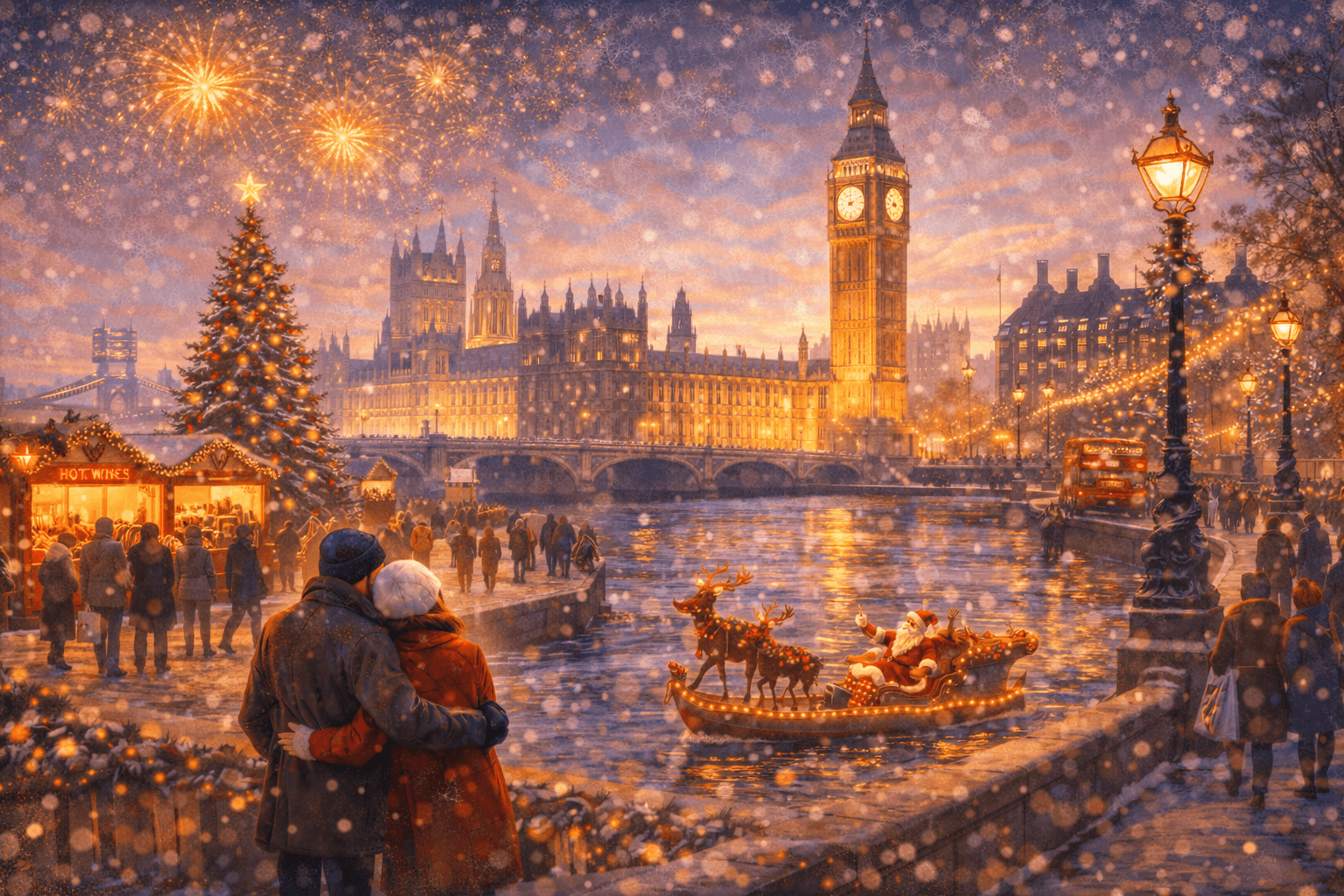
London in late November through early January is basically one long, sparkling street party—twinkling shopping streets, riverside markets, pop-up ice rinks, festive light trails, carols in historic churches, and a New Year countdown that pulls the whole city toward the Thames.
This guide focuses on the 2025–26 festive season (from early November 2025 through mid-January 2026, with a few winter extras running into February).
Continue in the app →
London Christmas 2025–26 at a glance
Best weeks for the full “Christmas London” effect: mid-November to the first weekend of January
Peak crowd dates: Fridays and Saturdays in December, Christmas week, and 31 December
Typical daily sweet spot: arrive for lights and markets around 4–6pm, then keep the evening flexible for skating, shows, or cocktails
If you only do three things, make them:
A West End Christmas lights walk
A riverside Christmas market
One ticketed highlight experience (such as Christmas at Kew or Winter Wonderland)
The iconic Christmas lights walk (self-guided, 2–3 hours)
This route is designed to feel festive the entire way, with minimal backtracking and plenty of stops for hot chocolate, shopping, and photos.
Suggested route: Oxford Street → Carnaby Street → Regent Street → Covent Garden → Trafalgar Square
Start: Oxford Circus
Finish: Trafalgar Square / Embankment
Oxford Street
A glowing canopy of star-like lights turns Oxford Street into a bright corridor of Christmas energy. Lights typically run daily from late afternoon until midnight and stay up into early January.
Carnaby Street (Soho)
Carnaby is small but bold. Its themed displays change every year and often carry a playful or artistic twist. Pedestrian-friendly streets make it perfect for lingering and photos.
Regent Street & St James’s
The famous angel lights over Regent Street deliver one of London’s most recognisable Christmas scenes. The wide boulevard feels grand after dark.
Covent Garden
A huge Christmas tree, dense fairy lights, and decorated balconies make Covent Garden one of the most atmospheric festive spots in the city.
Trafalgar Square
Finish beneath the traditional Christmas tree gifted by Norway, framed by historic buildings and winter stalls.
Tip: For fewer crowds, walk this route on a weeknight and start closer to 7pm.
Christmas markets worth planning an evening around
Winter by the River (London Bridge City)
What it is: A riverside market with Tower Bridge views—one of London’s most photogenic Christmas settings.
Dates: Mid-November 2025 to early January 2026
Hours: Daily late morning to late evening (shorter hours on Christmas Eve; closed Christmas Day)
Address: London Bridge City, SE1
Expect wooden chalets, festive food, hot drinks, and a relaxed riverside atmosphere. Hay’s Galleria nearby often hosts free choir performances throughout December, adding to the seasonal mood.
Southbank Centre Winter Market
What it is: A lively stretch of alpine-style huts along the Thames near the London Eye.
Dates: Early November 2025 to early January 2026
Hours: Daily from late morning to late evening (closed Christmas Day and New Year’s Eve)
Address: Southbank Centre, SE1
This market is ideal for casual grazing—churros, mulled wine, street food—combined with one of the best riverside walks in London.
Christmas in Leicester Square
What it is: A compact central market combined with a festive ice rink, surrounded by theatres and cinemas.
Dates: Early November 2025 to early January 2026
Hours: Typically 10:00–22:00
Address: Leicester Square, WC2
Perfect to combine with a West End show or a late dinner.
Winter Wonderland (Hyde Park)
What it is: London’s largest Christmas attraction, mixing a market, fairground rides, ice rink, big bars, and live entertainment.
Dates: Mid-November 2025 to 1 January 2026
Address: Hyde Park, W2
This is the most high-energy option—busy, loud, and unapologetically festive.
Ticketed Christmas experiences to book early
Christmas at Kew (light trail)
An immersive evening walk through illuminated gardens, featuring glowing tunnels, music-synchronised installations, and themed food stops.
Dates: Selected evenings from mid-November 2025 to early January 2026
Time: From late afternoon until late evening
Location: Kew Gardens, TW9
Midweek visits are calmer and better for photography.
Hogwarts in the Snow (Warner Bros. Studio Tour)
A seasonal transformation of the Harry Potter studio sets, with the Great Hall dressed for Christmas and snow-covered iconic locations.
Dates: Mid-November 2025 to mid-January 2026
Location: Leavesden, Hertfordshire
Recommended visit time: 3–4 hours
A popular winter day trip from London, especially for families and fans.
Ice skating in London: best rinks for winter 2025–26
Skate at Leicester Square
Dates: Early November 2025 to early January 2026
Hours: From morning until late evening
Address: Leicester Square, WC2
Central, lively, and easy to pair with dinner or theatre.
Canary Wharf Ice Rink
Season opens: Late October 2025
Address: Canada Square Park, E14
A modern skyline backdrop with a slightly calmer, local feel.
Hampton Court Palace Ice Rink
Dates: Late November 2025 to early January 2026
Hours: Daytime and early evening sessions
Address: Hampton Court Palace, Surrey
One of the most atmospheric rinks, set against a historic royal palace.
Carols and Christmas services in historic churches
Westminster Abbey
A world-famous setting for traditional Christmas services and choral music. Arrive early—many services fill up quickly.
St Paul’s Cathedral
A grand Christmas atmosphere under the dome, ideal to combine with an evening walk through the City.
St Martin-in-the-Fields (Trafalgar Square)
Known for its musical tradition and welcoming Christmas programme, right next to the city’s main Christmas tree.
New Year in London: 31 December and New Year’s Day
New Year’s Eve Fireworks
London’s main countdown takes place along the Thames and is ticketed, with fireworks launched at midnight. Viewing areas open in the evening, and the event runs past midnight.
Alternative idea: If you prefer less crowd pressure, book a restaurant, live music venue, or hotel bar for New Year’s Eve instead.
London New Year’s Day Parade
A colourful start to the year with marching bands, performers, and themed floats.
Date: 1 January 2026
Time: Early afternoon
Route: Piccadilly, Regent Street, St James’s, Trafalgar Square, Whitehall
Viewing: Free standing areas available; grandstands are ticketed
Ready-made Christmas itineraries
1-day Christmas highlights
Afternoon: Oxford Street, Carnaby Street, Regent Street lights
Evening: Leicester Square market and skating
Night: Covent Garden lights and dessert
2-day festive weekend
Day 1:
West End lights walk, Christmas shopping, evening theatre show
Day 2:
Southbank Winter Market → riverside walk → Winter by the River at London Bridge
4–5 days for first-time visitors
One evening at Christmas at Kew
One night at Winter Wonderland
One day trip to Hogwarts in the Snow
One ice-skating session (Leicester Square, Canary Wharf, or Hampton Court)
New Year’s Eve celebration plus New Year’s Day Parade
Practical tips for Christmas in London
Book early:
Popular experiences, ice rinks, and shows sell out quickly in December.
Dress for standing outdoors:
Layers, gloves, and a scarf are essential—markets and fireworks involve a lot of time outside.
Choose your crowd level:
Weekends bring energy and buzz; weekdays offer a calmer, more relaxed experience.
Transport planning:
Public transport can be limited on major holidays and New Year’s Day, so plan routes in advance.
FAQ: Christmas season in London 2025–26
When do Christmas markets close?
Most central markets run into the first week of January, with several closing around 4–5 January 2026.
Is Winter by the River worth visiting?
Yes—especially after dark, when Tower Bridge and the Thames create a dramatic festive backdrop.
Do I need tickets for New Year’s Eve fireworks?
Yes, official viewing areas require tickets.
What’s the best single Christmas experience in London?
For atmosphere and visual impact, Christmas at Kew is one of the most memorable winter events in the city.
London

Berlin in late November through early January is a perfect mix of cozy tradition and big-city energy: classic wooden chalets and mulled wine (Glühwein) one block, cutting-edge nightlife and design shopping the next. This guide covers the best Christmas markets in Berlin 2025, standout winter experiences that run into January 2026, and practical tips so you can plan your trip end-to-end.
Continue in the app →
What the season feels like (and what to pack)
Expect short days, crisp air, and a city that leans hard into atmosphere—warm lights on boulevards, pop-up winter venues by the Spree, and markets that become social “living rooms.”
Typical winter essentials
A warm, windproof outer layer (Berlin wind is real)
Waterproof shoes (slush + cobblestones)
Thin gloves you can still use with your phone (and to hold hot cups)
A reusable tote for gifts and snacks
A little cash (not every stall takes cards)
Quick calendar: the most useful dates to know
Earliest winter venues start by late October (Potsdamer Platz winter sports).
Most big markets open from 19–24 November 2025.
Several top experiences run past Christmas and stay open into early January 2026.
New Year’s Eve is huge in Berlin—book dinner, concerts, and hotels early if you want specific options.
The best Christmas markets and winter events in Berlin (2025–26)
Below are the headline events worth building your itinerary around. Times and formats can change last-minute, so treat this as your planning baseline and double-check close to your visit.
WeihnachtsZauber at Gendarmenmarkt (Mitte)
A polished, postcard-perfect market set on one of Berlin’s most beautiful squares—ideal for artisan gifts, gourmet bites, and an elegant evening stroll.
Dates: 24 November – 31 December 2025
Hours: Sun–Thu 12:00–22:00; Fri–Sat 12:00–23:00; 24 Dec 12:00–18:00; 31 Dec 12:00–00:00
Address: Gendarmenmarkt, 10117 Berlin
Admission: €2 (kids up to 12 free; weekday midday free window on some days)
Don’t miss: Handcrafted ornaments, heated food tents, and the square’s dramatic architecture (Konzerthaus + twin domes) glowing at night.
Berliner Weihnachtszeit at Rotes Rathaus (City Hall) + Ice Rink
If you want the “classic Berlin Christmas” vibe with lots happening—this is it. Great for families, groups, and anyone who wants a festive hub with a big ice rink.
Dates: 24 November – 30 December 2025
Hours: Mon–Fri 12:00–22:00; Sat–Sun 11:00–22:00; closed 24 Dec; 25–26 Dec 12:00–21:00; 30 Dec closes earlier
Address: Near Rotes Rathaus (Berlin City Hall), 10178 Berlin (by Alexanderplatz)
Admission: Free (ice skating costs extra)
Ice rink sessions (example schedule): Typically timed slots in the afternoon and evening—plan ahead if you’re going on a weekend.
Don’t miss: A spin under the lights around the Neptune Fountain and warming up with something sweet (candied nuts are basically mandatory).
Christmas Market at Charlottenburg Palace (West Berlin)
Romantic and regal—this market pairs perfectly with a winter walk in palace surroundings and a classic Berlin “City West” day.
Dates: 24 November – 28 December 2025
Hours: Mon–Thu 13:00–22:00; Fri–Sun 12:00–22:00; closed 24 Dec
Address: Spandauer Damm 20–24, 14059 Berlin
Admission: Free
Don’t miss: The palace backdrop after dark, plus gift stalls that feel a bit more curated than the average market.
Christmas Market on Breitscheidplatz (Kaiser Wilhelm Memorial Church)
One of Berlin’s most famous markets—central, lively, and surrounded by shopping (Ku’damm, KaDeWe area). It’s also one of the best for post-Christmas visits, staying open into January.
Dates: 24 November 2025 – 4 January 2026
Hours: Sun–Thu 11:00–21:00; Fri–Sat 11:00–22:00; 24 Dec 11:00–14:00; 25–26 Dec 13:00–21:00; 31 Dec 11:00–20:00; 1 Jan 13:00–21:00
Address: Kurfürstendamm 237 / Breitscheidplatz area, 10789 Berlin
Admission: Free
Special mini-event: Charity mulled wine sale (one-day fundraiser): 5 December 2025, 13:00–19:00
Don’t miss: The dramatic memorial church ruin behind the lights—especially atmospheric at dusk.
Winter World on Potsdamer Platz (winter sports + market)
A high-energy winter playground: think city-centre seasonal fun with food stands and “winter fair” vibes—easy to combine with nearby sights.
Dates: Winter World 31 October – 31 December 2025; Christmas Market portion 24 November – 26 December 2025
Hours: Daily 11:00–22:00 (with earlier closing on 24 Dec)
Address: Potsdamer Platz, 10785 Berlin
Admission: Free
Bonus nearby: If you want a longer-running skate option:
Ice rink at Potsdamer Platz: 28 November 2025 – 31 January 2026
Hours: Mon–Fri & Sun 12:00–20:00; Sat 12:00–22:00
Tip: Tickets are typically digital—plan for that.
Winter Market Schlossplatz at the Humboldt Forum (Berlin Palace / Schlüter Courtyard)
One of the best “between-the-years” picks because it stays open through the first days of January. The setting—courtyard walls, palace stone, and warm light—feels cinematic.
Dates: 19 November 2025 – 4 January 2026
Hours: Daily 11:00–22:00 (closed 23 Nov and 24 Dec)
Address: Schlossplatz, 10178 Berlin
Admission: Free
Don’t miss: Pair it with a walk to Museum Island and a look at the nearby Berlin Cathedral area—beautiful in winter light.
Lucia Christmas Market at Kulturbrauerei (Prenzlauer Berg)
Cozy, slightly alternative, and very local-feeling—set in a courtyard complex with a Nordic-inspired theme and a cultural program vibe.
Dates: 24 November – 22 December 2025
Hours: Mon–Fri 15:00–22:00; Sat–Sun 13:00–22:00
Address: Schönhauser Allee 36, 10435 Berlin
Admission: Free
Don’t miss: The intimate courtyards—perfect when you want atmosphere without “mega-market” crowds.
Alt-Rixdorf Christmas Market (Neukölln)
A short, special weekend market with a historic village feel—more handmade goods, more neighborhood charm, less commercial shine.
Dates: 5–7 December 2025
Hours: Fri 17:00–21:00; Sat 14:00–21:00; Sun 14:00–20:00
Address: Richardplatz 28, 12055 Berlin
Admission: Free
Don’t miss: Old Rixdorf’s lanes and courtyards—arrive early for the calmest experience.
Medieval Christmas Market at the RAW Compound (Friedrichshain)
If you want something wildly different: torches, medieval crafts, and a gritty-creative Berlin venue. It’s fun, loud, and surprisingly immersive.
Dates: 13 November – 22 December 2025 (closed 23 Nov)
Hours: Mon–Thu 15:00–22:00; Fri 15:00–23:00; Sat 12:00–23:00; Sun 12:00–22:00
Address: RAW-Gelände, Revaler Straße 99, 10245 Berlin
Admission: Varies by day (some free/discount windows)
Don’t miss: Hot mead, fire-lit corners, and the “only-in-Berlin” contrast of medieval vibes in a famously alternative complex.
Heissa Holzmarkt (Spree-side winter festival)
A creative, warm-and-weird Berlin winter zone: bonfire energy, good food, and a laid-back crowd by the river.
Dates: 14 November – 21 December 2025
Hours: Wed–Fri 16:00–22:00; Sat 14:00–22:00; Sun 12:00–20:00 (closed Mon–Tue)
Address: Holzmarktstraße 25, 10243 Berlin
Admission: Free on some days; otherwise a small cultural contribution on busier days
Don’t miss: A slow evening here when you want less shopping and more “hangout.”
Glühwald at Uber Platz (Friedrichshain)
A cozy “mulled wine forest” concept near major venues—great as a pre-show warmup or an easy winter stop.
Dates: 7 November 2025 – 4 January 2026
Hours: Wed–Sun from 16:00 (commonly until around 22:00; extended hours on event nights)
Address: Uber Platz, 10243 Berlin
Admission: Free
Note: Some holiday closures may apply (check before you go).
LGBTQIA Winterdays & Christmas Avenue (Schöneberg)
Berlin’s glittery, social, nightlife-adjacent holiday scene under the U-Bahn tracks—fun, friendly, and very Berlin.
Dates: Winterdays 4–22 November 2025; Christmas Avenue 24 November – 23 December 2025
Hours: Mon–Thu 16:00–22:00; Fri–Sun 15:00–22:00
Address: Nollendorfplatz, 10787 Berlin
Admission: Free (entry age policy applies)
Don’t miss: Hot cocktails, music, and the “covered” setup that’s genuinely helpful on cold, wet nights.
Must-book culture: concerts and stage highlights
If you want a more “Berlin winter culture trip,” add at least one performance. These sell out faster than people expect, especially for holiday dates.
Children’s ballet: The Nutcracker (Deutsche Oper Berlin)
A family-friendly, shorter “in the spirit of Christmas” show—ideal if you want Nutcracker vibes without a super-late night.
Dates & times: 6 Dec 2025 11:00; 13 Dec 2025 11:00; 22 Dec 2025 11:00; 27 Dec 2025 11:00 (approx. 60 minutes)
Address: Deutsche Oper Berlin, Bismarckstraße 35, 10627 Berlin
Tip: Great for kids, but also a cozy daytime plan for adults who want a classic seasonal ritual.
New Year’s Eve concert: Konzerthausorchester Berlin (Konzerthaus Berlin)
A stylish alternative to street parties—dress up, make it a ritual, then head out for a late drink afterward.
Date & time: 31 December 2025, 19:30–21:30
Address: Konzerthaus Berlin (Großer Saal), Gendarmenmarkt, 10117 Berlin
New Year’s Concert (Neujahrskonzert) at Konzerthaus Berlin
Start the year elegantly—one of the best “January 1st” plans in the city.
Date & time: 1 January 2026, doors 15:00; concert 16:00–approx. 18:00
Address: Konzerthaus Berlin (Großer Saal), Gendarmenmarkt, 10117 Berlin
New Year’s Eve in Berlin (how to do it without stress)
New Year’s Eve at Brandenburg Gate (official open-air celebration)
Berlin’s iconic countdown location—massive, central, and free, with controlled entry.
Date & time: 31 December 2025, approx. 22:00–01:00 (admission window typically starts earlier)
Address: Pariser Platz / Platz des 18. März and Straße des 17. Juni, 10557 Berlin
Admission: Free
Smart plan: Arrive early, pack light, keep your phone charged, and know your U-/S-Bahn options for getting home.
A simple 3-day Berlin Christmas itinerary (that actually works)
Day 1: Classic Mitte glow
Afternoon: Humboldt Forum Winter Market (Schlossplatz)
Evening: Gendarmenmarkt WeihnachtsZauber + dinner nearby
Optional: If it’s 31 Dec, swap dinner for the Konzerthaus New Year’s Eve concert
Day 2: West Berlin tradition + shopping
Late afternoon: Charlottenburg Palace market
Evening: Breitscheidplatz (and the Ku’damm lights)
Shopping add-on: KaDeWe / Ku’damm boutiques
Day 3: Alternative Berlin winter night
Afternoon: Kulturbrauerei (Lucia Market) or Alt-Rixdorf (if it’s that weekend)
Evening: RAW medieval market
Nightcap: Glühwald at Uber Platz (easy warm finish)
Local tips that save money and time
Go early on weekdays for the most relaxed market experience.
Eat strategically: Do one “snack dinner” at a market (sausage + potato + sweets), then one proper sit-down dinner elsewhere—Berlin has too many great options to do markets only.
Plan your “late markets”: Breitscheidplatz and Humboldt Forum are excellent after Christmas when other markets close.
Bring a small thermos if you’re market-hopping; it’s a game-changer in cold weather.
Security is normal: Expect bag checks and barriers at bigger markets—don’t let it surprise you.
Berlin

Paris in late November through early January is built for slow winter walks: glowing boulevards, pastry windows that look like theater sets, mulled wine steam rising from wooden chalets, and a calendar packed with pop-up rinks and light festivals. This guide covers the 2025–26 Christmas season with practical details (dates, addresses, and opening times where published), plus itinerary ideas and traveler tips so you can plan your trip start to finish.
Paris Christmas 2025–26 at a glance
Best weeks to visit
Now through December 24, 2025: peak “classic Christmas” atmosphere (markets + decorations at full intensity).
December 26–31, 2025: slightly calmer, great for shopping and light trails.
January 1–11, 2026: still festive (several major attractions run into early/mid-January) with fewer crowds.
What to book ahead
Timed-entry light trails (Jardin des Plantes, Lumières en Seine).
Popular ice rinks (Grand Palais des Glaces, Printemps rooftop).
New Year’s Eve plans (restaurants, cruises, cabarets) if you want a seat and a view.
The must-see Christmas lights and winter strolls
Champs-Élysées Christmas illuminations (iconic boulevard walk)
What it is: The classic Paris holiday “main stage.” Even a simple walk here feels like an event—pair it with hot chocolate nearby or a late-night museum visit.
Address: Avenue des Champs-Élysées, 75008 Paris (Arc de Triomphe ↔ Place de la Concorde)
Dates: November 16, 2025 – January 4, 2026
Time: Nightly after dark (best from 6 pm onward)
Local tip: Start at Arc de Triomphe at dusk, then walk downhill toward Place de la Concorde for the best “reveal.”
The best Christmas markets in Paris (with practical hours)
Marché de Noël de Paris La Défense (the giant one)
Why go: Big energy, huge variety (gifts + food), and long evening hours—great if you’re sightseeing all day and want a festive night plan.
Address: Parvis de La Défense, 92800 Puteaux (metro/RER: La Défense–Grande Arche)
Dates: November 13 – December 28, 2025
Opening hours:
Mon–Wed: 11:00–20:30
Thu: 11:00–22:00
Fri: 11:00–23:00
Sat: 10:00–23:00
Sun: 11:00–20:30
Holiday exceptions: Dec 24: 11:00–18:00 • Dec 25: closed
Marché de Noël & ice rink at Jardin des Tuileries (central + funfair vibe)
Why go: A full “winter carnival” in the heart of Paris: chalets, rides, seasonal snacks, and late opening hours.
Address: Jardin des Tuileries (around 113 Rue de Rivoli), 75001 Paris
Dates: November 15, 2025 – January 4, 2026
Opening hours: Daily 11:00–23:45
Early closing: Dec 24 & Dec 31: closes 19:30
Notre-Dame Christmas Market (small, classic, postcard views)
Why go: Cozy atmosphere beside the Seine, ideal for a short stop before/after Île de la Cité.
Address: Square René Viviani / Quai Montebello (near Notre-Dame), 75005 Paris
Dates: November 28 – December 25, 2025
Opening hours:
Mon–Thu: 10:00–20:00
Fri–Sun: 10:00–21:00
Marché de Noël de La Villette (family-friendly “Christmas village”)
Why go: A festive village feel with entertainment—excellent for families and groups.
Address: Place de la Fontaine-aux-Lions, 75019 Paris
Dates: November 20 – December 28, 2025
Opening hours:
Tue–Fri: 16:00–21:00
Sat: 12:00–21:00
Sun: 11:00–20:00
Holiday exceptions: Dec 24: 11:00–18:00 • Dec 25: 11:00–20:00 • Dec 31: 11:00–18:00
Marché de Noël Place Saint-Michel (easy add-on to a Left Bank day)
Why go: Compact, convenient, and ideal for quick gift browsing after a Latin Quarter walk.
Address: Place Saint-Michel, 75005 Paris
Dates: December 5, 2025 – January 5, 2026
Opening hours: Daily 10:00–20:00
Reduced hours: Dec 24, Dec 25, Dec 31 & Jan 1: 10:00–18:00
Ice skating in Paris (from bucket-list to budget-friendly)
Le Grand Palais des Glaces (dreamy skating under the glass roof)
What it is: The showstopper rink—historic architecture + huge festive atmosphere.
Address: Grand Palais, Avenue Winston Churchill, 75008 Paris
Dates: December 13, 2025 – January 7, 2026
Times (session-based):
Morning: 10:00–13:00
Afternoon: 14:00–19:00
Night: 20:00–02:00
Holiday note: early closing at 19:00 on Dec 24 & Dec 31 (session availability varies by date)
Patins en Folie (big open-air rink inside Paris)
What it is: Outdoor skating with a festive “village” vibe—great with friends or kids.
Address: Parc André Citroën, 2 Rue Cauchy, 75015 Paris
Dates: November 22, 2025 – January 4, 2026
Time: Timed-entry sessions (choose a slot when booking)
Printemps Haussmann rooftop rink (free with reservation, Eiffel Tower views)
What it is: A New York–style rooftop skating moment with a Paris skyline payoff.
Address: Printemps Haussmann, Printemps Femme, 7th floor, 64 Boulevard Haussmann, 75009 Paris
Dates: November 7, 2025 – January 4, 2026
Opening hours: Daily 13:00–19:00
Time format: short, reserved slots (limited capacity)
Accor Arena “Patinoire Sonja Henie” (covered rink for reliable skating)
What it is: A dependable indoor rink—useful if weather turns rainy or you want a late session.
Address: 222 Quai de Bercy, 75012 Paris
Dates: September 1, 2025 – June 28, 2026
Opening hours: Daily 15:00–00:30
Light festivals worth planning an evening around
En voie d’illumination: “Lumières de la Nature” (Jardin des Plantes)
What it is: A ticketed night walk among large illuminated installations—beautiful for photos and surprisingly immersive.
Address: Jardin des Plantes, Place Valhubert, 75005 Paris
Dates: November 12, 2025 – January 18, 2026
Opening hours (published schedule):
Nov 12 – Dec 19, 2025: Wed–Sat + Sun, 18:00–22:00
Dec 20, 2025 – Jan 4, 2026: Daily, 18:00–22:00
Jan 5 – Jan 18, 2026: Wed–Sat + Sun, 18:00–22:00
Lumières en Seine (near Paris, spectacular date-night option)
What it is: A 2 km illuminated and musical trail in the Domaine National de Saint-Cloud—very popular, very pretty.
Address: Domaine National de Saint-Cloud, 1 Avenue de la Grille d’Honneur, 92210 Saint-Cloud
Dates: November 14, 2025 – January 11, 2026
Opening hours: 17:00–23:00 (last entry 21:00)
Closures: closed Dec 24 and Dec 31; also typically closed Mon–Tue outside school holidays
Le Japon en Lumières (lantern festival at Jardin d’Acclimatation)
What it is: A long-running lantern walk that extends well past New Year—excellent if you’re visiting in January/February too.
Address: Jardin d’Acclimatation, Bois de Boulogne, 75016 Paris
Dates: December 10, 2025 – March 8, 2026
Opening hours: Daily 18:00–21:30 (some weekday closures may apply outside school holidays)
Department store window displays (free, classic, and very Paris)
Paris “window season” is practically an art form—go early evening when streets are lively and you show up hungry for crêpes.
Galeries Lafayette Haussmann (windows + giant tree under the dome)
Address: 40 Boulevard Haussmann, 75009 Paris
Dates (displays): November 12 – December 31, 2025
Time: during store opening hours
BHV Marais Christmas windows
Address: 52 Rue de Rivoli, 75004 Paris
Dates: November 18 – December 31, 2025
Time: during store opening hours
La Samaritaine holiday décor & windows (“Paris m’emballe” theme)
Address: La Samaritaine, Rue de la Monnaie area, 75001 Paris
Dates: from November 5, 2025 into early January 2026
Time: during store opening hours
New Year’s Eve in Paris (what to do on December 31, 2025)
Champs-Élysées New Year’s show & fireworks (free public celebration)
What it is: The city’s big countdown moment with a large public gathering.
Location: Champs-Élysées / Arc de Triomphe zone (access managed from Place de la Concorde)
Date: December 31, 2025
Times:
Access from 19:00
Projection on the Arc de Triomphe from 23:50
Fireworks at 00:00 (midnight)
Safety tip: Go light—expect security checks and very dense crowds.
Christmas services (for the atmosphere, music, or tradition)
Christmas Eve at Notre-Dame de Paris (December 24, 2025)
Why go: Historic setting, strong choral tradition, and a deeply “Paris” way to experience the season.
Address: Cathédrale Notre-Dame de Paris, 6 Parvis Notre-Dame – Place Jean-Paul II, 75004 Paris
Date: December 24, 2025
Service times:
16:00 Christmas evening Mass
18:00 Christmas evening Mass
20:00 Christmas evening Mass
23:00 Christmas Vigils
00:00 Midnight Mass
Food and holiday treats you should try
Vin chaud (mulled wine) and chocolat chaud from market stalls—perfect “warming breaks” between neighborhoods.
Marrons chauds (roasted chestnuts) from street vendors on cold nights.
Bûche de Noël (Christmas yule log cake): look for classic pâtissiers in your neighborhood and buy individual slices if you want to taste-test.
Foie gras, cheeses, and regional charcuterie from market stalls—ideal for a picnic-style dinner in your hotel/apartment.
Budget hack: Build one festive meal from market finds (cheese + bread + charcuterie + dessert) and spend your restaurant budget on one memorable dinner.
A simple 3-day Christmas itinerary (works for most first trips)
Day 1: Classic Paris lights + department stores
Late afternoon: Galeries Lafayette (tree + windows), then walk toward Printemps windows nearby.
Evening: Metro to Champs-Élysées for the illuminations and a night stroll to Place de la Concorde.
Day 2: Markets + Seine views
Morning/early afternoon: Notre-Dame Christmas market + a Seine walk.
Late afternoon/evening: Tuileries Christmas market (stay late—it’s designed for nighttime).
Day 3: Choose your “big ticket” winter experience
Pick one:
Jardin des Plantes light trail (beautiful, central), or
Grand Palais des Glaces (bucket-list skating), or
Lumières en Seine (best “wow” factor if you don’t mind leaving central Paris).
Practical tips for a smooth Christmas trip
Weather: Expect cold, damp conditions—pack waterproof shoes and a warm mid-layer. Paris feels colder when it’s humid.
Closures: Many shops and some attractions close or shorten hours on December 25 and January 1. Plan “walk days” for those dates.
Transport: Use the metro/RER for markets beyond central Paris (La Défense, Saint-Cloud). Late evenings are normal in December.
Crowds: Go early on weekends (before 16:00) for markets; go late (after 21:00) for Tuileries if you want more space.
Reservations: If an activity is “free,” it may still require booking (especially rooftop skating and timed light trails).
Paris
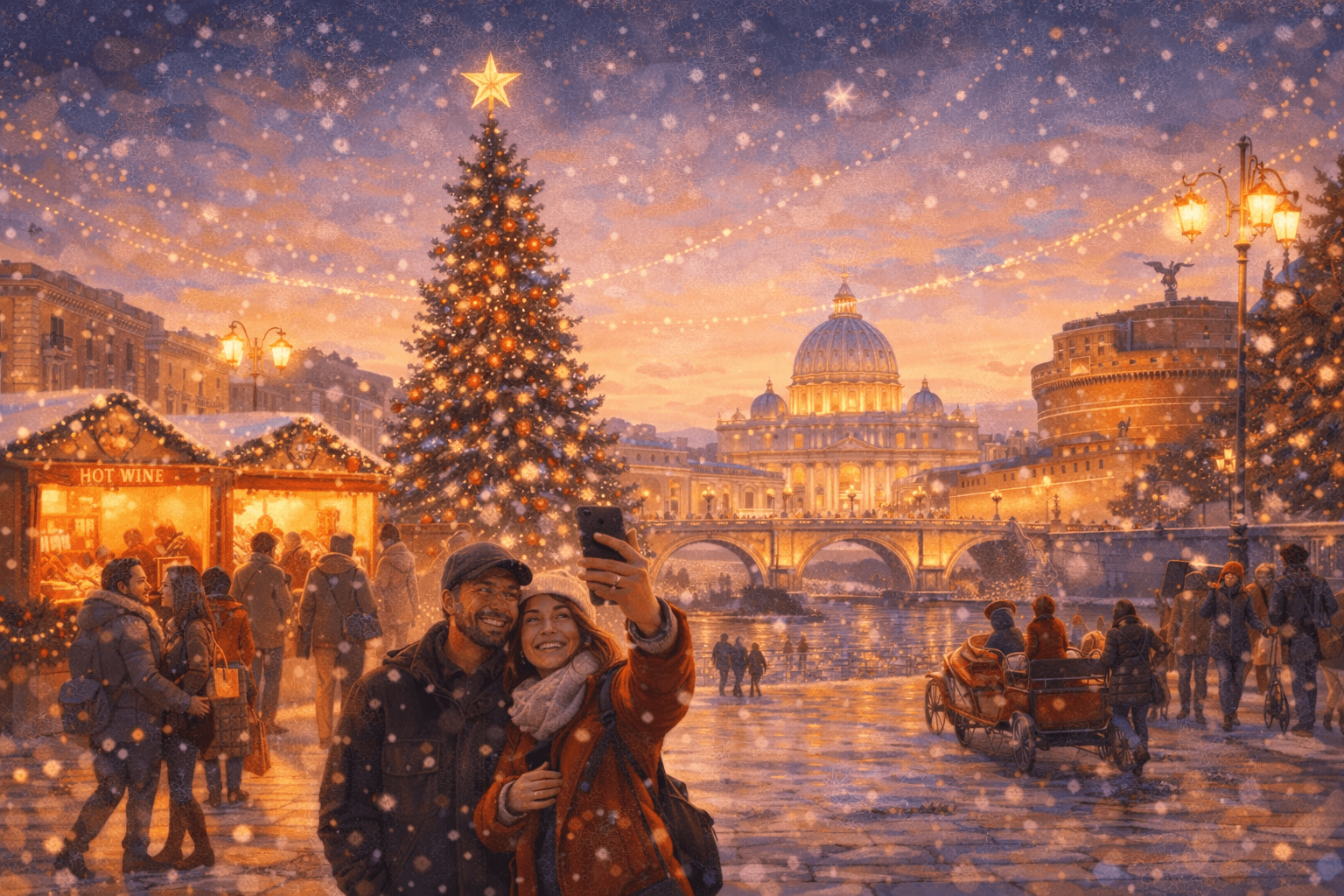
Rome at Christmas is a full-body experience: golden lights bouncing off travertine, baroque squares turned into festive stages, the smell of roasted chestnuts drifting past ancient ruins, and—everywhere—Nativity scenes (presepi) that feel as Roman as the Colosseum. The 2025–26 season is especially meaningful because Rome is also wrapping up the Ordinary Jubilee 2025, so the city has an extra layer of pilgrim energy, ceremonies, and once-in-a-lifetime atmosphere.
Below is a practical, traveler-ready guide to the best Christmas markets, concerts, lights, Vatican celebrations, family-friendly villages, and New Year’s plans—plus tips to move around easily and avoid the most common holiday headaches.
Continue in the app →
Rome Christmas 2025–26: dates at a glance
Christmas lights & main city tree: lit from Monday, 8 December 2025 (18:30), with displays running through early January
Where: Piazza del Popolo + city center routes (Via del Corso and beyond)Piazza Navona Christmas & Befana market (“Festa di Piazza Navona”): 1 December 2025 – 6 January 2026
Where: Piazza Navona (Centro Storico)Christmas World (holiday theme park in Villa Borghese): 29 November 2025 – 11 January 2026
Where: Villa Borghese, Viale del Galoppatoio (entrance from Piazzale delle Canestre)Natale a Cinecittà World (theme park Christmas season): 8 November 2025 – 6 January 2026
Where: Cinecittà World, Via di Castel Romano, 200New Year’s Eve main public show: Concerto di Capodanno 2026 at Circo Massimo
When: 31 December 2025 – 1 January 2026, starting 21:30 and continuing after midnight
Where: Circo Massimo (Via del Circo Massimo / Viale Aventino)Vatican highlights: Christmas liturgies (Dec 24–25), Urbi et Orbi (Dec 25), year-end Te Deum (Dec 31), New Year Mass (Jan 1), and Epiphany (Jan 6)
The best Christmas lights walks in Rome
Rome’s holiday lights aren’t confined to one “Christmas district”—they’re spread across the classic sightseeing core, which makes planning easy: you can see icons by day, then circle back after dark for the glow.
1) Piazza del Popolo: the “main tree” moment
What it is: Rome’s headline Christmas tree, set in one of the city’s grandest gateways.
Address: Piazza del Popolo, 00187 Roma
Best time: Nightly after dark (go later for photos).
Extra tip: Pair it with the Pincio Terrace (Terrazza del Pincio) viewpoint above the square for wide skyline shots.
2) Via del Corso + the “shopping trident”
What it is: A classic festive corridor linking Piazza del Popolo to Piazza Venezia, surrounded by Rome’s most famous shopping streets.
Address: Via del Corso (Centro Storico), 00187 Roma
Best time: Early evening on weekdays for fewer crowds; late evenings are lively.
3) Vatican area after sunset
What it is: St. Peter’s Square with the Christmas tree and Nativity scene, plus the colonnade area that hosts a major Nativity exhibition.
Address: Piazza San Pietro, 00120 Città del Vaticano
Best time: After dinner—when the square looks theatrical and the crowds often thin slightly.
Can’t-miss events and experiences (with times + addresses)
Festa di Piazza Navona (Christmas + Befana market)
Rome’s most famous Christmas market is a full-on Roman holiday tradition: wooden stalls, sweets, small gifts, decorations, and that unmistakable piazza atmosphere under Bernini’s fountains.
Dates: 1 December 2025 – 6 January 2026
Hours:
Weekdays: 09:00–01:00
Pre-holidays & holidays: 09:00–02:00
Address: Piazza Navona, 00186 Roma
How to do it well: Go in the morning for browsing and photos, then come back after dinner just to feel the buzz—without needing to shop.
Christmas World 2025 (Villa Borghese)
If you want “big Christmas energy” (ice rink vibes, rides, shows, photo sets), this is the easiest one-stop option—especially good for families or anyone traveling with non-stop Christmas enthusiasts.
Dates: 29 November 2025 – 11 January 2026
Hours: Generally 10:00–20:00 daily (special holiday hours apply on select dates)
Entrance: Piazzale delle Canestre
Address: Villa Borghese area, Viale del Galoppatoio, Roma
Tip: Arrive near opening time, do rides + skating first, then slow down for food stalls and shows as it gets darker.
Natale a Cinecittà World 2025 (theme park Christmas season)
A movie-themed holiday village where “Christmas Street” and shows are part of the experience—plus it’s one of the more structured, kid-friendly holiday outings near Rome.
Dates: 8 November 2025 – 6 January 2026
Hours: Open weekends/holidays and throughout the Christmas holidays 11:00–18:00
Address: Via di Castel Romano, 200, 00128 Roma
Extra seasonal highlight: 31 December inside the park is billed as a major New Year’s celebration (with evening programming).
“100 Nativity Scenes in the Vatican” (100 Presepi)
Even if you’re not a Nativity-collector type, this exhibition is worth it: it’s international, creative, and surprisingly moving—set under Bernini’s colonnade in St. Peter’s Square.
Dates: 8 December 2025 – 8 January 2026
Hours: Daily 10:00–19:00
24 December & 31 December: closes 17:00
Last entry: no later than 15 minutes before closing
Address: Under the colonnade, Piazza San Pietro, Città del Vaticano
Price: Free entry
Vatican Christmas and New Year celebrations (key public moments)
These are the season’s most iconic spiritual events—massive, historic, and unlike anywhere else in the world. If you want to attend inside the basilica, plan ahead; if you’re happy being in the square, arrive early and dress warmly.
Christmas Eve Mass
When: Wednesday, 24 December 2025 at 22:00
Where: St. Peter’s Basilica, Vatican City
Address: Piazza San Pietro, 00120 Città del Vaticano
Christmas Day Mass + Urbi et Orbi
Mass When: Thursday, 25 December 2025 at 10:00
Urbi et Orbi When: Thursday, 25 December 2025 at 12:00
Where: St. Peter’s Basilica / St. Peter’s Square
Address: Piazza San Pietro, 00120 Città del Vaticano
End-of-year Te Deum (Thanksgiving service)
When: Wednesday, 31 December 2025 at 17:00
Where: St. Peter’s Basilica
Address: Piazza San Pietro, 00120 Città del Vaticano
New Year’s Day Mass (Mary, Mother of God)
When: Thursday, 1 January 2026 at 10:00
Where: St. Peter’s Basilica
Address: Piazza San Pietro, 00120 Città del Vaticano
Epiphany Mass (and Jubilee closing ceremony)
When: Tuesday, 6 January 2026 at 09:30
Where: St. Peter’s Basilica
Address: Piazza San Pietro, 00120 Città del Vaticano
New Year’s Eve in Rome: Concerto di Capodanno 2026 (Circo Massimo)
This is the big public New Year’s plan: a free, open-air concert in one of Rome’s most dramatic settings.
Dates: 31 December 2025 – 1 January 2026
Start time: 21:30, continuing after midnight
Where: Circo Massimo
Addresses: Via del Circo Massimo / Viale Aventino, 00153 Roma
Line-up (announced): Alessandra Amoroso, Fabri Fibra, Tananai, with additional DJ set programming
Survival tips:
Arrive early (seriously).
Bring a warm layer + water.
Keep valuables in front pockets or zipped inner compartments—big crowds are prime pickpocket territory.
Classic Christmas ballet: “Lo schiaccianoci” (The Nutcracker) at Teatro dell’Opera di Roma
For a festive night that feels timeless, Rome’s opera house delivers the holiday staple in a grand setting.
Dates (performances): 17–31 December 2025
Times: Multiple showtimes (evenings and matinees), including 20:00, 15:00, 16:30, 11:00, and 18:00 on specific dates
Venue: Teatro Costanzi (Teatro dell’Opera di Roma)
Address: Piazza Beniamino Gigli, 7, 00184 Roma
“La ChiaraStella 2026” (Natale Auditorium highlight)
A warm, distinctly Italian way to end the season: traditional Christmas folk songs presented as a concert event.
Dates & time:
Monday, 5 January 2026 at 18:00
Tuesday, 6 January 2026 at 18:00
Venue: Auditorium Parco della Musica Ennio Morricone (Sala Sinopoli)
Address: Viale Pietro de Coubertin, 30, 00196 Roma
A simple 3-day Christmas itinerary (that actually works)
Day 1: Classic center + first lights
Afternoon: Pantheon area stroll (keep it flexible—this is “wander time”)
Evening: Via del Corso lights walk → Piazza del Popolo tree
Optional: hot chocolate stop (Rome-style is thick—almost pudding)
Day 2: Vatican day + Nativity exhibition
Morning: St. Peter’s Basilica (go early)
Midday: 100 Nativity Scenes in the Vatican (10:00–19:00)
Evening: Return to St. Peter’s Square after dark for the seasonal displays
Day 3: Navona + holiday market night
Morning: Festa di Piazza Navona shopping (09:00 opening)
Afternoon: Pick one “big ticket” sight (Colosseum area or Capitoline museums)
Night: Back to Piazza Navona for the full atmosphere (it feels completely different after dinner)
Getting around Rome during the holidays (smart and cheap)
Use the free holiday lines and shuttles
During the season, public transport gets extra support—and some routes are even free:
Free 1 and Free 2: connect Roma Termini and Roma Ostiense with the city center
When: daily until 6 January 2026, 09:00–21:00Electric bus line 100 (free): Porta Pinciana → Piazza Cavour
When: daily until 6 January 2026, during operating hours
Consider the €10 special holiday travel pass
ATAC also offers a €10 special pass valid on selected peak days between 6 December 2025 and 6 January 2026, with unlimited travel on buses, trams, and metro (plus free parking in certain park-and-ride lots on eligible days).
Holiday reality check: On New Year’s Eve, services run late—but routes and schedules vary. If you’re going to Circo Massimo, plan your return before you’re exhausted.
Weather and packing: what Rome feels like in late December
Expect mild-but-damp winter weather:
Daytime highs: around 12–13°C
Night lows: around 3–6°C
Rain is common, and wind can cut through lighter jackets.
Pack like a Roman: layers, a water-resistant outer layer, comfortable shoes that handle slick stone, and a scarf you can pull up in windy piazzas.
Quick FAQs for Christmas in Rome
Is Rome “closed” on Christmas Day?
Many shops and some restaurants close or run reduced hours on 25 December. Tourist-heavy areas still function, but you should book Christmas lunch/dinner well in advance.
Do I need tickets for Vatican Masses?
For the major liturgies inside St. Peter’s Basilica, tickets are typically required and are free—but limited. If you don’t have them, you can still experience the atmosphere in the square for key public moments.
Is New Year’s Eve safe?
Yes, with normal big-city caution. Stick to well-lit areas, avoid flashing valuables, and keep phones/wallets secure—especially in dense crowds (Circo Massimo, Termini, packed metro platforms).
Rome

Spending Christmas and New Year's in Paris is a magical experience, with the city transforming into a winter wonderland full of festive activities, illuminations, and unique holiday experiences. Here's a comprehensive guide to making the most of your holiday season in the City of Lights.
Continue in the app →
Christmas Markets
Paris comes alive with several Christmas markets, each offering a unique experience:
La Défense Christmas Market: This is the largest Christmas market in Paris, featuring over 200 exhibitors in wooden chalets, creating a true Christmas village atmosphere.
Alsace Christmas Market: Located at Gare de l’Est, this historic market offers traditional specialties from Eastern France, making it perfect for food enthusiasts.
Tuileries Market: Formerly on the Champs Elysée, it has been relocated to the Tuileries gardens. It's one of the largest in Paris and offers a plethora of traditional gifts, French gastronomy, and attractions like flying chairs and bumper cars.
Iconic Locations and Activities
Hotel de Ville Christmas Decorations: The area in front of Hôtel de Ville will be decked out in festive attire, featuring a forest of fir trees, winter chalets, and free activities like a carousel and a toboggan run.
Ice Skating: Paris offers several ice skating rinks, including ones at Grand Palais de Glaces and beneath the Eiffel Tower, providing a quintessential winter experience.
Champs-Elysées New Year's Fireworks: A spectacular fireworks show at midnight, following a pre-game party with music and laser light shows at the Arc de Triomphe.
Cultural Experiences
Museum Visits: Paris is home to numerous museums like the Louvre, Orsay, and Orangerie, which can be a great way to spend Christmas.
Christmas Lights: The city, known as the City of Lights, becomes even more illuminated during Christmas, with major streets like the Champs-Élysées and Avenue Montaigne adorned with beautiful lights.
Culinary Delights
Indulge in French Gastronomy: Christmas markets and local patisseries offer traditional French treats like Bûche de Noël (yule log) and other seasonal delicacies.
Sip on Hot Chocolate: Visit renowned chocolatiers like Jean-Paul Hévin near the Louvre or Crêperie Contemporaine 142 near the Eiffel Tower for authentic French hot chocolate.
Unique Experiences
Disneyland Paris: Experience the festive atmosphere with lights, and the sweet smell of chocolate and mulled wine at Disneyland, a magical destination during Christmas.
Christmas Windows: Marvel at the show-stopping Christmas windows at major department stores like Printemps Haussmann and Galeries Lafayette.
Special Events
Christmas Trees: Visit the famous Christmas trees outside Notre Dame and in the Town Halls of each arrondissement.
Attend a Mass: Many churches in Paris, including the Madeleine Church and Sacre-Coeur Basilica, host special masses during Christmas Eve.
Practical Tips
Transportation: Public transportation operates on a reduced timetable on Christmas Day, so plan your travel accordingly.
Accommodation: Consider booking a hotel suite to enjoy the Christmas atmosphere within the comfort of your accommodation.
Celebrating Christmas and New Year's in Paris means immersing yourself in a city bustling with holiday cheer, cultural richness, and festive beauty. Whether you're exploring the Christmas markets, marveling at the city's lights, or indulging in culinary delights, Paris offers an unforgettable backdrop for your holiday celebrations.
Paris

Spending Christmas and New Year's in Rome offers a unique blend of traditional festivities, historical beauty, and vibrant celebrations. Here's a comprehensive guide to making the most of your holiday season in Italy's eternal city.
Continue in the app →
Exploring the Nativity Scenes (Presepi)
Rome, with its deep-rooted Christian heritage, is famous for its nativity scenes. The tradition, dating back to St. Francis of Assisi, is a significant part of Italian Christmas. You'll find these scenes, ranging from modest to life-size, in almost every church, with particularly impressive displays in St. Peter’s Square. The creativity and detail in each presepe offer a glimpse into the historical and cultural significance of the Nativity in Rome.
Visiting Christmas Markets
The Christmas market at Piazza Navona, operational from December 8th to 24th, is a highlight of Rome's Christmas celebrations. This market, set in one of Rome's most picturesque squares, is perfect for finding unique Christmas gifts and decorations. Other notable markets include Campo de’ Fiori, Largo Argentina, and Piazza Venezia, each offering a distinct festive experience.
Christmas Trees and Decorations
Rome adorns itself with stunning Christmas trees and decorations during the festive season. The most famous tree is in St. Peter’s Square, usually a gift to the Vatican from another country. Additionally, don't miss the charmingly decorated tree at Piazza Venezia and other squares and public spaces around the city.
Culinary Experiences
Christmas in Rome is a treat for the palate. Traditional Italian Christmas dishes and desserts like panettone and torrone are a must-try. For a traditional Italian Christmas dinner, restaurants like Trattoria da Bucatino in Trastevere come highly recommended. For a more modern dining experience, La Pergola, a Michelin-starred restaurant, offers an unforgettable culinary journey.
Christmas Concerts and Ice Skating
Attending a Christmas concert at the Vatican or going ice skating at places like Piazza Barberini can add a festive touch to your stay. The Auditorium Parco della Musica also hosts a Christmas festival with a small artisan market, an ice rink, and Santa’s Grotto.
New Year's Eve Celebrations
Ring in the New Year on the streets of Rome, where cultural events and performances by over a thousand artists take place, particularly around Bocca della Verità and the Circus Maximus. A spectacular fireworks show at midnight is a highlight. On New Year's Day, don't miss the traditional Tiber dive from Ponte Cavour and the colorful New Year's Day parade.
Shopping and Sightseeing
Rome's main shopping street, Via del Corso, is illuminated with festive lights, offering a delightful Christmas shopping experience. The medieval neighborhood of Trastevere, known for its tiny streets and variety of bars, is also beautifully decorated during this time. For a unique experience, explore the lesser-known sights like the Pyramid of Cestius and Basilica of Saint Paul’s Outside the Walls.
Tips for Visiting
Plan your museum visits accordingly, as many are closed on December 25th.
Public transportation operates on a reduced schedule on Christmas Day, so plan your travel accordingly.
Embrace local traditions, such as eating fish on Christmas Eve and exploring the city's historic sights in a new light during the festive season.
Celebrating Christmas and New Year's in Rome is an immersive experience that combines the city's historical grandeur with the warmth of Italian holiday traditions. Whether you're marveling at the detailed nativity scenes, exploring vibrant markets, indulging in festive foods, or joining in the New Year's Eve festivities, Rome offers a magical backdrop for your holiday celebrations.
Rome
Russia Day, celebrated on June 12, marks a significant national holiday in the Russian Federation. This day commemorates the adoption of the Declaration of State Sovereignty of the Russian Soviet Federative Socialist Republic (RSFSR) in 1990, signifying the beginning of constitutional reform in Russia. It is a day filled with pride, culture, and festivity across the nation. If you're in Saint Petersburg, here's how you can spend Russia Day in 2025 to fully immerse yourself in the celebrations.
Continue in the app →
Morning: Patriotic Start
Begin your Russia Day with a visit to the Peter and Paul Fortress. This historic site, dating back to the early 18th century, is a symbol of Saint Petersburg's foundation. Arrive early to witness the ceremonial firing of the cannon at noon, a tradition that dates back to the times of Peter the Great. The fortress also houses the Peter and Paul Cathedral, where many of Russia's emperors and empresses are buried.
Late Morning: Cultural Immersion
After exploring the fortress, head to the State Hermitage Museum, one of the largest and oldest museums in the world. The Hermitage is offering special exhibitions and guided tours focused on Russia's rich history and culture for Russia Day. This is a perfect opportunity to delve into the artistic and historical treasures that define the Russian spirit.
Lunch: Taste of Russia
For lunch, visit a traditional Russian restaurant such as Tsar or Palkin. Enjoy a meal of classic Russian dishes like borscht, beef stroganoff, and pelmeni. Don't forget to try a glass of kvass or mors to complete your authentic culinary experience.
Afternoon: Festive Atmosphere
In the afternoon, make your way to Palace Square where the heart of the celebrations takes place. Here, you can enjoy live performances from Russian folk ensembles, choirs, and contemporary musicians. The square is adorned with flags, and the air is filled with the sounds of traditional and modern Russian music. Engage with the locals, participate in dance and song, and soak in the vibrant atmosphere.
Evening: Fireworks and Festivities
As the day turns to evening, the celebrations culminate in a spectacular fireworks display. The best spots to watch the fireworks are along the Neva River embankments or from the bridges. The reflection of the colorful explosions on the water creates a magical scene, perfect for ending the day.
Alternative Celebrations
If you prefer a more relaxed evening, consider a boat cruise on the Neva River. Many cruises offer special Russia Day packages with dinner and live music, allowing you to enjoy the festivities from the comfort of a boat while taking in the beautiful nightscape of Saint Petersburg.
Final Thoughts
Russia Day is a time of national pride and unity. Whether you're exploring historical sites, enjoying cultural performances, or simply indulging in Russian cuisine, there's no shortage of ways to celebrate this important holiday. Saint Petersburg, with its rich history and vibrant cultural scene, offers the perfect backdrop for a memorable Russia Day in 2025. Embrace the spirit of Russia and join in the celebrations to experience the true essence of this magnificent country.
Happy Russia Day!
Saint Petersburg

Russia Day, celebrated on June 12, marks an important national holiday in the Russian Federation. This day commemorates the adoption of the Declaration of State Sovereignty of the Russian Soviet Federative Socialist Republic (RSFSR) in 1990, signifying the beginning of constitutional reform in Russia. It is a day filled with pride, culture, and festivity across the nation. If you're in Moscow, here's how you can spend Russia Day in 2025 to fully immerse yourself in the celebrations.
Continue in the app →
Morning: Historical Exploration
Start your Russia Day with a visit to the Red Square and the Kremlin. These iconic landmarks are at the heart of Moscow and hold great historical significance. Explore the Kremlin's magnificent cathedrals and museums, and don't miss the Changing of the Guard ceremony at the Tomb of the Unknown Soldier in Alexander Garden. This area is the perfect place to begin your journey through Russia's rich history.
Late Morning: Cultural Enrichment
After exploring the Kremlin, head to the State Tretyakov Gallery. This gallery houses one of the largest collections of Russian art in the world, showcasing works from ancient icons to contemporary masterpieces. Special exhibitions and guided tours focused on Russia's cultural heritage will be available for Russia Day, providing a deep dive into the nation's artistic achievements.
Lunch: Traditional Russian Cuisine
For lunch, visit a traditional Russian restaurant such as Café Pushkin or Mari Vanna. Savor classic dishes like borscht, beef stroganoff, and blini. Complement your meal with a glass of kvass or mors, traditional Russian beverages that will enhance your culinary experience.
Afternoon: Festive Atmosphere
In the afternoon, make your way to Gorky Park, where the heart of the celebrations takes place. The park will be bustling with live performances from Russian folk ensembles, choirs, and contemporary musicians. Stroll through the park, enjoy the festive decorations, and participate in various activities and games. The vibrant atmosphere and joyous spirit will make you feel part of the local culture.
Evening: Fireworks and Nightlife
As evening approaches, head to the Sparrow Hills (Vorobyovy Gory) for a panoramic view of the city and the spectacular fireworks display. The hills offer a breathtaking vantage point to watch the colorful explosions light up the Moscow skyline. After the fireworks, consider exploring Moscow's nightlife. Visit a trendy bar or club in areas like Kitay-Gorod or Arbat Street to experience the city’s vibrant evening scene.
Alternative Celebrations
If you prefer a more relaxed evening, consider a dinner cruise on the Moskva River. Many cruises offer special Russia Day packages with dinner and live music, allowing you to enjoy the festivities from the comfort of a boat while taking in the beautiful nightscape of Moscow.
Final Thoughts
Russia Day is a time of national pride and unity. Whether you're exploring historical sites, enjoying cultural performances, or indulging in Russian cuisine, there are countless ways to celebrate this important holiday. Moscow, with its rich history and vibrant cultural scene, offers the perfect backdrop for a memorable Russia Day in 2025. Embrace the spirit of Russia and join in the celebrations to experience the true essence of this magnificent country.
Happy Russia Day!
Moscow
Saint Petersburg, with its rich tapestry of history and culture, becomes a focal point of celebration on International Women's Day. This guide outlines the best ways to celebrate this important day in the city, ensuring a memorable experience for all.
Floral Tributes: A Blossoming Start
Begin the day by partaking in the cherished tradition of giving flowers. Venture to local flower markets such as Apraksin Dvor or Sennoy Market to select from a variety of spring blooms, with tulips and lilies of the valley being particularly popular choices. This gesture is a significant part of the Russian way of celebrating Women's Day, symbolizing appreciation and respect.
Cultural Celebrations: Honoring Achievements
Saint Petersburg's museums and galleries typically host exhibitions and events that shed light on women's contributions across various fields. While specific events for 2025 were not detailed, venues like the Russian Museum and the Hermitage are known for organizing thematic showcases around this date. Keep an eye on their official websites for the latest information on special tours or exhibitions.
Spa and Wellness: A Day of Pampering
Treat the special women in your life to a day of relaxation with spa and wellness treatments. The city offers a range of options, from traditional Russian banyas to luxurious modern spas. These establishments often provide special Women's Day packages, making it a perfect opportunity for pampering and relaxation.
Gourmet Experiences: Dining in Style
Saint Petersburg's dining scene comes alive on March 8th, with restaurants offering special menus and festive decorations. Consider booking a table at a venue with a scenic view of the Neva River or the city's historic skyline, ensuring a dining experience that's as spectacular as the occasion itself.
Evening Entertainment: Performances and Night Walks
The city's vibrant arts scene offers a variety of performances, from theatre and ballet to live music, celebrating International Women's Day. Venues like the Mariinsky Theatre may host special events, so it's advisable to check local listings and book in advance. Conclude the day with a leisurely stroll through Saint Petersburg's beautifully lit streets, enjoying the magical atmosphere of the city at night.
Celebrating International Women's Day in Saint Petersburg allows for a deep dive into the city's cultural offerings, coupled with the joy of honoring the women in our lives. From the morning's floral gestures to the evening's cultural experiences, the city provides a rich backdrop for commemorating this significant day. Keep an eye on local event listings as March 8 approaches for the most current information and make this International Women's Day truly unforgettable.
Saint Petersburg

Paris, a city known for its rich history, art, and culture, offers a variety of events and activities to celebrate International Women's Day on March 8, 2025. From educational discussions to historic tours, the city is set to honor women's achievements and advocate for gender equality in unique ways.
Women & the Olympics in Paris
The School of Glass Art & Design (Lycée Lucas de Nehou) is organizing a special event called "Women & the Olympics in Paris." This gathering will feature discussions with French writers and athletes, along with performances, focusing on the significant contributions of women to sports and the arts. The event promises to be an insightful celebration of women's achievements, set in the historic 5th district, the Quartier Latin.
Château de Versailles Celebrates Women
The Château de Versailles is dedicating several days to celebrate International Women's Rights Day, from March 5 to 10, 2024. The program includes honoring queens and ladies-in-waiting who have left their mark on the palace's history. This tribute provides a unique opportunity to explore the roles and contributions of women throughout French history, set against the backdrop of one of the country's most iconic landmarks.
Paris Events Calendar
For those looking to extend their International Women's Day celebrations or enjoy other cultural events throughout the year, Paris offers a diverse lineup. Notable events include the Paris Book Festival in April, the Jazz Festival in Saint-Germain-des-Prés in May, and the European Night of Museums, also in May. These events highlight the city's ongoing commitment to celebrating arts, culture, and diversity, providing enriching experiences for both locals and visitors.
Celebrating International Women's Day in Paris allows for both reflection on the progress made towards gender equality and the recognition of the hurdles that still lie ahead. Whether you're interested in sports, history, or the arts, Paris offers meaningful ways to engage with and celebrate the achievements of women.
Paris

Moscow offers a vibrant array of events during the May holidays, combining cultural celebrations and historical commemorations. Here's a detailed guide to what you can enjoy from May 1 to May 9, 2025.
Continue in the app →
May 1: Spring and Labor Day
Kick off the holidays with leisurely activities as many locals do. Parks and public spaces are popular spots for relaxation and family gatherings.
Izmaylovo Park: Enjoy a festive fair with traditional crafts, local food, and live folk music, perfect for a family day out.
Sokolniki Park: Join morning yoga sessions or participate in guided nature walks to appreciate the springtime beauty.
VDNKh: Explore exhibitions that showcase the achievements of various industries in Russia, providing both educational and photographic opportunities.
May 9: Victory Day
Concerts and Cultural Performances: Various venues around the city host concerts and performances, featuring patriotic songs and war-time melodies.
Fireworks: The day concludes with grand fireworks, best viewed from spots like Vorobyovy Gory or along the embankments of the Moscow River.
Victory Day Parade: The most prominent event is the Victory Day parade on Red Square, showcasing military prowess with a display of troops and machinery. This is a significant event commemorating the end of WWII, known locally as the Great Patriotic War.
Note: The context and atmosphere of military parades can be controversial given current political situation. In Ingry, we do not support ongoing military propaganda. Attending the parade, take into account: May 9 is supposed to be a day of sorrow for the victims of WWII and not just another occasion for praising the war.
Other Cultural Events in May
Night of Museums (May 18-19): Participate in this cultural extravaganza where museums across Moscow open their doors for free at night, offering special programs and exhibitions.
Fish Week Festival (May 24 - June 2): A gastronomic delight where you can taste and buy a variety of seafood, accompanied by culinary shows and masterclasses.
A Cappella Moscow Spring Festival (May 28 - June 7): Enjoy performances by local and international a cappella groups at various open-air venues throughout the city.
Practical Tips
Advance Planning: For events like the Night of Museums and the Victory Day parade, planning ahead is advisable. Check event times and ticket requirements if applicable.
Transportation: Public transport may be crowded, especially around major events like the Victory Day parade. Consider alternative transportation options such as biking or walking for nearby events.
Weather Considerations: Early May can still be cool, especially in the evenings, so dressing in layers is recommended.
These events offer a mix of reflection on historical significance and modern-day celebrations, making Moscow in May a lively and enriching destination. Whether you are interested in history, culture, or culinary experiences, the capital city provides a wide array of activities to enhance your holiday experience.
Moscow
Imagine stepping into the enchanting city of Saint Petersburg during the festive season, where the air is filled with the spirit of Christmas and New Year's cheer. This guide is your personal companion to experiencing the heart and soul of this Russian gem during the holidays.
Continue in the app →
Embrace the Magic of Ballet
Let's start with the mesmerizing "Nutcracker" at the Mariinsky Theater. Picture yourself wrapped in the warmth of a historic theater, the air tingling with anticipation. As the curtain rises, the music of Tchaikovsky transports you into a world of festive fantasy. If you can't catch "The Nutcracker," any performance here promises a cultural feast for the senses.
Wander Through Festive Markets
Stroll through the vibrant Christmas markets, each with its own character. The Manezhnaya Square, Malaya Sadovaya Street, and New Holland Island transform into a festive mosaic of lights, sounds, and smells. Imagine sipping hot mulled wine as you browse through unique Russian crafts and international treats. These markets aren't just shopping venues; they're a celebration of global cultures coming together.
Glide on Ice
Picture yourself gliding on ice at the skating rinks in New Holland Island or Pionerskaya Square, with the city's lights twinkling in the background. Feel the crisp air on your face as you reconnect with the simple joys of childhood winters.
Revel in New Year Celebrations
Join in the grandeur of New Year's Eve. Envision a night where the city doesn't sleep, filled with glamour at luxury hotels or the cozy charm of local cafes. This is a night where Saint Petersburg comes alive with joy, laughter, and the promise of a new beginning.
Experience a Troika Ride
Embark on a thrilling troika ride, feeling the rush of the cold wind as you race through snowy landscapes. This traditional three-horse carriage offers a glimpse into Russia's storied past, an adventure that's both exhilarating and nostalgic.
Discover the Annual Christmas Fair
The Christmas Fair at Pionerskaya Square is a tapestry of performances and activities. Imagine being part of a festive gathering where joy and laughter are shared freely, a place where every corner offers a new delight.
Watch Fireworks by the Newa River
As the clock strikes midnight on New Year's Eve, find yourself by the Newa River, watching fireworks paint the night sky. It's a moment of awe and wonder, a spectacular welcome to the new year.
Explore Cultural Exhibitions
The Hermitage Museum's porcelain exhibition tells a tale through time, while the State Russian Museum's tribute to Ilya Repin offers a deep dive into Russian artistry. These exhibitions are not just displays; they're storytelling through art.
Visit Sevkabel Port
Sevkabel Port, once an industrial quarter, now buzzes with modern art and cuisine. This place symbolizes transformation, a perfect spot to reflect on the past year and dream about the one to come.
Seek Refuge in Indoor Fairs
When the weather turns, the Passage shopping gallery offers shelter and elegance. It's a place where history meets modern luxury, a haven for those looking for that perfect, unique gift.
Unwind in a Russian Banya
And finally, immerse yourself in the traditional Russian banya, a place where you can leave behind the year's stresses and rejuvenate for the new year. It's an experience that's both deeply personal and quintessentially Russian.
Engage in Winter Sports
For the adventurous souls, the city's outskirts offer snowboarding and skiing, where each turn brings a new vista, a new thrill.
In Saint Petersburg during the festive season, every moment is a chance to create memories that last a lifetime. This guide is your key to unlocking the city's winter wonders, to experiencing its soulful blend of tradition and modernity. Welcome to a holiday season you'll never forget in the heart of Russia!
Saint Petersburg
Experience the wonder and grandeur of Moscow during the Christmas and New Year season. This guide will take you through a journey of the city's most festive and lively experiences, ensuring a holiday season filled with Russian charm and splendor.
Continue in the app →
Embrace the Festive Spirit at Moscow's Christmas Markets
As the winter chill sets in, Moscow transforms into a fairytale world adorned with sparkling lights and festive decorations. The city's heart beats at the Christmas markets spread across iconic locations like Red Square, Manezhnaya Square, Revolution Square, and Pushkinskaya Square. Stroll through these magical markets, tasting delicious blinis or pancakes, and indulge in shopping for traditional Russian souvenirs. The atmosphere is enriched with folk shows and the opportunity to engage in ancient Russian crafts.
Glide Over the Ice at Iconic Skating Rinks
Moscow boasts some of the most beautiful outdoor skating rinks. Skate under the stars at the Red Square Skating Rink, surrounded by the majestic Kremlin and Saint Basil’s Cathedral, or visit the largest artificial ice rink in Europe at VDNKh. These rinks offer a unique blend of winter sports and cultural immersion, perfect for both beginners and seasoned skaters.
Experience a Unique Russian Christmas Tradition
Moscow's Christmas isn't just about markets and skating. The city offers a rare opportunity to witness a modern take on the classical "The Nutcracker" ballet, a quintessential Christmas experience. This production, enriched with the music of Pyotr Tchaikovsky and modern artistic interpretations, is a spectacle not to be missed.
Dive into Cultural Richness with Free Museum Visits
For a touch of history and art, take advantage of the free visits to 84 museums across Moscow. From estate museums like Kolomeskoye and Tsaritsyno to apartment-museums of famous Russian personalities, this is an unparalleled opportunity to delve into Russia's rich cultural heritage.
Bask in the Warmth of Traditional Russian Banyas
No winter in Moscow is complete without experiencing the traditional Russian banya. These bathhouses, like the Sanduny Baths, offer a warm retreat with saunas, massages, and various relaxation therapies. It's not just about health; it's a place for socializing and enjoying a leisurely time with friends.
Join the High Spirits of New Year Celebrations
Moscow's New Year celebrations are a grand affair. Be part of the jubilant crowd at Gorky Park or witness the festive activities at Hermitage Park. For an exclusive experience, consider the Ritz-Carlton Moscow, which organizes grand New Year’s Eve parties with live music, dance shows, and fine dining. The highlight is the magnificent fireworks display at Red Square, filling the sky with colors and joy.
Explore Special Events for Children
For families with children, Moscow turns into a wonderland during the "Journey into Christmas" festival. Tverskoy Boulevard becomes a "Small town of Storytellers" offering free activities like figure skating, snowboarding, and hockey. Tverskaya Square, transformed into a small Christmas town, provides engaging activities such as dressing up a Christmas tree, carousel rides, and candy cooking workshops.
Enjoy Fine Dining and Theater
Indulge in exquisite Christmas dinners at renowned cafes and restaurants, such as Café Pushkin, which offer a festive atmosphere with all the trimmings. The Bolshoi Theatre hosts special Christmas performances, including the iconic "Nutcracker" ballet, making it an ideal destination for a luxurious cultural evening.
Conclusion
Moscow during the Christmas and New Year season is a city brimming with life, light, and cultural richness. From its bustling Christmas markets and majestic skating rinks to the grandeur of classical performances and the warmth of traditional banyas, the city offers a plethora of experiences to make your holiday season unforgettable. Dress warmly, immerse yourself in the festivities, and create memories that will last a lifetime in the heart of Russia.
Moscow
Celebrating Valentine's Day in Saint Petersburg offers couples a unique blend of romantic experiences set against the backdrop of Russia's cultural capital. Here's how you can make the most of February 14th in this enchanting city.
Continue in the app →
Morning: Scenic Walks and Warm Coffee
Kick off your Valentine's celebration with a serene walk through the Summer Garden, enjoying the quiet beauty of snow-draped statues. Follow up with a cozy coffee break at Café Singer, located on Nevsky Prospect, where you can savor warm drinks with a view of the Kazan Cathedral.
Cultural Exploration
Visit the State Hermitage Museum to immerse yourselves in art and history. For those interested in the lavish lifestyles of Russian royalty, the Fabergé Museum is a splendid choice, showcasing the famous imperial eggs.
Lunch Time: Cozy Up
Head to Pyshechnaya for a casual bite of traditional Russian doughnuts, or enjoy the homely vibe of Teplo Restaurant, known for its hearty meals and warm atmosphere—perfect for a romantic lunch.
Afternoon Strolls and Discoveries
Take a leisurely stroll down Nevsky Prospect, exploring charming bookshops and unique boutiques. Make your way to the "Lover's Bridge" over the Moyka River, a romantic spot promising eternal love for couples who seal their visit with a kiss.
Evening: Sunset and Dinner
Experience the city's historic beauty with an evening walk or canal cruise along the Neva River. For dinner, choose spots like Terrassa or Mansarda, offering beautiful views and special menus for Valentine's Day, ensuring a memorable dining experience.
Nighttime Entertainment
Cap off your day with a performance at the Mariinsky Theatre or explore the lively scene on Rubinstein Street for some live music and cocktails. Conclude with a romantic walk around Palace Square, enjoying the illuminated splendor of the Winter Palace.
This guide to Valentine's Day in Saint Petersburg is designed to offer couples an unforgettable celebration, blending cultural richness with intimate moments. From the peaceful gardens to the vibrant streets, and from cozy dining to captivating performances, Saint Petersburg awaits to fill your day with love and memorable experiences.
Saint Petersburg
Moscow, the vibrant capital of Russia, offers an array of romantic experiences that can turn Valentine's Day into an unforgettable adventure. From its historic landmarks to cozy hideaways, here's a guide to celebrating love in the heart of Russia.
Continue in the app →
Start with a Scenic Walk
Begin your day with a walk through the enchanting Gorky Park. Even in winter, the park offers a romantic setting with its snow-covered paths and ice-skating rink, perfect for couples to enjoy some playful moments together. Afterward, warm up with a hot drink at one of the park's cafes, offering beautiful views of the Moskva River.
Dive into Art and History
No visit to Moscow is complete without exploring the treasures of the Kremlin and the Armoury Chamber, where you can marvel at Russia's imperial past together. For art-loving couples, the Pushkin State Museum of Fine Arts offers a collection of classical and modern art that's sure to inspire.
Cozy Up for Lunch
For a lunch that combines delicious food with cozy ambiance, head to LavkaLavka, a farm-to-table restaurant that supports local farmers and offers a taste of modern Russian cuisine. Alternatively, Café Pushkin on Tverskoy Boulevard is a classic choice for experiencing the charm of 19th-century Moscow with its opulent decor and traditional Russian dishes.
Afternoon Adventures
Spend your afternoon exploring the historic streets of the Zamoskvorechye district, full of old mansions and churches, providing a glimpse into Moscow's past. Don't miss the opportunity to seal your love with a lock on the Luzhkov Bridge, a local tradition among couples.
Sunset Views
As the day turns to evening, head to Sparrow Hills (Vorobyovy Gory) for one of the most stunning views of Moscow's skyline and the setting sun. It's a romantic spot that offers a panoramic view of the city, including the Luzhniki Stadium, Moscow City, and the Moscow State University.
Romantic Dinner
Dine in style at one of Moscow's top restaurants with a view. O2 Lounge by Ritz-Carlton offers breathtaking views of the Red Square and the Kremlin, along with exquisite cuisine. For a more intimate setting, try White Rabbit, nestled under a glass dome on the 16th floor, offering spectacular city views and a menu that creatively reinterprets Russian culinary traditions.
Evening Entertainment
End your Valentine's Day with a performance at the historic Bolshoi Theatre, where you can enjoy world-class ballet or opera in a majestic setting. Alternatively, take a leisurely cruise along the Moskva River to see Moscow's landmarks beautifully illuminated against the night sky.
Night Walks
Conclude your day with a stroll through Red Square, taking in the magical atmosphere of the illuminated St. Basil's Cathedral and the GUM department store, which is often adorned with festive lights and decorations, adding to the romantic ambiance.
Valentine's Day in Moscow is an opportunity to explore the city's rich history, cultural splendor, and modern delights. From morning walks in snow-laden parks to evening cruises on the river, Moscow provides a romantic backdrop for couples to celebrate their love and create lasting memories.
Moscow
Rome, with its ancient ruins, Renaissance art, and timeless streets, is the epitome of romance, making it an idyllic setting for celebrating Valentine's Day. Here's how to spend a day filled with love, history, and beauty in Italy's capital.
Continue in the app →
Morning Stroll in Villa Borghese
Kickstart your romantic day with a leisurely stroll through Villa Borghese, Rome's most picturesque park. The gardens are perfect for a tranquil morning, offering beautiful views, charming pathways, and the enchanting Borghese Gallery, home to a collection of art that's as romantic as the setting itself.
Coffee with a View
After your walk, grab a coffee at one of the cafes overlooking the Spanish Steps. Café Canova-Tadolini, nestled near Piazza del Popolo, offers a cozy spot to enjoy a warm beverage amidst sculptures and art, providing a unique backdrop for your morning date.
Discover Rome's Heart
Venture to the heart of Rome and explore the Pantheon, one of the city's best-preserved ancient monuments. Then, make a wish together at the Trevi Fountain, a must-do for couples visiting Rome, promising a return to the Eternal City and everlasting love.
Lunch in Trastevere
For lunch, head to the charming district of Trastevere, known for its narrow streets, vibrant atmosphere, and authentic Roman cuisine. Enjoy a romantic meal at a traditional trattoria, such as Da Enzo al 29, where you can savor classic dishes in an intimate setting.
Afternoon at the Roman Forum and Colosseum
Spend your afternoon stepping back in time with a visit to the Roman Forum and Colosseum. Walking through these ancient ruins, you'll feel the history of Rome and the echoes of the past, creating a powerful backdrop for your Valentine's Day.
Sunset at the Aventine Hill
As the day wanes, make your way to the Aventine Hill and peek through the keyhole at the Knights of Malta for a unique view of St. Peter's Basilica framed by garden hedges. Then, watch the sunset from the Giardino degli Aranci (Orange Garden), offering a breathtaking panorama of the city.
Dinner with a View
For dinner, book a table at a restaurant with a view of Rome's iconic landmarks. Aroma Restaurant, located on the Palazzo Manfredi's rooftop, offers a stunning overlook of the Colosseum along with exquisite culinary creations, perfect for a romantic evening.
Nighttime Wander and Gelato
Conclude your Valentine's Day with a moonlit wander through Rome's illuminated streets, from Piazza Navona to Campo de' Fiori, where the city's eternal beauty shines under the stars. Don't forget to enjoy a gelato together, indulging in flavors as sweet as your love.
Rome, a city where every cobblestone tells a story of passion, provides the perfect canvas for your Valentine's Day love story. From the tranquility of its gardens to the majesty of its ancient ruins, and from the flavors of its cuisine to the charm of its nighttime ambiance, Rome offers endless opportunities to celebrate love in its most beautiful form.
Rome

Paris, often hailed as the world's most romantic city, provides an unparalleled backdrop for Valentine's Day. With its iconic monuments, charming streets, and cozy cafes, Paris promises a day of love, adventure, and unforgettable memories. Here's how to craft the perfect Valentine's Day in the heart of France.
Continue in the app →
Sunrise at Montmartre
Begin your day with an early morning visit to Montmartre, catching the sunrise from the steps of the Sacré-Cœur Basilica. The quiet streets of Montmartre, with their artistic legacy and stunning views over Paris, offer a serene and romantic start to the day.
Breakfast in a Parisian Café
After soaking in the views, head to a nearby café for a quintessential Parisian breakfast. Enjoy fresh croissants, café au lait, and perhaps some delicious pastries at Le Consulat, one of Montmartre's most charming cafes, nestled among the area's picturesque streets.
A Stroll Through the Heart of Paris
Descend from Montmartre towards the Seine, taking a leisurely stroll through the city's historic heart. Walk past the Louvre Museum, through the Tuileries Garden, and across the Pont des Arts, a former love locks bridge that offers beautiful river views and a symbol of romance.
Lunch in Le Marais
For lunch, venture into the trendy district of Le Marais, where you can find a plethora of cozy bistros and chic eateries. Chez Janou is a popular spot that serves delicious Provençal dishes in an intimate setting, perfect for a romantic meal.
Afternoon Exploration: Musée d'Orsay or a Seine River Cruise
Spend your afternoon exploring the Musée d'Orsay, home to an impressive collection of Impressionist and Post-Impressionist masterpieces, in a stunning former railway station. Alternatively, take a Seine river cruise for a different perspective of Paris's landmarks, cuddling up as you glide past the Notre-Dame, Eiffel Tower, and more.
Sunset at the Eiffel Tower
No Valentine's Day in Paris is complete without a visit to the Eiffel Tower. Head there in time for sunset, watching the city turn golden from the Trocadéro Gardens or, for a truly memorable experience, ascend to one of the tower's viewing platforms.
Dinner and an Evening Stroll
Dine at one of Paris's renowned restaurants, such as Le Cinq, offering an exquisite menu and an elegant setting. After dinner, take a moonlit stroll along the Seine or through the charming streets of the Latin Quarter, ending your night with a visit to the iconic Shakespeare and Company bookstore, a haven for literature lovers.
Conclude with a Nightcap
Cap off your evening with a nightcap at a classic Parisian bar. Bar Hemingway at The Ritz Paris is an iconic choice, offering a cozy and romantic ambiance to reflect on your day of love and exploration.
Paris, the City of Lights, offers endless opportunities for romance, blending its rich history, artistic treasures, and culinary delights to create the perfect Valentine's Day. Whether it's through quiet moments shared at dawn, leisurely strolls through its vibrant neighborhoods, or cozy dinners in its celebrated restaurants, Paris promises a day of love that's as unforgettable as the city itself.
Paris
Moscow, with its historical grandeur and modern vibrancy, offers numerous ways to celebrate International Women's Day. This special day is not just a public holiday in Russia but a celebration of women's achievements and a call for gender equality. Here's how you can make the most of March 8th in Moscow, from traditional gestures to unique experiences.
Morning: Flowers and Breakfast
Start with Flowers: Gifting flowers is a deeply rooted tradition in Russia for International Women's Day. Visit one of Moscow's flower markets early in the morning to choose from tulips, mimosa, or roses. The Danilovsky market is known for its wide selection.
Enjoy a Festive Breakfast: Treat the special women in your life to a breakfast at a cozy café. Café Pushkin on Tverskaya Street is famous for its elegant interior and exquisite Russian cuisine, offering a perfect start to the day.
Cultural Immersion
Visit Museums and Galleries: Many of Moscow's museums and galleries host exhibitions highlighting the role and achievements of women throughout history. The State Tretyakov Gallery or the Moscow Museum of Modern Art are fantastic places to explore art by female artists or exhibitions dedicated to women's themes.
Pampering and Relaxation
Spa Day: Moscow boasts a range of spas that offer special packages for International Women's Day. For a truly Russian experience, visit the Sanduny Bath Houses for a day of relaxation and pampering in a historic setting.
Gourmet Experiences
Lunch and Dinner: Moscow's dining scene pulls out all the stops for March 8th, with restaurants offering special menus and themed evenings. Consider booking a table at Sixty, located on the 60th floor of the Federation Tower, for breathtaking views of the city and a gourmet meal.
Evening Entertainment
Theatre and Performances: Moscow's theatres, including the iconic Bolshoi Theatre, often have special performances for International Women's Day. Whether it's ballet, opera, or a drama, it's a sophisticated way to celebrate the evening.
Concerts and Events: Check local listings for concerts and events celebrating International Women's Day. Moscow's International House of Music and other venues host special performances ranging from classical to contemporary music.
Night Walks
Explore Moscow by Night: Conclude the day with a walk through the beautifully illuminated streets of Moscow. The area around the Red Square and the Zaryadye Park offers stunning views of the city's landmarks lit up against the night sky.
Celebrating International Women's Day in Moscow provides a wonderful opportunity to honor the achievements of women while enjoying the cultural and culinary delights of the city. From the morning tradition of gifting flowers to enjoying a night of entertainment, Moscow offers diverse ways to make this day special for the women in your life.
Moscow
Rome, the Eternal City, offers a rich tapestry of events and activities to celebrate International Women's Day on March 8th. This guide outlines how you can honor this important day, focusing on women's achievements and the ongoing fight for gender equality.
Morning Activities: Start with Art
Art Exhibitions: Begin your day with a visit to one of Rome's prestigious art exhibitions. The Capitoline Museums are hosting a special exhibition titled "FIDIA," showcasing over 100 works by the classical Greek sculptor Phidias. This rare collection includes many pieces that have never left Greece before, offering an extraordinary glimpse into the artist's life and work through archaeological finds, paintings, manuscripts, drawings, and a multimedia installation.
Sporting Event: Volleyball for a Cause
Charity Volley Match - Pink vs Violet: Before International Women's Day, on March 7th, a unique event takes place that supports women's rights and advocacy. The "Pink vs Violet: Charity Volley Match" invites all to attend a women's volleyball game at the IIS Leopoldo Pirelli. This friendly match aims to raise funds for the National Association of Voluntary Workers of Telefono Rosa Onlus, an organization dedicated to supporting women through a variety of services. This event not only celebrates women's sports but also supports crucial women's advocacy work.
Cultural Deep Dive: Museums and Historic Sites
Free Museum Entry for Women: On International Women's Day itself, Rome offers free admission to women at its civic museums, including the Capitoline museums, Trajan's Market, Ara Pacis, and others. It's a wonderful opportunity to explore Rome's rich history and culture while honoring the contributions of women throughout history.
Evening Reflections: A Walk Through History
Stroll Through Illuminated Rome: As the day winds down, take a leisurely stroll through Rome's beautifully lit streets and piazzas. The historical and architectural beauty of Rome, from the Forum to the Colosseum, takes on a special glow in the evening, offering a serene backdrop for reflection on the significance of International Women's Day.
Engage and Celebrate: Concerts, Operas, Shows
Evening Entertainment: While specific concerts or operas for International Women's Day weren't listed, Rome's vibrant cultural scene is likely to offer performances celebrating the day. Check local listings for concerts, operas, and shows happening around the city to find a special way to conclude the celebration.
International Women's Day in Rome is not just a celebration but a reflection on the progress made and the journey ahead for gender equality. From art exhibitions and charity sports events to exploring the city's historical sites and enjoying its rich cultural offerings, Rome provides a meaningful backdrop to honor this significant day.
Rome
Saint Petersburg transforms into a hub of festive activity from May 1 to May 9, offering a blend of historical commemorations and vibrant celebrations. Here's your detailed guide to the top events and activities during this period.
Continue in the app →
Celebrate International Workers' Day - May 1
Leisure Day at Yelagin Island
Time: All day
Location: Yelagin Island
Details: Enjoy a peaceful day in nature with activities like picnicking, biking, or boating at no cost.
Cultural Immersion - May 6-8
Night of Museums
Time: 6 PM to 12 AM
Location: Various museums across the city
Details: Explore the city’s museums for free with special night-time programs including exhibitions, performances, and workshops.
Victory Day Celebrations - May 9
Victory Day Military Parade
Time: Starts at 10 AM
Location: Palace Square
Details: Witness a spectacular military parade commemorating the end of WWII, followed by a grand fireworks display at 10 PM along the Neva River.
Note: The context and atmosphere of military parades can be controversial given current political situation. In Ingry, we do not support ongoing military propaganda. Attending the parade, take into account: May 9 is supposed to be a day of sorrow for the victims of WWII and not just another occasion for praising the war.
Additional Celebrations
Peterhof Fountain Festival (May 21-22): Marvel at the grand opening of the fountains at Peterhof Palace, complete with light and music shows.
International Book Salon (May 24): Engage with authors and enjoy cultural performances at Palace Square.
Tips for Enjoying the May Holidays
Plan Ahead: For events like the Night of Museums, it's advisable to check the schedules and possibly book your visit in advance due to high demand.
Transportation: Be prepared for busy public transportation on major event days, especially on May 9. Considering alternative transportation options like biking can enhance your experience.
Weather Considerations: The weather can be unpredictable; dressing in layers will ensure comfort regardless of the weather.
These events offer a unique opportunity to experience the rich culture and historical depth of Saint Petersburg during a lively period. Whether you're interested in historical commemorations or cultural festivities, there's something to make your visit memorable.
Saint Petersburg
Rome, the Eternal City, is renowned for its rich history, stunning architecture, and vibrant culture. One of the best ways to experience Rome's charm is through a boat tour on the Tiber River. These tours offer a unique perspective of the city's iconic landmarks, allowing you to appreciate Rome from the water. In this article, we'll explore some of the best boat tours on the Tiber River.
Continue in the app →
1. Classic Tiber River Cruise
The classic Tiber River cruise takes you on a journey through the heart of Rome. Starting from the Castel Sant'Angelo, this tour offers breathtaking views of landmarks such as St. Peter's Basilica, the Vatican City, and the historic bridges that span the river. This relaxing cruise is perfect for first-time visitors who want to see Rome's most famous sites.
2. Romantic Evening Cruise
For couples seeking a memorable evening, the romantic evening cruise on the Tiber River is an ideal choice. As the sun sets, the city's monuments are beautifully illuminated, creating a magical atmosphere. Enjoy a glass of wine or a traditional Italian dinner on board while gliding past the illuminated sights, such as the Tiber Island and the ancient bridges.
3. Historical Tiber River Tour with a Guide
Learn about Rome's fascinating history with a guided tour along the Tiber River. Professional guides provide insights into the city's ancient past, pointing out significant historical sites along the way. This tour typically includes commentary on the Roman Forum, the Palatine Hill, and the ancient ports of Rome.
4. Tiber Island and Jewish Ghetto Tour
This specialized boat tour focuses on the Tiber Island and the historic Jewish Ghetto. Departing from the Ponte Garibaldi, the tour highlights the unique history and culture of these areas. You'll learn about the island's significance in ancient Roman mythology and its role as a medieval hospital, as well as the rich heritage of Rome's Jewish community.
5. Eco-Friendly Boat Tours
For environmentally conscious travelers, eco-friendly boat tours are available on the Tiber River. These tours use electric or solar-powered boats to minimize environmental impact. The routes often include stops at green spaces along the riverbanks, such as the Villa Borghese gardens and the Tiber River Park, promoting a sustainable way to explore Rome.
6. Tiber River Festival Cruises
During the summer, the Tiber River comes alive with festivals and cultural events. Festival cruises offer a unique way to experience these events from the water. Whether it's a music concert, a food festival, or a historical reenactment, these cruises provide front-row seats to Rome's vibrant cultural scene.
7. Family-Friendly Boat Tours
Traveling with kids? Family-friendly boat tours on the Tiber River offer engaging activities for children, including interactive guides, storytelling, and educational games. These tours are designed to keep kids entertained while providing a fun and informative experience for the whole family.
8. Private Charter Cruises
For a more personalized experience, consider booking a private charter cruise on the Tiber River. These customizable tours can be tailored to your interests, whether you want to focus on historical landmarks, enjoy a romantic dinner, or celebrate a special occasion. Private charters offer flexibility and exclusivity, making your trip to Rome truly unforgettable.
9. Photography Boat Tours
Photography enthusiasts will love the dedicated photography boat tours on the Tiber River. These tours are designed to capture Rome's most picturesque views from the water. Professional photographers often accompany the tour, providing tips and guidance to help you take stunning photos of Rome's iconic landmarks.
10. Sunset and Night Cruises
Experience the enchanting beauty of Rome at dusk and after dark with sunset and night cruises. As the city lights up, the reflections on the water create a mesmerizing scene. These cruises offer a tranquil and romantic way to end your day in Rome, with highlights including the Colosseum, the Roman Forum, and the Vatican illuminated against the night sky.
Tips for Enjoying Tiber River Boat Tours
- Dress Comfortably: Rome's summer weather can be warm, so wear light clothing and bring a hat or sunglasses.
- Book in Advance: Boat tours are popular, especially during peak tourist season, so it's a good idea to book your tickets in advance.
- Bring a Camera: The views from the river are spectacular, so don't forget to bring your camera or smartphone to capture the memories.
Boat tours on the Tiber River offer a unique and delightful way to explore Rome, combining sightseeing with relaxation. Whether you're interested in history, romance, or family fun, there's a boat tour to suit your preferences. Enjoy the timeless beauty of Rome from the water and create lasting memories of your visit to the Eternal City.
Rome
Paris, the City of Light, is a city best explored from every angle, including from the serene waters of the Seine River. Boat tours on the Seine offer a unique perspective of Paris's iconic landmarks, from the Eiffel Tower to Notre-Dame Cathedral. In this article, we’ll highlight the top 10 boat tours on the Seine River that will make your visit to Paris unforgettable.
Continue in the app →
1. Classic Seine River Cruise
A classic Seine River cruise is a must-do for first-time visitors to Paris. These cruises typically start near the Eiffel Tower and glide past famous landmarks such as the Louvre, Notre-Dame, and Musée d'Orsay. The commentary provided on board offers insights into the history and architecture of these iconic sites.
2. Romantic Dinner Cruise
For a truly special experience, a romantic dinner cruise on the Seine is perfect. As you enjoy a gourmet meal, you’ll be treated to the illuminated beauty of Paris at night. Highlights include passing under the city’s beautifully lit bridges and seeing the Eiffel Tower sparkle with its nightly light show.
3. Historical Seine River Tour with a Guide
Delve deeper into Paris’s history with a guided tour along the Seine. These tours often feature professional historians who provide fascinating details about the city's past, including stories about the monuments and events that have shaped Paris.
4. Champagne Tasting Cruise
Combine sightseeing with luxury on a champagne tasting cruise. As you drift past Paris’s stunning scenery, a sommelier will guide you through a tasting of some of France's finest champagnes. This is a sophisticated and enjoyable way to experience Paris.
5. Seine River Hop-On Hop-Off Boat Tour
For flexibility and convenience, a hop-on hop-off boat tour is ideal. These tours allow you to explore Paris at your own pace, hopping off at major attractions like the Eiffel Tower, the Louvre, and the Orsay Museum, then hopping back on to continue your journey along the river.
6. Family-Friendly Seine River Cruise
If you're traveling with children, consider a family-friendly Seine River cruise. These tours often include entertaining commentary designed for younger audiences, as well as interactive activities to keep kids engaged and entertained.
7. Private Seine River Charter
For a personalized experience, book a private charter on the Seine. Whether you’re celebrating a special occasion or simply want a more intimate tour, private charters can be tailored to your preferences and offer a unique, exclusive way to see Paris.
8. Photography Cruise
Photography enthusiasts will love a dedicated photography cruise. These tours are designed to provide the best angles and lighting conditions for capturing stunning photos of Paris's landmarks. Tips and guidance from a professional photographer are often included.
9. Sunset Seine River Cruise
Experience the magic of Paris at dusk with a sunset cruise on the Seine. As the sun sets, the city's landmarks are bathed in a warm, golden light, creating a romantic and picturesque setting. This is one of the most enchanting ways to see Paris.
10. Seine River Festival Cruises
During summer, Paris hosts various festivals along the Seine. Festival cruises offer a front-row seat to events such as the Bastille Day fireworks, music festivals, and cultural celebrations. Enjoy the festive atmosphere and vibrant energy of Paris from the comfort of your boat.
Tips for Enjoying Seine River Boat Tours
- Dress Comfortably: Parisian summers can be warm, so wear light clothing and bring sun protection.
- Book in Advance: Seine River cruises are popular, especially in peak tourist season, so it’s wise to book tickets in advance.
- Bring a Camera: The views from the Seine are spectacular, and you'll want to capture the memories.
Boat tours on the Seine River offer a charming and relaxing way to explore Paris, combining sightseeing with the gentle rhythm of the river. Whether you’re a first-time visitor or a seasoned traveler, these cruises provide a unique perspective on the beauty and history of Paris. Enjoy the iconic sights and create lasting memories of your time in the City of Light.
Paris
Famous for its majestic palaces, historic bridges and romantic canals, St. Petersburg offers a variety of boat trips. These trips are especially popular in the summer, allowing you to enjoy views of the city from the water and feel its unique atmosphere. In this article, we will look at the best routes for boat excursions along the rivers and canals of St. Petersburg.
Continue in the app →
1. Classic route along the rivers and canals
This route includes the main waterways of the city: the Neva, the Moika, the Fontanka and the Griboyedov Canal. You will go on a journey that will start from the pier on Nevsky Prospekt and pass through the historical center of the city. You will see the Winter Palace, the Peter and Paul Fortress, St. Isaac's Cathedral and many other famous sights.
2. Romantic evening cruise
For those who want to spend an unforgettable evening, evening cruises along the Neva will be an excellent choice. In the light of the sunset and the lights of the night city, a walk on the water becomes especially enchanting. The route passes Palace Square, the Hermitage, Vasilievsky Island and ends at the cruiser Aurora. In the evening, the views of the city are especially beautiful, and you can enjoy the view of illuminated buildings and bridges.
3. Guided tour of rivers and canals
If you want to learn more about the history of the city and its sights, choose a tour with a professional guide. Such walks usually include a story about famous buildings and historical events associated with them. You will learn interesting facts about life in St. Petersburg, its cultural traditions and architectural features.
4. Walk along small rivers and canals
For those who are already familiar with the main sights, it will be interesting to go on a trip along lesser-known water routes. The Pryazhka, Kryukov and Smolenka canals will open up new views of the city and allow you to see it from a different side. This route passes through quiet and cozy corners of St. Petersburg, where you can feel the peace and comfort of the city.
5. Festivals and holidays on the water
In the summer, St. Petersburg hosts many water festivals and holidays. Among them, the Scarlet Sails festival stands out, attracting thousands of spectators. As part of the holiday, a colorful show is held on the water, including pyrotechnic and light effects, as well as a parade of historical ships.
Useful tips for boat trips in St. Petersburg
- Dress for the weather: In the summer, St. Petersburg can be both hot and cool. Take a light jacket or blanket with you so as not to freeze on an evening walk.
- Book tickets in advance: The summer season attracts many tourists, so it is better to book tickets for an excursion in advance.
- Don't forget your camera: The views of the city from the water are impressive, and you will certainly want to capture these moments.
Boat trips along the rivers and canals of St. Petersburg are a great way to see the city from a new side, enjoy its beauty and learn a lot about its history. Don't miss the chance to go on this exciting journey and discover the charm of St. Petersburg from the water.
Saint Petersburg
Moscow is a city with a rich history and a variety of attractions that can be seen not only from land but also from water. Cruises along the Moskva River allow you to enjoy unique views of the Kremlin, high-rises and modern buildings of the capital, as well as feel the atmosphere of the city from a new perspective. In this article, we will tell you about the ten best routes for boat cruises along the Moskva River.
Continue in the app →
1. Cruise through the center of Moscow
This route passes through the heart of the capital, providing an opportunity to see the main sights of Moscow: the Kremlin, the Cathedral of Christ the Savior, Gorky Park and others. The cruise begins and ends at the pier in Gorky Park or at Kievsky Station.
2. Evening cruise along the Moskva River
Evening cruises along the river offer unforgettable views of the city at night. Illuminated buildings and bridges create a special atmosphere. The route passes by Red Square, Zaryadye and the famous Moscow embankments.
3. Guided Moskva River Tour
For those who want to learn more about the capital, guided water tours are a great choice. Experienced guides will tell you about famous buildings, their history and interesting facts related to the Moskva River.
4. Cruise to Novospassky Monastery
The route, which starts at Gorky Park and goes to Novospassky Monastery, will allow you to see not only the center of Moscow, but also quieter areas of the city. The walk includes stops at significant historical sites.
5. Romantic Cruise on the Moskva River
A romantic evening cruise is an ideal option for couples. Dinner on board, live music and views of the night city will create an unforgettable atmosphere. Such a route often includes a passage under the famous Andreevsky Bridge and past the illuminated embankments.
6. Cruise along the northwestern part of Moscow
This route goes along the northwestern part of the city and includes such attractions as Moscow-City, the Northern River Terminal and Northern Tushino Park. The walk provides an opportunity to see the modern and historical parts of the capital.
7. Walk along the southern part of the Moscow River
The route starts in Kolomenskoye and goes past the Kolomenskoye Museum-Reserve, Nagatinsky Zaton and ends at Gorky Park. This part of the river is calmer and greener, which makes the walk especially pleasant.
8. Festivals on the water
In the summer, Moscow hosts various water festivals, such as Moscow Day and the International Fireworks Festival. Boat trips during these events allow you to enjoy the festive atmosphere and unique shows right from the water.
9. Walk on a retro boat
For lovers of history and antiquity, there is an opportunity to go on a cruise on a retro boat. These trips often include excursions to historical sites and stories about Moscow’s past.
10. Family Trips on the Moskva River
Many companies offer special routes for families with children. These trips include entertainment for children, such as animators, children’s programs, and interactive excursions.
Useful tips for boat trips on the Moskva River
- Dress for the weather: Summer in Moscow can be changeable, so it’s a good idea to bring a light jacket or cape.
- Book tickets in advance: Summer is a time of increased demand for boat trips, so it’s best to book tickets in advance.
- Don’t forget your camera: The views of Moscow from the water are impressive, and you’ll want to capture these moments.
Boat trips on the Moskva River are a great way to see the capital from a new perspective, enjoy its beauty, and learn a lot about its history and culture. Don't miss your chance to go on this exciting journey and discover the charm of Moscow from the water.
Moscow
The Scarlet Sails (Алые Паруса) celebration is one of the most anticipated events during the White Nights Festival in Saint Petersburg. This spectacular celebration, which marks the end of the school year and honors graduates, is held annually in June. In 2024, it takes place at night on June 28, and promises to be as enchanting and unforgettable as ever. Here's how you can make the most of the Scarlet Sails celebration in Saint Petersburg.
Continue in the app →
Background: A Brief History
The Scarlet Sails tradition dates back to 1968 and was inspired by the beloved children's book "Scarlet Sails" by Alexander Grin. The celebration features a breathtaking nighttime show on the Neva River, including a tall ship with scarlet sails, fireworks, and a concert. It symbolizes hope, dreams, and the start of a new journey for high school graduates.
Evening: Festivities Begin
The Scarlet Sails celebration usually takes place on a Saturday in late June. The festivities kick off in the evening with a grand concert at Palace Square, featuring performances by popular Russian and international artists. The energy is electric, with thousands of people gathering to enjoy the music and celebrate together.
Night: The Main Event
As night falls, make your way to the embankments along the Neva River or find a spot on one of the many bridges for the best views. The highlight of the evening is the arrival of the tall ship adorned with glowing scarlet sails. As the ship glides along the river, a magnificent fireworks display lights up the night sky, synchronized with music for a truly magical experience.
Best Viewing Spots
To fully appreciate the spectacle, here are some of the best places to watch the Scarlet Sails:
- Palace Embankment: Close to the action, offering a clear view of the ship and fireworks.
- Dvortsovaya Embankment: Another excellent spot near the Winter Palace, providing a panoramic view of the river.
- Peter and Paul Fortress: Offers a unique perspective with the fortress in the background.
- Troitsky Bridge: A central location with fantastic views of both the ship and the fireworks.
Tips for a Memorable Experience
1. Arrive Early: The celebration attracts large crowds, so it's best to arrive early to secure a good spot.
2. Dress Warmly: Even in June, the nights can be chilly, especially near the water. Bring a jacket or blanket to stay comfortable.
3. Stay Hydrated and Bring Snacks: The festivities can last several hours, so be sure to have water and snacks on hand.
4. Public Transport: Use public transport to get to and from the event as many streets will be closed to traffic. The metro runs extended hours during the White Nights Festival.
5. Respect the Event: The Scarlet Sails is a celebration for graduates. Be respectful and mindful of the significance of the event for the students and their families.
Alternative Activities
If you prefer a more relaxed experience, consider a river cruise on the Neva. Many boats offer special Scarlet Sails cruises with dinner and live music, providing a comfortable and unique way to enjoy the celebration from the water.
Conclusion
The Scarlet Sails is more than just a celebration; it’s a symbol of hope, dreams, and new beginnings. Whether you’re a local or a visitor, experiencing this magical event is a must. The combination of music, lights, and the iconic ship with scarlet sails creates an unforgettable atmosphere that captures the essence of Saint Petersburg’s White Nights. Join the festivities, immerse yourself in the celebration, and create lasting memories of this enchanting night.
С праздником! Enjoy the Scarlet Sails!
Saint Petersburg
Continue in the app →
History of the Celebration
Guy Fawkes Night, also known as Bonfire Night, is a historic British tradition rooted in events from 1605. On this night, the British remember the failed “Gunpowder Plot,” an attempt by Guy Fawkes and fellow conspirators to blow up the Houses of Parliament and overthrow King James I. Fawkes was apprehended, and since then, Britons have celebrated the foiled plot by lighting bonfires, burning effigies of Fawkes (known as “guys”), and hosting fireworks displays across the country.
Festivities and Fireworks Displays
London offers numerous locations to witness spectacular fireworks and bonfires. Here are some of the city’s largest events:
1. Alexandra Palace Fireworks Festival (November 1–2): One of the most popular bonfire night celebrations in London, this event features a stunning drone show alongside fireworks, live music, a beer festival, and family-friendly activities. Fireworks begin at 9:00 p.m. on Friday and 8:00 p.m. on Saturday.
2. Battersea Park Fireworks (November 2–3): This famous South London display includes a massive bonfire with traditional fireworks on Saturday, while Sunday offers a family-focused show with calmer attractions for children.
3. Wimbledon Park Fireworks (November 5): A large-scale event with two displays – an early, kid-friendly showing at 6:45 p.m. and a more intense show for adults at 8:30 p.m. Visitors can also enjoy food stalls and carnival rides.
Other Firework Locations
Additional popular spots include Morden Park with music-synchronized fireworks and Beckenham Fireworks in Croydon Road Recreation Ground, featuring a special “quiet” show at 6:00 p.m. for young children and a louder display at 7:45 p.m. These celebrations attract both locals and tourists, creating a festive atmosphere for people of all ages.
Tips for Visitors
1. Book Tickets in Advance: Many events require advance booking, especially for high-demand venues like Battersea and Alexandra Palace.
2. Dress Warmly: London evenings in November can be chilly, so bring warm clothing and a rain jacket.
3. Arrive Early: These events are popular, and early arrival helps secure good viewing spots.
Guy Fawkes Night in London combines historical significance with modern celebrations, drawing crowds of all ages for a night of bonfires, fireworks, and community fun.
London
Continue in the app →
Traditions and Halloween’s Popularity in Berlin
Although Halloween is not deeply rooted in German tradition, it has gained popularity across Berlin. Known for its vibrant nightlife, alternative cultural events, and historic architecture, Berlin provides a perfect backdrop for Halloween celebrations. Beginning in late October, the city offers an array of activities for all ages, from theatrical performances to costume parties.
Horror Nights at Filmpark Babelsberg
Located in Potsdam, Filmpark Babelsberg hosts “Horror Nights,” one of the biggest Halloween-themed events near Berlin. With multiple horror attractions, including the “Catacombs” and “House of Fear,” along with live shows and street performances, this event is a must for fans of horror films and extreme thrills. The festivities run on select nights through early November. Tickets, starting at €25, should be booked in advance, as the event is highly popular.
Club Night at Maxxim
Maxxim’s “Halloween Night” is a signature Berlin event, ideal for nightlife lovers. The program includes themed performances, live music, and unique shows. Most guests dress up, enhancing the spooky ambiance. Tickets start at €15, and the event kicks off at 10:30 p.m., promising a lively night until dawn.
Themed Maze at the Abandoned Factory on Greifswalder Straße
For a more unconventional setting, the abandoned factory on Greifswalder Straße transforms into a dark maze for three nights starting October 31. This eerie location offers haunting decor, atmospheric soundscapes, and music ranging from house to hip-hop. Entry starts at €20, and costumes are recommended for a full immersive experience.
Family Halloween at Britzer Garten
Britzer Garten will host its first Halloween event for families, with live performances, a fire show, face painting, and a costume contest. Ideal for children and families, this festival offers gentle frights and friendly entertainment for younger visitors.
Visitor Tips
1. Book Tickets Early: Many Halloween events in Berlin have limited capacity, so advance tickets are recommended.
2. Prepare a Costume: Entry to many venues requires costumes, enhancing the Halloween experience.
3. Use Public Transport: Parking in Berlin is limited during major events, and public transport is a convenient alternative.
Berlin’s Halloween festivities offer an array of chilling events, from horror attractions to family-friendly gatherings, catering to every taste and making Halloween night in Berlin an unforgettable experience.
Berlin
Continue in the app →
Atmosphere and Halloween Traditions in Paris
Though Halloween is relatively new in France, Paris has embraced the festivities with enthusiasm, transforming on October 31st into a haven of spooky and delightful events. Streets, museums, theme parks, and bars join in on the fun, offering varied programs for families, thrill-seekers, and nightlife enthusiasts alike.
Disneyland Paris Halloween Party
Disneyland Paris hosts an unforgettable Disney Halloween Evening. Known for its immersive attractions, Disneyland Paris offers special nighttime events on Halloween that include parades, spectacular shows with iconic Disney villains, and Halloween-themed decorations across the park. Festivities last until 11 p.m., and tickets start at €109. Guests are encouraged to dress up, making for a truly magical and spooky atmosphere.
Parc Astérix: “Fear in the Park”
From early October through November 11, Parc Astérix undergoes a terrifying transformation with its “Fear in the Park” events. This includes haunted houses, street shows, and thrilling encounters with costumed characters that wander the park, ensuring chills and frights for all ages. Attractions like “House of Fear” and “The Catacombs” provide a more intense experience, while kid-friendly zones offer a softer take on Halloween horrors. Tickets start at €53, with options for all ages.
Evening at the Musée du Quai Branly
On Halloween night, the Musée du Quai Branly hosts “Zombie Pop,” a free event where guests can explore exhibits on death and the afterlife, enhanced by atmospheric lighting and sound installations. The museum’s exhibits take on a macabre tone, inviting visitors to immerse themselves in artistic interpretations of death across cultures, from ancient to modern.
Guided Cemetery Tours
For those drawn to eerie history, Paris offers guided tours through the famous Père Lachaise Cemetery. Known for its gothic tombstones and notable “residents” like Oscar Wilde and Jim Morrison, Père Lachaise is a hauntingly beautiful setting for Halloween. Visitors can hear tales of celebrity legends and paranormal lore, best experienced in the company of a knowledgeable guide. Entry to the cemetery is free, though guided tours are recommended for the full experience.
Paris Catacombs
The Paris Catacombs offer an especially haunting Halloween destination. Built in the 18th century as a solution to overcrowded cemeteries, these tunnels contain the remains of over six million Parisians. The Catacombs limit entrance to 200 visitors at a time, so booking tickets (starting at €29) in advance is highly recommended.
Visitor Tips
1. Book Early: Halloween events in Paris sell out quickly, so secure tickets in advance.
2. Dress for the Occasion: Many events encourage costumes, adding to the atmosphere and Halloween spirit.
3. Plan Transport: Events are scattered throughout the city, so using public transit or planning routes ahead can make for a smoother experience.
With everything from high-energy parties to historical tours, Halloween in Paris offers an eclectic mix of events and activities for every kind of Halloween enthusiast.
Paris

Continue in the app →
Halloween in Rome: Tradition and Popularity
While Halloween is not an Italian tradition, Rome has increasingly embraced it over the years. The Eternal City’s rich history and atmospheric streets make it an ideal place for a spooky celebration. On October 31, Romans and visitors can find Halloween events ranging from family-friendly park activities to thrilling nighttime parties and eerie ghost tours.
Cinecittà World Halloween Events
Rome’s Cinecittà World, a theme park inspired by the Italian film industry, goes all out for Halloween with its “Halloween Horror” attractions. The park offers over 13 haunted attractions, including the “Horror House” and the “Cinema of the Dead,” where guests can experience live horror scenes. For those brave enough, the park also hosts themed performances and DJ sets into the night, with general admission tickets starting at €30.
Rainbow MagicLand
Another major attraction, Rainbow MagicLand, celebrates Halloween from October through early November. Highlights include “Alice in Horrorland” and interactive haunted trails that immerse visitors in a world of creepy characters. MagicLand’s Halloween event offers something for all ages, including costumed characters, kid-friendly activities, and spooky decor. Tickets start at €25, with seasonal offers for families and groups.
Family-Friendly Events at Luneur Park
For families with young children, Luneur Park provides a softer Halloween experience. The park offers costume contests, face painting, and gentle haunted trails where little ones can enjoy Halloween without the intense scares. The “Hotel of Scary Dreams” and themed games ensure that children of all ages have a memorable, spooky day out.
Adult Halloween Parties
Rome also hosts Halloween parties in clubs and bars throughout the city. Popular spots include Alcazar Live, which will host a “Disco Inferno” themed party with DJs and performers on Halloween night. Another option is Conventicola degli Ultramoderni, known for its Halloween burlesque shows, where guests can enjoy a vintage-inspired Halloween experience complete with costume contests and live music.
Ghost Tours in Rome
For those interested in exploring the city’s darker side, Rome offers numerous ghost tours that delve into its rich, mysterious past. Popular stops include the Castel Sant’Angelo, a former fortress with a history of executions, and the Pantheon, where legends of ancient spirits still linger. These tours are an excellent way to experience Halloween with a historical twist, and many operate late into the night for added atmosphere.
Tips for Halloween in Rome
1. Buy Tickets in Advance: Major attractions and parties often sell out quickly, so booking early is advised.
2. Dress for the Occasion: Many events welcome guests in costume, enhancing the festive spirit.
3. Plan Transportation: Rome’s Halloween events are spread throughout the city, so plan your route and consider using public transport for easier access.
With events for every age and interest, Halloween in Rome is a blend of ancient history and modern fun, making it an exciting city to celebrate the spooky season.
Rome
Continue in the app →
History and Significance
Unity Day, celebrated annually on November 4, commemorates a crucial moment in Russian history: the 1612 liberation of Moscow from Polish invaders by a volunteer army led by Kuzma Minin and Dmitry Pozharsky. This day symbolizes national unity and resilience, and has been a public holiday since 2005. St. Petersburg, with its historical and cultural richness, is an ideal place to honor this day with festive events.
Main Event at Palace Square
The heart of the celebration in St. Petersburg is Palace Square, where concerts and public ceremonies draw thousands of visitors. Musicians and dance ensembles perform traditional and contemporary pieces that reflect Russia’s cultural diversity. The event typically starts at noon and lasts until the evening, filling the square with patriotic spirit. Visitors should arrive early to find a good viewing spot.
Themed Exhibits at the State Hermitage and Russian Museum
On Unity Day, several museums in St. Petersburg, including the State Hermitage and the Russian Museum, offer special exhibits that focus on historical themes related to unity and patriotism. The Hermitage often showcases artifacts from Russia’s military history, while the Russian Museum highlights art that embodies Russian resilience. Many of these exhibits are free or discounted on this day, making it a perfect opportunity for tourists to explore.
Special Programs at Peter and Paul Fortress
The Peter and Paul Fortress, one of St. Petersburg’s most historic sites, hosts thematic exhibitions and interactive programs that delve into Russia’s military history. Visitors can participate in guided tours and historical reenactments, creating a vivid experience of the nation’s past struggles and triumphs.
Unity Day Festival on Maly Konushenny Street
Another lively spot on November 4 is Maly Konushenny Street, where the Unity Day Festival offers food stalls, crafts, and performances representing Russia’s various regions and ethnic groups. Here, guests can sample traditional Russian dishes, browse artisanal crafts, and enjoy street performances. This cultural fair is family-friendly and open from morning to evening.
Visitor Tips
1. Dress Warmly: November in St. Petersburg is chilly, so layering up and wearing waterproof footwear is recommended.
2. Arrive Early: Palace Square and major museum venues attract large crowds, so early arrival ensures the best spots.
3. Use Public Transport: Parking can be challenging near the main event locations, and the nearest metro stations—such as Admiralteyskaya and Nevsky Prospekt—are convenient for reaching the events.
Unity Day in St. Petersburg offers an immersive experience in Russian history and culture, combining ceremonies, exhibits, and performances that unite locals and visitors in celebration.
Saint Petersburg

Continue in the app →
History of Unity Day
Unity Day, celebrated on November 4, marks a pivotal moment in Russian history: the 1612 uprising that saw citizens unite under Kuzma Minin and Prince Dmitry Pozharsky to drive out foreign invaders from Moscow. Officially established as a holiday in 2005, Unity Day honors the values of resilience and national unity. In Moscow, this day is celebrated with cultural and historical events that attract locals and tourists alike.
Main Events on Red Square
Moscow’s Red Square becomes a focal point for Unity Day celebrations, with live performances, speeches, and patriotic displays. Traditional music and folk dances play a prominent role, showcasing Russia’s diverse cultural heritage. Events typically begin around noon and last until early evening, drawing large crowds. For a closer view, visitors should arrive early, as the area fills up quickly.
Unity Day Festival in Zaryadye Park
Zaryadye Park, near Red Square, hosts a Unity Day Festival featuring themed exhibitions, interactive activities, and live performances. The festival aims to represent the diversity of Russia’s regions, with pavilions dedicated to various ethnic groups and historical periods. There are hands-on activities like traditional crafts workshops and culinary tastings, making it a family-friendly event that appeals to all ages.
Cultural Programs at the Museum of Victory
The Museum of Victory on Poklonnaya Hill offers a special program dedicated to Unity Day. Exhibits and guided tours explore Russia’s military history, with a focus on patriotism and national unity. For those interested in historical reenactments, the museum often organizes immersive experiences that bring key moments of Russia’s history to life. This event is typically free or discounted on Unity Day, making it an ideal destination for history enthusiasts.
Other Venues and Activities
Many other cultural sites, including the Moscow Kremlin Museums and Tretyakov Gallery, participate in Unity Day with themed exhibits and open doors. These institutions often offer free admission on this holiday, providing an excellent opportunity for tourists to explore Russia’s rich cultural heritage at minimal cost.
Visitor Tips
1. Use Public Transportation: With crowds expected, public transport is the most convenient way to reach Red Square and nearby locations.
2. Dress Warmly: November in Moscow is cold, so layering is essential, along with a warm hat and gloves.
3. Arrive Early: To secure a good viewing spot for the Red Square events, arriving at least an hour early is recommended.
Unity Day in Moscow is a unique chance to experience Russian history and culture through ceremonies, exhibits, and performances that reflect the spirit of national unity.
Moscow
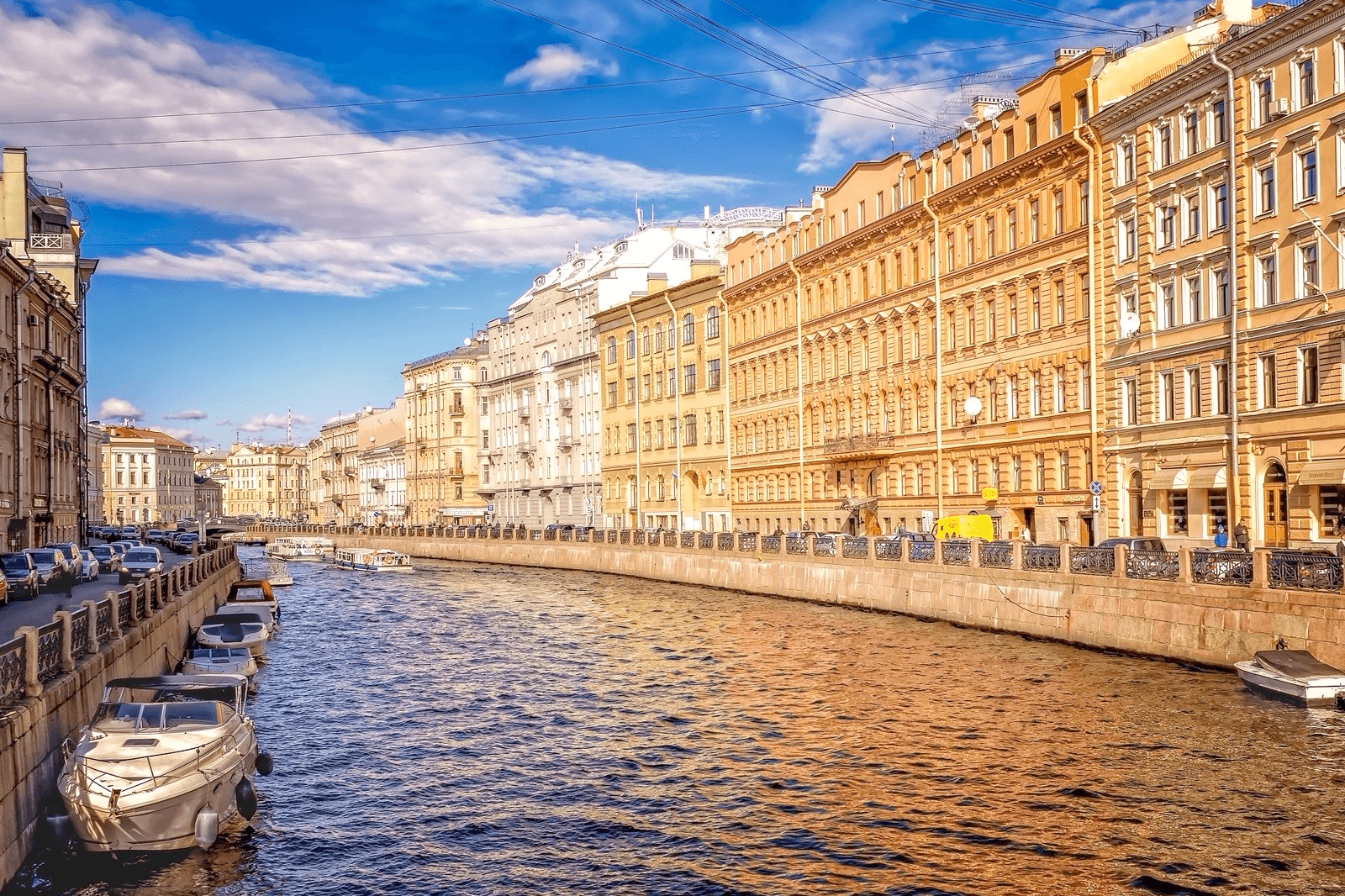
Saint Petersburg, often celebrated for its grand palaces and historic sites, harbors a wealth of lesser-known attractions that offer a unique glimpse into the city’s rich tapestry. For travelers seeking to delve deeper into its cultural and historical nuances, here are some hidden gems worth exploring.
1. Rasputin Museum at Yusupov Palace
Nestled within the opulent Yusupov Palace, this museum delves into the life and mysterious death of Grigori Rasputin. Visitors can explore the restored rooms and gain insights into the events leading up to his assassination.
2. Kunstkamera (Peter the Great Museum of Anthropology and Ethnography)
Established by Peter the Great, Kunstkamera is Russia’s oldest museum, housing an extensive collection of anthropological artifacts and anatomical curiosities. Its exhibits provide a fascinating look into the diverse cultures and scientific endeavors of the past.
3. Russian Vodka Museum
Dedicated to Russia’s iconic spirit, this museum offers an in-depth look at the history and cultural significance of vodka. Exhibits showcase traditional distillation methods, historical artifacts, and the role vodka has played in Russian society.
4. Peacock Clock at the Hermitage Museum
Among the Hermitage’s vast collection lies the Peacock Clock, a 250-year-old automaton featuring gilded mechanical birds. Remarkably, this intricate timepiece still functions, captivating visitors with its periodic performances.
5. Freud’s Dream Museum
This museum offers a surreal journey into the subconscious, with dark and eerie exhibits inspired by Sigmund Freud’s theories. It’s a thought-provoking destination for those interested in psychology and the exploration of dreams.
6. Nabokov’s Butterflies
Literature enthusiasts can visit the childhood home of Vladimir Nabokov, where a collection of butterflies he personally gathered is on display. The exhibit provides insight into the author’s lesser-known passion for lepidopterology.
7. F. M. Dostoyevsky Literary Memorial Museum
Located in the apartment where Fyodor Dostoyevsky wrote his final novel, this museum houses an ever-growing collection dedicated to the renowned author. Visitors can explore his personal belongings, manuscripts, and gain a deeper understanding of his life and works.
8. Museum of Hygiene
An often overlooked institution, the Museum of Hygiene offers exhibits on medical history, public health, and sanitation practices. It’s an intriguing destination for those curious about the evolution of healthcare and hygiene standards.
9. Museum of Sound
Dedicated to the exploration of auditory experiences, this museum features interactive exhibits that delve into the science and art of sound. It’s a sensory-rich experience that appeals to both adults and children alike.
10. Russkiy Levsha (The Russian Lefty Museum)
This unique museum celebrates the art of miniature craftsmanship, showcasing intricate works that highlight the skill and precision of Russian artisans.
By venturing beyond the typical tourist destinations, visitors to Saint Petersburg can uncover these hidden treasures, each offering a distinct perspective on the city’s multifaceted heritage.
Saint Petersburg
Paris, often dubbed the “City of Light,” transforms into a haven of warmth and charm during the winter months. As temperatures drop, the city’s iconic cafés become sanctuaries for both locals and visitors seeking refuge from the cold. Embracing Parisian café culture in winter offers a unique and intimate experience that captures the essence of the city’s enduring allure.
The tradition of café-hopping is deeply ingrained in Parisian life. In January, with the festive season concluded and a serene calm settling over the city, there’s no better time to indulge in this leisurely activity. The art of the café-hop is one that is practically baked into the DNA of Parisian culture.
One notable establishment to visit is Café Laperouse Concorde, a more casual offshoot of the famed Laperouse restaurant on the Left Bank. Known for its private dining rooms and rich history, this café offers a blend of tradition and modernity, making it a must-visit spot during the winter months.
Beyond the individual establishments, the very act of sitting in a Parisian café during winter is an experience in itself. The warmth emanating from heaters, the soft murmur of conversations, and the ever-present aroma of freshly brewed coffee create an atmosphere that is both comforting and quintessentially Parisian.
In conclusion, winter in Paris offers a unique opportunity to experience the city’s café culture in its most authentic form. Whether you’re seeking a quiet corner to read, a lively spot to people-watch, or simply a warm refuge from the cold, Parisian cafés provide the perfect setting. So, bundle up, step out, and let the cozy charm of Paris in winter envelop you.
Paris
Télécharger
Saint-Pétersbourg
Moscou
Rome