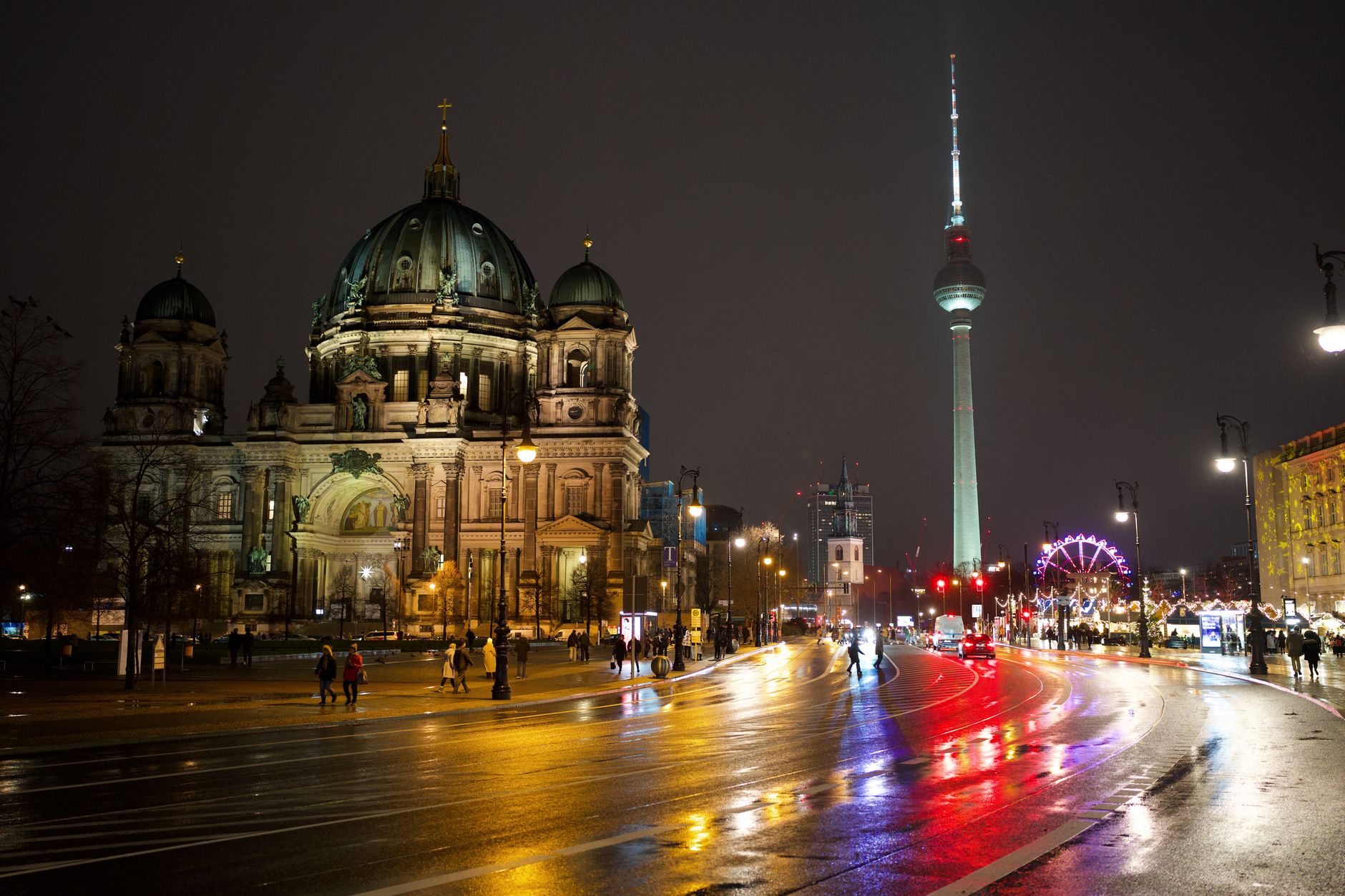
August is one of the easiest months to enjoy Berlin well. The city is lively without forcing you into a single fixed plan: museums are in full swing, parks stay busy late into the evening, open-air culture spreads across many neighborhoods, and day plans can flex around warm weather. Official Berlin listings for August 2026 highlight late-summer festivals, open-air events, and a packed museum calendar, which makes this a strong month for a first or second visit. Ingry is especially useful here, because Berlin makes more sense when you explore it on foot in connected areas rather than rushing all over the map.
This guide is built for a real three-day trip: one day around the historic center, one day for western Berlin and major museums, and one day for the neighborhood side of the city with room for a lake or park break. If your trip lands near a festival weekend, you can swap that into Day 3 without breaking the route.
Why August works so well in Berlin
Berlin in August gives you long usable days, a strong mix of indoor and outdoor options, and plenty of reasons to stay out into the evening. The city’s official tourism calendar lists festivals through the month, including events in Nikolaiviertel in mid-August, Pop-Kultur from August 24 to 30, Berlin Music Festival on August 29, and other neighborhood and food events later in the month. Museums also continue major summer exhibitions, including shows on Museum Island and at other Staatliche Museen locations. That means August is a good time to plan a trip around both classic sights and one timely cultural stop, without making the whole weekend event-dependent. (visitberlin.de)
The only real mistake is overcommitting. Berlin is large, and distances that look simple on a map can eat into your day. A better weekend here is built around clusters: Mitte and Museum Island together, the Kulturforum and western center together, Kreuzberg and Neukölln together, or Charlottenburg with a lake outing.
A smart 3-day Berlin plan for August
Day 1: Museum Island, Unter den Linden, and an evening by the river
Start in Mitte early, before the central streets get busier. Begin around Brandenburg Gate and walk east along Unter den Linden toward Museum Island. This gives you Berlin’s ceremonial core first, before you shift into museums and smaller streets.
Do not try to do every museum on Museum Island in one day. In August, a better plan is to choose one major museum or exhibition and leave time for the setting itself: the Lustgarten area, the Spree embankments, and the bridges around the island. Museumsinsel Berlin and the Staatliche Museen zu Berlin continue current exhibitions through summer 2026, so there is usually enough depth here to justify half a day even with only one or two stops. (smb.museum)
After lunch, walk south toward Gendarmenmarkt area or east into Nikolaiviertel. If you are visiting on August 15 or 16, the official August listings note Nikolaizauber in the historic quarter, which makes that area especially appealing for a slower afternoon stroll. Otherwise, this is still one of the better places to see how Berlin layers reconstructed old streets, river views, and modern city flow. (visitberlin.de)
For the evening, stay central. A Spree-side walk works better than another museum. Berlin is at its best when the day ends outdoors: on a bridge, beside the river, or in a square where you can watch the city settle without racing to another attraction. Ingry can help you keep the walk coherent and pick out landmarks you might otherwise pass without context.
Day 2: Kulturforum, Tiergarten, and western Berlin
Use your second day for the westward cultural axis rather than doubling back through Mitte. Start at the Kulturforum or nearby major museum zone, where you can choose one serious art stop instead of stacking too many. If you are interested in current exhibitions, official Berlin museum listings show that summer 2026 includes notable temporary shows at major institutions, including the Alte Nationalgalerie and other Staatliche Museen venues. (visitberlin.de)
From there, move into Tiergarten for a break. This matters in August. Berlin rewards pacing: museum, shade, walk, coffee, then another destination. Tiergarten is not just filler between sights; it is one of the best ways to keep the day from becoming a list of interiors.
In the afternoon, continue toward western Berlin. Depending on your energy, this can mean Kurfurstendamm and Charlottenburg streets, or a lighter plan with one destination and more neighborhood wandering. This side of the city feels less monumental and more lived-in than central Mitte, which is useful after a history-heavy first day.
What to skip? Unless this is your only Berlin visit and you want a pure checklist trip, do not force both multiple major museums and a long shopping stretch into the same afternoon. The result is usually too much transit and not enough city.
Day 3: Kreuzberg, Neukolln, and a flexible late-summer plan
Your final day should show Berlin’s local rhythm rather than its headline sights. Kreuzberg and Neukolln work especially well in August because they combine canals, side streets, parks, cafes, and easy transitions into evening plans. Start with a canal-side walk or a slow breakfast, then move through one neighborhood at walking pace rather than trying to “cover” both fully.
This is also the best day for a weather-based decision. If the forecast is warm and you want a break from dense sightseeing, use part of the day for a lake or open-air pause instead of another museum. If you prefer culture, late August 2026 offers several official events worth checking before you go, including Pop-Kultur from August 24 to 30 and Berlin Music Festival on August 29. If your dates line up, these can anchor the day naturally, but they should stay as add-ons rather than the whole plan. (visitberlin.de)
If you are in Berlin at the very end of the month, Berlin Beer Week begins on August 28, 2026, according to Berlin’s official event guide. That is useful if you want the trip to lean more social and food-focused without turning into a nightlife-only weekend. (visitberlin.de)
How to move through Berlin without wasting time
The best Berlin strategy is simple: combine walking with short transit hops, and organize each day around adjacent districts. Do not cross the city repeatedly just because individual attractions look famous. Berlin is not a compact old town; it is a city of distinct zones.
For most visitors, the easiest logic is:
Mitte for historic Berlin and Museum Island; Tiergarten and Kulturforum for a museum-and-park day; Kreuzberg and Neukolln for neighborhood time; Charlottenburg for a western alternative; and a lake or large park only when you are ready to slow down rather than squeeze in one more sight.
This is where Ingry fits naturally. Berlin can feel abstract until you start walking through connected streets with a clear route, short historical context, and the freedom to stop when something catches your attention.
What August crowds are actually like
Berlin in August is busy, but not in a single-direction way. The pressure points are usually predictable: central museums, major landmarks in Mitte, popular evening river areas, and any festival zone on event days. The city spreads people out better than many European capitals, so crowding often feels local rather than constant.
A practical rule: do central museums earlier, save parks and neighborhood walks for the middle of the day, and leave flexible evenings open. If there is a specific exhibition you care about, check the museum’s official page before your trip rather than assuming walk-up timing will be easy. Official museum platforms show an active 2026 exhibition calendar across Museum Island and other Berlin institutions. (smb.museum)
Where this trip works best for first-time visitors
If this is your first Berlin trip, this itinerary gives you the right balance: history on Day 1, art and broad city texture on Day 2, and neighborhood Berlin on Day 3. That is more useful than trying to “see everything,” because Berlin is memorable less for one grand sequence of attractions than for how its districts feel when stitched together properly.
If you have already been to Berlin once, use this same structure but swap one museum day for more time in a single district, a lake outing, or a festival date that matches your weekend. August is strong precisely because it lets you build a trip around mood and movement, not just famous landmarks.
Final planning note
Before you go, check official event and museum pages for your exact dates, especially in late August when the calendar gets denser. For 2026, Berlin’s official listings already show a solid run of August festivals and major exhibitions, so this is a month worth planning around if you want a summer city break that does not feel too rigid. (visitberlin.de)
Télécharger
Saint-Pétersbourg
Moscou
Rome