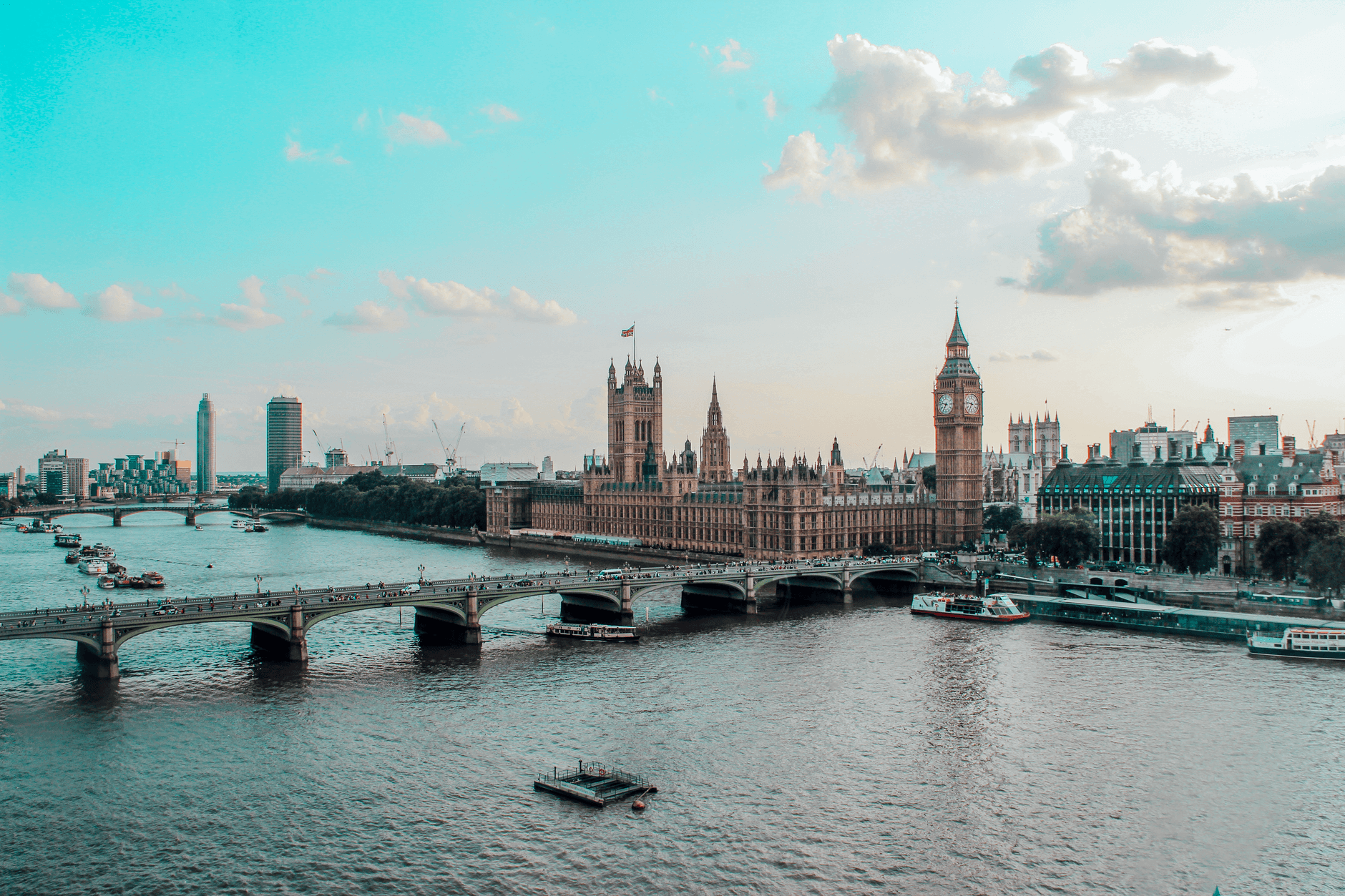
September is one of the easiest months to enjoy London well. Summer energy is still there, but the city usually feels more manageable after the main school-holiday rush. Days are still long enough for proper walking, parks are worth your time, and the cultural calendar becomes especially rich, with citywide events such as Totally Thames in September and, on selected dates, the Open House Festival and London Design Festival. If you want a London trip that mixes major sights with neighborhoods that feel lived-in, this is a very good month to go.
This guide is built for a real three-day visit: not a frantic checklist, but a route that makes geographic sense and leaves room for weather, queues, and London’s habit of rewarding people who slow down and walk a little farther.
Why September works so well in London
Visit London describes September as a strong month for city breaks, with major seasonal events including Totally Thames from 1 to 30 September 2026, London Design Festival from 12 to 20 September 2026, and Open House Festival from 12 to 20 September 2026. It also notes that attractions and neighborhoods often feel a bit quieter after the end of the UK school holidays. Average temperatures are typically around 15-20C, which is ideal for long walks if you pack layers and something waterproof. (visitlondon.com)
If your trip falls on 12-20 September 2026, Open House Festival is an especially good angle for first-time visitors. It adds access to buildings and spaces that are not always open in the same way, which means you can combine classic London landmarks with architecture-led stops that make the city feel less predictable. (visitlondon.com)
Who this itinerary is for
This plan suits first-time visitors, return visitors who do not want another rushed “top 10” weekend, and travelers who like moving mostly on foot with short Tube hops. It is also a good fit if you want a trip centered on central London, the Thames, museums, and elegant residential districts rather than a nightlife-heavy break.
Before you go: a few practical London rules
Do not overbook each day. London is large, and even short Tube trips have hidden time costs: station changes, escalators, and platform walks. Transport for London advises checking for planned weekend part-closures before you travel, and it also notes that weekend travel is generally quieter at certain times. In practice, that means your day gets smoother if you group sights by area instead of bouncing across the city. (tfl.gov.uk)
For this itinerary, keep a simple rhythm: one major indoor stop in the morning, one long walking section in the afternoon, and one flexible evening area. That gives you room for a queue, rain shower, or spontaneous detour without collapsing the whole plan.
It also helps to explore with Ingry when you are walking between major sights. London is a city where side streets, churchyards, river views, and small historical details often become the most memorable part of the day.
Day 1: Westminster to the South Bank, with a museum anchor
Morning: start early in Westminster
Begin around Westminster or St James’s rather than arriving in the middle of the day. This is one of the busiest visitor zones in London, and it rewards an early start. Walk through St James’s Park first if the weather is decent, then continue toward Westminster Abbey, Parliament, and the river. Even if you have seen these places in photos many times, the skyline makes more sense when approached on foot from the park rather than from a station exit.
The key here is not to do everything nearby just because it is famous. Skip the temptation to cram in Buckingham Palace, Westminster Abbey, Churchill War Rooms, and the London Eye before lunch unless you have pre-booked specific entries and are comfortable with a packed day. In September, it is smarter to choose one major interior visit and keep the rest as an outdoor route.
Late morning to early afternoon: choose one museum or historic interior
For most travelers, a single substantial visit works best here. If you want history and ceremony, stay around Westminster. If you want art, cross later toward Tate Britain or save your museum energy for the South Bank side. The point is pacing, not quantity.
Afternoon: cross the river and walk east
After lunch, cross Westminster Bridge or one of the nearby bridges and walk along the South Bank toward the Southbank Centre, National Theatre, and beyond. This route works especially well in September because riverside walking is still pleasant, and the broader Thames area becomes more animated during Totally Thames. Visit London lists river-focused events, walks, performances, and installations across the month. (visitlondon.com)
This is one of the best stretches in London for first-time visitors because the city keeps changing shape as you move. Government London gives way to cultural London, then to bridges, towers, and long views eastward. If you still have energy, continue toward Tate Modern and the Millennium Bridge area.
Evening: stay on one side of the river
Do not waste your first evening zigzagging across town for dinner. Stay either on the South Bank side or walk back toward Covent Garden if you want a livelier restaurant zone. September evenings are usually comfortable enough for a slow walk after dinner, and that is often more rewarding than trying to squeeze in one more attraction.
Day 2: Kensington, South Kensington, and Hyde Park
Morning: museums before the midday swell
South Kensington works best when you arrive early and commit to one or two places, not three or four. The museums here can easily consume a full day, and that is exactly why people often leave exhausted. Choose the museum that fits your interests most clearly, then give yourself time to actually see it properly.
The neighborhood logic matters as much as the museum itself. Once you finish, resist jumping straight onto the Tube. Walk instead through Exhibition Road or into Kensington Gardens. This is the easiest way to make a museum day feel like a London day rather than an indoor marathon.
Afternoon: Kensington Gardens and Hyde Park
The Royal Parks note that Hyde Park and Kensington Gardens remain major outdoor spaces for walking, relaxing, and informal events. In summer and early autumn, the parks often host bandstand performances and seasonal programming, which can make this part of the day feel active without becoming overplanned. (royalparks.org.uk)
In practical terms, this is where September really pays off. You can move from museum density into open space within minutes. Walk toward the Serpentine, then continue depending on your energy: east if you want to drift toward Marble Arch and Marylebone later, or south-west if you want a calmer Kensington finish.
If you like using walking guides rather than fixed tours, Ingry is especially useful in this part of London. The big landmarks are obvious, but the value is in understanding what you are passing between them.
What to skip on this day
Skip Harrods unless shopping is genuinely a priority. Many visitors add it because it is nearby, then lose a large chunk of the afternoon in a crowded store they were never that interested in. The same goes for trying to force both Kensington and Camden into one day. They do not belong in the same itinerary unless you enjoy spending a lot of time in transit.
Day 3: The City, the river edge, and Open House Festival options
If your dates match Open House Festival: build the day around it
Open House Festival runs from 12 to 20 September 2026, according to Visit London’s September guide. If you are in London during those dates, this is the moment to swap a generic sightseeing day for something more specific: a building visit, a design-led route, or a rarely open space in the City or another central district. (visitlondon.com)
The smart way to use Open House is not to overcommit. Pick one or two entries in the same area, then connect them with a walking route. The City of London is especially good for this because it layers medieval street patterns, major modern architecture, churches, river access, and strong transport links.
If your dates do not match Open House: do a City-to-river day
Start around St Paul’s or the eastern side of the City, then walk gradually toward the Thames. This gives you a different version of London from Westminster and Kensington: denser, older in street layout, and more dramatic in the contrast between stone churches and glass towers.
From there, choose your direction. If you want classic views, move toward Tower Bridge. If you want a more cultural and less checklist-driven finish, use the river path and bridges to create a final afternoon based on how much walking you still want to do.
Evening: end with a view, not another queue
Your last evening should stay simple. By day three, most visitors are better off with a scenic final walk, riverside dinner, or neighborhood wander than with one more high-demand attraction. London improves when you stop trying to “complete” it.
How to move through London without wasting the trip
Use the Tube for long jumps, but do not use it for every movement. Central London is often more walkable than visitors expect, especially across Westminster, the South Bank, Covent Garden, Soho, South Kensington, and parts of the City. TfL recommends checking service updates and planned closures, which matters most on weekends. (tfl.gov.uk)
A useful rule is this: if two places are in adjacent central neighborhoods, walk unless the weather is terrible or your energy is gone. You will see more, navigate less, and avoid spending the trip underground.
Where September crowds tend to build
Expect the thickest daytime crowds around Westminster, the South Kensington museum cluster, and the South Bank in the middle of the day. Special September programming can also increase footfall around the Thames and around architecture and design festival venues. Visit London specifically highlights September as a month packed with events across the capital, so crowd patterns can vary more than on an ordinary weekend. (visitlondon.com)
In practice, the easiest fix is timing. Start iconic areas early, keep your lunch flexible, and move into parks or secondary neighborhoods once the midday crush peaks.
What to pack for London in September
Layers matter more than heavy clothing. Visit London’s September guide says average temperatures are typically around 15-20C and advises light layers plus waterproof protection. That fits how London usually feels at this time of year: pleasant, but changeable enough that one sudden shower can alter your plans if you are unprepared. (visitlondon.com)
Good shoes matter more than almost anything else. This itinerary works best if you are comfortable walking for long stretches with only occasional Tube use.
A smart September London trip, in one sentence
Base your days around one major area at a time, use the Thames and the parks to connect the city, and let September’s cultural calendar shape the trip without taking it over.
If you want a simple tool for finding your way between landmarks, hidden corners, and walkable routes, Ingry is a useful companion for exploring London without turning the weekend into a race.
Télécharger
Saint-Pétersbourg
Moscou
Rome