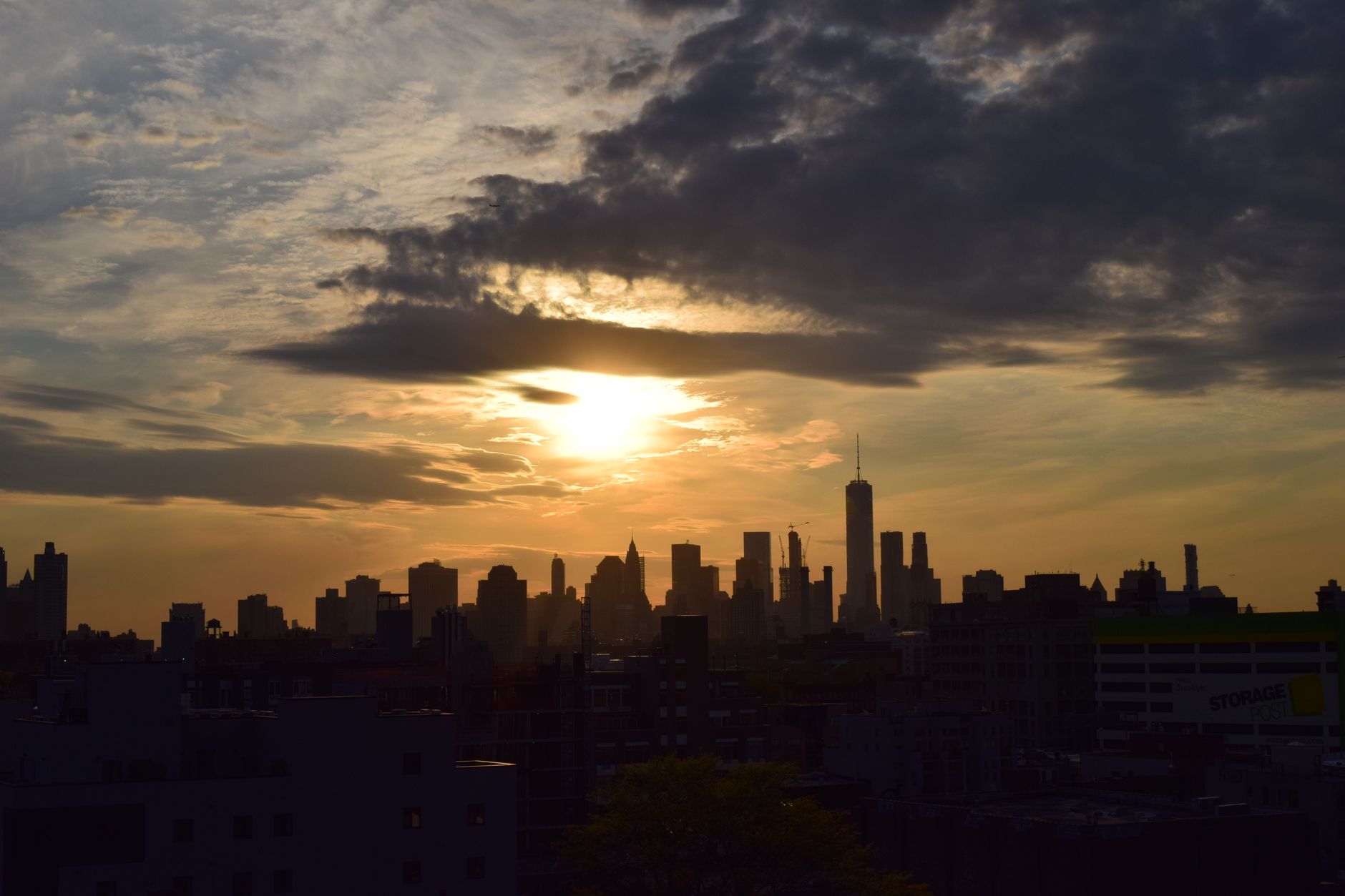
Labor Day weekend is one of the easiest times to enjoy New York City without forcing too much into each day. Summer energy is still there, outdoor spaces are active, and the city still feels open and social, but you can plan the weekend around walks, ferries, and neighborhoods instead of treating it like a checklist race. In 2026, Labor Day falls on Monday, September 7, which makes this a real three-day city break rather than a rushed add-on. Many visitors are tempted to overbook rooftop reservations, observation decks, and museum blocks. A better plan is to divide the weekend by geography and save time on crosstown backtracking.
This guide is built for first-time or early-return visitors who want a smart route through Lower Manhattan, the west side, and one slower day that mixes parks, culture, and skyline views. If you like exploring on foot and understanding what you are looking at while you walk, Ingry is especially useful in New York City for stitching landmarks, side streets, and short stops into one coherent route.
Why Labor Day weekend works well for a first New York trip
Labor Day is a federal holiday, and in 2026 it falls on Monday, September 7. New York City agencies also list alternate-side parking suspension for that date, which is one small sign that the city treats it as a full holiday rather than a half-working Monday. (nyc.gov)
For visitors, the bigger advantage is seasonal timing. Early September still supports long outdoor days, ferries, waterfront walks, and evenings outside, but it sits just before the deeper fall business rhythm fully returns. That makes it a strong moment for a weekend built around Lower Manhattan, the High Line corridor, and the harbor rather than an all-indoor museum sprint.
The main thing to understand is that the long weekend concentrates people into the same photogenic zones: the Statue of Liberty ferries, DUMBO viewpoints, Chelsea and the High Line, and major skyline attractions. If you move early in the day and group sights logically, the weekend feels manageable. If you bounce between Midtown, downtown, and Brooklyn at random, you will spend more time in transit lines than in the city itself.
How to organize the weekend
The cleanest structure is simple: use Day 1 for Lower Manhattan and the harbor, Day 2 for the west side from Chelsea to Midtown, and Day 3 for a slower neighborhood-and-park day before departure or your final evening. This works because New York rewards directional walking. Once you are on a good line through the city, the day usually gets better.
Use the subway and buses when needed, but do not underestimate how much of Manhattan becomes easier once you stop trying to cover everything. OMNY tap-and-go is the MTA fare system for subway and local bus rides, so getting around does not require building your entire trip around ticket machines. (mta.info)
Day 1: Lower Manhattan, the harbor, and a strong first skyline day
Start early at Battery Park
If the Statue of Liberty or Ellis Island matters to you, do it first thing in the morning. Access to Liberty and Ellis Islands is by Statue City Cruises ferry only, and the National Park Service notes that the statue is reached only by ferry, with daily operating hours published seasonally. (nps.gov)
The key decision is whether you want the full island visit or simply harbor atmosphere and skyline views. If it is your first trip and you care about the history, go. If you mainly want photographs and a satisfying waterfront start, you can save time by staying on Manhattan, walking Battery Park, and using the morning for the Financial District, the Seaport, and the Brooklyn Bridge area instead.
Walk the historic core instead of jumping straight to Midtown
From Battery Park, move north on foot through the Financial District. This part of the day works best when you treat it as a sequence, not a set of disconnected pins: waterfront, old street grid, civic buildings, 9/11 area, then east toward the Seaport if you still have energy. The distances are short, but the area is denser than many first-time visitors expect.
Lower Manhattan is also where a city guide helps most. With Ingry, it is easier to understand why one block feels colonial, the next feels financial, and the next opens to a memorial or waterfront view.
Choose one major ticketed stop, not three
This is where many Labor Day weekends go wrong. Visitors try to stack the Statue of Liberty, One World Observatory, the 9/11 Museum, and the Brooklyn Bridge in one day. You can physically do that, but the day turns into security lines and timed-entry pressure. Pick one major booked attraction and let the rest of the day breathe.
If you still want a bridge walk, do it later in the afternoon when the Lower Manhattan portion is finished. Walk across for the experience, but do not feel obliged to turn it into a full Brooklyn marathon on day one unless that is your top priority.
Day 2: The High Line, Chelsea, and Midtown without the chaos
Begin before the late-morning crowds build
The west side is ideal on a holiday weekend because you can string together several distinctly New York experiences without much transit: elevated park, galleries or market browsing, Hudson views, and a gradual move toward Midtown. The weak version of this day is arriving at the High Line late and getting stuck in a slow-moving crowd. The better version is starting early, then lingering once you are off the main flow.
Even when exact park hours vary, the High Line corridor is still a reliable planning spine for visitors because Chelsea and the far west side are easy to navigate on foot. What matters most is entering before peak strolling time and treating the High Line as a route, not a place to stop every few yards for photos.
Use Chelsea as your midday reset
Chelsea gives you options depending on weather and energy. If the morning is bright and you want to stay outdoors, continue along the Hudson side and keep the day open. If it is hot or crowded, pivot indoors for lunch and a slower museum or gallery stretch. This is one of the best neighborhoods in Manhattan for course-correcting without losing the day.
From there, continue north only if you still want Midtown. A common mistake is assuming Midtown is mandatory in one dense block. It is better to choose one Midtown anchor, such as Bryant Park, Grand Central, or a single observation deck, rather than trying to “complete” the district.
What to skip on a long weekend
Skip the idea that you need Times Square in the middle of the afternoon. If you are curious, pass through in the evening for twenty minutes and move on. Also skip backtracking for isolated photo stops. On Labor Day weekend, the city is more enjoyable when each day has a clear walking line.
Day 3: A slower New York day with room to breathe
Option A: Governors Island for open space and harbor views
If you want your final day to feel different from Manhattan street canyons, Governors Island is a strong choice. The National Park Service describes the island as a short ferry ride from Lower Manhattan, and the monument runs peak-season operations through October 31. The park compendium also notes that the National Monument is open on Labor Day. (nps.gov)
This makes it a very good Labor Day weekend option for visitors who want skyline views, open space, and a break from dense traffic. It is especially useful if your first two days were heavy on buildings and lines. Bring the mindset of a half-day escape, not a rushed box to tick.
Option B: Stay in Manhattan and do one neighborhood properly
If you do not want another ferry, use the last day for one neighborhood at a human pace. The Upper West Side, the West Village, or a Central Park plus museum pairing all work better than a frantic “final highlights” chase. New York often feels most memorable when you leave space for side streets, coffee stops, and unplanned detours.
This is another moment when Ingry fits naturally into the trip: it helps turn a simple walk into a more informed one, especially when you want context without joining a formal tour.
Practical tips for Labor Day weekend in New York City
Book only the things that truly need booking
Reserve only your highest-priority timed attraction. For most visitors, that means either the Statue of Liberty/Ellis Island ferry or one major observatory, not a fully locked schedule from morning to night. Overbooking is the fastest way to make New York feel stressful.
Start earlier than you think
Holiday weekend crowds are rarely at their worst at 8:30 in the morning. They are much worse when everyone arrives at the same famous place between late morning and early afternoon. Early starts matter more than complicated strategy.
Use ferries and parks as pressure valves
If Manhattan starts to feel too dense, the best reset is usually not another indoor queue. It is a waterfront segment, ferry ride, or large park. That is why this weekend structure works so well in early September.
Be realistic about travel time
What looks close on a map can still take time once you include station changes, crowds, and street crossings. New York rewards compact daily zones. It does not reward zigzagging.
If you only have two full days
Cut Day 3 and keep the first two days intact. Day 1 gives you the classic harbor and downtown introduction; Day 2 gives you a modern Manhattan route with strong walking flow. That combination is more balanced than trying to squeeze every famous district into 48 hours.
Final thought
Labor Day weekend is not the moment to conquer New York City. It is the moment to see enough of it that the place starts making sense: harbor first, then streets, then neighborhoods, then open space. If you plan by geography instead of hype, the long weekend feels generous rather than frantic. For travelers who like to explore on foot and understand what they are passing, Ingry is a practical companion for making those walks feel connected rather than random.
Télécharger
Saint-Pétersbourg
Moscou
Rome