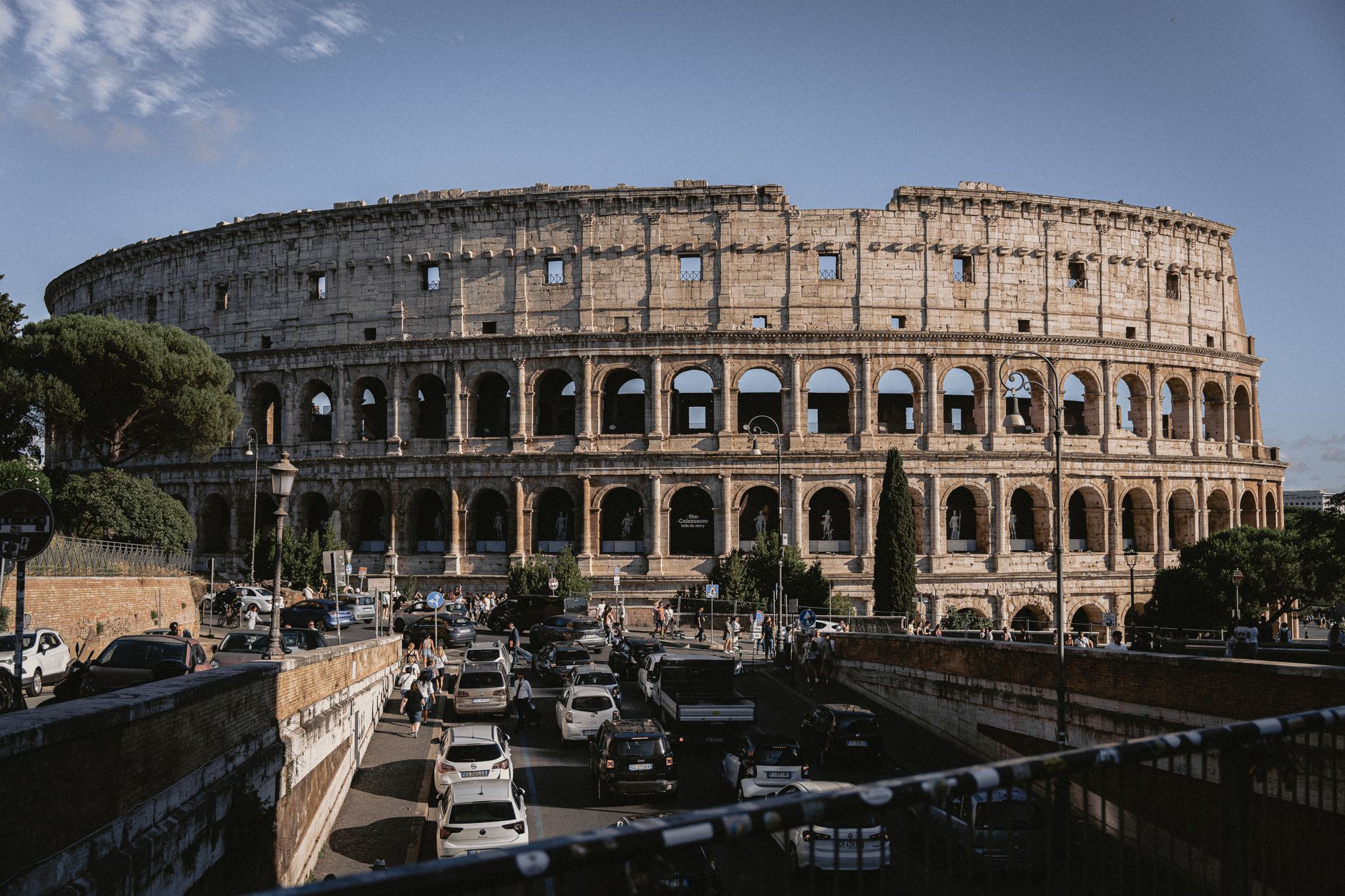
August in Rome can be excellent if you plan around the city rather than against it. The days are hot, the midday light is harsh, and the classic mistake is trying to power through every major sight between noon and 4 p.m. A better Rome strategy is simple: start early, keep the middle of the day lighter, and save long walks, piazzas, and panoramic viewpoints for the evening.
This is also the month of Ferragosto, the Italian holiday period centered on 15 August, when local routines shift and some independent businesses may close while visitor-heavy areas stay busy. Rome’s official tourism calendar continues to list city events through summer, including open-air cinema and seasonal programming, so August does not feel shut down, but it does feel different from spring or autumn. That difference is exactly what this guide is built for.
If you like exploring on foot, this is a good month to use Ingry between major sights. Rome makes most sense when you understand what is around the next corner, not when you jump randomly from landmark to landmark.
Why August in Rome works for a short trip
Rome in August is not the month for a packed museum marathon. It is better for a balanced visit: one major archaeological block, one major museum or Vatican day, long evening walks, shaded lunch breaks, and neighborhoods that feel rewarding even when you are not ticking off famous names. If you pace it well, August gives you glowing evening light, later outdoor life, and a version of Rome that feels more atmospheric after sunset.
The practical catch is the heat. The Vatican Museums are open Monday to Saturday from 8:00 a.m. to 8:00 p.m., with final entry at 6:00 p.m., and the last Sunday of each month has limited free-entry hours. That makes early entry the obvious move in summer. The official Vatican Museums site also warns visitors to use the official ticket portal for online purchases. For the Colosseum area, official Rome tourism materials note that booking is required for the standard Colosseum, Roman Forum, and Palatine ticket. In short: August is not the time to leave your biggest sights to chance.
How to think about neighborhoods before you book
Stay central if this is your first Rome trip
If you have only a weekend or three days, staying somewhere between the historic center, Monti, the Pantheon area, Campo de’ Fiori, or Prati usually makes the trip easier. These areas let you walk to a surprising number of places before the heat builds. Monti works well for the Colosseum and Forum side of the city; Prati makes Vatican mornings easier; the historic center is best if you want evening wandering with minimal transport.
Do not overvalue being near one attraction
Rome is better when your hotel is near several walkable zones rather than directly beside one famous site. Staying right next to the Colosseum may sound ideal, but the best rhythm often comes from being able to reach both a morning landmark and a late-night dinner street without complicated transfers.
A smart 3-day Rome itinerary for August
Day 1: Ancient Rome early, Monti later, center at night
Start with the Colosseum, Roman Forum, and Palatine area as early as your timed entry allows. This is the part of Rome where August sun becomes tiring fast, and it is also one of the least forgiving places to be in peak afternoon heat. Wear proper shoes, carry water, and expect exposed sections with limited shade.
After the archaeological morning, do not force another major queue. Walk uphill into Monti for lunch and a slower middle section of the day. Monti is useful because it still feels central, but the atmosphere changes immediately: narrower streets, small shops, and a less monumental pace. This is a good point in the trip to open Ingry and follow the city on foot rather than racing to the next headline attraction.
In the evening, return to the historic center instead of continuing with more ruins. A practical route is Venice Square toward the Pantheon, then Piazza Navona, and finally across the river if you still have energy. These areas are far more enjoyable once the light softens. What to skip today: an extra indoor museum just because you feel you should. Ancient Rome in August already takes enough energy.
Day 2: Vatican morning, Prati break, St. Peter’s area at sunset
Make this your earliest start of the trip. The Vatican Museums are one of Rome’s biggest time-and-energy drains when handled badly, especially in summer. Official information confirms long opening hours, but that does not mean all hours are equal. In August, the best choice is still a morning slot booked ahead.
After the museums and Sistine Chapel, decide honestly how much you have left for St. Peter’s area. If you are tired, do not stack everything into one continuous six-hour push. Stop in Prati for lunch or a break, then return later for the piazza and surrounding streets. This is usually a better August rhythm than trying to “finish the Vatican” in one heroic block.
If you want a calmer evening, cross the Tiber and aim for Castel Sant’Angelo from the outside, then continue into the old center. If you want a busier evening atmosphere, Trastevere is the obvious choice, but go knowing that it is popular for a reason and rarely feels secret. In August, its best use is dinner and strolling, not expecting solitude.
Day 3: A lighter day with shade, viewpoints, and room to improvise
Your third day should be deliberately lighter. Rome rewards travelers who leave space for the city’s texture: churches that are cooler than the street outside, short piazza stops, fountains, side streets, and viewpoints. Villa Borghese can work well in August because it gives you greenery and breathing room rather than another stone-heavy route. From there, you can connect the Pincian Terrace side with the Spanish Steps area and then drift back into the center.
Another good version of day three is Campo de’ Fiori, the Jewish Ghetto area, Largo di Torre Argentina, and an evening finish on the Capitoline Hill side. This route is compact, layered, and easier to adjust if the weather feels heavy. Rome’s official tourism site also highlights summer cultural programming such as open-air cinema running into late August, so if you want one specifically seasonal touch, an outdoor film evening can be a better August choice than one more crowded daytime sight.
This is also a good day to explore with Ingry, especially if you enjoy understanding what you are seeing between the famous stops. In Rome, the walk between places is often half the experience.
Ferragosto in Rome: what changes around 15 August
Ferragosto falls on 15 August, and if your trip overlaps that week, expect Rome to feel slightly rearranged rather than closed. Major visitor attractions and the main tourist core continue operating, but some smaller independent restaurants, shops, and neighborhood businesses may adjust hours or close temporarily. That means you should book priority sights ahead and stay flexible with meals, especially outside the most tourist-oriented districts.
The best Ferragosto strategy is not to panic-book every hour. Instead, lock in the essentials: one major timed-entry sight per day, one dinner reservation if the restaurant matters to you, and a backup plan for the afternoon. Assume the center will still be active. Assume your favorite small place from a blog post may not be.
How to move through Rome in August without wasting energy
Walk in clusters
Rome is best visited in geographic blocks. Ancient Rome and Monti belong together. The Vatican and Prati belong together. Pantheon, Piazza Navona, Campo de’ Fiori, and the river fit naturally into one evening. The mistake many first-time visitors make is crossing the city repeatedly for single landmarks.
Use transport to save the wrong kind of walking
Not all walking is equal in Rome. Wandering through the historic center at 8:30 p.m. is part of the trip. Marching across exposed roads at 2:00 p.m. to save one metro ride is not. Preserve energy for the beautiful sections.
Build in a real midday pause
In August, a sit-down lunch, a hotel break, or an indoor cultural stop with air-conditioning is not laziness. It is what makes the evening possible. Rome becomes rewarding again after the strongest heat fades.
What first-time visitors should skip in August
Skip the fantasy of doing every major museum and archaeological site in one short trip. Skip long cross-city detours for a single food stop. Skip the idea that every famous piazza needs equal time. And skip standing in optional queues at midday just because you are already nearby.
If this is your first Rome weekend, you do not need to “complete” the city. You need a route that lets you enjoy it while still having energy on the final evening.
Final planning advice
If you are choosing Rome for a summer city break, August can work very well as long as you accept its logic. Book the Vatican and Colosseum side in advance. Start early. Keep one major sight for the morning, one neighborhood for the afternoon, and one beautiful walk for the evening. Stay central if possible. Around Ferragosto, expect some local closures but not a dead city.
Most of all, let Rome unfold in sequences rather than checklists. That is when the city starts to feel less like a set of famous names and more like a place you can actually move through, understand, and remember.
Télécharger
Saint-Pétersbourg
Moscou
Rome