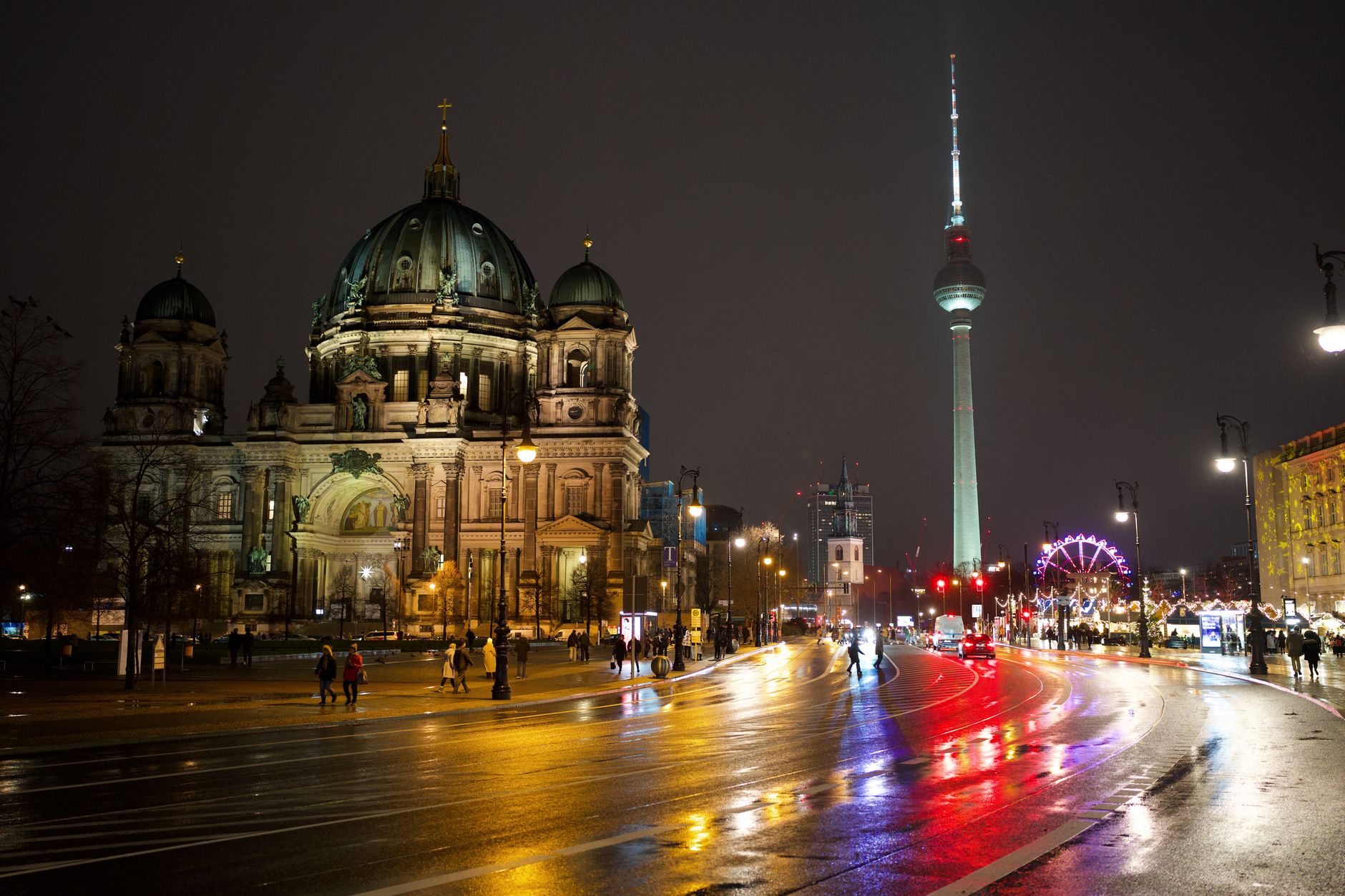
September is one of the easiest months to enjoy Berlin well. The heat of midsummer usually softens, the city is still very much outside, and the cultural calendar becomes dense again. For travelers, that creates a useful mix: long walkable days, parks that still feel alive, museums worth ducking into, and neighborhoods that make sense to explore on foot instead of by checklist.
It is also a month when Berlin gets busier around major events. Official city listings for September 2026 include Berlin Art Week from September 9 to 13, Musikfest Berlin from August 28 to September 23, IFA from September 4 to 8, Open Heritage Day on September 13, and the Berlin Marathon on September 27. That means your route, hotel choice, and pacing matter more than usual, especially if you want a relaxed weekend rather than a crowded one. Ingry is particularly handy here, because Berlin rewards travelers who move through the city as a series of connected walks rather than isolated sights.
Why September is such a good time for a Berlin weekend
Berlin in September works best for travelers who want variety without constant backtracking. You can build a trip around museums and still spend a big part of the day outside. You can prioritize major landmarks without staying trapped in the busiest tourist corridors. And if your dates happen to line up with Berlin Art Week or another citywide event, you can add that energy without making the whole weekend revolve around one reservation.
The main thing to understand is that September in Berlin is not one single mood. Early September can feel event-heavy and international, especially around the trade-fair and art calendar. Mid-September is often ideal for longer walks through central districts. Late September gets busier again around the Berlin Marathon, when some routes and streets are more complicated than usual. If you want the smoothest first-time visit, a non-marathon weekend in the middle of the month is often the easiest choice.
How to structure your 3 days
For a short trip, Berlin makes more sense when grouped by area. Day one should focus on the historic center and Museum Island. Day two works best in Kreuzberg and Neukolln or Kreuzberg and Tempelhof, depending on your pace. Day three should give you westward contrast: Charlottenburg, Tiergarten edges, or a second cultural district depending on your interests.
This approach saves time because Berlin is large, and the experience of the city comes from transitions between neighborhoods as much as from headline attractions. Public transport is broad and flexible: the BVG operates U-Bahn, trams, buses, and some ferries, while the S-Bahn complements the network, and the same ticket generally covers these modes within the city. Official visitor guidance also notes that bus routes 100 and 200 are useful low-cost sightseeing options. That matters if your feet are tired by late afternoon but you still want to keep moving through the city instead of stopping early.
Day 1: Museum Island, Unter den Linden, and the historic core
Start early around Museum Island
If this is your first time in Berlin, begin with the area that gives the clearest visual orientation: Museum Island, the Spree, and the boulevard stretches around Unter den Linden. Go early rather than late. This part of the city absorbs crowds all year, and September weekends can be especially busy when exhibitions, heritage events, or group travel overlap.
You do not need to attempt every museum. In fact, that is one of the easiest mistakes in Berlin. Pick one or two serious stops, then leave room for the city itself. The point of this day is not to spend eight straight indoor hours. It is to connect architecture, political history, and open urban space in a way that still leaves you energy for the evening.
Walk instead of overbooking
A good route is simple: Museum Island, the cathedral area, Unter den Linden, Bebelplatz, and then either east toward Hackescher Markt or west toward Brandenburg Gate depending on your interests. If you are someone who likes cities best when they unfold gradually, this is where Ingry fits naturally into the day. Berlin is full of places that are more meaningful when you understand what stood there, what changed, and why one square feels formal while the next feels improvised.
For lunch, avoid the first obvious option directly beside the busiest landmarks. Walk ten or fifteen minutes away and you usually get a calmer table and a more local rhythm. In central Berlin, that small detour improves the day more than chasing one famous address.
Best afternoon choice: art, history, or riverside recovery
In the afternoon, choose one lane and commit to it. If you are in Berlin during Berlin Art Week, that may mean keeping your museum time shorter and saving energy for galleries and temporary shows elsewhere in the city. If not, use the later part of the day for a riverside walk, a slower coffee stop, or a move toward Hackescher Markt and the streets north of it.
What to skip: trying to combine every major historic sight with a long shopping detour and a nightlife plan on the same day. Berlin rewards range, but not rush.
Day 2: Kreuzberg, canals, and Tempelhofer Feld
Why this is the most “Berlin” day
If day one gives you the capital-city framework, day two gives you texture. Kreuzberg is where many visitors begin to feel the city rather than just recognize it. The logic here is not monument to monument. It is canal paths, side streets, food stops, courtyards, murals, and long stretches where walking is better than any train ride.
Start around the Landwehr Canal or in southern Kreuzberg, then move at neighborhood pace. The best version of this day leaves time for looking around without constantly checking the map. Berlin is unusually good for this kind of half-structured wandering.
Add Tempelhofer Feld in the afternoon
One of the smartest September moves is to spend part of the afternoon at Tempelhofer Feld, the former Tempelhof airport site that is now a vast public park and open space. Official visitor information emphasizes that the site has multiple entrances, practical visitor guidance, accessibility information, and its own regulations and map. In real travel terms, what matters is this: it gives you scale. After dense streets and museums, Berlin suddenly opens up.
This is the place to slow down. Sit, walk the old airfield paths, or simply look at how Berliners use the space. Do not over-schedule it. Tempelhofer Feld works best when you treat it as breathing room, not one more attraction to tick off.
If you want a low-friction way to keep context while moving through the neighborhood and out toward the field, Ingry is useful here too. Berlin often hides its stories in plain sight, and this part of the city is a good example.
Evening plan
Stay in Kreuzberg or nearby Neukolln for dinner rather than crossing the city again. September evenings are often ideal for a long meal and one final walk. If the weather turns, this is also the easiest day to adapt because the neighborhood has enough indoor options that you do not need to rebuild the whole itinerary.
Day 3: Choose your Berlin ending wisely
Your third day should depend on what kind of traveler you are.
Option A: Charlottenburg and a calmer western Berlin
If you want a more elegant, less improvised finish, head west. Charlottenburg gives you a different Berlin: broader streets, a more traditional urban rhythm, and a good counterweight to Kreuzberg. This is a strong choice if you like architecture, museums, or a more measured final day.
Option B: Art-focused Berlin
If your dates match Berlin Art Week, build the day around exhibitions and gallery districts instead of trying to force in more landmarks. The official September listings confirm Berlin Art Week and the Positions Berlin Art Fair in mid-September 2026, so that period is particularly good for travelers who want contemporary culture rather than a classic sightseeing-heavy route.
Option C: A softer final day with buses and short walks
If you are tired, use public transport strategically. The 100 or 200 bus can help you connect major areas without a full sightseeing bus commitment, and Berlin’s integrated network makes it easy to switch between bus, U-Bahn, S-Bahn, and tram with the same ticket. This is the smart final-day approach if you have already walked heavily for two days and still want to see one more side of the city without overdoing it.
How September events affect your trip
Even if you are not coming for a specific event, September timing matters. IFA runs from September 4 to 8, Berlin Art Week from September 9 to 13, Open Heritage Day falls on September 13, and the Berlin Marathon is scheduled for September 27, 2026. On those weekends, accommodation pressure and crowd patterns can shift quickly, especially in central districts and along obvious transit corridors.
For most first-time visitors, the easiest approach is simple. If you love art, aim for the Berlin Art Week period and book earlier. If you want a smoother general city break, choose another September weekend. If your dates coincide with the marathon, expect route disruption and plan your cross-city movements carefully rather than assuming a normal Sunday.
Where to stay for this kind of trip
For this itinerary, the best areas are not necessarily the most famous ones. Staying somewhere with easy U-Bahn or S-Bahn access is more important than staying beside one attraction. Mitte is convenient if museums and first-time landmarks matter most. Kreuzberg works well if you want neighborhood energy and easier evening choices. Charlottenburg is a good fit if you prefer a calmer base.
What to avoid: booking far out just because it looks cheaper, then spending your whole weekend on transit. Berlin is spread out enough that a badly chosen base can flatten the trip.
What first-time visitors often get wrong in Berlin
They try to “finish” the city
Berlin is too large and too layered for that. A good weekend here should feel coherent, not comprehensive.
They underestimate walking distances
Many places that look close on the map are best connected by one train ride plus a walk, not by forcing a long cross-city walk in the middle of the day.
They treat every museum day the same
Berlin’s best cultural trips usually mix one major institution with streets, food, and outdoor space. In September, that balance is especially easy to achieve.
A realistic Berlin September weekend
The best Berlin weekend in September is not the one with the longest list. It is the one with the cleanest shape: one day for the historic center, one day for Kreuzberg and Tempelhofer Feld, and one flexible day shaped around your interests, energy, and dates. September gives you enough daylight, enough city life outdoors, and enough cultural momentum to make that structure feel full without becoming exhausting.
If you plan it well, Berlin in September feels both spacious and dense at once. That is the city at its best.
Verified sources used for planning context include Berlin’s official event listings, visitBerlin’s 2026 event pages, the official BMW Berlin Marathon information page, BVG tourist and transport guidance, and the official Tempelhofer Feld visitor information pages.
Télécharger
Saint-Pétersbourg
Moscou
Rome