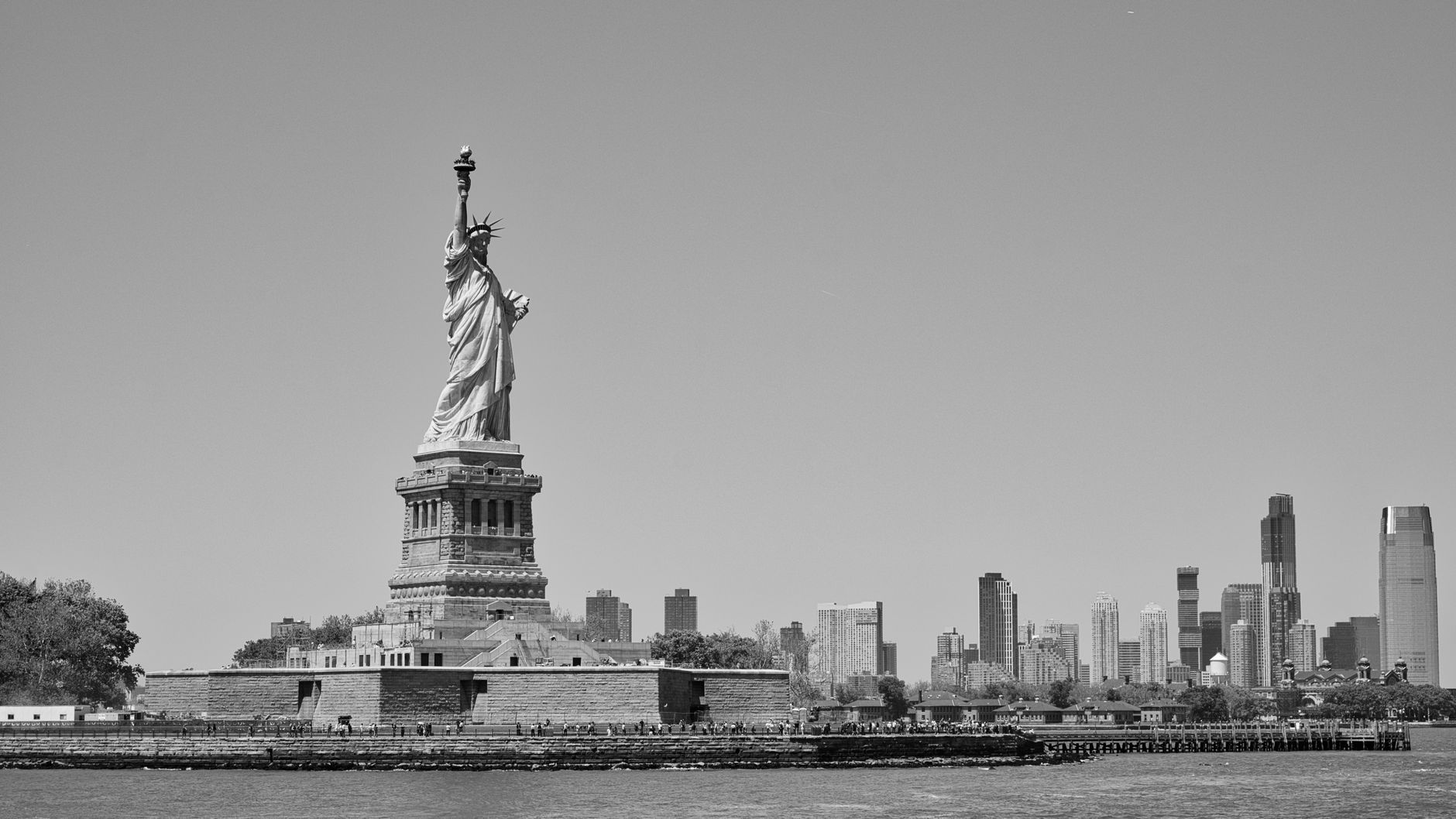
If you are planning a first trip to New York City, the Statue of Liberty and Ellis Island are often high on the list for good reason. The mistake many visitors make is treating them like a quick photo stop. In reality, this is a half-day outing with security lines, ferry timing, and a lot more walking than people expect. Plan it well, though, and it becomes one of the most satisfying classic New York mornings.
This guide is for travelers staying in Manhattan who want a practical route, not a rushed checklist. The goal is simple: start early, avoid the worst bottlenecks, and return to Lower Manhattan with enough energy left for the rest of the day.
Why this works best as a morning plan
The Statue of Liberty and Ellis Island are reached by ferry from The Battery in Lower Manhattan, and access to both islands is through Statue City Cruises, the only National Park Service-authorized ferry provider. The park is open daily from 8:30 AM to 6:30 PM, and the National Park Service notes that if you want enough time for both islands, you should plan to depart before 1:00 PM. In practice, morning is the better choice because lines and queue times build as the day goes on, especially in summer and on weekends. The NPS also warns that screening and boarding can take an hour or more during peak periods. (nps.gov)
That means this is not the attraction to save for a lazy late start. If Liberty and Ellis matter to you, give them your freshest hours.
What to book and what not to overcomplicate
Book your ferry in advance, especially if you want pedestal access. Basic ferry tickets cover transportation plus access to Liberty Island and Ellis Island, and the museums themselves do not have a separate National Park Service entrance fee. Pedestal tickets are limited and can sell out ahead of time. Crown tickets are even more restrictive and involve a strenuous stair climb, so they are not the right choice for every traveler. (home.nps.gov)
If this is your first New York trip, a standard ferry ticket is often enough. You still get the harbor ride, close views of the statue, the Liberty Island grounds, and the Ellis Island museum. Unless visiting the pedestal is a personal priority, you do not need to turn this into a high-stakes booking exercise.
Best arrival strategy from Lower Manhattan
Arrive at The Battery early and think in terms of queue time, not just ferry departure time. The National Park Service notes that the time on your ticket is the time you may join the security queue, not a guaranteed ferry departure. That detail matters. A 9:00 AM ticket does not mean you will be sailing at 9:00 AM sharp. (nps.gov)
A smart approach is to be in the area before your reserved time, with coffee already finished and bags kept light. Large luggage and oversized bags are not practical here, and some items are restricted both at ferry boarding and at monument screening. If you have pedestal or crown access, expect another security check on Liberty Island. (nps.gov)
If you like exploring on foot, this is also a good part of the city to use Ingry. Lower Manhattan has enough layers that it helps to walk with context rather than just move from pin to pin.
How much time to allow
For most travelers, this outing takes around four to five hours door to door from Lower Manhattan, depending on queues and how deeply you want to explore Ellis Island. If your goal is simply the ferry ride, skyline views, and a walk around Liberty Island, you can move faster. If you enjoy museums and family history, Ellis Island can easily stretch the visit.
The key is not to stack too much on top of it before lunch. Treat it as your main morning activity, then build the rest of downtown around your return.
A simple order that makes sense
1. Start at The Battery
Give yourself time for security and boarding without stress. The area is busy, but it is straightforward if you are not cutting it close.
2. Visit Liberty Island first
This is usually the emotional headline of the trip, and it is worth seeing before you are tired. Walk the grounds, take in the harbor views, and decide whether you want a shorter or longer stop. If you booked pedestal access, this is where timing discipline matters most.
3. Continue to Ellis Island
Do not skip Ellis unless you are truly short on time. For many visitors, the immigration museum ends up being the more memorable stop. It adds depth to the morning and changes the visit from a landmark photo outing into something more human and historical.
4. Return to Lower Manhattan for a late lunch or an afternoon walk
Once back in Manhattan, you are well placed for the Financial District, the waterfront, or a walk toward City Hall and the Brooklyn Bridge area, depending on your energy.
What first-time visitors often get wrong
The biggest mistake is underestimating the outing and booking something rigid right after it. Another is arriving late in the day and then feeling rushed on both islands. A third is bringing too much. This is one of those New York sightseeing days that works better with a small bag, water, and realistic expectations.
It is also worth being honest about your interests. If you mainly want the harbor ride and the skyline views, keep the pace brisk. If you care about immigration history, protect your time at Ellis Island instead of spending too long trying to engineer the perfect photo on Liberty Island.
How to connect it with the rest of the day
This plan fits naturally with a downtown afternoon. After the ferry, you can stay in Lower Manhattan and keep the day walkable rather than crossing the city unnecessarily. That is especially helpful in warm weather, when ferry lines and exposed waterfront walking can take more out of you than expected.
One sensible version is: ferry in the morning, lunch downtown, then a slower afternoon around the waterfront or the civic center. Another is to return, rest briefly, and save your longer evening walk for later. New York days are better when they have rhythm.
For that kind of pacing, Ingry is useful because it helps you keep moving through the city with a route in mind instead of stopping every few blocks to figure out what is worth your time.
Season and crowd realities
Summer means longer days, but it also means heavier queues and more exposed time outdoors. The National Park Service specifically notes that wait times can stretch during summer, weekends, and holidays. Wind in New York Harbor can also make the islands feel cooler or harsher than inland Manhattan, so even in warm months it helps to carry an extra layer if you are taking an early ferry. (nps.gov)
That is why an early start matters so much. You are not just chasing better light. You are buying yourself calmer logistics.
Should you do this on every NYC trip?
No. If you have already been, or if your trip is only two days long and your interests lean more toward neighborhoods, food, or museums, it can make sense to skip it. But for a first visit, especially if you have never seen New York Harbor from the water, it still earns its place.
The trick is to do it intentionally. Start early, book the right ticket level, and give the morning enough space. Then let the rest of Lower Manhattan unfold at a slower pace.
And if you want help making the area feel less fragmented once you are back on shore, Ingry is a handy way to keep exploring New York City on foot without turning the day into a screen-heavy planning exercise.
Télécharger
Saint-Pétersbourg
Moscou
Rome