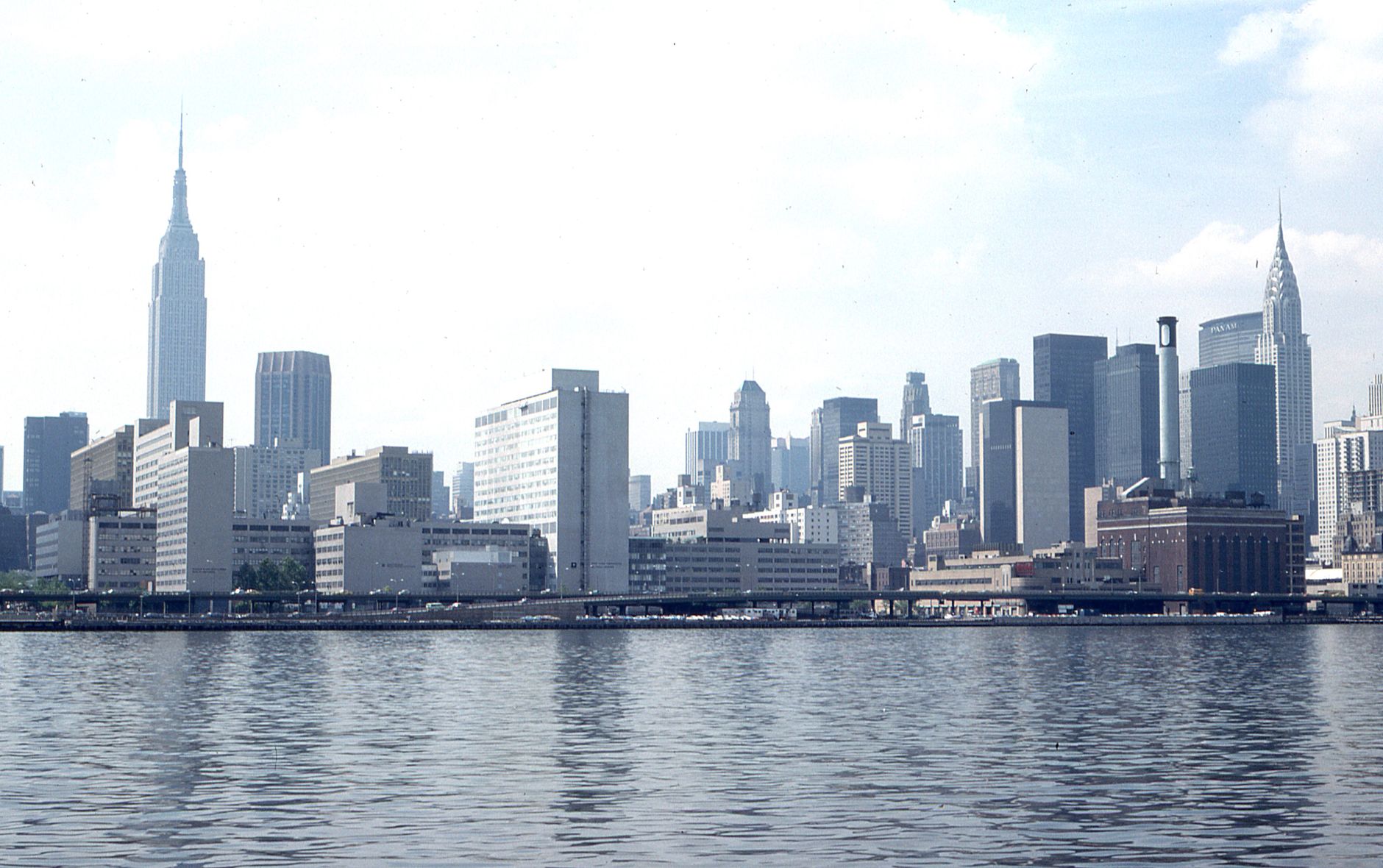
September is one of the easiest months to enjoy New York City well. Summer crowds start to loosen, the air is usually more comfortable for long walks, and the city feels active without the holiday-season crush. If you are planning a first or second visit, this is a strong moment to build a weekend around neighborhoods rather than trying to race through every landmark.
This guide is for travelers who want a practical three-day plan: a downtown day, a Midtown and museum day, and an Upper Manhattan or Brooklyn day depending on your pace. It is not a box-ticking marathon. The goal is to help you move through New York City logically, spend less time backtracking, and leave enough room for the small moments that make the city memorable.
If you like exploring on foot, Ingry is especially useful in New York City for understanding what you are passing between the big sights, not just the headline stops.
Why September works so well in New York City
For 2026, September also brings NYC Broadway Week in Manhattan, which New York City Tourism + Conventions lists for September 2026. The city’s official tourism organization has also highlighted the fall return of NYC Off-Broadway Week in October, which is useful context if your trip stretches later into the season. Meanwhile, Broadway.org remains a reliable place to confirm what is actually running before you plan an evening around a specific show. (business.nyctourism.com)
What makes September especially practical is the walking rhythm. You can spend a morning downtown, cross neighborhoods on foot, and still have energy for a museum or theater later. In warmer months, many visitors overestimate how much they can comfortably do outside. In September, the same route often feels much more manageable.
It is still worth planning around crowd patterns. Fridays and Saturdays stay busy in Lower Manhattan, Central Park, and around Times Square. Sunday mornings tend to feel calmer in business-heavy areas downtown, while museum-heavy parts of Manhattan often build up from late morning onward.
How to structure a 3-day September trip
The smartest New York weekend is usually built by area:
Day 1: Lower Manhattan and the harbor
Start with the oldest and most visually dramatic part of the city. Walk the Financial District early, before the area turns into a mix of commuter traffic and heavy sightseeing. From there, continue toward the waterfront rather than doubling back inland.
A good sequence is the Battery, the harbor views, and then a northbound walk through the narrow streets toward Wall Street, Trinity Church, and the World Trade Center area. If visiting the Statue of Liberty and Ellis Island is high on your list, keep that as the main event of the morning and avoid trying to stack too much else on top of it. Ferry-based sightseeing takes more time and energy than it looks on a map.
If you do not want the full island visit, staying in Manhattan and walking the shoreline is often the better use of a short trip. The southern tip of Manhattan gives you skyline views, water, and a strong sense of place without the queueing and transit layers.
By late afternoon, shift into one nearby neighborhood rather than trying to cover all of downtown. Choose either the civic side around City Hall and the Brooklyn Bridge approach, or the more relaxed route toward South Street Seaport. Both work better than bouncing between scattered points.
Day 2: Midtown, a major museum, and a Broadway evening
Midtown is where many trips get messy. The area is dense, noisy, and easy to overbook. Keep this day simple: one major corridor, one museum, one evening plan.
In September, begin outdoors while the light is good and the streets are not yet at peak volume. Fifth Avenue, Bryant Park, the New York Public Library exterior, and Rockefeller Center all connect naturally. If you want an observation deck, do it either early or near sunset, but not in the middle of the day when lines and glare can make the experience less pleasant.
For museum time, choose one institution and commit to it. The Metropolitan Museum of Art is usually the strongest choice for a first-time visitor because it rewards even a short visit. In 2026, The Met is presenting Giacometti in the Temple of Dendur from June 12 through September 8, while its long-run Japanese ceramics exhibition continues through August 8, 2027. Those dates matter if you are planning an early-September visit and want to pair a seasonal trip with a specific exhibition. (metmuseum.org)
Then keep the evening for theater. Broadway.org confirms current production runs and schedules, which is far more useful than relying on old travel lists. One example: Arthur Miller’s Death of a Salesman is listed at the Winter Garden Theatre with performances through August 9, 2026, so that would not be a September option. Always check your exact travel dates before building the day around a show. (broadway.org)
If you use Ingry, this is the kind of day when it helps most: Midtown can feel visually overwhelming, and having a walking-focused guide makes the route between landmarks more coherent.
Day 3: Choose between Upper Manhattan calm or Brooklyn views
Your third day should depend on your energy, not on guilt about missing something.
If you want a quieter finish, go uptown. A Central Park walk paired with the Upper West Side or the northern edge of Museum Mile works well if you want a more spacious New York day. The point is not to conquer the entire park. Pick one segment and enjoy it properly.
If you want skyline views and neighborhoods, choose Brooklyn instead. DUMBO and Brooklyn Heights make sense for a short visit because they combine strong architecture, river views, and walkability. Go early if you want the Brooklyn Bridge area at its most photogenic and least chaotic. If you cross the bridge, do it in one direction only. Walking both ways wastes time unless the bridge itself is your main goal.
A third option for repeat visitors is the Bronx for the New York Botanical Garden, but only if that is your focus for the day. It is excellent, yet it should not be treated as a quick add-on. Official NYBG information shows that major seasonal programming such as the Orchid Show runs on specific dates, so always verify whether a special exhibition overlaps your travel period. (nybg.org)
What to book ahead for a September weekend
Book ahead for only the things that create real friction if left to chance:
Broadway tickets, one major observation deck if that matters to you, and any ferry-based harbor visit should be handled before arrival. Major museum special exhibitions are also worth checking in advance, even when general museum entry is straightforward. Official sources are the safest place to confirm dates and availability. (broadwayleague.com)
What you usually do not need to overplan is every meal, every coffee stop, or every minor viewpoint. New York City works best when the framework is fixed but the middle of the day stays flexible.
How to move through the city without wasting half the weekend
The biggest mistake in New York is not walking too much. It is zigzagging between neighborhoods that do not belong together on the same day.
Pair downtown with downtown. Pair Midtown with either a nearby museum or theater. Pair Brooklyn waterfront areas with Lower Manhattan or keep them for a separate day. If you follow that logic, the city becomes much less tiring.
Also, assume that street conditions can change around major events, roadwork, or security activity. NYC DOT publishes weekend traffic advisories, and the city has been especially active about travel alerts around major event periods. Even if you are mostly walking and taking transit, it is useful to know when certain corridors may be unusually congested. (nyc.gov)
What first-time visitors can skip
You do not need to spend long in Times Square unless theater is your focus. See it once, ideally en route to something else. You also do not need multiple observation decks on a three-day trip. One is enough.
Another easy cut is trying to cram in both a full museum afternoon and a long shopping session in the same part of the day. In practice, one of those experiences usually gets reduced to rushed wandering.
And if your trip is only a weekend, be careful with overambitious borough-hopping. It is better to know Manhattan and one slice of Brooklyn well than to collect brief, disconnected stops across the entire map.
A realistic September mindset for New York City
New York rewards selectivity. The city is too large to “complete,” even on a long stay, and September is best enjoyed as a season for walking, looking, and pacing the days well. Build your trip around two or three strong areas, leave room for an unplanned detour, and let the city reveal itself between the major sights.
That is also why a walking-first tool like Ingry fits naturally into a New York weekend. The pleasure here is often not only the destination, but the block-by-block story between one place and the next.
If you plan it that way, September can feel less like a rushed bucket-list trip and more like the version of New York people hope to find when they book it: energetic, layered, and surprisingly manageable.
Télécharger
Saint-Pétersbourg
Moscou
Rome