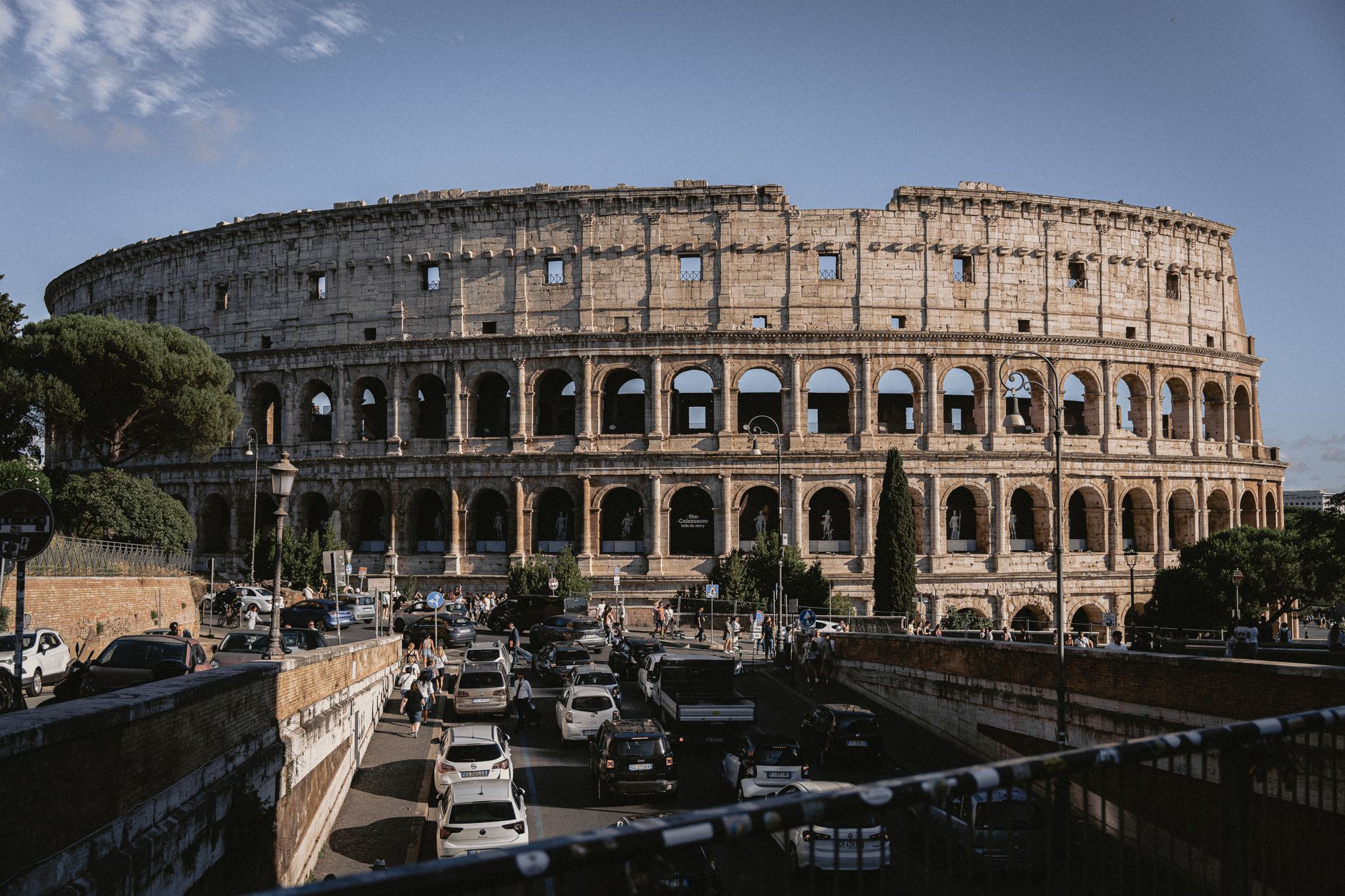
August in Rome can be better than people expect if you plan it around the city’s real rhythm. The heat is serious, the middle of the day can feel slow, and Ferragosto on August 15 changes how locals use the city. But August also brings one real advantage: Rome becomes more atmospheric after sunset, and some neighborhoods feel calmer than they do in peak spring and early summer.
If you are coming for a weekend or a short holiday in August 2026, the smartest approach is not to chase too many landmarks in the hottest hours. Build your days around an early start, a long shaded break, and a second round of exploring in the evening. That is when Rome opens up again.
This guide is especially useful if you want a practical first trip: the historic center, the Vatican side, a classic evening route, and a Ferragosto plan that does not depend on guesswork. To navigate between stops on foot and understand what you are passing, it helps to keep Ingry on your phone for walking routes and quick context as you move through the city.
Why August in Rome works for a short trip
Rome’s official tourism site is already listing city events and museum activity for August 2026, including Ferragosto programming on August 15 and summer evening cultural options across the month. State-run museums and archaeological sites are expected to remain open on Ferragosto at regular admission rates, and some evening experiences continue through the holiday weekend. That makes August a workable time for a short stay, as long as you plan for heat rather than pretending it does not matter.
What changes the trip most is pacing. In August, Rome rewards travelers who walk early, pause in the afternoon, and return outside after dinner. If you try to do the Colosseum, Roman Forum, Vatican Museums, and central squares back to back from noon to 5 pm, the city will wear you down fast.
Who this Rome August guide is best for
This itinerary works best for first-time visitors staying two or three days, especially if you want the big historic sights but still want Rome to feel like a city rather than a checklist. It also suits travelers arriving over the Ferragosto weekend, when it helps to know which kinds of places are most reliable and which parts of the day to leave flexible.
If your priority is maximum museum volume, another season may be easier. If your priority is atmosphere, outdoor walking, long evenings, and seeing Rome in a slightly slower mood, August can be a strong choice.
How to think about Ferragosto in Rome
Ferragosto falls on Saturday, August 15, 2026. Rome’s official tourism listings say state-run museums, archaeological parks, villas, gardens, and other cultural sites will stay open that day at current admission rates. The city is also promoting Ferragosto museum openings and summer programming around that period, including evening experiences such as the Ara Pacis show and the augmented-reality visit at Circus Maximus.
The practical takeaway is simple: do not assume Rome shuts down completely on Ferragosto, but do assume the day has a holiday feel. Some independent businesses may run on altered schedules, and neighborhoods can feel uneven from one street to the next. For a short trip, that means relying on major sights you can verify in advance, keeping meals flexible, and avoiding a schedule that depends on many small timed stops.
A smart 3-day Rome plan for August
Day 1: Ancient Rome early, center of Rome late
Start with your most exposed archaeological area as early as possible. The Colosseum and Roman Forum zone is far more pleasant in the morning than in the middle of the afternoon. After that, move toward the Capitoline Hill area and then into the historic center at a slower pace.
For the hottest part of the day, do less. Pick one shaded church, one indoor museum, or simply a long lunch followed by rest at your hotel. Rome is one of the worst cities to over-schedule in August.
In the evening, walk a classic central route: Piazza Venezia, the Pantheon area, Piazza Navona, and the Trevi side streets. These places are never empty, but after sunset they feel much more forgiving. This is a good moment to use Ingry to follow a coherent walking line instead of zigzagging through crowded lanes without a plan.
Day 2: Vatican side in the morning, Prati and the river later
Put the Vatican side first, not last. Whether your focus is St. Peter’s area, nearby religious sites, or simply the atmosphere around the Borgo and Prati neighborhoods, morning gives you the best chance of cooler walking and clearer energy.
After lunch, step back from the obvious route. Prati works well in August because its grid is easier to walk than the denser lanes of the historic center, and it gives you a breather from constant monument-hopping. Later, head back toward the river for an evening walk. The Tiber edges and bridge views make more sense after the sun drops than they do at 3 pm.
If you are in Rome around Ferragosto weekend, this is also the kind of day where a verified evening cultural add-on can work well. Rome’s official August listings include ongoing summer events and open-air programming across the city, so it is worth checking current listings close to your travel dates rather than locking yourself into assumptions too early.
Day 3: A lighter neighborhood day, not one more marathon
Your last day should not try to compete with the first two. In August, Rome is better when the final day is lighter: Trastevere in the morning before it gets crowded, the Aventine area for a quieter walk, or a museum-and-viewpoint combination rather than another huge archaeological push.
This is also the right day for places that reward wandering more than ticking boxes. Rome has enough major sights that many travelers forget to leave room for streets, courtyards, smaller churches, and good hilltop pauses. A city like this needs one unhurried stretch.
Where to walk when the day gets hot
In August, the best Rome strategy is not just about what to see, but when and where to move. Broad open stone areas feel much hotter than shaded streets. That means the order matters.
Good morning zones: the Colosseum side, Forum approaches, large basilica areas, and longer viewpoint walks.
Better late-afternoon or evening zones: the Pantheon quarter, Piazza Navona area, Trastevere, and river-adjacent walks.
Good midday fallback areas: museums, bigger churches, hotel rest, or a sit-down lunch in a neighborhood you already reached on foot.
What to skip in peak heat: forcing yourself through long exposed queues, crossing the center repeatedly, or hiking from sight to sight just because they look close on a map.
What first-time visitors often get wrong in Rome in August
They underestimate distances between “nearby” sights
Central Rome looks compact online, but the heat changes everything. A route that feels easy in October can feel draining in August.
They treat midday like normal sightseeing time
It is usually the least efficient part of the day. Use it for rest, food, or one indoor stop.
They plan every meal around a fixed address
On a holiday weekend such as Ferragosto, it is smarter to stay adaptable, especially between major sightseeing blocks.
They try to see Rome only through headline attractions
The city is strongest when you combine one or two major sights with neighborhoods and walking logic. That balance matters even more in summer.
What to book ahead for an August weekend in Rome
For a short trip, book your highest-priority major attractions ahead of time and verify official opening information close to your dates, especially around August 15. Rome’s official tourism pages confirm Ferragosto museum openings for 2026, but specific institutions can still have their own operating details, so last-minute checking is worth it.
If you want an evening cultural activity, August is one of the few times when a late slot can genuinely improve the experience. Rome’s official event listings show summer evening programming and exhibitions running through August and into early autumn, so this is a month where a later plan can be smarter than a midday one.
Should you visit Rome in August 2026?
Yes, if you plan for the season honestly. August is not Rome at its easiest, but it can be Rome at its most dramatic in the evenings: warm light on stone, slower post-dinner walks, and a holiday atmosphere that feels different from the busier rush of spring.
Come with a compact plan, protect your mornings, and do not measure the trip by how many ticketed sights you can stack into one day. If you move through Rome well, even a weekend can feel rich rather than rushed. And if you want help making those walking decisions on the ground, Ingry is a useful companion for turning the city into a route instead of a scramble.
In August, that difference matters.
Télécharger
Saint-Pétersbourg
Moscou
Rome