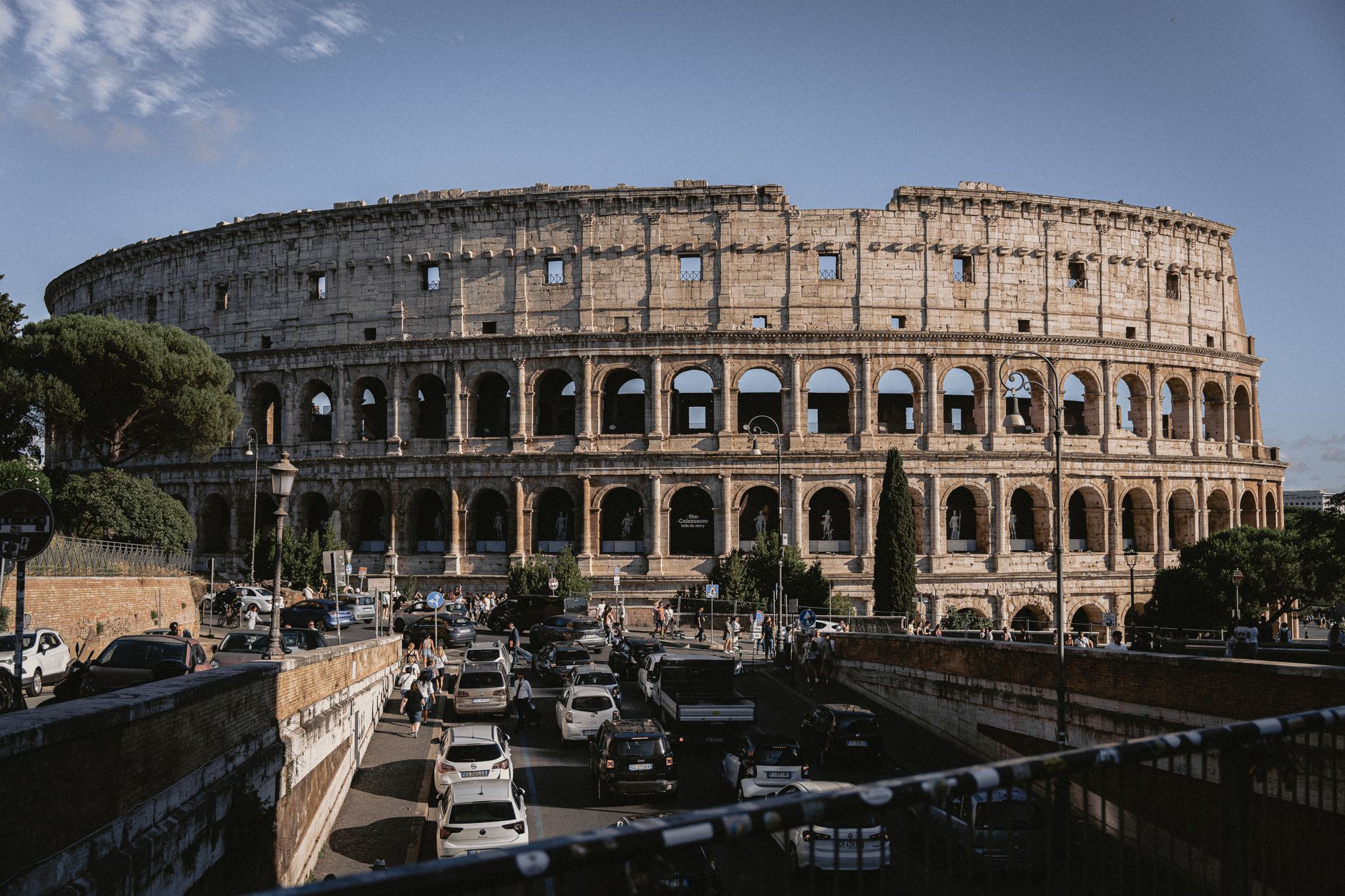
August in Rome can look intimidating on paper: serious heat, a national holiday in the middle of the month, and a city rhythm that shifts noticeably compared with spring or October. But for many travelers, it is still a very workable time to come. The key is not trying to do Rome the way you would do it in April. In August, good planning matters more than ambition.
If you build your days around early mornings, shaded lunch breaks, and long evening walks, Rome can feel surprisingly generous. Big monuments are still the anchors, but the real pleasure often comes from how you move between them: crossing the Tiber after sunset, pausing in Trastevere when the light softens, or saving museums for the hottest hours. Rome’s official tourism site also notes that on Saturday, August 15, 2026, for Ferragosto, state-run museums, archaeological parks, and civic museums in Rome are scheduled to remain open at their usual rates and hours, subject to each site’s booking rules. The same official August listings also highlight free-entry days on Sunday, August 2, 2026, for many national and Roma Capitale sites, and on Sunday, August 30, 2026, for the Vatican Museums during their monthly free opening. (turismoroma.it)
This is a weekend guide for travelers who want Rome to feel manageable rather than exhausting. It is especially useful if you are coming in August 2026, including the Ferragosto period, and want a realistic route instead of a giant checklist.
Why August in Rome can still work
The usual warning about Rome in August is the heat, and that warning is fair. What matters is how you respond to it. In practical terms, August is a month to start early, slow down in mid-afternoon, and treat evenings as prime sightseeing time. The upside is that the city often feels less businesslike and more spacious in some central streets outside peak monument hours. Summer programming also spreads into open-air film screenings and riverside evening life, with Rome’s official August events page listing several seasonal outdoor events across the city. (turismoroma.it)
Another useful point for 2026: Rome’s official tourism site says Lepanto station on Metro Line A is closed until August 30, 2026, while trains continue to run through without stopping there. If you are staying near Prati or using Line A for Vatican-area plans, that is worth knowing before you map your days. (turismoroma.it)
Who this weekend is best for
This kind of August weekend in Rome suits first-time visitors who want the classic city but do not need to cram in every museum, and repeat visitors who are happy to spend more time outdoors after dark. It is less ideal if your dream trip depends on long midday walks through exposed archaeological sites with no shade.
The best mindset is simple: do the headline places early, use the hottest part of the day for interiors or lunch, and save your prettiest walk for the evening.
A smart 3-day Rome plan for August
Day 1: Ancient Rome before the heat builds
Start with the Colosseum area and the Roman Forum side of the historic center as early as you can manage. This is the day to do your most exposed walking first. Even if you do not enter every major site, the broader area around the Colosseum, the Arch of Constantine, Via dei Fori Imperiali, and Capitoline Hill gives you a strong sense of Rome’s scale.
By late morning, move toward a slower indoor stop or a long lunch rather than forcing more ruins into the hottest hours. After a rest, come back out in the evening for a walk from Piazza Venezia toward the Pantheon and Piazza Navona. This route works especially well after sunset because the distances are short, the atmosphere changes completely, and you are not stuck in one open sunbaked zone.
If you want help understanding what you are looking at while walking, Ingry is useful in Rome because it works well for piecing together landmarks and side streets rather than treating the city like a museum queue.
Day 2: Vatican side in the morning, Trastevere in the evening
Make the Vatican side your early start on day two. Whether you prioritize St. Peter’s area, the surrounding streets of Borgo and Prati, or a museum visit, the logic is the same: do this part before midday crowds and heat combine. If you are using the metro, remember that Lepanto station is officially closed through August 30, 2026, so plan a different stop or expect a longer walk. (turismoroma.it)
In the afternoon, avoid the temptation to power straight into another major monument. Instead, cross the river later in the day and let Trastevere be your evening neighborhood. Come for the walking more than for a rigid attraction list. The side streets, church facades, and gradual shift from quiet afternoon to lively dinner hours are the point.
This is also a good night to walk over Ponte Sisto and continue toward Campo de’ Fiori or back into the historic center. Rome is at its most forgiving in August once the sun drops.
Day 3: Pick one museum or gallery, then end with a hilltop or riverside walk
Your third day should be selective. Do not try to “finish Rome.” Choose one substantial indoor visit or one compact neighborhood plan. In August, one good museum plus one memorable walk is usually better than three rushed sights.
If your weekend includes Ferragosto itself, August 15, 2026, Rome’s official tourism site says state museums, archaeological parks, and civic museums are expected to stay open at standard rates and hours, with some activities and visits continuing across the holiday weekend. That makes Ferragosto a better sightseeing day than many travelers assume, though individual sites may still require booking. (turismoroma.it)
Finish the trip with a panoramic walk rather than one more queue. Even in peak summer, ending on a terrace, a riverside stretch, or a slower pass through the centro storico leaves a stronger memory than chasing one last ticket.
How to handle Ferragosto in Rome
Ferragosto falls on Saturday, August 15 in 2026, and it changes the feel of the city. Some travelers assume this means Rome shuts down completely. That is too simple. Official tourism information for Rome says many museum and archaeological sites remain open for Ferragosto, including both state-run and Roma Capitale sites, following usual opening arrangements and booking rules where required. (turismoroma.it)
What does change is the rhythm. Romans who can leave the city often do, while visitors concentrate around major landmarks and evening events. So the best Ferragosto strategy is to book anything essential ahead, keep midday flexible, and lean into the evening. Think less in terms of “What is open?” and more in terms of “Where will walking feel good after 7 p.m.?”
What to prioritize in August, and what to skip
Prioritize
Prioritize neighborhoods that connect well on foot in the evening: the historic center, the Tiber crossings, Trastevere, and the streets around major piazzas. Prioritize one major archaeological morning, one Vatican-focused morning, and one museum or gallery during the hottest hours. If your dates align, the official August listings also point to free-entry opportunities on the first Sunday of the month and the Vatican Museums’ last-Sunday opening, both of which can matter for budget travelers but may also mean heavier crowds. (turismoroma.it)
Skip or reduce
Skip the idea of stacking the Colosseum, Forum, Palatine, a long cross-center walk, and the Vatican all in one day. In August, that is usually not efficient; it is just punishing. Also skip unnecessary zigzagging across the city in the afternoon. Rome rewards cluster-based planning more than ambitious transit-heavy schedules.
And unless a specific restaurant is the point of your trip, do not spend your best evening standing in a line somewhere you found on a generic list. In summer, your route matters more than your checklist.
Where to base yourself for an August weekend
For a short August stay, centrality matters more than chasing a perfect hotel district label. Staying somewhere that lets you walk back after dinner or after an evening piazza stroll is especially valuable in summer.
The historic center works well if this is your first trip and you want Rome’s classic atmosphere at your doorstep. Trastevere suits travelers who want evenings to feel lively without needing a packed daytime schedule there. Prati can still be a practical base for the Vatican side, but in August 2026 you should note the temporary Lepanto closure on Metro Line A if that station would normally shape your route. (turismoroma.it)
Using the city well instead of rushing it
Rome is one of those places where navigation decisions shape the trip as much as the monuments do. In August especially, it helps to explore with a tool that keeps walking coherent. Ingry can help you connect major landmarks with quieter corners, follow a route without constantly breaking the flow, and make more sense of what is around you when you are moving between headline sights.
That matters because August is not the month to waste energy on avoidable backtracking. If you can keep each half-day in one logical part of Rome, the city feels much easier.
A final word on Rome in August
Rome in August is not the city at its easiest, but it can still be one of the city’s most rewarding short-trip formats if you plan for the season instead of against it. Use the mornings carefully, protect the middle of the day, and give the evenings room to breathe. Around Ferragosto, do not assume everything is closed; official 2026 tourism information suggests many important cultural sites remain open, even if you still need to check the individual booking rules for the places that matter most to you. (turismoroma.it)
If you want your weekend to feel less like a queue-hopping exercise and more like a real city break, Rome in August can absolutely work. Walk early, rest when the city is harsh, and come back out when it becomes beautiful again. And if you want a more intuitive way to explore between the big sights, Ingry is a smart companion for moving through Rome on foot.
Télécharger
Saint-Pétersbourg
Moscou
Rome