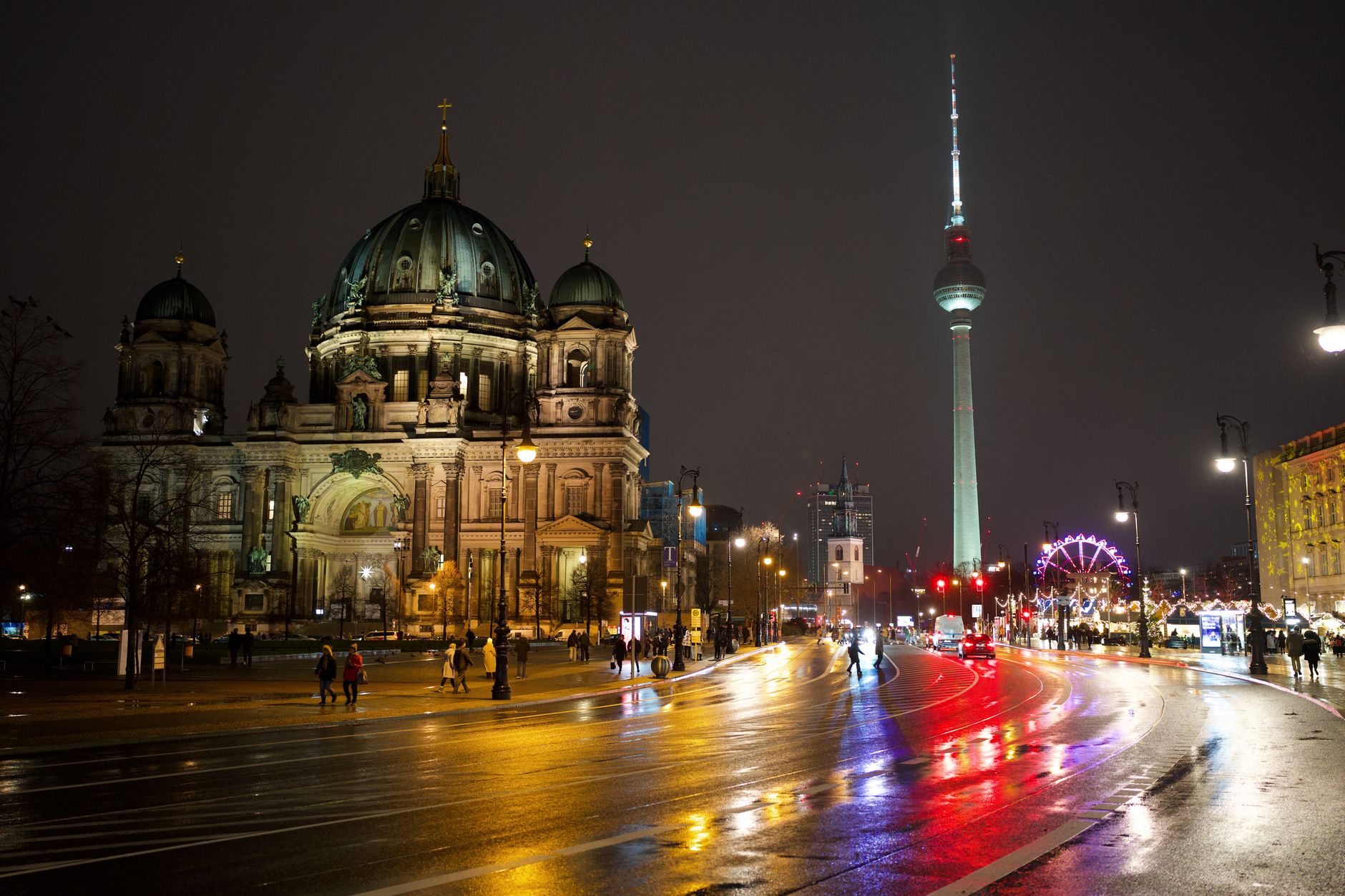
September is one of the most rewarding times to visit Berlin. Summer crowds begin to loosen, the city is still very walkable, and long outdoor stretches feel easier than they do in peak heat. For a first-time visitor, this is a good month to build a Berlin weekend around broad historical areas rather than trying to chase too many separate attractions.
If your trip falls on September 12–13, 2026, you also have a timely bonus: Berlin’s Open Monument Day takes place across that weekend, with architectural, garden, and industrial heritage sites opening to the public, including places that are not usually accessible. The event is free, and official listings are published through Berlin’s monument authorities and city tourism channels. In 2026, it also marks the start of the Berlin Industrial Heritage Festival. For travelers, that makes mid-September an especially good time to see a different side of the city beyond the standard museum list.
This guide is designed for a real long weekend: where to walk, how to group districts logically, when to slow down, and what not to overpack into the day. If you want help navigating on foot between landmarks and smaller places that are easy to miss, Ingry is a useful companion while exploring Berlin.
Why September works so well in Berlin
Berlin is a city that rewards movement. It rarely makes sense to treat it like a checklist of isolated sights. The best trips here connect long avenues, river edges, museum zones, transport hubs, and neighborhood streets into a few strong half-days.
September helps because the pace feels more manageable. You can walk through Mitte without the intensity of midsummer, spend longer outside in Tiergarten or along the Spree, and still mix in major indoor stops. If you visit later in the month, be aware that the BMW Berlin Marathon is scheduled for September 27, 2026, which can affect movement around central streets and public transport near the course. Unless you are coming specifically for the race atmosphere, another September weekend may be easier for a first visit.
Who this weekend plan is best for
This route works especially well for first-time visitors who want a broad understanding of Berlin rather than an overly specialized trip. It suits travelers interested in history, architecture, museums, public space, and neighborhood contrast. It is also good for people who prefer walking-heavy days with sensible transit connections instead of spending too much time crossing the city back and forth.
If your priority is nightlife alone, you will probably want a different plan. Berlin can absolutely be built around late nights, but a short first visit is often more memorable when the daytime structure is strong.
Day 1: Historic Berlin on foot, from Brandenburg Gate to Museum Island
Start with Berlin’s ceremonial center
Begin in the area around Brandenburg Gate and the Straße des 17. Juni axis. This part of the city gives you immediate orientation: grand scale, political symbolism, and easy access to several major directions. From here, walking east lets the city’s historical layers unfold in a way that makes sense even if this is your first morning in Berlin.
Continue toward the Reichstag area, then move through the broad government quarter and on toward Unter den Linden. This is not the most intimate part of Berlin, but it is an important one. The city often reveals itself through contrast, and this formal central spine makes later neighborhood explorations feel clearer and richer.
Use the middle of the day for one major museum area, not three
Museum Island is the obvious next move, but the key is restraint. Do not try to “do” every museum in one afternoon. Pick one or two institutions at most, or simply use the island as an architectural and urban stop. Berlin is more satisfying when you leave room for streets, bridges, courtyards, and pauses rather than treating every day like an indoor endurance test.
This is also a good point in the trip to use Ingry, especially if you want context while walking between major landmarks and smaller historical points that are easy to pass without noticing.
End the afternoon around Hackescher Markt or the Spree
After Museum Island, continue north or northeast rather than doubling back. Hackescher Markt and the surrounding streets make a natural late-afternoon transition out of monumental Berlin and into something denser and more lived-in. If you prefer a quieter finish, stay near the river and keep the evening simple. On a short trip, it is often better to end day one without a complicated cross-city dinner plan.
Day 2: If you are in Berlin for Open Monument Day, build the whole day around it
If your trip falls on September 12 or 13, 2026, this should be your priority day. Open Monument Day in Berlin runs across both days that weekend, and many participating sites are places travelers would not usually think to seek out on a first trip. That is exactly why the event is valuable.
How to approach Open Monument Day intelligently
Do not try to sample too many scattered sites. Instead, choose one part of the city and let the event shape your route there. Berlin is large, and the event covers hundreds of monuments, so a geographically tight plan matters more than a long wish list.
A smart strategy is to choose one of these approaches:
Stay mostly in central Berlin and combine one or two monument visits with a familiar spine such as Unter den Linden, Friedrichswerder, Nikolaiviertel, or the area around Museum Island.
Or choose an industrial or outer-district angle if the official listings show several sites clustered in one direction. In 2026, the heritage weekend also launches the Berlin Industrial Heritage Festival, so this can be a particularly good year to focus on former factories, infrastructure, or transport-related sites rather than only classical monumental architecture.
What makes this weekend different from an ordinary Berlin trip
The appeal is not just free entry. It is access. Many participating places are usually closed or have limited public visibility, which means the day can feel more local and less predictable than a standard first-timer route. It is one of the few moments when Berlin’s built history becomes unusually open and citywide at the same time.
Before you go, check the official monument-day overview and choose sites with realistic travel time between them. Some monuments require guided visits or timed planning, and the detailed program is published in advance through Berlin’s official channels.
Day 3: Kreuzberg, canals, and a softer Berlin finish
Leave the grand center behind
Your final day should not repeat the monumental city center. Berlin makes more sense when you also see how daily life, green space, waterways, and neighborhood streets fit together.
Kreuzberg is a strong choice for this because it gives you a different rhythm: less ceremonial, more layered, and easier to explore without constantly aiming for a single headline attraction. A route around Landwehr Canal, with time to drift through side streets and pause in parks or along the water, creates a much more balanced ending than another museum-heavy schedule.
Keep the route flexible
This is the day to leave some empty space in the plan. Berlin often works best when a neighborhood can breathe a little. If you discover a street, market area, courtyard, or waterside stretch you want to linger in, let that happen. The city is not at its best when every hour is tightly assigned.
If you want a little structure without overplanning, use Ingry to keep your walk coherent and connect places that might otherwise feel unrelated.
How to move around Berlin without wasting time
For a short trip, the best approach is hybrid: walk generously within each district, then use public transport to make bigger jumps. Avoid bouncing between opposite sides of the city just because individual attractions look close on a map. Berlin’s scale is deceptive. A day becomes much easier when each half is concentrated in one broad area.
Think in zones instead of single sights: central ceremonial Berlin, Museum Island and adjacent Mitte, then one neighborhood district such as Kreuzberg. That structure keeps the trip from feeling fragmented.
What to skip on a first September weekend
Skip the temptation to cover every famous district in three days. You do not need to force Charlottenburg, Prenzlauer Berg, Kreuzberg, Friedrichshain, Museum Island, the government quarter, and several major museums into one weekend just to say you saw them.
Also skip long detours for places that only make sense with a very specific interest. Berlin has plenty of worthwhile sites, but not all of them belong in a first short visit. Depth beats coverage here.
When this article is especially useful
This plan is most useful for travelers visiting Berlin in September 2026, especially on the Open Monument Day weekend of September 12–13. It is also a strong framework for any early-autumn weekend when you want a first trip that feels both historical and walkable without turning into a museum marathon.
If you are visiting on the weekend of September 27, 2026, double-check logistics because the Berlin Marathon is scheduled for that Sunday and can reshape movement through central areas. For some visitors that is part of the attraction; for others, it is a reason to choose a different weekend.
Final thought
Berlin rewards travelers who plan with a little discipline and then leave room for atmosphere. In September, that balance is easier to get right. Build your days around a few strong geographical ideas, use the Open Monument weekend if your dates line up, and let the city reveal itself on foot instead of trying to conquer it all at once.
Télécharger
Saint-Pétersbourg
Moscou
Rome