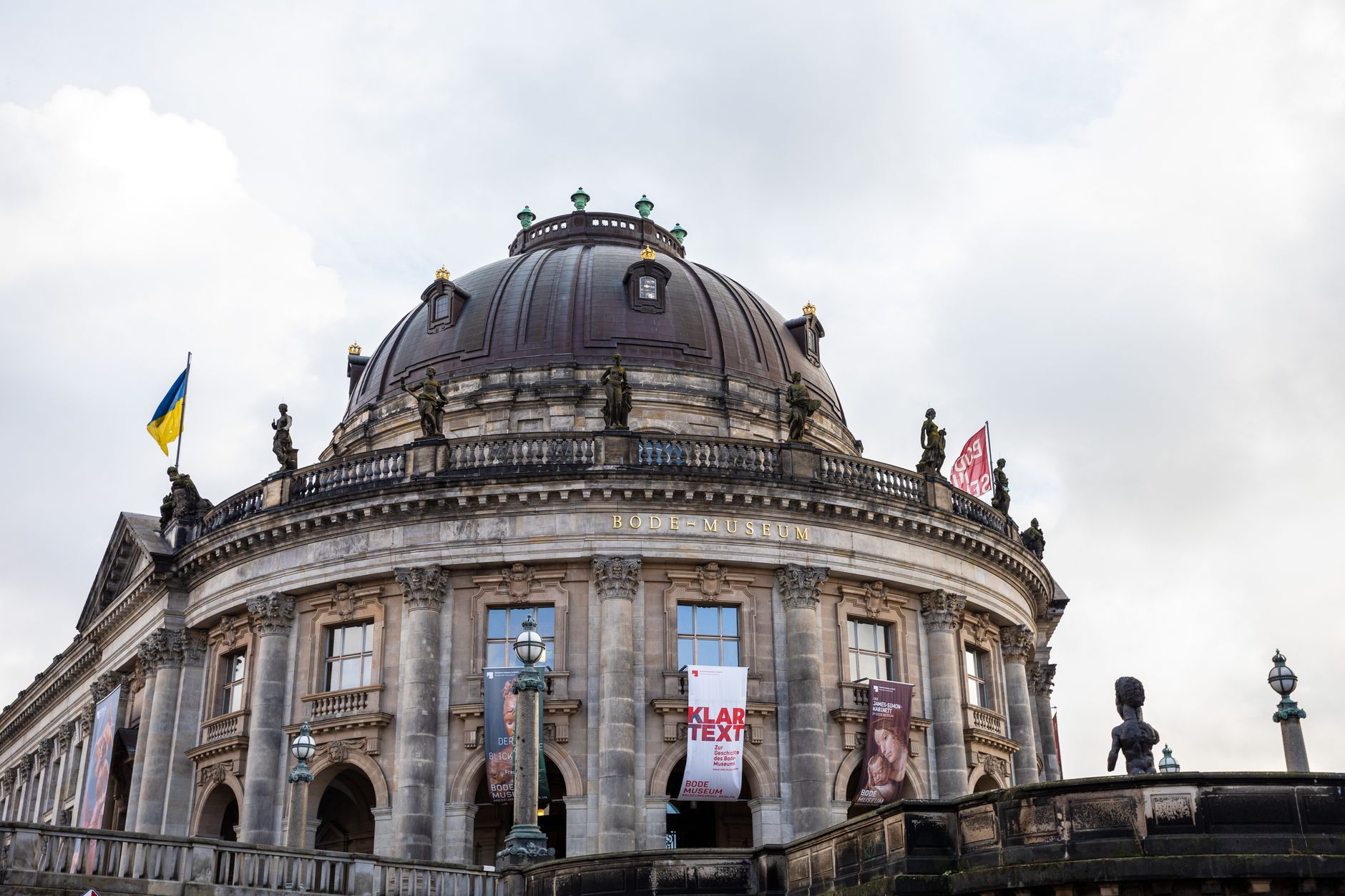
For many first-time visitors, Berlin can feel harder to organize than other European capitals. The landmarks are spread out, the city is large, and the experience is less about one perfect historic core than about moving between distinct neighborhoods. That is exactly why Museum Island works so well as the anchor for a short trip. It gives structure to a Berlin weekend: grand museums, river views, easy walking, and a central position between Mitte, Unter den Linden, Alexanderplatz, and the eastern neighborhoods.
Museum Island is part of Berlin’s historic center and is listed as a UNESCO World Heritage Site, which tells you something about its cultural weight as well as its architecture. It is also one of the easiest places to build a sensible route around if you only have two or three days. (visitberlin.de)
This guide is for travelers who want a practical Berlin plan rather than a frantic checklist. You will not see everything. You do not need to. The goal is to connect Berlin’s big museum district with walks, neighborhoods, and enough breathing room to enjoy the city at a human pace.
Why base a Berlin weekend around Museum Island?
Museum Island sits in the heart of central Berlin, close to the boulevard Unter den Linden, Berlin Cathedral, the Humboldt Forum area, and straightforward transport connections into the rest of the city. It is also one of the strongest museum clusters in Europe, and Berlin’s official tourism and museum sites continue to frame it as a core cultural focus in 2026. (visitberlin.de)
For a short trip, the logic is simple:
You can spend one full day on the island itself, one day moving west through central Berlin, and one day heading east or southeast into neighborhoods with a more local rhythm. That keeps transit time reasonable and avoids the mistake many visitors make in Berlin: crossing the city too often just to tick off famous names.
Who this itinerary suits best
This is a good plan if you like museums, architecture, city walks, cafes, and neighborhoods with distinct character. It is less ideal if your main Berlin priority is nightlife, football, or day trips far outside the center. You can still add those, but then you should shorten the museum time rather than trying to force everything in.
Before you start: what to know about pacing Berlin
Berlin rewards grouping areas rather than chasing attractions one by one. In the historic center, crowds tend to thicken from late morning through mid-afternoon, especially around Museum Island, the cathedral area, and the streets around Alexanderplatz. Early starts help. If you can begin outdoor walking before the main museum rush, the center feels much calmer.
Another useful point: not every famous museum needs to be part of the same day. Berlin’s museum offering is deep, and trying to see too much in one stretch often turns the trip into an indoor marathon. Pick one or two institutions that matter most to you and build the day around them.
For navigation on foot, short historical context, and route planning between major sights and smaller corners, Ingry is genuinely useful in Berlin because the city reveals itself better when you understand what you are walking past, not only what you pre-booked.
Day 1: Museum Island, Berlin Cathedral, and the historic center
Morning: start before the center gets busy
Begin in Mitte and walk toward Museum Island early. The river setting matters here: bridges, stone facades, and broad ceremonial streets make the area feel more spacious before the tour groups build up. If the weather is clear, start outside rather than going indoors immediately. Walk around the island first, take in the views toward the cathedral and the museums, and only then choose your first interior stop.
If this is your first Berlin trip, today is the day for the most famous cultural sites. But be selective. One substantial museum visit is often enough for the morning. Two is realistic for a full day. More than that usually blurs together.
Late morning to early afternoon: choose depth over quantity
A smart rule for Berlin is to pair one major museum with one lighter cultural stop or one long outdoor walk. That leaves enough energy for the city itself. After your main museum visit, step back outside instead of immediately joining another queue. Walk by the Berlin Cathedral exterior, continue around the Spree, and let the district feel like a place rather than just a set of ticketed rooms.
If you enjoy context while moving through the city, this is a good moment to use Ingry to connect the grand buildings with Berlin’s shifting history. The center makes more sense when you see how imperial, wartime, socialist, and reunified Berlin all overlap here.
Afternoon: Unter den Linden and a gentle westward walk
From Museum Island, continue along Unter den Linden. This gives the day shape without forcing more transport. The boulevard is one of the simplest ways to understand central Berlin spatially: major institutions, formal urban design, and a line of movement toward Brandenburg Gate.
If you still want another indoor stop, do it only if your energy is good. Otherwise, keep walking. Berlin is one of those cities where a well-timed outdoor stretch often improves the trip more than one extra museum.
Evening: stay central, but avoid overextending
For your first night, stay in Mitte or nearby instead of racing across town. That lets the day end smoothly and keeps the historic center coherent in your memory. If you are tempted to squeeze in a distant nightlife district immediately, be honest about fatigue. Berlin’s scale is deceptive.
Day 2: Reichstag area, Brandenburg Gate, Tiergarten, and a westward reset
Why this works after Museum Island
After a museum-heavy first day, the best move is space. The ceremonial core around Brandenburg Gate is busy, but once you edge into Tiergarten the city opens up. This creates a useful contrast with the denser historic center.
Morning: go early around the big landmarks
Start near Brandenburg Gate early if you want photographs or a calmer atmosphere. This zone is one of the busiest in the city by late morning. The same goes for the Reichstag area. Even if you are mostly interested in outdoor sightseeing, arriving earlier gives you more breathing room and a better sense of the monumental layout.
Midday: walk into Tiergarten instead of adding more central stops
This is where many short-trip itineraries go wrong: they remain in the dense center too long. A better Berlin rhythm is to step into Tiergarten after the major sights. The park acts as a reset. It lowers the noise level, breaks up the stone-and-monument sequence, and keeps the weekend from feeling over-programmed.
If the weather is warm, this middle part of the day is much easier in the park than on open plazas and broad central streets. Berlin summer days can reward long outdoor hours, but open exposed areas feel more tiring than leafy routes.
Afternoon: choose one west-side cultural stop or simply keep the walk going
You do not need another marathon museum session here. If you have already had a dense first day, the smarter choice is to keep Day 2 lighter. Berlin is best when the trip alternates intensity and ease.
If you do want to continue exploring on foot, aim for a route that finishes in a neighborhood where dinner feels easy rather than formal. The point is to end the day with less friction.
Day 3: Kreuzberg and Friedrichshain for Berlin beyond the postcard core
Why the third day should shift east or southeast
By Day 3, most visitors need a different Berlin. Not another monumental avenue, not another cluster of official buildings. Kreuzberg and Friedrichshain make sense because they offer contrast: canals, street life, parks, food, long walks, and a less ceremonial version of the city.
This is also where Berlin feels less like a museum capital and more like a lived-in place. That matters on a weekend trip. Without at least one neighborhood day, many travelers leave with a narrow picture of Berlin.
Morning: choose one neighborhood and stay with it
Do not try to “do” every cool district in one day. Pick a starting point in Kreuzberg or Friedrichshain and move gradually. Walk streets, browse side roads, pause in cafes, and let the day be less scheduled. Berlin’s appeal often comes from the transitions between places rather than the headline sight itself.
Afternoon: stretch the route along the river, canal, or park edges
This is the day for flexible urban walking. Instead of designing a rigid attraction list, build around a corridor: waterside stretches, a park edge, or a run of interesting streets. That keeps the day open enough for weather changes and mood shifts.
For this kind of wandering, Ingry works well because Berlin has many places that are meaningful without being obvious. A former border trace, a courtyard, a memorial fragment, a riverside industrial building, or a side-street square can all become more interesting when they are placed in context.
Evening: end where Berlin feels relaxed, not rushed
Your last evening should not be overplanned. Choose a neighborhood where staying out a bit longer feels natural, but do not build the entire day around one dinner reservation or one nightlife ambition unless that is the main reason for your trip.
What to skip if you only have one weekend in Berlin
Skip the urge to cross the city repeatedly for isolated landmarks. Berlin is too large for that to feel efficient.
Skip packing three major museums into one day unless you already know your stamina for that kind of trip.
Skip trying to combine heavy history, full museum visits, shopping streets, nightlife, and far-flung neighborhoods all in 48 hours. Berlin punishes overreach more than compact cities do.
And skip treating Alexanderplatz as the center of your emotional Berlin experience. It is useful as a transport point, but not usually the place where visitors enjoy lingering most.
If you are planning for a special museum weekend
Berlin’s calendar does include major museum-focused events. One of the best known is the Long Night of Museums, which the official event site lists for 29 August 2026, with tickets available from 3 August 2026. Berlin’s official tourism site also includes the Long Night of Museums among the city’s key 2026 events. (langenachtdermuseen.berlin)
If your trip falls on that weekend, plan differently: keep your daytime schedule lighter, avoid exhausting yourself before evening, and choose museum targets strategically rather than chasing too many venues. These event nights are exciting, but they are not the same as a standard museum day. They reward planning and restraint.
Where this itinerary fits best in the year
This kind of Berlin weekend works especially well from the warmer months into early autumn, when walking between districts feels rewarding and the city’s parks, river edges, and outdoor spaces can carry more of the trip. It also works in cooler seasons if you shorten the outdoor stretches and use cafes and museums as warming breaks instead of trying to push long exposed routes.
Final thought
The best short Berlin trips are not the ones that “cover” the most. They are the ones that understand the city’s shape. Museum Island gives you the cultural core, Tiergarten gives you breathing room, and Kreuzberg or Friedrichshain gives you texture. Put those three pieces together and Berlin starts to feel coherent.
If you plan your weekend around connected walks instead of disconnected attractions, you will remember more, rush less, and actually enjoy the city you came to see.
Télécharger
Saint-Pétersbourg
Moscou
Rome