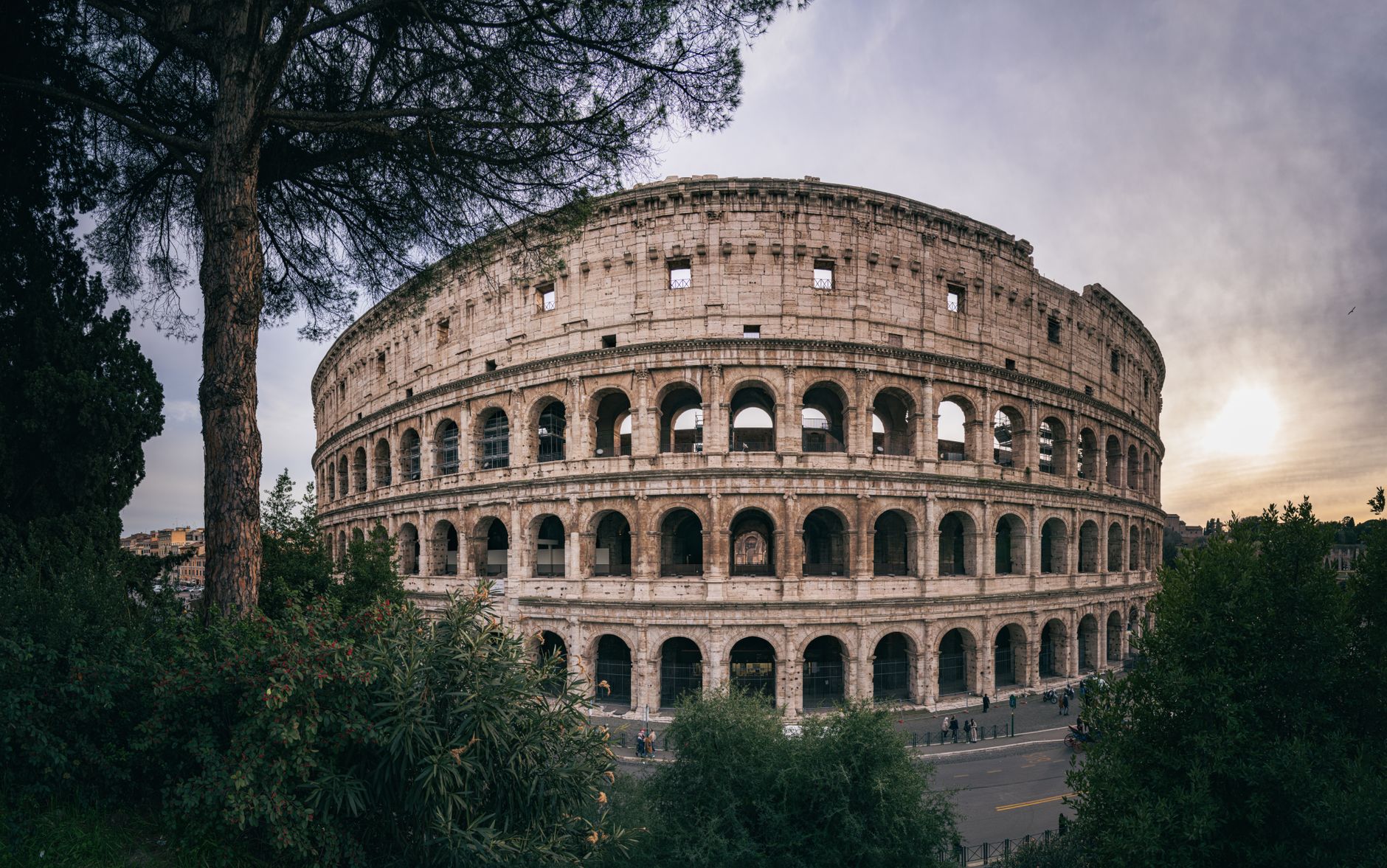
November is one of the most underrated times to visit Rome. The light is softer, long outdoor days give way to a better balance of churches, museums, and neighborhood walks, and the city often feels more manageable than it does in peak spring or early autumn. Rome’s official tourism guidance notes that November is one of the wetter months, so this is not the trip to plan around endless terrace hours. It is, however, a very good month for a thoughtful long weekend built around the historic center, the Vatican area, and a few well-chosen indoor stops. (turismoroma.it)
If you are coming for three days, the smartest approach is not to race across the whole city. Rome rewards travelers who move in clusters: ancient Rome in one part of the day, the centro storico on foot, then a museum or church when the weather turns. This guide is built for exactly that kind of trip.
Why Rome works especially well in November
November suits travelers who care more about atmosphere than checklist tourism. You can still spend hours outside, but you are less likely to feel punished by heat. The official Rome tourism site describes the city’s climate as generally mild, with rainfall concentrated especially in November and February, which is a useful reality check when packing and planning your days. (turismoroma.it)
The upside of that shift is simple: Rome becomes easier to pace. Midday museum visits make sense, church interiors feel like part of the day rather than a break from the sun, and evening walks through the centro storico can be calmer and more beautiful than in high season. If you like the idea of Rome as a city to read, notice, and walk through rather than conquer, November is a strong fit.
A good November strategy: stay central, walk often, use transit selectively
For a short stay, sleeping somewhere with easy access to the historic center matters more than staying near one specific monument. Areas that simplify a November weekend include the centro storico, Monti, Trastevere, or the Prati side of the river if the Vatican is a priority. The logic is practical: you want to be able to walk for an hour or two, step indoors when needed, and continue without turning every move into a long transit hop.
Rome is still best experienced largely on foot, but not every walking route is equally smart. In November, build your outdoor stretches around dense areas with many backup interiors nearby. That means the Pantheon, Piazza Navona, Campo de’ Fiori, and the Jewish Ghetto make more sense on a changeable day than a long, exposed cross-city march. For orientation while walking, Ingry is useful because it helps you connect landmarks and smaller details instead of treating the city like a list of pins.
Day 1: Ancient Rome, Monti, and a strong first evening
Morning: start with the ancient core
Begin with the Colosseum area, Roman Forum, and Palatine Hill zone. Even if you do not plan an exhaustive archaeological visit, this is the right first-day anchor because it gives shape to the whole city. In November, an earlier start is worth it for two reasons: you get gentler light, and you reduce the chance of having your main outdoor block disrupted later by rain.
Do not try to add too much else before lunch. Ancient Rome is more tiring than it looks on a map, and first-time visitors often underestimate the amount of walking on stone, slopes, and uneven surfaces.
Afternoon: Monti instead of another major queue
After the ancient sites, head into Monti rather than immediately chasing another blockbuster attraction. This is a better November rhythm: a slower neighborhood walk, lunch, then one church or small museum if energy is still good. Monti gives you a lived-in side of central Rome without taking you far from the monuments.
If the weather turns, this is a good point to shift the day indoors rather than force a panoramic walk. November trips improve when you accept that not every hour needs to be spent outside.
Evening: Capitoline hill views or a lit-up center walk
For the first evening, choose atmosphere over ambition. A walk toward Piazza Venezia, the Capitoline area, and the surrounding historic streets works better than trying to squeeze in one more ticketed sight. Rome after dark is not about covering ground quickly. It is about short distances with a high payoff.
Day 2: Vatican morning, Prati lunch, river crossing, and the old center
Morning: make the Vatican your main commitment
Put the Vatican area on its own half-day or more. The Vatican Museums are one of the places in Rome that can define the pace of a whole day, and Rome’s official tourism pages also note that the Vatican Museums are among the museums open on Monday, which is useful if your weekend overlaps with a Monday city day. (turismoroma.it)
One important planning note: the Rome tourism site’s Vatican Museums page lists 1 November among closure dates, and the city’s November 2026 page also notes that the Vatican Museums have free entry on the last Sunday of the month, 29 November 2026, with limited hours and last admission at 12:30 p.m. That can be appealing on paper, but it usually means heavier demand. If your goal is a smooth first-time visit, a regular timed visit is often the easier choice. (turismoroma.it)
Midday: regroup in Prati
After the Vatican, Prati is a sensible place to reset. It is flatter, more orderly, and less chaotic than parts of the old center, which can be welcome after a dense museum visit. This is also where many travelers decide whether they still have energy for a long afternoon walk.
Afternoon: cross toward Castel Sant’Angelo and the centro storico
From Prati, walk back toward Castel Sant’Angelo and then into the historic center. This is one of the best transitions in Rome because it feels cinematic without being impractical. In November, it works especially well in the early afternoon, when the city often settles into a slower rhythm.
From there, link together Piazza Navona, the Pantheon, and nearby streets instead of aiming for every famous square. A tighter route leaves time for the churches, courtyards, and quick detours that often become the real memory of the trip. Using Ingry here can make the walk more rewarding, because the area is dense with layers that are easy to miss if you move too fast.
Day 3: Use Sunday or Monday intelligently
Your final day should depend on the calendar. In Rome, the difference between a Sunday and a Monday matters.
If your third day is Sunday
The first Sunday of every month is a special case. Rome’s official tourism site confirms that both the Roma Capitale museum network and state museums offer free admission on the first Sunday of each month in 2026, according to each site’s opening hours. That can be excellent for budget-conscious travelers, but it also means some places will be busier than usual. If your weekend includes that day, choose one or two free-entry priorities rather than trying to chase too many of them. (turismoroma.it)
For a lower-stress Sunday, consider focusing on the Capitoline area, a central museum, and then a long walk through Campo de’ Fiori, the Jewish Ghetto, and Trastevere. That combination gives you variety without too much backtracking.
If your third day is Monday
Monday catches many visitors off guard because numerous museums are closed. Rome’s official tourism page specifically highlights a list of museums that are open on Monday, including the Vatican Museums, the Colosseum and archaeological area, the Capitoline Museums, the Ara Pacis Museum, and Trajan’s Markets. If your Rome weekend runs Saturday to Monday, build around those instead of assuming every museum is available. (turismoroma.it)
A good Monday route is the Capitoline Museums or Ara Pacis, then a final walk through whichever district you liked most. This is the right moment to revisit rather than over-expand.
What to know about early November in Rome
If you are visiting at the very start of the month, there are a couple of practical calendar details worth knowing. Rome’s official tourism calendar lists Corsa dei Santi on 1 November 2026, starting near St. Peter’s Square, with a route through the historic center and departures from Piazza Pio XII in the morning. If you are staying near the Vatican or planning a Vatican-area start that day, expect movement restrictions and a busier atmosphere. (turismoroma.it)
The city’s November 2026 page also notes free museum opportunities on 1 November, which in 2026 falls on the first Sunday of the month, and on 4 November at state museums for National Unity and Armed Forces Day. These details can improve a trip if they match your dates, but they can also increase crowds at major cultural sites. (turismoroma.it)
What to skip on a short November trip
The biggest mistake in Rome is planning too many headline attractions in different directions. On a three-day November visit, skip the impulse to do ancient Rome, the Vatican, Villa Borghese, Trastevere, and several destination restaurants all in one day. The city looks compact on a map, but the walking effort adds up fast.
It is also fine to skip a panoramic viewpoint that requires a long detour if the weather is gray and your energy is dropping. Rome is not a city where every great moment depends on a grand vista. Often the better choice is one more church, one more side street, or an extra half-hour in a neighborhood that already feels good.
What to pack and how to pace the days
Because November is one of Rome’s rainier months, bring shoes that can handle wet stone and a layer that works for mild but damp conditions. (turismoroma.it)
Try to think in blocks: one major outdoor site in the morning, one indoor anchor around midday, then a neighborhood walk once you know how the weather is developing. This approach sounds simple, but in Rome it is the difference between a trip that feels fluid and one that feels like queue management.
Why this kind of Rome weekend stays with you
Rome in November is less about spectacle and more about texture. You notice the city better when you are not constantly hiding from heat or fighting peak-season congestion. The churches feel quieter, the museum hours matter more, and the walks between major sights begin to carry as much weight as the sights themselves.
If you want a practical way to explore between the big landmarks and the smaller discoveries that connect them, Ingry fits naturally into this kind of trip. It works especially well in Rome because the city reveals itself step by step, not all at once.
For first-time visitors, that is the real case for November: not that Rome is empty, and not that everything is cheaper or easier, but that the city often becomes more legible. And when Rome becomes legible, a three-day weekend can feel surprisingly rich.
Télécharger
Saint-Pétersbourg
Moscou
Rome