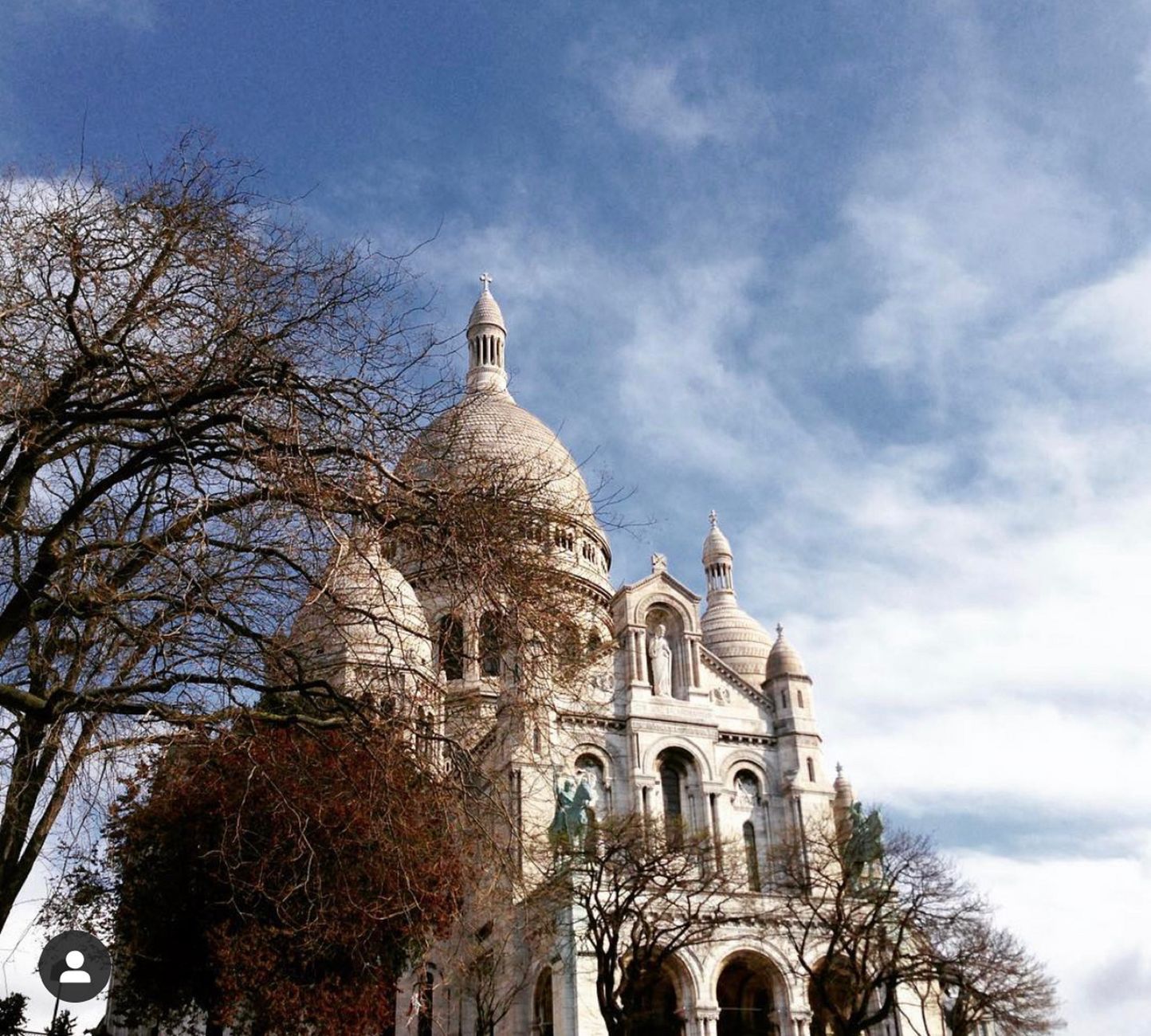
October is one of the easiest months to enjoy Paris well. Summer intensity has faded, the city is back in its normal rhythm, and the season suits the way many visitors actually want to travel: a mix of museums, long walks, café stops, river views, and neighborhoods that feel lived-in rather than stage-set. Official Paris tourism guidance highlights October 2026 as a strong month for art, exhibitions, and autumn city walks, with Paris parks and streets taking on their early autumn color and the wider cultural season in full swing.
If you are planning a first or second trip and want a weekend that feels full without becoming exhausting, this is a good month to build your days around compact areas instead of rushing from landmark to landmark. The route below is designed for three smart days in Paris, with enough structure to help and enough flexibility to leave room for a slow lunch, a gallery detour, or a long evening by the Seine.
Why October works so well for Paris
Paris tourism sources describe autumn as one of the best seasons for strolling, especially along the Seine, through parks, and across districts such as the Marais and Montmartre. They also note that October is shaped by major exhibitions and the broader Festival d’Automne cultural season, which runs from September 11, 2026 to January 10, 2027 across venues in Paris. In practical terms, that means the city feels culturally busy without necessarily forcing you into a single event-based trip.
For travelers, the big advantage is pacing. You can spend more time outside than in winter, but you are not dealing with the long summer queues and heat. Museums become a better anchor for the day, and neighborhoods such as Saint-Germain-des-Prés, the Marais, and Montmartre are especially rewarding when you have time to walk them rather than just photograph them.
Who this itinerary is for
This plan works best for first-time visitors, return visitors who want a calmer trip, and anyone coming for a Friday-to-Sunday or Saturday-to-Monday break. It assumes you want a classic Paris experience with strong walking logic: one major museum, one strong neighborhood, one scenic stretch, and one evening area each day.
It is not meant for travelers trying to check off every headline sight in 48 hours. If that is your goal, Paris can quickly turn into a sequence of metro rides and queues. October rewards a narrower plan.
Before you start: a few practical rules
Book your major museum in advance
The Louvre requires timed tickets, and its official visitor information notes that a ticket covers the permanent collections and temporary exhibitions, plus same-day or next-day access to the Eugène Delacroix Museum. The Musée d’Orsay also publishes clear visitor information and has late opening on Thursdays until 9:45 p.m., which can be very useful if you want to keep a daytime slot free for walking.
Do not overbook every hour
Paris looks compact on a map, but museum visits are draining and neighborhoods reward unplanned wandering. One reservation per day is usually enough.
Use the Metro, but walk the links that matter
The smartest Paris weekends are not fully pedestrian and not fully transit-based either. Use the Metro to jump between zones, then walk through the sections that carry atmosphere: Île de la Cité to the Left Bank, Palais-Royal to the Louvre area, or Abbesses down through Montmartre.
To make those walks easier to follow in real time, Ingry is useful for exploring Paris on foot, especially when you want short context on landmarks without stopping to do fresh research at every corner.
Day 1: Louvre, the Seine, and Saint-Germain-des-Prés
Morning: start with the Louvre area
Begin with the Louvre if this is your first trip. The museum is closed on Tuesdays according to its official visitor information, so plan around that. In October, an early timed entry is worth it because it gives you a quieter first hour and leaves the rest of the day open.
Do not try to “do the Louvre.” Choose a lane: major masterpieces, French painting, ancient sculpture, or decorative arts. Two to three focused hours is plenty for a weekend traveler. Anything longer often blunts the rest of the day.
Late morning: Tuileries to the river
After the museum, walk through the Tuileries rather than diving straight back underground. Even when trees are only just beginning to turn, this stretch resets your pace. Continue toward the Seine and cross either toward the Left Bank or backtrack via Pont des Arts depending on your energy.
Afternoon: Saint-Germain-des-Prés without overplanning it
This is a good neighborhood for your first Paris afternoon because it works even when you are tired. You can alternate between a church, a bookshop, a side street, and a café without needing a rigid checklist. Keep your targets loose: the appeal here is the texture of the district, not ticking through attractions every fifteen minutes.
If you still want another museum, the Delacroix Museum pairs naturally with a Louvre visit because Louvre tickets include access on the same day or the following day. That makes this area a smart continuation rather than a random add-on.
Evening: Left Bank dinner, then a river walk
For a first evening, do not chase a complicated nightlife plan. Stay on the Left Bank or drift back toward the Seine for an easy after-dinner walk. Paris in October often rewards evenings outside more than visitors expect, and official tourism guidance specifically recommends autumn walks along the Seine and through central districts.
Day 2: Île de la Cité, the Marais, and a Thursday Orsay option
Morning: see the historic core early
Start on or near Île de la Cité before the middle of the day. This part of Paris is at its best before the crowd thickens. From there, continue on foot into the Marais rather than taking the Metro for a tiny hop.
The key here is not to treat the historic center as one giant photo stop. Build a route with contrasts: the river edge, a quieter side street, a small square, then a busier shopping lane. That gives the area a rhythm and keeps it from feeling like one long crowd.
Afternoon: the Marais as your flexible block
The Marais is one of the easiest Paris neighborhoods for a half-day because it can absorb different travel styles. If you like museums, add one. If you prefer shopping and architecture, just walk. If you want lunch followed by a long aimless wander, this is the district for it.
This is also a good place to keep your schedule light. Paris works better when one section of the weekend stays open-ended. Use that time for side streets, courtyards, and shorter museum visits rather than forcing another major sight.
If you want help understanding what you are passing without turning the day into a guided group march, Ingry works well for self-paced neighborhood walking in Paris.
Alternative evening: Musée d’Orsay on Thursday
If your weekend includes a Thursday, consider shifting your main museum to the evening at the Musée d’Orsay. Official visitor information states that the museum has late opening on Thursdays until 9:45 p.m. That creates one of the best timing tricks for a Paris weekend: spend the daytime outside, then do your major art visit after the day crowd has dispersed.
Because of that late closing, a Thursday in Paris can be structured almost backwards: historic center in the morning, Marais in the afternoon, dinner break, then Orsay at night.
Day 3: Montmartre done the smart way
Morning: arrive early and stay high first
Montmartre is one of the areas most damaged by bad timing. Go late and it can feel jammed, performative, and tiring. Go early and it still has quiet corners, residential stairways, and moments that feel distinctly local.
Begin at the top rather than climbing into the busiest section from below in the middle of the day. Spend the first hour moving through the hill’s quieter edges and viewpoints, then gradually descend.
Late morning to afternoon: choose atmosphere over checklisting
Montmartre does not need many stops to justify the visit. The point is the hill itself: changing views, irregular streets, hidden gardens, and the shift from a village feel to big-city Paris at the edges. If you race through five named points, you will miss the neighborhood logic that makes it memorable.
This is also where it helps to know what to skip. Unless a particular place matters to you, avoid standing in every obvious queue around the busiest square. In October, Montmartre is much better as a walk than as a line.
Afternoon extension: down toward Pigalle or across to the 9th
Once you descend, keep going rather than circling back uphill. The route downward is part of the experience. Depending on your style, you can continue into lower Montmartre, edge toward Pigalle, or cross into the 9th arrondissement for a more everyday Paris finish.
For travelers who like to connect the city street by street instead of jumping from pin to pin, Ingry is a helpful companion for navigating Paris on foot and understanding what is around you as the neighborhood changes.
If you only have 2 days in Paris in October
Cut one major museum, not one neighborhood. A better 2-day trip is Louvre plus Left Bank on one day, then historic center plus Montmartre on the next. Many visitors make the opposite mistake and keep too many museums while sacrificing the walks that actually make Paris feel like Paris.
If weather shifts or energy drops, the Marais and Saint-Germain are easier to shorten gracefully than the Louvre or Montmartre. Keep those as your flexible pieces.
Good October areas to stay in
Saint-Germain-des-Prés and the Left Bank
Good for a first trip, easy evening walking, and strong café density.
The Marais
Good if you want shops, food, central access, and a neighborhood that still feels lively after museum hours.
Opéra or the 9th arrondissement
Good for transit convenience and practical hotel logistics, especially for short stays.
Montmartre
Best if you want atmosphere first and do not mind hills, stairs, and a slightly less central feel at the end of the day.
What to skip on a short October trip
Skip the temptation to cross the city repeatedly for single sights. Paris is full of places worth seeing, but a weekend is too short for zigzagging. Also skip the idea that every meal must be a destination meal. In October, time and daylight are often better spent on one more beautiful walk than on a long cross-town restaurant mission.
If this is your first trip, be careful with day trips as well. Versailles can be excellent, but it competes directly with the kind of neighborhood-based weekend that October in Paris does especially well.
A final word on planning your weekend
Paris in October is best approached as a city of linked districts, not isolated landmarks. Build each day around one anchor and one walking area. Start early in the places that crowd fastest. Use one late-opening museum when you can. Leave at least one afternoon partly unstructured.
That kind of plan usually leads to a better Paris memory than a more ambitious one. You will still see the classics, but you will also get the version of the city people come back for: river light at the end of the day, streets that reward detours, and enough time to notice where you actually are.
Télécharger
Saint-Pétersbourg
Moscou
Rome