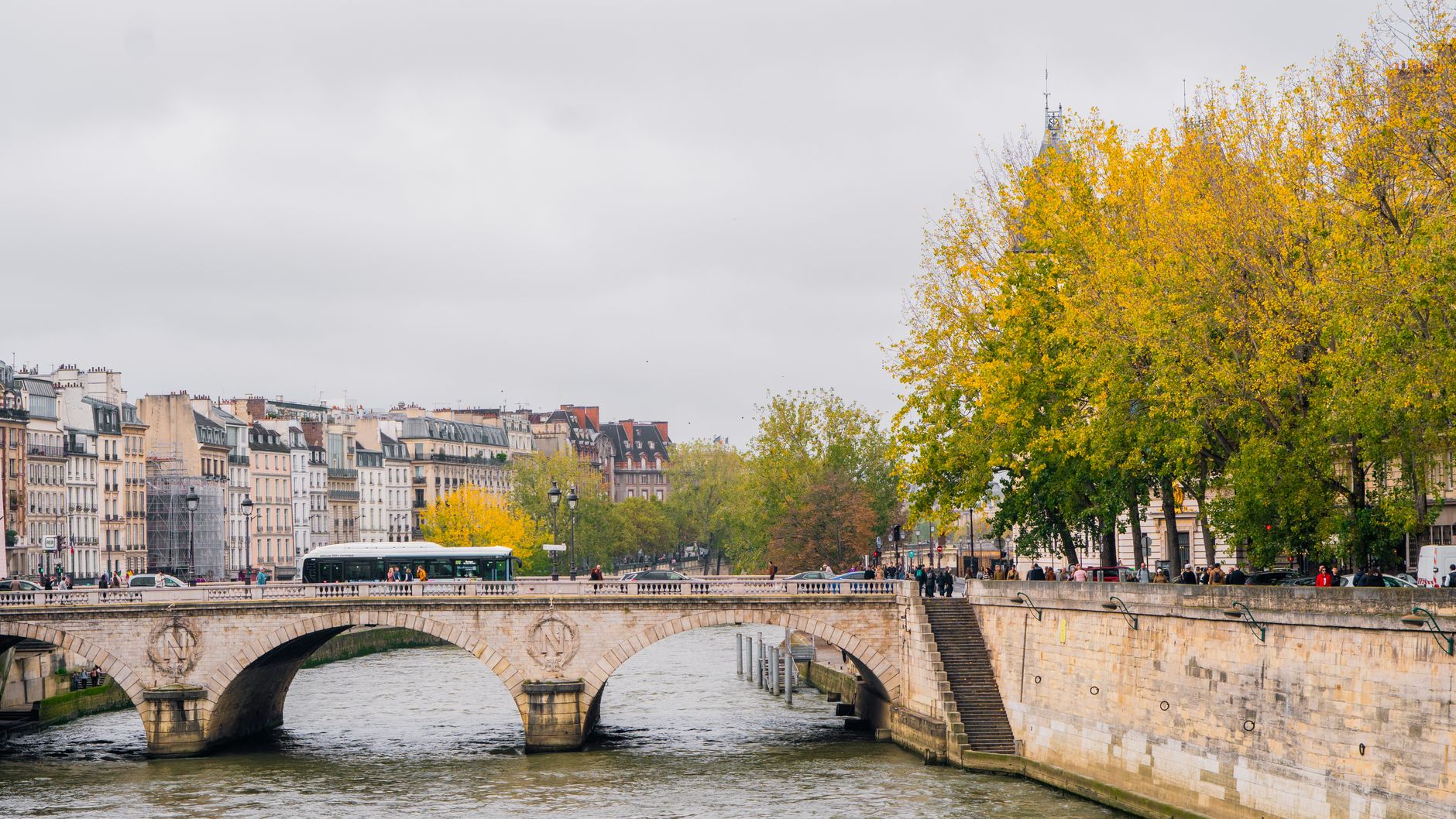
October is one of the easiest months to enjoy Paris well. Summer crowds ease, daylight is still generous enough for long walks, and the city feels more local again after the holiday season. If you are planning a first or second trip and want a weekend that balances major sights with neighborhoods you can actually enjoy on foot, October is a strong moment to come.
This guide is built for a real three-day stay: not a checklist of every famous place, but a route that makes geographic sense and leaves room for cafés, river views, and the kind of museum time that does not feel rushed. Paris tourism offices are already highlighting September and October 2026 as a busy cultural period, with autumn exhibitions, festivals, and the European Heritage Days just before October, so it is smart to expect an active city rather than a sleepy shoulder season.
October also works especially well if you like walking. You can move between the historic center, the Seine, the Marais, Saint-Germain, and classic museum districts without the heat and fatigue that often make summer itineraries drag. If you like using a city guide while walking, Ingry is a useful companion for understanding what you are passing rather than just moving from one pin to the next.
Why October is such a good month for Paris
Paris in October is less about one giant seasonal event and more about how comfortably the city fits together. The autumn cultural season is in full swing, and official Paris listings for October 2026 point to a dense calendar of exhibitions, performances, and city events across the month. Paris also moves into a more museum-friendly rhythm in fall, which matters if your trip includes the Louvre, Musée d'Orsay, or smaller collections in the center.
For travelers, the practical upside is simple: you can combine indoor and outdoor time without constantly planning around heat. That means a morning in a museum, a midday walk through a garden or along the Seine, then a late afternoon in a different neighborhood still feels manageable.
If your dates happen to fall around a specific event weekend, check official city listings before you go. In late September 2026, Paris is also preparing for several large-scale gatherings and seasonal cultural events, and those can affect crowd patterns into early October in central areas.
Who this itinerary is best for
This weekend plan suits travelers who want classic Paris without spending the whole trip in queues. It is especially good for first-time visitors who want to see the historic center, the river, a major museum, and at least one neighborhood that feels lived-in rather than staged.
It is less ideal if your priority is checking off every headline attraction in 48 hours. Paris punishes overplanning. Distances look short on a map, but museum lines, métro changes, and the temptation to stop every few blocks can slow the day quickly.
How to structure a 3-day October weekend
Day 1: Historic Paris and the Seine without rushing
Start on the Île de la Cité and the area around Notre-Dame. Even if you do not begin with a full monument visit, this is the right place to orient yourself: the river, bridges, and stone facades give you the Paris image most people come for. From there, walk west along the Seine rather than trying to jump straight onto the métro. The point of the first morning is not speed. It is to get the city into your legs.
Continue toward the Latin Quarter or cross toward Saint-Germain-des-Prés depending on your pace. In October, this kind of river-to-café route works better than a rigid attraction order. You are not fighting summer heat, so you can let the morning unfold naturally.
For the afternoon, pick one major indoor stop, not three. The Musée d'Orsay is often the better choice for a weekend visitor than the Louvre if your time is limited. The collection is manageable, the setting is memorable, and it pairs naturally with a Left Bank walk. Save the Louvre for a trip where you can give it a dedicated half-day or more.
End the day around the Tuileries, Place de la Concorde, or the riverfront as dusk comes in. October evenings in Paris are ideal for this transition hour, when the city begins to glow and the walking pace slows. If you like context while wandering, Ingry can help turn a simple evening walk into something more layered, especially in the historic center.
Day 2: The Marais, smaller museums, and neighborhood time
Dedicate your second day to the Marais and nearby central districts. This is where many weekend trips to Paris become more enjoyable, because the city stops feeling like a line of monuments and starts feeling like a place. The Marais is dense, walkable, and full of architectural detail, with enough museums, food stops, and small streets to fill a full day without much transit at all.
Come early if you want the neighborhood before peak foot traffic. Midday and afternoon can get busy, especially on weekends and in the blocks around major museum entrances and the most photographed streets.
This is a good day for a smaller or more focused museum rather than another giant institution. It also works well for combining museum time with covered passages, courtyard architecture, and a slower lunch. Do not try to force too many bookings into this day. The strength of the Marais is that it rewards drifting within a compact area.
If you still have energy in late afternoon, continue toward Hôtel de Ville or the canal side depending on your mood. If not, stay put. One of the easiest mistakes in Paris is leaving a neighborhood too quickly just because there is another famous one nearby.
Day 3: Montmartre early, then one final classic Paris axis
Montmartre works best early in the day. Go in the morning before the tight streets fill up and before the area turns fully into a photo queue. Start uphill rather than arriving lazily at midday. The point is to enjoy the neighborhood's slopes, staircases, and changing views while it still feels calm.
Once you have had your Montmartre walk, do not spend the whole day there unless you are staying nearby. Move on after lunch. A strong final-afternoon pairing is Montmartre with the Opéra area, the grands magasins district, or a final Seine-side walk if you want to close the trip on a more recognizably monumental note.
If shopping matters to you, this is the logical time to do it. If not, use the last hours for one elegant, low-stress route rather than another major ticketed sight. Paris is often best remembered in stretches of city rather than inside a final rushed attraction.
What to book ahead in October
For a weekend in Paris, the main rule is to pre-book only the places that truly need it. Major museums and high-demand monuments can fill preferred time slots, especially on weekends during the autumn cultural season. Official Paris tourism listings describe October 2026 as an active month for exhibitions and events, which usually means central museums stay busy.
Book your must-do museum first. Then leave breathing room around it. If you schedule every two hours, one line or one long lunch can break the whole day.
If you are traveling over a specific event weekend, verify transport and access details through official organizers or city tourism pages before locking in a strict route.
How to move through Paris efficiently
The smartest Paris weekend is built around clusters. Do not cross the city three times a day just because the map makes everything look famous and close. Pair areas that naturally connect on foot: Île de la Cité with Saint-Germain, the Marais with Hôtel de Ville, Montmartre with Opéra. This saves time and preserves energy.
The métro is best used strategically, not constantly. In central Paris, one well-chosen ride can replace a tiring dead stretch, but too many short rides interrupt the feel of the trip. October is a particularly good month to favor walking because the city is generally more comfortable than in peak summer.
For travelers who enjoy understanding neighborhoods as they go, Ingry fits well into this kind of trip: you can walk first and learn as you move, instead of spending the day stopping to search every building individually.
What to skip, or at least rethink
Skip the urge to do the Louvre, Musée d'Orsay, Sainte-Chapelle, the Eiffel Tower, Montmartre, and Versailles all in one long weekend. That is not a smart Paris plan. It is a transport plan with occasional sightseeing.
Also rethink midday Montmartre, back-to-back giant museums, and restaurant plans that require crossing town for one famous address. Paris rewards rhythm more than conquest.
If this is your first trip, it is perfectly fine not to go inside every landmark. Seeing Paris well often means choosing a few interiors and letting the rest be part of the urban experience.
A smart October mindset for first-time visitors
Come to Paris in October expecting a city that is active, cultural, and walkable rather than quiet. The season is attractive precisely because Paris feels fully switched on without the pressure of summer travel. Official tourism sources are already promoting major autumn exhibitions, festivals, and city events in September and October 2026, so planning ahead still matters.
But once you arrive, do less than you think you should. Walk more than you think you need to. Keep each day focused on one or two connected parts of the city. That is usually when Paris becomes memorable.
If you only have one long weekend, this month gives you an unusually balanced version of the city: river light, museum weather, neighborhood energy, and enough room to explore without feeling crushed by logistics.
Télécharger
Saint-Pétersbourg
Moscou
Rome