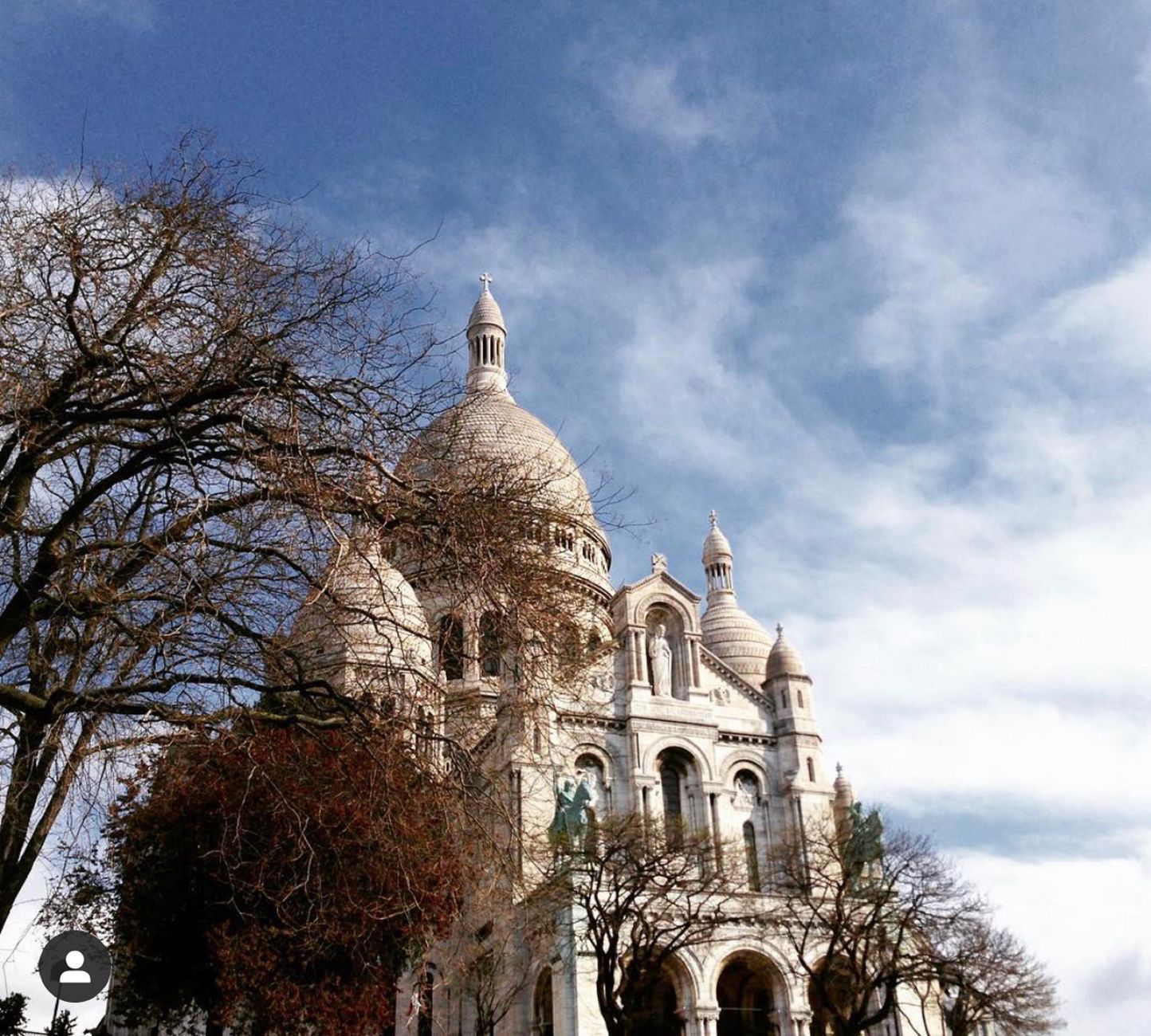
November is one of the most underrated times to visit Paris. The city is fully back in cultural season, major museums and galleries make more sense than they do in peak summer, and the shorter days naturally push you toward a more realistic Paris rhythm: one strong museum, one substantial neighborhood walk, one good café stop, and one evening area worth staying out for. Official Paris tourism guidance also highlights November 2026 as a lively month for events, exhibitions, and museum visits across the city.
If you are planning a first or second weekend in Paris this month, the smartest approach is not to try to do everything. Build your days by area, keep your river crossings limited, and use indoor sights to anchor the middle of the day. That leaves room for the real pleasure of Paris in late autumn: passages, bookshops, church interiors, warm lunches, river views, and neighborhoods that still feel busy even when the weather turns gray.
This itinerary is designed for a 3-day stay, but it also works well if you arrive Friday and leave Sunday evening. For walking between stops and understanding what is around you street by street, Ingry is especially useful in Paris, where many of the best moments happen between the headline sights rather than only at them.
Why Paris works so well in November
November is a strong museum month, and Paris tourism officials specifically recommend museums and exhibitions at this time of year. It is also a practical month for travelers who prefer the city at a steadier pace than in summer. You are less likely to build a day entirely around heat, long open-air queues, or the pressure to stay outside from morning until night.
The trade-off is obvious: daylight is shorter, some days are damp, and long scenic detours can feel less appealing after mid-afternoon. So the best November itinerary is not a checklist of monuments. It is a route built around compact areas and a balanced mix of interiors and walks.
Before you start: how to plan the weekend well
1. Group Paris by neighborhood, not by bucket list
The biggest mistake on a short trip is crossing the city repeatedly for single sights. Paris rewards density. If you see the Louvre, stay in the center afterward. If you go to Montmartre, give the hill and nearby streets the rest of the half-day. If you start on the Left Bank, let the afternoon continue there.
2. Watch the museum closing pattern
Mondays and Tuesdays matter in Paris because many museums use one of those days as their weekly closing day. Musée d’Orsay is closed on Mondays, for example, while the Louvre is closed on Tuesdays. That is why this itinerary works best from Friday to Sunday, but it can be reshaped if your dates differ.
3. Treat Notre-Dame as flexible, not fixed
Notre-Dame is open again and free to enter, but the cathedral’s official guidance says timed reservations are optional, open only a few hours before the visit, and are mainly intended to reduce waiting. In practice, that means it is wise to keep Notre-Dame as a movable stop rather than the rigid center of your day.
4. Expect to walk more than you think
Paris still works best on foot, especially in the central arrondissements. In November, though, comfort matters more than romance. Wear proper shoes, carry something rainproof, and save your longest outdoor stretches for the brightest part of the day.
Day 1: The historic center without rushing it
Morning: Île de la Cité and Notre-Dame
Start with the oldest core of Paris. In November, this is one of the best places to begin because it gives you a strong sense of the city before crowds thicken later in the day. Walk onto the Île de la Cité early, circle the exterior of Notre-Dame first, and then decide whether to enter based on the line and weather. The cathedral is free to visit, and the official site notes that you can come spontaneously or reserve a free slot shortly before your visit.
From there, keep the first hours compact: the Seine edges, nearby bridges, and the quiet corners around Place Dauphine all work well in cool weather because they are visually rich without requiring a huge amount of distance.
Late morning into lunch: the Right Bank center
Cross toward the Hôtel de Ville or Châtelet side rather than heading immediately for the Eiffel Tower. On a short November trip, the center gives you more density and less transit. This is a good window for a relaxed lunch before a museum, especially because afternoons can turn darker quickly.
Afternoon: the Louvre area, but keep it selective
You do not need to conquer the Louvre in one weekend. If the museum is a priority, give it a defined block of time and accept that this is a highlights visit. If it is not, stay outside and build the afternoon around the surrounding urban landscape: the Louvre courtyards, Palais-Royal, and the covered passages stretching toward the Grands Boulevards.
This is one of the best November moves in Paris. Covered passages make sense in late autumn because they let you keep walking without being fully exposed to wind or rain. They also break up a museum-heavy day with a more local, slower type of discovery.
For this kind of wandering, Ingry helps more than a standard point-to-point map because it keeps the area legible while you drift between architectural details, arcades, and side streets.
Evening: Opéra or the Grands Boulevards
Finish the first day in a district that still feels animated after dark. Around Opéra and the Grands Boulevards, you get broad streets, lit façades, cafés, and easy transport back to your hotel without having to chase a single big attraction. In November, that matters. A good evening area should feel pleasant at 6 pm and 8 pm, not only at sunset.
Day 2: Left Bank museums and a calmer Paris afternoon
Morning: Musée d’Orsay or a Left Bank museum choice
Make this your main museum morning. If you want one classic Paris museum experience without the scale of the Louvre, Musée d’Orsay is often the better weekend choice. The building itself suits a gray day, and the collection is easier to absorb in one visit than Paris’s largest institutions.
Keep the rest of the morning protected from overplanning. One museum is enough if you actually want to enjoy it.
Lunch and early afternoon: Saint-Germain-des-Prés
After the museum, stay on the Left Bank. Saint-Germain works well in November because the distances are manageable and the area offers that ideal late-autumn combination of church interiors, bookshops, cafés, and attractive streets that do not depend on perfect weather.
This is also a good place for a slower lunch. If your first day was monument-heavy, let this one feel more lived-in and less performative.
Late afternoon: Luxembourg Garden, if the weather is decent
If the afternoon is dry, walk toward the Luxembourg area. In November, you are not coming for a picnic lawn day; you are coming for structure, trees, gravel walks, and a classic Paris garden atmosphere before dusk. If the weather turns poor, skip the garden quickly rather than forcing it and spend more time indoors on the Left Bank.
Evening: the Latin Quarter, but avoid overloading it
The Latin Quarter is best used as an evening landing zone, not as a marathon sightseeing project. Let it give you atmosphere, dinner options, and an easy post-meal walk instead of trying to cram every church, square, and historic street into one night.
If you still have energy, a short riverside walk after dinner can be beautiful in November. Just do it briefly and intentionally. Paris is better when you stop before you are cold.
Day 3: Montmartre done the smart way
Go early
Montmartre is at its best when you reach it before the middle of the day. In November that means quieter streets, better light, and a more local feel before the busiest visitor hours. Start around the hill, give yourself time for side streets, and do not reduce the area to one photo stop at Sacré-Cœur.
Focus on the slopes, not only the summit
The mistake many visitors make is treating Montmartre as a straight climb, a viewpoint, and a quick exit. In reality, the neighborhood works best when you allow time for the slopes, stairways, small squares, and street texture. Late autumn suits this especially well because the district feels atmospheric without summer congestion.
Lunch: stay nearby
Do not rush back to the center immediately. Keep lunch in or near the neighborhood so the morning remains coherent. The point of Montmartre is not speed. It is contrast: village-like streets, a hilltop perspective, and a final day that feels different from the museum-centered core.
Afternoon options: choose one
Your final afternoon should stay light. Pick one of these approaches:
Option one: continue with a gentle neighborhood walk downhill toward the 9th arrondissement for shops, cafés, and easy metro connections.
Option two: return to a central area you liked most on day one, especially if you want a second chance at the Louvre district, the Seine, or Notre-Dame.
Option three: if the weather is poor, make the afternoon mainly indoor and use it for one last museum or department-store browse rather than trying to force a panoramic outdoor finale.
What to skip on a November weekend in Paris
Skip the temptation to zigzag between the Eiffel Tower, Montmartre, the Marais, the Louvre, and the Left Bank in one day. On paper it looks efficient because the city center seems compact; in practice it creates a tired, queue-filled trip.
Also skip overcommitting to too many major museums. In November, interiors are appealing, but museum fatigue is real. Two strong museum visits over a 3-day weekend are usually enough.
Finally, skip using Paris only as a monuments checklist. Late autumn is one of the best times to appreciate how the city connects: arcades to boulevards, bridges to islands, market streets to churches, formal gardens to café corners. The transitions are the trip.
Where this itinerary works best for first-time visitors
This plan is especially useful if you want a classic Paris weekend without making it feel like a forced greatest-hits sprint. It gives you the historic center, a major museum, the Left Bank, and Montmartre, but each in a way that respects November light, weather, and energy.
It also works well for travelers who care more about atmosphere and walking logic than ticking off every major landmark. Paris rewards that kind of traveler disproportionately.
A few final practical notes
If you can choose, arrive as early as possible on your first day. November days are shorter, so a late arrival cuts into the kind of daylight walking that makes central Paris easiest to understand.
If your trip includes a Monday or Tuesday, check museum plans carefully before building the day around them. And if Notre-Dame is high on your list, look for the official same-day reservation option only shortly before visiting rather than expecting to lock it in far ahead.
Most of all, keep some looseness in the schedule. November is one of the best months in Paris for travelers who are happy to pivot: from square to church, from river walk to museum, from viewpoint to café. That flexibility usually leads to a better trip than a rigid timetable.
And once you are on the ground, Ingry is a smart companion for connecting the famous places with the streets between them, which is often where Paris feels most memorable.
Télécharger
Saint-Pétersbourg
Moscou
Rome