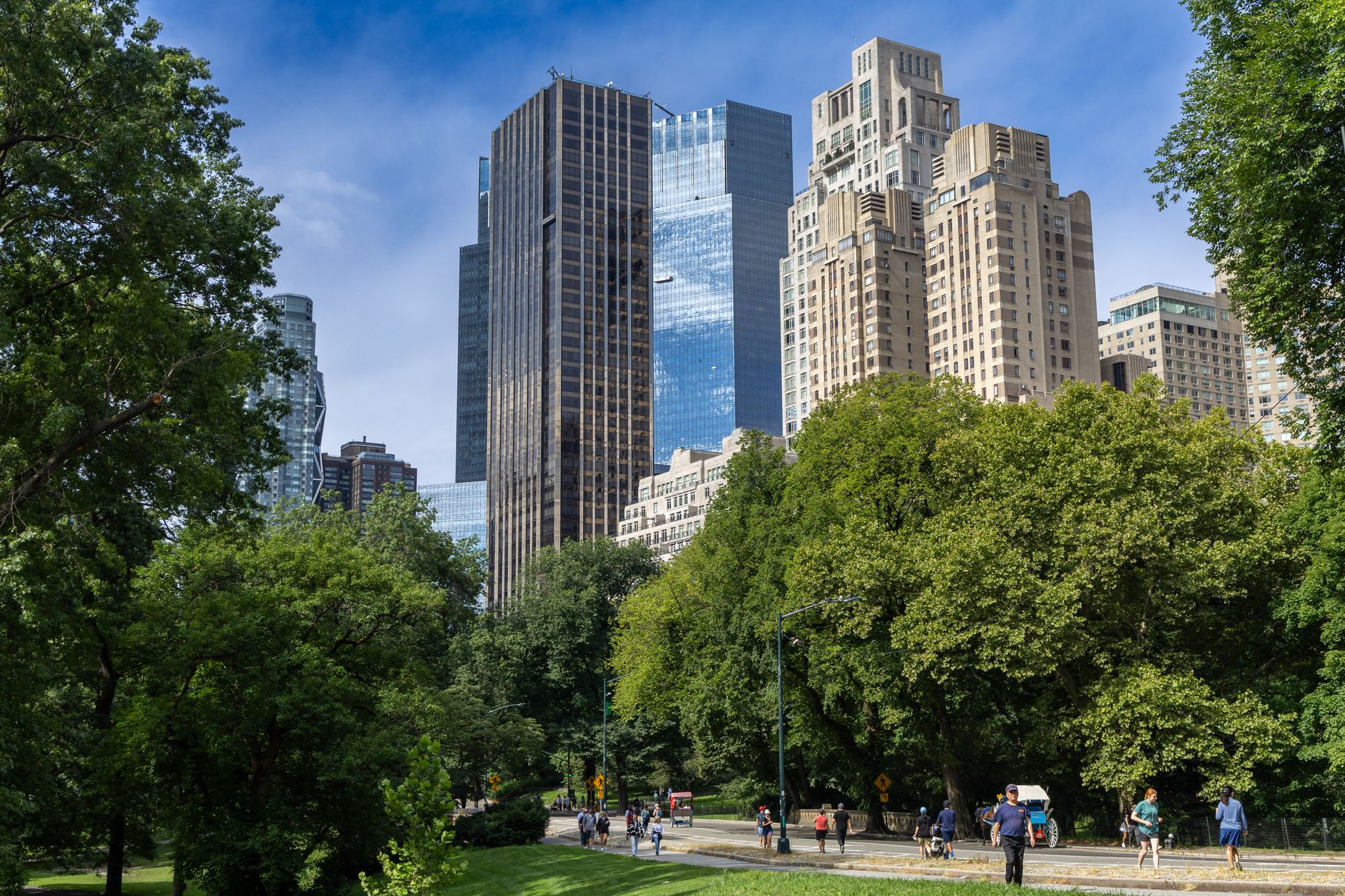
Fall is one of the easiest times to enjoy New York City well. The air is usually more comfortable for long walks, the city feels more energetic again after summer, and the days still leave enough time to combine parks, museums, neighborhoods, and skyline views without turning the trip into a checklist. If you are planning a first or second visit, autumn is a strong season for a weekend built around walking rather than racing from one reservation to the next.
This guide is designed for travelers who want a practical New York City plan: one that gives you classic sights, but also better pacing, smarter neighborhood combinations, and a few places where fall genuinely improves the experience.
Why fall works so well in New York City
Central Park Conservancy notes that fall foliage in Central Park often turns later than in many other places because of the city’s light and temperature conditions, which is useful to know if you are planning an October or early November trip and hoping for color in the park rather than assuming it will peak early. The Conservancy specifically highlights places such as The Mall, The Ramble, the Reservoir, North Woods, and Conservatory Garden for fall foliage walks. (centralparknyc.org)
In practice, that means fall in New York City is less about chasing one exact “perfect foliage day” and more about building an itinerary that stays flexible. A crisp morning in Central Park, a museum in the middle of the day, and a neighborhood walk downtown in the late afternoon usually works better than packing in far-flung sights across all five boroughs.
Who this weekend plan is best for
This itinerary fits first-time visitors, return travelers who have already seen the main landmarks once, and anyone trying to balance famous places with a more enjoyable street-level experience. It is especially good if you like cities on foot and want to avoid spending half your trip underground on the subway.
If your main goal is Broadway every night, nonstop shopping, or sports-focused travel, you will want to adjust it. But for a classic autumn weekend in New York City, this is a strong, realistic route.
How to structure the weekend
The logic is simple: keep one day focused on Midtown and Central Park, one day on Lower Manhattan and nearby neighborhoods, and one day on a museum-and-brownstone stretch of the Upper East Side or Upper West Side. That reduces zigzagging and lets you see the city as connected places rather than isolated attractions.
As you walk, Ingry is useful for understanding what you are passing, especially in areas where major landmarks sit close to smaller architectural details, squares, and side streets that are easy to overlook.
Day 1: Central Park, Fifth Avenue edges, and an evening skyline
Morning: start on the park’s south side
Begin near the southern edge of Central Park. This gives you a softer landing than starting inside a museum queue or at a major observation deck. Walk north gradually rather than trying to “do all of Central Park.” In fall, the best strategy is to choose a few high-reward sections and enjoy them properly.
A good route is: southeast or south-central entrance, then The Mall, Bethesda Terrace, parts of The Ramble, and if you still have energy, continue farther north or angle toward the Reservoir. The Conservancy’s foliage guidance makes clear that different sections color at different moments, so even when one area looks muted, another can feel distinctly autumnal. (centralparknyc.org)
Midday: one museum, not two
After the park, choose one major museum nearby and commit to it. In this part of the city, overplanning is the quickest way to get tired. If you go to the Metropolitan Museum of Art, do not try to cover the whole building. Pick two or three wings and give yourself permission to leave while you still have energy for the evening.
If museums are not the priority, stay outdoors and continue with a slower Fifth Avenue walk, looking at the park edge, storefront architecture, and side streets rather than treating the avenue as a shopping mission.
Evening: skyline views after dark
For your first night, save the skyline for after sunset. New York is one of the few cities where waiting for darkness often makes the experience better, not worse. You get the grid of lights, bridges in the distance, and the sense of scale that can feel flatter in midday.
Do not combine an observation deck with a packed theater schedule unless you are comfortable rushing dinner. Fall evenings are better when paced gently.
Day 2: Lower Manhattan done the smart way
Morning: start early downtown
Lower Manhattan is most pleasant before the heaviest midday crowds build around the ferry area, Wall Street, and the memorial zone. Start with a waterfront view or a short walk through the oldest street pattern in Manhattan, then move toward the civic and financial core.
This is the right day for a compact, history-forward route: Battery area, the harbor-facing edge, Wall Street surroundings, Trinity Church exterior, and the 9/11 Memorial area if that is part of your trip. If you have already done the Statue of Liberty on another visit, do not force it into this weekend. It can dominate half a day and compress everything else.
Instead, use the harbor as atmosphere and focus on the city itself. That choice usually leads to a better weekend balance.
Afternoon: walk into one neighborhood, not three
From Lower Manhattan, continue on foot into one nearby neighborhood with a distinct mood. Good options include the civic-to-Chinatown transition, the Financial District into the Seaport area, or a longer walk north toward SoHo. The key is to let the city change gradually around you.
This is where Ingry can be especially handy: downtown New York makes more sense when you understand the layers of what you are seeing, from older street patterns to landmark buildings hidden in plain sight.
Evening: choose atmosphere over distance
For dinner and an evening walk, stay in the same general part of town instead of crossing Manhattan again. New York rewards travelers who stop trying to optimize every hour. If the streets are lively, stay out. If the weather turns windy or damp, duck into a quieter indoor stop and keep the night shorter.
Day 3: a neighborhood day with room to slow down
Option A: Upper West Side and a second park approach
If you want a calmer final day, spend time on the Upper West Side. The neighborhood works well for a slower morning, handsome residential blocks, and a second look at the park from a different edge. This is ideal if your first day felt too fast or if you want to revisit Central Park without repeating the exact same route.
In fall, a second park walk can be worth more than squeezing in another major attraction. New York becomes more memorable when you return to a place at a different hour and from a different direction.
Option B: Upper East Side and museum depth
If art and interiors matter more to you, use the final day for a deeper Upper East Side museum visit plus a shorter nearby walk. This works especially well on a cooler or rainy fall day. Keep the rest of the plan light.
Option C: Brooklyn for skyline perspective
If you have already seen much of Manhattan on a previous trip, make your third day a Brooklyn day centered on a waterfront walk and neighborhood streets. The skyline view back toward Manhattan gives the weekend a proper finale, especially in clear autumn light.
Whatever you choose, avoid trying to pair Brooklyn, a major museum, and a full Midtown shopping session in one day. That is where a good trip starts to feel like logistics.
What to book ahead, and what to leave flexible
Book ahead for only the pieces that really need it: your hotel, any must-see observation deck, a major museum if timed entry applies, and one special dinner if it matters to you. Leave park time, neighborhood walks, and at least one meal flexible.
Fall weather is often pleasant for walking, but comfort can shift quickly between sunny afternoons and cooler evenings. Build layers into your packing and keep one part of each day adjustable.
If you are visiting later in the season
If your trip is closer to mid-November or beyond, New York starts tilting toward holiday travel. One confirmed seasonal event already on the calendar is the New York Botanical Garden’s Holiday Train Show, which runs from November 14, 2026 through January 10, 2027. If you are staying long enough to include the Bronx, it can be a worthwhile seasonal add-on, especially for repeat visitors who want something beyond the standard Manhattan circuit. (nybg.org)
That said, for a short first-time weekend, Manhattan and nearby Brooklyn usually deserve the bulk of your time.
What to skip if you only have a weekend
Skip overambitious borough-hopping. Skip trying to see every famous museum. Skip long cross-city detours for one meal unless it is the clear highlight of your trip. And skip the idea that every major landmark belongs in one weekend.
New York City is better when you leave space for ordinary but memorable stretches: a tree-lined path in the park, a downtown street that suddenly opens to a churchyard, a skyline appearing at the end of a block, or a late afternoon walk when the light turns warm against stone and brick.
A simple way to get more from the city
New York can feel overwhelming when every block seems important. Using Ingry as you walk helps turn the city into a sequence of understandable places rather than a blur of names on a map. That is especially valuable on a fall trip, when walking is the main pleasure and the goal is not to rush but to notice more.
If you plan the weekend around a few strong zones, respect travel time, and let the season shape the pace, fall can be one of the most rewarding moments to see New York City for the first time.
Télécharger
Saint-Pétersbourg
Moscou
Rome