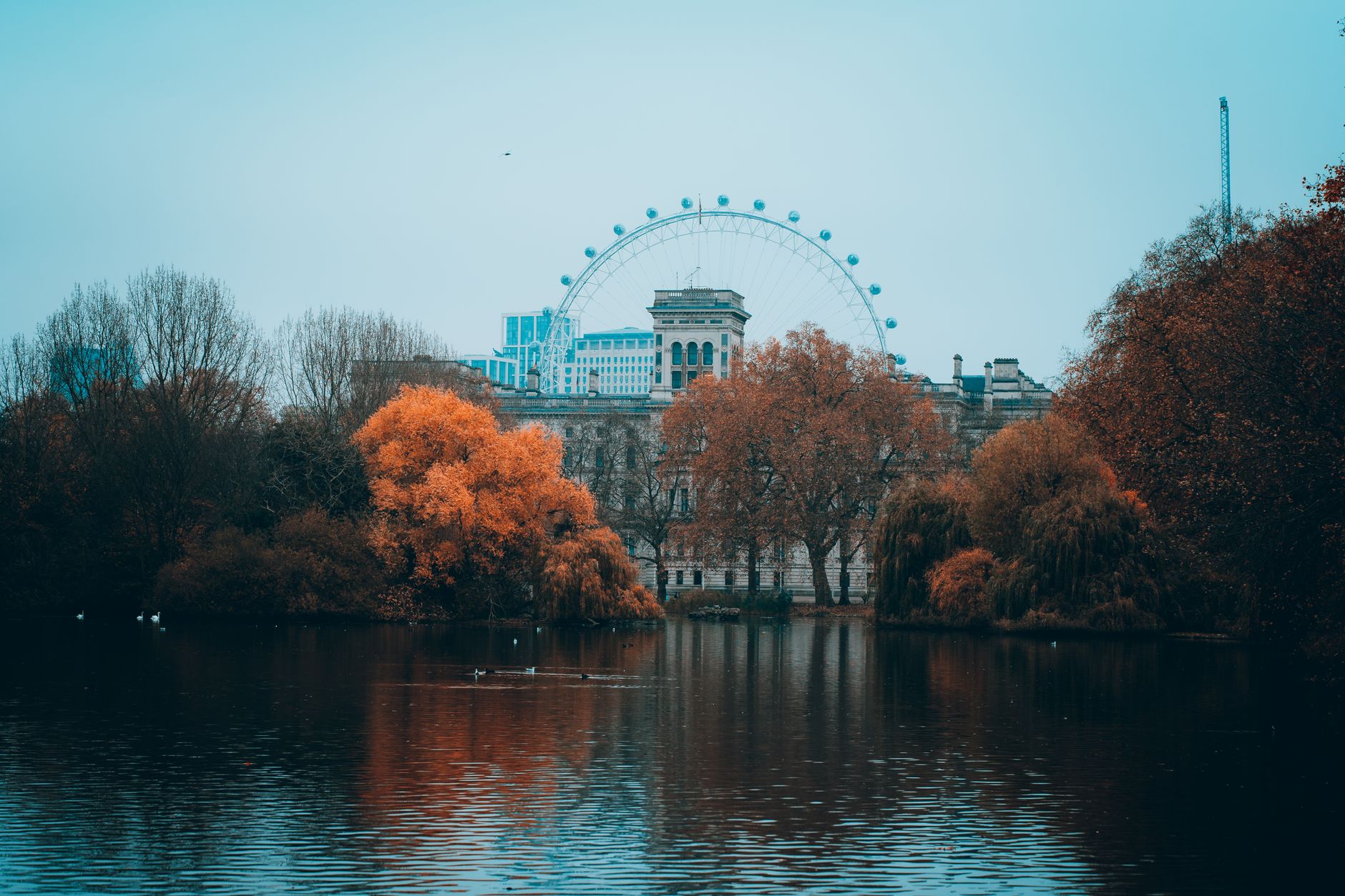
October is one of the most comfortable months to visit London. The city still feels lively, but the rhythm shifts: parks start turning gold, museum days make more sense, and long sightseeing lists become easier to pace. It is also a month when timing matters. London school half-term in 2026 runs from 26 to 30 October, and major attractions usually get busier during that week, especially places like the Tower of London, Buckingham Palace areas, and the London Eye. Visitors can also expect average October temperatures of around 10 to 16C, with daylight shortening noticeably after the clock change on 25 October. (visitlondon.com)
If you want a first trip that feels full but not exhausting, October is a good excuse to build your days around walkable areas rather than racing from one end of London to the other. This itinerary is designed for three smart days: one for the historic core, one for museum London and the parks around it, and one for markets, neighborhoods, and skyline views.
Why October works so well for London
London in October rewards people who like cities on foot. You can still spend long stretches outside, but you are less likely to deal with the heavy summer crush. At the same time, seasonal demand does not disappear. Visit London highlights October half-term from 26 to 30 October 2026, Black History Month through October, the BFI London Film Festival from 7 to 18 October, Frieze London and Frieze Masters from 14 to 18 October, and NFL London Games between 4 and 18 October. If your trip overlaps any of those dates, expect busier trains, fuller hotels in some areas, and more competition for timed-entry attractions. (visitlondon.com)
The practical takeaway is simple: book major sights early, start mornings with your most popular stop, and leave flexible neighborhood wandering for later in the day.
How to get around without wasting time
For most visitors, the easiest way to move around London is pay-as-you-go travel with contactless or Oyster. Transport for London says contactless cards and Oyster can be used across the Tube, buses, DLR, London Overground, Elizabeth line, and most National Rail services in London, and it is generally cheaper than buying single tickets. TfL also notes that children under 11 travel free on several services when accompanied by a fare-paying adult. (tfl.gov.uk)
For this itinerary, do not overuse the Tube. London makes more sense when you group nearby sights and walk the links between them. For navigation between landmarks, short historical context, and deciding whether the next stop is worth the detour, Ingry is especially useful when you are already out in the city and want to keep moving instead of constantly replanning.
Day 1: Westminster, the South Bank, and the Tower area
Morning: start with the postcard London core
Begin in Westminster early. That means arriving before the middle of the morning, when the pavements around Westminster Abbey, Big Ben, and the London Eye start filling up with day-trippers and school groups. Walk from Westminster Station through Parliament Square, continue toward St James's Park if you want a quieter first hour, or cross Westminster Bridge if you prefer river views right away.
This part of London is busy almost all year, but in October the early light and cooler air make it more pleasant than in peak summer. What matters most here is not trying to do everything. For a first day, it is better to keep moving east along the Thames than to spend too much time queueing at every major landmark.
Midday: walk the South Bank instead of doubling back
From Westminster Bridge, follow the South Bank toward the Tate Modern area. This route gives you one of the easiest sightseeing walks in London: river views, street life, easy food stops, and a steady sequence of landmarks without much planning. If the weather turns or the crowds feel heavy, dip into a museum or gallery rather than forcing a rigid schedule.
October is a good month for this stretch because you can still comfortably walk it outdoors, but you will usually want a light waterproof layer. Visit London specifically recommends warm, waterproof clothing and comfortable footwear for October. (visitlondon.com)
Afternoon: cross back for the Tower area
After lunch, make your way toward the Tower of London side of the river. If the Tower is on your must-see list, this is one of the places to book in advance and tackle earlier in the day on another version of the route if possible, especially during half-term. If not, the area still rewards a walk: Tower Bridge views, the contrast between old stone and the City skyline, and some of the best sense of London as layers rather than a single historic center.
Do not try to combine the Tower, St Paul's, Borough Market, and multiple river crossings in one rushed afternoon. That is the sort of London plan that looks neat on paper and becomes tiring fast. Pick one anchor sight and let the rest be a walk.
Day 2: Bloomsbury, the British Museum, and Covent Garden
Morning: give the British Museum real time
Day two is for an indoor-heavy plan, which is often the smartest use of an October morning. The British Museum is free to enter, advises visitors to book a free ticket in advance, and notes that walk-up visits are still possible subject to capacity. Its standard opening hours are daily from 10.00 to 17.00, with later Friday opening until 20.30. (britishmuseum.org)
The mistake many first-time visitors make is treating the museum like a box to tick in an hour. It is better to go in with a short list. Two hours with purpose is far better than four hours of wandering until your feet give up. Bloomsbury also gives you a calmer base than busier riverfront areas, which helps balance the trip.
If you like exploring on foot after a museum visit, Ingry works well here too: Bloomsbury is full of details that are easy to miss if you only move from one headline attraction to the next.
Afternoon: Covent Garden and the West End fringe
From the museum, walk south toward Covent Garden. The distance is manageable, and the route gradually shifts from academic Bloomsbury into busier central London. Covent Garden itself is best treated as a place to browse, snack, and enjoy the atmosphere rather than a major cultural stop. It is lively, useful, and central, but it can also be one of the easiest areas to overstay in.
If you want to extend the afternoon, keep walking toward the Strand and Somerset House side rather than diving in and out of the Tube. Central London is more enjoyable when the city unfolds block by block.
Day 3: South Kensington, Hyde Park, and Notting Hill or Kensington
Morning: South Kensington museums before the crowds build
South Kensington is one of the best areas in London for a rainy or mixed-weather day because you can combine major museums with elegant streets and nearby park time. The Natural History Museum is open daily from 10.00 to 17.50, and most of its galleries are free to explore; the museum also recommends booking a free ticket online before arrival. (nhm.ac.uk)
Get there early if it is a school holiday week or a weekend. This area is one of the first places families target during half-term, and queues can grow quickly. If you are choosing between several museums, be realistic. One museum plus a long park walk is usually a better day than three museums in a state of mild exhaustion.
Afternoon: Hyde Park and Kensington Gardens
After the museum, head into Hyde Park and Kensington Gardens. Hyde Park is open every day of the year from 5am, which makes it easy to use as either a morning route or a decompression zone after indoor sightseeing. (royalparks.org.uk)
This is where October really earns its place on the calendar. You get the feeling of a seasonal London trip without needing a packed event schedule. Walk west if you want a slower afternoon, or continue toward Kensington if you prefer attractive residential streets and a less hectic finish to the day. If energy is still high, Notting Hill is a good final neighborhood wander; if not, stay local and keep the day simple.
What to book ahead, and what can stay flexible
In October, it is smart to pre-book only the parts of London that reliably create queues or timed-entry bottlenecks. Museums with free entry may still recommend advance booking during busy periods, and major attractions get especially crowded during half-term. The British Museum advises booking a free ticket in advance, while the Natural History Museum says most galleries are free and free online tickets are available before you arrive. Visit London also specifically notes that attractions such as the Tower of London, Buckingham Palace areas, and the London Eye tend to be busier during half-term. (britishmuseum.org)
Keep flexible: neighborhood walks, riverside stretches, park time, pub lunches, and market browsing. Book ahead: any must-see paid attraction, any special exhibition, and any trip that lands during a major October event window.
What to skip if your trip is short
Skip cross-city zigzags. London is too large for that on a three-day trip. Skip the idea that you need to enter every famous building. Skip spending half a day queueing for a viewpoint if the city is cloudy and you would rather be walking through real neighborhoods. And unless shopping is the point of your trip, do not give your best afternoon hours to Oxford Street.
Short London trips improve when you choose a few strong areas and see how they connect. That is also where Ingry fits naturally: not as a checklist, but as a walking companion when you want context, route logic, and nearby ideas without turning the day into a scavenger hunt.
Final planning tips for London in October
Pack layers, waterproof shoes, and a small umbrella or rain jacket. Put your most popular sight first each day. Watch your dates if you are travelling during 4 to 18 October for NFL London Games, 7 to 18 October for the BFI London Film Festival, 14 to 18 October for Frieze, or 26 to 30 October for London half-term. Those windows can change the feel of the city in specific areas even if London as a whole still works well for independent travel. (visitlondon.com)
If you want London to feel memorable rather than hectic, let October guide the pace: one major sight in the morning, one long walk in the afternoon, and enough room to follow the city when it offers something better than your plan.
Télécharger
Saint-Pétersbourg
Moscou
Rome