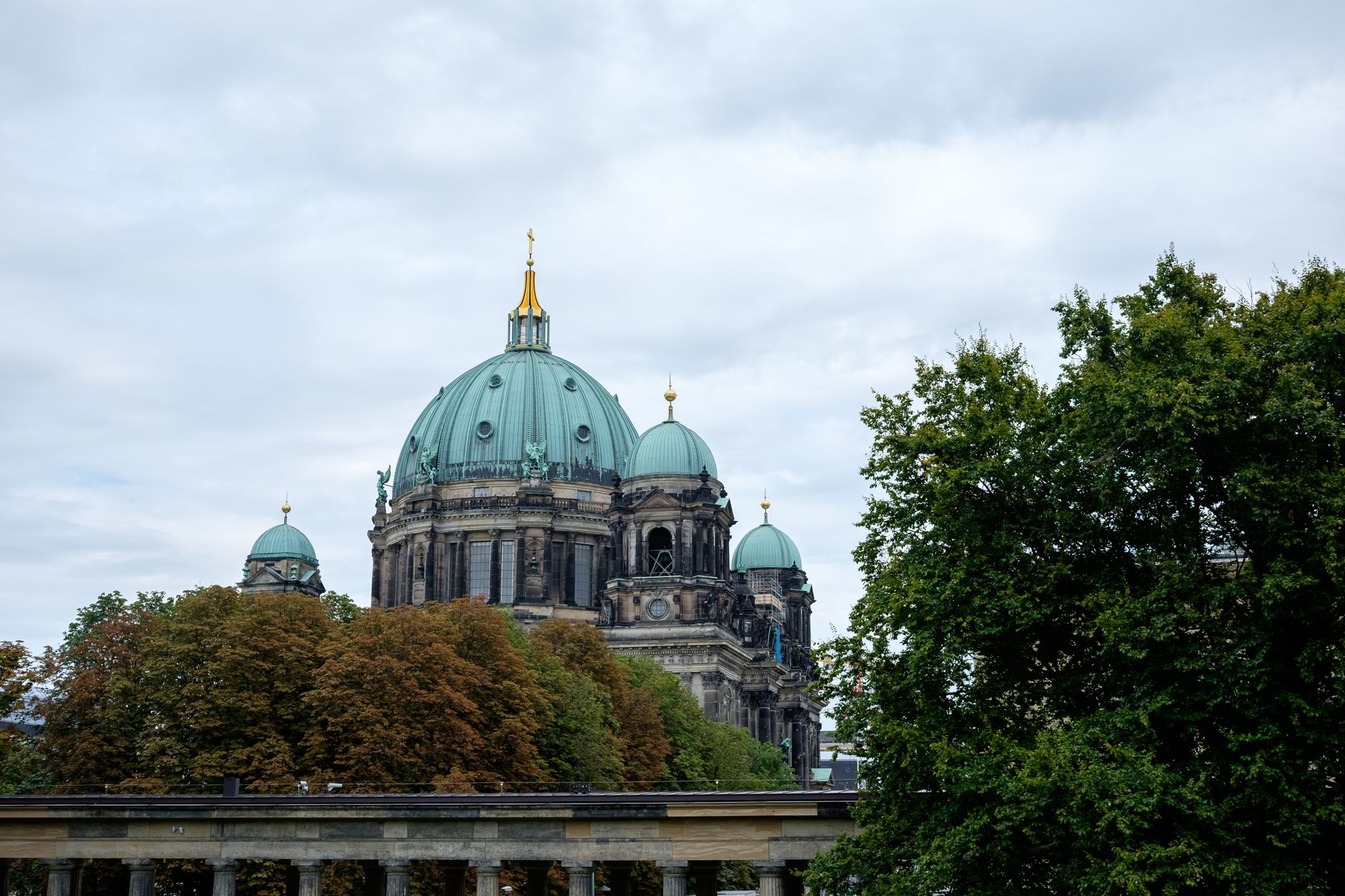
October is one of the easiest months to enjoy Berlin well. The summer crowds thin out, walking becomes more comfortable, and the city shifts naturally toward a mix of museums, long neighborhood strolls, cafés, and early evening views. In 2026, there is an extra reason to plan around the middle of the month: the Festival of Lights runs from October 9 to October 18, with illuminated landmarks across the city and special light shows at Berlin Cathedral from October 13 to October 17. Berlin’s official event listings also flag German Unity Day on October 3 as a major date in the month, which can affect crowd patterns in central areas. (festival-of-lights.de)
This guide is for travelers who want a real Berlin weekend rather than a rushed checklist. The route keeps each day geographically sensible, with time for walking and room to adjust for weather, museum energy, and evening plans. If you like exploring cities on foot, Ingry is especially useful in Berlin because many of the best moments happen between the headline sights, not only at them.
Why October works so well in Berlin
Berlin is large, but many of its best visitor areas become more manageable in October. You can spend the morning indoors at a museum, walk through Tiergarten or along the Spree in the afternoon, and still have a reason to stay out after dark. The Festival of Lights turns central Berlin into an evening route rather than a single stop, with installations and projections typically concentrated around major landmarks and public spaces. (visitberlin.de)
If your trip falls on the October 3 weekend, expect more movement around symbolic historic locations and transport hubs. The national holiday is observed across Germany, and Berlin’s official events page highlights it as one of the month’s main moments. (berlin.de)
Who this itinerary is best for
This plan suits first-time visitors, return travelers who have already seen a few top sights, and anyone trying to balance history with contemporary Berlin. It is less useful if your priority is nightlife until sunrise or a museum-only trip with timed entries all day. Berlin rewards pacing. Trying to cover Charlottenburg, Kreuzberg, Museum Island, and the Wall memorials in one day usually means spending more time in transit than in the city itself.
Day 1: Museum Island, Unter den Linden, and an evening light route
Morning: start with one major museum, not three
Begin in Mitte around Museum Island. This is the right first day zone because it gives you Berlin’s most concentrated historic core: museums, cathedral views, grand boulevards, and easy access to evening illuminations later. Pick one major museum for the morning rather than overloading the day. October is a good time for this because you can comfortably alternate indoor and outdoor time.
After the museum, walk past Berlin Cathedral, the Lustgarten, and down Unter den Linden. This stretch works best before the late afternoon because you can still see architectural detail clearly, and it helps you understand central Berlin’s layout before the city changes character after dark. If you are using Ingry, this is a strong place to use it while walking, since the area is dense with layered history and easy-to-miss details.
Afternoon: keep the middle of the day flexible
From Unter den Linden, continue on foot toward Bebelplatz, Gendarmenmarkt if accessible, or the riverfront depending on energy and weather. Do not force in Checkpoint Charlie unless you are especially interested; many travelers find it more useful as a brief pass-through than a destination that deserves a large block of time.
If rain arrives, stay in Mitte and add another indoor stop nearby rather than crossing the city. Berlin is much more enjoyable when each day has a compact footprint.
Evening: build your Festival of Lights walk around landmarks, not around transit
If you are in Berlin between October 9 and October 18, use your first evening for the Festival of Lights. The best approach is not to chase every installation. Choose a central loop and walk it slowly. Berlin Cathedral is especially relevant in 2026 because the Festival of Lights in Concert is scheduled there from October 13 to October 17. Official festival information and visitBerlin both confirm the broader festival dates and the cathedral program. (festival-of-lights.de)
A smart route is Berlin Cathedral to Unter den Linden to Brandenburg Gate, with optional detours only if your energy is still good. The mistake many visitors make is trying to cover too many illuminated sites in one night. In Berlin, a shorter walk with time to stop is usually better than a citywide sweep.
Day 2: Reichstag area, Tiergarten, and westward into Charlottenburg
Morning: start early around the government district
Use the second day for a broader sense of Berlin’s scale. Begin near the Reichstag and the Brandenburg Gate area in the morning, when the light is softer and the streets are usually easier to navigate than later in the day. This is the right moment to connect the monumental center with more open, greener spaces.
From there, walk into Tiergarten rather than taking immediate transit. Tiergarten is not just a park break; it is part of how Berlin breathes. In October, this stretch often becomes one of the most memorable parts of a short trip because the city suddenly feels less monumental and more lived-in.
Afternoon: choose one western anchor
Continue west only if you want a different side of Berlin. Charlottenburg works well for travelers who want a calmer afternoon after the center. The logic here is simple: Day 1 is dense and historic, Day 2 opens up. That contrast makes a short trip feel fuller without being exhausting.
If you prefer shopping streets and big-city movement, aim toward the Kurfürstendamm area instead of adding another heavy museum block. If you prefer architecture and palace grounds, spend more time in Charlottenburg. What to skip? Don’t add Potsdamer Platz just because it is famous. Unless you have a specific reason to go, many visitors find it less rewarding than Berlin’s older streets or its neighborhood districts.
Evening: second light walk or a quieter Berlin night
If you missed the Festival of Lights on Day 1, use this evening for it. If you already did a central loop, do something different tonight: a relaxed dinner, a walk back through a neighborhood street, or a simple riverside route. Berlin rewards contrast. Not every evening needs a major attraction.
For travelers who want structure without joining a fixed group tour, Ingry can help shape these in-between hours, especially when you want to understand what you are passing rather than moving mechanically from one pin on a map to the next.
Day 3: East Side Gallery, Kreuzberg, and a more local Berlin finish
Morning: use the Wall history where it still feels spatially clear
Spend your final day in Berlin’s more open-ended, neighborhood side. Start at the East Side Gallery if it matters to you as a historic and visual stop, but go early. This is one of those places that is better with space around you. Later in the day, the mood changes and the visit can feel more like crowd management than reflection.
After that, avoid overpacking the morning. Berlin’s appeal is often in transitions: bridges, courtyards, canals, long avenues, fragments of old and new city side by side.
Afternoon: Kreuzberg works best when you wander with a direction
Use Kreuzberg for your final afternoon, but give it shape. A loose plan is better than random wandering. Focus on one walkable section, stop for lunch, and leave time to linger. If the weather is good, this is the day to prioritize streets and canals over indoor attractions. If the weather turns gray, cafés and smaller cultural stops make more sense than trying to rescue the day with a long cross-city detour.
What to skip here? Don’t try to squeeze in every famous food stop you saw on social media. Berlin neighborhoods are better experienced as places to move through, not as a sequence of viral queues.
How to move through Berlin without wasting half the trip
The key to Berlin is clustering. Each day should stay in one broad zone: central historic Berlin, the government district and west, then the eastern or southeastern neighborhoods. The city’s public transport is extensive, but Berlin still punishes inefficient routing because distances between highlights are larger than many first-time visitors expect.
Walking works best in Berlin when paired with short transit hops, not when treated as an all-day endurance plan. Save your longest walks for Mitte, Tiergarten, and neighborhood stretches where the route itself is part of the experience.
Where crowds matter most in October
The most likely pressure points are central Berlin after dark during the Festival of Lights, major symbolic areas around October 3, and any top museum zone in the late morning. Official sources confirm both the October 3 national holiday significance and the October 9 to 18 festival timing. (berlin.de)
The easiest fix is simple: start earlier, book only what truly needs a reservation, and avoid crossing the whole city for one short stop. In October, Berlin is usually best before noon and after dusk, with the middle of the day left flexible.
If you only have 2 days instead of 3
Cut Charlottenburg or Kreuzberg, not Museum Island. Keep one day in historic central Berlin and one day split between the government district, Tiergarten, and either East Side Gallery or Kreuzberg. If your dates match the Festival of Lights, keep one evening completely free for it. That single decision will shape the trip more than adding a fifth museum.
Final planning advice
Berlin in October works best when you stop trying to “complete” it. Build the trip around one strong museum morning, one park-and-monument day, one neighborhood day, and one or two thoughtful evenings. If your dates fall between October 9 and October 18, 2026, use the Festival of Lights as your evening framework rather than an extra task on top of the trip. Official Berlin and festival sources confirm those dates, and they make the month especially appealing for a first or second visit. (festival-of-lights.de)
That rhythm gives you a Berlin weekend that feels broad without feeling frantic, and memorable without turning into a transport puzzle.
Télécharger
Saint-Pétersbourg
Moscou
Rome