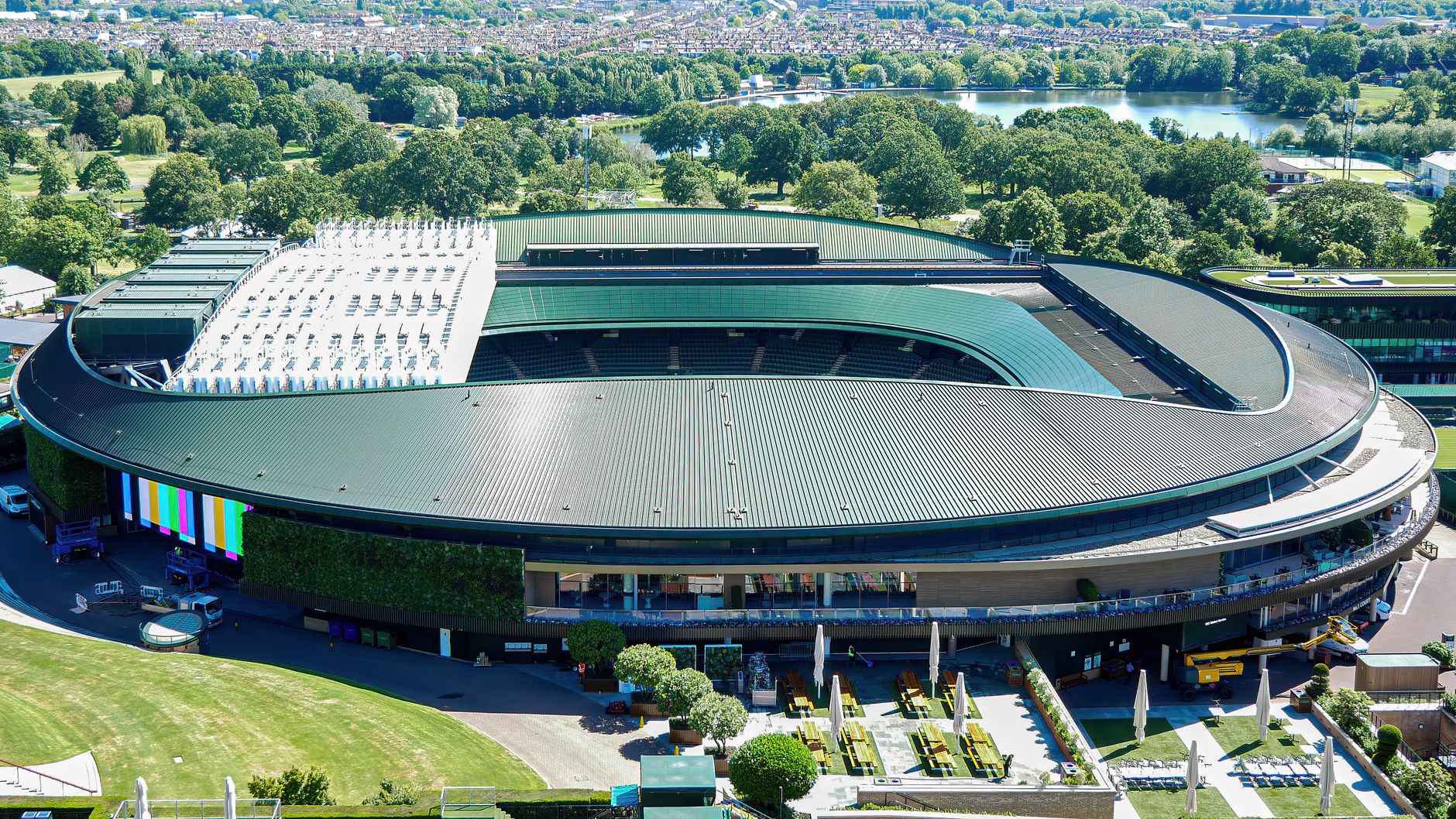
If you are planning a summer trip to London and want one clear reason to lock in the dates, Wimbledon is one of the strongest. The Championships 2026 run from Monday, 29 June, to Sunday, 12 July, which makes this a useful window for a sports-focused city break rather than a one-off day out. The trick is not just getting to the tennis, but building a London weekend around it without spending half your trip crossing the city in a rush.
This guide is for first-time visitors who want a smart, realistic London plan: where to stay, how to pair Wimbledon with central London, what kind of day works best, and when it makes more sense to skip one extra attraction and simply enjoy the rhythm of the trip.
Why Wimbledon works so well for a London weekend
Wimbledon is not in the middle of the usual first-time sightseeing zone. The All England Club sits in southwest London, while many visitors stay around areas like Covent Garden, Westminster, South Bank, or Kensington. That sounds inconvenient at first, but it is actually useful: one day can be focused on tennis and village streets, and the next can return to classic central London. You get two different versions of the city in one trip.
The official Wimbledon schedule confirms the 2026 Championships dates as 29 June to 12 July. Visit London also lists Wimbledon among the capital’s major annual events, which is a good reminder that accommodation and transport corridors can feel busier than on an ordinary summer weekend. (wimbledon.com)
Who this trip is best for
This kind of weekend suits travelers who want one anchor event and a flexible London plan around it. You do not need to be a serious tennis expert. It works just as well if you mainly want the atmosphere, summer energy, and the excuse to see a different side of London beyond the standard museum-and-palace loop.
If your priority is cramming in every major landmark, this may not be the ideal format. Wimbledon days are best when you leave breathing room in the schedule.
Where to stay for the smartest balance
Best all-around base: South Kensington or Gloucester Road
This is a strong compromise for a Wimbledon trip. You are still in a polished, visitor-friendly part of London with easy access to museums, parks, and west-central neighborhoods, but you are better positioned for the southwest side of the city than if you stayed near the Tower or Liverpool Street.
Best for classic first-time London: Westminster or South Bank
If this is your first trip and landmarks matter more than transport efficiency, these areas still make sense. Just accept that your Wimbledon day starts earlier and ends later.
Best if tennis is the main point: Wimbledon, Southfields, or nearby southwest London
If you care more about the event than central sightseeing, staying closer to SW19 reduces friction. It also gives you a calmer evening atmosphere than many busier tourist districts.
How to shape the weekend
Option 1: One tennis day, two classic London half-days
This is the best format for most visitors. Make Wimbledon your main event on one day, then use arrival and departure windows for compact walking routes in central London. A good pairing is South Kensington and Hyde Park on one side of the trip, and Westminster to South Bank on the other.
Using Ingry helps here because London is a city where short walking links matter. You often understand more by moving between places on foot than by treating each sight as a separate stop.
Option 2: A full Wimbledon weekend with a lighter central London plan
If you have tickets on more than one day, or simply want to stay in the tennis atmosphere, keep your non-Wimbledon plans local and undemanding. Choose one museum, one evening walk, and one park rather than a giant checklist.
A smart day around Wimbledon
For many visitors, the biggest mistake is treating Wimbledon as a quick excursion from central London. It usually works better as the day’s main commitment. Start early, travel out without pressure, and leave the rest of the day flexible.
Once you are in the area, do not rush straight back into central London the moment the tennis ends. Southwest London has enough character to justify lingering a little: village streets, greener residential pockets, and a noticeably calmer pace than the city center.
If you want to keep exploring after the tournament, make the evening simple. Head back toward South Kensington for a museum-area stroll, or choose the South Bank for an easy riverside walk. That gives the day a clean second act without forcing too much Underground hopping.
What to combine with Wimbledon, and what to skip
Good pairings
Some London sights combine naturally with a Wimbledon trip because they fit the geography or the pace of a summer weekend. The best add-ons are places that reward walking rather than heavy planning: Kensington Gardens, Hyde Park, South Bank, or a museum district afternoon if the weather turns.
If you like exploring city areas at street level, Ingry is especially useful in London because it helps connect landmarks, side streets, and quieter stops into one walkable route instead of a scattered list.
What to skip on the same day
Try not to combine Wimbledon with far-east or far-southeast London on the same day. It is technically possible, but not elegant. You will spend too much energy on transit and too little enjoying either place. Also think twice before adding a timed attraction that punishes late arrival. Tennis days are better when at least one part of the schedule stays loose.
Best neighborhoods to walk when you are not at the tennis
South Kensington to Kensington Gardens
This is one of the easiest choices for a Wimbledon weekend. It is pleasant, recognizable, and forgiving if you are tired after a long day. You can shape it as a museum morning, a park walk, or simply a clean route through elegant streets.
Westminster to South Bank
If you want iconic London without overthinking it, this is still one of the best walks in the city. It works especially well on your non-tournament day because it delivers the landmarks most first-time visitors want in a compact sequence.
Covent Garden to the Strand and Somerset House area
This is a good choice if you want a lively central area that still feels manageable. It suits an arrival day, a shorter evening, or a weather-dependent plan.
Summer crowd logic you should know
London in late June and early July is already busy, and Wimbledon adds another layer of travel demand. Major visitor districts, west London transport routes, and popular parks can all feel fuller than expected. The easiest way to keep the trip pleasant is to plan one anchor area at a time rather than zigzagging across the city.
That does not mean the whole city is overwhelmed. It means efficient geography matters more than usual. One strong morning area and one strong evening area is enough.
A realistic 3-day outline
Day 1: Arrive and keep central London simple
Choose one walkable district instead of trying to “start seeing everything.” Westminster and South Bank work well if you want the classic first impression. If you arrive tired, South Kensington is gentler.
Day 2: Wimbledon day
Make this the main event. Leave early, stay flexible, and avoid forcing too many post-match plans. If you still have energy later, pick one evening walk only.
Day 3: Parks, museums, or a slower neighborhood day
After a big event day, London works best when you shift gears. A museum, a park, or a long neighborhood walk usually feels better than another packed sightseeing push. Ingry is a good way to shape that final day into a route that feels connected rather than random.
Final planning advice
Wimbledon is one of those London trips that rewards restraint. You do not need to see the entire city around it. You need one good base, one well-paced tennis day, and one or two central walking areas that fit naturally before or after. Done that way, the weekend feels distinctly London rather than like a sports event dropped into an overpacked itinerary.
If you want a summer city break with a clear purpose, Wimbledon 2026 is a very strong reason to visit. Just build the trip around real distances, not wishful planning, and London becomes much easier to enjoy.
Download
Saint Petersburg
Moscow
Rome