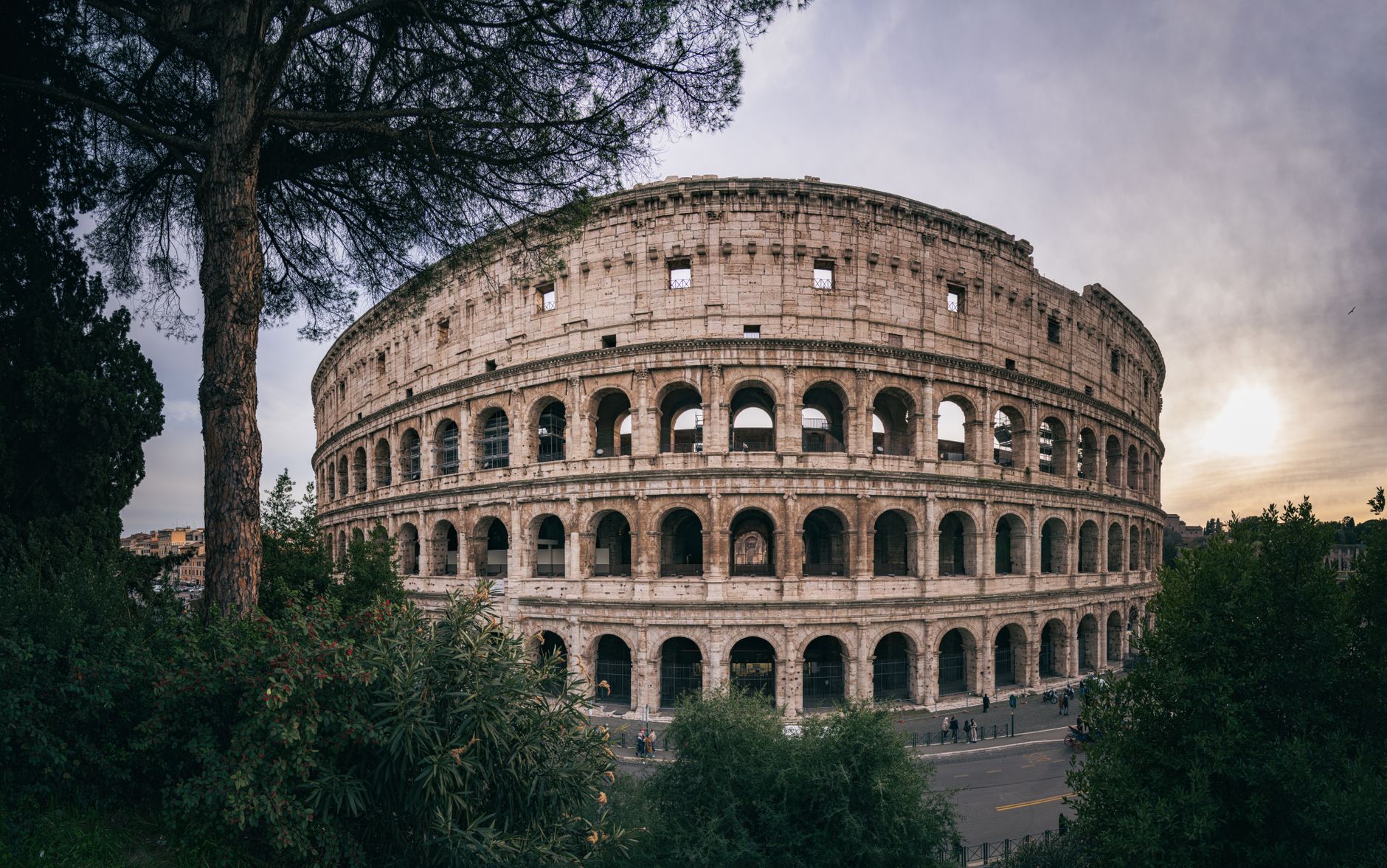
October is one of the smartest times to visit Rome. The summer heat eases, daylight is still generous in early October, and the city feels more walkable than it does in peak July and August. But this is not a secret season. Rome stays busy in autumn, especially around the Vatican, the Colosseum, and the historic center, so a good plan matters.
This guide is built for first-time visitors who want a classic Rome trip without spending three days stuck in queues or zigzagging across the city. It focuses on how to move through Rome logically on foot, when to tackle the busiest sights, and where to slow down once the checklist energy starts to wear off.
Why October works so well in Rome
Rome in October gives you a better walking city than midsummer. You can comfortably link neighborhoods like Centro Storico, Monti, Trastevere, and Prati in a way that feels draining in hotter months. Major landmarks still draw long lines, though, and autumn remains a popular travel period, so book any must-see entry in advance rather than hoping for a spontaneous visit.
If your trip falls at the start of the month, note that the Colosseum Archaeological Park shifts to slightly earlier autumn closing times from 1 October to 24 October, with last admission at 5:30 p.m. and closing at 6:30 p.m. The Vatican Museums are open Monday to Saturday from 8:00 a.m. to 8:00 p.m., with final entry at 6:00 p.m. Booking through the official channels is strongly advised. (colosseo.it)
Rome also has a full events calendar in September and October, so you may find parts of the city livelier than expected. For example, Turismo Roma lists city programming across September 2026 and early October events such as Rom-E 2026 in Villa Borghese from 2 to 4 October 2026. That does not need to define your trip, but it is a reminder that autumn weekends can be busy beyond the usual tourist pressure. (turismoroma.it)
Who this itinerary is for
This plan suits travelers with three full days in Rome who want to see the essential historic sights while still getting a feel for the city’s streets, viewpoints, and evening rhythm. It is especially good if you prefer walking and are happy to use buses or the metro only when they save time.
It is less ideal if your priority is checking off every museum in Vatican City and central Rome in a single weekend. In October, that approach usually means too much queueing and not enough city.
Day 1: Ancient Rome and Monti
Start early at the Colosseum area
Begin with the Colosseum, Roman Forum, and Palatine Hill. This is the right place for your most structured morning because it is one of the most time-sensitive parts of any Rome trip. Official ticket sales for Colosseum visits open 30 days before the visit date, and timed entry is compulsory for the Colosseum itself. (colosseo.it)
Try not to cram too much around this visit. Ancient Rome is larger and slower than many first-time visitors expect. The Roman Forum and Palatine are not quick add-ons; they are a long, exposed archaeological area with uneven ground and a lot of visual information. In October, that is more pleasant than in summer, but it still rewards a steady pace.
Lunch and reset in Monti
After the archaeological zone, walk uphill into Monti. This is one of the easiest transitions in central Rome: from imperial scale to smaller streets, local shops, and a more relaxed lunch stop. Monti works well on the first day because it gives you a break from monument overload without sending you far from the center.
If you like exploring while walking rather than navigating from pin to pin, Ingry is useful here. Monti is the kind of neighborhood where short context about churches, small squares, and street history adds more than a rigid list of top sights.
Late afternoon on Capitoline Hill or Via dei Fori Imperiali
Keep the late afternoon simple. If your energy is still good, head toward Capitoline Hill for one of the best urban viewpoints over the Roman Forum. If not, a slower walk along Via dei Fori Imperiali toward Piazza Venezia still gives you that big first-day Rome feeling without another ticketed stop.
Evening: keep dinner near your route
Do not make your first evening too ambitious. Stay in Monti, around Piazza della Madonna dei Monti, or continue toward the quieter side streets behind Via Nazionale. Rome is best at night when you are not racing across town for a reservation.
Day 2: Vatican morning, Prati lunch, Trastevere evening
Do the Vatican first, not in the middle of the day
The Vatican Museums are usually the most draining visit of a short Rome trip if handled badly. Go in the morning, ideally with a pre-booked slot through the official Vatican Museums ticket portal. The museums advise visitors to use the official site and note regular opening days and times on their official website. (museivaticani.va)
If you are also visiting St. Peter’s Basilica, build in flexibility rather than assigning exact times too tightly. This part of Rome is one of the city’s biggest bottlenecks in peak periods. October is easier than high summer, but not quiet.
After the Vatican, stay in Prati for a while
Many visitors make the mistake of rushing straight back to the old center. Prati is a good decompression zone after the Vatican: broader streets, less visual overload, and an easy place to stop for lunch. It also gives your day a cleaner structure, which matters in Rome more than people expect.
Cross the river later in the day
From Prati, cross toward Castel Sant’Angelo and then choose a riverside or bridge route into the historic center. By late afternoon, aim for Piazza Navona, Campo de’ Fiori, or a slower drift through the lanes around them rather than trying to pack in more interiors.
Evening in Trastevere, but choose your timing carefully
Trastevere is worth an evening, but it is not a secret and it can feel overfull on autumn weekends. Go early if you want atmosphere without peak dinner congestion. If the busiest lanes feel too crowded, move a street or two away instead of giving up on the area entirely.
This is another good moment for Ingry. Trastevere makes more sense when you understand how the quarter opens from church piazzas into smaller residential streets rather than treating it as one single nightlife zone.
Day 3: The historic center, Villa Borghese, and a calmer finish
Morning: Rome’s classic piazza-to-piazza walk
Use your final day for the walkable core that people imagine when they picture Rome: the Pantheon area, Piazza Navona, the Trevi Fountain, and the Spanish Steps. The trick is not to see these as isolated landmarks. They work best as one connected walking morning with coffee stops, short pauses, and no expectation of solitude.
Go as early as you can for Trevi if it matters to you. It is one of the places where crowd patterns shape the entire experience. The same applies to the Spanish Steps area, which gets steadily busier as the day moves on.
Afternoon: pick one quieter anchor
By day three, most travelers need one calmer anchor. Villa Borghese is a strong choice because it gives you shade, space, and viewpoints without leaving central Rome. Early October can also bring additional activity in this area: Turismo Roma lists Rom-E 2026 in and around Villa Borghese from 2 to 4 October 2026, which may make that zone busier on those dates. (turismoroma.it)
If Villa Borghese does not appeal, use the afternoon for a neighborhood walk instead of another blockbuster museum. Rome rewards selective skipping. You do not need to force one more major indoor sight into every half day.
Evening: end somewhere with room to walk
For your last evening, avoid ending the trip in the most crowded part of Centro Storico unless that is exactly what you want. A dusk walk from the Pincio terrace, through Villa Borghese, or along the Tiber can feel more memorable than one last packed piazza.
If you want a tool for tying the city together on your last day, Ingry works well for following a route through central Rome without constantly switching between maps, notes, and search results.
What to book ahead for an October weekend in Rome
If there are two places to reserve before you arrive, make them the Colosseum Archaeological Park and the Vatican Museums. Both operate with structured access, both remain high-demand in autumn, and both are easier when you commit to a specific morning rather than leaving them vague. Official Colosseum ticket sales open 30 days before the visit date, and the Vatican Museums direct visitors to their official ticket portal to avoid scams. (colosseo.it)
Everything else depends on your style. Many churches, piazzas, and neighborhood walks are better enjoyed with flexibility.
How to move through Rome without wasting time
Rome is a city where walking often beats short public transport hops in the center. Distances that look awkward on a map can be pleasant on foot if you group them well. The mistake is not walking too much; it is crossing the city back and forth without logic.
A good October rhythm is to do one high-demand sight early, then let the rest of the day unfold in the surrounding area. Ancient Rome pairs naturally with Monti. The Vatican pairs naturally with Prati and then a river crossing into Trastevere or the historic center. The piazza core pairs naturally with Villa Borghese.
What to skip, or at least not force
Skip same-day attempts to combine the full Vatican Museums visit, the Colosseum, and the Borghese Gallery unless your goal is speed rather than enjoyment. In October, queues may be more manageable than in high summer, but the city is still crowded enough that overpacking your plan usually backfires.
Also skip the idea that every famous place must be visited at peak time. Trevi at midday, Trastevere late on a packed Saturday, and the Vatican after a slow start are all versions of Rome that make the city feel harder than it needs to.
Final thought
For first-time visitors, Rome in October is not about doing less. It is about doing the city in the right order. If you front-load the busiest monuments, keep neighborhoods grouped together, and leave room for unplanned pauses, three days can feel full without becoming exhausting.
That balance matters in Rome more than in many cities. The city is dense with history, but the real pleasure comes from how one place leads into the next: forum to hill, basilica to bridge, piazza to side street. October gives you better conditions to enjoy that movement, as long as you plan smart.
Download
Saint Petersburg
Moscow
Rome