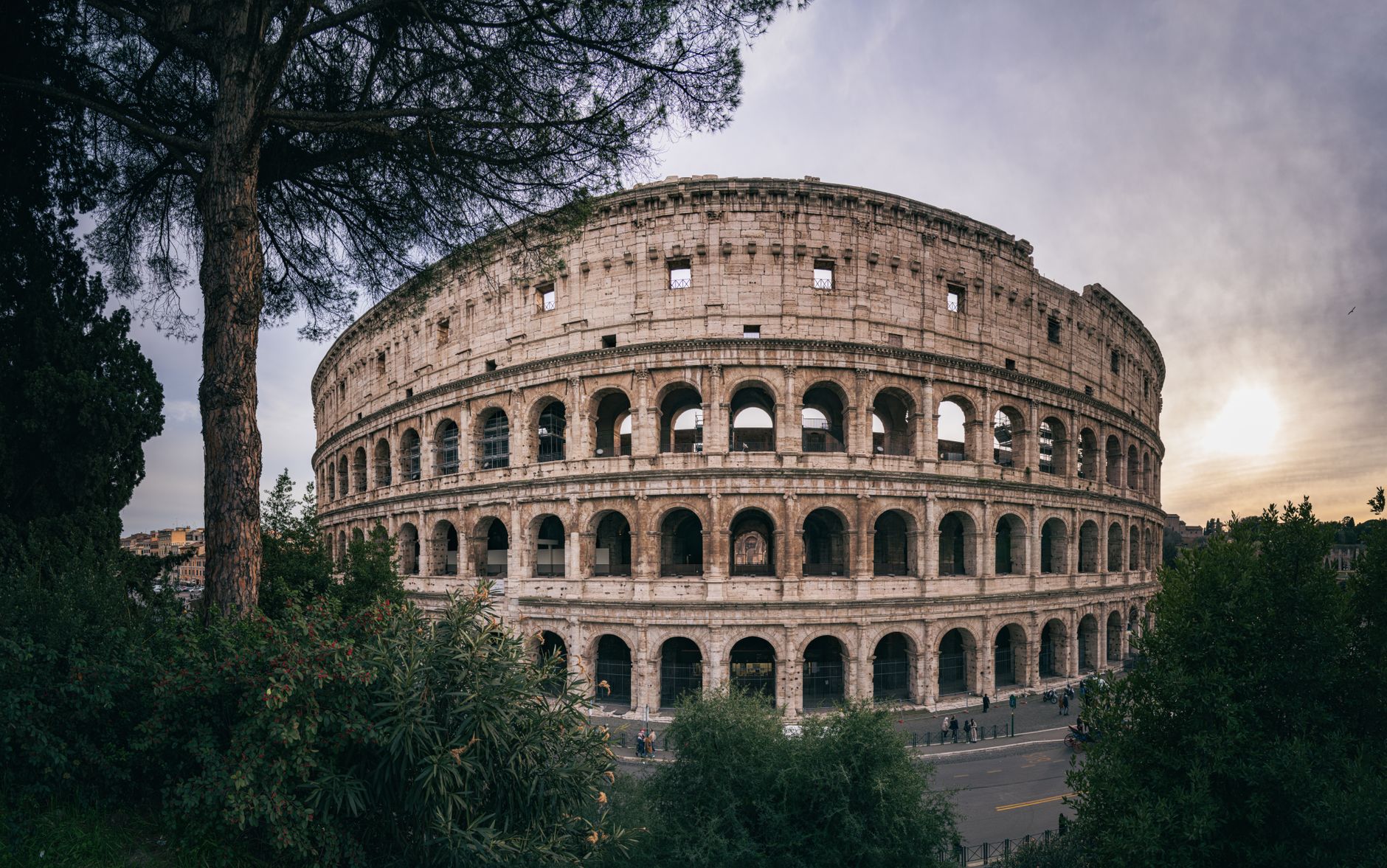
November is one of the most useful months for a first trip to Rome. The city is still fully itself, but the rhythm changes: long scenic walks become easier, central streets are less punishing than in peak season, and you can move between major sights and real neighborhoods without feeling like every step is a queue. It is not the month for rooftop fantasies or late-sunset sightseeing. It is the month for doing Rome intelligently.
This guide is built for travelers who want a long weekend that balances the big essentials with the kind of walking that makes Rome memorable: ancient layers in the historic core, one full Vatican day, and one day for neighborhoods, viewpoints, and a slower local finish. If you like exploring on foot between landmarks rather than jumping in and out of taxis, Ingry is especially useful in Rome, where the city makes the most sense when you understand what is around the next corner.
Why November works so well in Rome
November usually suits travelers who care more about seeing Rome well than about ticking off as many photo spots as possible. The main advantage is pacing. The historic center, Monti, Trastevere, Borgo, and parts of the riverfront all become more manageable when the city is not under peak summer pressure. You should still expect crowds at the Colosseum, Vatican Museums, Trevi Fountain, and Pantheon, but the city beyond those pressure points feels far more breathable.
There are also a few planning details worth knowing. In 2026, Rome’s civic museum network continues its free-entry first Sunday initiative, and the city’s tourism office also highlights major autumn events in October and November, including the long-running Romaeuropa Festival into mid-November. That means some weekends can feel busier in selected areas even while the city overall feels calmer than spring or early autumn. If your trip overlaps the first Sunday of the month, expect heavier museum demand and choose your route carefully.
Who this itinerary is best for
This plan works best if you are in Rome for 2.5 to 3 days, staying somewhere central enough to walk large parts of the city. The easiest bases for this itinerary are Centro Storico, Monti, Prati, or the area around Piazza Venezia if you want to reduce transit time. Trastevere is atmospheric and enjoyable at night, but if this is your first Rome trip, staying there can make your mornings less efficient for the major sights.
If you only have two days, keep Day 1 and Day 2, then borrow the morning of Day 3 for a final neighborhood walk. If you have four days, use this itinerary as a spine and add Borghese Gallery or the Appian Way rather than trying to cram in more central landmarks.
Before you go: what to book ahead
Book the Colosseum area and the Vatican Museums in advance. Those are the two reservations that matter most in a short November trip. The Pantheon has regulated paid entry, with free admission on the first Sunday of the month and for some categories, so it is worth checking current rules before your visit. If your dates line up with the first Sunday, remember that “free” in Rome often means “busy,” especially at headline sights.
November daylight is shorter than many first-time visitors expect, so do not push museums too late in the day and assume you will still have a golden-hour wander afterward. Build your outdoor viewpoint walks into midday or early afternoon instead.
For moving through the city between stops, Ingry can help you follow a more coherent route rather than bouncing randomly between isolated attractions.
Day 1: Ancient Rome in the morning, Centro Storico in the afternoon, Trastevere at night
Morning: Colosseum, Forum area, and a measured start
Start early with the Colosseum and the archaeological core around it. Even in November, this zone concentrates first-time visitors, school groups, and guided tours, so it rewards a morning slot. Afterward, continue on foot rather than switching immediately to another museum. One of the pleasures of Rome is seeing how quickly the city changes texture as you leave the grand archaeological basin and move toward lived-in streets.
From the Colosseum side, Monti makes a natural coffee or early lunch pause. It is one of Rome’s oldest districts and still one of the best areas for a break between major monuments. The point is not to “do Monti” exhaustively on day one, but to let the neighborhood soften the shift from ancient-site intensity into a more human scale.
Afternoon: Piazza Venezia to the Pantheon to Piazza Navona
After lunch, walk west toward Piazza Venezia and into the dense core of the historic center. This is where Rome becomes most satisfying on foot: distances are short, the layers are obvious, and you can link major landmarks without making the day feel forced. A practical sequence is Piazza Venezia, then the Pantheon area, then Piazza Navona, with time to drift into smaller side streets instead of racing to every church and fountain nearby.
Do Trevi Fountain either earlier in the day or leave it for a late-evening detour. In the middle of the afternoon, it often becomes more frustrating than rewarding. The Pantheon area tends to work better as a pause because there are multiple streets feeding into it, so the crowd disperses more naturally.
Evening: Cross to Trastevere, but keep expectations realistic
For your first evening, cross the river to Trastevere. It remains one of Rome’s most characteristic quarters, with narrow lanes, busy squares, and a dining scene that makes sense for visitors. It is a good place for dinner and an unhurried walk, but not necessarily for checklist sightseeing after dark. Come here to end the day well, not to rush between monuments.
If you still have energy, take a short post-dinner walk toward the river or around Piazza Santa Maria in Trastevere. In November, that softer nighttime atmosphere can be more memorable than another hour spent in the crowded monument zone.
Day 2: Vatican day done properly
Morning: Vatican Museums first
Make this a focused Vatican day and book an early Vatican Museums entry if possible. The mistake many visitors make is trying to combine the Vatican with too much of central Rome on the same day. In reality, the museums take time and attention, and the area around them works best when treated as its own half of the city.
After the museums, pause before deciding whether to do more interior sightseeing immediately. If your energy is fading, a simple reset in Prati can make the rest of the day better. The neighborhood has broader streets and a calmer layout than the historic center, and it is useful precisely because it does not fight for your attention every few steps.
Afternoon: St. Peter’s area and Borgo
Use the afternoon for St. Peter’s area and the Borgo district rather than trying to sprint back toward the Spanish Steps. This part of Rome rewards slower movement: monumental spaces, long axes, and short but satisfying detours. Borgo sits between the Vatican and the river and makes a natural bridge into the rest of the city if you want to continue walking later.
If the weather turns wet, keep this day flexible. November rain in Rome does not ruin a trip, but it does change the texture of the city. On a rainy day, the Vatican side is one of the easiest places to keep your plans intact because the museum component is already built in.
Evening: Castel Sant’Angelo side or an early finish
If the day has gone smoothly, continue toward Castel Sant’Angelo and the river for a final walk. If not, this is the right evening to stop early. Rome rewards travelers who leave some energy for the next day. A short weekend here is not improved by trying to squeeze every famous angle into one overstuffed schedule.
Day 3: A neighborhood Rome day with views, markets, and a better ending
Morning: Testaccio or a slower Trastevere revisit
Your final day should feel different from the first two. Testaccio is a strong choice if you want to leave Rome with a better sense of the city beyond the postcard core. It has long been associated with the popular, lived-in side of Rome and sits close to landmarks like the Pyramid of Cestius and Monte Testaccio. It is also practical rather than precious, which can be refreshing after two days of iconic sights.
If Testaccio feels too far for your energy level, revisit Trastevere in daylight instead. Many visitors only see it at dinner time and miss its daytime character. Morning is often when Rome feels most balanced: less performative, more local, and easier to understand.
Midday: Aventine side or a green pause
From Testaccio, the Aventine side makes sense for a quieter midday shift. This part of Rome gives you breathing space without requiring a long transfer. If the first two days were monument-heavy, use this stretch simply for walking and views rather than adding another dense museum block. November is a good month for that kind of adjustment, because the weather is usually more comfortable for sustained walking than summer.
If you prefer a museum finish, the first Sunday of the month can make civic museums attractive, but only if you are willing to deal with stronger demand. Free-entry days are best used for less obvious choices, not for assuming the entire city will somehow become easier.
Afternoon: Final historic-center loop
Spend your last afternoon reconnecting with the center rather than chasing one far-flung attraction. A final loop through Campo de’ Fiori, the Jewish Ghetto area, or the streets around the Pantheon often works better than a stressful crosstown transfer. This is the moment to enjoy Rome’s in-between spaces: courtyards, church facades, river crossings, and streets that are not famous enough to be jammed all day.
If you want a structured way to walk these last hours, Ingry is a good companion because Rome is a city where context changes the experience. A building, square, or ruin is more interesting when you understand how it fits into the surrounding district.
What to skip on a short November trip
Skip the idea that you need to “cover” every famous Roman site in one weekend. Do not combine the Vatican Museums, Borghese Gallery, Colosseum, several major churches, and half a dozen piazzas unless you actively enjoy moving fast and remembering little. Also skip long cross-city detours for one isolated attraction if your trip is only three days long.
Another common mistake is underestimating queue friction. In Rome, the problem is not just distance. It is the stop-start rhythm of security lines, ticket checks, crowded approaches, and slow movement through narrow central streets. November reduces some of that friction, but it does not remove it.
How to think about crowds in November
Think in zones, not in general statements like “November is quiet.” The Vatican, Colosseum, Trevi Fountain, and Pantheon can still feel very busy. The difference is that once you step away from those pressure points, the city relaxes faster than it does in spring or early autumn. That is why this itinerary leans so heavily on connected walking districts: Monti after the Colosseum, Borgo after the Vatican, Testaccio or Trastevere for a reset, and a final central loop instead of one more grand detour.
If your weekend overlaps 1 November or the first Sunday of the month, build in extra margin. Free-entry museum days and public-holiday timing can produce exactly the kind of crowd spikes that catch short-trip visitors off guard.
Is November a good time for a first trip to Rome?
Yes, especially if you want a first trip that feels substantial rather than frantic. Rome in November is not about dramatic seasonal spectacle. It is about better walking conditions, more breathing room between headline sights, and a more realistic chance of enjoying the city beyond the obvious list.
If you want Rome at its most cinematic, you may imagine another season. If you want Rome at a pace that lets you actually see it, November is a very smart choice.
Download
Saint Petersburg
Moscow
Rome