August is one of the trickiest months to plan well in Rome. The city is still full of major sights, but the rhythm changes: heat builds fast, afternoons can feel draining, and the best hours are often early in the morning and after sunset. If you plan Rome the same way you would in spring or October, you can end up spending too much of the day standing in open sun and too little actually enjoying the city.
This guide is built for a real three-day August trip. It is not a race through every famous landmark. Instead, it helps you group areas logically, save your energy, and use the city at the times when it feels most rewarding. Rome’s official tourism board is currently highlighting August cultural programming, evening events, and special museum openings around Ferragosto on August 15, 2026, while also noting practical details such as free-entry days and temporary transport changes including the closure of Metro Line A’s Lepanto station until August 30, 2026. That matters when you are deciding how to move around the city in summer. (turismoroma.it)
Why August in Rome can still work beautifully
Rome in August rewards travelers who are willing to shift their schedule. Start early, slow down in the hottest part of the day, and return outside in the evening. That rhythm fits the city better than trying to power through from late morning to late afternoon. It also lets you experience two very different Romes: the monumental city at sunrise and the social city after dark.
Another advantage is that August often creates a clearer planning logic. If you accept that midday is best for churches, museums, lunch, and rest, your route becomes simpler. You walk less, queue less, and enjoy more. Rome’s official August guide also points to free and low-cost options throughout the month, plus late-summer cultural programming along the river and in neighborhood venues beyond the historic core. (turismoroma.it)
Before you go: the August Rome rules that matter most
1. Book major indoor sights ahead
If the Vatican Museums or the Colosseum area are on your list, do not leave them to chance. The Vatican Museums explicitly advise visitors to use the official portal, and August is not the month to gamble on same-day availability for top sights. (museivaticani.va)
2. Put your longest walks before 10:30 a.m.
The historic center is very walkable, but exposed stone streets and big piazzas feel much harder in August than they do in cooler months. Use the morning for outdoor classics and save interior stops for midday.
3. Keep one flexible evening
Rome’s August calendar often includes open-air screenings, music, and neighborhood events, so it helps to leave one evening unscheduled rather than filling every slot in advance. The city’s tourism calendar is the best place to check what is actually on during your dates. (turismoroma.it)
4. Do not overuse the metro if your route is central
For a short trip, Rome often works better as a city of connected walks: Centro Storico to the Pantheon, Piazza Navona, Campo de’ Fiori, Trastevere, and the river. And in August 2026, transport details matter even more because Lepanto station on Metro Line A is officially closed until August 30, so some Vatican-area plans may need small adjustments. (turismoroma.it)
For navigating those walking links without constantly checking a map, Ingry is especially useful in Rome. The city makes more sense when you understand what you are passing, not just where you are going.
Day 1: Ancient Rome in the cool hours, then a slower historic center
Morning: Colosseum area and the Roman Forum side of the city
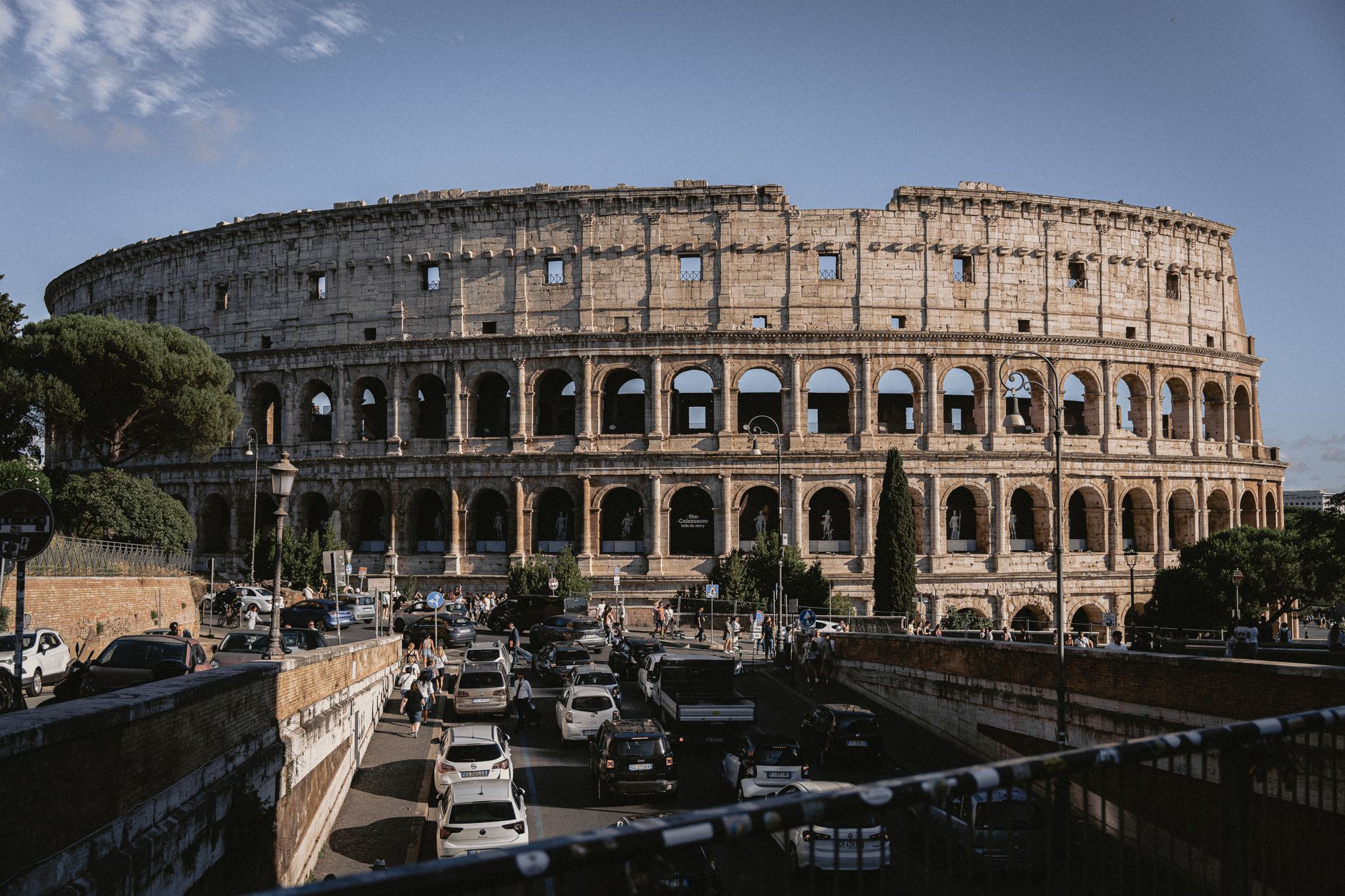
Begin as early as you can. In August, the point is not only to beat crowds but also to experience the ancient core before the heat reflects back from stone and pavement. Start around the Colosseum and move toward the Forum and Capitoline side rather than zigzagging across the center.
If you are deeply interested in archaeology, keep this morning focused and avoid stacking too many unrelated stops. If you are more of a general visitor, it is enough to pair one major ancient site with a strong exterior walk and then move on. Rome can become exhausting when every stop is monumental.
Midday: Capitoline area or a museum break
By late morning, shift toward indoor time. A museum or a long lunch is not laziness in August; it is good planning. If you want culture without the heaviest tourist crush, look beyond the same two or three headline sights. Rome’s August listings also highlight civic museums and temporary exhibitions across the city, which can be a smart way to spend the hottest hours. (turismoroma.it)
Evening: Piazza Venezia to the Pantheon to Piazza Navona
Once the light softens, walk the classic sequence through the historic center. This is when Rome regains its pleasure: fountains, façades, side streets, and the feeling that the city is meant to be explored on foot. Do not try to “complete” everything. In this part of Rome, mood matters more than checklists.
If you like walking with context, Ingry can help tie together the obvious landmarks with smaller churches, ruins, and overlooked corners in between. That is often the difference between simply seeing Rome and actually understanding it.
Day 2: Vatican side in the morning, Trastevere in the evening
Morning: Vatican Museums or St. Peter’s area
This is the day to do your most in-demand reservation. If you choose the Vatican Museums, go early and commit to that as your main morning. If you prefer a lighter day, focus on St. Peter’s Basilica and the surrounding area instead of trying to force both museum fatigue and a full cross-city itinerary into the same half day.
One useful August note: Rome’s official tourism guide states that on August 30, 2026, which is the last Sunday of the month, the Vatican Museums will offer free entry from 9 a.m. to 2 p.m., with last admission at 12:30 p.m. That may sound attractive, but it will also likely mean heavier demand, so budget travelers should weigh savings against time and crowding. (turismoroma.it)
Travelers interested in Rome’s religious dimension should also know that the four Papal Basilicas are St. Peter’s, St. John Lateran, Saint Mary Major, and St. Paul Outside the Walls, and the Jubilee materials describe them as the principal basilicas associated with the Holy Doors during the Jubilee year. Even if your trip is not specifically religious, that context helps explain why these places draw such a steady flow of visitors. (iubilaeum2025.va)
Midday: rest, lunch, and resist adding too much
The Vatican area can be tiring in August because the logistics are more demanding than they look on a map. After your morning, do less. A shaded lunch and a real pause will improve the rest of the day more than one extra attraction will.
Evening: Trastevere after the heat drops
Trastevere works best in August after sunset, when the neighborhood feels lively rather than punishingly hot. Come for a long walk, not for a rushed dinner target. Start on the quieter edge if you can, then move toward the more crowded core around Santa Maria in Trastevere. If the busiest lanes feel too packed, step away for two or three streets; the atmosphere returns quickly.
This is also a good evening to see whether there is current local programming worth catching. Rome’s August calendar includes neighborhood events and open-air culture, and Trastevere is often a good base area even if the event itself is elsewhere. (turismoroma.it)
Day 3: Villa Borghese, a cooler museum plan, and one last long walk
Morning: green space before stone again
By the third day, many visitors make the mistake of scheduling another fully exposed historic marathon. A better August move is to start in or around Villa Borghese, where the rhythm feels lighter and the city opens up a bit. This is a smart morning for anyone who wants a break from dense crowds without leaving central Rome.
If you are choosing between one more ruin and a park-plus-museum combination, August usually favors the second option.
Midday: choose one museum, not three
Rome offers enough indoor culture that you do not need to force a packed museum crawl. Pick one place that fits your interests and give it time. The official August Rome guide specifically highlights a mix of civic museums, temporary exhibitions, and smaller free museums that can make more sense in summer than only chasing the biggest names. (turismoroma.it)
Evening: final walk along the river or through the Centro Storico
Use your last evening for a route that feels open-ended. In August 2026, Rome’s tourism listings mention seasonal programming connected to Lungo il Tevere as well as other summer events across the city, so the river can be a pleasant final-night direction if something on during your dates appeals to you. Otherwise, a simple return to the historic center is enough. Rome rarely needs a grand finale; it just needs one more good walk. (turismoroma.it)
If you want an easy way to keep that last walk structured without making it rigid, Ingry works well for linking major sights with smaller places you might otherwise miss.
What to skip in Rome in August
Trying to cover every headline sight
Rome punishes overplanning in hot weather. Three strong areas in three days is enough.
Crossing the city repeatedly at midday
This is the fastest way to lose energy. Group your neighborhoods and stay put for longer blocks.
Assuming every cheap or free option is automatically the best option
For example, free-entry windows can be worthwhile, but in August they may also mean longer waits and denser crowds. Choose them when they fit your tolerance, not just your budget. Rome’s official August guide confirms both first-Sunday free admission at national and Roma Capitale museum sites and the last-Sunday free opening at the Vatican Museums, but the practical tradeoff is crowding. That final point is an inference based on the popularity of those opportunities. (turismoroma.it)
If your trip includes Ferragosto weekend
Ferragosto, on August 15, is one of the clearest near-term August travel moments in Rome this year. For 2026, Rome’s official tourism site confirms Ferragosto al Museo on Saturday, August 15, with state-run museums, archaeological parks, and cultural sites open at ordinary admission rates and according to each site’s visiting rules. The same official page also notes continued evening experiences such as Ara si rivela and the Circus Maximus immersive visit over the holiday weekend. (turismoroma.it)
If your dates fall around that weekend, this is a good reason to keep your schedule flexible: you may want one cultural evening booking and one quieter morning elsewhere. Just avoid assuming that a holiday means the whole city shuts down. In Rome, the better question is which places are open, which need booking, and which areas will feel busiest.
Final planning advice for a short August trip
The best Rome weekends in August are not the most ambitious ones. They are the ones that respect the month. Wake early, hide from the worst heat without guilt, and return outside when the city becomes sociable again. Rome is still Rome in August: ancient, theatrical, layered, and full of small details between the landmarks. You just need to travel through it at the right speed.
Download
Saint Petersburg
Moscow
Rome