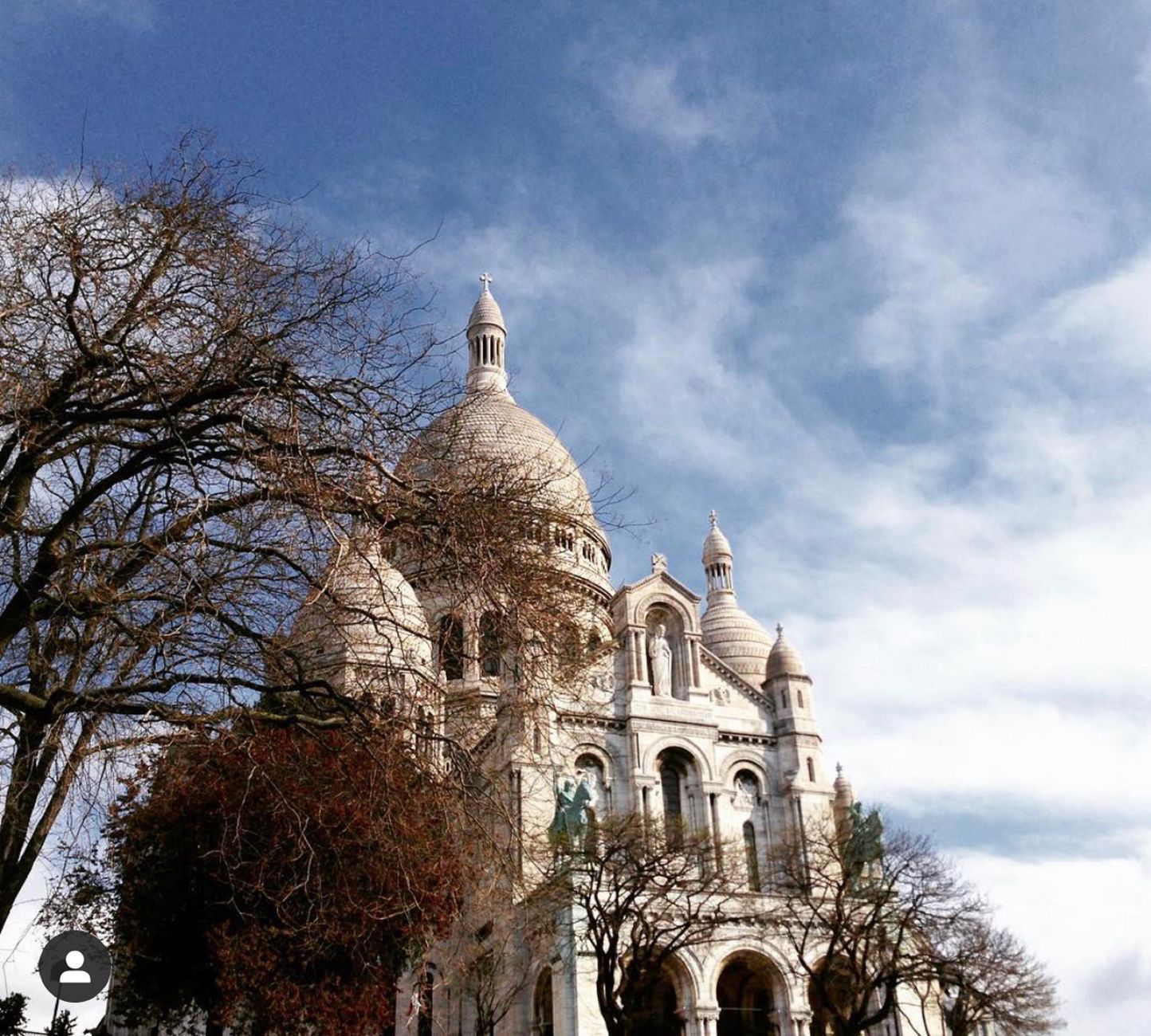
October is one of the most rewarding months to visit Paris. Summer pressure eases, the light turns softer, and the city shifts indoors and outdoors at the same time: long walks still make sense, but museums, covered passages, historic churches, and café stops start to feel like part of the plan rather than a backup. Paris’s official tourist office highlights October 2026 as a month of major exhibitions and autumn events, and this year the Montmartre Grape Harvest Festival runs from October 7 to 11, adding extra energy to one of the city’s most atmospheric neighborhoods. Paris Fashion Week womenswear also runs through October 6, 2026, which can slightly raise hotel pressure and activity around some central districts.
If you are choosing a weekend in Paris this month, the smartest approach is not to chase too much. Build your days around walkable areas, leave room for museum lines and weather shifts, and treat the city by neighborhood rather than by checklist. This guide is designed for exactly that.
Why October works so well for a Paris weekend
Paris in October suits travelers who want a classic first trip without peak-summer exhaustion. The city remains very active culturally, but the rhythm is usually easier than in midsummer. That matters in Paris, because the real pleasure often comes from linking places on foot: a museum to a garden, a bridge to a side street, a monument to a café, a busy boulevard to a quiet square.
October is also a strong month for travelers who care about balance. You can still spend hours outside, but if the weather turns cool or damp, Paris has an easy fallback structure: covered arcades, churches, department store interiors, museums, and compact neighborhoods where you can keep moving without crossing the whole city.
Who this itinerary is for
This plan works best for first-time or second-time visitors who want a recognizable Paris trip, but not a rushed “ten landmarks before lunch” version. It is especially good for a Friday-to-Sunday stay, a long weekend, or an October city break built around walking, views, art, and neighborhood atmosphere.
It is less ideal if your priority is major shopping, nightlife-only plans, or squeezing in every headline monument. In October, Paris rewards focus.
Before you start: how to think about moving through Paris
The biggest mistake visitors make is zigzagging across the city. Paris looks compact on a map, but repeated cross-town trips drain time. A better approach is to pair neighborhoods that naturally connect on foot or with one short Metro ride.
For this itinerary, each day has a clear logic:
Day 1 stays largely on the Right Bank and in central Paris. Day 2 is built around Montmartre and the north of the city. Day 3 shifts left and west for classic views, river space, and a calmer finish.
For walking navigation between smaller landmarks, viewpoints, and side streets, Ingry is especially useful in Paris because the city makes more sense when you understand what you are passing, not only what you booked in advance.
Day 1: The historic center without rushing it
Morning: Île de la Cité and the Seine
Start early around Île de la Cité. This gives you the strongest opening image of Paris: riverbanks, old stone, bridges, and the layered center of the city. Even if you are not planning a monument-heavy morning, the area is best experienced before the day fully crowds up.
From here, keep the route simple. Walk the islands and nearby quays, then continue toward the Latin Quarter or across to the Right Bank depending on your energy. The goal is not speed. It is orientation.
If this is your first time in Paris, do not spend the whole morning standing in multiple unrelated lines nearby. Pick one major interior visit at most, then stay outside and keep walking.
Late morning to afternoon: Louvre side, Tuileries, and covered pauses
Next, move toward the Louvre area and the Tuileries. Even travelers who do not plan to enter the museum should spend time in this zone because it gives you one of the clearest transitions between monumental Paris and strolling Paris.
If you do want a museum today, make it your main indoor anchor and keep the rest of the day lighter. October is a good museum month in Paris, and official autumn listings for 2026 note a packed exhibition season across major institutions. That means it is worth booking one thing you really care about rather than improvising three average visits.
Afterward, walk through the Tuileries and toward Place de la Concorde, or duck into nearby arcades and side streets if the weather shifts. This is a good moment to slow down instead of adding distance for its own sake.
Evening: Palais-Royal to the Seine after dark
For the evening, stay central. The Palais-Royal area, nearby arcades, and the river after dusk make more sense than crossing the city for one extra attraction. Paris in October often feels best after dark when the air cools and the busiest daytime crowds thin out.
If you like exploring on foot, this is a good time to use Ingry as a walking companion rather than a route planner alone. In central Paris, many of the details that make the city memorable are easy to miss unless something points them out.
Day 2: Montmartre, autumn streets, and festival energy
Why Montmartre belongs in an October itinerary
Montmartre can feel overdone in summer, but in October it regains some of its texture. The official Paris tourism calendar confirms that the Montmartre Grape Harvest Festival takes place from October 7 to 11, 2026, bringing music and extra activity to the 18th arrondissement. If your weekend overlaps with those dates, expect a livelier atmosphere and more people on the hill. That is not a reason to avoid it; it is a reason to go earlier in the day and stay flexible.
Morning: start from the lower slopes
Do not begin at the very top unless you are there at dawn. Instead, approach Montmartre gradually from the lower streets and work upward. This gives the neighborhood time to unfold and helps you avoid the feeling of being dropped straight into its busiest zone.
The best part of Montmartre is rarely the single viewpoint everyone photographs. It is the sequence: steep streets, staircases, pocket squares, façades, abrupt city views, and the contrast between tourist edges and quieter residential corners.
If festival week is on, keep in mind that local circulation may feel slower than usual. Build in time for wandering rather than precise hourly planning.
Afternoon: choose between depth and distance
After lunch, you have two good options. The first is to stay around Montmartre and nearby northern neighborhoods, taking your time with side streets, cemetery space, or a second hilltop pass once the light changes. The second is to drift south toward the grands boulevards and covered passages, which work especially well in October if the weather is mixed.
The wrong move is trying to combine Montmartre with a far western or southern plan on the same day. The hill already takes energy, and it is more satisfying when not treated as a quick photo stop.
Evening: keep dinner nearby
If you spend the day in Montmartre, do not automatically leave right after sunset. The area changes character in the evening, and nearby neighborhoods can be a practical place to end the day without another long transit jump.
During the first week of October 2026, Paris Fashion Week womenswear runs until October 6, according to the Fédération de la Haute Couture et de la Mode. Even if you are not attending anything related to fashion, that period can sharpen demand in parts of the city and add a little extra buzz around certain hotels, cafés, and central routes. If your trip overlaps with those dates, reserve accommodation and any must-do meals earlier than usual.
Day 3: Left Bank, classic views, and a calmer finish
Morning: Luxembourg or Saint-Germain start
Use your final day for a softer pace. Begin on the Left Bank, ideally around the Luxembourg area or Saint-Germain-des-Prés. After two fuller days, this side of Paris often feels easier: elegant, walkable, and good for a final museum, church visit, or garden loop without too much logistical effort.
This is also the right day for lingering. If the weather is pleasant, take advantage of it. If it is grey, the Left Bank still works because indoor options are close together.
Afternoon: Eiffel Tower views without building the whole day around it
Many first-time visitors feel they must devote half a day to the Eiffel Tower zone. In reality, unless you have a specific tower booking, it is often enough to frame the area as a walk-and-view segment instead of the entire day’s mission.
Approach it through a broader route: bridge views, river stretches, and nearby avenues rather than one single stop under the monument. This creates a much better final-day rhythm and leaves room for one last museum or neighborhood detour.
If you want your closing walk to feel distinctly Parisian rather than purely iconic, follow the river for part of the afternoon. October light is often kind to stone façades and bridges, and this is one of the easiest ways to end a short trip well.
Evening: one last neighborhood, not one last checklist
Your final evening should be close to where you already are. Resist the temptation to cross the city to “fit in” one more major sight. Short Paris trips feel better when the ending is local: one more square, one more bridge, one more stretch of street life.
If you still have energy, open Ingry and follow a last walk through the area you liked most. Paris is a city where a good final hour can matter more than a forced final attraction.
What to book ahead in Paris in October
In October, it is smart to prebook the experiences that can distort your day if left uncertain: one major museum, any must-have tower or special exhibition entry, and your hotel if you are traveling during a busier event window.
This matters especially in early October 2026, when Paris Fashion Week overlaps with the start of the month, and in Montmartre festival dates from October 7 to 11, when that neighborhood draws extra visitors.
You do not need to prebook everything. In fact, overbooking Paris can make the trip worse. The city is at its best when one fixed visit anchors a half-day and the rest unfolds on foot.
What to skip if you only have one weekend
Skip the temptation to cover every famous district. A short Paris trip does not need Montmartre, the Marais, the Eiffel Tower area, the Latin Quarter, a full Louvre visit, and a Versailles side trip all in the same 72 hours.
If you only have one weekend, skip long out-of-city detours unless they are the main reason for your trip. Skip restaurant plans that force big transit jumps. Skip spending your best weather window underground in multiple museums back to back. And skip any itinerary that treats Paris as a race between photo spots.
Neighborhood strategy: where October feels best
In October, the most satisfying Paris neighborhoods are often the ones that support half-indoor, half-outdoor days. Central historic areas work well for first-time orientation. Montmartre is particularly strong this month because of atmosphere and seasonal character. Saint-Germain and the Left Bank are reliable when you want an easier pace. The grands boulevards and covered passages become more appealing as weather turns cooler or wetter.
The least satisfying strategy is building your whole trip around scattered single attractions with no local continuity between them.
Final thoughts
Paris in October is not about doing less because the season is quieter. It is about doing the city better. Walk more intelligently, book a little more carefully, and let neighborhoods carry the trip.
If you are visiting this month, plan for one strong museum, one strong hilltop day, and one long river-and-garden day. That is already enough for a memorable weekend in Paris.
Download
Saint Petersburg
Moscow
Rome