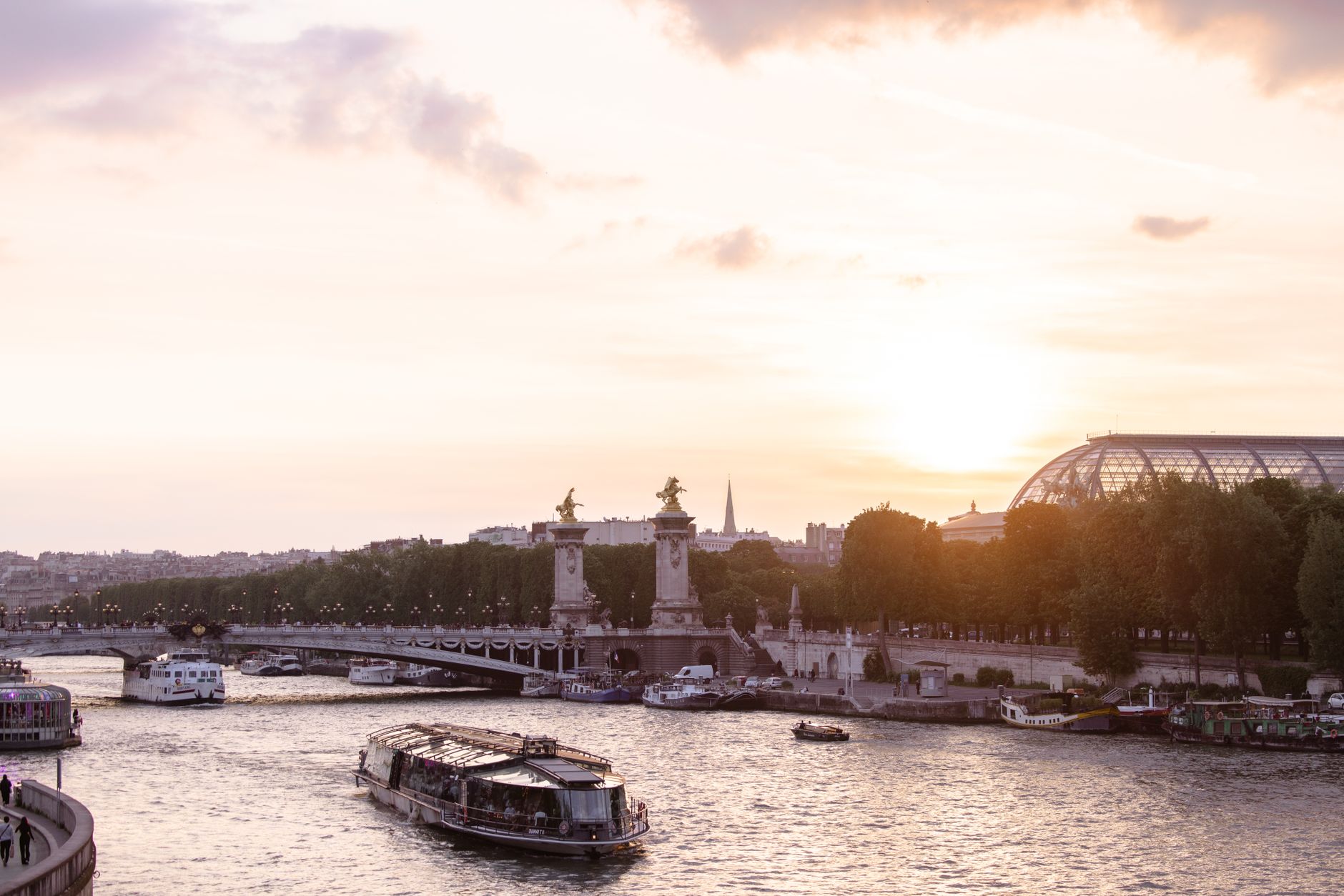
August is one of the easiest months to enjoy Paris if you plan for the city it actually is in summer, not the one people imagine. Major sights and museums still draw crowds, but many business districts feel quieter, evenings stretch long, and the best days are built around walking, shade, riverfront time, and one or two well-chosen indoor stops instead of a marathon of famous places. Paris Plages returns in summer 2026, and the city’s official tourism calendar also highlights outdoor festivals and concerts across August, which makes this a strong month for travelers who like Paris on foot rather than Paris by checklist. (paris.fr)
This guide is for a first or second visit built around central Paris: the Seine, the Right Bank and Left Bank core, classic museums, and neighborhoods that make sense to connect on foot. It is not a race to cover everything. In August, pacing matters more than ambition.
Why August works well for Paris travelers
Paris in August rewards travelers who like mornings outside, a slower lunch, a museum in the hottest part of the day, and a second walk after dinner. Seasonal programming includes Paris Plages and a broad calendar of open-air events, while parks and riverbanks become more useful than ever in trip planning. (paris.fr)
The main trade-off is rhythm. Some smaller independent shops, cafés, or neighborhood restaurants may close for summer breaks, especially away from the busiest visitor areas. That does not mean Paris shuts down; it means you should avoid over-planning every meal around one specific small address and keep backup options in the same neighborhood. Tourist zones, major museums, and most big sights remain the backbone of an August visit. This is an inference based on official tourism coverage of August activity and the normal museum and attraction calendars, rather than a single citywide closure list. (parisjetaime.com)
What to know before you build the weekend
1. Plan one major museum per day, not three
August is not the month to spend all day in ticket lines or crossing the city for scattered reservations. Keep each day compact: one headline museum or monument, one neighborhood walk, one park or river section, and one evening area.
2. Watch museum closing days carefully
The Louvre is closed on Tuesdays, and both the Musée d’Orsay and Musée de l’Orangerie are also closed on Tuesdays. That makes Tuesday a better day for outdoor Paris, neighborhood walks, churches, covered passages, or a Seine-focused route rather than a museum-heavy schedule. (louvre.fr)
3. Build around heat, not around a perfect map
If the forecast runs hot, move your longest walk to early morning or late evening and keep midday for museums, shaded gardens, or a long lunch. The Louvre itself posted exceptional early closures during a July 2026 heatwave, which is a useful reminder that summer conditions can affect even the biggest institutions. Check official sites again shortly before each day. (musee.louvre.fr)
4. Stay central if you only have three days
For an August weekend, the smartest bases are usually the Marais, Saint-Germain-des-Prés, the Latin Quarter, Opéra, or the area around République if you want a livelier local feel with easy metro links. The point is not prestige; it is reducing time spent underground in summer.
A smart 3-day Paris in August itinerary
Day 1: Île de la Cité, the Seine, and the Marais
Start early on the river. Begin around Pont Neuf or the western end of Île de la Cité, then walk east at an easy pace. This gives you some of the best central Paris atmosphere before the embankments and bridges get busier. If this is your first trip, keep the morning simple: river views, cathedral area, a slow crossing onto the Right Bank, and then into the Marais.
This is a good day to keep museums light. Instead of forcing a giant institution into your first morning, let the city itself do the work. Walk through the older streets of the Marais, pause in shaded squares, and save your indoor time for the hottest hours. If you want help understanding what you are passing while walking, Ingry is useful here because this part of Paris is dense with landmarks that are easy to miss when you move too fast.
In the afternoon, keep your route compact. Stay in the Marais rather than jumping across town. August works best when you avoid unnecessary metro transfers. If energy is still good in the evening, return to the Seine for a second walk near sunset. Paris feels different after dinner in summer: less rushed, more social, and easier to enjoy without trying to “do” another sight.
Day 2: Louvre or Orsay, then Tuileries to Saint-Germain
Make this your classic museum day. Choose either the Louvre or the Musée d’Orsay, not both. The Louvre is better if this is your first-ever Paris trip and you want the largest possible collection and the full scale of the palace setting. Orsay is often the better August choice for travelers who prefer a more manageable visit and want to leave with energy for the rest of the day. Both museums require planning, and the Louvre emphasizes advance reservation. (louvre.fr)
After the museum, walk rather than ride. From the Louvre, the Tuileries give you a natural decompression zone before continuing west or crossing back toward Saint-Germain. From Orsay, the Left Bank route into Saint-Germain-des-Prés is one of the easiest elegant walks in central Paris, especially if you want a slower afternoon of streets, bookshops, church façades, and café stops rather than another attraction queue.
This is also a good day to use Ingry while walking between major landmarks. Paris makes more sense when you understand how one district leads into the next, and a guided walking layer is often more useful than a list of isolated pins.
If you still want an evening destination, choose either the river again or the Luxembourg Gardens area and nearby Left Bank streets. Do not add Montmartre on the same day unless you are moving very fast and do not mind ending tired.
Day 3: Montmartre in the morning, canals or park time later
Montmartre is best early. Go in the morning before the steep streets and photo spots get congested. The trick is not to treat it like one staircase up to one viewpoint and back down again. Spend time on the side streets, pause away from the busiest square, and let yourself drift a little once you are above the main tourist flow.
After lunch, choose your softer second half. If you want something greener and calmer, head for one of the larger parks or gardens. If you want a more contemporary neighborhood feel, shift toward Canal Saint-Martin and use the afternoon for a slower urban walk. August is when these choices matter most: after two days of central highlights, the trip needs breathing room.
For the final evening, return to the Seine or stay in one neighborhood for dinner and a long walk. The mistake many visitors make is trying to squeeze in one last famous monument instead of enjoying the version of Paris that August does especially well: warm light, slower streets, and time to notice details.
How to use Paris Plages in a real itinerary
Paris Plages is running again in summer 2026, with official city programming and regularly updated information. For travelers, the value is less about treating it as a full beach substitute and more about using it as part of a low-effort summer day: riverfront strolling, resting in between sights, and giving children or heat-tired adults a gentler afternoon option. Check the official page close to your travel dates because locations and activities are updated through the season. (paris.fr)
If your trip falls during a particularly hot stretch, this kind of river-centered planning can make the difference between a good weekend and an exhausting one.
What to skip in August if your time is short
Overstuffed day plans
Paris is a city of transitions: bridge to square, square to garden, garden to museum. If you schedule every hour, you lose the best part of the place.
Cross-city zigzags
Do not do Montmartre, the Eiffel Tower area, the Marais, and the Latin Quarter in one day just because the metro map says you can.
Too many reservations at fixed times
August weather can push you to change direction. Leave room to adapt, especially on hotter days.
Neighborhood logic that makes August easier
If you only have a weekend, think in clusters. Pair the Seine with the Marais. Pair the Louvre with the Tuileries and Saint-Germain. Pair Montmartre with a slower second half elsewhere rather than another blockbuster. This keeps walking pleasant and avoids spending the warmest part of the day in transit corridors.
For travelers who like to understand a city while moving through it, Ingry fits especially well in Paris because so much of the trip happens between the major sights, not only at them.
Final thought
Paris in August is not about conquering the city. It is about choosing a few strong areas, walking them well, and letting summer shape the pace. If you plan around one major sight a day, keep your routes compact, and give the Seine and the parks a real role in the weekend, August can feel less hectic than early summer and more spacious than many first-time visitors expect.
Download
Saint Petersburg
Moscow
Rome