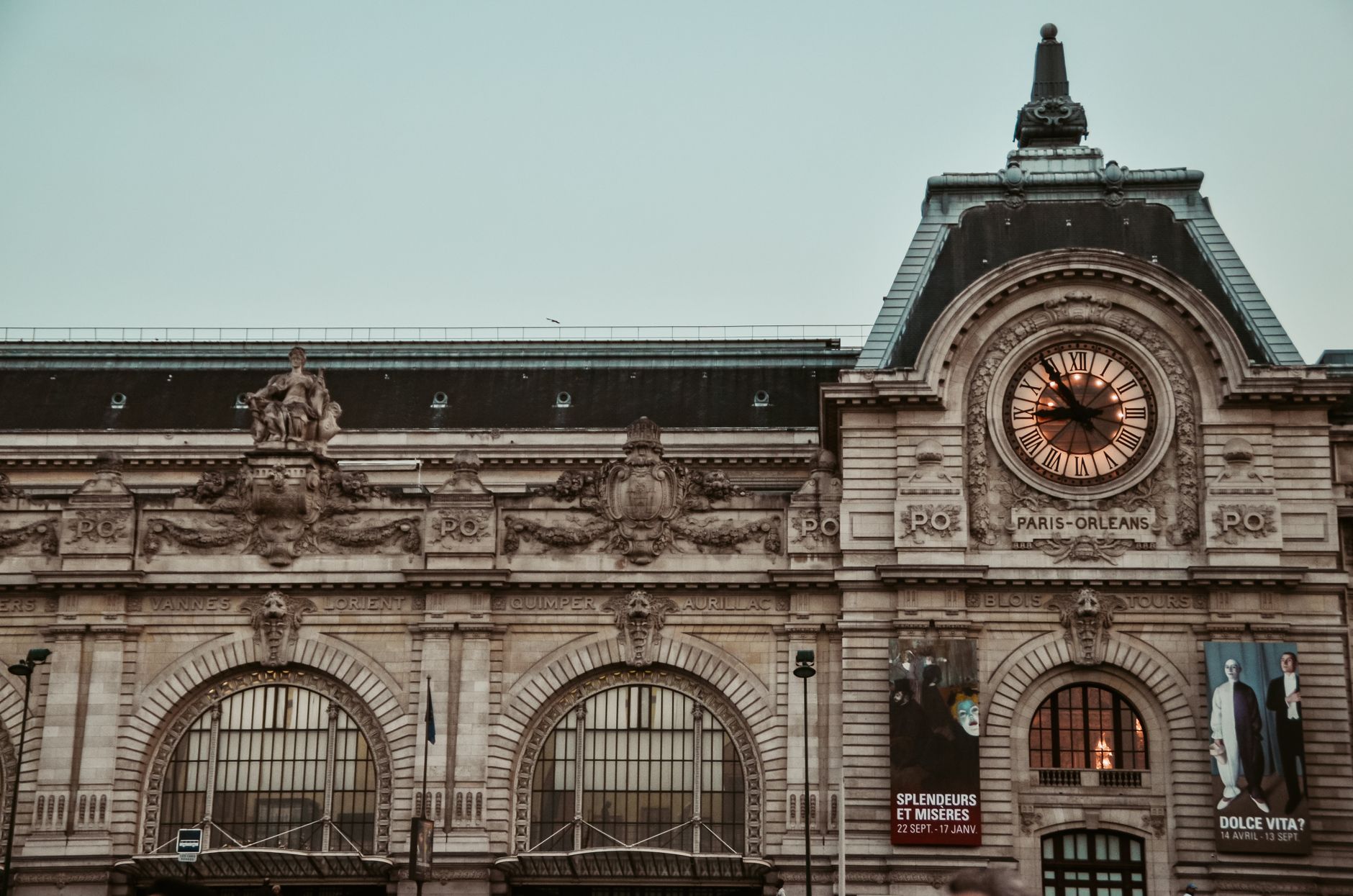
If you are planning a September weekend in Paris, the European Heritage Days are one of the smartest moments to be in the city. On Saturday, September 19, and Sunday, September 20, 2026, monuments, public buildings, museums, and lesser-known institutions across Paris open for special visits, often free of charge and sometimes with access that is unavailable the rest of the year.
That sounds simple, but in practice it can become a long day of queues, rushed metro hops, and overambitious planning. Paris works better when you treat this weekend as a neighborhood-based city break rather than a checklist challenge. The key is to stay compact, book early where required, and build your day around places that are close enough to enjoy on foot.
This guide is for travelers who want a real Paris weekend: historic interiors, beautiful streets, a few strong museum choices, and enough breathing room to actually enjoy the city. If you like exploring on foot between stops, Ingry is useful for understanding what you are passing rather than moving through Paris in a straight line from queue to queue.
Why this September weekend is worth planning around
The official Paris tourism board lists the European Heritage Days as the standout event of September 2026 in Paris, and the City of Paris confirms the 2026 edition takes place on September 19 and 20. During the weekend, many venues across Paris open for free visits, with some sites requiring advance reservation and others offering walk-in access only. (parisjetaime.com)
For visitors, the appeal is not just saving money. It is the chance to see a different layer of Paris: city halls, institutional buildings, restoration workshops, historic interiors, and places that are usually harder to access than the major museums. The event works especially well for repeat visitors who have already seen the Louvre or Eiffel Tower, but it is also excellent for first-timers if you keep the plan focused. (parisjetaime.com)
What to expect from crowds
This is not a quiet insider weekend. Popular sites can draw serious lines, especially places with limited access, central landmarks, or rare behind-the-scenes visits. The official tourism guidance notes that some visits are free but only available by reservation, which is the first thing to check before building your itinerary. (parisjetaime.com)
In practical terms, expect the busiest atmosphere around central Paris, the Marais, the areas near the Seine, and headline institutions with broad name recognition. The smartest move is to choose one high-demand stop in the morning, one or two lower-friction sites nearby, then spend the rest of the day walking through a strong neighborhood instead of crossing the city repeatedly.
A smart way to plan the weekend
Rule 1: Build around one anchor visit
Do not try to fit six major sites into one day. Pick one place that matters most to you: a civic building, a museum with a special program, or a landmark opening areas not always accessible. Then add smaller nearby stops.
Rule 2: Stay in one part of Paris for half a day at a time
Paris is dense enough that a good heritage weekend should feel walkable. The shortest metro ride can still cost you time when entrances, security, and queues are involved.
Rule 3: Separate famous Paris from heritage-weekend Paris
If this is your first trip, do not spend the entire weekend chasing special openings. Keep one half-day for classic Paris: the Seine, a market street, a museum you truly want, or a long walk through the Left Bank or the Marais.
Three Paris areas that make the most sense
1. The Marais and Hôtel de Ville area
This is one of the strongest zones for a heritage weekend because it combines beautiful streets with a high concentration of cultural stops. The City of Paris lists Hôtel de Ville as part of the event, with free access on reservation, and the official heritage program also includes related events nearby. (paris.fr)
Why it works: you can pair an official building visit with old Paris streets, small museums, church facades, and good lunch options without losing momentum. This is ideal if you want history but do not want the day to feel institutional.
What to watch for: this area gets crowded fast, especially late morning into mid-afternoon.
2. The Left Bank from Saint-Germain to the 5th arrondissement
If you prefer a more relaxed day, the Left Bank is easier to pace. You can shape a route around university buildings, churches, gardens, and river views, then end with the Latin Quarter or the Institut du Monde Arabe area, which is listed in the Paris event calendar for the same weekend. (paris.fr)
Why it works: you get heritage atmosphere without relying only on blockbuster sites, and the walking between stops is part of the experience.
3. Eastern Paris around the Palais de la Porte Dorée
Travelers who have already seen central Paris should seriously consider building a half-day around the Palais de la Porte Dorée. It appears in the 2026 heritage program with guided visits linked to its architecture. (journeesdupatrimoine.culture.gouv.fr)
Why it works: it gives you a strong standalone destination with a different urban feel, and it can be paired with a slower afternoon rather than another packed central queue.
A practical 2-day Paris itinerary for the weekend
Day 1: Central Paris with one reserved visit
Start with your booked morning slot if you have one. For many travelers, the best use of a reservation is a civic or historic building in central Paris, because that is the kind of access that is hardest to recreate on another trip.
After that, walk rather than rush. A strong pattern is Hôtel de Ville or the Marais in the morning, lunch nearby before the peak crowd surge, then a slow walk toward the Seine in the afternoon. If another nearby heritage site has a manageable line, add it. If not, skip it. Paris is still Paris without a second queue.
Late afternoon is better used for an open-air section of the city: riverbanks, islands, or a neighborhood stroll. This is also the right moment to use Ingry because central Paris is full of details that are easy to miss when you are focused on the next stop.
Day 2: Left Bank or a single specialized area
On the second day, resist the temptation to mop up everything you missed. Choose one side of the city and stay there. The Left Bank suits travelers who want a balanced Paris day with architecture, churches, museum options, and good walking streets. Eastern Paris is better if you want something more specific and less repetitive after a busy first day.
A good second day should feel calmer than the first. Start earlier than locals, take advantage of quieter streets in the morning, and leave room for one long meal or café stop instead of eating between lines.
What to book first, and what not to overplan
Some European Heritage Days visits in Paris are explicitly marked as reservation-only, while others are free with suggested reservation or simple walk-in access. That means your planning should begin with official event pages, not social media summaries or generic roundups. (paris.fr)
Book first: rare-access government or civic buildings, small-capacity guided tours, and any visit that is central enough to attract both tourists and locals.
Do not overplan: churches you can admire from outside if lines are too long, neighborhoods that are rewarding without formal entry, and secondary stops that are only worth it if you happen to be nearby.
What first-time visitors should skip
If this is your first weekend in Paris, skip the instinct to chase prestige alone. A long wait for a place you only half care about is usually worse than a good walk through a neighborhood you actually enjoy.
You should also skip cross-city zigzags. On a normal Paris trip, that is merely tiring. On a heritage weekend, it can waste hours.
And unless you have a confirmed reservation, do not build your whole day around one famous site with unpredictable access. Keep your plan resilient.
Why September is a strong month for Paris anyway
The Paris tourism board highlights September as a busy cultural month and describes it as a good time to enjoy the city after summer, with a full calendar of exhibitions and events and generally pleasant early-autumn conditions. That matters because even if one heritage stop does not work out, September is still a very easy month for walking, museum time, and outdoor breaks along the Seine or in the city’s gardens. (parisjetaime.com)
How to move through the city without feeling rushed
The best Paris days have a simple rhythm: one priority in the morning, one flexible cultural stop after lunch, then a long walk. This weekend rewards travelers who can switch between formal visits and street-level wandering.
Try to think in bridges, boulevards, and neighborhoods rather than only metro stations. If you are exploring between heritage sites, Ingry can help make those in-between stretches more interesting, especially in older parts of Paris where small architectural details and side streets tell half the story.
Final advice for a better Paris heritage weekend
The European Heritage Days are one of the best reasons to plan a September weekend in Paris, but only if you approach them with restraint. Choose a compact part of the city, reserve early where needed, and let the day breathe. Paris is at its best when a special event gives structure to the trip without taking over every hour.
If you get one memorable interior, one excellent neighborhood walk, and one unplanned discovery, you planned it well.
Download
Saint Petersburg
Moscow
Rome