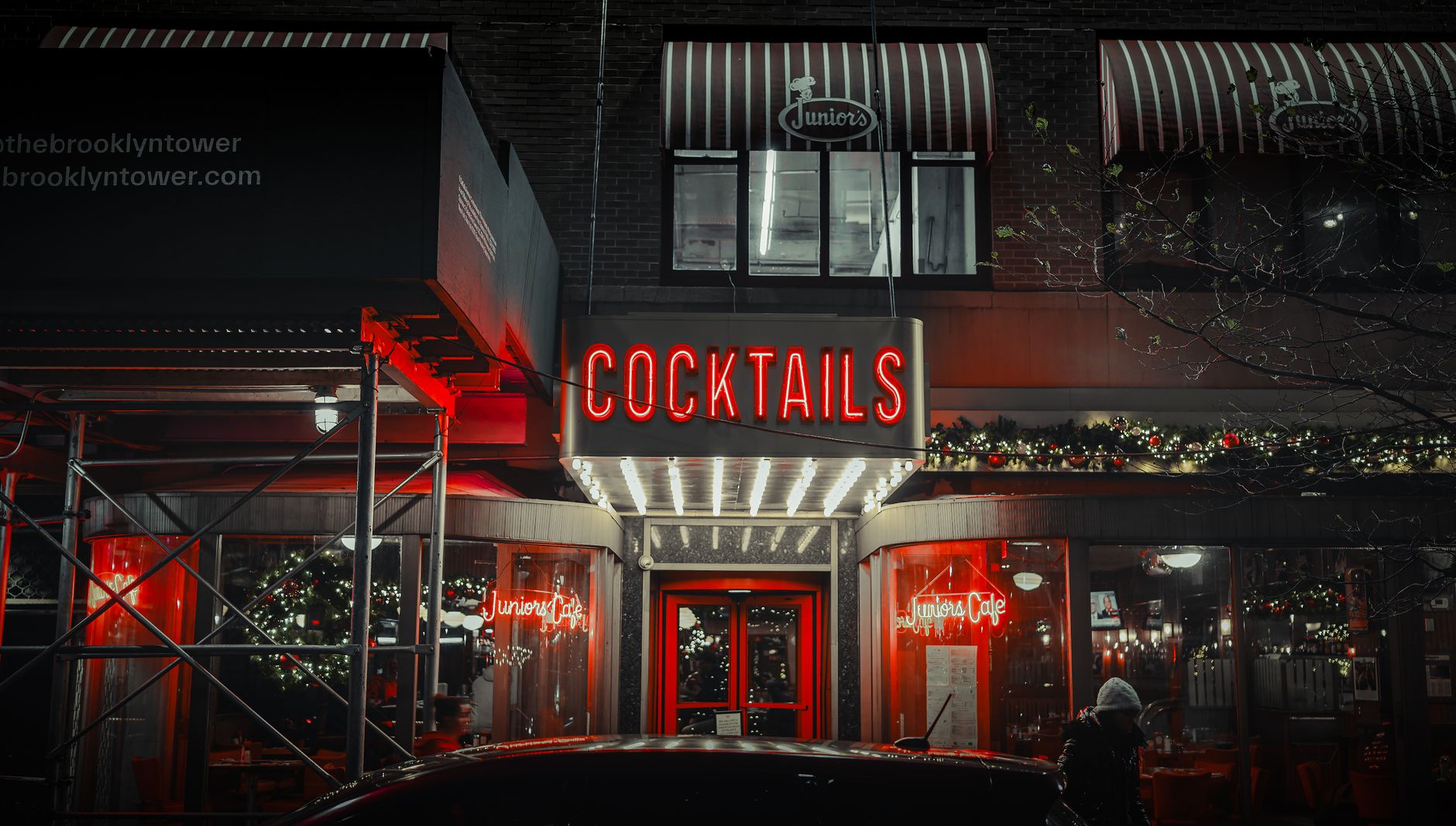
New York City can feel overwhelming on a short trip, especially if you want good food without spending the entire weekend crossing town. That is why NYC Restaurant Week is such a useful planning anchor. Summer 2026 runs from July 20 through August 16, with reservations opening July 14, and the program features prix-fixe menus at hundreds of restaurants across the five boroughs. For a visitor, that makes it less about chasing a single famous table and more about building a neighborhood-based weekend that mixes food with museums, skyline views, and long walks.
If you are visiting during those weeks, the smartest move is not to treat Restaurant Week as a checklist. Use it to organize your days geographically. Pick one area for lunch, one for afternoon walking, and one for dinner, and leave room for the city itself. New York rewards pacing.
Why Restaurant Week works well for a short NYC trip
Summer weekends in New York are busy, but they also make the city easy to enjoy on foot. Parks stay lively into the evening, ferries and subways help you cover long distances, and many neighborhoods are best understood between meals rather than from a taxi window. NYC Restaurant Week gives structure to that kind of trip: book one or two meals ahead, then connect them with places you genuinely want to see.
It also helps first-time visitors avoid a common mistake: spending too much time in Midtown without seeing how different Manhattan and Brooklyn can feel from block to block. With a little planning, you can pair a set lunch downtown with a harbor walk, or book dinner uptown after a museum afternoon.
While moving between stops, Ingry is handy for understanding what you are passing rather than just navigating around it. In New York, a short walk often includes architecture, memorials, pocket parks, and landmarks you would otherwise miss.
What to book first
Start with reservations before you build the rest of the weekend. Since reservations open on July 14 for the July 20 to August 16 program, the best-known restaurants and the most convenient meal times will go first. Lunch is usually the easiest entry point for first-time visitors because it leaves the evening flexible. If you want two Restaurant Week meals in one day, make one lunch and one early dinner in different neighborhoods rather than trying to force three major activities between them.
Do not book restaurants only because they are famous. Location matters more on a weekend trip. A very good meal in Tribeca, the Flatiron area, the Upper West Side, or Downtown Brooklyn is often more useful than a harder-to-reach reservation that breaks your day in half.
A smart 3-day Restaurant Week weekend itinerary
Day 1: Lower Manhattan, harbor views, and dinner nearby
Begin in Lower Manhattan. This part of the city works well on an arrival day because the streets are compact, the landmarks are close together, and you can do a lot without rushing. Walk through the Financial District, pause at Trinity Church, see the exterior of the New York Stock Exchange area, and continue toward the waterfront. If it is your first trip, this is also the right zone for the 9/11 Memorial and a look toward the Statue of Liberty from Battery Park.
For lunch, a Restaurant Week booking in Lower Manhattan or Tribeca makes the day easy. Afterward, walk north instead of taking immediate transit. The route from the civic center into Tribeca or toward the Hudson is one of the simplest ways to feel New York shift from business district to residential streets and converted warehouse blocks.
In the late afternoon, consider a ferry ride or a long waterfront walk rather than adding another indoor attraction. Summer heat makes this a better time for open-air views than for standing in a second museum line. Book dinner in the same general area or slightly north in the West Village. That keeps the day coherent and avoids the classic mistake of crossing to Midtown just because it looks central on a map.
If you want context while walking these older parts of the city, Ingry can help turn a transfer between neighborhoods into part of the visit.
Day 2: Museum afternoon and Upper West Side evening
Use your second day for a classic New York pairing: Central Park and a museum. The Metropolitan Museum of Art and the American Museum of Natural History both work well, but do not try to do both in one day unless you truly plan only highlights. New York museums are large, and summer weekends become tiring fast if you overschedule indoor time.
The best rhythm is to arrive in the morning, spend a focused couple of hours inside, then move back outdoors. If you choose the Met, walk a section of Fifth Avenue or enter Central Park from the east side. If you choose the Natural History Museum, pair it with a west side park walk. Either way, the Upper West Side is a strong area for a Restaurant Week dinner because it lets you end the day in a neighborhood that still feels lively but less frantic than Midtown.
This is also a good evening to keep expectations realistic. You do not need an observation deck every night. If you have already had skyline views elsewhere on your trip, a relaxed dinner and a post-meal walk can be the better New York memory.
Day 3: Brooklyn morning, Manhattan evening
On your final day, cross the river. DUMBO and Brooklyn Heights are ideal for visitors with limited time because the area gives you the bridge, skyline views, brownstone streets, and a strong sense of place without complicated planning. Go early if you want the neighborhood at its best. The later the morning gets, the heavier the photo-stop crowds become near the waterfront and under the bridge approaches.
From there, you can walk the Brooklyn Heights Promenade, rest in Brooklyn Bridge Park, and head back to Manhattan by subway or ferry. If you want one more Restaurant Week meal, book it in Downtown Brooklyn only if you plan to stay in the borough for several hours. Otherwise, return to Manhattan and keep the final dinner near where you want your evening walk to be, such as Union Square, Flatiron, or the Village.
For travelers who like to explore on foot without following a rigid checklist, Ingry works especially well in this part of the trip, when you already know the headline sights and want the city between them to feel richer.
Best neighborhood strategy for Restaurant Week in NYC
The simplest way to choose where to eat is to match restaurants with the kind of day you want.
Lower Manhattan and Tribeca are best for visitors who want harbor views, older streets, and a downtown first impression.
Flatiron, Union Square, and NoMad are strong if you want a central base with easy subway connections and a mix of architecture, shopping streets, and shorter cross-town travel.
The Upper West Side works well for museum days and calmer evenings.
The West Village is better for atmosphere than efficiency, so it is ideal when you want to wander after dinner and are happy to move slowly.
Brooklyn is worth it when it is the point of the day, not just a detour between Manhattan plans.
What to skip on a Restaurant Week weekend
Skip the urge to stack too many big-ticket sights in the same day. A timed-entry attraction, a museum, a long crosstown transfer, and a fixed dinner reservation can turn New York into logistics. You will enjoy the trip more if each day has one major sight, one booked meal, and one open stretch for walking.
It is also fine to skip trend-chasing if it sends you far off route. Restaurant Week is at its best when it improves a day you already wanted to spend in that area.
Timing and crowd patterns that matter
Late morning is usually the easiest time for outdoor photo spots before the heaviest weekend crowds build. Early dinner reservations can also work surprisingly well in summer because they leave time for an evening walk when the city starts to cool slightly. Central Park, the Brooklyn waterfront, and Lower Manhattan all feel better if you arrive before the most crowded afternoon period.
If you are visiting in late July or early August, expect heat and humidity to shape the day more than distance on the map. A fifteen-minute walk in New York can feel longer than it looks, especially if you have museum time or bridge walks in the plan. Build in shade, indoor breaks, and water stops.
Transit logic for a smoother weekend
Use the subway for long jumps and your feet for the last part. That sounds obvious, but many first-time visitors do the reverse: they walk too far between major zones and then take transit for short hops within neighborhoods that are better explored on foot. In Manhattan, think in clusters. In Brooklyn, think in destinations.
Ferries can be a scenic bonus, but they should support the day rather than complicate it. If a subway ride is clearly faster and you have a reservation, take the subway.
If you are arriving just before July 20
If your trip falls in the week before Restaurant Week begins, keep an eye on official summer city programming as well. Summer Streets is returning to all five boroughs in 2026, with more than 20 miles of car-free corridors and Manhattan hours listed as 7:00 a.m. to 3:00 p.m., which can make a morning walk or bike ride a good pairing with a later meal. But if your priority is dining, Restaurant Week itself is the stronger anchor from July 20 onward.
Final thought
New York City does not need to be conquered in a weekend. It just needs a smart shape. Restaurant Week Summer 2026 gives that shape to first-time visitors: one or two well-placed meals, neighborhoods chosen with intent, and enough space to notice the city between reservations. That is usually when New York starts to feel less like a checklist and more like a place you would want to return to.
Download
Saint Petersburg
Moscow
Rome