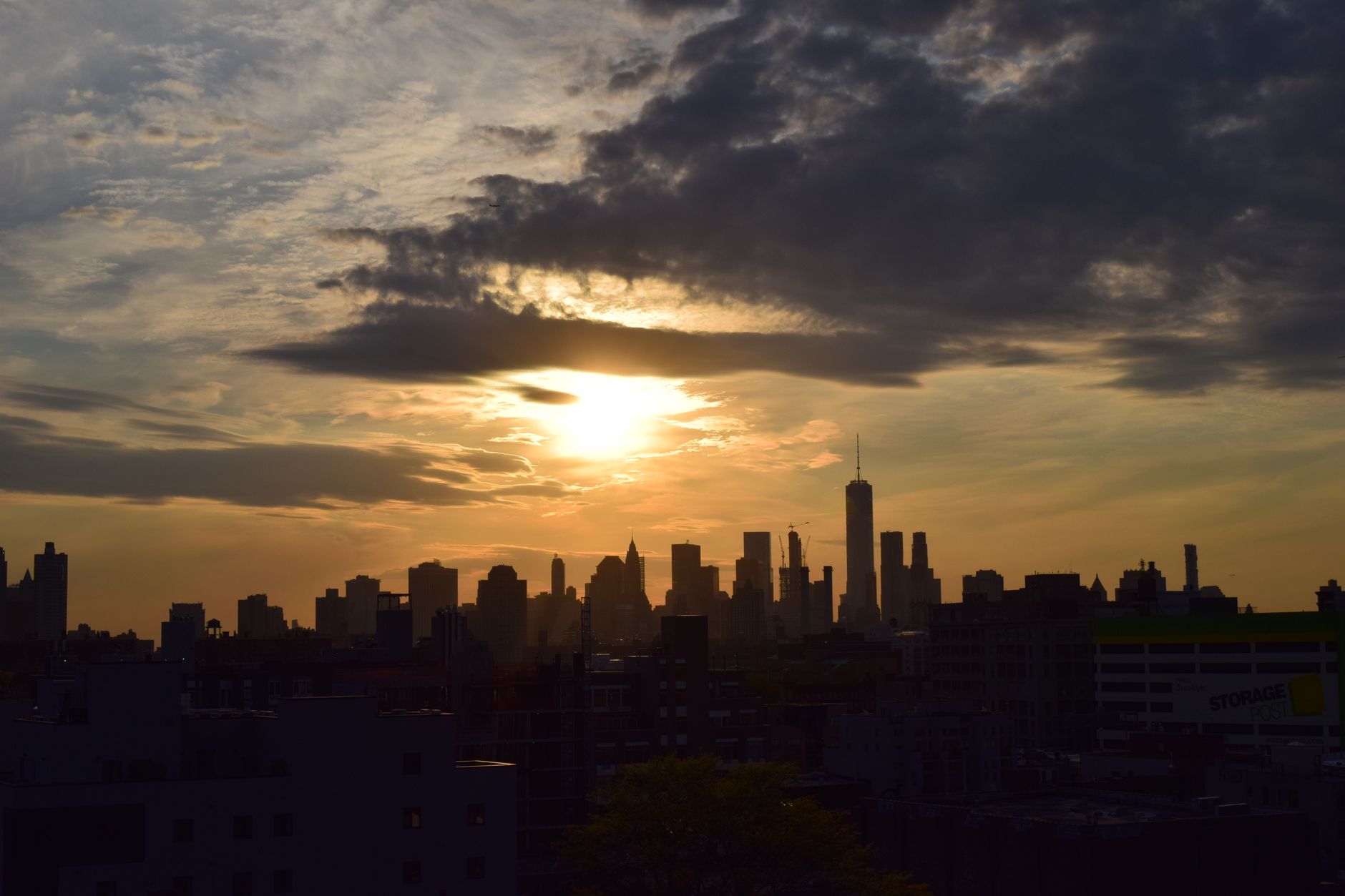
August is a good month for travelers who want New York City at full summer energy but do not want every hour of the day packed with must-do sightseeing. The key is not to fight the season. Plan your mornings around big-name sights, use the middle of the day for museums or longer indoor stops, and save your best walks for late afternoon and evening.
This guide is built for a real three-day trip: first-time visitors who want the classic skyline moments, a few major museums, and neighborhoods that still feel like New York rather than a checklist. It also works well if you have already seen Midtown and want a smarter summer route through Lower Manhattan, Central Park, and the waterfront.
One useful tool while moving between stops is Ingry, especially if you like exploring on foot and want context around the streets, buildings, and viewpoints you are passing rather than only jumping between pinned attractions.
Why August works for a short New York City trip
August can be hot and humid, so this is not the month to build an itinerary around constant midday walking. But it is also a strong month for travelers because parks, waterfront paths, ferries, and evening viewpoints are in full use. Governors Island is in peak season and is a short ferry ride from Lower Manhattan; the island is especially busy in July and August, which is useful to know when planning your timing. (home.nps.gov)
Central Park also has a useful summer advantage in the north end now that the Davis Center at the Harlem Meer is open as a year-round recreation area, with the city-run pool operating for the 2026 season from June 27 through September 13. That makes northern Central Park more appealing than many visitors expect on hot days. (centralparknyc.org)
The main mistake in August is trying to cross too many neighborhoods in the hottest part of the day. New York rewards compact routing. Pick one zone for the morning, one anchor stop for the afternoon, and one neighborhood for the evening.
What kind of August traveler this itinerary suits
This plan is best for visitors who want:
A classic but not overstuffed first trip; long walks with regular shade, air-conditioning, and coffee breaks; skyline views without making every day about observation decks; and a good balance of Lower Manhattan, Central Park, and Brooklyn-facing waterfronts.
If your priority is Broadway, deep shopping, or a museum-only trip, you would shift the route. But for a general long weekend in August, this pacing is much more comfortable than trying to do Uptown, Midtown, Lower Manhattan, and Brooklyn all in one day.
Day 1: Lower Manhattan in the morning, Governors Island in the afternoon, harbor views at sunset
Start early around Battery Park and the harbor
Begin downtown before the heat builds. This is the right morning for the Statue of Liberty area, but not necessarily for a full island-heavy schedule unless that is your top priority. If you mainly want harbor atmosphere, walk Battery Park first, look across to the Statue of Liberty, and keep the morning flexible.
If you do want a focused monument visit on another trip segment, pair the Statue of Liberty and Ellis Island with a half-day from Lower Manhattan rather than squeezing it into an already crowded downtown day. For this August weekend route, it is often smarter to keep your energy for the waterfront and the island views around you.
Take the ferry to Governors Island after the early rush
Governors Island is one of the best August resets in the city. It is only about a 10-minute ferry ride from Lower Manhattan, and once you arrive, the pace changes immediately. Ferries operate from Manhattan and, in summer, weekend service also runs from Brooklyn locations. NYC Ferry also serves the island on weekends. (home.nps.gov)
What makes it work in August is not that there is one essential sight. It is the breathing room: harbor wind, broad paths, lawn space, old military architecture, and skyline views back toward Manhattan. If the city starts to feel too dense on a summer trip, this is the easiest way to change rhythm without leaving New York.
Do not overplan here. Walk, rent a bike if that suits you, stop for lunch, and keep the afternoon open. The island is busiest in July and August, so earlier ferry departures tend to feel smoother than late midday ones. (home.nps.gov)
Evening: return for sunset around the southern tip of Manhattan
Come back before dinner and spend the evening near the southern waterfront rather than rushing uptown. The light across the harbor is usually better late in the day, and after time on the island you will have a better sense of the city’s shape. This is also a good evening to use Ingry while walking, since Lower Manhattan has an unusual density of historic buildings, short detours, and places that are easy to pass without context.
Day 2: Central Park, the Met, and the Upper East Side at a slower summer pace
Begin in Central Park before midday
In August, Central Park is best approached as a sequence rather than a marathon. Pick one section and let the day unfold around it. For this itinerary, start on the east side of the park and keep your walking moderate. If you want a less obvious version of Central Park, the north end is more rewarding than many visitors realize. The Davis Center at the Harlem Meer has reconnected this part of the park with new paths and a restored landscape, and its pool season runs through mid-September 2026. (daviscenter.centralparknyc.org)
If this is your first visit and you prefer the more famous postcard version of the park, stay farther south and save the Harlem Meer area for a return trip. The important thing is to avoid treating the entire park as one continuous cross-city walk in August heat.
Midday and afternoon: The Met is the right August anchor
The Metropolitan Museum of Art is one of the easiest places to build an August day around because it gives you several hours indoors without feeling like a compromise. If the weather turns especially hot, this is where you want your longest indoor stretch.
Do not build your plan around a current rooftop commission unless you have checked museum updates directly before your trip. The Met’s most recently confirmed Roof Garden commission in the available official material was Jennie C. Jones’s installation, which ran from April 15 through October 19, 2025, and the museum is preparing for construction on its Tang Wing beginning in summer 2026. That means rooftop arrangements may change, so verify the latest visitor information close to your dates. (metmuseum.org)
After the museum, keep the rest of the day light. Walk a few Upper East Side blocks, have a late coffee, and resist the urge to cram in another major museum just because you have time on paper.
Evening: choose a neighborhood dinner over another attraction
By the second evening, many visitors make the mistake of forcing one more landmark. August is better when the night is allowed to be social and local. Stay on the Upper East Side, or head downtown for dinner in a neighborhood where walking after dark still feels like part of the trip rather than transit time between boxes ticked.
If you like understanding the city while you walk, Ingry is especially useful on evenings like this, when the pleasure comes from connecting streets, architecture, and smaller landmarks into one coherent route.
Day 3: The High Line in the morning, Chelsea or the West Side later, then a final skyline evening
Do the High Line early, not in peak afternoon heat
The High Line works best in August when you treat it as a morning walk, not a noon-to-2 p.m. challenge. Even official High Line material highlights seasonal operations and maps for summer, and the park remains one of the city’s most popular elevated walks. (files.thehighline.org)
Start early, keep moving, and use it as a connector rather than your entire day. The appeal is the shift in perspective: city streets below, planting design around you, and a gradual transition between neighborhoods. But because it is exposed in sections and gets crowded, this is not where you want to be at the hottest, busiest hour.
Pair it with one nearby zone only
After the High Line, choose one of these approaches:
Stay around Chelsea if you want a museum or gallery-focused afternoon.
Continue toward the Hudson River side if your goal is simply open air, piers, and a less dense final day.
Or cross less and linger more: take a proper lunch, pause indoors, and leave your final energy for the evening.
The wrong move is trying to add Midtown sightseeing after this. In August, too much crosstown movement creates more fatigue than value.
Finish with one last big view
Your last evening should go to a skyline walk, waterfront pause, or one carefully chosen viewpoint. New York is often most memorable at the end of the day, when the heat eases and the city becomes more legible. A final waterside walk usually delivers more atmosphere than squeezing in a final attraction line.
What to skip, or at least rethink, in August
Do not build midday around long exposed queues
Anything that combines little shade, heavy security lines, and a rigid timeslot can wear you down quickly in August. If a sight matters a lot to you, book it early in the day. If it is only a maybe, choose something with easier pacing.
Do not zigzag across the city for bragging rights
Many first-time visitors design itineraries that look efficient on a map but feel exhausting in real life. New York is better experienced in clusters: Lower Manhattan and the harbor; Central Park and the Upper East Side; the High Line and the West Side.
Do not assume every famous place needs hours
Some of the city’s best August moments are transitional: a shaded park path, a ferry ride, a waterfront bench, a quiet side street after a museum. Leave room for these.
Practical August planning tips
Start earlier than you think you need to. In summer, one good early block of walking can replace two sluggish hours later.
Use museums and long lunches strategically. They are not backup plans; they are part of smart August pacing.
Carry water and expect to slow down in the mid-afternoon.
If you want a break from dense tourist areas, use the water. Ferries and waterfronts change the feel of the trip quickly.
For any time-sensitive museum access, ferry schedules, or seasonal facilities, verify details close to your travel dates. This matters especially for Governors Island ferry options and seasonal operations at places like the Davis Center pool. (daviscenter.centralparknyc.org)
The best version of New York City in August
The best August trip to New York is not the one with the most attractions. It is the one with the best rhythm. Start with iconic places early, disappear into a museum when the day turns heavy, cross the water when the city feels too loud, and save your longest walks for the evening.
If you do that, August stops feeling like a compromise month and starts feeling like one of the easiest times to understand how New York actually works: by neighborhood, by energy, and by knowing when to push on and when to pause.
Download
Saint Petersburg
Moscow
Rome