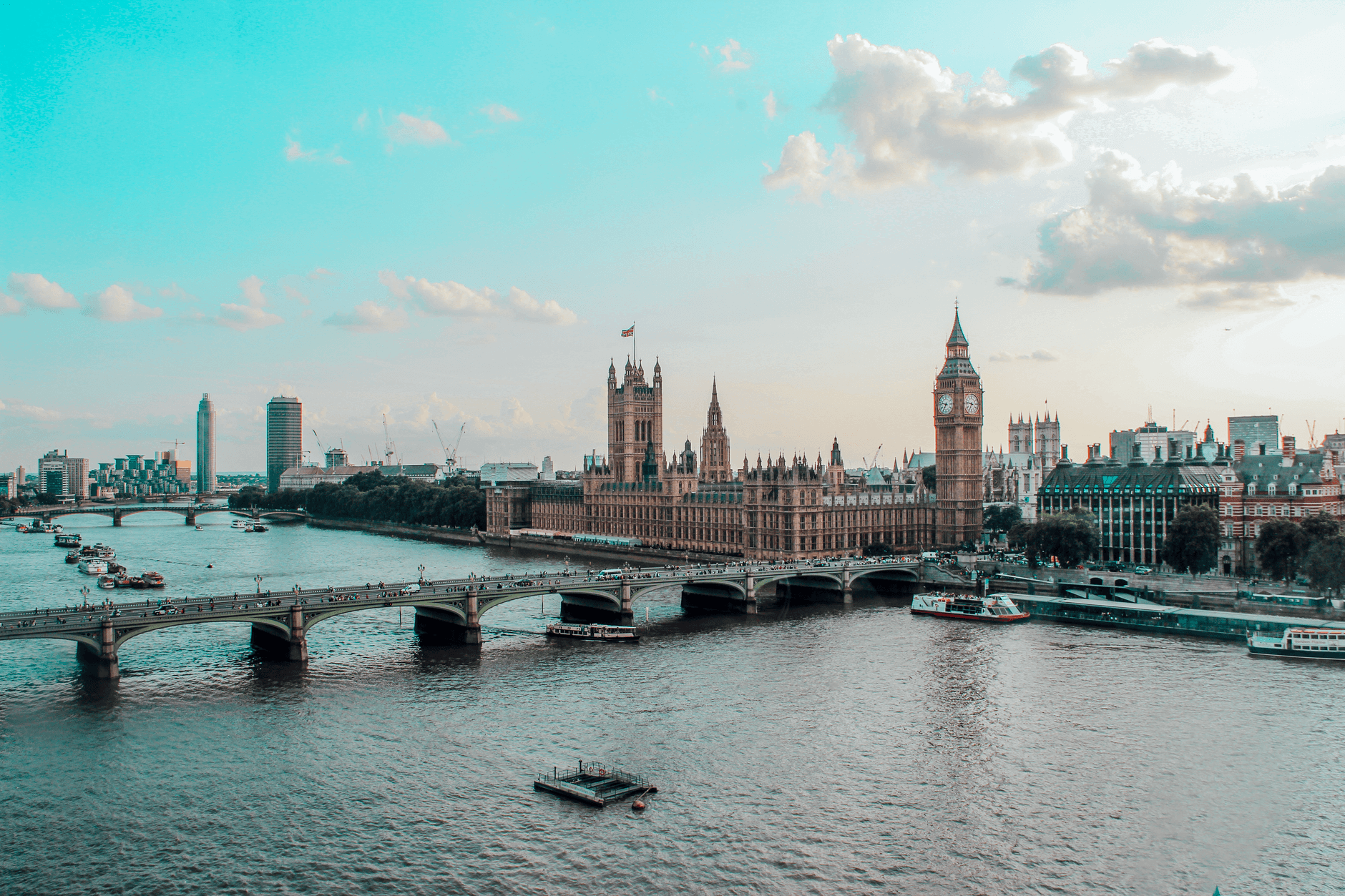
September is one of the easiest months to enjoy London well. The busiest summer holiday rush has started to ease, daylight is still generous, and the city picks up a fresh run of cultural events. In 2026, that timing is especially useful for travelers: Totally Thames runs through September, and Open House Festival takes place from September 12 to 20, opening up buildings and spaces across the city that are not usually so easy to access.
If you are planning a weekend in London in September, this is a good month to build your days around neighborhoods rather than trying to crisscross the whole city. The best approach is simple: one day for the historic center, one for the river and South Bank, and one for architecture, markets, or East London depending on your energy and whether your trip overlaps with Open House Festival.
This guide is written for first-time visitors who want a trip that feels full but not exhausting.
Why September works so well for a London city break
London in September has a useful balance that summer often lacks. Major sights are still busy, but the end of UK school holidays usually makes the city feel less clogged than it does in peak August. Visit London also highlights September 2026 as a month of seasonal events including Totally Thames, London Design Festival, and Open House Festival. If your dates line up with September 12 to 20, Open House adds a strong reason to visit then rather than later in autumn.
For travelers, that means you can mix classic London with something more specific. You do not need to treat the weekend as a race through every landmark. A better plan is to see the famous places early in the day, then spend your afternoons walking through areas that reveal how the city actually fits together.
Who this itinerary is best for
This London September itinerary suits travelers who want a long weekend with a strong sense of place: big sights, good walks, a few museums, and time by the river. It is especially good if you enjoy architecture, city views, and exploring on foot. If you only care about ticking off every major attraction, you may want a more attraction-heavy plan. But if you want a weekend that feels coherent, this one is smarter.
How to plan the days
Try to stay in or near the West End, Covent Garden, South Bank, Bloomsbury, or Blackfriars if your budget allows. Those areas make it easier to move between the main sights without wasting time underground. If prices are steep, look for direct Tube connections rather than aiming for the absolute center.
Do not overbook your mornings and evenings on the same day. London is large, and even efficient sightseeing gets slower once you add queues, crossings, and museum fatigue. Leave room for a long walk and one flexible stop each day.
For navigation between landmarks and lesser-known streets, Ingry is useful because it helps you keep exploring on foot instead of falling back on taxis every time you finish one sight.
Day 1: Westminster, St James's, and the South Bank
Morning: start with the London icons before the area gets crowded
Begin around Westminster. This is the obvious first stop for a reason: the concentration of landmarks is real, and it is easier to appreciate the area earlier in the day. Walk from Westminster station past the Houses of Parliament and Westminster Abbey, then continue toward St James's Park. If Buckingham Palace is on your list, this is the right moment to do that section because the summer opening of Buckingham Palace State Rooms runs between July and September.
The key here is not to linger too long in queues unless this is your one essential royal-history stop. September weekends can still get busy, so if you do not have prebooked entry, be ready to keep moving and enjoy the exterior route instead.
Midday: cross into a more open part of central London
From St James's Park, walk back toward Westminster Bridge and cross to the South Bank. The shift matters: after ceremonial Westminster, the riverfront feels looser and easier. You get long views, street activity, and a more relaxed rhythm for the middle of the day.
Walk east past the London Eye area toward the Southbank Centre and continue if you still have energy toward Tate Modern. This stretch works well because you are not wasting time on transport and the landmarks unfold in sequence.
Afternoon and evening: choose one anchor, not three
Pick one major indoor stop for the afternoon. Tate Modern is the easiest fit if you are already on the river. If you would rather stay outside, continue walking across Millennium Bridge toward St Paul's and then loop back. This part of London is best when you keep a little flexibility.
In the evening, stay along the river rather than jumping to a distant neighborhood just because it is famous. September light often makes this one of the best times of day for the South Bank. If you are using Ingry, this is a good moment to follow a walking route and let the city unfold naturally instead of ending the day too early.
Day 2: Open House Festival or a classic central museum day
This day depends on your dates. Open House Festival 2026 runs from Saturday, September 12 to Sunday, September 20. If your weekend falls inside that window, build the day around it. If not, use the same structure for a museum-and-neighborhood day in Kensington and Bloomsbury.
If you are in London during Open House Festival
Open House Festival is one of the best September reasons to visit London because it opens up buildings, design sites, and city spaces across the capital. Instead of trying to see too many scattered locations, choose one cluster. The smartest approach is to focus on a single area such as the City, Westminster, or a riverside zone, then fill the gaps with cafés, short walks, and one museum or church nearby.
The mistake many visitors make is treating Open House like a checklist. London is too spread out for that. Pick two or three festival stops at most, and expect lines at the more famous places. The reward is not just access to interiors; it is the way the festival makes you read the city differently.
If your dates do not match Open House
Make this your museum day. South Kensington works well if you want major collections close together, while Bloomsbury is a better fit if you want a slightly calmer day with more street wandering. Either way, go early, choose one main museum, and avoid turning the day into an indoor marathon.
In practical terms, it is often better to see one museum properly and then spend the rest of the day walking through a neighborhood than to cram in three collections and remember none of them clearly.
Where to walk after the main stop
If you are near the City, walk toward St Paul's, the Barbican, or the river. If you are in Kensington, use the parks well and keep your evening gentle. If you are in Bloomsbury, continue toward Covent Garden or Soho for dinner. September weekends in London reward pacing more than ambition.
Day 3: The Thames, East London, and a less formal final day
Morning: build around the river
Totally Thames runs throughout September, making the river an especially good organizing line for your final day. Even if you do not plan around specific festival programming, the Thames gives shape to the city in a way that first-time visitors often underestimate. A final-day route around the Tower area, Tower Bridge, and nearby river walks usually works better than a random dash between isolated sights.
Start near Tower Hill if you want the classic fortress-and-bridge view, then decide whether to stay close to the river or drift eastward into more local-feeling streets.
Midday: choose between history and markets
This is a good point to decide what kind of last day you want. If you still want a big-ticket sight, the Tower of London area makes sense from a planning perspective. If you are ready for something less formal, move toward East London and let the day open up around streets, markets, and smaller discoveries.
Visit London's current three-day London itinerary points weekend travelers toward East London markets and street life as a strong contrast to the monumental center. That contrast is useful on a final day: after Westminster and museum districts, areas around Brick Lane or Columbia Road can make the city feel broader and more lived-in.
Afternoon: do not add a distant extra
The common mistake on the last day is trying to squeeze in one more famous but badly placed attraction. Skip that temptation. If you are already east, stay east. If you are still on the Thames, keep the afternoon by the river and enjoy the city at a slower speed.
This is another moment when Ingry fits naturally: it helps turn the last half day into a proper walk through London rather than a scramble between Tube stations.
What to book ahead for a September weekend in London
If you want Buckingham Palace's summer opening, book ahead. If your trip is during Open House Festival, check the official listings early and look carefully at whether specific sites need advance booking or are likely to draw queues. For major theatre, special exhibitions, and any must-do paid attraction, assume weekends are competitive.
For everything else, keep some flexibility. September is a strong month precisely because it gives you enough structure without forcing every hour into a reservation.
What to skip if you only have three days
Skip overcommitting to transport-heavy plans. London punishes bad geography more than it punishes modest sightseeing. Do not pair West London, Greenwich, Camden, and East London in one day just because each looks manageable on a map.
Also skip the idea that every famous museum belongs on the same trip. Three days is enough for a memorable London weekend, but only if you let each day have a center of gravity.
Final advice for a first September trip
If your dates fall between September 12 and 20, shape the weekend around Open House Festival. If they do not, September is still an excellent month for a classic London break built around the river, a few major sights, and long walks through central neighborhoods. Either way, the smartest London trip is not the one with the most pins on a map. It is the one that strings together districts in a way that lets the city make sense as you move through it.
That is especially true in London, where the spaces between the headline attractions often become the parts people remember best.
Download
Saint Petersburg
Moscow
Rome