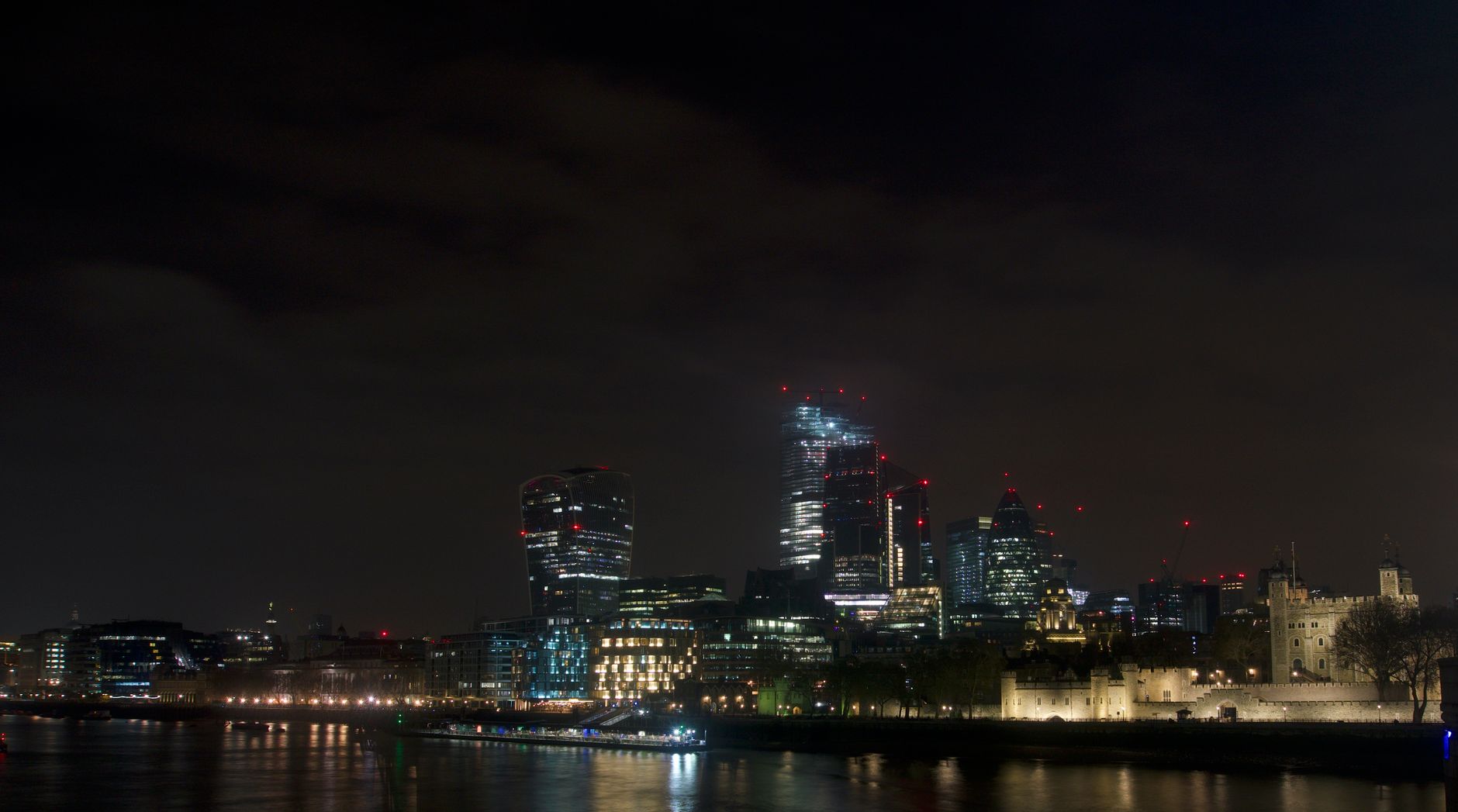
September is one of the easiest months to enjoy London well. The city is still active, the parks are pleasant for long walks, and the cultural calendar picks up again after high summer. Visit London’s September 2026 listings highlight citywide events including Totally Thames from 1 to 30 September, London Design Festival from 12 to 20 September, Open House Festival from 12 to 20 September, and London Fashion Week from 17 to 21 September, which makes this a strong month for a short city break if you want more than a standard landmark checklist. (visitlondon.com)
This guide is built for first-time visitors who want a realistic three-day plan: major sights, strong walking routes, a little museum time, and enough flexibility to enjoy what is happening in the city without spending the whole weekend in queues.
Why September works so well for London
London in September feels slightly calmer than peak midsummer, but it is not sleepy. River events, design programming, architecture access weekends, exhibitions, and theatre all make the city feel busy in a good way. If your dates overlap with London Design Festival or Open House Festival, you can easily swap one museum block for a special installation or building visit without changing the structure of the trip. (visitlondon.com)
The main advantage is pacing. You can still spend long stretches outside, but you are less likely to build your entire day around summer heat or major school-holiday crowds. It is a month that rewards walking between areas instead of jumping on the Tube every 15 minutes.
How to plan the weekend smartly
Base yourself in a central, walk-friendly area
For a short trip, it is usually easier to stay in one of these zones: Covent Garden, South Bank, Bloomsbury, Waterloo, Victoria, or around London Bridge. The point is not trendiness; it is reducing cross-city travel. London is much more enjoyable when two of your three days can be done mostly on foot.
Use public transport selectively
Transport for London advises that weekend Tube and Rail travel is generally quieter before 13:00 and after 18:30, while buses are generally quieter before 12:00 and after 17:30. TfL also recommends checking for planned works or event-related disruption before you travel. (tfl.gov.uk)
That means one simple rule works well: do your longest Tube ride early, then walk through central London for the middle of the day, and use buses or a late Tube journey when the crowds thin out again.
Let walking connect the highlights
TfL emphasizes London as a walking city and provides walking resources and route planning tools. In practice, many famous central areas sit closer together than visitors expect. Westminster, St James’s, Covent Garden, the Strand, the South Bank, and the City can often be linked in a single day without wasting time underground. (tfl.gov.uk)
For that reason, Ingry is especially useful in London: instead of treating the city as isolated attractions, you can move through it block by block, understand what you are passing, and keep exploring even when you go slightly off your original route.
Day 1: Westminster, St James's, and the South Bank
Morning: start with the classic London core
Begin around Westminster. See Westminster Abbey from outside, Parliament, and the area around Big Ben, then cross toward St James’s Park. This gives you the ceremonial version of London first, before the streets get too crowded.
From there, walk toward Buckingham Palace if it matters to you, but do not over-invest time here unless you have a specific reason. The setting is impressive; the experience can be less so if your weekend is short and you spend too much of the morning standing in dense crowds for a single viewpoint.
Late morning to lunch: move east on foot
Walk through St James’s toward Trafalgar Square, then continue along the Strand or through Covent Garden depending on your mood. Covent Garden is worth a look for atmosphere, but it can become a time trap. If it feels too crowded, keep moving.
A better use of the middle of the day is to cross to the South Bank. TfL’s visitor information highlights the South Bank as a strong self-guided walking area, and it works particularly well on a first weekend because there is always something to look at between Waterloo and Tower Bridge. (content.tfl.gov.uk)
Afternoon: South Bank to Tate Modern or Borough area
Choose one anchor stop rather than three. Tate Modern is the obvious option if you want a major museum without changing neighborhoods. If you prefer food and street energy, continue toward Borough Market and the riverside around London Bridge. The important thing is staying on a coherent route instead of zigzagging all over the map.
September is also a good month to keep an eye on Thames-related programming. Visit London notes that Totally Thames runs throughout the month, so river walks may come with extra installations, events, or reasons to linger along the embankment. (visitlondon.com)
Evening: stay by the river
Do not rush back west unless you have theatre tickets. The river is one of London’s strengths in early evening. Walk from the London Eye stretch eastward, or reverse it from Tower Bridge back toward Waterloo if you want better skyline views as the light changes.
If you like exploring cities on foot after the main museum hours end, Ingry fits this part of London especially well because the landmarks come quickly and the context between them matters almost as much as the headline sights.
Day 2: Bloomsbury, the British Museum, and a September culture afternoon
Morning: Bloomsbury first
Start in Bloomsbury, one of the best areas for a slower London morning. The streets are calmer than the West End, and you are well placed for the British Museum. Arriving earlier is the smart move; even without claiming exact queue times, it is a safe planning assumption that major museums become more tiring later in the day.
If the museum is a priority, give it a focused visit. Pick a few sections you truly want to see rather than trying to cover everything. London rewards energy management.
Lunch and early afternoon: choose your fork in the road
After Bloomsbury, your best next step depends on your dates:
If you are in London from 12 to 20 September 2026, London Design Festival and Open House Festival may give you a stronger afternoon than another standard attraction. Visit London lists both as major September events across the city, with design installations and public access to notable buildings. (visitlondon.com)
If your dates do not align with those festivals, walk south-west toward Soho and the West End, or east toward Clerkenwell and the City for a neighborhood shift that still keeps the day compact.
What to skip
Skip Oxford Street unless shopping is one of the main reasons for your trip. For many first-time visitors, it consumes time and patience without adding much sense of place. Soho, Covent Garden’s side streets, or Clerkenwell usually make better use of a September afternoon.
Evening: theatre, jazz, or a long dinner
This is a good night for indoor London. September’s event listings on Visit London also point to strong theatre and exhibition options during the month. If you want one classic West End evening, place it here so your first and third days stay more outdoor-oriented. (visitlondon.com)
Day 3: Greenwich or Kensington, depending on your travel style
Option A: Greenwich for views, space, and a softer finish
If you want a final day with more breathing room, choose Greenwich. TfL’s area guides specifically highlight Greenwich as a good day area to explore, and it works well for visitors who want river atmosphere, open space, and a change from central London intensity. (londonblog.tfl.gov.uk)
This is the better choice if your first two days were heavy on museums and landmark zones. You get a broader sense of London, not just the postcard center.
Option B: Kensington for museums and park time
If this is your first London trip and you still want one more major museum cluster, go to Kensington. Pair one museum with time in Hyde Park or Kensington Gardens rather than attempting all of South Kensington in one push. A crowded final day is rarely a good final memory.
The Royal Parks remain one of London’s biggest advantages for short breaks, especially when the weather is comfortable enough to build unstructured time into the day instead of only moving from ticketed stop to ticketed stop. (royalparks.org.uk)
Best neighborhoods for a September weekend in London
South Bank
Best for first-time visitors who want constant movement, river views, and easy landmark walking.
Bloomsbury
Best for museum-minded travelers who want a calmer base and handsome streets.
Covent Garden and the Strand
Best if you want to combine sightseeing with theatre and late evenings, but expect more crowd pressure.
Greenwich
Best as a half-day or full-day shift when central London starts feeling too dense.
Practical September advice
Check transport before each day. TfL warns that planned works and major events can affect weekend travel, and September is active enough that this matters. (tfl.gov.uk)
Keep one afternoon flexible. If your trip overlaps with Totally Thames, London Design Festival, Open House Festival, or September London Fashion Week dates, you may want to pivot toward a specific riverside walk, installation, or public building visit. (visitlondon.com)
Do not overbook. London looks compact on a map but becomes tiring when every hour is assigned. The best weekends here usually include one museum, one strong river or park walk, one neighborhood shift, and one evening plan per day.
Use buses when you are tired but still want to see the city. The Tube is fast, but buses preserve your sense of where you are.
And if you want a smoother way to walk through the city without reducing London to a checklist, Ingry is a practical companion for picking routes, spotting interesting places between the big landmarks, and understanding the city as you move through it.
Final thought
London in September is not about cramming in every famous sight. It is about choosing a few areas that connect well, walking more than you expected, and using the month’s cultural energy to shape the trip. If you do that, three days feels substantial rather than rushed.
Download
Saint Petersburg
Moscow
Rome