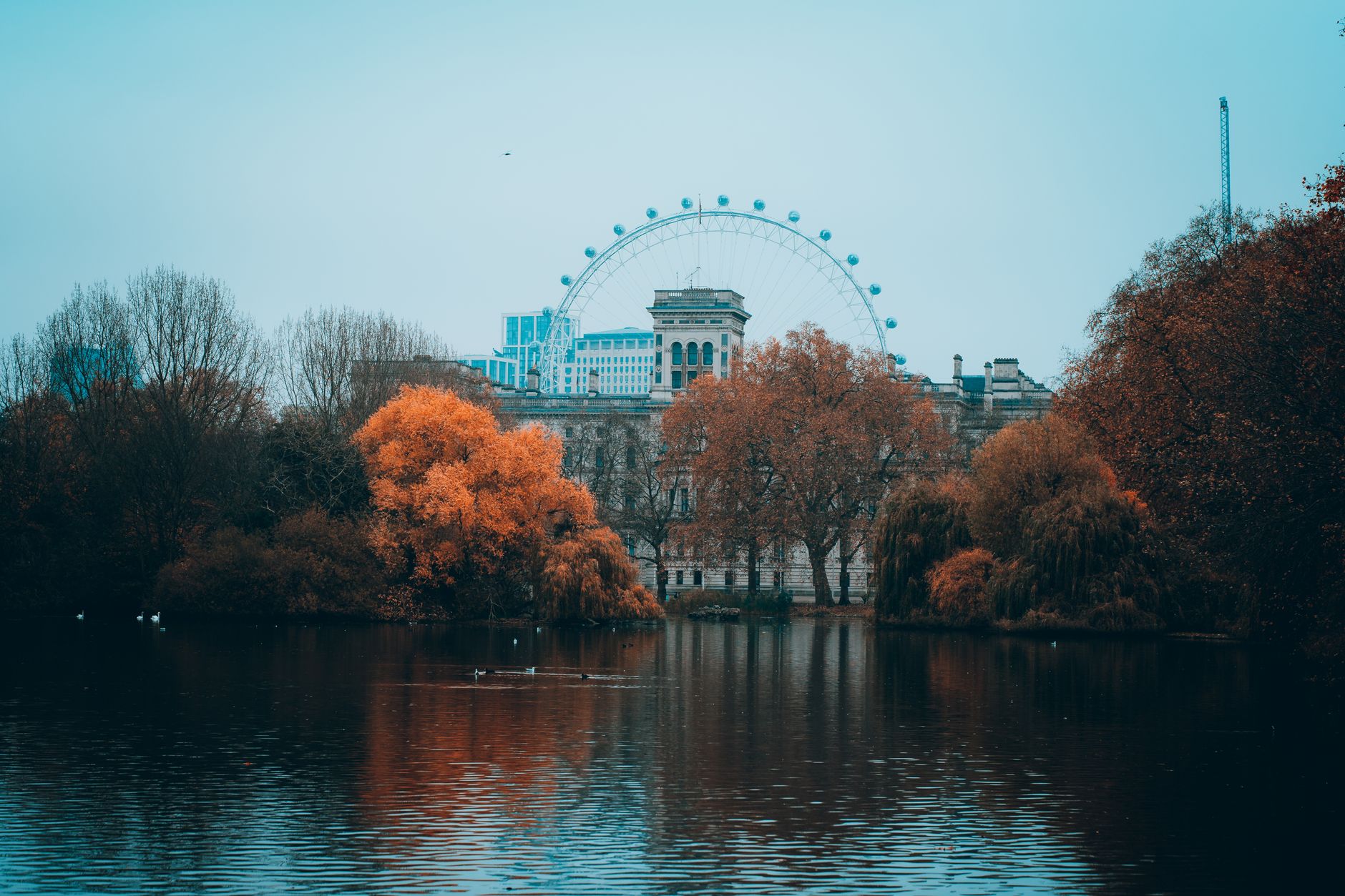
October is one of the easiest months to enjoy London well. The summer crush has eased, the parks start turning gold, and the city feels made for long walks broken up by museums, pubs, and short Tube hops. If you are visiting for a weekend, this is a good month to avoid trying to do everything. London rewards a tighter route: pick a few neighborhoods that connect naturally, start early around the biggest sights, and leave room for weather changes.
This guide is built for first-time or second-time visitors who want a real London weekend rather than a frantic checklist. It focuses on central areas that work well together on foot, with sensible breaks and enough flexibility for rain. If you like exploring with context while you walk, Ingry is a useful way to move through London without losing the thread of the city around you.
Why October is a smart time for a London city break
London in October 2026 lines up well for a short trip: autumn cultural season is active, Black History Month runs through October, and the city’s parks become part of the itinerary rather than just space between attractions. Visit London also notes that October half-term falls on 26 to 30 October 2026, when major family attractions tend to get busier, so earlier October weekends are often easier for a first visit. The clocks change in the UK on 25 October 2026, which means earlier sunsets late in the month. That makes it worth planning outdoor walks for morning and midday, then shifting to museums, pubs, or theatre after dark.
Who this itinerary is for
This weekend plan works best if you want a mix of classic London and time on foot. It is not for travelers trying to squeeze in every major museum or every royal sight in 48 hours. Instead, it gives you three days with a clear rhythm:
Day 1: Westminster, the South Bank, and Covent Garden
Day 2: South Kensington, Hyde Park, and Notting Hill
Day 3: the City, Spitalfields, and the East End
That route keeps backtracking low and lets each day feel different.
Before you start: how to move around London without wasting time
For most visitors, the simplest approach is to walk the central stretches and use the Tube only when the distance stops being interesting. On weekends, Transport for London says off-peak fares apply all day, which is helpful for short-hop travel between neighborhoods. TfL also advises that Tube and Rail travel on weekends is generally quieter at certain times, so an early start still pays off if you want calmer platforms and less crowding around the biggest stations.
In practical terms, do this: walk Westminster to the South Bank, walk South Kensington into Hyde Park, and walk the City into Spitalfields. Save the Tube for crossing longer gaps, for rainy stretches, or when your feet have had enough. London looks better at street level than from underground.
Day 1: Westminster, the South Bank, and Covent Garden
Morning: start with the big landmarks before the area fills up
Begin around Westminster. This is the obvious postcard zone, but in October it feels far more manageable if you arrive early. See Big Ben, the Houses of Parliament, and Westminster Abbey from the outside first. Even if you plan to go inside one major sight later in the trip, this first pass is mostly about orientation: the Thames, the bridges, the government quarter, and the scale of central London.
From there, cross Westminster Bridge and continue along the South Bank. This is one of the few heavily visited parts of London that still works as a walk. The river keeps you oriented, and the route gives you a steady run of views back toward Westminster, the London Eye area, and the central skyline.
If the weather is clear, stay outside. If it turns wet, use the river walk in shorter sections and duck into indoor stops as needed. October is not the month to schedule every hour too tightly.
Afternoon: choose one major interior, not three
By midday, decide on one substantial indoor stop instead of stacking attractions. On a short London weekend, overbooking interiors is the easiest way to lose momentum. The South Bank puts you within reach of several options, but the smartest move is to pick one based on your energy: a museum, a gallery, or simply a long lunch and a slower river walk.
Later, head toward Covent Garden on foot. The atmosphere shifts quickly here: less monumental, more theatrical and social. October suits this part of London because by late afternoon you can move indoors without feeling like you are missing the best light of the day.
Evening: Covent Garden or the West End
End the day in Covent Garden or nearby Soho. This is the most natural place in the itinerary for dinner, people-watching, or a theatre night. If you want a show, book ahead rather than making it a same-day gamble. If not, just wander the surrounding streets and let the evening be lighter than the morning.
This is also a good point to use Ingry for a more connected walk through the area, especially if you want landmarks and side streets to feel part of one story instead of isolated stops.
Day 2: South Kensington, Hyde Park, and Notting Hill
Morning: one museum district, one museum
South Kensington is ideal for an October morning. It gives you serious museum options without forcing a rigid plan, and it connects easily to one of London’s best park walks. The key here is restraint: choose one museum, not the whole district. London’s big museums can absorb half a day without effort, which is exactly why trying to pair several of them usually backfires.
Go early, especially if you are visiting during the second half of October when school-break traffic starts to build toward half-term. If you are traveling with children, this area is especially practical, but it also gets noticeably busier when family travel peaks.
Midday: walk through Hyde Park and Kensington Gardens
After the museum, step back outside and use the parks properly. Hyde Park and Kensington Gardens are not filler between attractions in October; they are part of the reason to visit London this month. Autumn color, broad paths, and a little breathing room after indoor time make this one of the best midday stretches in the city.
Do not overcomplicate the route. A simple park crossing works better than chasing every corner. If the weather is good, give yourself time to linger. If it is grey and breezy, keep moving and use the walk as a reset before the afternoon.
Afternoon and evening: Notting Hill without forcing the entire carnival version of it
Continue west toward Notting Hill. Visitors often arrive here with an over-romantic idea of the neighborhood, but it works best when treated as a place for a walk, not a mission. Browse the streets, enjoy the shift in scale from central London, and stop when something genuinely appeals to you. This is not the day for another major museum queue.
If you are there on a market day, expect the busiest parts to fill quickly. Go for the side streets and quieter stretches rather than standing shoulder to shoulder in the most photographed spots. Notting Hill is more enjoyable when you stop trying to reproduce everyone else’s picture of it.
Day 3: the City, Spitalfields, and the East End
Morning: old London and the financial core
Spend your last day in a different kind of London. Start in the City, where medieval traces, grand churches, and modern office towers sit unusually close together. This part of town can feel formal on weekday mornings, but over a weekend it is calmer and easier to read on foot. It is a strong contrast to Westminster: less ceremonial, more layered.
This is a good morning for travelers who enjoy noticing street patterns, churchyards, and small details rather than aiming only for headline attractions. If that is your style, Ingry fits especially well here because the City rewards context.
Afternoon: Spitalfields and the East End
From the City, drift toward Spitalfields and the East End. This gives your weekend a final change of mood: less royal London, more market streets, brick facades, and layers of immigration, trade, and reinvention. It is also one of the best ways to avoid ending the trip with museum fatigue.
Use the afternoon for a long walk rather than a packed attraction list. If you like markets, go with patience rather than urgency. If you are not a market person, that is fine too; the real value of this area is the texture of the streets and the sense that London is more than its famous skyline.
Evening: finish with a view or a neighborhood meal
For the final evening, keep the plan simple. Choose either a skyline moment or a neighborhood dinner, not both if it turns into too much rushing. The best endings in London are usually the least overdesigned.
What to book ahead in October
For an October weekend, it is sensible to book only the things that can genuinely bottleneck your trip: a theatre ticket, one major timed attraction if it matters to you, and any special seasonal event you care about. Visit London’s October listings for 2026 highlight citywide draws such as Black History Month, the BFI Film Festival from 7 to 10 October, Frieze London from 14 to 18 October, and London Literature Festival from 24 October to 2 November. Those can shape hotel demand and neighborhood crowds even if you do not attend them directly.
If your dates fall during October half-term from 26 to 30 October 2026, book family-focused attractions and popular indoor sights earlier than usual. If your trip is in early October, you can usually keep more flexibility.
What to skip on a short London weekend
Skip trying to do every major museum. Skip crossing the city repeatedly for isolated reservations. Skip spending the middle of the day in the longest attraction lines if you could be walking through a park or along the river instead. And skip treating London as one central blob. The city makes more sense when you experience it in connected sections.
If this is your first trip, it is also completely fine to leave out famous places that do not fit your route. London is better when you remember neighborhoods and walks, not just queues and ticket scans.
How to dress and pace the days
Visit London says October temperatures are usually around 10 to 16C, with rainy spells likely, so waterproof layers and comfortable shoes matter more than dressing elegantly for photos. Late in the month, daylight gets shorter after the clocks change on 25 October, so move outdoor plans earlier and keep one indoor fallback each day.
The smartest pace is two anchor areas a day, one real sit-down break, and no more than one major timed booking. That still leaves room for spontaneous turns, which is usually when London feels best.
Final thought
If you are planning a London weekend in October, do not build it around pressure. Build it around flow. Westminster and the river for scale, South Kensington and the parks for balance, the City and East End for texture. That is enough for three full days, and more memorable than trying to conquer the map.
And if you want help making those walks feel more coherent while you are there, Ingry is an easy companion for exploring London at street level.
Download
Saint Petersburg
Moscow
Rome