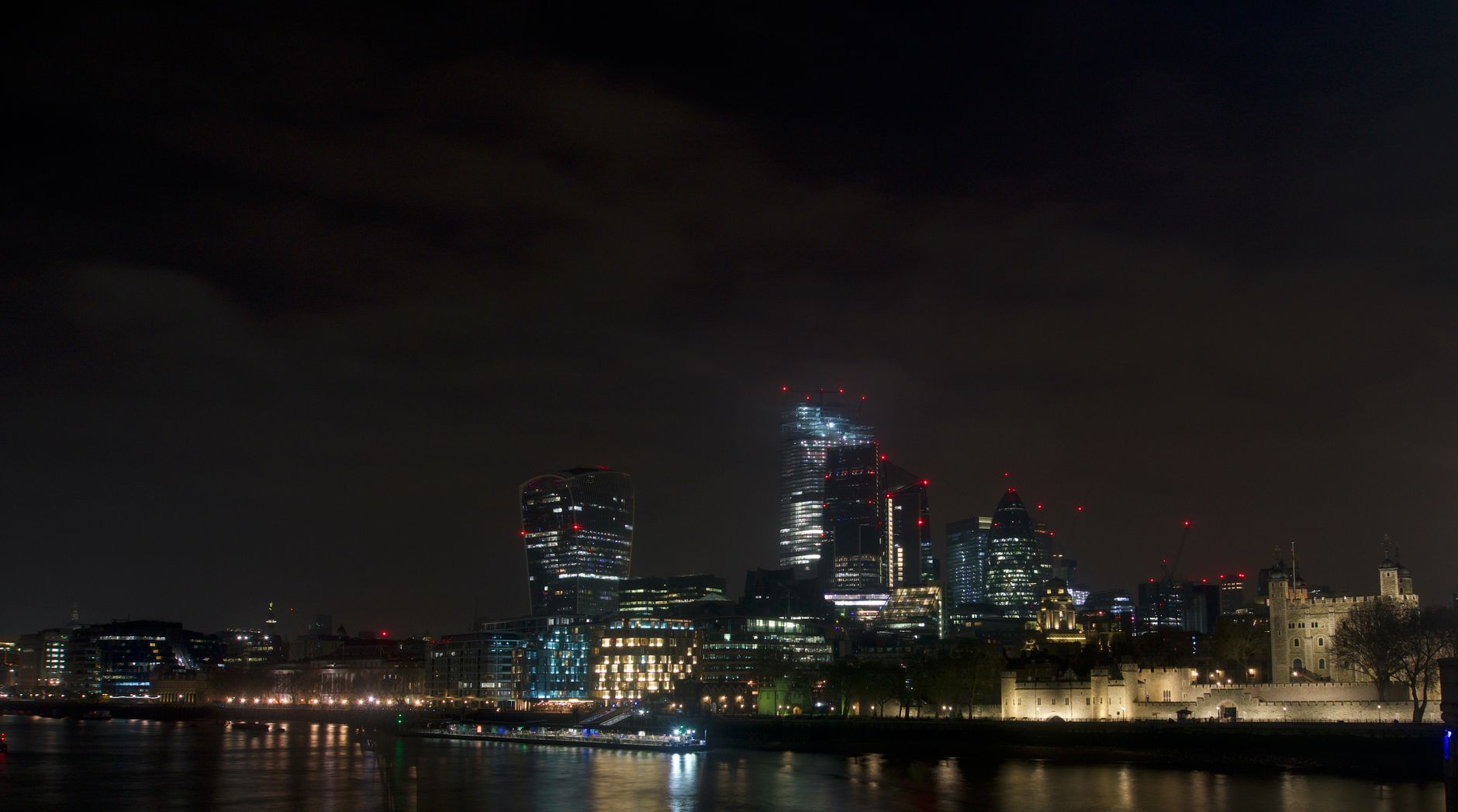
November is one of the smartest times to take a short trip to London. The city shifts indoors just enough to make museums, historic interiors, and theatre feel especially appealing, but it is still good weather for long walks if you plan around daylight and keep your route compact. London’s official tourism guide highlights seasonal exhibitions, festivals, and autumn city walks across October and November 2026, which makes this a strong month for a culture-focused weekend rather than a rush through every landmark at once. (visitlondon.com)
This itinerary is built for first-time visitors who want the classic London experience without zigzagging across the city. Instead of treating London like a checklist, it groups each day by area: Westminster and the South Bank, the City and East Central London, then South Kensington and one slower neighborhood finish. That matters in London, where overpacking the day is often the fastest way to waste time underground. For getting around between walks, the Tube, buses, Elizabeth line, DLR, and most National Rail services can all be used with Visitor Oyster or contactless payment, with daily capping on pay-as-you-go travel. (tfl.gov.uk)
If you like exploring on foot once you understand the area, Ingry is genuinely useful in London. It helps you move through the city by neighborhood instead of jumping randomly from one headline sight to another.
Why November works so well for a first London weekend
November trips tend to be easier to pace than summer visits. You still get major exhibitions, museum time, theatre, markets, and park walks, but usually without the same warm-weather pressure to do everything outdoors. Visit London’s current November guide specifically points to new exhibitions and citywide cultural programming during the month, while its autumn guide emphasizes Bonfire Night season, theatre, and park walks as core reasons to visit at this time of year. (visitlondon.com)
The tradeoff is simple: days are shorter, and some outdoor viewpoints feel better in late morning than near dusk. In practice, that means starting outside, using the middle of the day for museums or historic interiors, and leaving evenings for Soho, Covent Garden, the South Bank, or a theatre night rather than another major attraction.
Before you start: how to move around London without wasting time
Use contactless or Oyster, and do not overthink it
For most visitors, the simplest approach is pay-as-you-go travel with contactless or Oyster. TfL states that Visitor Oyster can be used across buses, Tube, tram, DLR, London Overground, Elizabeth line, River Bus, and most National Rail services in London, and fares are capped daily. TfL also notes an important bus rule: on buses and trams, touch in only at the start and do not touch out. (tfl.gov.uk)
Avoid peak-hour crush if you can
If your schedule is flexible, leave the most transit-heavy moves for later in the morning or after the commuter rush. TfL’s visitor guidance notes that the Tube can get hot and busy at peak times, which is obvious once you are standing on a central platform with luggage or a stroller. (content.tfl.gov.uk)
Think in clusters, not in famous names
London looks compact on a map until you start crossing it three or four times a day. A better strategy is to connect attractions that share the same walking logic: Westminster with St James’s Park and the South Bank; Tower Hill with the City and Borough area; South Kensington museums with Hyde Park, Kensington Gardens, or Notting Hill.
Day 1: Westminster, St James’s Park, and the South Bank
Morning: start with the classic skyline
Begin around Westminster. This is the right place for your first London morning because several of the city’s most recognizable landmarks sit within a manageable walking area: Big Ben, the Houses of Parliament, Westminster Abbey, Whitehall, and St James’s Park. Keep the first hours mostly outdoors. You will see more, and this part of the city makes sense best when walked rather than approached as isolated stops.
If the weather is clear, continue through St James’s Park toward Buckingham Palace rather than rushing straight onto the Tube. The Royal Parks confirm public access information for St James’s Park on their official site, and this green corridor is one of the easiest ways to make central London feel less overwhelming on a first visit. (royalparks.org.uk)
Midday: cross to the South Bank
From Westminster Bridge or Hungerford Bridge, continue onto the South Bank. This stretch works especially well in November because it mixes outdoor views with easy indoor pauses for coffee, lunch, bookshops, and cultural stops. You are also less committed here than in a ticketed attraction. If rain starts, you can adapt quickly.
Good rule: do not try to add both a full abbey visit and a full museum afternoon on the same day unless you are comfortable moving fast. London rewards selective planning more than maximal planning.
Afternoon: choose one major interior, not three
Your best afternoon move is one substantial indoor visit. If Westminster Abbey is the priority, give it proper time and keep the rest of the day light. If not, save interiors for Day 2 or Day 3 and continue your riverside walk eastward.
This is also a good point to use Ingry for context while walking. In central London, the value is not only navigation. It is understanding what you are passing, so bridges, churches, embankments, and older streets connect into a real mental map.
Evening: Covent Garden or Soho
For a first weekend, Covent Garden and Soho are better evening choices than another museum or a long detour east. They are central, lively, and easy after a long walking day. If you want theatre, this is the night to book it. If you do not, keep dinner near where you finish rather than spending 40 minutes crossing town for a trendier reservation.
Day 2: Tower of London, the City, and an Eastward walk
Morning: get to the Tower early
Make this your earliest start. The Tower of London is one of the few major sights where timing really changes the quality of the visit. Historic Royal Palaces notes that the Tower experiences busy periods and suggests visit planning around pace and timing; its official itinerary guidance shows that a fuller visit can take four hours or more. (hrp.org.uk)
That means two useful things for a weekend traveler: arrive early, and do not sandwich the Tower between too many fixed bookings. If you care about the site’s history rather than just a quick photo, let this be the main event of the morning.
Midday: Tower Bridge views and the river edge
Once you leave the Tower area, walk rather than immediately boarding the Tube. This part of London is one of the easiest places to understand the overlap between medieval, financial, and riverside London. You can angle west into the City or southward toward the river depending on your energy and the weather.
If it is wet or windy, prioritize a shorter outdoor section and a long lunch. November is not the month to force heroic walking just to say you covered more ground.
Afternoon options: choose your version of the City
There are two smart ways to spend the rest of the day.
The first is the classic route: City streets, historic lanes, and market stops. This works well if you like urban texture more than formal museum time.
The second is a modern London route: skyline views, contemporary architecture, and a later river walk. This works better if your Day 1 was heavy on ceremonial London and you want the contrast.
Either way, avoid trying to combine the Tower, St Paul’s, the British Museum, and South Kensington in one day. On paper it looks efficient; in reality it becomes mostly transport.
Evening: stay east or drift back central
If you still have energy, this is a good evening for a slower dinner around the City fringe or Shoreditch side rather than returning immediately to Westminster. But if this is your shortest trip, central London still wins for convenience. The point is not to see every district. It is to keep your weekend coherent.
Day 3: South Kensington museums, Hyde Park, and a softer finish
Morning: use London’s museum strength properly
South Kensington is ideal for the final day because it gives you flexibility. If the weather is poor, you can lean into museum time. If it is bright and crisp, you can balance an indoor visit with a park walk. London’s big museum districts are a major reason a November weekend works so well.
Choose one primary museum, maybe two if they genuinely match your interests and you are comfortable moving quickly. The common mistake here is assuming proximity means you should do everything. It usually means the opposite: pick carefully, then enjoy the area.
Midday: Hyde Park or Kensington Gardens
After a museum morning, take a walk through nearby parkland. Even in late autumn, this reset helps. November London is often best experienced in alternation: crowded interior, open air, crowded interior, open air.
If you prefer a more polished neighborhood finish, continue toward Kensington High Street, Notting Hill, or Marylebone depending on where you are staying and how much time remains. The right final afternoon is not the one with the most monuments. It is the one that leaves you less rushed on the way to the station or airport.
Afternoon: where to end the trip
For first-time visitors, three good endings stand out:
South Kensington to Kensington Gardens if you want a calmer, elegant close.
South Kensington to Notting Hill if you want neighborhood streets and a less ceremonial side of London.
South Kensington to Marylebone if you want a polished central area with easy onward connections.
This is also a good final window to use Ingry one last time for a self-guided neighborhood walk instead of improvising and ending up on a generic shopping street.
What to skip on a short November trip
Do not overschedule every hour
London is too large for a minute-by-minute plan unless your trip is built around one event. A weekend goes better when each day has one anchor sight, one secondary stop, and one long walking section.
Do not chase distant neighborhoods just because they are famous online
If a neighborhood sits far outside the logic of your day, save it for a longer trip. The city is full of places that are worthwhile, but not all of them are worthwhile for this specific weekend.
Do not treat free museums as quick add-ons
Because many major museums are free, visitors often underestimate them and stack too many into one day. In practice, that creates fatigue and blurs the trip together.
Practical November advice for London
Book timed attractions early
For headline attractions such as the Tower of London, advance planning is sensible, especially on weekends and school-break periods. Official attraction guidance emphasizes planning and busy periods, and London’s seasonal event calendar shows that autumn still brings plenty of demand from exhibitions and city events. (hrp.org.uk)
Use daylight well
Put river walks, palace exteriors, and park routes earlier in the day. Save theatre, pubs, and restaurant-heavy areas for the evening.
Keep one weather-proof backup per day
In November, that can be the difference between a satisfying day and a frustrating one. London is easy to enjoy in mixed weather if your plan is flexible by design.
Final thought
A good London weekend in November is not about conquering the whole city. It is about sequencing it well: ceremonial London first, historic London second, museum-and-neighborhood London third. Done that way, the trip feels generous rather than rushed, and you leave with a real sense of how the city fits together.
If that is the kind of trip you want, London is a very strong short-break city in November, especially if you explore it on foot between major stops and use Ingry to understand the streets as you go.
Download
Saint Petersburg
Moscow
Rome