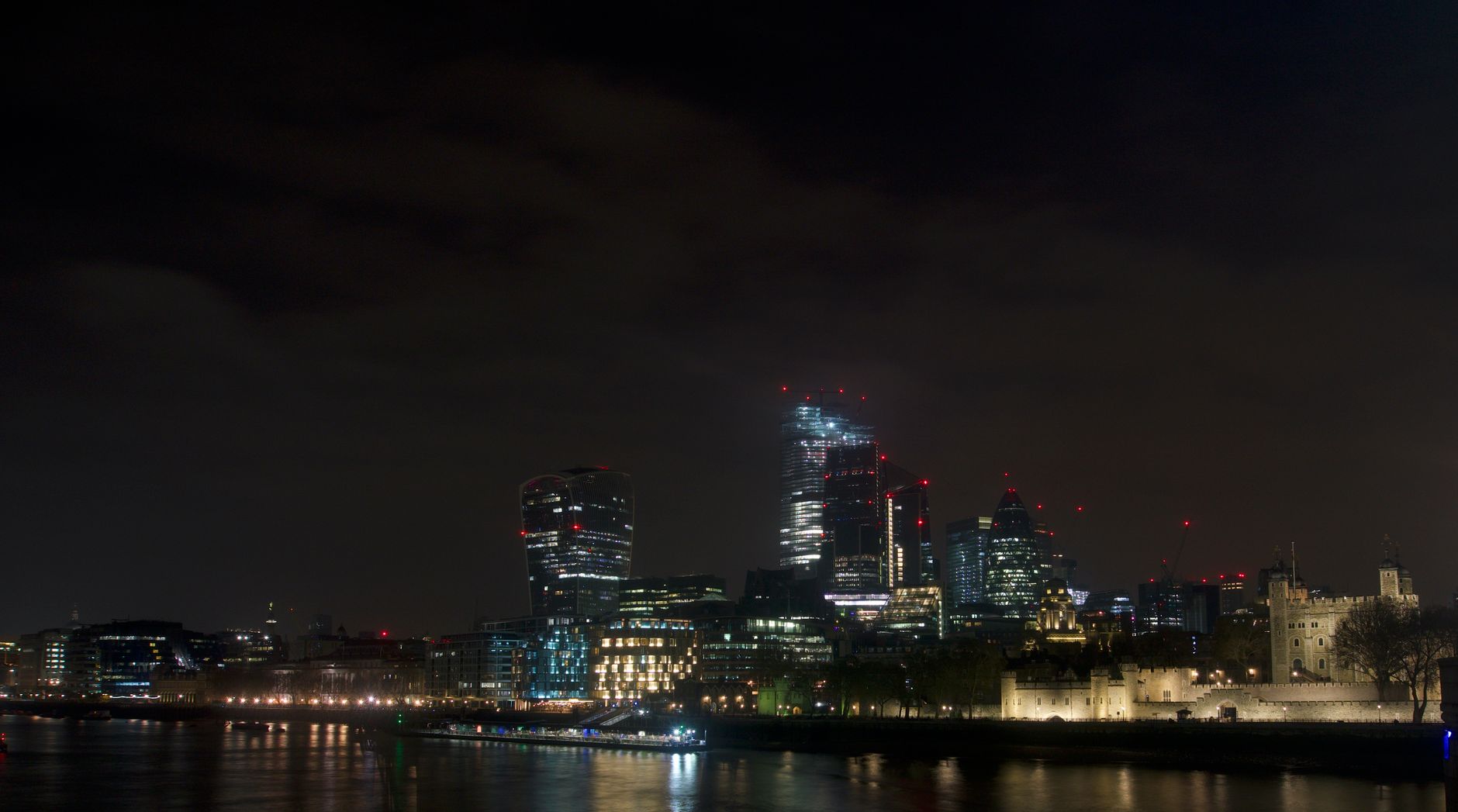
August is one of the easiest months for a first trip to London. The days are long, the parks are fully alive, and the city works especially well when you plan it as a series of connected walks rather than one giant checklist. If you are visiting for a weekend, the smartest approach is to pair major sights with neighborhoods that make sense on foot, leave room for breaks in green spaces, and avoid crossing London too many times in a day.
This guide is built for exactly that: three days in London in August, with a practical route, realistic pacing, and enough flexibility to match the weather or your energy. If you like exploring on foot and understanding what you are looking at as you go, Ingry is useful for turning the city into a more connected walking experience instead of just a map with pins.
Why August works well for a London weekend
August brings a strong mix of outdoor time and classic indoor sightseeing. Visit London highlights August as a month of summer events and long daylight hours, while the city’s late-summer calendar is especially busy around the August bank holiday weekend, which in 2026 falls from Saturday, August 29, to Monday, August 31. That period is lively but noticeably more crowded, especially around west London and major event zones. (visitlondon.com)
If your trip lands on the bank holiday weekend, expect heavier foot traffic and more transport pressure. If you are coming earlier in the month, you usually get the same long-summer atmosphere with less crowd stress. Either way, August is better treated as a walking-and-neighborhood month than a museum-marathon month.
Who this itinerary is for
This plan is best for first-time visitors who want a broad, satisfying London weekend without trying to “do everything.” It assumes you want a mix of royal London, museum London, and everyday London, with time in parks and along the river. It is not designed for travelers focused mainly on nightlife, football, theater-only trips, or day trips far outside the center.
If you only have three days, skip the temptation to add too many detached sights. London rewards depth more than frantic coverage.
Day 1: Westminster to the South Bank, with a slower evening in Covent Garden
Start early in Westminster
Begin in Westminster before the area feels congested. This is the best moment to see the city’s ceremonial core with some breathing space: Westminster Abbey from outside, the Houses of Parliament, Big Ben, and the walk toward St James’s Park. The value of this first morning is not in racing through interiors but in understanding how central London is laid out.
From Westminster, walk through St James’s Park toward Buckingham Palace. This is a much more pleasant route than arriving straight at the palace by Tube, and in August the park gives you shade, water views, and a softer start to the day.
Late morning: continue on foot instead of taking the Tube
After Buckingham Palace, walk through Green Park and head toward Trafalgar Square. This stretch helps connect the royal quarter with central London’s busier cultural core. First-time visitors often underestimate how close these places are when you link them properly.
If you want one indoor stop at this point, the National Gallery makes more sense than adding another distant attraction. If you are not in the mood for a museum yet, keep moving and save your energy for the river.
Afternoon: cross to the South Bank
From Trafalgar Square, walk down toward the Thames and cross over to the South Bank. This is one of the most reliable first-day routes in London because it gives you movement, skyline views, and plenty of places to pause without committing to fixed entry times.
The South Bank works well in August because it is lively without requiring much planning. You can simply walk eastward at your own pace, taking in the London Eye area, the riverfront atmosphere, and the sequence of bridges and views. If the weather is warm, this is a better use of the afternoon than spending hours underground or in queues.
Evening: Covent Garden, but keep expectations realistic
Finish the day in Covent Garden for dinner and a final wander. It is busy, polished, and touristy, but still makes sense on a short trip because it is central, walkable, and easy after a long first day. The trick is to treat it as an evening district, not a place where you need to spend half a day.
If you want help understanding side streets, landmarks, and how the areas connect while you walk, Ingry can make the route feel less like random wandering and more like a coherent introduction to the city.
Day 2: South Kensington museums and a Hyde Park afternoon
Choose one major museum, not three
South Kensington is where many travelers lose half a day to indecision. The Natural History Museum, the Victoria and Albert Museum, and the Science Museum are all close together, which makes people think they can do all of them. On a three-day trip, that usually leads to fatigue and very little actual enjoyment.
Pick one museum as your anchor. If you want decorative arts, design, and a broad cultural collection, choose the V&A. If you want a more classic big-name science stop, choose the Science Museum. If natural history is your priority, go there first and keep the rest of the day lighter.
In August, the main issue is not distance but energy and queues. Arriving earlier in the day gives you a smoother start than drifting in at midday with everyone else.
Afternoon: use Hyde Park as a reset, not an afterthought
After your museum visit, walk north into Hyde Park or Kensington Gardens instead of immediately heading to another indoor attraction. This is one of the most useful August choices in London. The Royal Parks confirm that boating on the Serpentine runs daily from 10am between late March and October, and Hyde Park’s lakeside cafés operate with summer hours, making the area especially easy for a relaxed afternoon stop. (sportsandleisure.royalparks.org.uk)
You do not have to boat to enjoy the park, but it is one of the few central London activities that feels genuinely summery rather than merely famous. Even a short lakeside break changes the pace of the trip. If you prefer walking, continue east through Hyde Park toward Marble Arch, or stay west in Kensington Gardens for a quieter feel.
This is also a good day to keep your lunch flexible rather than booking something formal. Museum districts and park edges are easier when you leave room to adapt to weather, queues, or tired feet.
Evening: Marylebone or Soho
For the evening, choose one neighborhood and keep it simple. Marylebone works well if you want calmer streets and a less theatrical end to the day. Soho works well if you still have energy and want a denser, more animated central London atmosphere.
Do not try to squeeze in Oxford Street shopping unless you genuinely want that. In August, it can eat time and patience fast, and it rarely becomes a highlight of a short London weekend.
Day 3: The City, St Paul’s area, and an eastward finish
Morning: start in the historic core
Your third day should feel different from the first two. Begin around St Paul’s Cathedral and the older street pattern of the City. Even without entering every landmark, this part of London gives you a stronger sense of layers: Roman roots, medieval rebuilding, imperial finance, and modern glass towers all compressed into one area.
From St Paul’s, walk toward the river again. Depending on your pace, you can continue across the Millennium Bridge and around Tate Modern from the outside, or stay on the north side and head toward Leadenhall Market and nearby streets. The key is not to cover the entire City but to enjoy how dramatically London changes from one district to the next.
Afternoon: choose between Tower area sights and neighborhood wandering
By this point in the weekend, most travelers benefit from a split decision. If you still want one major headline sight, use the afternoon for the Tower Bridge and Tower of London area from the outside, adding an interior only if it is a real priority for you. If you are already saturated with big attractions, skip the queue-heavy plan and spend the afternoon wandering eastward through more everyday streets, markets, and riverside stretches.
This is where London becomes more memorable: not just the postcard view, but the transitions between financial streets, old alleys, bridges, and repurposed industrial spaces.
Evening: finish on the river or in a neighborhood, not in transit
For your final evening, do not schedule something on the opposite side of the city. Stay near wherever you finish the afternoon. A last riverside walk often works better than trying to cram in one more attraction. If the weather holds, London in August is at its best when the day winds down outdoors.
For a more guided sense of what you are passing and how these places fit together, Ingry is a natural companion for the final day, especially in parts of central London where major landmarks and lesser-known corners sit only minutes apart.
If you are visiting on the August bank holiday weekend
The August bank holiday is one of the biggest late-summer travel moments in London. Visit London’s 2026 listings confirm the bank holiday weekend runs from August 29 to August 31, with major citywide activity and especially heavy attention on Notting Hill Carnival, which returns for its 60th edition from August 29 to 31. That makes west London far busier than usual, and transport patterns can be affected by event-related changes. (visitlondon.com)
If that weekend is your travel window and Carnival is not your main reason for coming, avoid building your hotel, restaurant, or sightseeing plans around Notting Hill and nearby stations. Stay central or slightly east of the busiest zones, and keep your route flexible. If Carnival is your reason for visiting, it deserves its own dedicated plan rather than being mixed into a standard sightseeing weekend.
What to book ahead, and what not to overbook
For an August London weekend, the smartest advance bookings are your accommodation, one or two major timed attractions if they really matter to you, and any special meals you care about. Beyond that, overbooking can make the trip worse.
London is a city where weather, energy, and crowd levels should shape your day. Parks, river walks, central viewpoints, and many neighborhood strolls work best when you leave room to improvise. A fully scheduled weekend often means spending more time watching the clock than looking at the city.
Areas that work especially well for first-time visitors in August
Westminster and St James’s for classic first impressions; South Kensington for museums; Hyde Park and Kensington Gardens for downtime; the South Bank for active walking; Covent Garden and Soho for evening atmosphere; and the City for contrast and historical depth. These areas connect well enough that you can build satisfying days without constant backtracking.
If you have to skip something, skip the far-flung add-ons and protect the flow of the weekend. London is less impressive when reduced to isolated stops connected by tired Tube rides.
Final thought
A good August weekend in London is not about conquering the city. It is about understanding its rhythm: a ceremonial morning, a museum when it fits, a long park break, a riverside walk, and neighborhoods that unfold properly on foot. Plan with that logic, and even three days can feel full without feeling rushed.
If this is your first visit, keep the structure simple, stay flexible in the middle of each day, and let walking do more of the work. London usually rewards that approach better than any oversized checklist.
Download
Saint Petersburg
Moscow
Rome