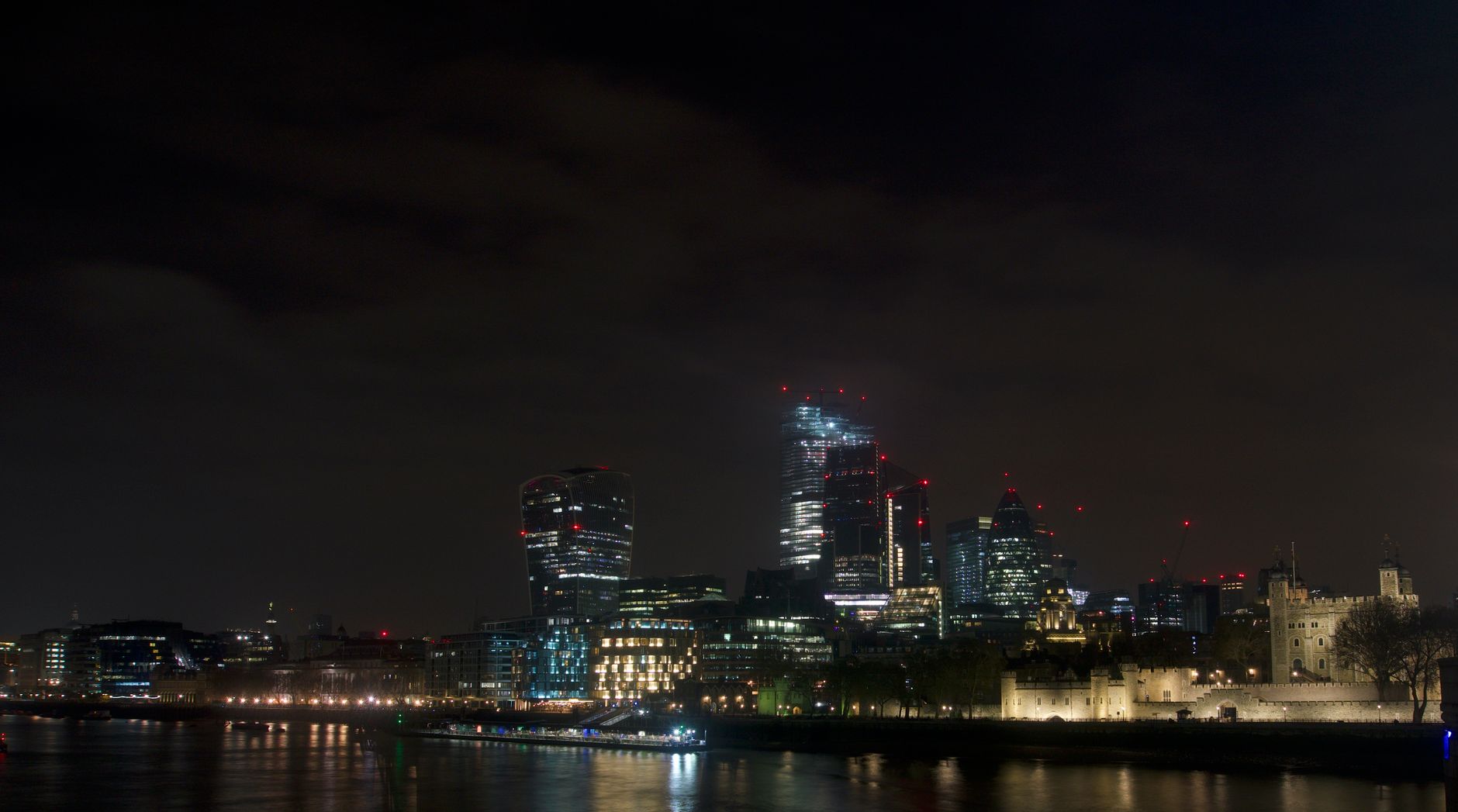
August is one of the easiest months to enjoy London on foot. The days are still long, the parks feel fully alive, and the city works especially well if you build your weekend around walkable stretches rather than jumping across town all day. It is also a month when London gets crowded, particularly around headline attractions and on the August bank holiday weekend, so the smartest plan is not to race through a checklist. It is to group your days well, start early where it matters, and leave room for slower evenings by the river.
This guide is for first-time visitors who want a practical three-day London weekend in August. It focuses on central areas that connect naturally on foot and by Tube, with enough variety to make the trip feel full without becoming exhausting.
Why August works well for a London weekend
Late summer gives you good conditions for long walking days, time in the parks, and open-air stretches that can feel rushed in colder months. August also brings a very full events calendar in London, and the summer bank holiday falls on Monday, August 31, 2026. The long weekend from August 28 to August 31 includes major citywide activity, and Notting Hill Carnival is scheduled across August 29 to 31, with especially heavy crowds in west London. If your trip overlaps those dates, you should plan routes and transport with extra care. (visitlondon.com)
If you are visiting earlier in the month, you still get the seasonal advantages without the same level of transport pressure. Either way, August rewards travelers who think in neighborhoods: Westminster and St James’s on one day, the South Bank and Bankside on another, and a market-and-park day in east or north London after that.
How to plan the weekend without wasting time
The simplest mistake in London is crossing the city too often. Distances on the map can look manageable, but museum time, queues, bridges, and crowd-heavy stations slow everything down. A better rhythm is one major sight in the morning, a long walking corridor in the afternoon, and one flexible evening area.
For getting around, central London works best as a mix of Tube rides and purposeful walking. Trafalgar Square is a short walk from Charing Cross station, and TfL’s West End walking map connects key central areas including Trafalgar Square and the South Bank. That makes it realistic to plan large parts of your day on foot once you are in the center. (london.gov.uk)
To keep the city legible while you walk, Ingry is useful for following a route between major landmarks and smaller places you would otherwise pass without noticing.
Day 1: Westminster, St James’s, and a South Bank evening
Morning: start with the ceremonial center
Begin in Westminster or St James’s rather than at a market or museum. In August, this part of London is at its best early, before the pavements fill up. Walk through St James’s Park, continue along The Mall, and keep Buckingham Palace as a visual stop rather than the anchor of your whole morning unless you have pre-booked entry.
Buckingham Palace opens its State Rooms during the summer months, and official visitor information for 2026 notes that the summer opening is running and that some rooms may have altered access. If this is a priority for your trip, book ahead and build your day around the reservation rather than assuming you can decide on the spot. (media.rct.uk)
If you do not go inside, do not feel that you are missing the heart of London. The better use of time for many weekend visitors is to enjoy the park, then continue toward Horse Guards, Whitehall, and Trafalgar Square.
Afternoon: National Gallery or a lighter central walk
Trafalgar Square works well as your pivot point. If the weather turns or you want a museum without the commitment of half a day, the National Gallery is an easy fit here. It also has Friday late opening until 9 pm, which is useful if your trip starts on a Friday and you would rather save daylight hours for outdoor London. (nationalgallery.org.uk)
If you are not in the mood for a museum, keep moving. Covent Garden, the Strand, and the river are close enough to connect naturally, and central London often feels more memorable when you keep a steady walking line instead of stopping at every headline sight.
Evening: cross to the South Bank
For a first weekend in London, the South Bank is one of the easiest evening choices. You get river views, a strong sense of place, and enough activity to make the night feel lively without needing a strict plan. Walk east or west depending on your energy, but avoid trying to cover the whole riverside in one go. A shorter stretch done slowly is better than forcing the entire promenade.
This is also a good moment to use Ingry while walking, especially if you want context for the buildings, bridges, and side streets rather than just moving between photo points.
Day 2: South Bank, Bankside, and one major museum
Morning: riverside first, museum second
Start this day outside. The riverfront is calmer earlier, and London’s big museums are easier to enjoy when you reach them after a walk rather than at peak midday. A South Bank to Bankside route gives you one of the most reliable half-days in the city: broad views, bridges, bookstalls, street life, and easy options to stop when needed.
Pick one major museum for this day, not two. Tate Modern is the obvious fit if you want modern art and a route that continues naturally along the Thames. The most important planning point is pacing: leave enough time for the building, not just the collection. Rushing through Tate Modern after already doing too much elsewhere is a common mistake.
If you are structuring this day around a Friday or Saturday evening, Tate Modern has promoted late-night weekend openings in recent coverage, but details can vary, so check the museum directly before relying on a late slot. When in doubt, treat any museum late opening as a bonus rather than the backbone of your itinerary. (london-tickets.co.uk)
Afternoon: keep Bankside flexible
Bankside is one of the best places in London to leave part of the day unplanned. You can extend the river walk, sit for a while, or dip into smaller stops without the feeling that you are wasting time. This is a good afternoon for travelers who want London to feel like a city rather than a sequence of ticketed entries.
If you only have one museum day in your whole weekend, this should probably be it. If museums are not your priority, use the same area for architecture, bridges, and river views and keep moving.
What to skip on this day
Do not add the Tower of London, St Paul’s, and a West End show to the same day just because they look nearby on a map. They belong to different rhythms. London is more enjoyable when each day has one center of gravity.
Day 3: Choose your London mood
Your third day should depend on timing and energy, especially in August.
Option A: a classic Sunday around markets and north-central neighborhoods
If you want a livelier final day, build it around one market area and one residential-feeling neighborhood. The goal is not shopping for hours. It is seeing a different kind of London after two days of landmarks. Go early, wander a bit, then move on before the crowds become the whole story.
This works especially well if you want a more local texture to balance Westminster and the river. Keep lunch flexible and leave room for a final park stop in the afternoon.
Option B: a park-led day if the weather is good
August is one of the best times to let London’s green spaces carry a full day. Kensington Gardens, Hyde Park, or Regent’s Park all work, but choose one side of the city and stay there. Kensington Gardens has long summer opening hours in 2026, making it a strong option if you want an easy morning walk before museums or neighborhood wandering nearby. (royalparks.org.uk)
This kind of day is ideal if your first two days were dense. London can feel surprisingly restorative when you stop treating every hour as a sightseeing slot.
Option C: August bank holiday and carnival weekend strategy
If your trip falls on the August bank holiday weekend, accept that west London will move differently. Notting Hill Carnival runs over August 29 to 31, 2026, and official guidance already highlights road impacts, travel planning needs, and very large crowds. If you want to experience the atmosphere, do it deliberately and keep the rest of the day light. If you do not, avoid using west London as a through-route and plan your weekend around central or south-of-the-river districts instead. (visitlondon.com)
This is where Ingry is especially handy: instead of improvising under pressure, you can follow a clearer walking plan in the parts of London you actually want to explore.
Crowd-smart advice for August in London
Book ahead for only the things that truly matter
You do not need to pre-book every hour of a London weekend. You do need to pre-book the one or two experiences that would disappoint you if missed. In August, that often means Buckingham Palace summer entry or any major timed exhibition.
Use early mornings for the biggest-name areas
Westminster, Buckingham Palace, and major museum districts are most pleasant early. Save markets, river walks, and neighborhood wandering for later when they can absorb crowds better.
Do less each day
The city rewards depth more than range. Three connected areas in one day is usually enough. Five is too many.
A realistic 3-day structure at a glance
Day 1: St James’s Park, Buckingham Palace area, Whitehall, Trafalgar Square, South Bank evening.
Day 2: South Bank and Bankside walk, one major museum, flexible riverside afternoon.
Day 3: market-and-neighborhood day, or a park-led day, or a bank holiday weekend plan that either commits to Carnival or avoids it entirely.
Final thought
London in August is not about seeing everything. It is about building three days that flow well: one ceremonial London day, one riverside museum day, and one looser day shaped by weather, energy, and timing. If you get that balance right, the city feels generous rather than overwhelming.
And that is usually the difference between a weekend that feels rushed and one that makes you want to come back.
Download
Saint Petersburg
Moscow
Rome