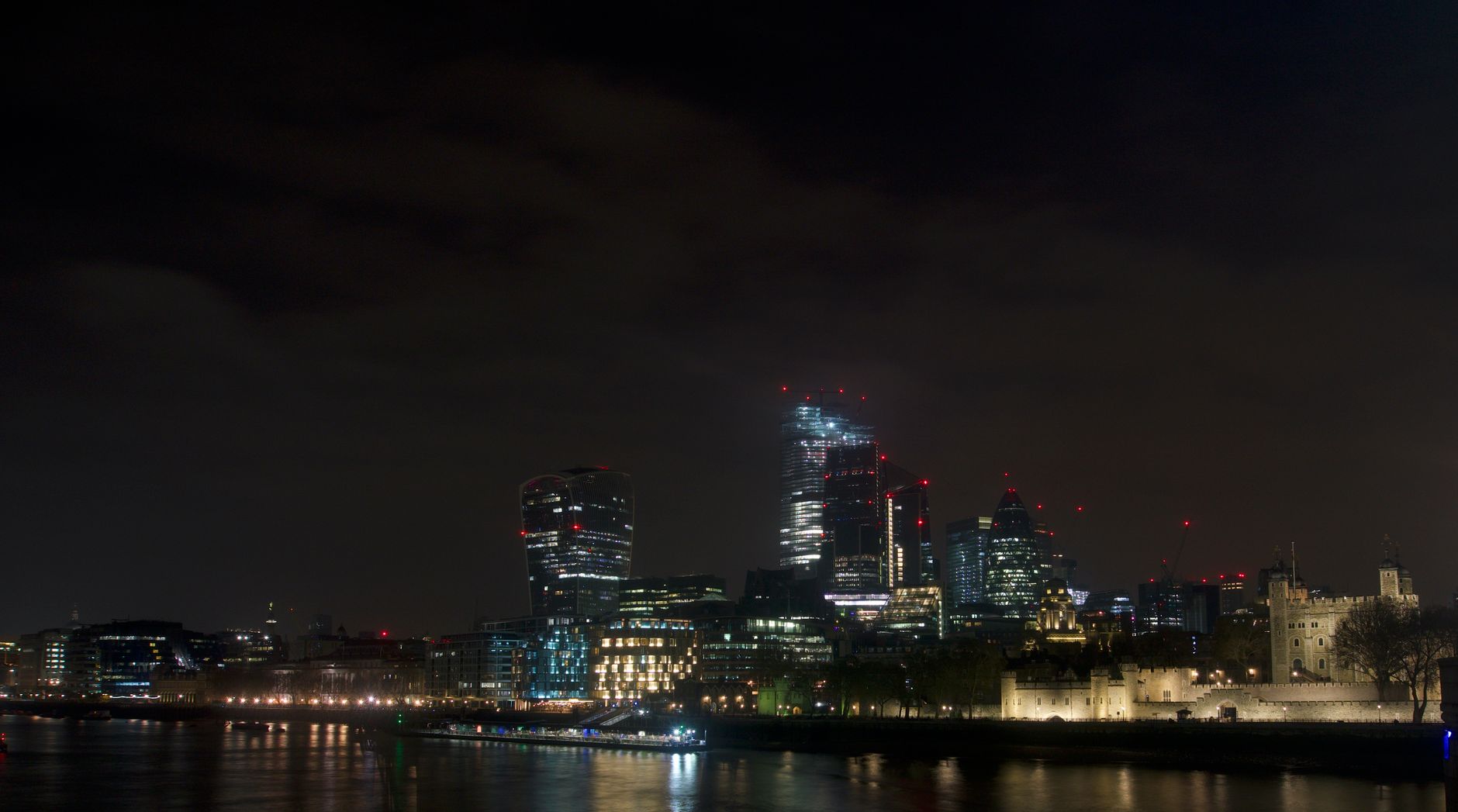
August is one of the easiest months to enjoy London on foot. The days are long, the parks are at their best, and whole parts of the city make more sense as a sequence of walks than as a checklist of major sights. It is also a busy time: school holidays bring more daytime crowds, and the August bank holiday weekend from 28 to 31 August 2026 adds another layer of movement across the city.
That does not mean you should avoid London in August. It means you should plan by area, start early, and build your days around the rhythm of the city rather than trying to cross it too often. This guide is for first-time visitors who want a practical long weekend: classic London views, a couple of strong museum choices, generous park time, and neighborhoods that still feel good after the main sightseeing is done.
Why August works well for a London weekend
August 2026 in London comes with long daylight hours, a full cultural calendar, and a late-summer atmosphere that suits walking between neighborhoods. Visit London highlights the August bank holiday weekend, Notting Hill Carnival from 29 to 31 August 2026, and a wider month of outdoor events and museum late openings. It also notes that August is a busy period, so booking ahead and visiting attractions outside peak times is wise. (visitlondon.com)
If your dates fall on the bank holiday weekend, expect west London to be especially busy around Notting Hill. If Carnival is the reason for your trip, lean into it and stay nearby. If it is not, you can still have an excellent weekend by focusing on central London, South Kensington, Westminster, the South Bank, and Greenwich instead. (visitlondon.com)
Who this itinerary is for
This plan works best if you are visiting London for two to three full days and want a balanced first trip. It is not built around rushing into every landmark. Instead, it helps you see London in connected pieces: royal and ceremonial London on one day, museum-and-park London on another, and riverside or eastward London on the third.
If you like moving through a city by walking route rather than by map pins, Ingry is useful here. London is one of those places where understanding what you are passing matters almost as much as reaching the headline sight.
Day 1: Westminster, St James's, and the South Bank
Start early in Westminster
Begin around Westminster Station and do the classic core before the area gets congested. Walk past Big Ben, the Houses of Parliament, and Westminster Abbey, then continue through St James's Park toward Buckingham Palace. This route works because the sights are close together and the park gives the morning a natural pause.
The key decision here is what to skip. If you are in London for only one weekend, do not spend half the day queueing for every ceremonial sight. See the exterior landmarks, enjoy the walk, and save your longer indoor visit for a museum later in the day.
Late morning: walk, do not hop around
From Buckingham Palace, continue along The Mall or cut toward Trafalgar Square and Covent Garden depending on your energy. Covent Garden makes sense if you want lunch and a more animated midday atmosphere. Trafalgar Square works better if you want to keep the route visually grand and continue toward the river.
Afternoon: cross to the South Bank
After lunch, head toward the Thames and walk the South Bank stretch between the London Eye area and Tate Modern. This is one of the most forgiving first-time routes in the city: river views, street life, bridges, and enough places to stop without losing momentum.
If you want one museum or gallery today, choose Tate Modern rather than trying to add several interiors. London weekends get much easier when each day has one major indoor stop, not four.
Evening: stay by the river
August evenings are one of London's big advantages, so avoid wasting them underground. Stay out along the river, cross a bridge for skyline views, and keep dinner near where you finish rather than zigzagging across town. For navigation between landmarks and smaller riverside details, Ingry can help turn the walk into more than a straight transfer.
Day 2: South Kensington museums and Hyde Park logic
Pick one major museum district and slow down
South Kensington is ideal for August because it gives you strong indoor options if the weather shifts, but it also connects easily to greener, slower parts of west-central London. The usual mistake is trying to do the Natural History Museum, the V&A, and the Science Museum all in one day. Choose one primary museum and treat anything else as a bonus.
If art, design, and decorative history interest you, the V&A is often the most rewarding for a traveler with limited time. If your trip leans more classic family sightseeing, the Natural History Museum may be the better anchor. The point is not which one is objectively best; it is which one lets the day keep its shape.
Lunch and reset
After your museum visit, avoid immediately jumping to another indoor stop. Walk into Hyde Park or Kensington Gardens and use the open space as part of the itinerary, not dead time between attractions. August is good for this because the city feels more breathable outdoors, especially after a crowded museum morning.
Afternoon options that pair well
You have three sensible directions from here:
First, stay local and continue through Kensington Gardens for a quieter afternoon. Second, walk east through Hyde Park toward Mayfair if you want a more polished central London finish. Third, head to Knightsbridge only if shopping is genuinely part of your plan. If it is not, this is an easy area to skip without regret.
On the last Wednesday of each month, London also has museum late-opening options such as Science Museum Lates, while the V&A and Tate Modern run selected late events on different schedules in August. If your trip aligns with one of those dates, an evening museum visit can work better than a crowded midday one. (visitlondon.com)
Day 3: Choose between Greenwich and Notting Hill weekend energy
Option A: Greenwich for space, views, and a different pace
If you want a calmer third day, go to Greenwich. It gives you a strong sense of London's maritime history and a welcome change from the denser West End and Westminster core. The area works best as a half-day to full-day outing with plenty of walking: riverside approach, historic buildings, and time on the hill for one of the city's best panoramic viewpoints.
This choice is especially smart during the August bank holiday if central-west London feels too crowded.
Option B: Notting Hill and the August bank holiday atmosphere
If your visit falls on 28 to 31 August 2026, London shifts into bank holiday mode, and Notting Hill becomes the obvious focal point because of Carnival. Visit London lists Notting Hill Carnival from 29 to 31 August 2026 and describes it as one of the world's largest street festivals, with Sunday more family-focused and Monday hosting the main high-energy celebrations. (visitlondon.com)
If you want to experience it, commit properly: arrive with a clear entry and exit plan, wear comfortable shoes, and expect transport and phone signal pressure. If you do not want heavy crowds, do not drift into the area out of curiosity. Choose Greenwich, the South Bank, or a museum-and-park day instead.
How to plan around the August bank holiday
In the UK, the summer bank holiday in 2026 falls on Monday, 31 August. London's bank holiday weekend runs across 28 to 31 August 2026, and citywide event guides highlight this period as one of the big late-summer moments. (visitlondon.com)
For travelers, that means three practical things. First, book accommodation earlier than you would for an ordinary weekend. Second, expect popular areas and major attractions to feel busier than usual. Third, group your days geographically so you are not relying on repeated cross-city journeys during peak leisure hours.
A good rule is to make one side of the city your priority each day. Central ceremonial London one day, museum-and-park west-central London another, and either riverside Greenwich or bank holiday west London on the third. That keeps the trip from turning into a transport exercise.
What to book ahead and what not to over-plan
In August, reserve the pieces that create bottlenecks: accommodation, any timed-entry attraction you care strongly about, and anything specific for bank holiday weekend. Do not over-schedule every hour. London rewards flexible walking, spontaneous park stops, and the ability to change course when a museum feels too crowded or the weather suddenly turns.
It also helps to keep one lighter evening in the plan. After a full day of museums or central sightseeing, your best London memory may be an unhurried walk rather than another ticketed activity.
What many first-time visitors get wrong in London
Trying to cover too much geography
London is not difficult because it lacks transport. It is difficult because its highlights are spread across multiple districts that each deserve a different pace. Treat neighborhoods as chapters, not dots.
Underestimating crowd patterns
August is attractive precisely because so much is happening. The trade-off is that the city can feel noticeably fuller in the middle of the day, especially at major museums and headline landmarks. Early starts matter more than ambitious late starts.
Spending too little time outside
Many first trips become an indoor queue marathon. In August, some of the best value in London comes from streets, parks, bridges, and riverside routes that cost nothing and connect the city more naturally than the Tube does.
A simple 3-day structure at a glance
Day 1: Westminster, St James's Park, Buckingham Palace exteriors, Trafalgar Square or Covent Garden, then the South Bank.
Day 2: One South Kensington museum, then Hyde Park or Kensington Gardens, with an optional late museum evening if your dates match.
Day 3: Greenwich for a calmer finish, or Notting Hill if you are intentionally planning around the August bank holiday weekend and Carnival.
Final thought
London in August is at its best when you let the city unfold in connected walks instead of forcing it into a rushed attraction list. Plan by neighborhood, protect your mornings, leave room for the parks, and be honest about your appetite for crowds during the bank holiday period.
If you want a smoother way to explore while walking, with context for both big landmarks and less obvious stops, Ingry fits this kind of London trip especially well.
Download
Saint Petersburg
Moscow
Rome