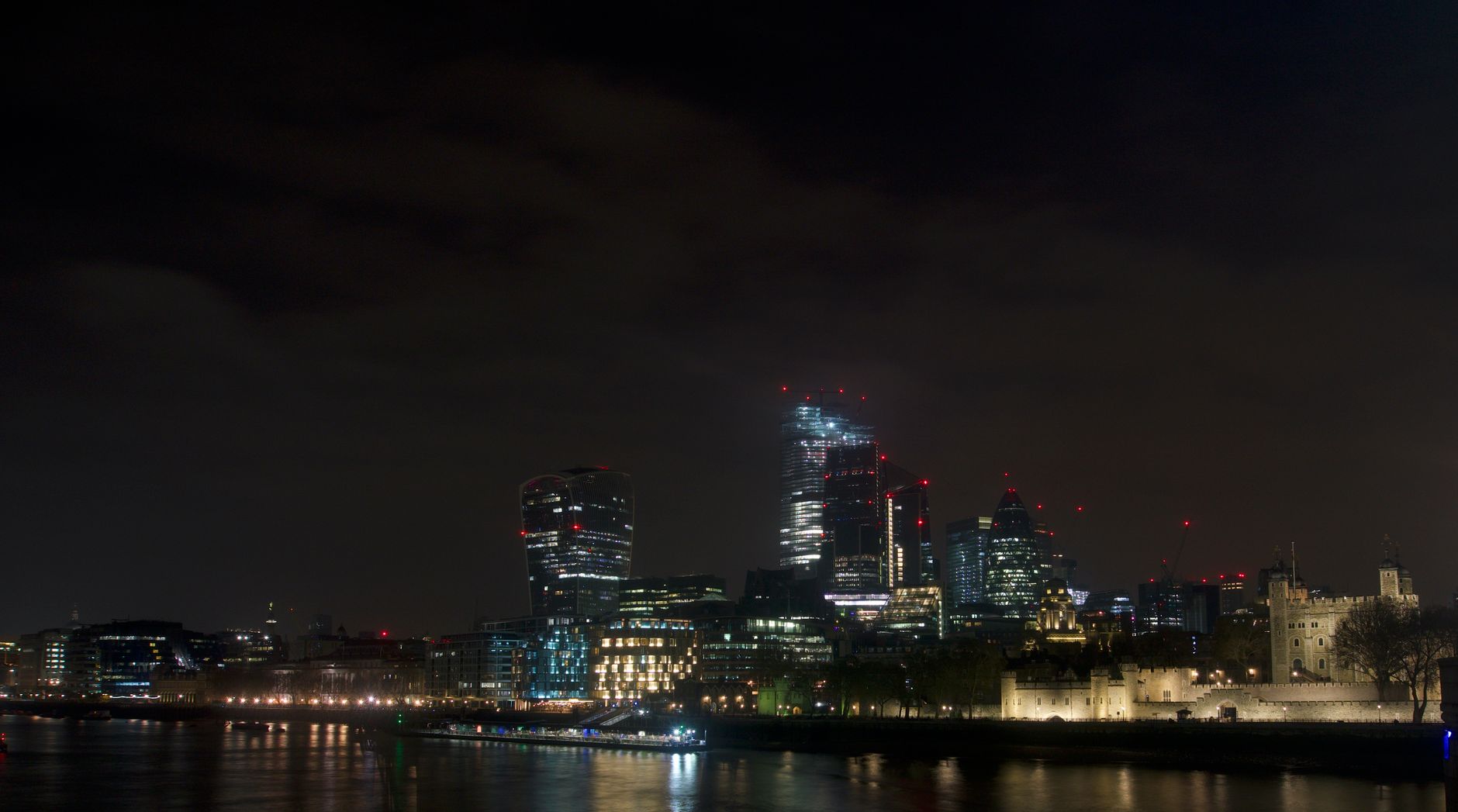
London’s summer bank holiday weekend falls on Monday, 31 August 2026, with citywide events and heavier visitor numbers running across 29 to 31 August. It is one of the busiest summer weekends in the capital, so the smartest plan is not to chase everything. Instead, build your days around one or two major areas at a time, move mostly on foot once you arrive, and leave room for the city’s best summer asset: long, easy evenings.
This guide is for first-time visitors who want a real London weekend rather than a box-ticking sprint. It focuses on classic central walks, river views, neighborhood time, and a sensible way to handle the crowds that gather around major bank holiday events. If you want help navigating on foot between landmarks and spotting places you might otherwise miss, Ingry is especially useful in London, where short walks often reveal more than another Tube ride.
Why this weekend needs a different strategy
The August bank holiday is a genuine long weekend in England and Wales, and in 2026 the public holiday is Monday, 31 August. Visit London lists the August bank holiday weekend from 28 to 31 August 2026 and highlights major city events during those dates, including the Notting Hill Carnival and other large outdoor happenings. That means busier public transport, more packed central areas, and slower movement around famous spots. (gov.uk)
The good news is that London is still easy to enjoy if you think in clusters. Westminster and the South Bank work well together. Covent Garden, Soho, and the Strand fit naturally into another half-day. Kensington, Hyde Park, and nearby museums make sense as a separate block. What usually goes wrong is crossing the city too many times.
Who this itinerary is best for
This plan suits travelers who have three days, want to see major London highlights, and prefer a balance of famous places and relaxed walking. It is not designed for travelers whose main goal is standing for hours at a single event, nor for anyone trying to do every museum in one trip.
If your priority is carnival weekend specifically, build around that and keep the rest of London lighter. If your priority is classic sightseeing, it is wiser to avoid weaving in and out of west London at peak event times and keep your route compact.
Day 1: Westminster to the South Bank for a strong first impression
Start early in Westminster
Begin in Westminster before the streets fully fill up. This is the best time to see the area around Big Ben, the Houses of Parliament, and Westminster Abbey from the outside without the full midday crush. From there, walk through St James’s Park if you want greenery and a softer approach into central London rather than jumping straight onto the Tube.
The logic here is simple: Westminster gets crowded every day, but on a bank holiday weekend it becomes tiring by late morning. Go first, take the photos early, and then keep moving.
Cross the river instead of backtracking
From Westminster Bridge, continue east along the South Bank. This stretch gives you some of London’s most rewarding urban walking: river views, constant landmarks, street activity, and plenty of places to pause without committing to a formal attraction. You can pace this section according to your energy, stopping around the London Eye area, the Southbank Centre, or farther toward Shakespeare’s Globe and Tate Modern.
This is also a good day to use Ingry while walking. Central London can feel obvious at first glance, but many of the memorable details are the smaller buildings, riverfront layers, and side-street viewpoints between the headline sights.
What to skip on day 1
Skip the temptation to cross back and forth between both sides of the river too often. London looks compact on a map, but weekend crowds and stop-start movement can drain time quickly. Pick your crossings carefully and keep the day linear.
Evening plan
Stay out for the evening if the weather is pleasant. Late August still gives London a strong outdoor mood, and riverside areas often feel better after daytime sightseeing pressure eases. A simple dinner and a final walk near Waterloo, the South Bank, or the Strand is often more satisfying than trying to squeeze in one more major attraction.
Day 2: Choose between carnival energy or a classic museum-and-park day
Option A: Lean into the bank holiday atmosphere
Visit London identifies Notting Hill Carnival as one of the major draws of the 2026 August bank holiday weekend. If that is your main reason for coming, make it the focus of your day and accept that the surrounding area will move slowly. Wear comfortable shoes, keep your route simple, and do not stack tightly timed reservations before or after. (visitlondon.com)
On a day like this, less is more. See one more calm area either before or after, but do not expect a full classic sightseeing itinerary on top of a major street event.
Option B: Go east or central while west London is busier
If you would rather avoid the biggest crowds, use this day for a more classic London plan away from the heaviest festival flow. Good combinations include Covent Garden with the Strand and Somerset House area, or the City with a Thames walk. Another strong option is South Kensington plus Hyde Park if you want a museum-and-green-space balance.
The trick is not choosing secret places. It is choosing places that remain enjoyable even when London is busy. Parks, broad walking routes, and neighborhoods with many side streets generally work better than narrow pinch points and queue-heavy attractions.
How to pace museums on a summer weekend
Do one museum well instead of rushing through three. London rewards selective days. A single museum visit plus a park walk and an unstructured neighborhood wander usually makes for a better memory than constant transport changes.
Day 3: A neighborhood day with room for markets, canals, or a final skyline walk
Keep the last day lighter
By the third day, many travelers try to squeeze in every missed landmark. Usually that backfires. A better last day is neighborhood-based: Marylebone, Bloomsbury, Greenwich, or Regent’s Canal depending on where you are staying and what you missed earlier.
If this is your departure day, choose an area where walking is pleasant even if you only have half a day. Bloomsbury works well for literary London and garden squares. Marylebone is good for elegant streets and a calmer central feel. Greenwich suits travelers who want a stronger sense of place and riverside space rather than another packed central loop.
Use walking to understand London properly
London is not a city best understood by jumping from one photo point to the next. It makes more sense when you see how districts connect. That is why a walking-focused tool like Ingry fits this kind of trip so well: it helps turn transfers into discoveries instead of dead time.
Where to stay for this weekend
For a first trip over a busy long weekend, centrality matters more than chasing a fashionable postcode. Areas with strong practical value include Westminster, South Bank, Covent Garden, Bloomsbury, and parts of Kensington. The goal is not just prestige. It is reducing the number of transport decisions you need to make when London is crowded.
If your main interest is carnival weekend, staying in west or central London can save time, but book with realistic expectations about busier streets and transport changes nearby.
Getting around: what matters most
Transport for London advises travelers to check planned closures, service changes, and major events before traveling, especially on weekends when engineering works can affect Tube and rail routes. TfL also publishes planned line closures and warns that special events can affect transport across the city. (tfl.gov.uk)
For this particular period, TfL’s published closures information shows that parts of the network can be affected over summer weekends, so do not build an itinerary that depends on one exact line working perfectly late at night or after a long event day. (content.tfl.gov.uk)
The practical rule is simple: use the Tube to make one decisive move, then walk. London sightseeing gets easier when each day has a geographic spine instead of constant hopping.
What first-time visitors often get wrong
Trying to do Buckingham Palace, Tower Bridge, Camden, Notting Hill, and Greenwich in one day
That is not efficient London planning. It is map anxiety. Group your day by adjacent areas instead.
Assuming every famous area is best at midday
In fact, many central areas are nicest early or later in the evening, when the city feels less jammed and more legible.
Underestimating how tiring crowds can be
The August bank holiday is festive, but it can also be physically draining. Build in park time, sit-down breaks, and one slower meal each day.
A smart 3-day summary
For most visitors, the strongest August bank holiday plan looks like this:
Day 1: Westminster, St James’s Park, and a long South Bank walk.
Day 2: Either commit to carnival atmosphere or deliberately avoid the biggest event zones and choose museums, parks, and central neighborhoods.
Day 3: Finish with one neighborhood you can enjoy at walking pace, rather than cramming in a final checklist.
That kind of structure gives you a London weekend that still feels spacious, even on one of the city’s busiest summer breaks.
Final thought
London during the August bank holiday is not the weekend for perfectionism. It is the weekend for good sequencing, early starts, and leaving room for surprise. If you plan by neighborhood, walk more than you think, and avoid unnecessary zigzags, you will see far more of the city than travelers who spend the whole weekend chasing the next headline sight.
Download
Saint Petersburg
Moscow
Rome