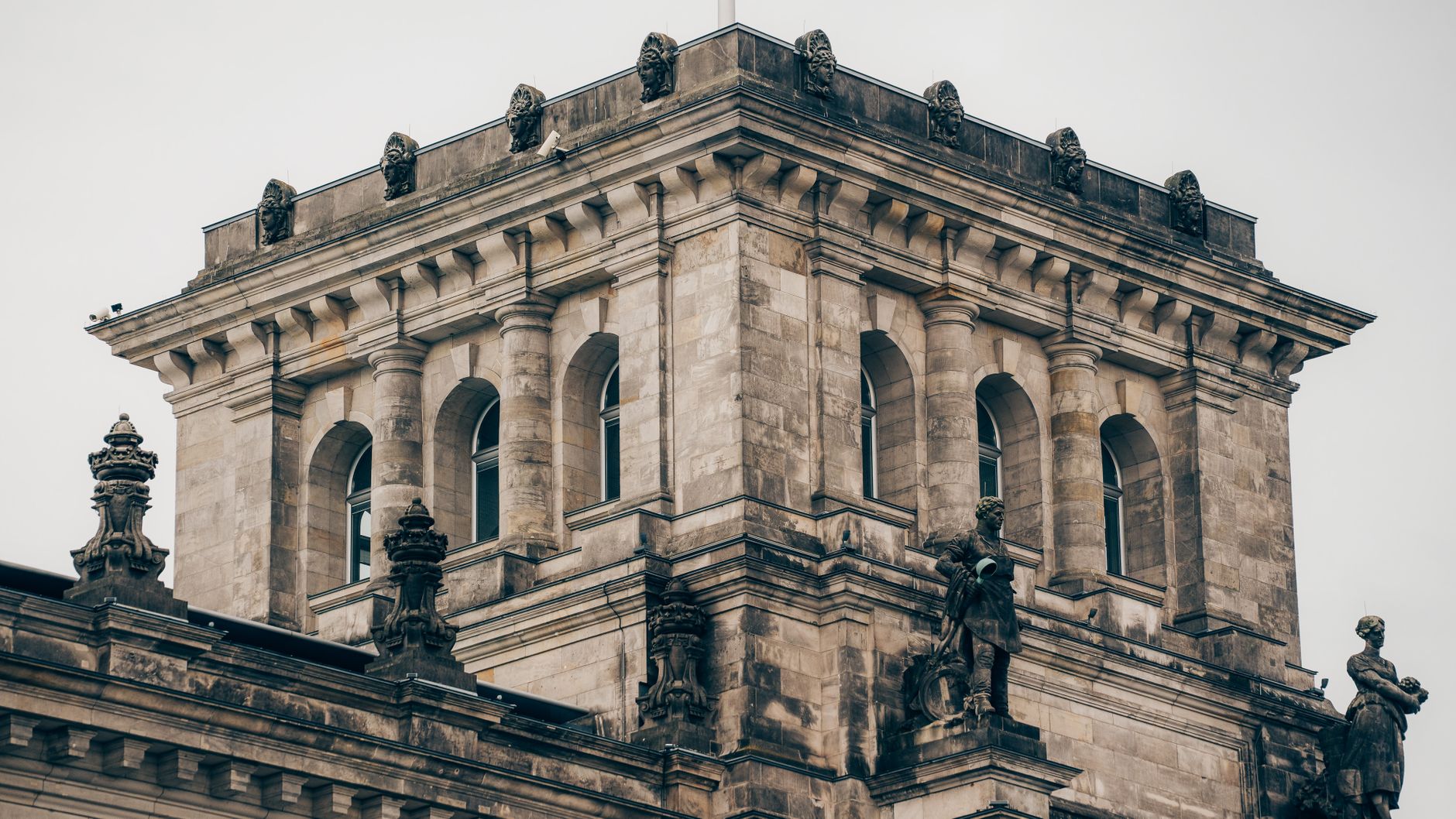
If you want a Berlin weekend that feels more curious than checklist-driven, Open Heritage Day is one of the best times to come. On September 12 and 13, 2026, Berlin opens hundreds of monuments and historic sites, including places that are usually closed to the public. Official listings describe more than 300 participating monuments across the city, with hundreds of individual events, tours, exhibitions, and talks spread across all boroughs. That scale matters: instead of fighting for the same few headline sights, you can shape a weekend around the corners of Berlin that interest you most.
For visitors, this makes September a particularly good moment to explore Berlin through architecture, neighborhoods, and local history rather than only through museum queues. If you like walking, layered city stories, and finding reasons to leave the standard Mitte route for a few hours, this is a strong weekend to plan around.
Why this Berlin weekend is worth planning around
Open Heritage Day, known locally as Tag des offenen Denkmals, takes place across Berlin on September 12–13, 2026. The city’s official event pages note that many of the participating sites are normally inaccessible, and the 2026 program centers on monuments and infrastructure. That means the weekend is not just about grand palaces or churches. It can also include cinemas, housing estates, industrial sites, public buildings, and parts of Berlin that many short-stay visitors would otherwise skip.
This is exactly why the weekend works well for first-time and repeat travelers alike. First-time visitors still get plenty of Berlin’s major visual landmarks, but with a more distinctive structure. Repeat visitors get access to buildings and stories they may never have had a reason to seek out before.
What kind of traveler this weekend suits best
This is a great Berlin weekend for travelers who enjoy cities on foot, like architecture and urban history, and do not need every hour to be scheduled around blockbuster museums. It suits couples, solo travelers, and curious first-time visitors better than families who want a theme-park pace. If your idea of a good city day includes a tram ride to an unfamiliar district, a guided visit inside a building you had never heard of a week earlier, and a long evening walk back through lively streets, Berlin does this exceptionally well.
If, on the other hand, your priority is squeezing in every major museum collection in two days, you may prefer a different kind of itinerary. Heritage weekend is best when you leave some room for detours and last-minute choices.
How to plan the weekend without overloading it
The mistake many visitors make in Berlin is trying to zigzag across the whole city. During Open Heritage Day, that is even less efficient because interesting sites are spread widely. The smart approach is to choose one main area each day, plus one anchor sight in central Berlin if it fits naturally on the route.
A good rhythm is simple: one pre-booked or must-see site in the morning, one or two nearby places in the afternoon, then a long neighborhood walk in the evening. Berlin rewards horizontal travel more than frantic attraction-hopping. Build around districts, not around a list of unrelated pins.
To keep orientation easy while walking between stops, Ingry is useful for understanding what you are passing, spotting landmarks nearby, and keeping a route coherent rather than constantly reopening maps.
A smart 3-day Berlin itinerary for Open Heritage Day
Day 1: Friday arrival, central Berlin, and a light first evening
If you arrive on Friday, do not try to do too much. Use the evening to settle into Berlin’s geography. The easiest first walk is through central Mitte: Unter den Linden, Museum Island from the outside, the river edges, and the streets around Hackescher Markt. This gives you orientation without burning energy before the main weekend.
Friday is also the right time to look through the official heritage program and decide which sites are worth prioritizing. Because the event is citywide and the program is extensive, the best strategy is to shortlist a few options in one zone rather than commit too early to crossing Berlin several times.
For dinner, stay near where you are walking. In Berlin, trying to chase one highly rated place across town often wastes the exact time that should be spent outdoors.
Day 2: Saturday in Mitte and eastern central Berlin
Start with one heritage site in or near central Berlin, then build the day around walkable connections. This part of the city works especially well because you can mix official heritage visits with strong outdoor stretches: Nikolaiviertel, the Spree, Museum Island exteriors, and the streets leading toward Alexanderplatz or the older eastern center.
One practical advantage of starting in central Berlin is flexibility. If a line looks too long or a timed entry does not work out, you still have plenty to see on foot without feeling that the day has collapsed. During this kind of weekend, adaptability is more valuable than a rigid attraction checklist.
Use the afternoon for a second cluster rather than a second marathon. Good logic is to pair a heritage stop with a neighborhood walk and a coffee break, then continue only if your energy is still good. Berlin days get better when they breathe a little.
In the evening, head toward Prenzlauer Berg or Kreuzberg depending on your mood. Prenzlauer Berg feels calmer and more residential; Kreuzberg gives you a more kinetic Berlin evening. Neither needs a packed schedule. The point is to see how Berlin changes after the formal sightseeing hours end.
Day 3: Sunday in a farther-out district such as Spandau or Zehlendorf
The strongest second heritage day is often the one that leaves the center. Official Berlin listings for 2026 show events and participating monuments across all boroughs, and that wider spread is part of the appeal. Sunday is a good day to choose one outer district and commit to it.
Spandau can work well if you want a more fortified, historic setting; one official listing highlights Open Monument Day programming at the Spandau Citadel on September 13, 2026. Zehlendorf can appeal if you are interested in residential architecture and greener surroundings; Berlin’s heritage office also highlights the Waldsiedlung Zehlendorf in its 2026 event materials. Either way, this is the day to experience Berlin as a polycentric city rather than a single historic core.
This is also where Ingry becomes especially helpful, because outer-district exploring is better when you can keep the route walkable, understand the landmarks around you, and avoid drifting without context between transit stops.
Where to stay for this weekend
For most visitors, Mitte remains the easiest base because it keeps both arrival logistics and first-day sightseeing simple. But for Open Heritage Day specifically, Friedrichshain, Prenzlauer Berg, or Kreuzberg can be equally smart if you prefer evenings with more local life and do not mind slightly longer transit rides into the center.
If your plan leans heavily on heritage stops in outer districts, the ideal hotel is not necessarily the one closest to Brandenburg Gate. Berlin’s public transport makes cross-city movement manageable; what matters more is being near an S-Bahn or U-Bahn connection and in a neighborhood where you will enjoy the evening after sightseeing ends.
How to move through Berlin efficiently that weekend
Berlin is a city where the transport network and walking work best together. Do not think of it as a place to conquer only on foot from dawn to night. Instead, use short rail hops to reach the next cluster, then walk thoroughly once you get there.
For this weekend, avoid constant backtracking to the center. A route that moves in one direction through the day is usually better than returning to the same interchange over and over. Also expect some extra demand around major event areas and central stations, simply because September is already a busy month in Berlin and Open Heritage Day overlaps with other cultural activity in the city.
What to expect from crowds
Crowds during this weekend are different from standard tourist-season crowds. You may find busy lines at a handful of especially attractive or rarely opened sites, but the overall event is dispersed enough that you can often escape congestion by shifting to a different district or choosing a less obvious building. That is one of the weekend’s biggest advantages.
If you dislike waiting, go early for your top priority and keep your afternoon more flexible. Midday tends to be the moment when casual local visitors are also out. Late afternoon can be a good time for outdoor heritage walks, riverside stretches, or residential districts where the experience depends less on timed entry.
What to skip
Skip the idea that you must cover all of Berlin in one weekend. You will not, and trying to do so makes the city feel larger and more exhausting than it needs to. Also skip stacking too many indoor stops back to back. Heritage visits are more rewarding when paired with the streets around them, because Berlin’s history is often visible in the transitions between districts as much as in the buildings themselves.
If a famous site has a long queue and your enthusiasm drops, move on. Open Heritage Day works because there is always another option. The weekend is about discovery, not about proving you waited longest.
Why September is a particularly good time for this trip
September is one of Berlin’s strongest months for city walking. The days are still long enough for full sightseeing, but the mood is usually more settled than peak midsummer. Official Berlin event calendars also show that September is packed with cultural activity, from the International Literature Festival in early September to Open Heritage Day on September 12–13 and the Berlin Marathon later in the month on September 27, 2026. In practice, that means a September trip can feel lively without forcing you into a single mega-event weekend.
If your dates are flexible, Open Heritage Day is one of the most interesting September anchors because it gives structure to a trip without making every hour revolve around one stadium, parade route, or ticketed venue.
Final planning advice for first-time visitors
Come to Berlin with a route, not a checklist. Pick two or three neighborhoods you genuinely want to understand. Use Open Heritage Day for access to one or two buildings you would not otherwise see. Leave room for long walks, transit windows, and an unplanned stop that ends up becoming the highlight of the trip.
And once you are on the ground, Ingry can help make Berlin feel legible while you walk, especially when the city pulls you beyond the obvious center into streets, landmarks, and hidden places that are easy to miss without context.
For travelers who want Berlin to feel more like a lived city and less like a race between landmarks, this may be one of the smartest September weekends to choose.
Download
Saint Petersburg
Moscow
Rome