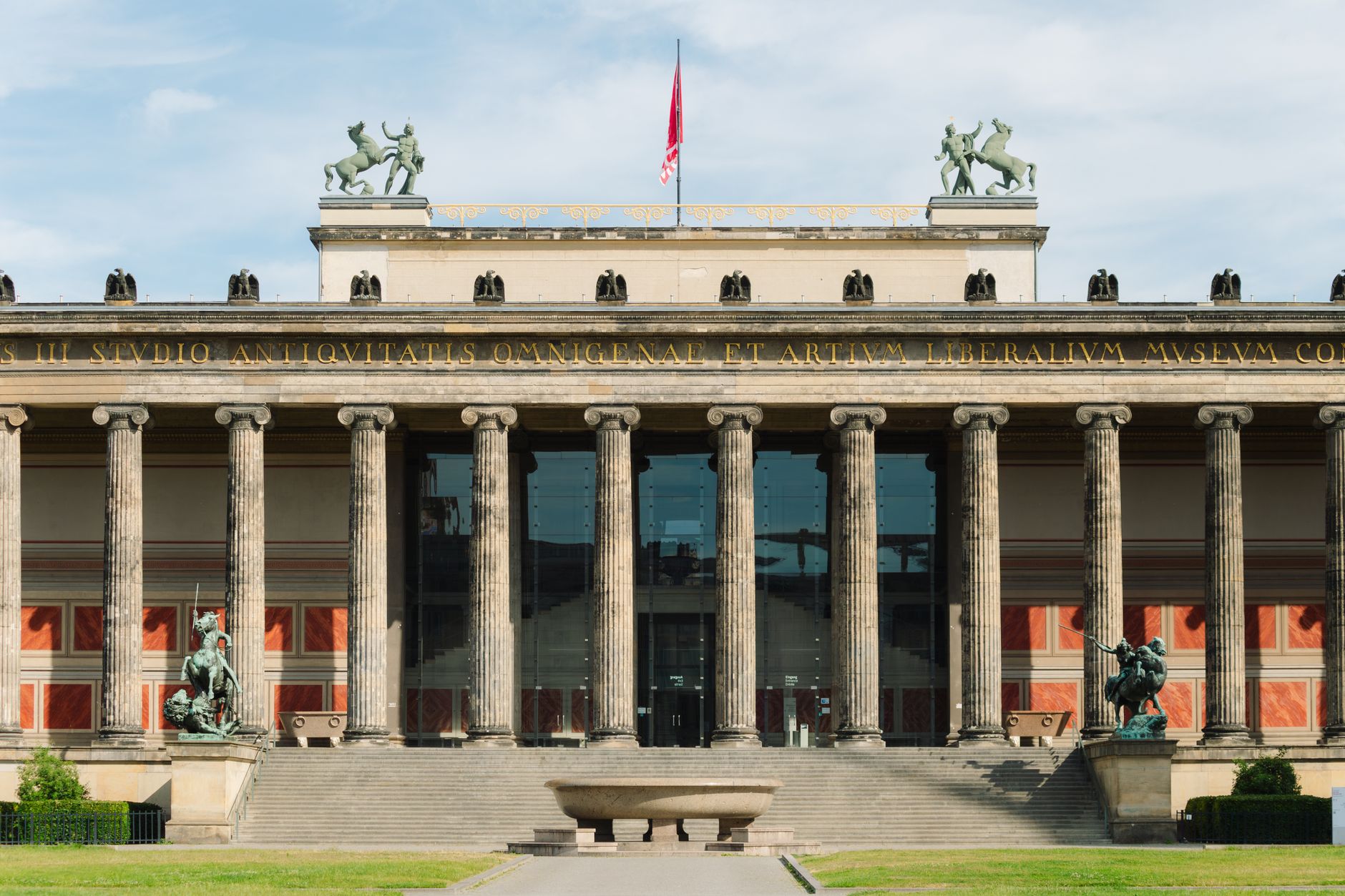
If you are looking for a Berlin trip with a built-in cultural centerpiece, the Long Night of Museums is one of the smartest weekends to choose. The 2026 edition takes place on Saturday, August 29, with 75 museums and around 750 events planned across the city. That scale is exciting, but it can also turn a short trip into a lot of unnecessary transit if you do not plan your route carefully.
This guide is for first-time visitors who want more than a random museum list. The goal is to help you shape a long weekend around one late, busy, high-choice Saturday night in Berlin, while keeping the rest of the trip walkable and balanced. August is a good time for this: days are still long, evenings are comfortable for walking, and Berlin’s museum districts connect well with parks, riverfront stretches, and neighborhoods worth exploring on foot.
If you like navigating cities as you walk, Ingry is genuinely useful in Berlin for understanding what you are passing rather than just moving between pins on a map.
Why this weekend works so well for a Berlin trip
The Long Night of Museums is not just a single attraction. It gives you a reason to organize the whole weekend around Berlin’s strongest cultural areas. In 2026, the event is scheduled for Saturday, August 29, and ticket sales begin on August 3, with the full program expected online from the end of July. That timing matters because you should not lock your exact Saturday evening route too early; wait until the participating museums publish their detailed events and then choose a cluster instead of trying to cover the whole city.
The biggest mistake visitors make in Berlin is overcommitting. Berlin is broad, not compact. Even when public transport is good, changing districts too often eats into the day. On this weekend, it is better to think in zones: Museum Island and Mitte, Kulturforum and Potsdamer Platz, or a western cluster around Charlottenburg. The official event also runs shuttle services between some museum areas, but public transport remains central to moving around efficiently.
A smart 3-day structure
Friday: Arrive and stay central
If you can choose, stay somewhere with easy access to Mitte, Friedrichstraße, Alexanderplatz, or Potsdamer Platz. Those areas are not the most romantic version of Berlin, but for a museum-heavy weekend they save a lot of time. On Friday, keep the plan light: an evening walk through Unter den Linden, the Spree riverfront, or the Hackescher Markt side streets is enough. You do not need a major attraction on arrival day. What you need is orientation.
This is a good evening to get your bearings around central Berlin and note the distances between Museum Island, the boulevard, and nearby transit stops. Berlin makes more sense once you see how its major sights connect in real space. Ingry can help with that kind of first walk, especially when you want context without booking a formal guided tour.
Saturday: Slow morning, focused afternoon, museum night
Do not start Saturday by trying to do three heavyweight museums before noon. The event itself will run late, so pace matters. Use the morning for an open-air Berlin route instead: start around the Brandenburg Gate, walk through the memorial and government quarter if that interests you, then continue east toward Unter den Linden and Museum Island. This gives you a sense of Berlin’s historical layers before you step indoors.
In the afternoon, stop for an early meal and narrow your evening plan to one core zone plus one backup option. The 2026 Long Night theme is “Crime in Berlin,” and the event website says 75 museums will take part, some for the first time. That does not mean every museum will suit every traveler. If you are visiting Berlin for the first time, resist the urge to chase novelty at the edges of the map. The better move is to choose a dense area where you can walk between venues or make only one short transit jump.
Sunday: A different side of Berlin
After a late Saturday, Sunday should not be another indoor marathon. Use it for one neighborhood with strong street life and a looser rhythm. Kreuzberg works well if you want canals, food, and a less ceremonial version of the city. Prenzlauer Berg is easier if you prefer leafy streets, cafés, and a gentler pace. Charlottenburg is the better choice if your Saturday route skipped western Berlin and you want a more classic big-city feel.
This contrast is what makes the weekend satisfying. One day gives you Berlin’s formal museum core; the next gives you the city as people actually inhabit it.
How to choose your museum-night zone
Museum Island and central Mitte
This is the easiest choice for first-time visitors because the setting itself is part of the experience. Even before you enter a museum, you are in one of Berlin’s strongest historical landscapes. If the final 2026 program includes several venues here that interest you, this is the least stressful option. It works especially well for travelers who want architecture, major collections, and a walkable evening with strong city atmosphere.
The downside is obvious: this area is popular, and it will feel busy. If you dislike crowds or queues, arrive with realistic expectations and avoid trying to pack too many stops into the prime evening hours.
Kulturforum and Potsdamer Platz
This is a good alternative if you want a more focused art-and-design evening and slightly more breathing room between historic-center crowds. The area is less charming at first glance, but it can be very efficient for serious museum visitors because institutions are grouped fairly logically. If the published program shows talks, performances, or one-off access here that really interests you, it can be a stronger choice than defaulting to Museum Island.
Charlottenburg and the west
Choose western Berlin if you have already seen the center before or want a weekend that feels a bit less predictable. The advantage is that you can combine a museum-focused Saturday evening with a Sunday morning or afternoon around Kurfürstendamm, quieter residential streets, or palace-and-park time depending on your interests. The tradeoff is that this choice makes less sense for travelers who want Berlin’s headline sights first.
What to book and when
For this specific weekend, the most important booking is not every museum ticket individually, but your overall trip logistics. Secure accommodation early if you know you want to be central. The official Long Night of Museums website says 2026 ticket sales begin on August 3, and prices increase after August 16, so waiting until the last minute is not ideal. The detailed program is expected from the end of July, which is the moment to finalize your route.
Once the event schedule is live, choose no more than three must-see stops for the night. Anything beyond that should be optional. Berlin rewards flexibility far more than rigid timing.
How to move through the city without wasting the weekend
For a short trip, Berlin is best handled as a walking city connected by public transport, not as a hop-everywhere sightseeing checklist. U-Bahn, S-Bahn, trams, and buses make most museum zones straightforward, but they do not erase distance. Keep each half-day geographically coherent.
A practical rule: if you are in Mitte on Saturday morning, do not go out to the far west for lunch and then back to Museum Island for the evening. If you choose a western museum-night route, shift the rest of the day west as well. Matching your daytime neighborhood to your nighttime cluster is the simplest way to make Berlin feel manageable.
For independent exploring between sights, Ingry is a helpful companion because Berlin often reveals itself between major stops, on side streets, river walks, and unexpected corners that a standard itinerary would ignore.
What to skip
Skip the idea of “seeing all of Berlin” in one weekend. Skip crossing the city for a single trendy food stop if it breaks the flow of the day. Skip stacking too many emotionally heavy history museums back to back on the same day unless that is the clear purpose of your trip. Berlin’s historical sites are important, but they are also demanding. Balance them with open-air time, neighborhood walking, and one or two places where you can simply sit and absorb the city.
And unless the official event program gives you a compelling reason, skip the temptation to build your night around scattered venues with long transit connections. On Long Night weekends, a compact route almost always beats an ambitious one.
A sample weekend rhythm
Friday evening
Arrive, check in, take a central walk in Mitte, eat nearby, and sleep early.
Saturday morning
Walk from Brandenburg Gate toward Unter den Linden and Museum Island, with coffee or a slow breakfast built into the route.
Saturday afternoon
Rest, have an early dinner, and position yourself near your chosen museum-night zone before the busiest hours begin.
Saturday night
Do the Long Night of Museums with a three-stop plan and one backup, not an endless list.
Sunday
Choose one neighborhood for a slower Berlin day: Kreuzberg, Prenzlauer Berg, or Charlottenburg depending on your style.
Final thought
Berlin is at its best when you stop trying to conquer it and start reading its districts properly. A Long Night of Museums weekend gives you a strong framework for that. You get one big cultural event, but also a reason to connect museums with streets, parks, transit logic, and the mood of late summer in the city. If you plan by area rather than by attraction count, Berlin feels far more generous and far less tiring.
Download
Saint Petersburg
Moscow
Rome