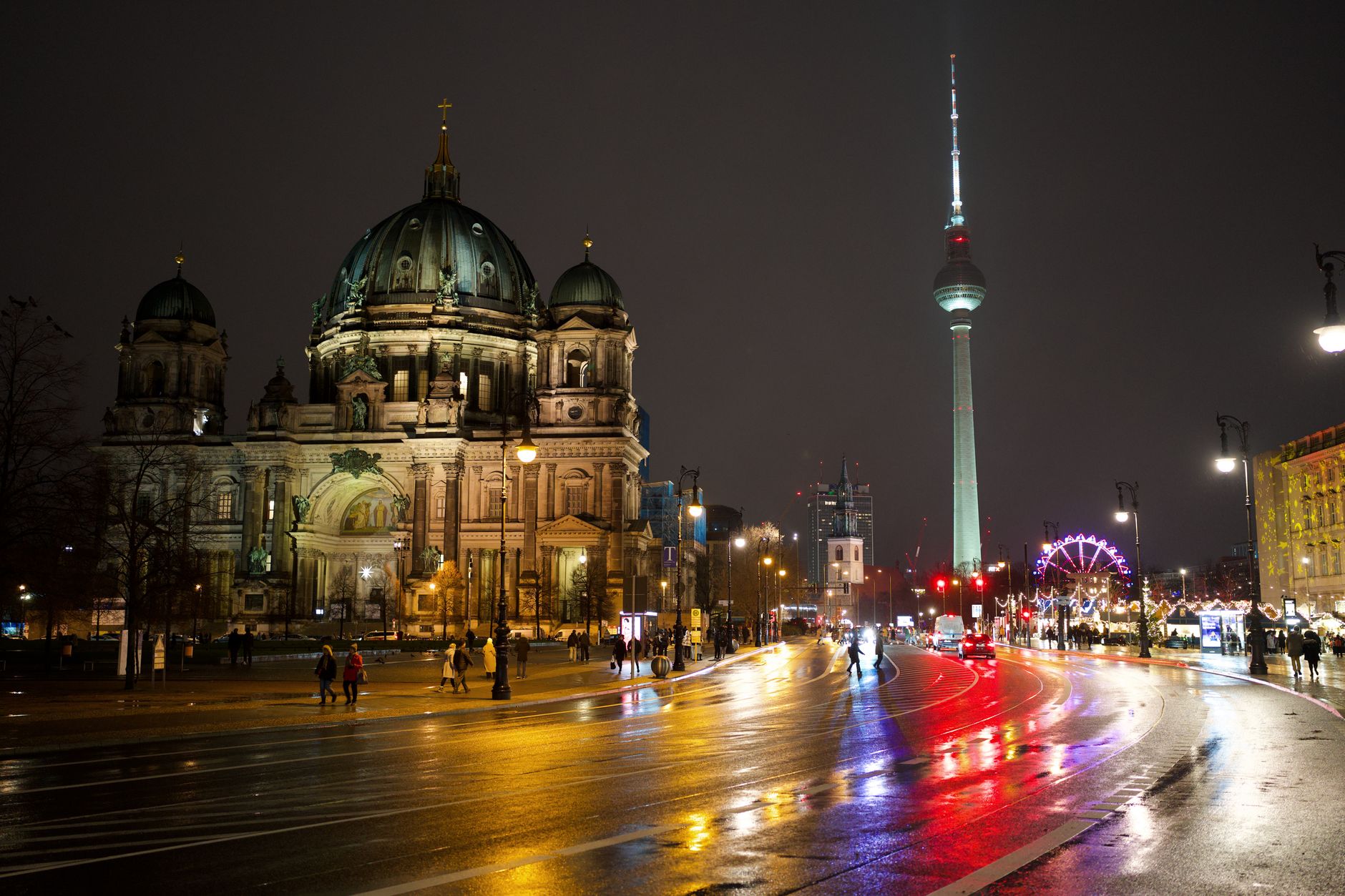
November is one of Berlin’s most underrated months. It is darker, cooler, and less photogenic than peak summer, but it can also be a very good time for a short trip if you plan the days well. The city leans inward in late autumn: museums feel more inviting, long walks make more sense when broken into warm indoor stops, and the first winter markets begin appearing toward the end of the month. Berlin’s event calendar in November 2026 includes seasonal openings as well as major citywide moments tied to the history of November 9, and official tourism listings also highlight Berlin Science Week from November 1 to 10, 2026.
For first-time visitors, the trick is not to chase too many far-apart sights in one day. Berlin is broad, and November weather rewards compact routes. This guide is built for a real weekend: one day in the historic center, one day around Berlin Wall history and creative neighborhoods, and one day shaped by your interests.
Why November works for a Berlin weekend
Berlin in November is best for travelers who like cities as they are, not only at their postcard peak. You are trading park weather for museum weather, but that comes with advantages. Big sights are still busy, yet the city usually feels calmer than in high summer or December. Toward late November, Berlin’s first Christmas and winter markets begin opening across the city, including options listed by Berlin’s official event pages. If you come earlier in the month, the atmosphere is more reflective, especially around sites connected to the Wall and twentieth-century history.
This is also a good month for walking with a purpose. Instead of spending hours outdoors just for the sake of it, aim for neighborhood loops with a rhythm: one major museum, one historic site, one café stop, one evening area. If you want help orienting yourself while moving between landmarks, Ingry is useful for exploring Berlin on foot without turning the day into a checklist.
How to plan the weekend well
Base yourself in Mitte, Prenzlauer Berg, or Kreuzberg
For a short stay, location matters more in Berlin than people expect. Mitte is the easiest base for first-time visitors because it keeps Museum Island, Unter den Linden, Alexanderplatz, and several transit lines within easy reach. Prenzlauer Berg works well if you want calmer streets, cafés, and a more residential evening feel. Kreuzberg suits travelers who want food, nightlife, and a less formal Berlin atmosphere.
Use transit, but keep each day walkable
Berlin’s U-Bahn, S-Bahn, trams, and buses make it easy to cross the city, but a better weekend usually comes from limiting long backtracking. Think in zones rather than single attractions. Museum Island pairs naturally with Unter den Linden and Nikolaiviertel. Bernauer Strasse pairs with Prenzlauer Berg. East Side Gallery pairs with Kreuzberg and Landwehr Canal walks.
What to skip
Do not try to combine Charlottenburg, Köpenick, the East Side Gallery, Museum Island, and a major nightlife plan all in one day. Berlin is not hard to navigate, but it is bigger than many first-time visitors assume. In November especially, too much crisscrossing can leave you tired, cold, and seeing mostly train platforms.
Day 1: Historic Berlin without rushing it
Start in Mitte and give the day a strong backbone instead of ten scattered stops. A smart first route is Brandenburg Gate, the Holocaust Memorial area, Unter den Linden, Museum Island, and the streets around Hackescher Markt.
Begin fairly early at Brandenburg Gate. Even if you have seen it in photos all your life, it works best in person when the square is still relatively open. From there, you can walk east through one of Berlin’s most historically loaded stretches. If this is your first trip, do not overschedule the morning with reservations in different districts.
Next, choose one major museum rather than trying to do all of Museum Island. In November, this matters. A single museum with time to slow down is much more enjoyable than museum-hopping in cold weather. If you are especially interested in archaeology, ancient art, or big historical collections, this is the place to spend several hours.
Afterward, walk through Nikolaiviertel if you want a compact old-town-style pocket, then continue toward Hackescher Markt for a livelier afternoon and evening. This area works well in November because it gives you shops, courtyards, cafés, and dinner options without requiring another long transit jump.
Good pacing for Day 1
Keep the morning focused on monuments and one museum, then leave the late afternoon flexible. November days are shorter, and Berlin feels different after dark. If energy allows, end with a gentle evening walk around the Spree or along Unter den Linden rather than forcing another major indoor sight.
Day 2: Berlin Wall history and neighborhoods that still feel lived-in
For many travelers, this becomes the most memorable day. Start at the Berlin Wall Memorial on Bernauer Strasse. It gives more context and emotional weight than treating Wall history as just a photo stop. The area helps explain not only the division itself but how the border cut through ordinary streets and lives.
From there, continue into Prenzlauer Berg. This is a good November neighborhood because it is easy to enjoy slowly. You can walk past Altbau streets, small cafés, and local shops without needing perfect weather. If the day is grey, it still suits the area.
Later, head south or southeast depending on your interests. If you want a visual, open-air contrast, go to the East Side Gallery. If you prefer a more neighborhood-based afternoon, spend longer in Kreuzberg instead, where a canal-side walk and a food-focused evening often work better than trying to fit in one more major monument.
To connect these places without getting lost in logistics, Ingry can help you keep the route coherent while still letting Berlin feel discoverable rather than overplanned.
About November 9 in Berlin
If your trip falls around November 9, check official city listings before you go. Berlin regularly marks the date with commemorative events because it connects to several pivotal moments in German history, including the fall of the Berlin Wall. That can add meaning to a history-focused weekend, but it may also change crowd patterns around memorial sites.
Day 3: Choose your version of Berlin
The third day should not look the same for everyone. Berlin rewards interest-led planning much more than generic top-ten tourism.
If you want classic museums and formal architecture
Stay with Kulturforum, central museums, or a second Museum Island visit. This makes sense if the weather is poor or if your trip is more art-focused than neighborhood-focused.
If you want markets and early winter atmosphere
Come in the second half of November and look for the first winter and Christmas markets starting to open around the city. Official Berlin event pages note that some winter markets begin in November, before the main December rush. This is often a sweet spot: you get some festive atmosphere without the densest holiday crowds.
If you want contemporary Berlin
Build the day around Kreuzberg, Neukölln, or a mix of café stops, canals, bookshops, and smaller cultural spaces. This works especially well if you have already seen the headline sights and want the city to feel less staged.
If your November weekend overlaps with an event
Berlin Science Week is scheduled for November 1 to 10, 2026, with a public weekend from November 6 to 8 at HKW, according to official event listings. If you are already visiting at that time, it can be a worthwhile addition, especially for travelers who like talks, exhibitions, and a more local-feeling cultural program. But it should stay an addition, not the whole plan, unless science programming is the reason for your trip.
Later in the month, Berlin’s official event listings also show the gradual arrival of winter attractions and early market openings. If your visit is in late November, it makes sense to leave one evening unstructured so you can follow the best atmosphere nearby rather than commuting across the city for a single market.
What the weather changes in practice
November in Berlin is not the month for heroic all-day outdoor itineraries. Even when it is not raining, the combination of damp air, wind, and early darkness changes how long places feel pleasant. The practical solution is simple: shorten outdoor links between stops, wear proper layers, and plan at least one substantial indoor block each day.
This is also a month when lunch can become part of your route strategy rather than just a meal. A warm midday break resets the whole afternoon. If the forecast looks rough, prioritize compact districts with indoor options close together instead of photo spots that require long exposed walks.
A sample 3-day rhythm
Friday afternoon or evening arrival
Check into Mitte, Prenzlauer Berg, or Kreuzberg. Take a short orientation walk instead of trying to sightsee seriously after arrival.
Saturday
Mitte, Brandenburg Gate, Unter den Linden, one major museum, Hackescher Markt.
Sunday
Berlin Wall Memorial, Prenzlauer Berg, then Kreuzberg or East Side Gallery depending on mood and weather.
Monday or final half-day
Choose one: more museums, a late-November market route, or a neighborhood day with cafés and canals.
If you prefer to explore with more context while walking, Ingry is a practical companion for making sense of Berlin’s layers without constantly stopping to piece together where you are.
Final thoughts
Berlin in November is not about chasing perfect weather or doing the city at maximum speed. It is about building a route that suits the season: history in the morning, museums in the middle of the day, neighborhoods in the afternoon, and warm, atmospheric evenings. If you accept that rhythm, November can be one of the smartest months for a first Berlin weekend.
The city feels serious, creative, and lived-in at this time of year. Plan compactly, leave room for weather changes, and let the trip be shaped as much by districts as by attractions. That is usually when Berlin starts to make sense.
Download
Saint Petersburg
Moscow
Rome