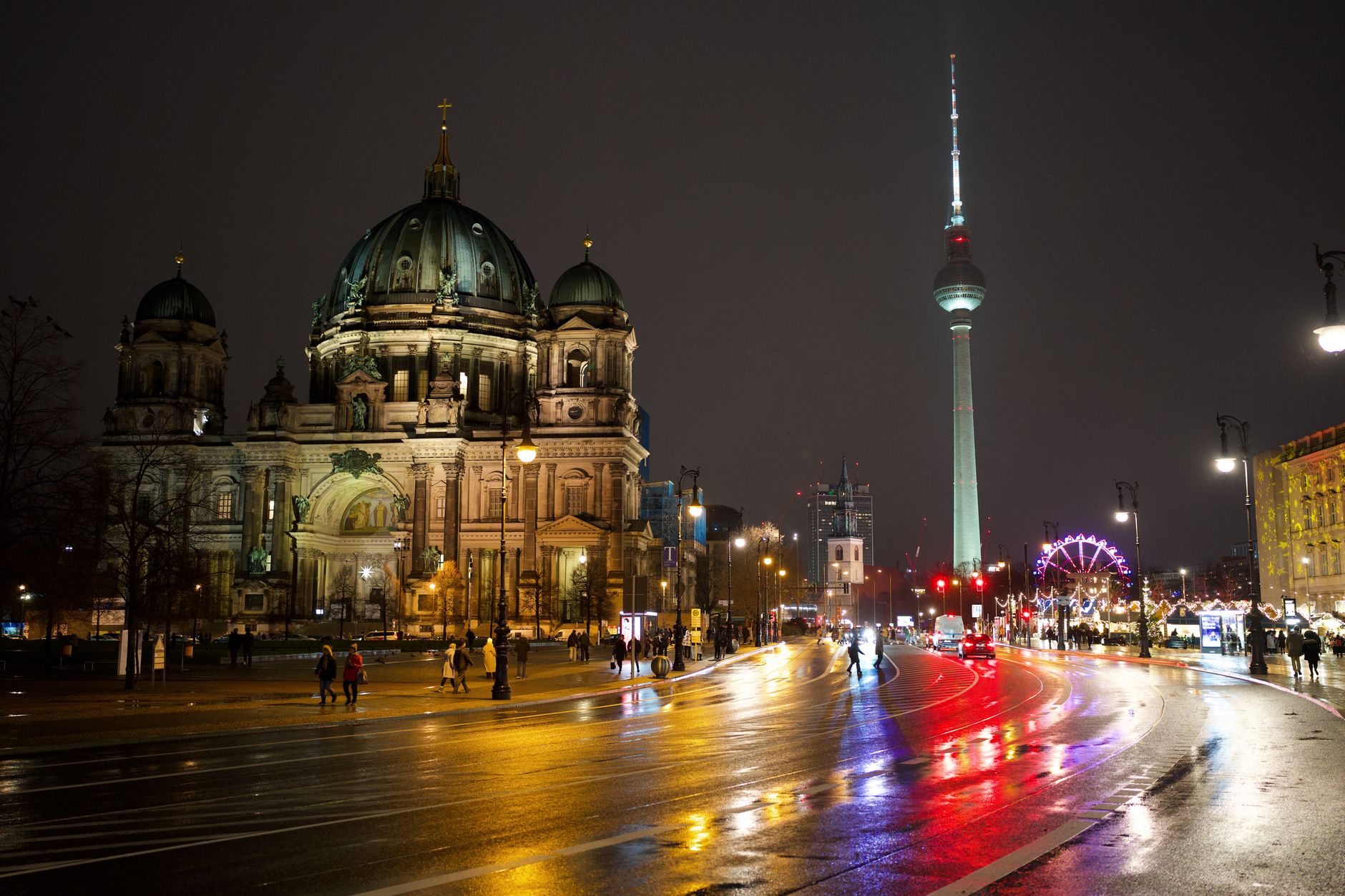
August is one of the easiest months to enjoy Berlin well. The days are still long, parks and beer gardens are busy, lakes are tempting on warm afternoons, and the city’s cultural calendar stays full deep into late summer. Berlin also spreads out more than many first-time visitors expect, so the real trick is not making a giant checklist. It is choosing a few areas that connect naturally on foot or by short transit hops.
This guide is for travelers planning a real August weekend in Berlin: three days, mostly on foot, with sensible use of U-Bahn and S-Bahn, enough museum time to feel the city’s history, and enough outdoor time to enjoy why summer in Berlin feels different from other European capitals.
Why August works so well for a Berlin trip
Berlin’s official August 2026 event calendars show a packed late-summer season, including major city events such as Tanz im August from August 13 to 29 and the Long Night of Museums on August 29. Berlin’s August listings also confirm that the city stays active across museums, festivals, concerts, and open-air events through the month rather than slowing down after July. (berlin.de)
For most visitors, that means August is best approached as a city of neighborhoods and rhythms. Mornings are ideal for historic areas and museums. Midday works better for leafy streets, shaded courtyards, or time by the water. Evenings are for river walks, outdoor dining, and long stretches of simply seeing where Berlin opens up.
Before you plan the days: a few smart Berlin logistics
1. Keep each day in one broad zone
Berlin is not difficult, but it is large. A plan that mixes Charlottenburg, East Side Gallery, Treptower Park, and Museum Island in one day will feel inefficient fast. Group your sightseeing geographically.
2. Expect different crowd patterns than in compact old-city destinations
Museum Island, Brandenburg Gate, the Reichstag area, and the East Side Gallery draw heavy daytime foot traffic, while parks, canals, and outer neighborhoods often feel much calmer. Berlin rewards leaving the headline sights after you have seen them once.
3. Museums need some day-of-week awareness
The Staatliche Museen zu Berlin notes that many Berlin museums are closed on Monday and/or Tuesday, so do not assume every museum is available every day. If culture is central to your trip, check specific venues before locking in your order. (smb.museum)
4. If you want Museum Island access, choose the right pass
The official Berlin WelcomeCard has different versions, and the Museum Island variant includes free admission to the museums on Museum Island during the ticket’s validity, excluding special exhibitions. That is useful if your Berlin weekend includes several major collections close together. (visitberlin.de)
To keep your route easy while you walk, it helps to use Ingry for orientation, nearby landmarks, and short city context as you move between stops instead of constantly re-planning on the go.
Day 1: Historic Berlin without rushing it
Morning: Museum Island and Unter den Linden
Start in the historic center. Even if you are not doing a museum-heavy trip, this is the best first morning because the area gives you Berlin’s layers quickly: imperial architecture, major museums, the cathedral skyline, broad boulevards, and easy walking in several directions.
A good August approach is to pick just one or two museums rather than trying to conquer the island. You will remember more, move at a better pace, and still have energy for the rest of the day. From there, walk Unter den Linden toward Brandenburg Gate, letting the city open gradually rather than treating each building as a separate stop.
Midday: Pariser Platz to the Reichstag area
Brandenburg Gate is unavoidable, and that is fine. See it, but do not linger too long in the busiest patch unless you have a specific reason. The more enjoyable move is to continue into the broad government quarter, where the scale changes and the city feels more spacious.
If the afternoon is hot, this is a good point to slow down for lunch indoors or in a shaded courtyard rather than forcing another museum immediately.
Late afternoon: Tiergarten
After the formal center, shift into greenery. Tiergarten works best not as a destination with a checklist but as a decompression zone. Walk a manageable section of it, sit for a while, and avoid the temptation to cover the whole park. In August, this break matters. Berlin is more enjoyable when you build pauses into the day.
Evening: Potsdamer Platz or a quieter dinner elsewhere?
Potsdamer Platz is easy to reach from here, but it is not where every visitor needs to spend the evening. If you want convenience, go. If you want a more Berlin-feeling evening, head instead toward a neighborhood street in Mitte, Prenzlauer Berg, or Kreuzberg and settle in there. In Berlin, atmosphere often improves once you step away from the biggest postcard zone.
Day 2: Kreuzberg, canals, and Berlin at street level
Morning: Kreuzberg walking first, museum second
Many first-time visitors over-schedule indoor sights and under-schedule Berlin itself. Kreuzberg is where you correct that. Begin with a walk through the area around Landwehr Canal, then continue through local streets, cafés, and small green pockets. The point is not to tick off attractions. It is to understand how Berlin feels outside the ceremonial center.
August is a strong month for this because the city is outward-facing: people are sitting outside, moving slowly, meeting in parks, and using the canal edges as social space.
Midday: choose one focus
You have two good options here. If you want more history, continue toward Checkpoint Charlie only if it genuinely interests you; otherwise skip it. The area is important historically but can feel underwhelming if you expect depth from the street itself. If you want a more satisfying midday, stay in Kreuzberg or move toward Tempelhofer Feld for open space.
Tempelhofer Feld is one of the clearest examples of Berlin’s scale and personality: less ornamental than a classic capital-city park, more open, breezy, and local in use. If the weather is good, it can be more memorable than another hour indoors.
Afternoon: East Side logic, only if you still have energy
If you want to see the East Side Gallery, pair it with this day rather than with Museum Island. The route makes more sense from Kreuzberg, and the contrast works: canal life, repurposed urban space, then a long surviving stretch of the Wall as public art and memory. Go later in the day if possible, when the light softens and the walk feels less exposed.
While moving between these areas, Ingry is useful for spotting what is around you without turning the day into a rigid attraction march. Berlin often rewards the short detour more than the headline stop.
Evening: stay east or return central?
If you finish near the river in Friedrichshain or Kreuzberg, stay there for dinner. This is one of the easiest mistakes to avoid: do not bounce back to Mitte just because it looks central on the map. Berlin evenings are better when you stay close to where your day naturally ended.
Day 3: A Berlin summer choice — lake day or culture day
The smartest final day in August depends on the weather and your energy level.
Option A: light lake-and-green-space day
If Berlin is warm and you have already done your core sightseeing, use the last day differently. Berlin’s summer culture is tied not only to monuments and museums but also to outdoor escape. A half-day by a lake or in a large green area gives your trip a more complete shape than squeezing in distant attractions just to say you saw them.
Keep this simple. The goal is not to execute a complicated regional excursion. It is to leave room for water, shade, and an unrushed lunch before returning to the city.
Option B: Charlottenburg and west Berlin
If you prefer architecture, boulevards, and museums, spend the final day in the west. Charlottenburg makes a good contrast to the historic center and Kreuzberg: broader avenues, a different pace, and a more classical city feel. This is a better use of time than trying to squeeze west Berlin into the same day as Museum Island.
If you do choose a museum, stick to one main venue and build the day around the neighborhood. Berlin usually works best when one major indoor sight anchors a day rather than dominates it.
If your August weekend matches a special Berlin event
Long Night of Museums: August 29, 2026
If your trip falls on Saturday, August 29, 2026, the Long Night of Museums is worth planning around. Official Berlin sources say 75 museums and 750 events are included, with museums open from 6:00 p.m. to 2:00 a.m. Official ticket information from visitBerlin also notes shuttle buses on four routes connecting many participating museums, alongside regular public transport through the night. (berlin.de)
The practical mistake here is trying to do too much. Pick one cluster, maybe two. Focus on atmosphere, one or two standout museums, and the late-night city mood rather than chasing numbers. This event works best as a curated evening, not a museum marathon.
Tanz im August: August 13–29, 2026
If you are visiting between August 13 and 29, Berlin’s official listings confirm the dates for Tanz im August, a major contemporary dance festival held across the city. That can be a strong anchor for travelers who want one cultural evening built into an otherwise general sightseeing weekend. (berlin.de)
What first-time visitors should skip in August
Trying to “finish” Berlin
You will not. The better goal is to understand three or four parts of it properly.
Overcommitting to midday museum time on the hottest day
Berlin in August is better with a flexible middle section: park, canal, long lunch, or water.
Crossing the city for weak reasons
A minor attraction rarely justifies a 40-minute transfer unless it is personally important to you.
Assuming every famous site needs a long stop
Some of Berlin’s best moments are transitional: a bridge, a canal path, a shaded street, a sudden view through a courtyard, a quiet hour in a park.
A smart Berlin weekend, in one sentence
In August, the best Berlin trip is not a race between landmarks. It is one day for the historic center, one day for neighborhood Berlin, and one day shaped by weather, energy, and whether you want one more museum or one long summer afternoon outdoors.
If you like exploring cities on foot and want help understanding what you are passing, Ingry fits Berlin especially well: the city becomes much more rewarding when you can follow the route naturally and still catch the stories behind the places around you.
Download
Saint Petersburg
Moscow
Rome