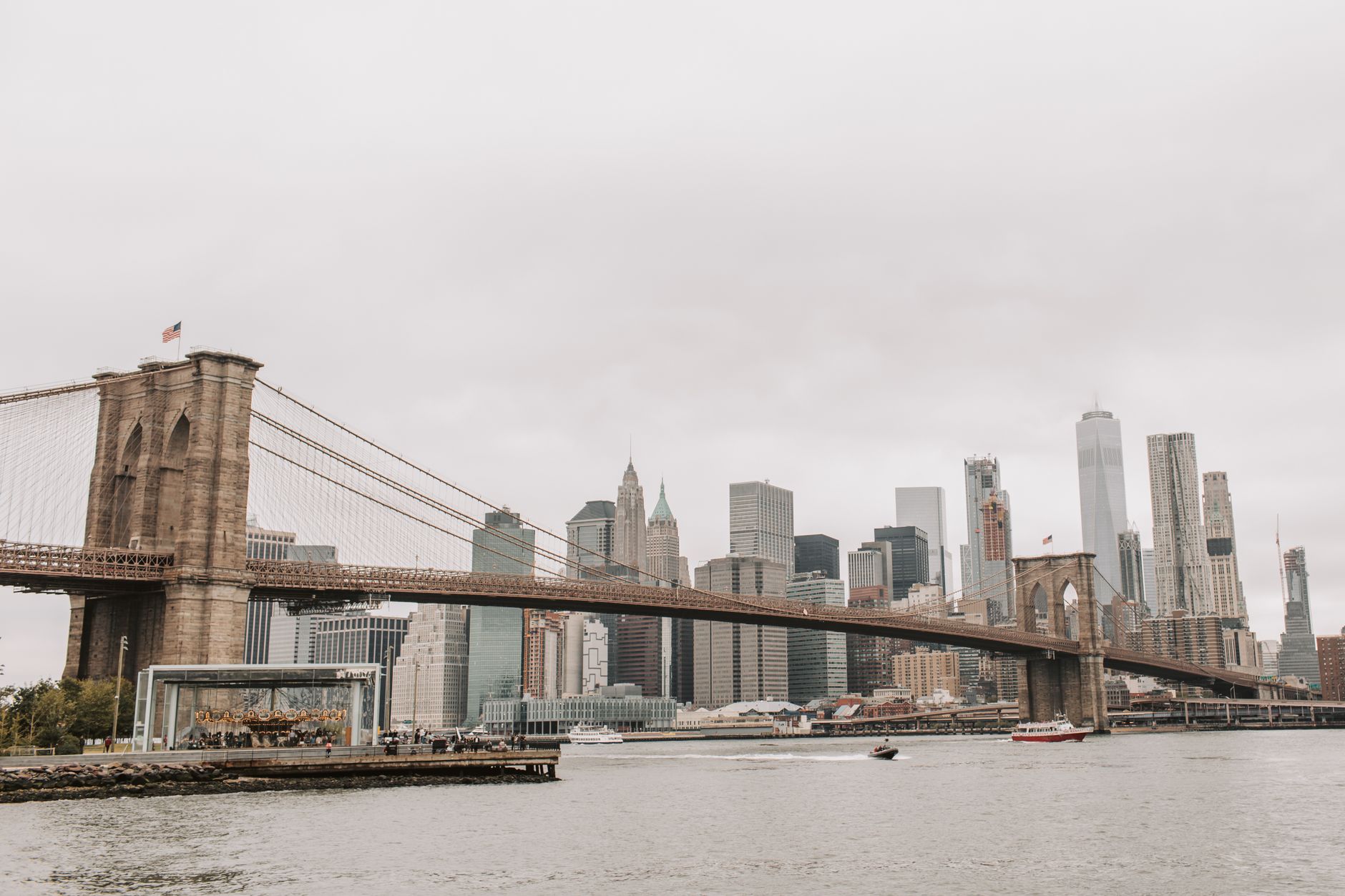
If you are choosing a summer weekend for a first trip to New York City, the 4th of July stands out in 2026 for one simple reason: the city’s biggest annual celebration is also marking a major anniversary year. Macy’s has announced that its 50th annual 4th of July Fireworks will take place on Saturday, July 4, 2026, with fireworks staged around the Brooklyn Bridge, the lower East River near the Seaport District, and the lower Hudson River in collaboration with Jersey City. That means more viewing zones than in a typical year, but also more pressure on Lower Manhattan, Brooklyn waterfront areas, and river crossings.
This is not the weekend for a checklist approach. New York works better if you plan by geography, walk as much as possible, and avoid crossing the city at the wrong hour. If you want help understanding what you are looking at while moving through different neighborhoods, Ingry is genuinely useful for walking in New York City, especially when you want context without joining a tour.
Why July 4, 2026 is a strong New York City trip idea
For travelers, this weekend combines three things that usually do not line up perfectly: long daylight, park-and-waterfront weather, and a citywide event that gives shape to the trip. In 2026, the Macy’s show is expanding across the Brooklyn Bridge, lower East River, and lower Hudson River for its 50th edition, tied to the United States semiquincentennial celebrations. Even if fireworks are not your main reason to visit, the holiday weekend creates a clear structure for a three-day stay.
The tradeoff is obvious: this is a busy weekend. You should expect congestion around Lower Manhattan, bridge approaches, East River viewpoints, and major subway transfer stations. That does not mean avoiding the city center entirely. It means building your days so the most crowded moments happen when you are already in the right area.
Best areas to stay for the weekend
Lower Manhattan or the Seaport area
This is the most logical base if fireworks are your priority. You can stay within walking distance of the waterfront, the Brooklyn Bridge area, and early-morning downtown sights before the biggest crowds build. The downside is obvious too: the holiday atmosphere can turn a simple crosstown move into a slow one.
Downtown Brooklyn
This is a smart compromise. You are close to Brooklyn Bridge-adjacent neighborhoods, Brooklyn Heights, DUMBO, and multiple subway options, but you are not sleeping inside the densest part of the event footprint. For many first-time visitors, this is the easiest balance between access and sanity.
Long Island City
If you want a calmer hotel base with good transit and skyline access, Long Island City is worth considering. It gives you quick reach to Manhattan while keeping you out of the thickest holiday foot traffic. It is less atmospheric than staying downtown, but often more practical.
I would skip Midtown as a July 4 base unless your whole trip is built around classic first-time sights. It works, but on this particular weekend you may spend too much energy moving up and down the island instead of enjoying one area at a time.
How to structure a smart 3-day July 4 weekend
Day 1: Arrive and keep it local
Do not treat arrival day as your ambitious museum day. Choose one compact walking zone and settle into the city’s rhythm. A strong first-day route is Lower Manhattan into the Seaport, then a waterfront walk with views toward the bridge and harbor. This lets you understand the geography before the holiday crowds peak.
If you arrive early, add a walk through the Financial District, then continue toward the East River. You are not trying to “complete” downtown. You are building orientation. This is where a tool like Ingry helps: New York becomes much more memorable when streets, buildings, and river edges feel connected rather than random.
Day 2: Saturday, July 4 — plan around the fireworks, not against them
On the holiday itself, stay close to your evening zone. Since the 2026 fireworks footprint includes the Brooklyn Bridge, lower East River, Seaport District, and lower Hudson River, you should avoid unnecessary cross-city trips late in the day. Pick your side early and commit to it.
A good pattern is to spend the morning in a nearby neighborhood, take a long midday break indoors, then return to the waterfront area well before evening. That break matters more than people think. New York in early July can feel draining if you spend all day in heat, sun, and crowds before standing outside again at night.
If you choose the East River side, pair the day with the Seaport, Lower Manhattan, Brooklyn Heights, or DUMBO. If you choose the Hudson side, build the day around Lower Manhattan’s western edge rather than trying to squeeze in Midtown first. In both cases, walking beats short taxi rides once streets begin closing and stations start filling.
Day 3: Sunday — recover with a neighborhood day
The best post-fireworks day is not another high-pressure attraction sprint. Go for a neighborhood-based route: the Upper West Side and Central Park, or Greenwich Village and the West Village, or a Brooklyn day built around brownstone streets and a slower lunch. This gives the trip shape: one event day, one classic walking day, one softer local day.
If you prefer museums, make Sunday your museum morning rather than trying to fit one into July 4 itself.
What we know about the 2026 Macy’s 4th of July Fireworks
As of June 2026, Macy’s has confirmed that the 50th annual show will be held on Saturday, July 4, 2026. The company says the display will span the lower East River in the Seaport District, the lower Hudson River in collaboration with Jersey City, and the Brooklyn Bridge. That wider setup suggests multiple viewing possibilities, but official detailed public viewing logistics can change closer to the date, so travelers should expect final access plans, closures, and crowd-control details to be released later.
The key practical point is simple: do not assume you can improvise from one side of the city at the last minute. Fireworks weekends in New York are won or lost by positioning. Decide your area in advance, arrive earlier than feels necessary, and be emotionally prepared to leave on foot for part of the trip back.
Where to spend the day before the fireworks
The biggest mistake visitors make is overloading July 4 itself. Keep the day compact.
Best pairings for an East River fireworks plan
Choose one of these combinations:
Lower Manhattan and the Seaport; Brooklyn Heights and DUMBO; or a short downtown museum stop followed by an early meal near your evening zone. All three options minimize unnecessary transit and make it easier to be in place before access points become stressful.
Best pairings for a Hudson-side plan
Stay on Manhattan’s west or southwest side. A riverside walk, a relaxed lunch, and an early return to your chosen viewing area is far smarter than trying to add Midtown, Central Park, and a sunset cruise all in one day.
If you like moving through cities on foot, use Ingry for these in-between stretches. New York rewards travelers who notice transitions between neighborhoods, not just headline sights.
How to handle crowds and transit without ruining the weekend
Expect walking to do the real work
On big event days, the subway is essential until it suddenly is not. Stations can become crowded, entrances may be managed, and short distances are often faster on foot. Wear shoes you can actually walk in for an hour.
Do not plan tight meal reservations near the event zone
A nice dinner with a fixed time sounds civilized, but on July 4 it can trap you. Keep meals flexible, eat earlier than usual, and leave yourself room for street closures and detours.
Use one bridge-and-waterfront area, not all of them
Visitors often try to “sample” downtown Manhattan, Brooklyn Bridge Park, DUMBO, and another skyline point in one afternoon. That is exactly how you burn energy and end up stuck between crowds. Pick one cluster and stay there.
Skip taxis late in the day
In the hours before and after fireworks, surface traffic can be frustratingly slow. Unless you are traveling a long distance well outside the closure zone, walking and subway combinations are usually more reliable.
What to skip on this weekend
Skip anything that requires multiple timed entries in different boroughs on July 4 itself. Skip the fantasy of seeing all of Midtown before heading downtown for fireworks. Skip rooftop plans that demand cross-town transfers at the worst possible hour unless that rooftop is your entire evening plan.
Also skip the urge to chase the “perfect” secret viewpoint. In New York, a good location you can actually reach calmly is better than an ideal location you spend the whole evening trying to access.
A realistic packing and pacing note for early July
New York City has already begun public summer heat messaging for 2026, and the city advises residents and visitors to prepare for extreme heat conditions during the season. For travelers, that means water, shade breaks, and a slower midday pace matter more than you think. Build indoor time into the middle of the day, especially if your evening involves standing outside for a major event.
This is one of those weekends when city stamina matters as much as sightseeing ambition. If you manage your energy well, July 4 can feel festive and cinematic. If you over-schedule, it can feel like a queue with a skyline attached.
Final verdict: is July 4 weekend a good first trip to New York City?
Yes, if you want atmosphere and can accept crowds. For a first-time visitor, the 2026 holiday weekend has a clear advantage: it gives New York a built-in narrative. Downtown walks feel more purposeful, waterfront areas feel more alive, and the fireworks create a natural centerpiece for the trip.
But this is only a good choice if you plan simply. Stay in one logical area, build each day by neighborhood, walk more than you think, and do not confuse a busy schedule with a good trip. New York is at its best when the city unfolds block by block.
For that kind of trip, a walking-first tool like Ingry fits naturally: not as a replacement for wandering, but as a way to make your wandering smarter.
Download
Saint Petersburg
Moscow
Rome